
Kerala Culture & Traditions: Art, Dance, Festivals & Cuisine
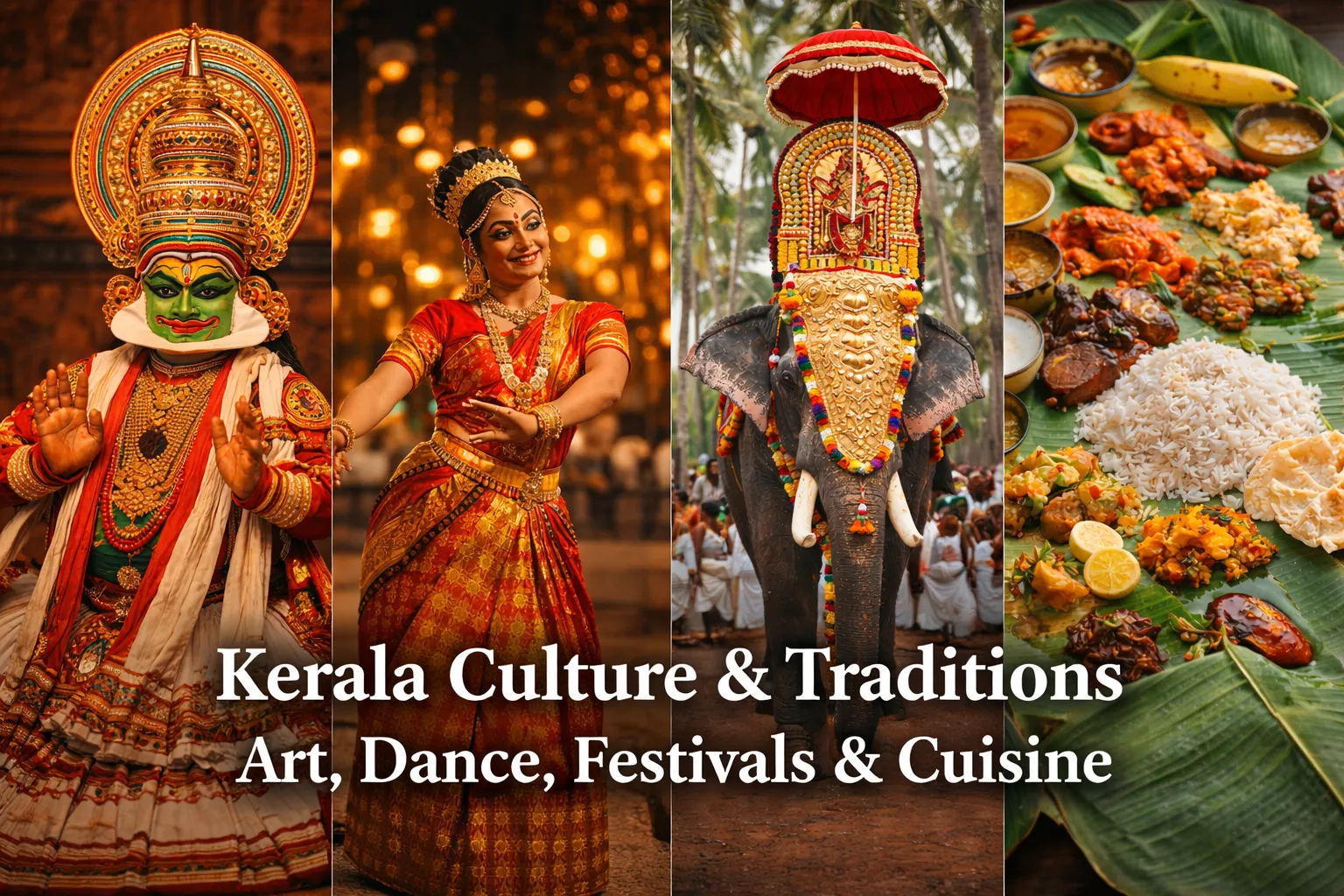
The Living Culture of Kerala: A Deep Dive

Kerala's culture is one of India's most distinctive - shaped by geography, trade, and a remarkable history of religious harmony. With 100% literacy and strong artistic traditions, Kerala has preserved heritage while embracing modernity.
Classical Art Forms
Kathakali: The Dance-Drama Epic
Kathakali is Kerala's most recognized art form - a stunning combination of dance, drama, music, and elaborate costume.
Understanding Kathakali:
- Origin: Developed in 17th century from earlier forms
- Stories: Primarily from Hindu epics (Ramayana, Mahabharata)
- Duration: Traditional performances last all night
- Language: Malayalam with Sanskrit verses
The Visual Spectacle:
Makeup (Chutti):
- Takes 3-4 hours to apply
- Made from natural ingredients (rice paste, colors)
- Different colors indicate character types:
- Green (Paccha): Noble, heroic characters
- Knife (Kathi): Villainous but cultured
- Red Beard (Chuvanna Thadi): Evil characters
- Black (Kari): Forest dwellers, demons
- White Beard (Vella Thadi): Righteous elderly
Expressions (Navarasas):
- Nine emotions expressed through face
- Eyes are primary communicators
- Years of training required for mastery
- Each expression has specific context
Where to Watch:
Tourist-Friendly Performances:
- Kerala Kathakali Centre, Fort Kochi (daily 5-6 PM)
- Greenix Village, Kochi
- Cultural centers in Thiruvananthapuram
- Many hotels and resorts arrange shows
Authentic Full Performances:
- Temple festivals (inquire locally)
- Kerala Kalamandalam, Thrissur (performances and tours)
- Cultural festivals (Onam season best)
Pro Tips:
- Arrive early to watch makeup application
- Tourist versions are 1-2 hours (accessible)
- Read story synopsis beforehand
- Focus on eyes and hand gestures
Mohiniyattam: The Dance of the Enchantress
Kerala's graceful classical dance form, traditionally performed by women.
Characteristics:
- Slow, swaying movements
- White and gold costumes
- Themes of love and devotion
- Less dramatic than Kathakali
- More accessible to general audiences
Where to Watch:
- Same venues as Kathakali
- Sometimes combined programs
- Cultural festival performances
Theyyam: Living Gods of North Kerala

Perhaps the most extraordinary art form - where performers become divine.
What Is Theyyam:
- Ancient ritual art form
- Performer becomes deity during ritual
- Elaborate costumes and headdresses
- Trance-like performance state
- Hundreds of different Theyyams exist
The Experience:
- Performed at small village shrines
- Usually starts late night, continues till dawn
- Community gathering and participation
- Otherworldly atmosphere
- Photography usually permitted (respectfully)
When and Where:
- Season: October to May (peak: Dec-Feb)
- Location: Kannur and Kasaragod districts
- Finding Performances: Ask locals, hotels can help, or search online schedules
- Best Known Temples: Parassinikadavu, Andalur
Cultural Significance:
- Originally performed by lower caste communities
- Only time when social hierarchy inverts
- Upper caste devotees bow to lower caste performers
- Unique social commentary within religious practice
Kalaripayattu: Mother of Martial Arts
One of world's oldest fighting systems, believed to have influenced Asian martial arts.
History:
- Origins traced to 4th century or earlier
- Developed by warrior communities
- Influenced through trade routes
- Combines fighting, healing, and spirituality
What You'll See:
- Combat with bare hands
- Weapon fighting (swords, shields, staffs)
- Flexibility and acrobatic movements
- Dramatic sparring demonstrations
Where to Watch:
- CVN Kalari, Thiruvananthapuram (most famous)
- Kalari centers in Kochi and throughout Kerala
- Many offer training courses (short to long-term)
Major Festivals
Onam: Kerala's Grand Celebration
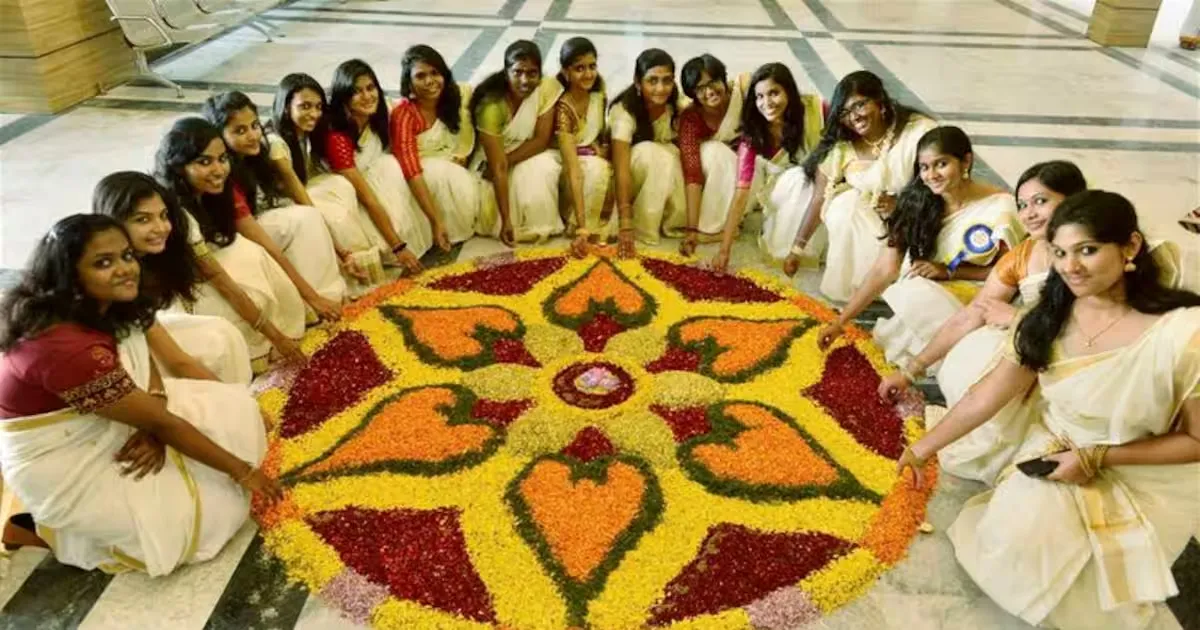
The state's biggest festival, celebrating mythical King Mahabali.
The Legend:
- King Mahabali ruled Kerala in golden age
- Sent to underworld by Lord Vishnu (as Vamana avatar)
- Allowed annual visit to his people
- Onam celebrates his homecoming
When: August-September (based on Malayalam calendar)
Celebrations Include:
Pookalam:
- Elaborate flower carpet designs
- Created at home entrances
- Competitions held
- Grows larger through festival days
Onam Sadya:
- Grand vegetarian feast
- Served on banana leaf
- 20+ dishes traditional
- Community gatherings
Vallam Kali (Boat Races):
- Snake boats with 100+ rowers
- Nehru Trophy in Alleppey most famous
- Crowds of thousands
- Spectacular sight
Cultural Programs:
- Kathakali and Mohiniyattam
- Traditional games
- Flower processions
- New clothes tradition
Experiencing Onam as a Tourist:
- Hotels organize Sadya feasts
- Boat races require advance planning
- Alleppey best for authentic experience
- Book accommodation months ahead for Nehru Trophy
Thrissur Pooram: Festival of Festivals
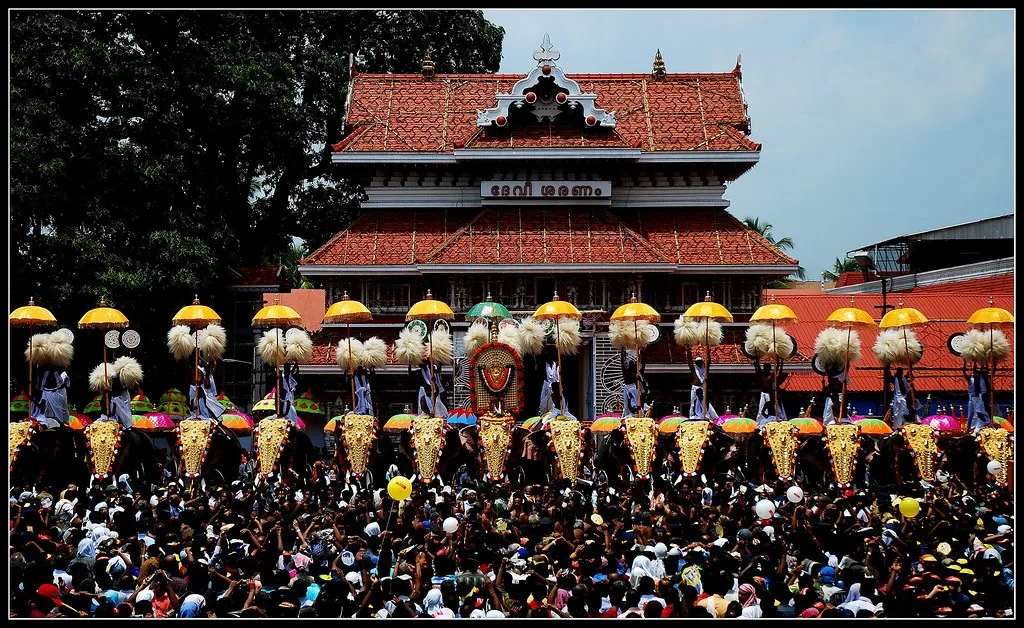
India's largest temple festival.
When: April-May (Malayalam month of Medam)
Where: Vadakkunnathan Temple, Thrissur
What Happens:
- Multiple temples participate
- Decorated elephants (30+ each side)
- Panchari melam (percussion orchestra)
- Competitive umbrella display (Kudamattam)
- Spectacular fireworks (largest in Asia)
The Experience:
- Crowds exceed 1 million
- All-night celebration
- Overwhelming sensory experience
- Heat and crowd require preparation
Vishu: Kerala New Year
Malayalam New Year, usually mid-April.
Traditions:
- Vishukkani: First thing seen should be auspicious arrangement
- Gold, rice, fruits, mirror, holy texts arranged
- Family wakes to see Vishukkani
- New clothes (Puthukodi) tradition
- Firecrackers (burst throughout day)
- Special feast with traditional dishes
Kerala Cuisine
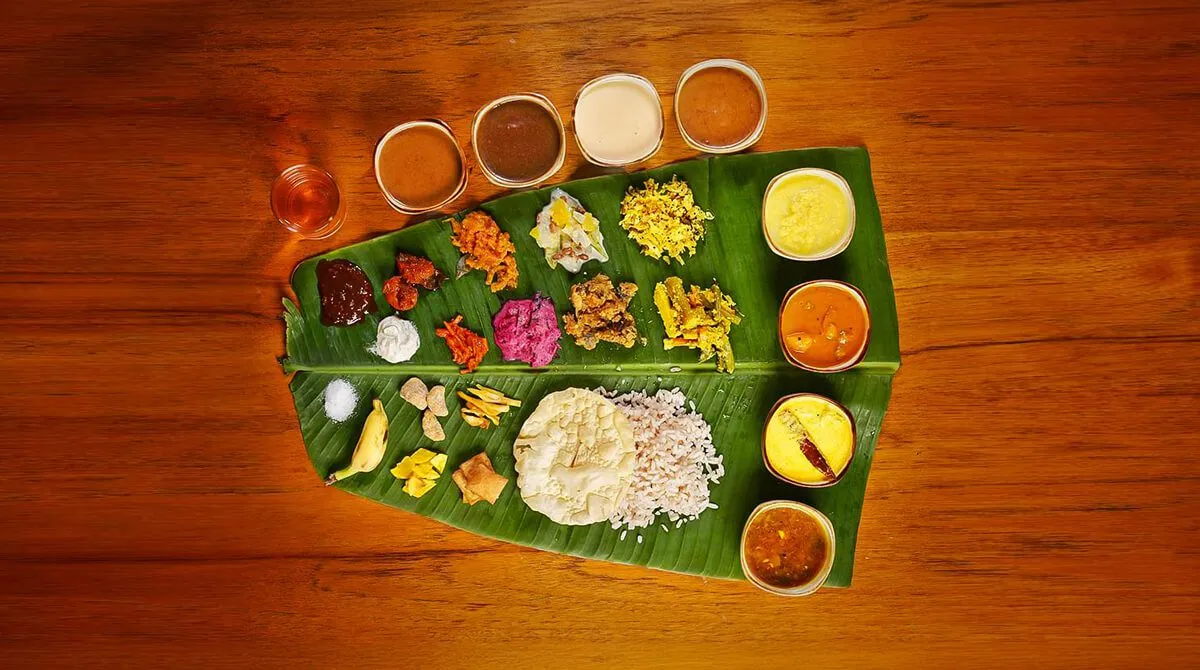
The Sadya Tradition
Traditional feast served on banana leaf.
Components (typically 20+ items):
- Rice varieties
- Sambar and rasam
- Multiple vegetable preparations (avial, thoran, olan)
- Pickles (multiple varieties)
- Papadum
- Banana chips
- Payasam (multiple varieties for dessert)
Sadya Etiquette:
- Eat with right hand
- Banana leaf folded towards you when finished
- Leave no food waste
- Seconds always offered
Essential Kerala Dishes
Breakfast:
- Appam: Soft rice pancake with crispy edges
- Puttu: Steamed rice and coconut cylinders
- Idiyappam: String hoppers (rice noodle discs)
- Dosa: Crispy crepes (various styles)
Main Meals:
- Kerala Fish Curry: Coconut-based, slightly sour
- Karimeen Pollichathu: Pearl spot fish in banana leaf
- Chicken/Beef Fry: Kerala-style dry preparations
- Avial: Mixed vegetables in coconut-yogurt
Snacks:
- Banana Chips: Deep-fried plantain
- Unniyappam: Sweet rice dumplings
- Pazham Pori: Banana fritters
Beverages:
- Filter Coffee: Strong, frothy
- Chai: Spiced milk tea
- Toddy: Fresh coconut wine (acquired taste)
- Sambaram: Spiced buttermilk
Where to Eat
For Authentic Experience:
- "Meals" restaurants for traditional lunch
- Toddy shops for Kerala non-veg (adventurous)
- Home-stay meals (arranged)
- Festival feasts (Onam season)
Notable Restaurants:
- Paragon, Kozhikode (legendary biryani and seafood)
- Kayees, Kozhikode (famous biryani)
- Grand Hotel, Kochi (old-school Kerala)
Religious Harmony
Unique Coexistence
Kerala demonstrates remarkable religious harmony.
Religious Demographics:
- Hindu: ~55%
- Muslim: ~27%
- Christian: ~18%
Symbols of Harmony:
- Festivals celebrated across communities
- Interfaith marriages more common
- Religious sites often side-by-side
- Food culture shared across religions
Historical Factors:
- Trade brought diverse communities
- Syrian Christians since 52 AD
- Muslim traders since 7th century
- Jewish community (ancient, now tiny)
Practical Cultural Tips
Dress Code
Temple Visits:
- Men: Mundu (traditional wrap) or long pants
- Women: Saree or long dress, shoulders covered
- Many temples provide appropriate wraps
- Footwear removed at entrance
General:
- Modest dress appreciated
- Beach wear only at beaches
- Remove shoes entering homes
Cultural Etiquette
At Temples:
- Respect photography restrictions
- Don't point feet at shrines
- Ask before photographing people praying
- Some inner areas restrict non-Hindus
At Performances:
- Arrive on time
- Silence phones
- Don't leave during performance
- Tipping performers appreciated
General:
- Right hand for eating and receiving
- Respect elders (address appropriately)
- Accept hospitality graciously
- Learn basic Malayalam greetings
Basic Malayalam
- Namaskkaram: Hello (formal)
- Sugham ano?: How are you?
- Nanni: Thank you
- Pinne kaanam: See you later
- Ella (ilya): No
- Aanu: Yes
Final Thoughts
Kerala's culture isn't a museum piece - it's lived daily. Temple festivals erupt with energy, housewives perfect traditional recipes, young people train in Kalaripayattu, and Kathakali artists spend lifetimes mastering their craft.
The best cultural experiences often happen unexpectedly - a temple festival you stumble upon, a home-cooked meal shared with a family, a village theyyam performance under the stars.
Stay curious, ask questions, and let Kerala's living heritage reveal itself to you.
 Translate