
Vembanad Lake
About Vembanad Lake
Introduction: Discovering the Vast Waters of Vembanad Lake
Spanning an astounding area of over 2,033 square kilometers across three coastal districts of Kerala—Alappuzha, Kottayam, and Ernakulam—Vembanad Lake (also known as Vembanad Kayal) holds the proud title of being the longest lake in India and the largest lake in the tropical state of Kerala. Functioning as the pulsing heart of the world-famous Kerala backwaters, this sprawling wetland expanse is a complex aquatic ecosystem where emerald-green coconut palms frame quiet turquoise waters, traditional wooden houseboats drift lazily, and migratory birds soar against breathtaking tropical sunsets. For travelers from the United States, India, and across the globe, Vembanad Lake offers an immersive escape into an idyllic world of slow living, rich biodiversity, and ancient coastal traditions.
Known locally by different names depending on the district—Punnamada Lake in Alappuzha, Kochi Lake in Ernakulam, and Vembanad Kol in Kottayam—this Ramsar-designated wetland of international importance is fed by major rivers including the Pamba, Periyar, Meenachil, and Achankovil. Beyond its undeniable scenic beauty, Vembanad is the lifeline of Kerala’s agrarian Kuttanad region, renowned as one of the few places on Earth where farming is successfully practiced below sea level. Whether you are an international traveler seeking luxury wellness resorts along the banks, a budget backpacker hunting for authentic village cruises, or an avid photographer capturing the annual spectacle of the Nehru Trophy Snake Boat Race, Vembanad Lake serves as the ultimate destination to experience the authentic soul of God's Own Country.
History and Heritage: The Legacy of Kerala’s Aquatic Lifeline
The origins of Vembanad Lake are deeply intertwined with the geological and cultural history of southwestern India. Geological records suggest that the modern backwater network was formed thousands of years ago through marine transgression and regression, coupled with sediment deposits brought down by the major Western Ghats rivers. A catastrophic flood in 1341 AD significantly reshaped the coastline, carving out the natural harbor of Kochi and creating the expansive barrier islands like Vypin and Willingdon that split the northern mouth of Vembanad Lake from the Arabian Sea.
Historically, Vembanad Lake served as the maritime highway for ancient trade routes. Spice traders from Rome, Arabia, China, and later Western European powers navigated these interior waterways to transport pepper, cardamom, coir, and timber from inland trading posts to the major seaports along the Malabar Coast. The iconic Kettuvallams—traditional cargo boats constructed entirely of wooden planks tied together with coconut coir ropes without a single iron nail—were engineered centuries ago specifically to haul heavy loads of rice and spices across the shallow lake waters. Today, these historical vessels have been lovingly re-engineered into floating luxury houseboats, preserving ancient carpentry skills while offering modern amenities.
Another monumental milestone in the lake's modern history is the construction of the Thanneermukkom Salt Water Barrier in 1975. Built across the narrowest section of the lake, this engineering marvel was designed to prevent saltwater intrusion from the Arabian Sea during summer months, protecting the low-lying agricultural rice paddies of Kuttanad. This barrier split Vembanad into two distinct ecological zones: a freshwater southern basin fed by rivers and a brackish northern lake connected to the sea, creating a unique dual-aquatic ecosystem that supports a remarkable variety of marine life, including the famous Karimeen (Pearl Spot fish) and giant freshwater prawns.
Cultural Milestones & Royal Connection
- The Royal Regatta Legacy: In 1952, Prime Minister Jawaharlal Nehru visited Alleppey and was so enthralled by an impromptu race of Chundan Vallams (snake boats) that he instituted the Nehru Trophy, making Punnamada Lake the premier battleground for world-renowned boat races.
- Kuttanad Below-Sea-Level Farming: Recognized by FAO as a Globally Important Agricultural Heritage System (GIAHS), the reclaiming of lake land for farming was spearheaded by local visionaries using indigenous waterwheels over two centuries ago.
- Ramsar Wetland Status: Designated as a Ramsar Site in 2002, recognizing Vembanad-Kol as one of India's largest and most delicate wetland ecosystems.
How to Reach Vembanad Lake
Reaching Vembanad Lake is remarkably seamless, thanks to Kerala’s robust air, rail, and road infrastructure connecting major hub points like Kochi (Cochin), Alappuzha (Alleppey), and Kottayam.
By Air
For international visitors traveling from the US or Europe, as well as domestic travelers flying from cities like Delhi, Mumbai, or Bengaluru, the primary gateway is Cochin International Airport (COK). Located approximately 70 km (43 miles) from Kumarakom and 85 km from Alappuzha, COK is a world-class, fully solar-powered airport with frequent direct and connecting international flights. Pre-paid taxis, app-based cabs (Uber/Ola), and luxury private transfers are readily available right outside the terminals. The road journey from Cochin Airport to the lakeside resorts takes about 1.5 to 2 hours via the national highway network.
By Train
India’s extensive railway network makes rail travel an economical and scenic option:
- Kottayam Railway Station (KTY): Located just 15 km from Kumarakom, this major railway junction connects to top cities including Chennai, Bengaluru, Delhi, and Thiruvananthapuram. Taxis and auto-rickshaws are readily available outside the station.
- Alappuzha Railway Station (ALLP): Ideal if you plan to board your houseboat from the Alleppey side. It lies directly along the coastal railway line and offers easy connections from major Indian metropolises.
- Ernakulam Junction (ERS) / Town (ERN): Located around 50–60 km north, providing high-speed Vande Bharat and Rajdhani express connections across India.
By Road
Vembanad Lake is well-serviced by smooth, well-maintained state and national highways (NH 66). Frequent Kerala State Road Transport Corporation (KSRTC) buses connect Kottayam, Ernakulam, and Alappuzha to every major city in South India. Travelers seeking comfort can easily hire private air-conditioned cars or self-drive rentals to explore the scenic coastal roads winding around the backwater shores.
Best Time to Visit Vembanad Lake
While Vembanad Lake is a year-round destination, each season alters the landscape, climate, and activities drastically. Choosing the best time depends heavily on whether you prioritize ideal weather, cultural festivals, or budget travel.
Peak Season: Winter (November to February)
This is undeniably the prime time for international and luxury travelers. Temperatures range between comfortable 18°C and 30°C (64°F–86°F) with low humidity and clear blue skies. The weather is perfect for day cruises, night stays in houseboats, open-air dining, and exploring nature trails. Additionally, thousands of migratory birds fly in from Siberia and Central Asia, making winter the ultimate season for birdwatching at Kumarakom Sanctuary. Advance bookings for houseboats and luxury resorts are strongly recommended during these peak months.
Shoulder Season: Summer (March to May)
Summers bring higher temperatures ranging from 26°C to 36°C (78°F–97°F) along with higher tropical humidity. While midday sunshine can be intense, the cool breezes blowing off the vast surface of Vembanad Lake offer pleasant relief during early mornings and late afternoons. Summer is ideal for budget travelers seeking heavily discounted rates on high-end luxury resorts, private houseboats, and wellness packages.
Monsoon Magic: Rainy Season (June to October)
The South-West and North-East monsoons transform the Vembanad region into a surreal, emerald-green wonderland. The lake swells, vegetation blooms vividly, and gentle rains create a tranquil atmosphere. Monsoon is globally recognized as the best season for authentic Ayurvedic treatments and rejuvenation therapies, as the cool, humid climate opens up skin pores. August and September also host the grand spectacle of Onam and traditional Snake Boat Races (Vallam Kali), drawing huge crowds to the banks of Punnamada Lake.
Top Attractions Around Vembanad Lake
1. Kumarakom Bird Sanctuary
Spanning 14 acres along the eastern shores of Vembanad Lake, the Kumarakom Bird Sanctuary is a birder’s paradise. Set amidst lush mangrove forests and canopy-draped walking trails, the sanctuary serves as a breeding ground for resident water birds and a sanctuary for winter migrants. Visitors can spot egrets, herons, darters, teal, kingfishers, and rare migratory birds like the Siberian Stork. Early morning canoe rides along the sanctuary canals offer unmatched wildlife photography opportunities.
2. Pathiramanal Island
Translating to 'Sands of Midnight', Pathiramanal is a tiny, uninhabited island floating peacefully in the middle of Vembanad Lake, accessible only by speedboats, canoes, or motorized ferries. According to local legend, a young Brahmin priest dove into the lake to perform his evening ablutions, and the water parted to form this landmass. Today, the island is a dense, protected ecological haven covered in tropical greenery and inhabited by dozens of rare migratory bird species. A scenic walking track winds through the silent interior of the island.
3. Thanneermukkom Salt Water Barrier
This 1,400-meter-long engineering marvel connects the shores of Thanneermukkom in Kottayam to Vechoor in Alappuzha. Driving or walking across this barrier reveals a remarkable visual phenomenon: on one side lies the clear, fresh green river water, while on the other lies the salty brackish water of the coastal estuary. Sunset views over the wide expanse of the lake from the barrier road are truly unforgettable.
4. Punnamada Lake & Snake Boat Race Course
The southern extension of Vembanad Lake in Alappuzha is historically known as Punnamada Lake. This wide, glassy track hosts the world-famous Nehru Trophy Boat Race every August. Visiting the starting points and finishing lines along the palm-lined banks provides deep insights into Kerala’s intense maritime sports culture.
Hidden Gems and Offbeat Spots
- Vechoor Village: A charming, quiet fishing hamlet on the eastern shore of the lake. Free from commercial tourist crowds, Vechoor offers authentic sights of local line-fishing, traditional toddy tapping, and pristine rustic countryside views.
- Perumbalam Island: Situated in the northern part of Vembanad Lake, this tranquil island allows travelers to experience rural island life, complete with traditional coir weaving units, fish farms, and warm local hospitality.
- Kallara and Broad Canals: Tucked away near the inland wetlands, these narrow canals are shaded by towering water lilies and overhanging bamboo thickets—perfect for peaceful early-morning wooden canoe rides.
- Thottappally Spillway: Located near the lake's southern exit into the ocean, this scenic spot offers a dramatic view of inland river waters merging into the Arabian Sea beaches.
Things to Do at Vembanad Lake
1. Cruise in a Traditional Kettuvallam Houseboat
The quintessential Vembanad experience is spending at least 24 hours aboard a private luxury houseboat. Outfitted with air-conditioned bedrooms, attached modern bathrooms, dining lounges, and dedicated private chefs, these floating villas glide through open lake waters and secluded village canals. Guests are served fresh local Kerala cuisine while watching sunset reflections cast golden hues across the vast water horizon.
2. Shikara and Country Canoe Rides Through Village Canals
While massive houseboats cruise through the deep main waters, smaller wooden country canoes or motorized Covered Shikaras allow you to venture deep into narrow village canals. Here, you can observe daily life up close—children paddling to school, women harvesting water lilies, and artisans weaving coconut fiber into coir ropes.
3. Traditional Fishing and Angling
Engage with local fishermen to learn ancient fishing methods such as Kotta Vala (basket net fishing) and line-angling for the prized Karimeen. Many eco-resorts along the lake banks provide bamboo fishing rods for guests to enjoy relaxing afternoon catch-and-release angling directly from their private villa balconies.
4. Indulge in Authentic Ayurvedic Rejuvenation
The serene shores of Vembanad Lake house some of India’s most celebrated luxury Ayurvedic wellness sanctuaries. Experience authentic Panchakarma detox programs, therapeutic Abhyanga oil massages, and lakeside sunrise yoga sessions led by certified traditional practitioners.
Local Food and Culinary Delights
The culinary ecosystem around Vembanad Lake is heavily influenced by its rich aquatic bounty and lush coconut-growing soils. Traditional Syrian Christian, Hindu, and coastal Muslim cooking traditions blend seamlessly to create an unforgettable gastronomic journey.
Must-Try Culinary Specialties
- Karimeen Pollichathu: The ultimate backwater delicacy. Pearl Spot fish caught fresh from Vembanad Lake, marinating in a spicy red chili and shallot paste, wrapped tightly in a banana leaf, and slow-grilled over coconut husk coals.
- Kuttanadan Duck Curry (Tharavu Curry): Tender farm-raised duck simmered in a rich, velvety coconut milk gravy spiked with black pepper, fennel, crushed ginger, and aromatic curry leaves.
- Kerala Prawn Roast (Chemeen Roast): Fresh lake prawns sautéed with coconut slivers, onions, green chilies, and tangy Malabar tamarind (Kudampuli).
- Appam with Stew: Soft, pillow-like fermented rice bowls with crispy lace edges, served alongside creamy vegetable, chicken, or fish coconut milk stew.
- Fresh Toddy & Spicy Sides: Sweet, naturally fermented sap collected daily from coconut palms, paired with fiery chili-spiked tapioca (Kappa) or spicy clam meat fry (Kakka Irachi) at authentic lakeside toddy shops.
Where to Stay: Accommodation Options
Whether you seek ultra-luxury resort pampering or authentic family-run homestays, the perimeter of Vembanad Lake offers world-class hospitality options tailored to every budget.
Luxury Resorts ($200 – $600 USD / ₹15,000 – ₹50,000 INR per night)
- Kumarakom Lake Resort: World-renowned 5-star heritage sanctuary featuring restored 16th-century wooden villas, private meandering pool access, and fine lakeside dining.
- The Coconut Lagoon (CGH Earth): Accessible exclusively by boat, this eco-luxury resort preserves traditional Keralite architecture, natural canal systems, and native flora.
- The Zuri Kumarakom: A sprawling luxury spa resort featuring sweeping views of Vembanad Lake, private pool villas, and extensive Ayurvedic wellness packages.
Mid-Range Hotels & Boutiques ($50 – $180 USD / ₹4,000 – ₹14,000 INR per night)
- Water Scapes Resort (KTDC): Set directly inside the lush grounds of the Kumarakom Bird Sanctuary with stilted wooden cottages overlooking backwater canals.
- Paradise Resorts Kumarakom: Charming water-facing boutique property offering excellent value, prompt service, and private boat jetty facilities.
- Abad Whispering Palms: Comfortable lakefront resort with private plunge pools, excellent seafood dining, and sunset boat tours.
Budget Homestays & Guesthouses ($15 – $45 USD / ₹1,200 – ₹3,500 INR per night)
- Vaithra Kumarakom Homestay: Warm family hospitality offering authentic home-cooked Kerala meals, village walking tours, and budget canoe arrangements.
- Alleppey Backwater Homestays: Budget options scattered along the Punnamada lake banks in Alappuzha, ideal for backpackers and long-stay slow travelers.
Budget Travel Guide for Vembanad Lake
Exploring Vembanad Lake does not require a luxury budget. Here is how travelers can experience the magic of the backwaters economically:
- Public SWTD Ferries: Instead of renting private houseboats, use the State Water Transport Department (SWTD) public passenger ferries. The ride from Alleppey to Kottayam or nearby islands costs less than ₹25 ($0.30 USD) and takes you through the main lake and village channels alongside locals.
- Government Shikara Rentals: Opt for a 2-hour Shikara ride booked at government-approved stands in Kumarakom or Alleppey (₹600–₹1,000 per hour for the whole group) rather than an expensive overnight houseboat stay.
- Eat at Local Toddy Shops & Eateries: Skip resort restaurants and dine at family-run eateries or local toddy shops along the lake banks for authentic Karimeen fry and meals at a fraction of hotel prices.
- Travel in Shoulder Months: Booking in April, May, or September offers up to 50% discounts on premium lake-view resorts and private boats.
Sample 2-Day Itinerary for Vembanad Lake
Day 1: Arrival, Heritage, and Sunset Houseboat Cruise
- 09:00 AM: Arrive at Kumarakom or Alappuzha. Check into your hotel or homestay and enjoy a traditional breakfast of warm Appams and coconut stew.
- 10:30 AM: Visit the Kumarakom Bird Sanctuary for a peaceful 2-hour guided walking trek under the lush jungle canopy.
- 12:30 PM: Board your private Deluxe or Luxury Houseboat from the jetty. Receive a traditional welcome drink of fresh tender coconut water.
- 01:30 PM: Feast on an onboard Kerala seafood lunch featuring Karimeen Pollichathu, rice, and fresh vegetables as the houseboat sails into open Vembanad waters.
- 04:00 PM: Anchor near Pathiramanal Island; take a brief boat excursion to explore the nature paths.
- 06:00 PM: Watch the brilliant crimson sunset over the horizon as the boat anchors at a quiet village bank for the evening (as mandated by navigation safety laws).
- 08:00 PM: Enjoy a candlelight dinner on the open deck under the stars before retiring to your air-conditioned cabin.
Day 2: Village Life, Artisans, and Rejuvenation
- 06:30 AM: Wake up to misty lake views; enjoy an early morning hot cup of South Indian filter coffee on the boat deck.
- 08:00 AM: Breakfast on board while cruising back to the main land jetty for checkout.
- 09:30 AM: Hire a wooden country canoe for a 2-hour guided trek through narrow village canals, witnessing coir weaving and traditional farming practices.
- 12:30 PM: Lunch at a famous local lakeside eatery—sample Kuttanadan duck curry and tapioca.
- 03:00 PM: Treat yourself to a 90-minute therapeutic Ayurvedic full-body massage at a certified resort spa.
- 05:30 PM: Take an evening stroll across the Thanneermukkom Salt Water Barrier to witness fishermen laying out their evening nets at sunset.
Nearby Places to Explore
- Alappuzha (Alleppey) Beach & Lighthouse (30 km): Famous for its historical wooden pier extending into the Arabian Sea, golden sand beaches, and panoramic lighthouse views.
- Marari Beach (32 km): A pristine, quiet white-sand beach lined with fishing villages and coconut groves, perfect for swimming and relaxation.
- Fort Kochi & Mattancherry (55 km): Historic colonial neighborhood featuring iconic Chinese Fishing Nets, Portuguese palaces, Jewish Synagogue, and vibrant spice markets.
- Ettumanoor Mahadeva Temple (25 km): A famous 16th-century Dravidian shrine renowned for its exquisite wood carvings and mural paintings.
- Bay Island Driftwood Museum (12 km): A unique museum in Kumarakom displaying intricate artistic sculptures carved naturally by ocean currents and sea waves into driftwood roots.
Essential Travel Tips for US and International Visitors
- Currency & Cash: While luxury hotels and houseboats accept Visa/Mastercard, carry Indian Rupees (INR) in small denominations for local canoe drivers, village purchases, and tips. ATMs are widely available in Kottayam and Alleppey towns.
- Mosquito & Sun Protection: Bring eco-friendly insect repellent, broad-spectrum SPF 50 sunscreen, light sunglasses, and wide-brimmed hats. Humidity can be high during the day.
- Dress Code Culture: Light linen or cotton clothes are recommended. Dress modestly when visiting local backwater villages or surrounding temples (covered shoulders and knees).
- Houseboat Safety & Licensing: Ensure your booked houseboat is officially recognized and certified by the Kerala Tourism Department (look for Gold or Silver star accreditation badges). Verify that life jackets are onboard.
- Hydration & Food Safety: Drink bottled or reverse-osmosis purified water. Enjoy cooked local seafood fresh from reputable kitchens.
Frequently Asked Questions (FAQs)
1. Where is Vembanad Lake located?
Vembanad Lake is situated in the southwestern state of Kerala, India, spanning across three major coastal districts: Alappuzha, Kottayam, and Ernakulam.
2. What makes Vembanad Lake famous?
It is famous for being the longest lake in India, the heart of Kerala's backwater tourism, the home of traditional houseboat stays, and the venue for grand Snake Boat Races like the Nehru Trophy.
3. How much does a houseboat ride on Vembanad Lake cost?
Overnight houseboat cruises range from ₹6,000 to ₹15,000 INR ($75–$180 USD) for standard/deluxe boats, while ultra-luxury private houseboats range from ₹20,000 to ₹45,000 INR ($240–$550 USD) per night including all meals. Day cruises or budget Shikaras are available for ₹1,000–₹2,500 INR.
4. Is Vembanad Lake safe for international travelers?
Yes, Kerala is widely regarded as one of the safest travel destinations in India. Local residents and tourism operators are extremely welcoming, polite, and fluent in basic English.
5. What is the nearest airport to Vembanad Lake?
Cochin International Airport (COK) is the nearest airport, located approximately 70–85 km (1.5 to 2 hours drive) from the primary lake access hubs like Kumarakom and Alleppey.
6. Can I visit Vembanad Lake on a tight budget?
Absolutely. You can stay in budget homestays, eat fresh food at local eateries, and ride government passenger ferries across the lake for under ₹25 INR ($0.30 USD) instead of renting expensive private houseboats.
7. What is the best time for birdwatching at Vembanad Lake?
The best time for birdwatching is between November and February, when thousands of migratory birds visit the Kumarakom Bird Sanctuary and Pathiramanal Island.
8. Do houseboats sail on the lake all night?
No. By government regulation to protect local fishermen's night nets and ensure safety, all houseboats must anchor along the shores by 5:30 PM or 6:00 PM and resume cruising the following morning after 7:30 AM.
9. Is the water in Vembanad Lake fresh or salty?
It is both! Thanks to the Thanneermukkom Salt Water Barrier, the southern section fed by rivers is freshwater, while the northern estuary section connected to the Arabian Sea is brackish.
10. When does the Nehru Trophy Snake Boat Race take place?
The famous Nehru Trophy Boat Race takes place annually on the second Saturday of August on Punnamada Lake (Vembanad Lake) in Alappuzha.
Conclusion: Why Vembanad Lake Belongs on Your Travel Bucket List
Vembanad Lake is far more than just a destination on a map—it is an ethereal, living aquatic landscape where nature, ancient history, and vibrant local traditions flow together seamlessly. From waking up aboard a gently swaying houseboat to the soothing sounds of birdsong, to witnessing the competitive adrenaline of snake boat races and indulging in freshly caught Karimeen prepared with local spices, every moment spent around Vembanad leaves a lasting impression. Whether you are planning a romantic honeymoon getaway, a rejuvenating wellness sabbatical, or an enriching family holiday, the timeless waters of India's longest lake promise an unforgettable journey into the scenic heart of Kerala. Pack your bags, book your backwater cruise, and prepare to immerse yourself in the natural tranquility of Vembanad Lake!
Photo Gallery
What you'll experience
- 1
Cruise on the vast expanse of the lake
- 2
Watch Nehru Trophy Boat Race in August
- 3
Enjoy sunset views and photography
- 4
Relish traditional Kerala meals on houseboats
Explore More
Related Destinations
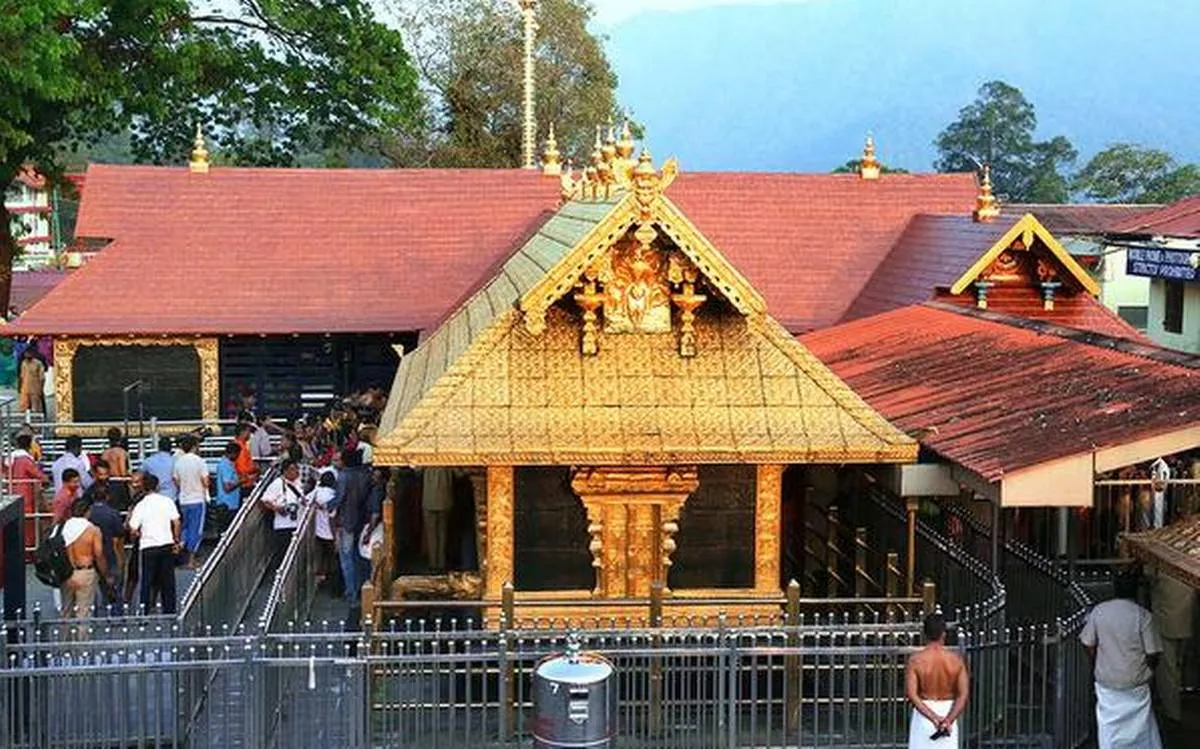
Sabarimala Temple
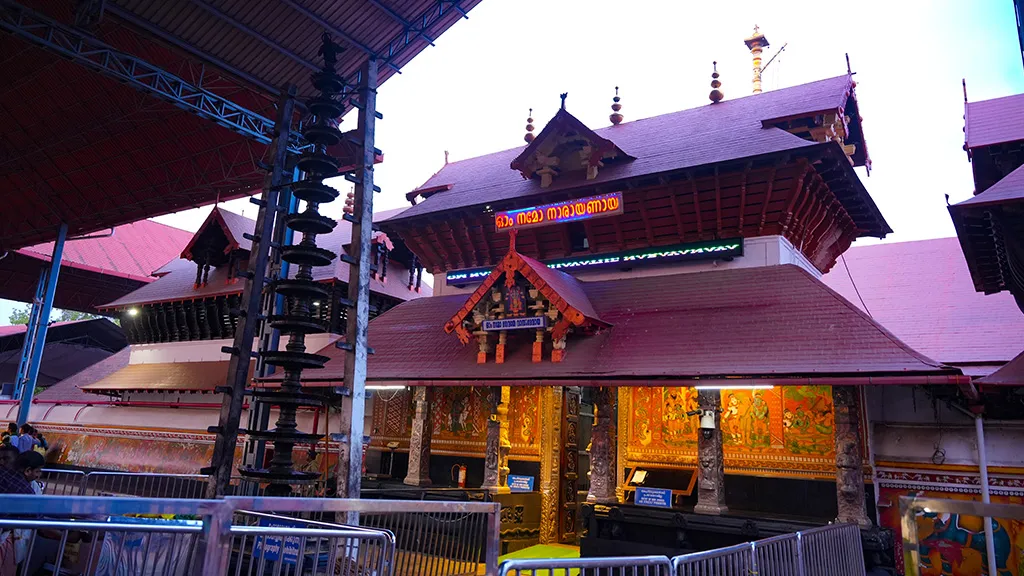
Guruvayur Temple
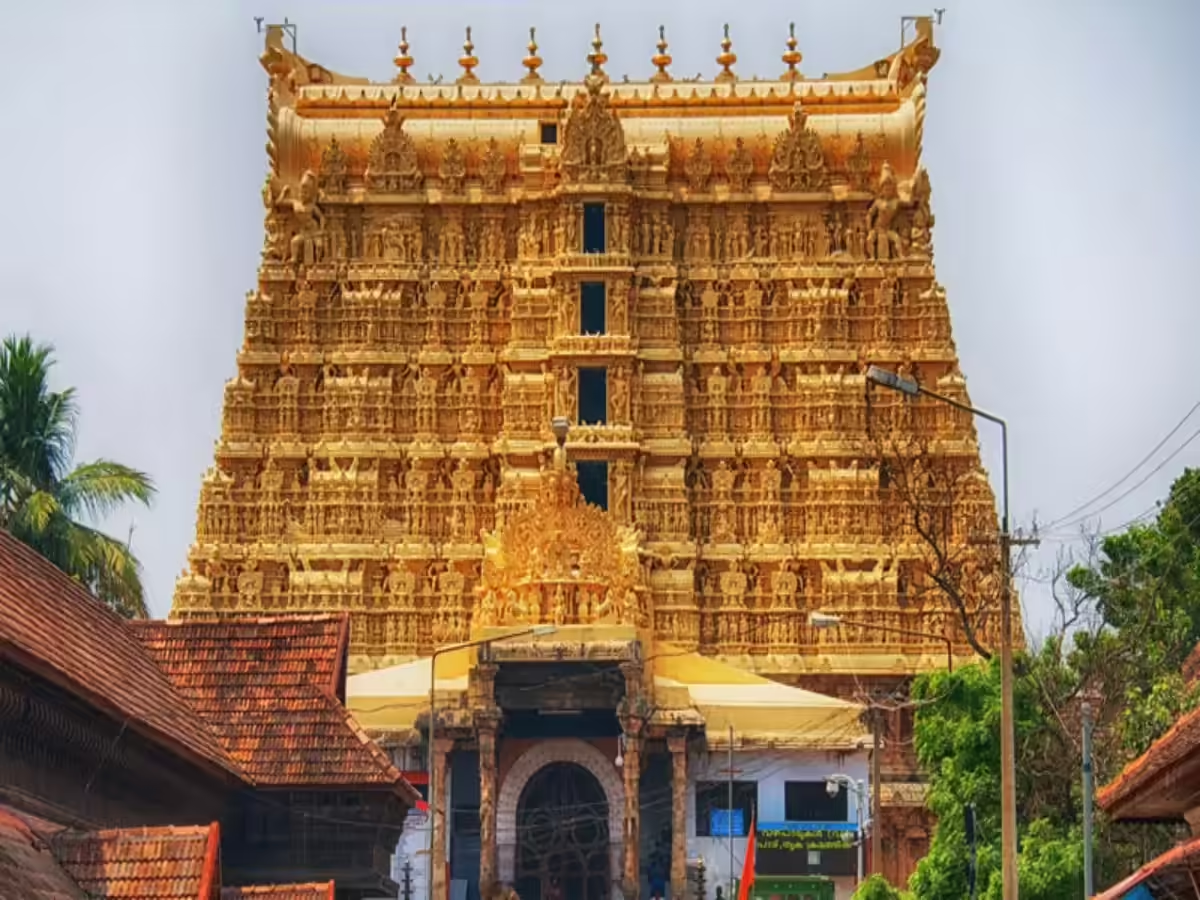
Padmanabhaswamy Temple
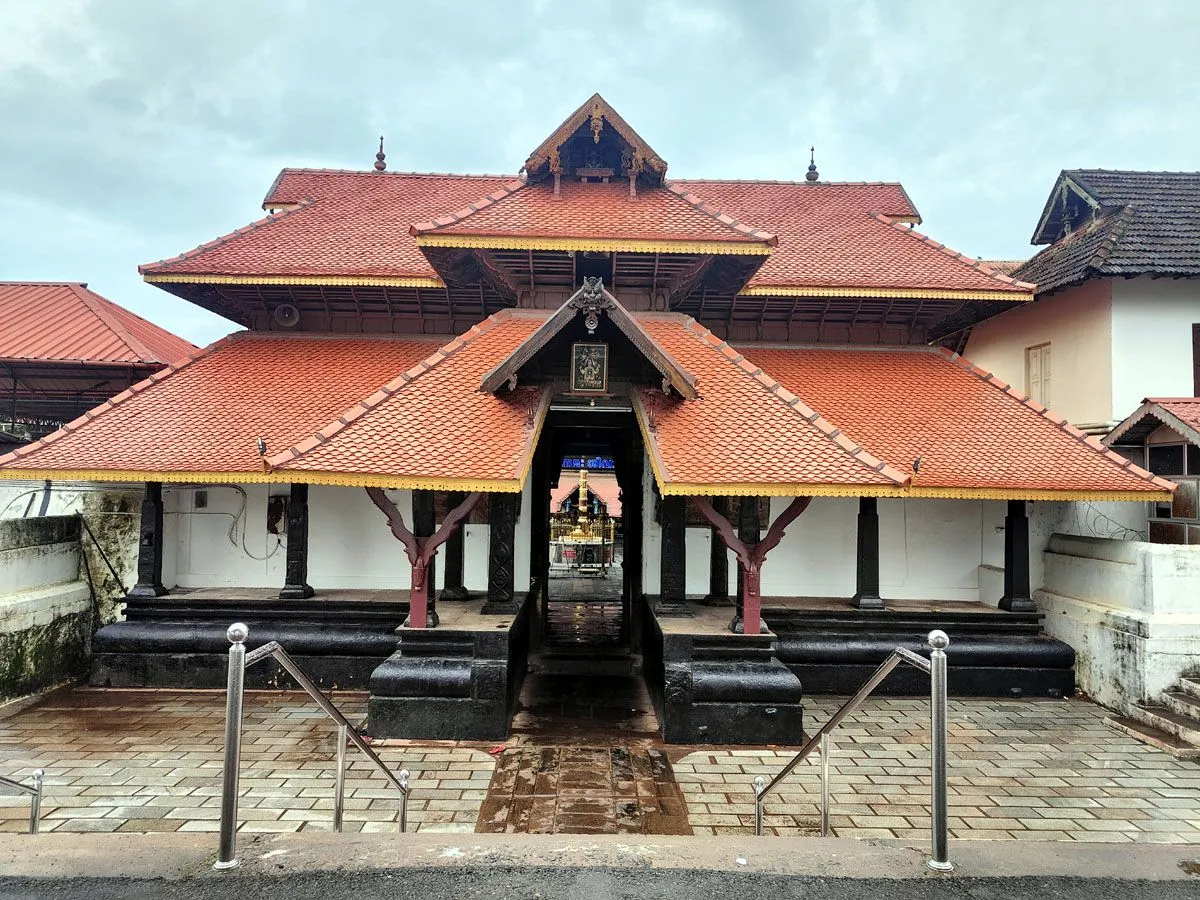
Ettumanoor Mahadeva Temple
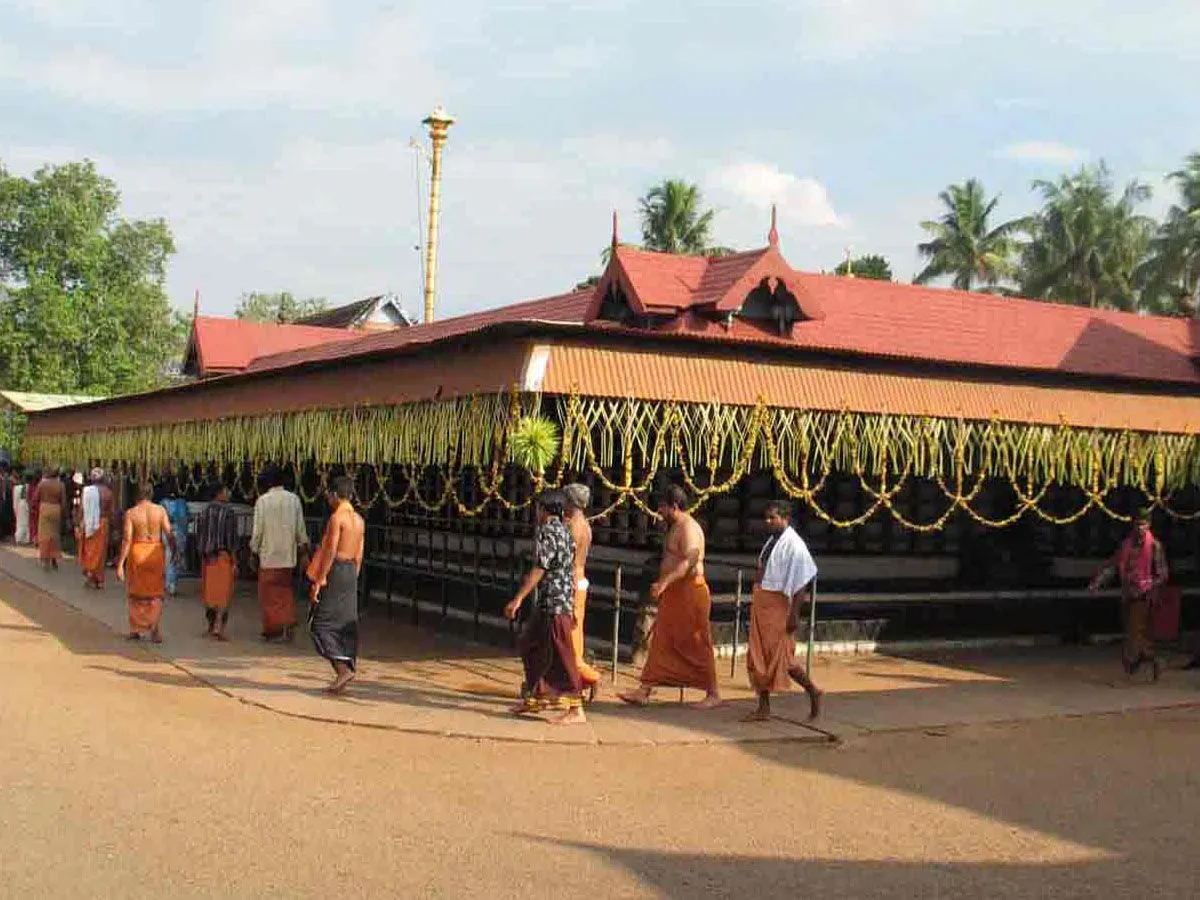
Chottanikkara Temple
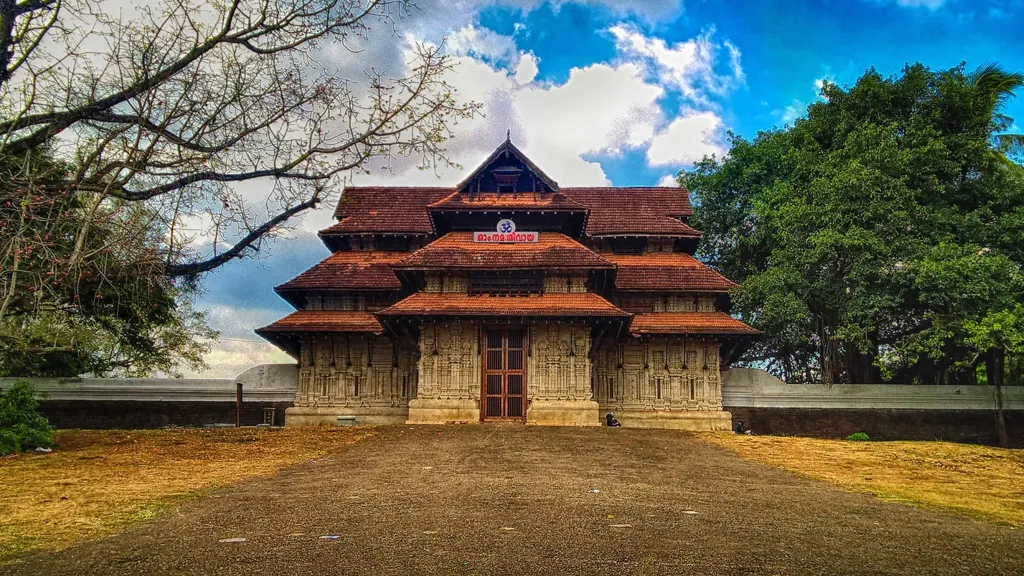
Vadakkunnathan Temple Thrissur
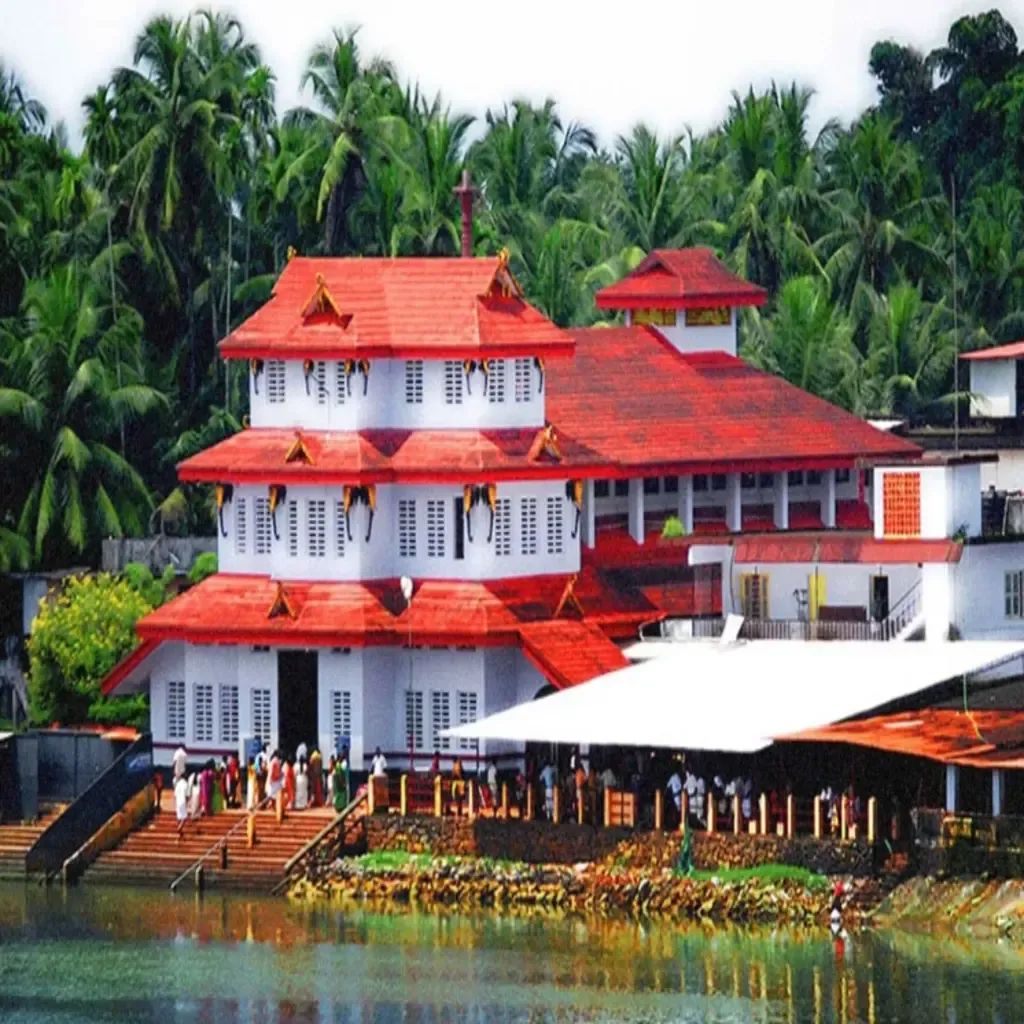
Parassinikadavu Muthappan Temple
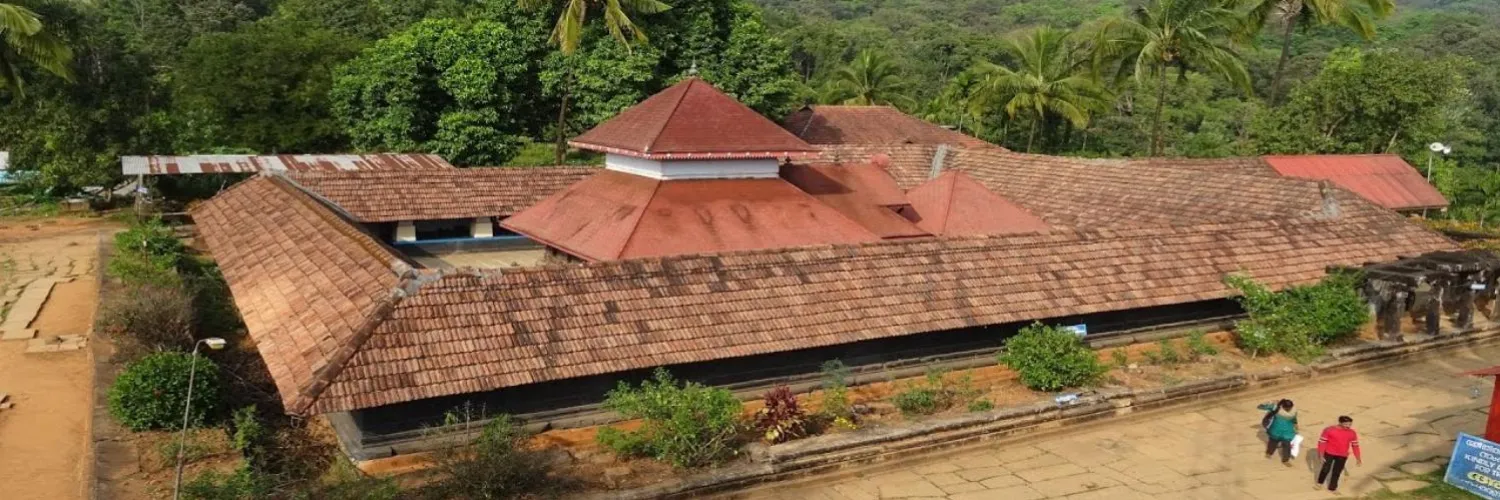
Thirunelli Temple Wayanad
Visit Information
Opening Hours
Entry Fee
Best Time to Visit
October to February
Location
Across Alappuzha, Kottayam, and Ernakulam Districts, Kerala, India
Contact
For inquiries: 0481-2562907
Share this destination:
 Translate