
Places to Visit in Alappuzha District
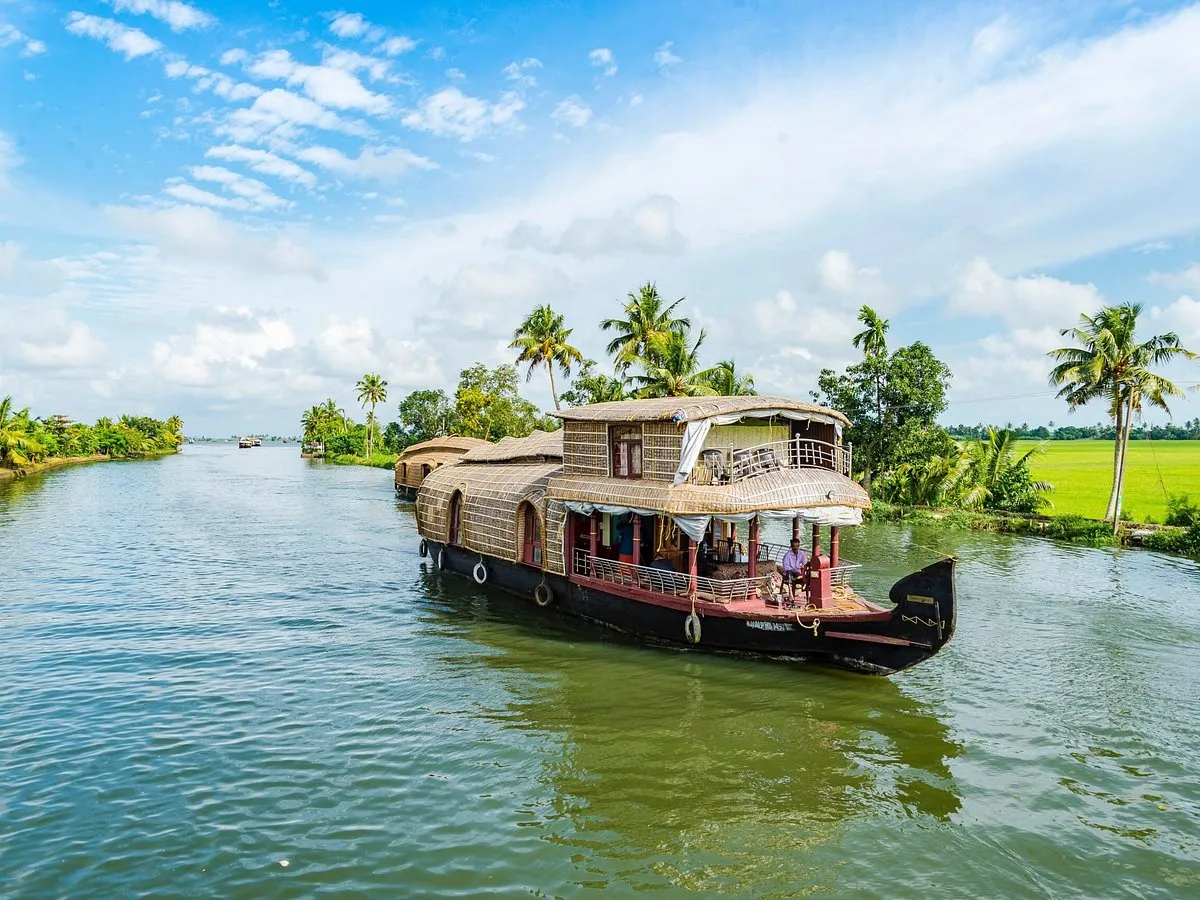
The 'Venice of the East', world-famous for its enchanting backwater houseboat cruises and the Nehru Trophy Boat Race.
Nearest Airport
Cochin International Airport (COK) - 85 km
Nearest Railway
Alappuzha Railway Station
Population
21.28 lakh
Area
1,414 sq km
About Alappuzha District
Alappuzha District: Kerala's Backwater Heartland — A Complete Visitor Guide
Alappuzha district is not one destination — it's a system of destinations linked by water. Spread across 1,414 sq km of coastal Kerala between the Arabian Sea and the Western Ghats, the district encompasses the backwater canals and houseboat capital of Alappuzha town, the below-sea-level paddy kingdom of Kuttanad, one of India's most visited serpent temples, an 18th-century Travancore palace with Kerala's largest mural painting, tranquil fishing beaches with almost no crowds, ancient Syrian Christian churches, and the roaring spectacle of the Nehru Trophy Boat Race each August. Most first-time visitors arrive for the houseboats and leave having seen a fraction of what the district actually offers. This guide covers the full picture.
Quick District Overview
- Location: Southwestern Kerala, bounded by Ernakulam district to the north, Kottayam and Pathanamthitta to the east, Kollam to the south, and the Arabian Sea to the west
- District headquarters: Alappuzha (Alleppey) town
- Area: 1,414 sq km
- Key taluks: Cherthala, Ambalappuzha, Kuttanad, Karthikappally, Chengannur, Mavelikkara
- Nearest airport: Cochin International Airport (COK), about 55–85 km north depending on the specific destination within the district
- Best months: October to February for general sightseeing; August for the Nehru Trophy Boat Race
- Defining feature: National Waterway 3 runs through the district — water transport is both the main tourism draw and still a working part of daily life here
Alappuzha Town and the Backwaters
The Backwater Network
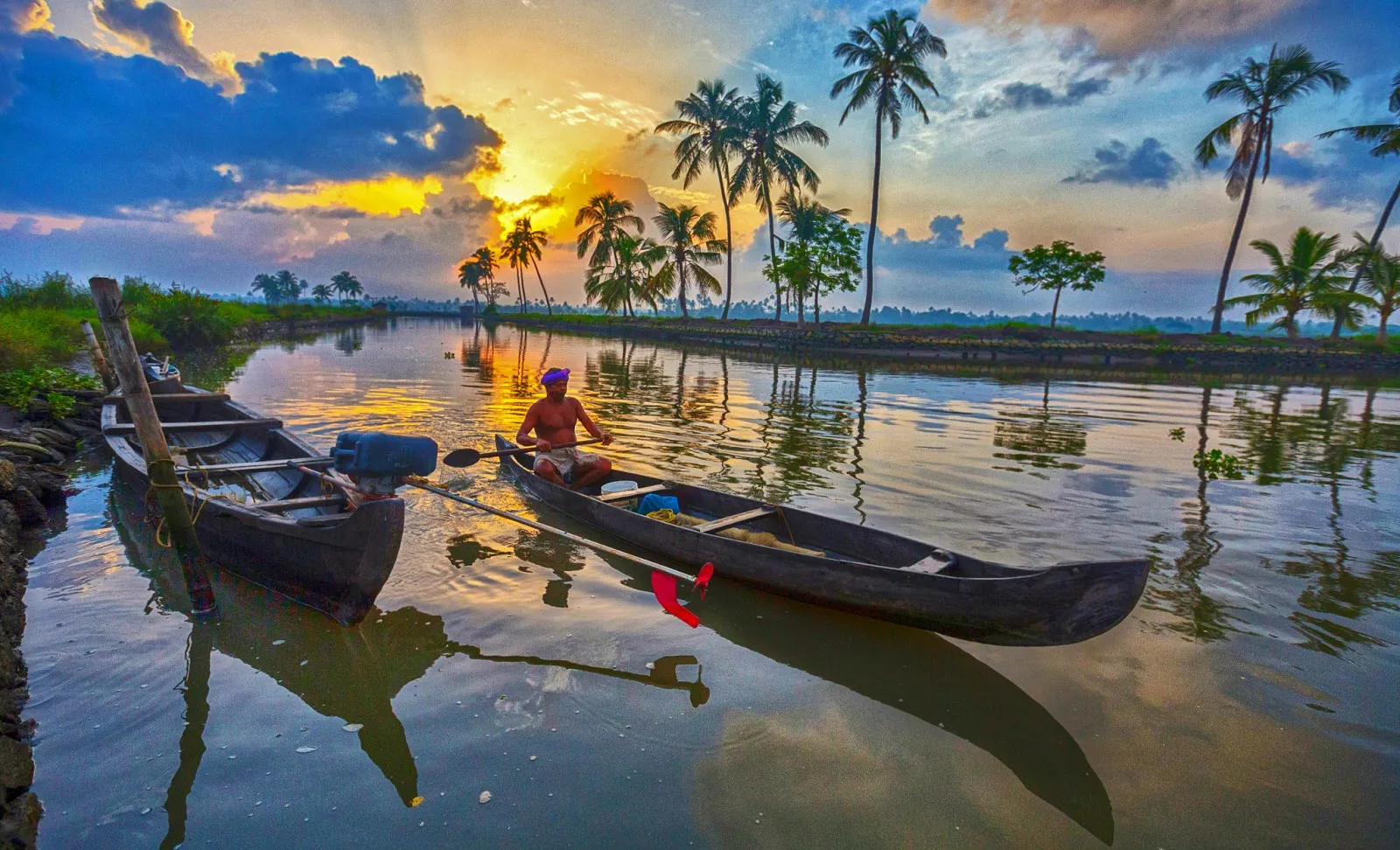
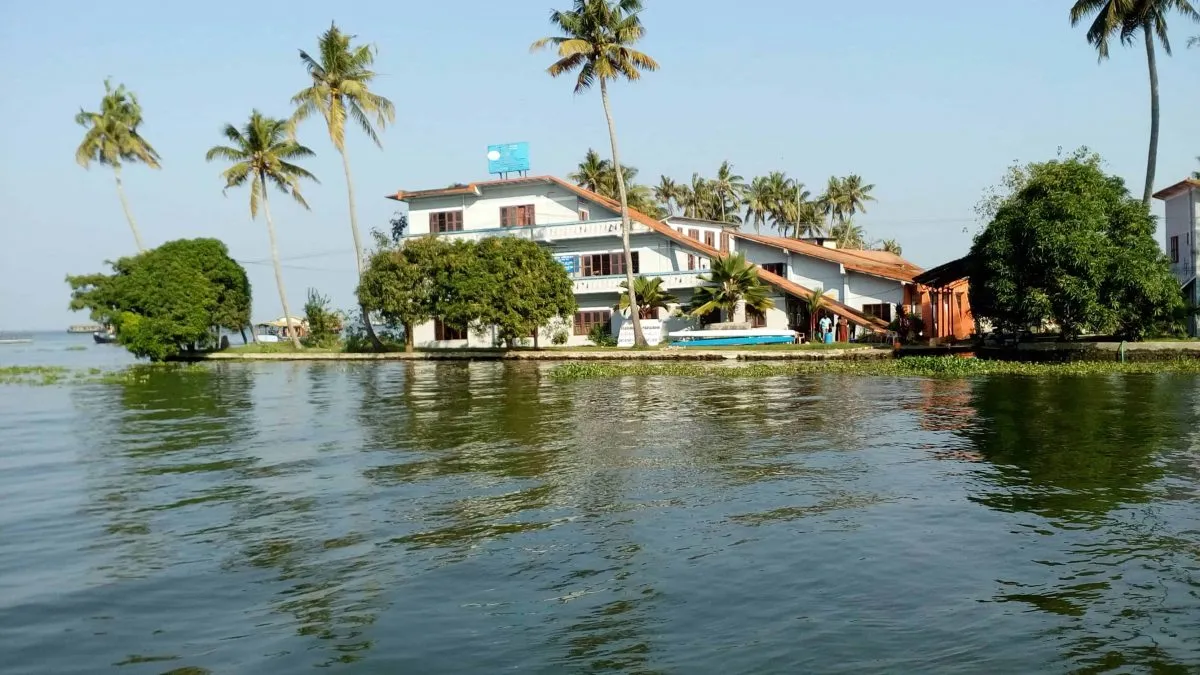
The district's most famous feature is its interconnected system of canals, lagoons, lakes, and rivers — part of National Waterway 3, one of India's longest inland waterway networks. Vembanad Lake, India's longest lake, forms the backbone of the system, covering roughly 2,033 sq km across the district boundary and opening south through a network of narrower village canals. Over 1,000 houseboats now operate on these waters, ranging from budget shared vessels to five-star floating villas with air conditioning and chef-prepared meals.
Punnamada Lake and the Nehru Trophy Boat Race
Just north of Alappuzha town, Punnamada Lake is the venue for one of India's most spectacular annual sporting events: the Nehru Trophy Boat Race, held on the second Saturday of August every year during the Onam festival season. Chundan vallams — traditional snake boats over 100 feet long, each powered by crews of over 100 rowers — race across the lake in front of enormous crowds. The race was first held in 1952 when Prime Minister Jawaharlal Nehru famously participated in a boat procession here during a state visit. Watching from a houseboat moored along the race route is far more comfortable than watching from the crowded shores.
Alappuzha Beach and Lighthouse
The town's main beach stretches along the Arabian Sea with a historic pier extending into the sea — over 140 years old and a distinctive landmark against the horizon. The Alappuzha Lighthouse, built in 1862, is 148 years old and open for visitors to climb for panoramic views of the coast and the inland backwaters simultaneously. The beach hosts several annual events including the Sand Art Festival and the Alappuzha Beach Festival held each December.
Ambalapuzha Sri Krishna Temple
One of the most important Vaishnavite temples in Kerala, built in the 15th century during the reign of the Chembakasserry kingdom. The temple is architecturally striking in the traditional Kerala style and is particularly famous for its Paal Payasam — a sweet rice pudding prepared in milk and jaggery, distributed as prasadam (sacred food offering) to all devotees. According to local legend, the recipe for this dish came from a chess game played by the temple deity himself against a visiting sage, with the daily Payasam offering as the agreed prize. The Payasam has been served here without interruption for centuries.
Mullakkal Rajarajeswari Temple
Located in the heart of Alappuzha town, this temple dedicated to Goddess Rajarajeswari is the presiding deity of the town and serves as the spiritual center of Alappuzha's commercial and civic life. The annual Mullakkal Chitta festival draws large crowds to the temple and the surrounding market streets.
Kuttanad: Farming Below Sea Level
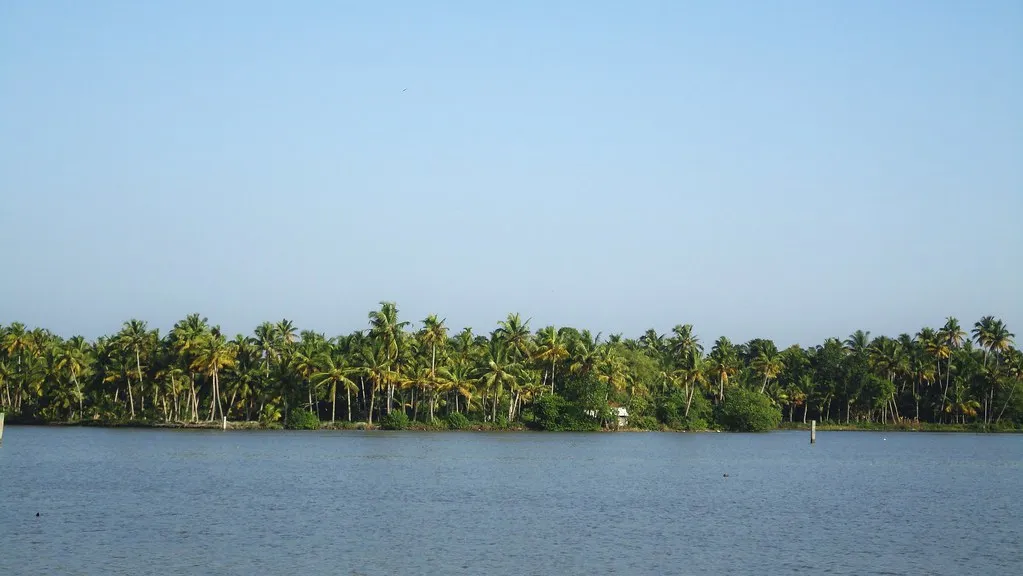
About 15–20 km inland from Alappuzha town lies Kuttanad, one of the most geographically unusual agricultural regions in the world. Known as the Rice Bowl of Kerala, Kuttanad is one of very few places on earth where cultivation is carried out up to 2 meters below sea level — paddy fields reclaimed from the backwaters through a system of bunds and pumps, surrounded by canals on every side. Farmers row boats to reach their fields. Traditional homes stand on narrow elevated strips of land between water channels. The shimmering landscape of flooded rice fields, coconut groves, and narrow waterways visible during any houseboat cruise through this region is genuinely like nowhere else in India.
The Champakulam region within Kuttanad is particularly worth noting — home to one of the oldest snake boat races in Kerala, the Champakulam Moolam Boat Race, held during the Malayalam month of Mithunam (typically June–July), and to St. Mary's Forane Church (Champakulam Church), which traces its origins to the 4th century AD under the Syrian Christian tradition, making it one of the oldest churches in Kerala.
Pathiramanal Island
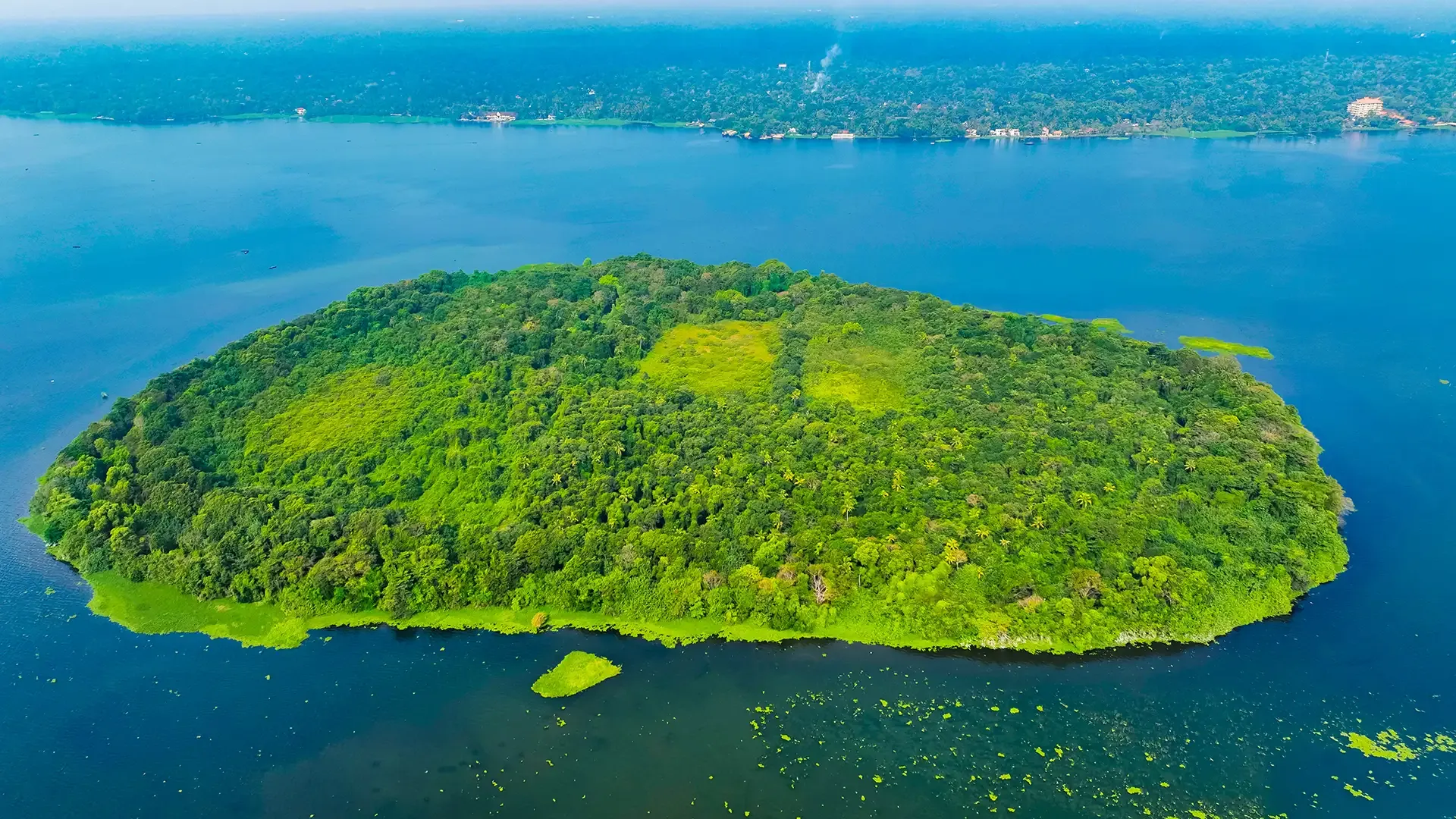
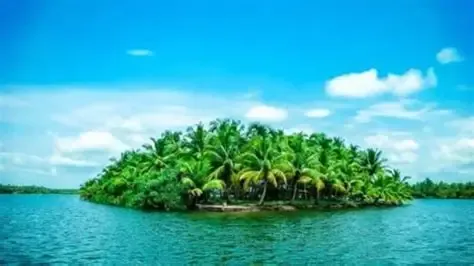
A small, roughly 10-acre island in the middle of Vembanad Lake accessible only by boat, Pathiramanal — meaning sands of midnight in Malayalam — is one of the district's best birdwatching destinations. The island is a documented haven for hundreds of rare migratory birds, including species arriving from as far as Siberia, and is accessible from Kumarakom or from houseboats cruising the lake route. There are no permanent residents or commercial facilities on the island, which is part of what makes it worth visiting — it's one of the few genuinely undisturbed spots in an otherwise heavily touristed backwater system.
Kumarakom Bird Sanctuary
On the eastern bank of Vembanad Lake, this 14-acre sanctuary run by the Kerala government is one of the best birdwatching destinations in South India. Egrets, herons, darters, cormorants, ibises, kingfishers, and painted storks are commonly sighted, alongside migratory birds from Siberia and the Himalayas that arrive between October and February. Several five-star resorts, including Taj Kumarakom and Coconut Lagoon by CGH Earth, have built their properties along the lake edge here — for travelers who want higher-end accommodation than Alappuzha town offers, Kumarakom is the better-appointed alternative base.
Marari Beach
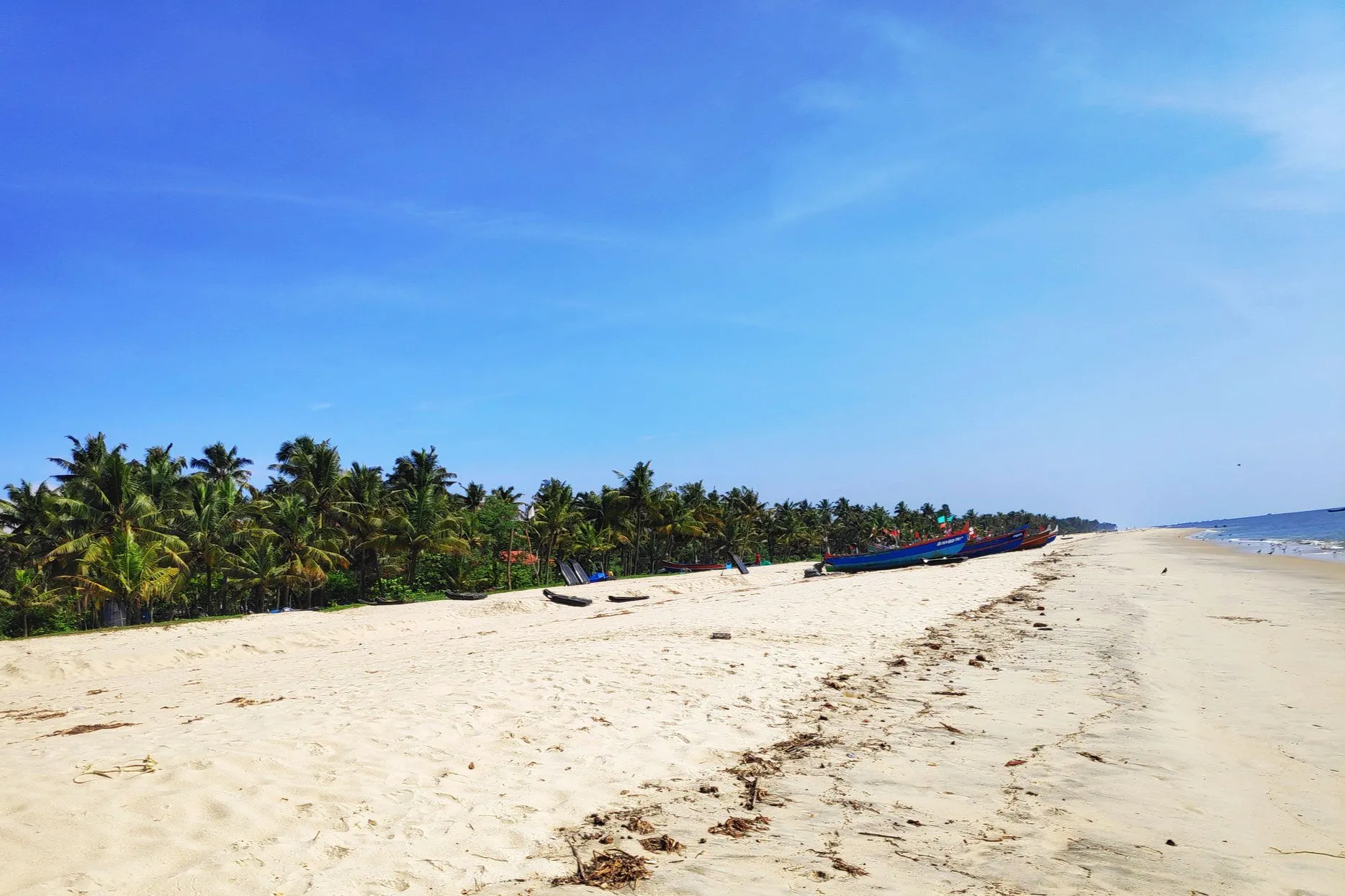
About 14 km north of Alappuzha town, near the village of Mararikulam, Marari Beach is consistently cited as one of the best beaches in Kerala for those who want to avoid the commercial, crowded atmosphere of better-known beaches. The stretch here is long, clean, and backed by coconut groves and a small fishing village — fishermen mend their nets on the sand in the mornings and evenings, and the pace of the beach matches the pace of the backwaters: deliberately, pleasantly slow. A cluster of Ayurvedic resorts and boutique stays has grown up around Marari specifically for travelers who want a longer, quieter beach break alongside or instead of a houseboat cruise.
Krishnapuram Palace, Kayamkulam
About 49 km south of Alappuzha town near Kayamkulam, this 18th-century palace built by Anizham Thirunal Marthanda Varma of the Travancore kingdom is one of the finest surviving examples of traditional Kerala architecture — the Pathinarukettu style, with gabled roofs, narrow corridors, and dormer windows constructed from laterite stone, teak, and rosewood. The palace is now a protected heritage museum maintained by Kerala's Archaeology Department.
Its most significant treasure is the Gajendra Moksham mural — a 154 square-foot painting depicting the mythological story of the elephant king's liberation by Lord Vishnu, widely cited as the largest single mural painting discovered in Kerala. The palace also houses rare antique bronze sculptures, ancient coins, historical weapons including the famous double-edged Kayamkulam Vaal sword, and a Buddha Mandapam featuring a recovered stone Buddha statue. The surrounding gardens feature terraced lawns, fountains, and a pond. Open Tuesday to Sunday, 9:30 AM to 4:30 PM; closed Mondays. Entry: ₹10 for adults, ₹5 for children, ₹25 for cameras.
Mannarasala Sree Nagaraja Temple, Haripad
About 32 km south of Alappuzha town, the Mannarasala Sree Nagaraja Temple in Haripad is one of the most famous serpent deity temples in India and one of the most visited pilgrimage sites in the entire Alappuzha district. The temple is nestled within a natural forest glade — a rare surviving patch of dense vegetation in an otherwise agricultural and urban landscape — and is home to thousands of stone serpent idols placed by devotees over centuries. The temple is particularly significant for devotees seeking blessings for fertility and for those worshipping Naga (serpent) deities, a deep and ancient strand of Kerala religious tradition. The presiding deity of the temple is unique in that the head priest is a woman — an Amma — from the temple's hereditary family, a highly unusual arrangement in Hindu temple tradition.
Arthunkal Church (St. Andrew's Church)
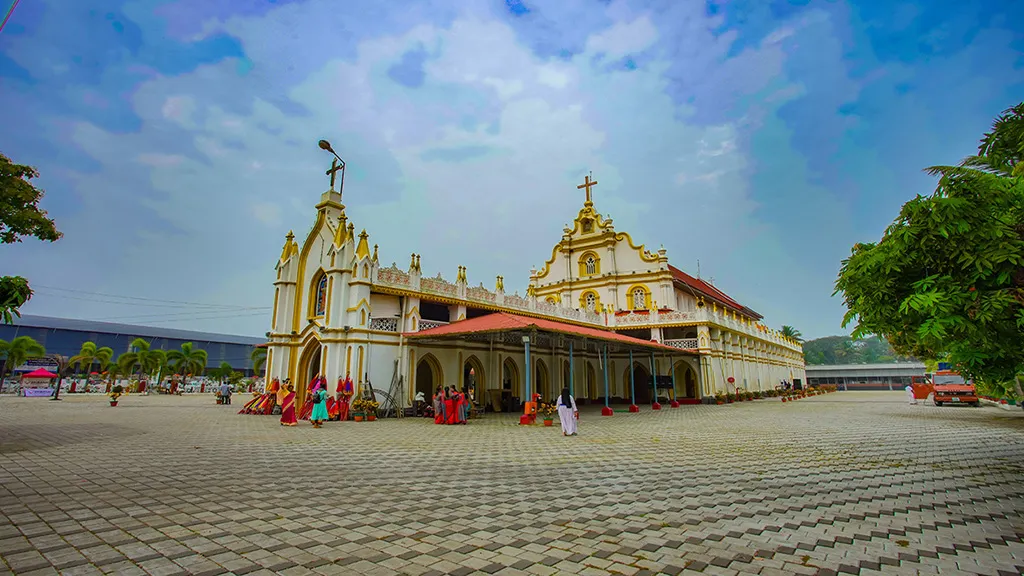
Located in Arthunkal, about 22 km north of Alappuzha town near Cherthala, this Syrian Catholic church is one of the most important pilgrimage churches in Kerala, famous for the feast of St. Sebastian held every January, which draws hundreds of thousands of pilgrims over several days — one of the largest Christian pilgrimages in South India. The church complex sits directly on the beach, with the Arabian Sea visible from the church grounds, and is particularly associated with the belief in miraculous healing attributed to St. Sebastian.
Edathua Church (St. George Forane Church)
Situated in Edathua among farmlands and river channels about 25 km from Alappuzha town, this ancient Syrian Christian church is believed to have been founded by St. Thomas the Apostle in the 1st century AD, with the current structure dating to a later period. The church is distinctive for conducting prayers and hymns in ancient Hebrew and Syrian — the same liturgical languages used in its original tradition — giving the experience a genuinely ancient, undisturbed quality that sets it apart from more modernized churches in the region. The church draws pilgrims particularly during the May feast season.
Karumadi Kuttan (The Buddhist Statue at Karumadi)
About 5 km east of Ambalapuzha, near the Karumadi village, a partially damaged but still striking 11th-century statue of Lord Buddha carved from solid black granite sits on the banks of a backwater channel. Known locally as Karumadi Kuttan, the statue is one of the few significant Buddhist heritage monuments in a region now predominantly Hindu and Christian — a quiet reminder of the Buddhist cultural presence that preceded the current religious landscape of Kerala. Accessible by road and a short walk from the highway.
Getting to Alappuzha District
From the United States
There are no direct flights from the US to anywhere in Alappuzha district. The standard route is to fly to a major Indian or Gulf hub (Mumbai, Delhi, Dubai, Doha, Abu Dhabi, or Singapore) and connect to Cochin International Airport (COK), roughly 55–85 km north of Alappuzha town depending on which part of the district you're heading to.
By Train
Alappuzha Railway Station is about 4 km from the town center with direct trains to Kannur, Chennai, and other major cities, plus frequent connections along the Kerala coastal line to Kochi, Kollam, and Thiruvananthapuram. Kayamkulam Railway Station (for the southern district, including Krishnapuram Palace and Mannarasala Temple) is well connected on the same coastal rail line.
By Road
NH 66 runs the length of the district's coastline, connecting Cherthala in the north through Alappuzha town to Kayamkulam in the south, and onward to Kollam. Regular buses connect all major district towns, and private taxis are available from Kochi, Kollam, or anywhere along the route. Self-drive is practical on NH 66, though the narrower interior routes toward Kuttanad and Champakulam require more careful navigation.
By Water
The Kerala State Water Transport Department operates ferries and boat services within the district, connecting Alappuzha town to nearby islands, villages, and Kuttanad. The classic Kollam–Alappuzha public ferry (8 hours, ₹400 per person) is one of the most scenic and least expensive ways to approach the district from the south, passing through 80 km of the main backwater route.
Best Time to Visit
- October to February: The ideal window for houseboat cruises, birdwatching, beach visits, and temple pilgrimages — cool weather, clear skies, lower humidity
- August: Nehru Trophy Boat Race and Onam season — the most festive, highest-energy time to visit the district, though accommodation books up months in advance during this period
- January: Arthunkal Church feast of St. Sebastian — one of the largest Christian pilgrimages in South India
- June–July: Champakulam Moolam Boat Race; the district is lush and green during monsoon but houseboat operations can be affected by rough water and heavy rain
- December: Alappuzha Beach Festival — sand art, cultural performances, and events on the Alappuzha Beach and pier
Suggested Itineraries
2 Days: Backwaters and Town
- Day 1: Arrive, board houseboat at noon, cruise Punnamada Lake and Kuttanad canals, overnight moor near a village
- Day 2: Morning cruise and check-out, Alappuzha Beach and Lighthouse, Ambalapuzha Sri Krishna Temple for Paal Payasam, evening at Mullakkal area markets
3 Days: Full District Circuit
- Day 1: Houseboat overnight with Kuttanad route and Pathiramanal Island (if boat route permits)
- Day 2: Marari Beach morning, Arthunkal Church, drive south to Krishnapuram Palace at Kayamkulam
- Day 3: Mannarasala Sree Nagaraja Temple at Haripad, Edathua Church, Karumadi Kuttan statue, return to Alappuzha
4 Days: Slow Travel Circuit
- Add Kumarakom Bird Sanctuary and a night at Kumarakom (for better-appointed accommodation and birdwatching)
- Combine with Kochi as a base for the northern portion of the itinerary and Kollam as the southern gateway, arriving by the scenic public ferry from Kollam to Alappuzha
Frequently Asked Questions
What is Alappuzha district known for?
Primarily its backwater network — the Kerala houseboat experience is centered here, particularly around Alappuzha town, Punnamada Lake, and the Kuttanad region. Beyond the backwaters, the district is also known for the Nehru Trophy Boat Race, the Mannarasala Nagaraja Temple, Krishnapuram Palace, several ancient Syrian Christian churches, and low-key beaches at Marari and Alappuzha town.
What is the best way to explore the district?
By water for the backwater core (houseboat, shikara, canoe, or public ferry), and by road for the southern heritage trail covering Krishnapuram Palace, Mannarasala Temple, and Edathua Church. A combination of both gives the most complete picture of the district's range.
How far is Krishnapuram Palace from Alappuzha town?
About 49 km south of Alappuzha town near Kayamkulam, roughly an hour by road via NH 66.
How far is Mannarasala Temple from Alappuzha?
About 32 km south of Alappuzha town in Haripad, roughly 45 minutes to an hour by road.
How far is Marari Beach from Alappuzha town?
About 14 km north of Alappuzha town near Mararikulam village, roughly 20–25 minutes by road.
What is Kuttanad and why is it significant?
Kuttanad is a unique agricultural region within Alappuzha district where paddy fields lie up to 2 meters below sea level — one of very few places in the world where farming is done below the waterline. The rice fields, canal networks, and traditional village life visible during houseboat cruises through Kuttanad are one of the defining visual experiences of the district.
When is the Nehru Trophy Boat Race?
Every year on the second Saturday of August, on Punnamada Lake near Alappuzha town. Exact dates shift by a day or two annually, so confirm the current year's date before planning a trip around it. Accommodation across the district books up months in advance during this period.
What is the Champakulam Boat Race?
One of the oldest snake boat races in Kerala, held in Champakulam in the Kuttanad region during the Malayalam month of Mithunam (June–July), typically a month or two before the Nehru Trophy. It's a smaller, more intimate event than the Nehru Trophy and gives a genuine sense of the tradition without the massive crowds.
What is Pathiramanal Island?
A small uninhabited island in Vembanad Lake, accessible only by boat, that serves as a safe nesting and roosting site for hundreds of rare migratory birds. One of the best birdwatching destinations in the district and accessible from houseboats and shikara tours on the lake.
Is Marari Beach better than Alappuzha Beach for swimming?
Generally yes. Marari Beach is quieter, cleaner, and less developed than the main Alappuzha town beach, with calmer sections more suitable for swimming and a more relaxed atmosphere overall.
Are there beaches suitable for swimming in the district?
Marari Beach is the most recommended option for actual swimming. The main Alappuzha town beach is better for sunset walks and the pier rather than swimming. Note that the backwater canals and Vembanad Lake are not recommended for swimming due to variable water quality and currents.
What is the entry fee for Krishnapuram Palace?
₹10 for adults, ₹5 for children, ₹25 additional for cameras. Open Tuesday to Sunday, 9:30 AM to 4:30 PM; closed Mondays.
Is Alappuzha district good for birdwatching?
Yes, it's one of the best birdwatching regions in South India. Kumarakom Bird Sanctuary, Pathiramanal Island, and the Kuttanad wetlands all attract significant migratory and resident bird populations, particularly between October and February when migratory species arrive from Siberia and the Himalayas.
How do I get to Alappuzha district from the US?
Fly from a US gateway city to a major connecting hub (Dubai, Doha, Abu Dhabi, Singapore, or a major Indian city like Mumbai or Delhi) then connect to Cochin International Airport (COK), the nearest international airport at roughly 55–85 km from Alappuzha town. From there, road or rail covers the remaining distance.
What is the public ferry from Kollam to Alappuzha?
The Kerala State Water Transport Department runs a daily ferry between Kollam and Alappuzha, departing at 10:30 AM and covering 80 km of the main backwater route in about 8 hours. It costs roughly ₹400 per person and is a working boat used by locals, not a tourist vessel — which is exactly its appeal for travelers wanting an authentic, unhurried look at the backwater landscape at minimal cost.
What is the Arthunkal feast, and when is it held?
The annual feast of St. Sebastian at Arthunkal Church near Cherthala, held every January, is one of the largest Christian pilgrimages in South India, drawing hundreds of thousands of devotees over several days. The church sits directly on the beach, making the combined atmosphere of the sea, the church, and the enormous pilgrimage crowds a genuinely striking sight.
The Takeaway
Alappuzha district rewards visitors who look beyond the houseboat booking and ask what else is here. The answer is a lot: below-sea-level rice paddies that have no equivalent in India, a 154-square-foot mural in an 18th-century palace that most people drive past on NH 66 without stopping, a serpent temple forest that somehow still exists in the middle of a modern agricultural district, ancient churches conducting services in Syrian and Hebrew, and at least two quiet beaches where you'll have the sand almost entirely to yourself. The houseboats are genuinely worth it. So is everything else the water district has to offer beyond the tourist jetty.
 Translate