
Parambikulam Tiger Reserve
About Parambikulam Tiger Reserve
Introduction: The Emerald Sanctuary of Parambikulam
Spanning an expansive 643.61 square kilometers in the Chittur taluk of Palakkad district, Kerala, Parambikulam Tiger Reserve stands as one of India's most pristine, ecologically managed, and biodiversity-dense protected areas. Snuggled within the Sungam range of hills between the Anaimalai Hills and the Nelliampathy Ranges of the Western Ghats, Parambikulam is a premier ecological sanctuary renowned for its thriving population of Bengal tigers, Indian elephants, gaurs, and the endangered Nilgiri tahr. Embraced by scenic freshwater reservoirs, dense teaks, and rolling tropical evergreen forests, Parambikulam offers travelers from across India, the US, and around the world a rare glimpse into a wilderness preserved through world-class community-based eco-tourism.
Recognized globally for its pioneering Community-Based Eco-Tourism (CBET) initiative, the reserve is jointly managed by the Kerala Forest Department and the local indigenous tribal communities—including the Kadar, Malasar, Muduvar, and Eravalan tribes. Here, native forest dwellers act as expert guides, eco-lodge hosts, and anti-poaching watchers. Whether you are an eco-conscious traveler seeking a tranquil treehouse stay, a birdwatching enthusiast tracing endemic Western Ghats species, or a nature lover eager to raft past ancient teak groves, Parambikulam Tiger Reserve delivers an authentic, sustainable, and unforgettable wilderness experience.
History and Heritage: From Timber Logging to Tiger Haven
The history of Parambikulam is a remarkable tale of transformation from industrial exploitation to complete ecological restoration. During the late 19th and early 20th centuries under British rule, the dense forests of Parambikulam were identified as a valuable source of high-quality teak timber for naval shipbuilding and railway sleepers. To transport heavy logs across the rugged mountain terrain to the plains of Pollachi, the British engineered the historic Tramway System (Cochin State Forest Tramway) in 1905, a legendary narrow-gauge mountain railway that operated for decades.
Extensive teak plantations were introduced in the region, including the planting of the world-famous Kannimara Teak tree. Recognizing the ecological damage of continued deforestation, logging operations were eventually halted, and the area was declared a Wildlife Sanctuary in 1973. In February 2010, acknowledging its vital role as a contiguous wildlife corridor linking the Anamalai Tiger Reserve in Tamil Nadu and the Peechi-Vazhani Sanctuary in Kerala, Parambikulam was formally designated as India's 38th Tiger Reserve under Project Tiger.
Cultural & Ecological Milestones
- The Sacred Kannimara Teak: Home to one of the world's oldest and largest living teak trees, estimated to be over 450 years old with a girth of 7.15 meters.
- Tribal Empowerment Model: Over 600 indigenous tribal family members are directly employed in eco-tourism, turning former forest gatherers into dedicated wildlife guardians.
- Ramsar & UNESCO Relevance: Part of the Anamalai Sub-Cluster within the Western Ghats UNESCO World Heritage Site network.
How to Reach Parambikulam Tiger Reserve
A crucial detail for all travelers: the only road entry route into Parambikulam Tiger Reserve is through Sethumadai near Pollachi in Tamil Nadu. There is no direct vehicular road connecting the reserve directly from the main Kerala state side without entering Tamil Nadu first.
By Air
The nearest airport is Coimbatore International Airport (CJB) in Tamil Nadu, located approximately 100 km (2.5 to 3 hours drive) from the entry checkpoint at Anapady. COK (Cochin International Airport) in Kerala is situated about 165 km away. Pre-paid taxis and rental cars are available from Coimbatore Airport to drive via Pollachi to the Sethumadai check post.
By Train
The closest major railway hubs are:
- Pollachi Junction (POY): Located just 38 km from the Anapady entry gate, connecting to regional South Indian trains.
- Coimbatore Junction (CBE): Located 85 km away, offering high-speed express trains from major Indian metropolitan cities including Delhi, Mumbai, Bengaluru, and Chennai.
- Palakkad Junction (PGT): Located approximately 100 km away in Kerala.
By Road
Travelers must head to Pollachi town in Tamil Nadu, then proceed toward Sethumadai village (about 25 km from Pollachi). From Sethumadai, you enter the Anamalai Tiger Reserve check post at Topslip, drive through the forest corridor for 10 km, and arrive at the Anapady Checkpost—the entry gateway to Parambikulam Tiger Reserve.
Best Time to Visit
Parambikulam experiences pleasant tropical weather, but seasonal shifts offer distinct advantages depending on your travel preferences.
Peak Season: Winter (October to March)
This is the best time for wildlife viewing, jungle trekking, and bamboo rafting. The weather is cool, dry, and comfortable, with daytime temperatures between 18°C and 28°C. Clear skies and pleasant morning mists make this the prime season for international tourists, wildlife photographers, and families.
Shoulder Season: Summer (April to May)
Temperatures rise up to 35°C during summer afternoons. However, summer is considered the prime season for tiger and big game sightings, as animals frequently aggregate around the receding waters of the Parambikulam, Thunacadavu, and Peruvaripallam reservoirs.
Monsoon Months (June to September)
The reserve receives heavy rainfall during the South-West monsoon. The forests turn vibrant green, streams swell, and waterfalls cascade. While monsoon trekking can be challenging due to leeches and slippery terrain, it offers a peaceful, lush escape for monsoon lovers and nature photographers.
Top Attractions Inside Parambikulam
1. The Great Kannimara Teak Tree
Standing tall in the heart of the Thunacadavu range is the historic Kannimara Teak. According to local tribal legend, when woodcutters attempted to cut this gigantic tree centuries ago, red sap oozed from its bark, prompting locals to revere it as a natural deity. Today, it stands as a living natural monument accessible via official reserve safaris.
2. Parambikulam, Thunacadavu & Peruvaripallam Dams
The reserve features three interconnected, scenic freshwater reservoirs created by dams built in the mid-20th century. Surrounded by forested peaks, these glassy lakes attract herds of spotted deer, gaurs, wild boars, and marsh crocodiles basking along the banks.
3. Anapady Eco-Tourism Center & Museum
Located near the entry point, the eco-center houses an informative wildlife interpretation museum, herbal gardens, and an orientation theater detailing the sanctuary's history, floral diversity, and community conservation projects.
4. Dam View Point & Valley Overlooks
Elevated viewpoints along the safari route offer panoramic vistas over the vast green forest canopy stretching across the Kerala-Tamil Nadu border line.
Things to Do at Parambikulam
1. Official Jungle Safari (Non-Polluting Bus Safari)
Day visitors can embark on a 3-hour guided non-polluting safari bus organized by the Forest Department. The route covers Thunacadavu Dam, the Kannimara Teak, Dam View Points, and Peruvaripallam Dam with an accredited indigenous tribal guide on board.
2. Bamboo Rafting on Parambikulam Reservoir
Gliding quietly over the calm waters of the reservoir on hand-built bamboo rafts steered by tribal rowers is one of the most popular eco-activities. Rafters can spot aquatic birds, giant squirrels in the overhanging branches, and deer grazing on the shoreline.
3. Guided Trekking Trails
Overnight guests can choose from several official trekking routes accompanied by armed forest guards and indigenous guides, including the Pugmark Trail, Kariyanshola Trail, and Elephant Song Trail, offering close-up encounters with rain forest ecology.
4. Treehouse and Island Eco-Stays
Spend a night inside the forest by booking unique eco-friendly accommodations such as the Machan (Treehouse) at Thunacadavu or Veetikunnu Island Nest—a secluded island cabin accessible only by a 45-minute bamboo raft ride.
Local Food and Culinary Delights
Dining inside Parambikulam Tiger Reserve is managed primarily through official community eco-kitchens run by local tribal women collectives (Kudumbashree / Eco-Development Committees).
Traditional Meals & Specialties
- Authentic Kerala Sadya / Thali: Steaming local boiled rice served with fresh sambar, rasam, curd, payasam, and traditional vegetable curries prepared with fresh local ingredients.
- Tribal Delicacies: Simple, wholesome dishes made from locally grown millets, wild herbs, tapioca (kappa), and organic country chicken curries (available for night stay guests).
- Eco-Café Refreshments: Herbal teas, fresh fruit juices, and light snacks served at the Anapady Eco-Center.
Where to Stay: Accommodation Options
To preserve the core habitat, private commercial hotels and luxury private resorts are strictly banned inside Parambikulam. All accommodations inside the reserve are strictly owned, operated, and booked through the official Parambikulam Tiger Conservation Foundation.
Official Reserve Accommodations ($50 – $180 USD / ₹4,000 – ₹14,000 INR per package)
- Tented Niche (Anapady): Well-appointed eco-tents equipped with modern attached bathrooms, nestled under a canopy of trees near the entry zone.
- Thunacadavu & Parambikulam Treehouses (Machans): Stilted wooden treehouses overlooking reservoir waters or forest glades, perfect for adventure seekers.
- Veetikunnu Island Nest: A secluded eco-dwelling located on an island in the middle of the reservoir, offering total privacy and immersive wilderness quietude.
- Honeycomb Complex: Comfortable masonry rooms located at Thunacadavu, ideal for families and small groups.
Staying Outside the Reserve
Visitors who prefer private luxury resorts or budget hotels can stay in Pollachi town (38 km away) or Topslip (Tamil Nadu side) and visit Parambikulam as a day trip.
Budget Travel Guide for Parambikulam
- Book Day Safaris Early: If you cannot afford overnight eco-packages, purchase the day-visit bus safari ticket at Anapady Checkpost which includes entry, bus transit, and guide fees at a nominal fixed price.
- Use Public Buses from Pollachi: Government buses operate daily from Pollachi Bus Stand to Sethumadai/Anapady, providing low-cost transit for budget travelers.
- Package Inclusions: Overnight eco-stay packages booked through the official website include accommodation, all meals, safari rides, bamboo rafting, and guided trekking, offering high overall value.
Sample 2-Day Itinerary
Day 1: Arrival, Tribal Welcome, and Reservoir Rafting
- 10:30 AM: Arrive at the Anapady Checkpost via Pollachi/Sethumadai. Complete registration and check into your booked official eco-lodge/tent.
- 01:00 PM: Enjoy a hot, traditional Keralite lunch at the community dining hall.
- 03:00 PM: Proceed to Parambikulam Reservoir for a peaceful 1-hour bamboo rafting session with native rowers.
- 05:00 PM: Visit the Thunacadavu Dam viewpoint to spot wild herds of gaurs and deer emerging from the forest at dusk.
- 07:30 PM: Enjoy a tribal cultural briefing/documentary screening followed by dinner under the stars.
Day 2: Jungle Trek, Kannimara Teak, and Departure
- 06:30 AM: Embark on an early morning guided Pugmark Trek through the forest trail with an armed forest guard and tribal tracking expert.
- 09:00 AM: Return for breakfast featuring warm Idlis, Appams, and tea.
- 10:30 AM: Visit the majestic 450-year-old Kannimara Teak tree and explore the Anapady Wildlife Interpretation Center.
- 12:30 PM: Complete checkout formalities and depart toward Pollachi / Coimbatore for onward travel.
Nearby Places to Explore
- Topslip & Anamalai Tiger Reserve (10 km): Located across the border in Tamil Nadu, famous for elephant camps, jungle safaris, and teak forests.
- Aliyar Dam Park & Lake (30 km): A beautiful reservoir located at the foot of the Valparai hills featuring gardens, boat rides, and aquarium facilities.
- Valparai Hill Station (65 km): A scenic, mist-laden hill town surrounded by sprawling tea estates, rainforest fragments, and Lion-tailed Macaque corridors.
- Nelliampathy Hills (90 km): A quiet hill station in Palakkad famous for orange orchards, tea plantations, and dramatic mountain view points.
Essential Rules and Travel Guidelines
- Strict Zero-Plastic Policy: Disposable plastic bottles and bags are banned inside the reserve. Carry reusable water containers.
- No Alcohol or Smoking: Consuming alcohol, smoking, or carrying plastic-wrapped alcohol bottles inside the tiger reserve is strictly illegal and subject to severe penalties.
- Speed Limits & Night Driving: Driving faster than 30 km/h is forbidden. Private vehicle movement inside the reserve is strictly banned after 6:00 PM.
- Advance Booking Required: Entry permits and overnight stays are capped daily to protect wildlife. Always book via the official portal (parambikulam.org) before arriving.
Frequently Asked Questions (FAQs)
1. Where is Parambikulam Tiger Reserve located?
Parambikulam is located in the Palakkad district of Kerala, South India, along the border with Tamil Nadu.
2. How do I access Parambikulam Tiger Reserve by road?
Access is exclusively through Pollachi and Sethumadai in Tamil Nadu. You cannot enter directly from the Kerala side by road.
3. Are private vehicles allowed inside the sanctuary?
Private vehicles are allowed only up to designated parking/accommodation zones (like Anapady or Thunacadavu) under strict speed limits. Inside safari zones, visitors must use official Forest Department vehicles.
4. What is the Kannimara Teak?
It is one of the world's largest naturally growing teak trees, estimated to be around 450 years old with a girth of 7.15 meters.
5. How can I book accommodations inside Parambikulam?
Accommodations must be booked online through the official Parambikulam Tiger Conservation Foundation website (parambikulam.org).
6. Is alcohol allowed inside Parambikulam?
No, carrying or consuming alcohol is strictly prohibited throughout the tiger reserve.
7. What wildlife can I expect to see at Parambikulam?
Visitors frequently spot Indian gaurs, spotted deer, elephants, sambar deer, wild boars, Nilgiri langurs, Malabar giant squirrels, and diverse bird species. Tiger and leopard sightings occur occasionally in deep safari tracks.
8. Is bamboo rafting safe for non-swimmers?
Yes, bamboo rafting is conducted on calm reservoir waters with mandatory life jackets provided and trained tribal rowers guiding every raft.
9. What is the nearest airport to Parambikulam?
Coimbatore International Airport (CJB) in Tamil Nadu is the nearest airport, located approximately 100 km away.
10. Are day visits allowed without staying overnight?
Yes, day visitors can enter by purchasing day-pass permits and joining the official bus safari between 8:00 AM and 3:00 PM.
Conclusion
Parambikulam Tiger Reserve stands as a shining beacon of sustainable eco-tourism, where wilderness conservation and indigenous community welfare thrive hand in hand. From majestic teak forests and serene reservoir waters to wild encounters along quiet jungle trails, Parambikulam offers a deeply authentic and peaceful retreat into the heart of the Western Ghats. Plan your visit, respect the sanctuary rules, and experience the timeless magic of Kerala's tiger kingdom.
Photo Gallery
What you'll experience
- 1
Jeep safaris and tiger spotting
- 2
Boat rides across Parambikulam Lake
- 3
Stay in eco-lodges within the forest
- 4
Explore tribal culture and bamboo rafting
Explore More
Nearby Destinations
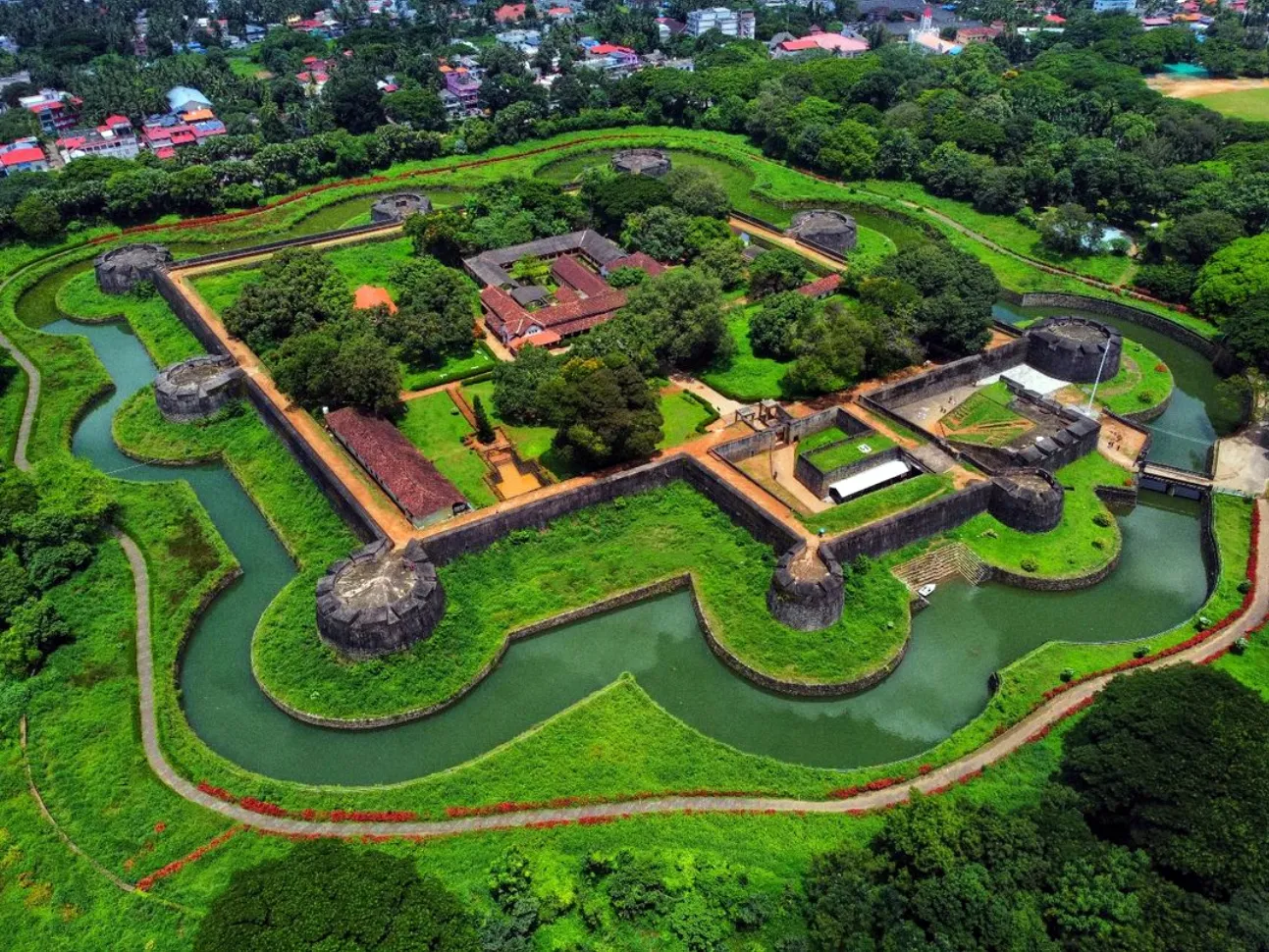
Palakkad Fort

Malampuzha Dam & Garden
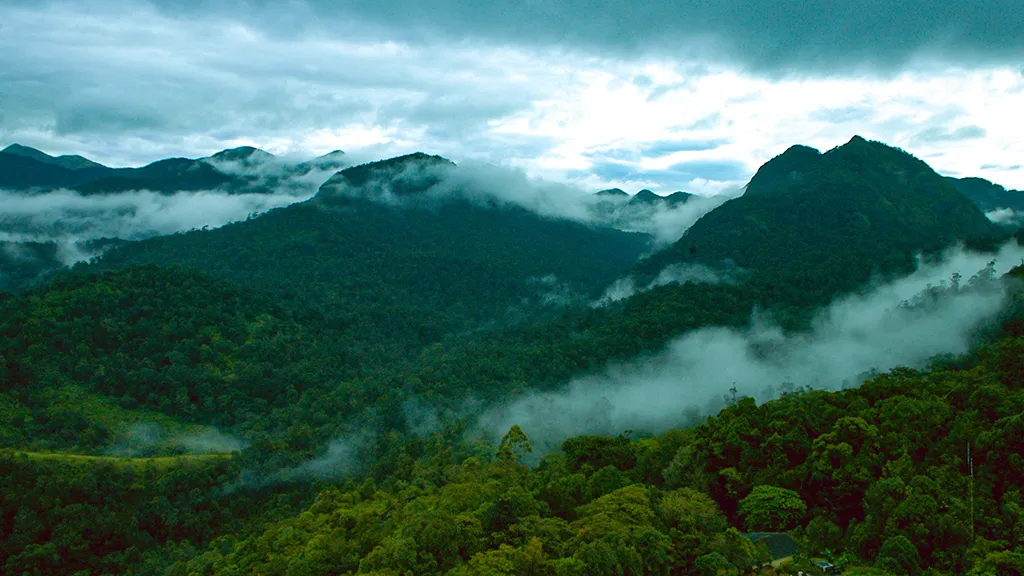
Silent Valley National Park
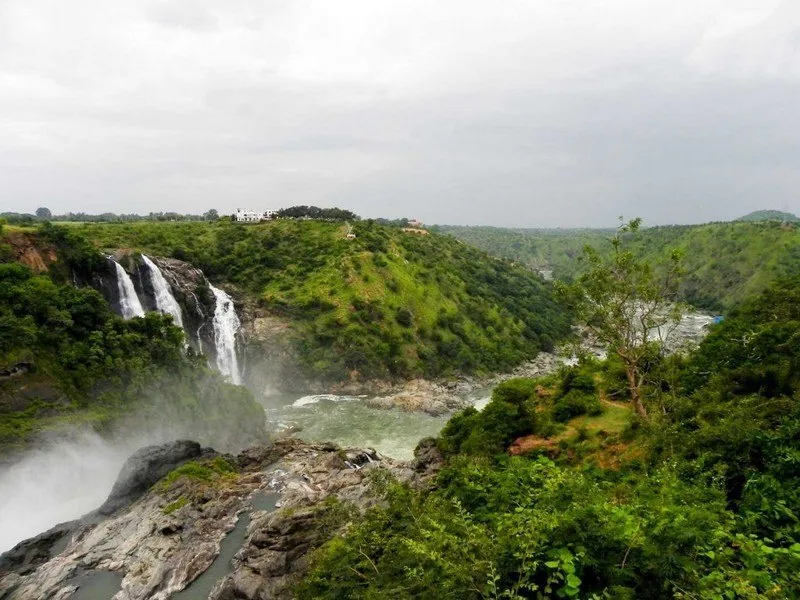
Nelliyampathy
These destinations are in close proximity to Parambikulam Tiger Reserve and can be visited on the same trip.
Related Destinations
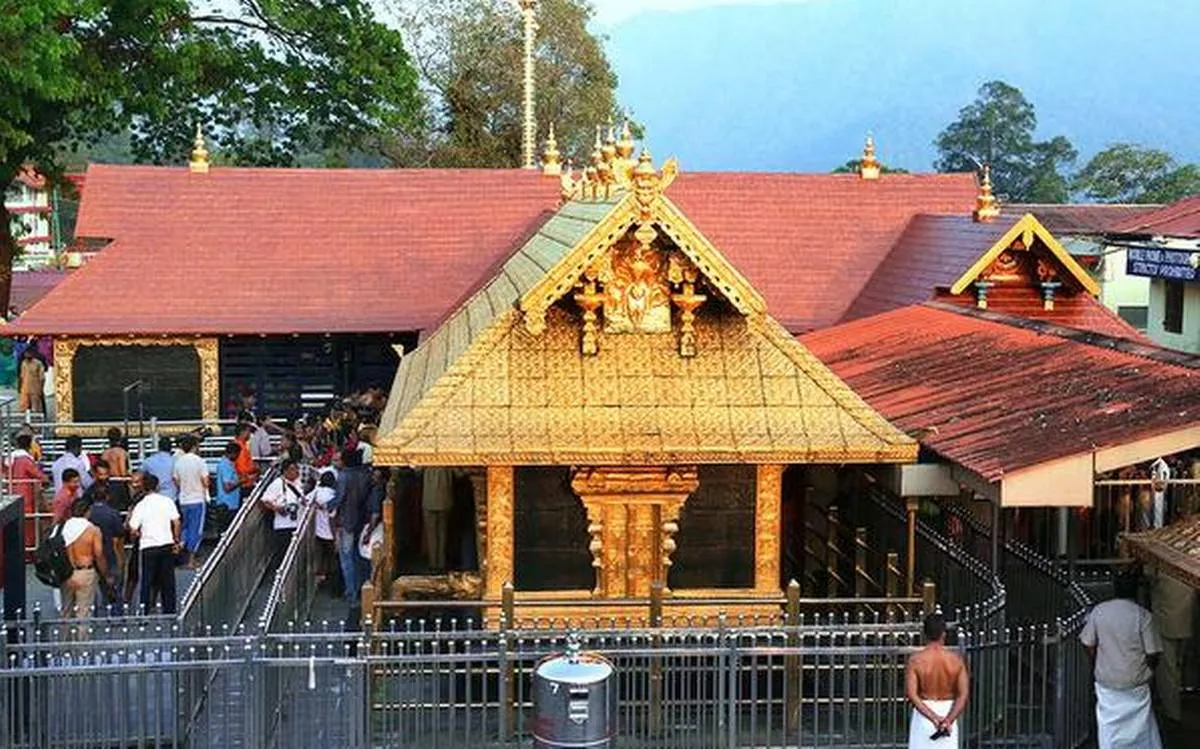
Sabarimala Temple
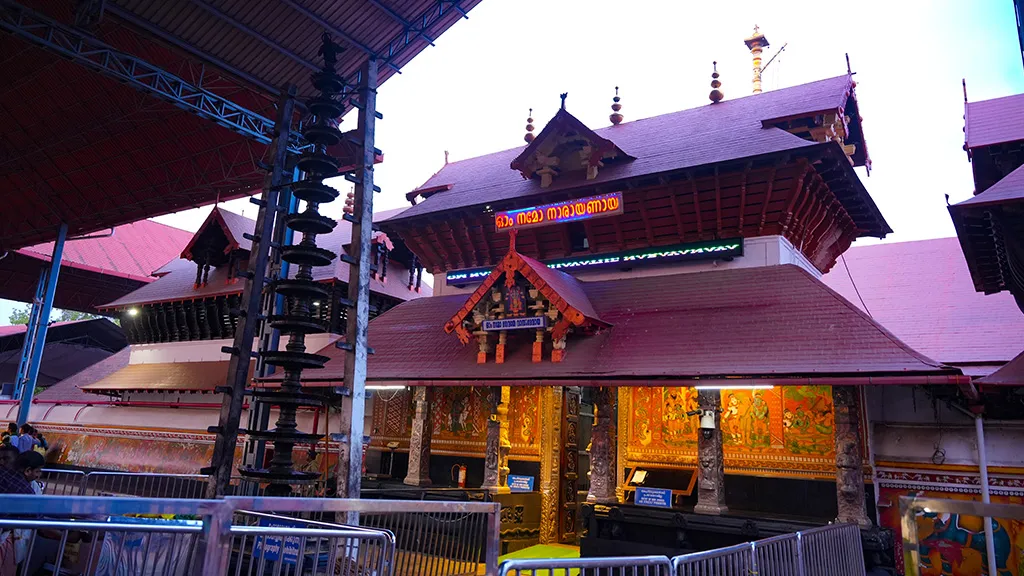
Guruvayur Temple
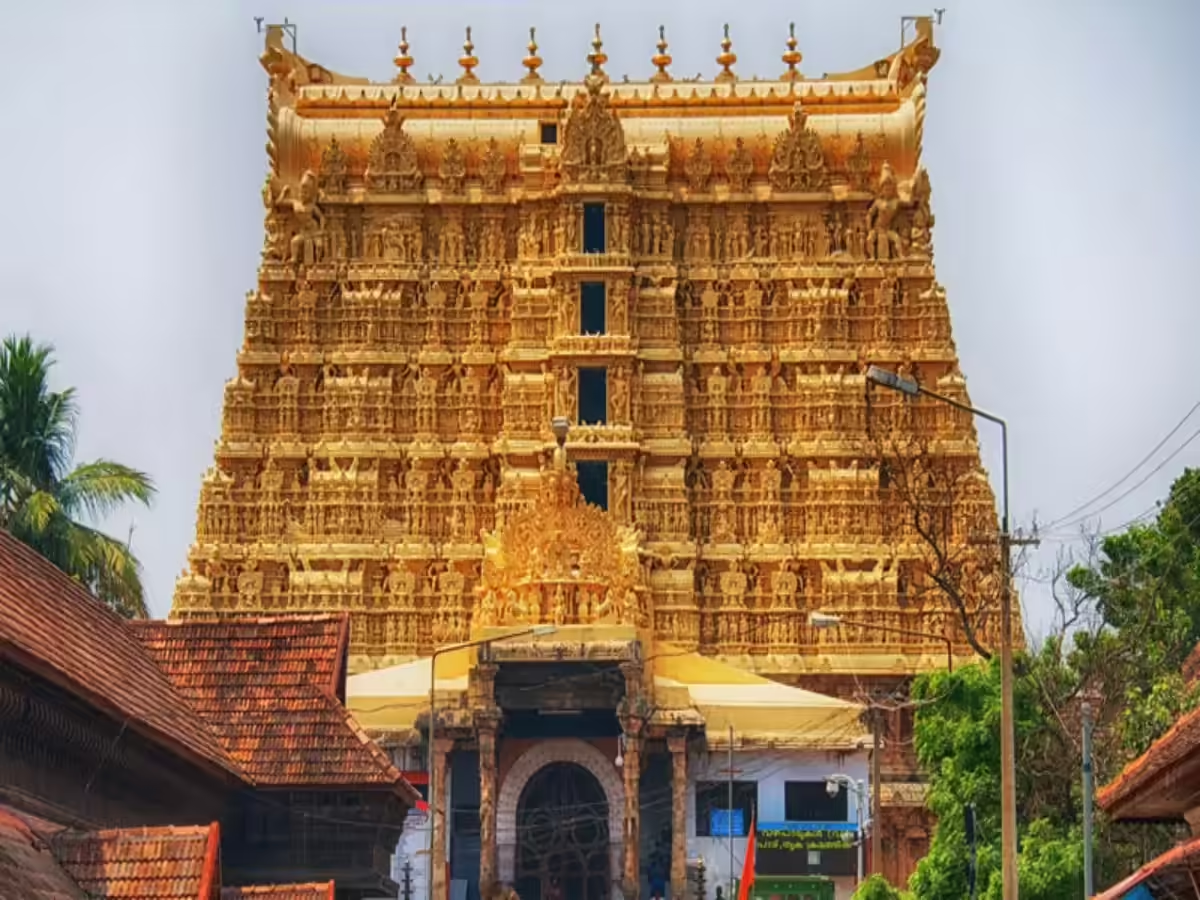
Padmanabhaswamy Temple
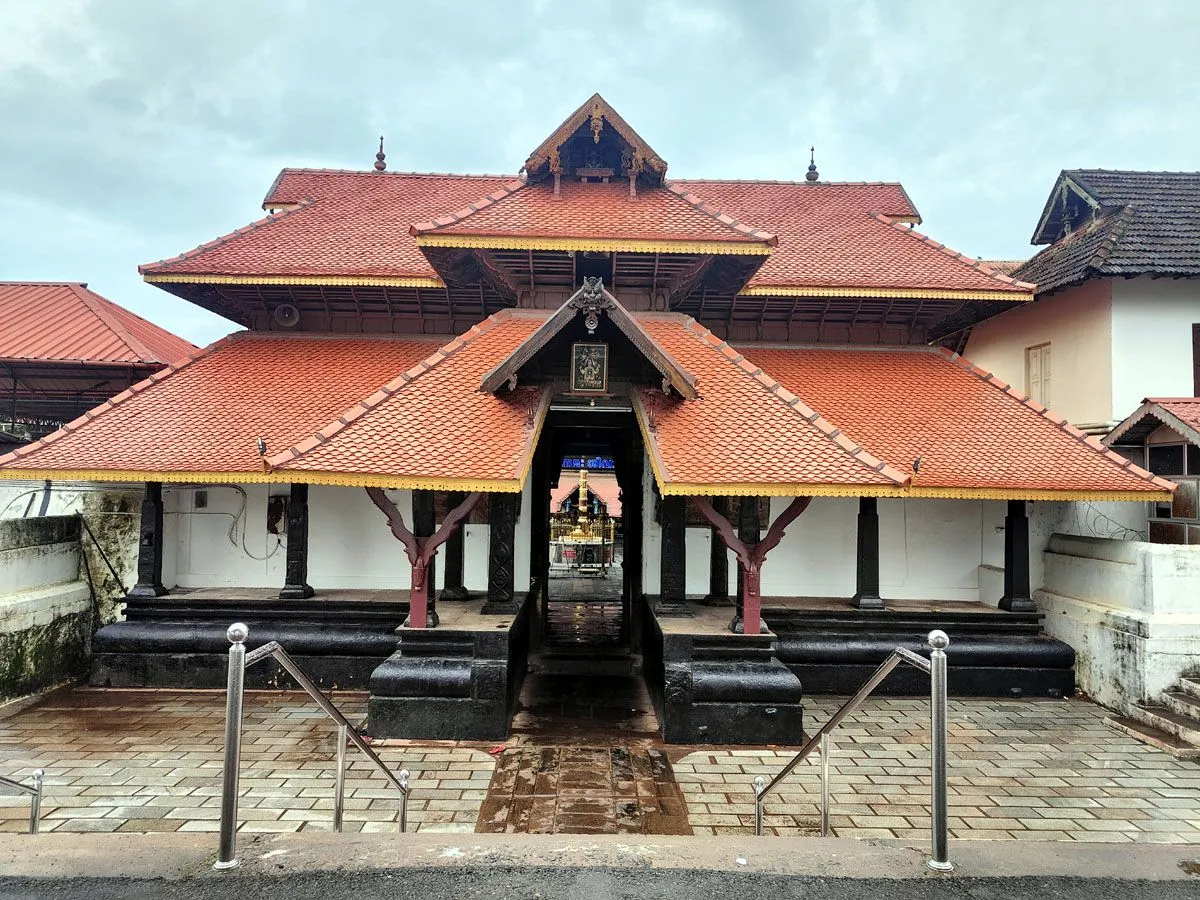
Ettumanoor Mahadeva Temple
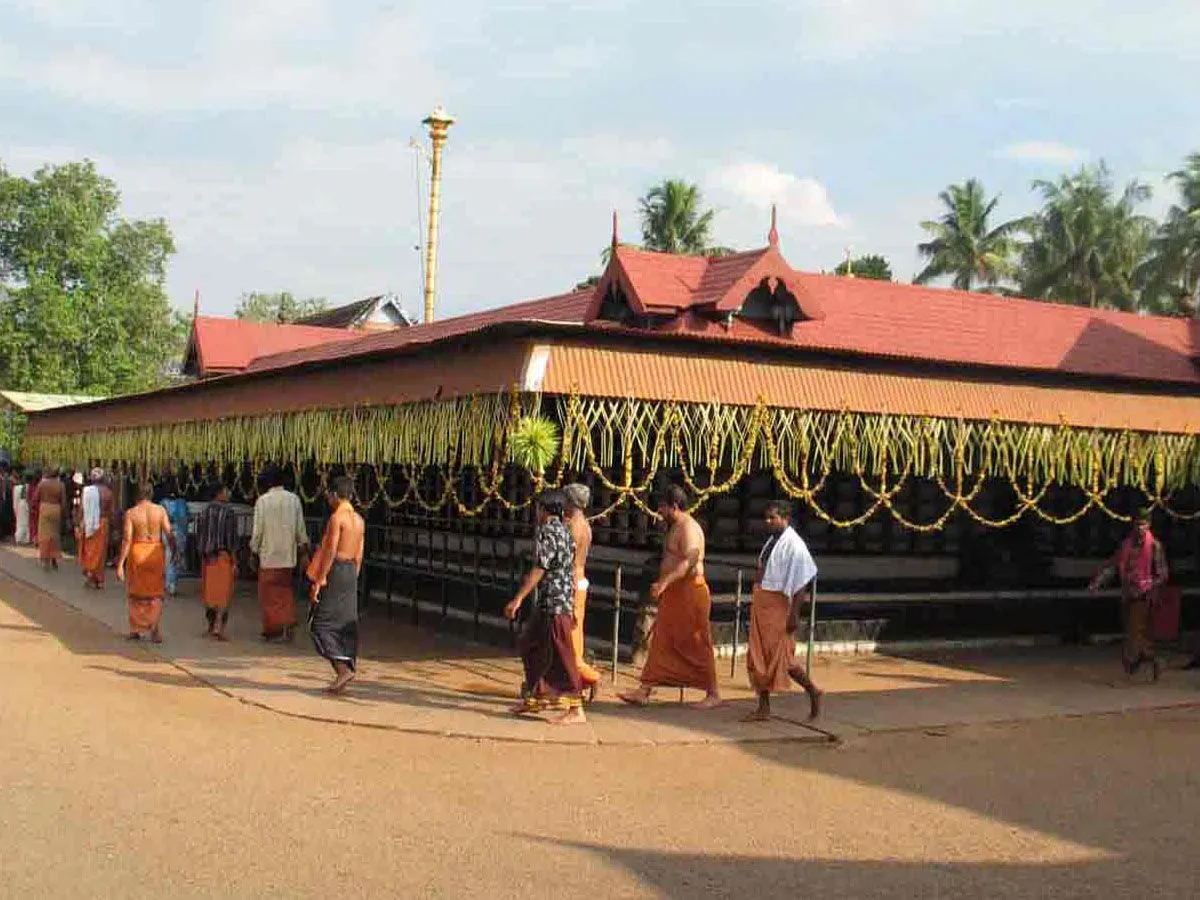
Chottanikkara Temple
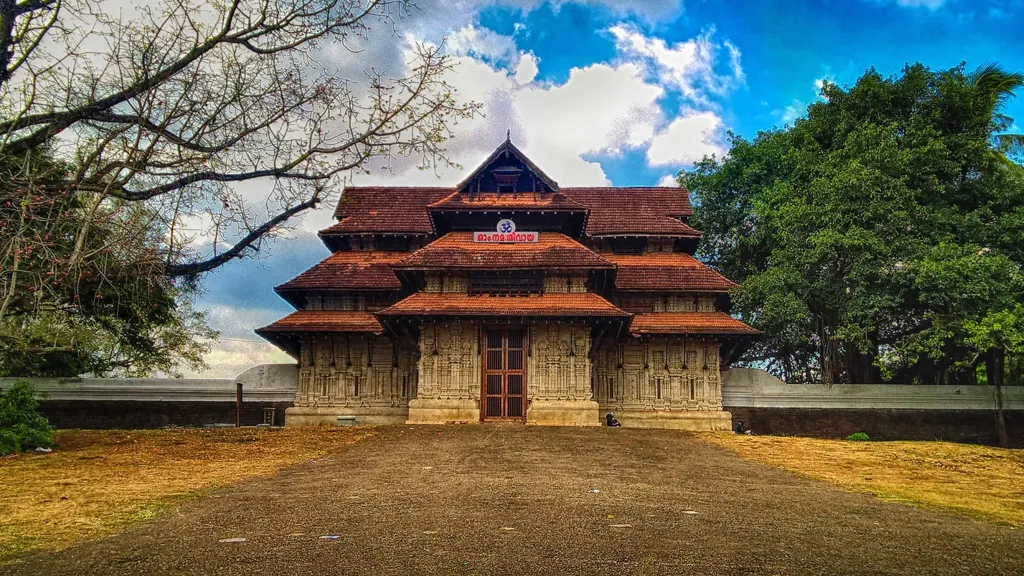
Vadakkunnathan Temple Thrissur
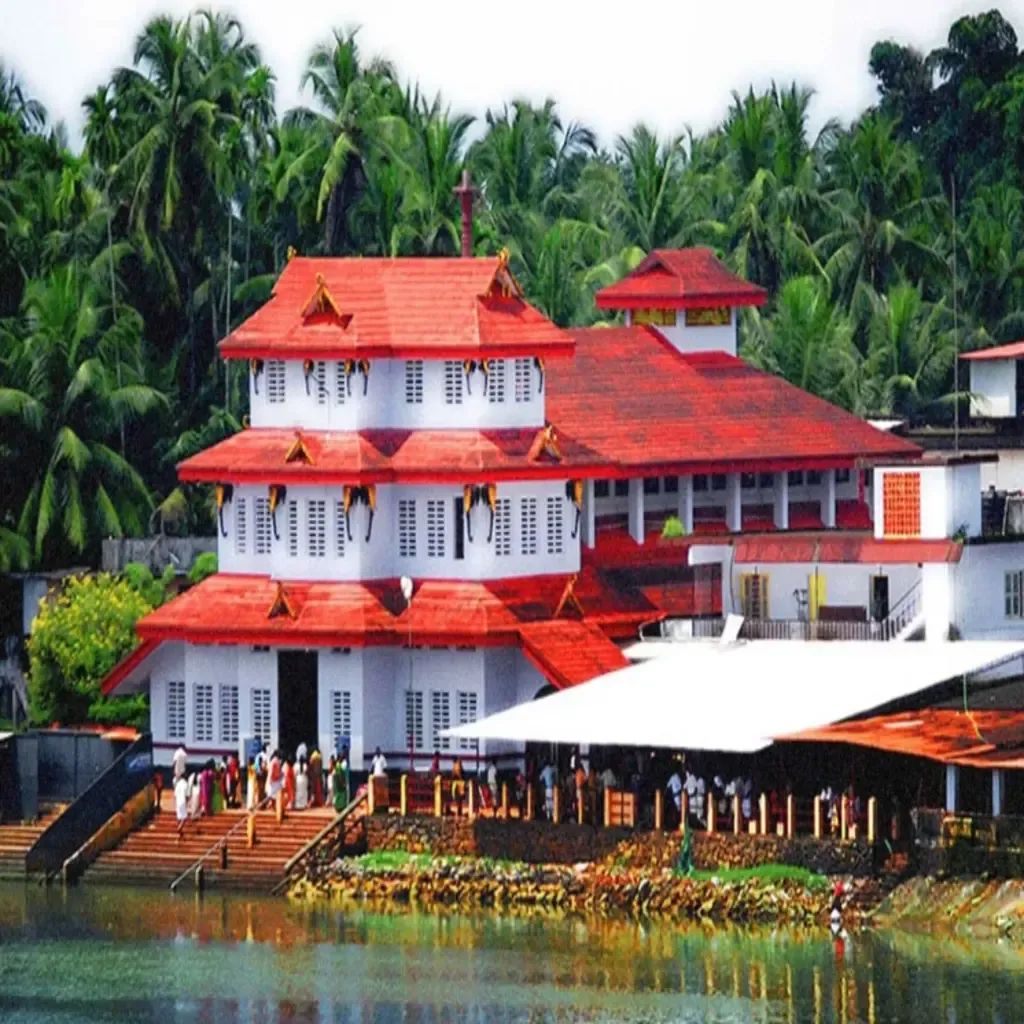
Parassinikadavu Muthappan Temple
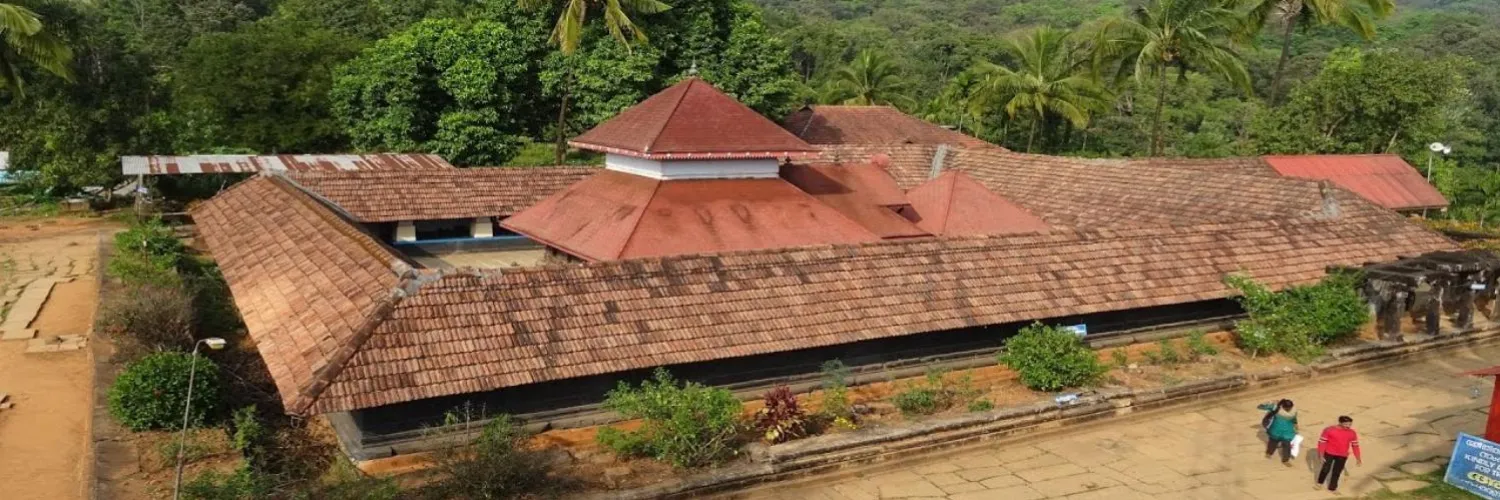
Thirunelli Temple Wayanad
Visit Information
Opening Hours
Entry Fee
Best Time to Visit
November to April
Location
Palakkad District, Kerala, India
Contact
For inquiries: 04923-245025
Share this destination:
 Translate