
St. George Church, Edappally
About St. George Church, Edappally
St. George's Forane Church, Edappally: Asia's Largest St. George Shrine and One of Kerala's Oldest Churches
Most places of worship in Kochi are a few hundred years old. The church at Edappally Junction is nearly 1,500. Founded in 593 AD on land donated by the Raja of Edappally, St. George's Forane Church — locally known as Edappally Palli — is one of the oldest churches in Kerala, preceded only by the seven churches traditionally attributed to St. Thomas the Apostle in the 1st century AD. Today it holds a second title that surprises many visitors: Asia's largest shrine dedicated to St. George, drawing roughly five million people annually from across the country and well beyond. What makes it even more remarkable is where it sits — not in a quiet hill town or on a remote riverside, but right at one of Kochi's busiest road junctions, on NH 66, where ancient and modern Kerala exist within arm's reach of each other.
This guide covers the full 1,400-year history, the dual-church architecture, the traditions of the Edappally Perunnal feast, the holy well, the vehicle blessing tradition, mass timings, and all the practical information visitors need before arriving.
Quick Facts Before You Go
- Official name: St. George's Syro-Malabar Catholic Forane Church, Edappally
- Locally known as: Edappally Palli, Edappally Punyalan Church
- Location: Edappally Junction, NH 66, Kochi, Ernakulam district, Kerala
- Founded: 593 AD, on land donated by the Raja of Edappally (Elangalloor Swaroopam)
- Denomination: Syro-Malabar Catholic Church
- Distinction: Asia's largest shrine dedicated to St. George; approximately 5 million visitors annually
- Entry fee: Free
- Annual feast (Edappally Perunnal) 2026: April 25 – May 15, 2026; main feast days May 3–4; Octave May 10–11
- Distance from Ernakulam Junction (South): About 7.5 km
- Website: stgeorgeforanechurchedappally.org
The History: 1,400 Years on the Same Land
593 AD: The Original Foundation
The church's founding story begins with a practical need. Syrian Christian families from Paravur, belonging to the early Knanaya community, had to travel considerable distances to worship at the Kottakkavu Mar Thoma Syro-Malabar Church — a journey that had become increasingly difficult as the community in the Edappally area grew. The Raja of Edappally, known as the Elangalloor Swaroopam, donated land for a local church, and a modest structure was built in 593 AD, originally dedicated to the Virgin Mary (Marth Mariam) rather than to St. George. At the time of construction, historical accounts note that the Arabian Sea reached close to the church premises — the coastline of Kerala has shifted significantly over the past fourteen centuries, and what is now urban Kochi was then open coast.
1080 AD: A New Church
By the 11th century, the congregation had grown substantially and the original 6th-century structure could no longer accommodate the worshippers. A larger new church was built adjacent to the old one in 1080 AD. The original church was not demolished — it stands to this day, now serving as the church's adoration chapel, making Edappally one of the very few active church complexes in India where a 6th-century structure is still in daily use alongside a modern building.
Rededication to St. George
The church's original dedication to the Virgin Mary eventually gave way to its present dedication to St. George — the warrior-martyr of the early Christian church who died in 303 AD under the Roman Emperor Diocletian, having refused to renounce his Christian faith despite his position as a senior military officer in the Emperor's guard. The precise date of rededication is not definitively documented in the historical record, but St. George has been the presiding patron of this church for many centuries, and the Thiruswaroopam (sacred image) of Edappally Punyalan — the golden-adorned statue of St. George — has become one of the most venerated religious objects in central Kerala.
1813 and Beyond: Expansion
The complex was significantly expanded in 1813, and further renovations followed in subsequent centuries. The most recent and largest addition is the current main church, whose foundation stone was laid on January 1, 2001 and which was formally consecrated on April 19, 2015. The new structure, designed by architects from Vastushilpalaya Consultancy, is an octagonal modern edifice that can accommodate up to 5,000 worshippers simultaneously — a scale necessitated by the five million annual visitors and the enormous crowds of the Edappally Perunnal feast.
The Architecture: Ancient and Modern Side by Side
The Old Church (593 AD)
The original 6th-century church structure still stands within the complex, now functioning as the adoration chapel. The foundation stone of this original church has been preserved and is visible within the modern campus. Visitors who walk through the complex encounter the unusual experience of moving between a building from the early medieval period and a 21st-century octagonal basilica within the same walled compound.
The Modern Church (Consecrated 2015)
The new church building blends European Gothic and Romanesque design elements with modern construction, featuring soaring arches, ornate spires, and an interior that combines the formal grandeur of European cathedral tradition with the specific liturgical needs of the Syro-Malabar Catholic rite. The scale of the interior is designed for the feast season — the building can hold thousands of worshippers simultaneously, with space for the large processions and ceremonies that define the Edappally Perunnal.
The Rest of the Complex
- Holy Well: An ancient well on the church premises with a long tradition of healing belief — the water is held by devotees to have curative powers, particularly against snakebite (St. George is revered as a protector from snakes in the Kerala Christian tradition) and general ailments
- Grotto of Mother Mary: A traditional outdoor grotto within the campus, a peaceful space for personal prayer apart from the main church
- Museum: Documenting the church's history and the broader history of Syrian Christianity in Kerala
- Multipurpose Auditorium: For community events and large-scale gatherings
- The Painting and Altar: Inside the main church, the altar features a picture of the Virgin Mary surrounded by sculptures and angels, integrated during an early renovation; behind the altar is a painting of Heaven; and a statue of St. George mounted on his horse and spearing the dragon stands prominently in the sanctuary
The Edappally Perunnal: Asia's Great St. George Feast
The annual feast of St. George at Edappally — the Edappally Palli Perunnal — is one of the largest and most spectacular Christian festivals in India. In 2026, it runs from April 25 through May 15, with the main feast days on May 3 and 4, and the Octave celebrated on May 10 and 11.
The Feast Calendar
- Preparation — 40 hours Adoration and 9-day Novena: The feast is preceded by an extended period of prayer and adoration within the church, building toward the flag hoisting
- April 25 — Kodiyettam (Flag Hoisting): The feast officially opens with a traditional ceremony. Before the flag is hoisted, the President and members of the Darsana Samooham present the Vicar with 101 varieties of sweets and savories as a ritual offering — a custom that recalls the centuries-old tradition of parish members visiting the Raja of Edappally to seek royal permission before hoisting the festival flag. The Raja would grant permission and arrange for a flagpole carried to the church by a palace elephant. The custom has been adapted over time but the offering of 101 sweets to the Vicar persists as a living echo of the original royal ceremony.
- May 1: A solemn procession carries the golden-adorned statue of St. George (Thiruswaroopam) through the streets of Edappally. The statue, decorated with gold ornaments donated by devotees over generations, is placed in a hand-carved wooden roopakoodu which is set on a teak chariot decorated with scenes from scripture
- May 3–4 — Main Feast Days (2026): The climax of the celebration, with multiple solemn High Masses, the grand procession with chenda drumming, colourful umbrellas, and band sets, and the ceremonial Ezhunnallathu (procession) of the Thiruswaroopam through surrounding market streets — a procession that lasts for several hours
- May 10–11 — Octave: Eight days after the main feast, a continuation of the celebrations offering those who couldn't attend the main days another opportunity to seek St. George's blessing
- May 15 — Close: The formal conclusion of the feast season
The Hen Offering
One of the most distinctive and unusual traditions of the Edappally Perunnal is the hen offering. St. George is particularly revered in this community as a protector from snakebite, and the hen — believed to be effective at killing snakes — is the traditional offering brought by devotees. Chicks reared specifically for this purpose are brought to the church as an offering, then auctioned by the church, and some devotees cook the birds on the church premises itself. This tradition connects the feast to the agricultural and domestic life of the communities that have worshipped here for centuries.
Who Attends
The Edappally Perunnal draws approximately five million visitors over its three-week span — a figure that includes pilgrims of all religious backgrounds, not just Christians. Devotees from Ernakulam and Thrissur districts make up the core attendance, but visitors from across Kerala and from Tamil Nadu, Andhra Pradesh, Karnataka, and the Gulf states all make their way to Edappally during the feast season. The cross-community attendance reflects St. George's particular veneration as a protective saint among a wide range of Kerala communities, not limited to the church's own denomination.
Vehicle Blessing Tradition
Edappally Church is particularly well known in Kochi for the blessing of vehicles — a widely practiced tradition in Kerala churches where new vehicles are brought to a church for a priest's blessing before first use. The church conducts vehicle blessings regularly, and the practice has made St. George's Forane Church a familiar stop for Kochi residents across religious backgrounds who follow this tradition regardless of personal denomination.
Mass Timings
- Sundays: 5:45 AM, 7:00 AM, 8:45 AM, 10:15 AM, 4:30 PM, 5:30 PM, 7:00 PM
- Monday to Saturday: 6:00 AM, 7:00 AM, 6:00 PM
- Fridays: 6:00 AM, 7:00 AM, 6:00 PM (with Novena)
- First Fridays: Extended schedule — contact the church or check the official website for full First Friday programming
- Feast season (April 25 – May 15): Multiple additional Masses and services daily; current schedule available on the church's official website (stgeorgeforanechurchedappally.org) or by calling the church
Getting to Edappally Church
By Road
The church sits directly at Edappally Junction on NH 66, one of the busiest road junctions in Kochi — among the most accessible church locations in all of Kerala. It is about 10 km from Fort Kochi and 7.5 km from Ernakulam Junction (South) Railway Station. Virtually every route through central Kochi passes near the junction, and the church is visible from the main road. During the Perunnal feast, traffic at Edappally Junction is extremely heavy — arriving early in the morning significantly reduces congestion.
By Metro
Edappally Metro Station on the Kochi Metro Red Line is immediately adjacent to the church — the most convenient public transport option by a wide margin, and a significant advantage over most churches of comparable pilgrimage significance. The metro connects to Ernakulam South, MG Road, and other central Kochi stations.
By Water Metro
The Kochi Water Metro network connects Edappally with Fort Kochi, Ernakulam, and other harbor points — an alternative for visitors based in Fort Kochi or other waterfront areas who want to avoid road traffic.
By Train
Ernakulam Junction (South), about 7.5 km from the church, is the nearest major railway station, with connections to Chennai, Bengaluru, Mumbai, Delhi, Thiruvananthapuram, and other major cities. From the station, the Metro to Edappally is the fastest onward connection.
From the United States
Cochin International Airport (COK) is about 25 km from Edappally Church — roughly a 40–60 minute taxi ride depending on traffic. Most US travelers will route through a major Indian or Gulf hub before landing at COK, making Edappally one of the more accessible major pilgrimage churches in South India from an international arrival point.
Dress Code and Visitor Etiquette
- Modest dress is expected — shoulders and knees covered for both men and women
- The church is an active pilgrimage center, not primarily a heritage sightseeing stop — a respectful, quiet demeanor is appropriate at all times
- Visitors of all faiths are welcome throughout the campus
- Photography is generally permitted in open areas of the campus; exercise judgment and avoid disrupting prayer or Mass services
Best Time to Visit
- April 25 – May 15 (Edappally Perunnal): The primary reason most visitors come specifically to Edappally rather than another Kochi church — the feast atmosphere, processions, and sheer scale of attendance are the defining experience of this site. The main feast days (May 3–4 in 2026) and the Octave (May 10–11) are the most intense and atmospheric days within the feast calendar.
- October to February: The most comfortable general visiting weather, with lower humidity and pleasant temperatures; the church is far less crowded outside feast season and peaceful for quiet personal visits
- Any time of year: Unlike many Kerala pilgrimage sites, Edappally's location at a major city junction makes it accessible year-round with no seasonal transport or road conditions to contend with — it's a straightforward visit in any month
Nearby Attractions to Combine
- Fort Kochi and Mattancherry: The colonial heritage quarter of Kochi, about 10 km by road or reachable via Water Metro, with the Chinese fishing nets, St. Francis Church (oldest European church in India, built 1510), Dutch Palace, and Paradesi Synagogue
- Cherai Beach: About 25–30 km from Edappally on Vypeen Island via Water Metro — Kerala's best swimming beach within easy reach of Kochi
- Lulu Mall: Directly adjacent to Edappally Junction, if shopping is on the itinerary alongside the pilgrimage visit
- Kochi-Muziris Biennale venues: During Biennale years (next edition dates to be announced; most recent edition December 2025 – March 2026), Fort Kochi and Mattancherry venues are within easy Metro and Water Metro reach
Frequently Asked Questions
What is Edappally Church?
St. George's Syro-Malabar Catholic Forane Church, Edappally — locally called Edappally Palli — is a Catholic pilgrimage church at Edappally Junction, Kochi, founded in 593 AD and considered Asia's largest shrine dedicated to St. George, drawing approximately five million visitors annually.
Is there an entry fee?
No. The church campus is free to enter and open to visitors of all faiths throughout the day.
How old is Edappally Church?
It was founded in 593 AD — making it approximately 1,433 years old as of 2026. It is considered one of the oldest churches in Kerala, preceded only by the seven churches traditionally attributed to St. Thomas the Apostle in the 1st century AD. The original 6th-century structure still stands on the campus as the adoration chapel.
Why is it called Asia's largest shrine to St. George?
In terms of annual pilgrimage footfall — approximately five million visitors per year — it is documented as the largest shrine dedicated specifically to St. George on the Asian continent. The scale of the feast, the size of the modern church building (capacity 5,000), and the cross-community and cross-regional nature of the pilgrimage all contribute to this status.
When is the Edappally Perunnal in 2026?
April 25 to May 15, 2026. The main feast days are May 3 and 4. The Octave (secondary feast) is on May 10 and 11. The flag hoisting ceremony (Kodiyettam) opens the feast on April 25.
Can non-Christians visit?
Yes, the church is open to visitors of all faiths. A significant proportion of the Perunnal's annual attendance consists of non-Christian devotees who venerate St. George as a protective saint across religious lines.
What are the Mass timings?
Sundays: 5:45 AM, 7:00 AM, 8:45 AM, 10:15 AM, 4:30 PM, 5:30 PM, and 7:00 PM. Monday to Saturday: 6:00 AM, 7:00 AM, and 6:00 PM. During the feast season, additional Masses are added — check the official website (stgeorgeforanechurchedappally.org) for the full feast schedule.
How do I get to Edappally Church by Metro?
Edappally Metro Station on the Kochi Metro Red Line is immediately adjacent to the church. From Ernakulam South Station, take the Red Line northward to Edappally — it's a straightforward, direct connection and the fastest way to arrive from central Kochi without dealing with road traffic.
How far is Edappally Church from Kochi Airport?
About 25 km, roughly 40–60 minutes by taxi depending on traffic. Edappally Junction is one of the first major landmarks on the road from the airport into central Kochi, making it convenient as a first stop after arriving in the city.
What is the holy well and is it accessible?
An ancient well within the church campus, traditionally believed to have healing powers particularly against snakebite and general ailments — a belief rooted in St. George's veneration as a protector from snakes in the Kerala Christian tradition. The well is on the campus grounds and generally accessible to visitors.
What is the significance of the hen offering at the feast?
The hen is the traditional offering at Edappally Perunnal because St. George is revered here as a protector from snakebite, and hens are believed to be effective snake killers. Devotees rear chicks specifically to bring as offerings during the feast — the birds are then auctioned by the church, and some devotees cook them on the church premises. It's one of the more distinctively local traditions that sets the Edappally feast apart from other major Kerala church festivals.
What is the roopakoodu and Ezhunnallathu?
The roopakoodu is an intricately hand-carved wooden shrine in which the golden statue of St. George is placed for the procession. It is set on a teak chariot decorated with biblical scenes. The Ezhunnallathu is the formal procession — the ceremonial carrying of the Thiruswaroopam (statue) through the streets of Edappally with chenda drums, colourful umbrellas, and band sets accompanying the walking devotees. The procession on the main feast day lasts for several hours and is the most visually spectacular element of the entire feast.
Is photography allowed inside the church?
Photography is generally permitted in the open campus areas. Inside the church during Mass or prayer services, it's appropriate to refrain from photography — exercise judgment and follow the cues of other worshippers and any posted signage.
What is the Darsana Samooham and the 101 sweets tradition?
The Darsana Samooham is a parish association at the church. Before the Kodiyettam (flag hoisting) ceremony, its President and members present the Vicar with 101 varieties of sweets and savories — a tradition that directly recalls the centuries-old custom of parish members visiting the Raja of Edappally to seek royal permission to hoist the feast flag. The Raja would then grant permission and send a flagpole via palace elephant. The royal court is long gone, but the offering of 101 sweets survives as a living echo of the original ceremony.
What other churches in Kochi are worth visiting alongside Edappally?
St. Francis Church in Fort Kochi (built 1510, the oldest European church in India, where Vasco da Gama was originally buried), Santa Cruz Cathedral Basilica in Fort Kochi, and the Paradesi Synagogue in Mattancherry (built 1568) form the core of Kochi's colonial-era religious heritage and are all within comfortable reach of Edappally by Metro and Water Metro.
The Takeaway
Edappally Church manages something rare: a genuinely ancient site — older than most of Europe's great cathedrals — sitting at a traffic junction in the middle of a modern Indian city, still actively functioning as both a daily parish church and an annual pilgrimage destination for five million people. The 6th-century adoration chapel and the 21st-century octagonal basilica standing side by side in the same compound is the most honest possible summary of what Kerala's Christian heritage looks like: not preserved in amber, but continuously lived in and adapted across fourteen centuries. Come for the Perunnal if you can — arrive early on May 3 or 4, follow the procession, and see what a million people in a single square kilometer of Kochi actually looks like. Come at any other time of year if you want the quiet version, the holy well, and the original 593 AD walls without the crowd.
Photo Gallery
What you'll experience
- 1
Attend the grand annual feast in April
- 2
Pray at the miraculous well behind the church
- 3
Admire the exquisite architecture and stained glass designs
- 4
Shop for local devotional items and souvenirs
Explore More
Related Destinations
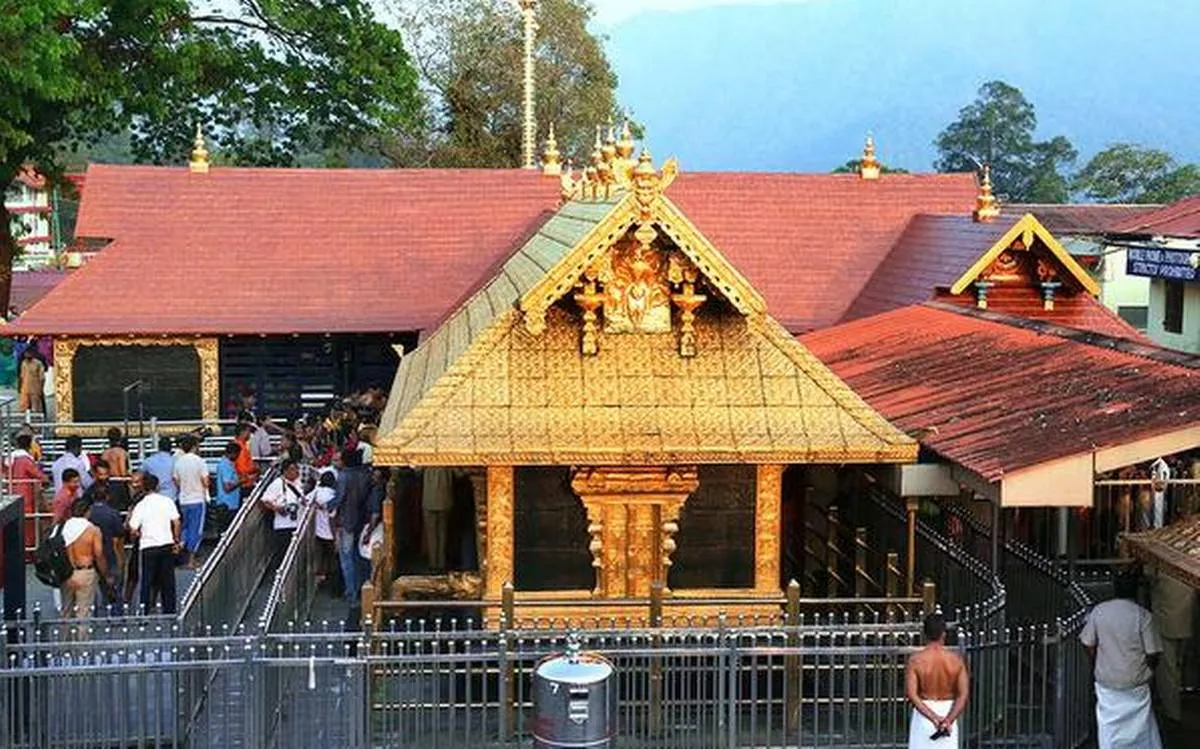
Sabarimala Temple
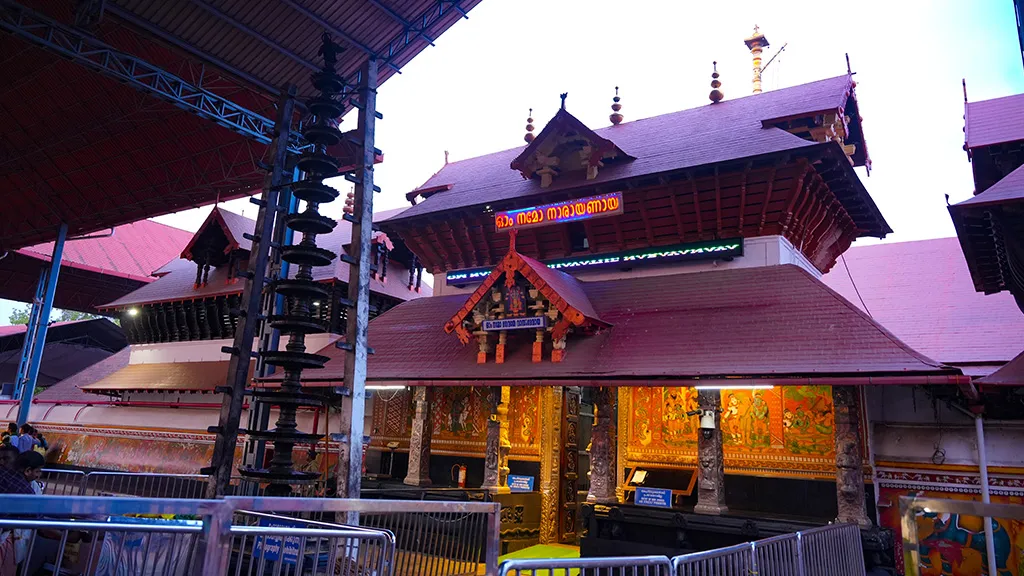
Guruvayur Temple
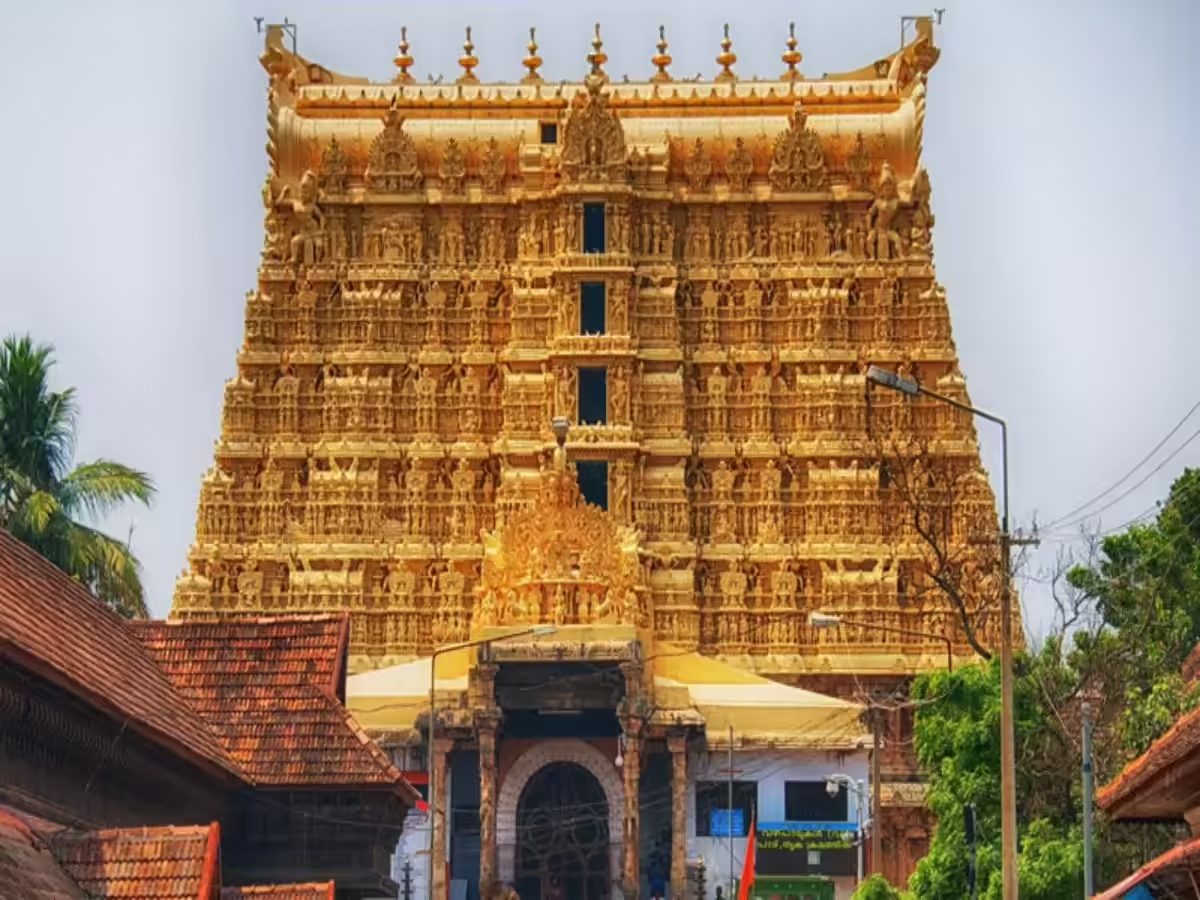
Padmanabhaswamy Temple
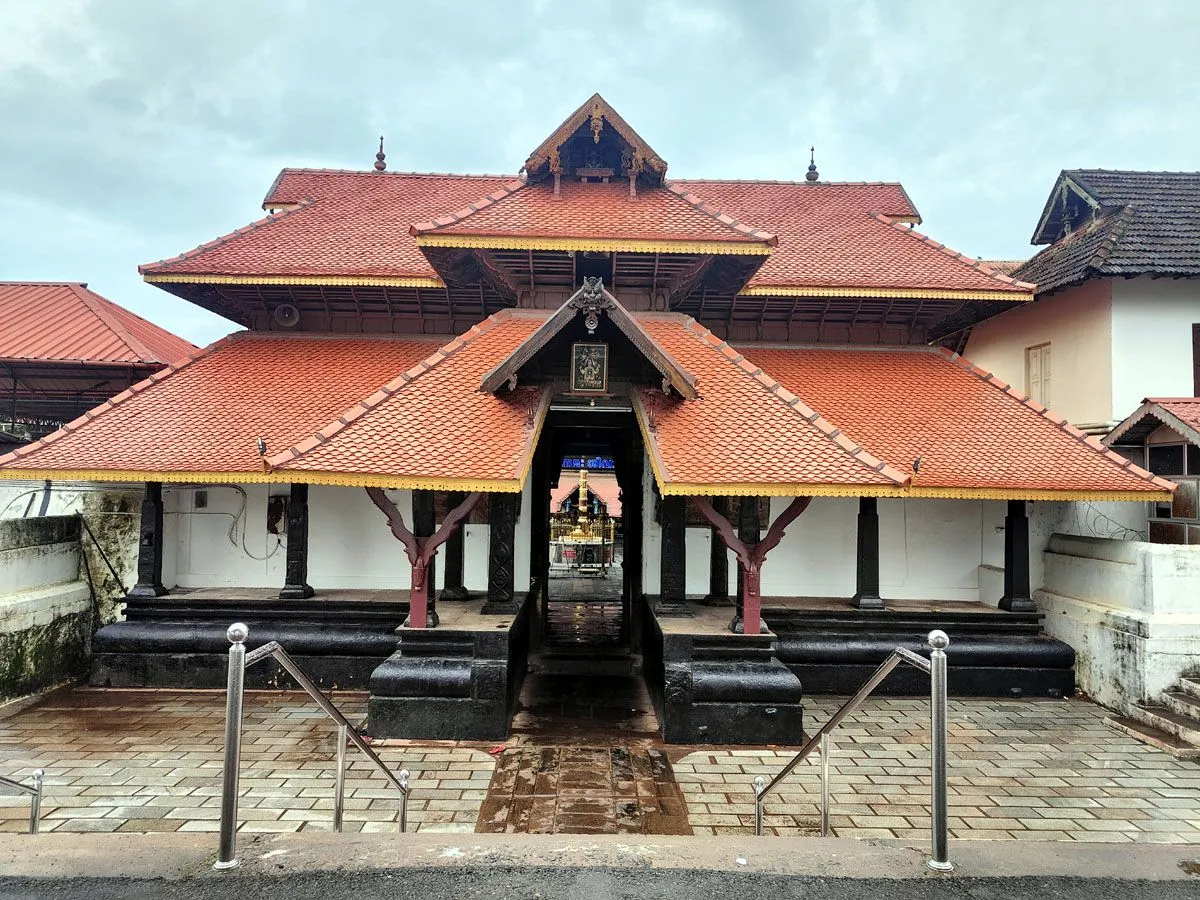
Ettumanoor Mahadeva Temple
Chottanikkara Temple
Vadakkunnathan Temple Thrissur
Parassinikadavu Muthappan Temple
Thirunelli Temple Wayanad
Visit Information
Opening Hours
Entry Fee
Best Time to Visit
April to May (Feast Season)
Location
Edappally, Ernakulam District, Kerala, India
Contact
For inquiries: 0484-2348103
Share this destination:
 Translate