
Silent Valley National Park
About Silent Valley National Park
Introduction: The Pristine Realm of Silent Valley National Park
Hidden within the southwestern corner of the Nilgiri Hills in Palakkad district, Kerala, lies Silent Valley National Park—one of the last remaining undisturbed tracts of South Western Ghats mountain rain forests and tropical evergreen forest in India. Spanning an core area of 89.52 square kilometers enveloped by a protective buffer zone, Silent Valley stands as a global biodiversity hotspot and a central component of the Nilgiri Biosphere Reserve. Known locally as Sairandhrivanam—referring to Sairandhri (Panchali from the epic Mahabharata) who is believed to have hidden here with the Pandavas—the park is celebrated for its ethereal quietude, dramatic river valleys, ancient trees, and rare wildlife species found nowhere else on Earth.
Unlike heavily developed wildlife sanctuaries, Silent Valley offers a raw, highly regulated, and pristine eco-tourism experience. Its dense canopy suppresses urban noise, leaving only the rustle of tropical foliage and the rushing waters of the Kunthipuzha River. For nature lovers, photographers, researchers, and conscious travelers from across India and around the globe, visiting Silent Valley is less about luxury and more about an authentic pilgrimage into nature's undisturbed realm.
History & Heritage: The Conservation Legend
The history of Silent Valley is defined by one of the most remarkable environmental conservation movements in Asian history—the 'Save Silent Valley' movement of the 1970s and 1980s. In 1973, the Kerala State Electricity Board proposed a hydroelectric project across the Kunthipuzha River, which would have submerged 8.3 square kilometers of virgin rainforest. Recognizing the ecological devastation this would cause to rare species like the Lion-tailed Macaque, a coalition of environmental activists, scientists, teachers, and local villagers launched an intense public campaign.
Spurred by ecological studies showing the irreparable loss of ancient genetics and flora, Prime Minister Indira Gandhi intervened, halting the project. In November 1984, Silent Valley was officially declared a National Park, and in 1985, Prime Minister Rajiv Gandhi formally inaugurated it. Today, the park stands as a triumph of public ecological awareness and serves as a vital natural laboratory for tropical biology.
Key Ecological Highlights
- The Lion-tailed Macaque Haven: Silent Valley holds one of the world's largest viable populations of the endangered Lion-tailed Macaque (Macaca silenus).
- Ancient Flora Sanctuary: Houses over 1,000 species of flowering plants, 108 species of orchids, and ancient tree ferns dating back millions of years.
- The Legend of the Silence: The park earned its English name during British rule, attributed to the unique absence of the noisy Cicada insects commonly found in other tropical forests.
How to Reach Silent Valley National Park
Access to Silent Valley is strictly controlled through the Eco-Tourism Information Centre located at Mukkali, which serves as the base entry point for all visitors.
By Air
The nearest international airport is Coimbatore International Airport (CJB) in Tamil Nadu, located approximately 90 km from Mukkali. From Coimbatore, visitors can hire private taxis or take state transport buses via Anaikatty and Mannarkkad to reach Mukkali in about 2.5 to 3 hours. Alternatively, Cochin International Airport (COK) is situated around 160 km away.
By Train
The closest major railhead is Palakkad Junction (PGT), situated roughly 60 km from Mukkali. Palakkad is well-connected to major Indian cities including Chennai, Bengaluru, Delhi, Mumbai, and Kochi. From the station, pre-paid taxis, private vehicles, and frequent KSRTC buses operate toward Mannarkkad and Mukkali.
By Road
Mukkali is well-connected via state highways. Regular bus services connect Mukkali to Mannarkkad (23 km), Palakkad (60 km), and Coimbatore (90 km). Private vehicles can easily reach Mukkali, where visitors must park before boarding official Forest Department 4x4 Jeeps to enter the core park area.
Best Time to Visit
Plan your visit according to weather conditions and safari availability to ensure an optimal experience.
Peak Season: Post-Monsoon & Winter (December to April)
This is the most favorable window for visiting Silent Valley. The weather is cool, clear, and comfortable, with daytime temperatures hovering between 18°C and 28°C. The forest trails are accessible, and the chances of spotting wildlife near water sources and canopy gaps are significantly higher.
Monsoon Months (June to November)
During the heavy South-West monsoons, the valley receives intense rainfall exceeding 5,000 mm annually. While the forest transforms into a vivid green wonderland and streams flow rapidly, forest safaris may be temporarily suspended due to fallen trees, landslides, or road washouts. Leeches are extremely active during this period.
Top Attractions Inside Silent Valley
1. Sairandhri Watch Tower
Located at the end of the 23-km forest jeep safari route from Mukkali, the Sairandhri Watch Tower offers panoramic 360-degree views across the dense canopy of the Silent Valley rainforest. Standing atop the tower allows you to look out over the unbroken green expanse stretching toward the Nilgiri peaks.
2. Kunthipuzha River & Suspension Bridge
A guided 1.5-km downhill walk from Sairandhri brings visitors to the crystal-clear Kunthipuzha River. A steel suspension bridge spans the pristine river, where the water flows over ancient river boulders amidst overarching tropical trees. Bathing or stepping into the river is strictly prohibited to preserve water purity.
3. Forest Jeep Safari Route
The 23 km drive from Mukkali to Sairandhri aboard official Forest Department 4x4 Jeeps passes through varying eco-zones—from deciduous buffer forest into dense primary tropical evergreen rainforest. Along the route, visitors frequently spot Malabar Giant Squirrels, Nilgiri Langurs, and diverse birdlife.
Things to Do
- Official Wilderness Jeep Safari: Take the mandatory Forest Department eco-tourist safari from Mukkali to Sairandhri accompanied by an official local tribal guide.
- Birdwatching & Photography: Spot endemic Western Ghats species including the Malabar Whistling Thrush, Ceylon Frogmouth, Great Indian Hornbill, and Nilgiri Wood Pigeon.
- Nature Trekking in Buffer Zones: Participate in guided soft treks organized by the Forest Department around the Mukkali buffer area, such as the Bhavani River walk or Karuvara trek.
- Tribal Heritage Awareness: Learn about the indigenous Mudugar and Kurumba tribes who serve as eco-guides and forest protectors under community participatory forest management programs.
Accommodation & Stay Options
Private commercial hotels are strictly prohibited inside the core national park area. Staying options are localized around Mukkali or nearby towns.
Forest Department Inspection Bungalows & Eco-Lodges
The Kerala Forest Department operates basic, comfortable eco-lodges, dormitories, and inspection bungalows at Mukkali. Reservations must be secured in advance through the official Silent Valley National Park booking portal.
Stay at Mannarkkad & Palakkad
For modern amenities, luxury hotels, and wider dining options, visitors can stay in Mannarkkad (23 km away) or Palakkad city (60 km away) and travel to Mukkali early in the morning for the safari.
Sample 2-Day Itinerary
Day 1: Arrival at Mukkali & Buffer Zone Exploration
- 12:00 PM: Arrive at Mukkali; check into the Forest Department Eco-Lodge or your resort near Mannarkkad.
- 01:30 PM: Enjoy a simple local Keralite lunch featuring rice, sambar, and fresh vegetables at Mukkali base camp.
- 03:00 PM: Join an afternoon guided trek through the Mukkali buffer area along the banks of the Bhavani River.
- 06:00 PM: Attend an orientation session/documentary screening on rainforest conservation at the Mukkali Eco-Centre.
- 08:00 PM: Dinner and overnight stay amidst the sounds of the surrounding wilderness.
Day 2: Core Safari, Sairandhri & Kunthipuzha Walk
- 07:30 AM: Assemble at the Mukkali Entry Gate to secure entry passes and board your assigned 4x4 Forest Jeep.
- 08:30 AM: Enjoy the 23 km journey through deep evergreen canopy up to Sairandhri.
- 10:00 AM: Climb the Sairandhri Watch Tower for panoramic views of the Nilgiri Biosphere reserve.
- 10:45 AM: Complete the 1.5-km guided forest trek down to the Kunthipuzha Suspension Bridge with an official forest guide.
- 01:30 PM: Return to Mukkali via Jeep; complete checkout and proceed toward Palakkad or Coimbatore for onward travel.
Travel Guidelines & Essential Rules
- Strict Plastic Ban: Single-use plastic bottles, bags, and food wrappers are strictly banned inside the park. Carry reusable water bottles.
- Fixed Entry Hours: Safaris operate generally between 8:00 AM and 1:00 PM. Daily entry permits are limited to protect forest peace.
- No Littering or Noise: Loud music, shouting, honking, and throwing waste are strictly prohibited and subject to heavy fines under forest laws.
- Leech Protection: Carry leech socks, salt, or eucalyptus oil, especially during post-monsoon months.
Frequently Asked Questions (FAQs)
1. Where is Silent Valley National Park located?
It is located in the Nilgiri Hills of Palakkad district in northwestern Kerala, South India.
2. Can I drive my private vehicle inside Silent Valley?
No. Private vehicles are allowed only up to the Mukkali base camp. Entry into the core area is permitted solely via official Forest Department Jeeps.
3. Are advance bookings mandatory for the safari?
Yes, booking safaris and eco-lodge accommodations in advance through the Kerala Forest Department's official portal is highly recommended due to strict daily entry quotas.
4. What is the nearest airport to Silent Valley?
Coimbatore International Airport (CJB) in Tamil Nadu is the closest airport, situated about 90 km from Mukkali.
5. Is plastic allowed inside the national park?
Single-use plastics are strictly prohibited inside the core zone and buffer trails.
Conclusion
Silent Valley National Park remains a shining testament to nature's resilience and human environmental stewardship. By preserving this ancient sanctuary of green canopy and crystal waters, Kerala offers travelers a rare opportunity to connect with pure, undisturbed wilderness. Respect the forest rules, tread lightly, and experience the timeless calm of Silent Valley.
Photo Gallery
What you'll experience
- 1
Trek through untouched rainforests
- 2
Spot lion-tailed macaques and rare flora
- 3
Experience the silence of pure wilderness
- 4
Enjoy guided eco-tours with forest officials
Explore More
Nearby Destinations
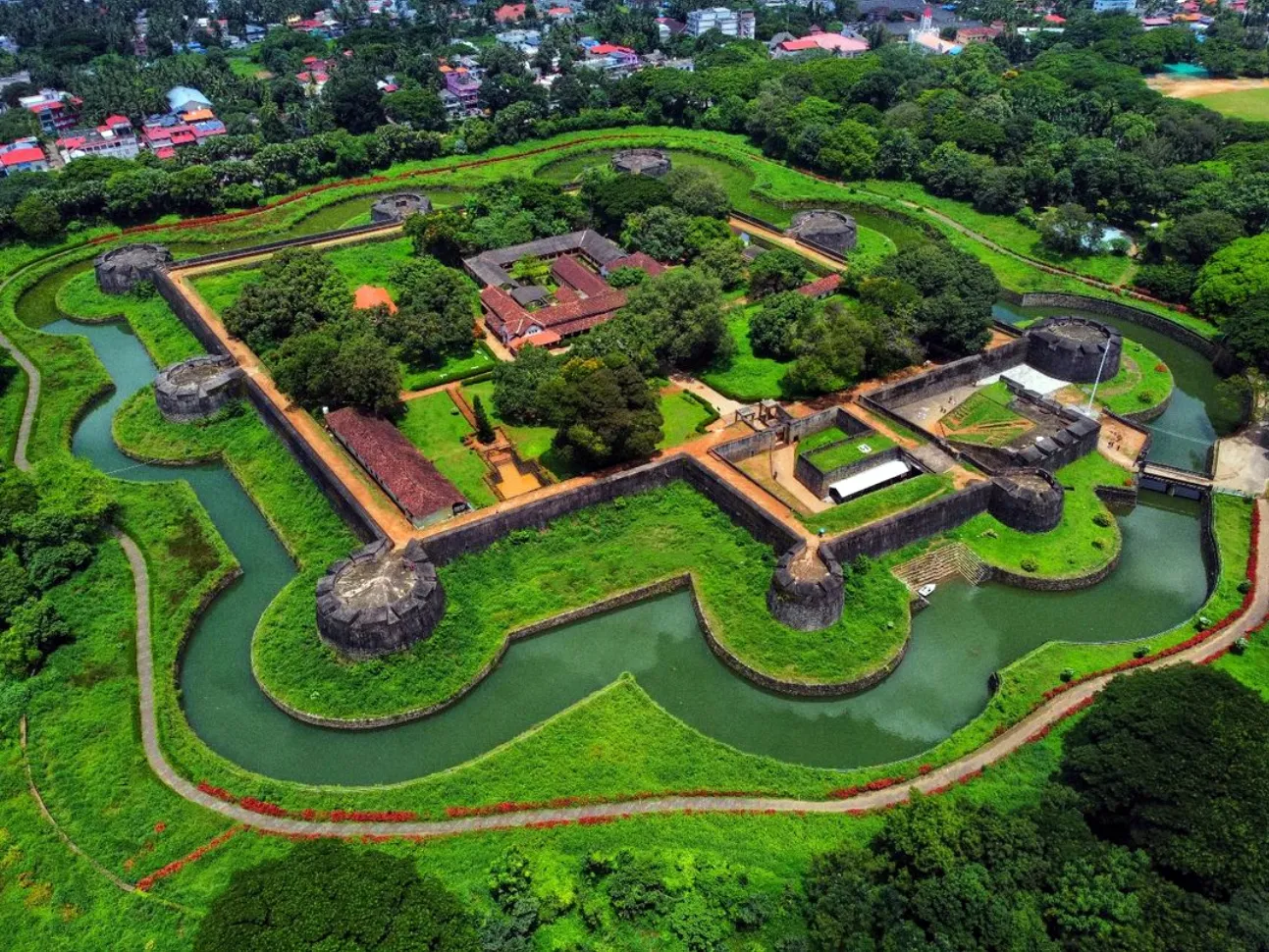
Palakkad Fort

Malampuzha Dam & Garden
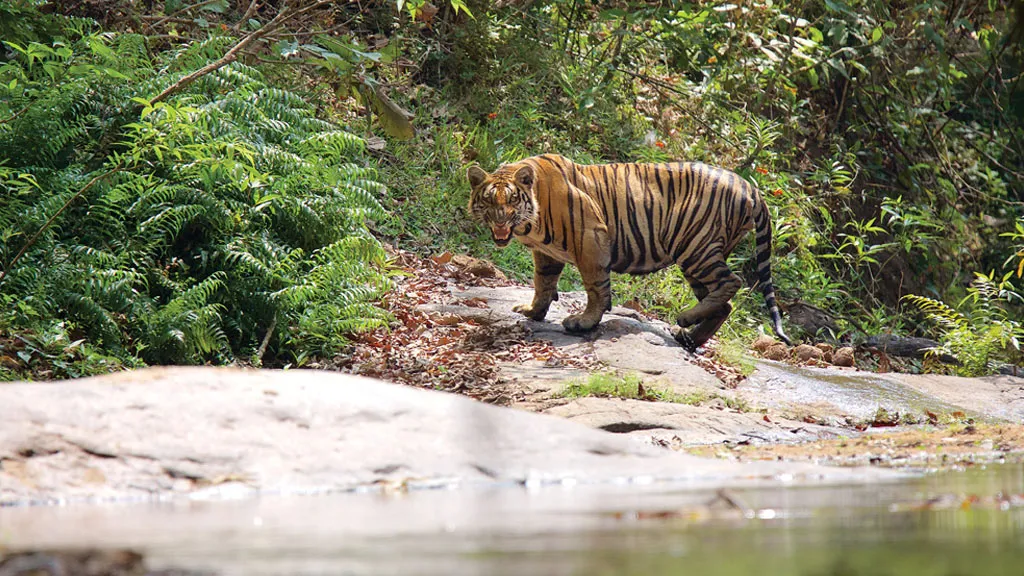
Parambikulam Tiger Reserve
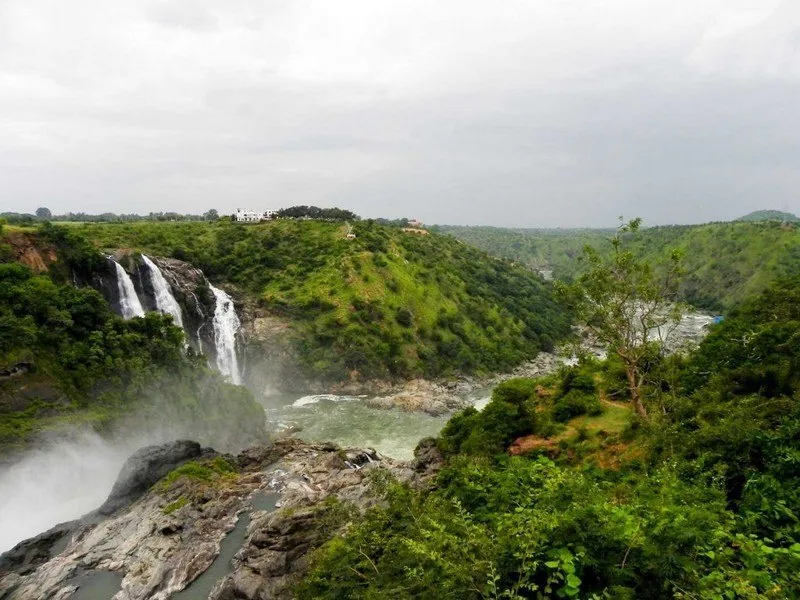
Nelliyampathy
These destinations are in close proximity to Silent Valley National Park and can be visited on the same trip.
Related Destinations
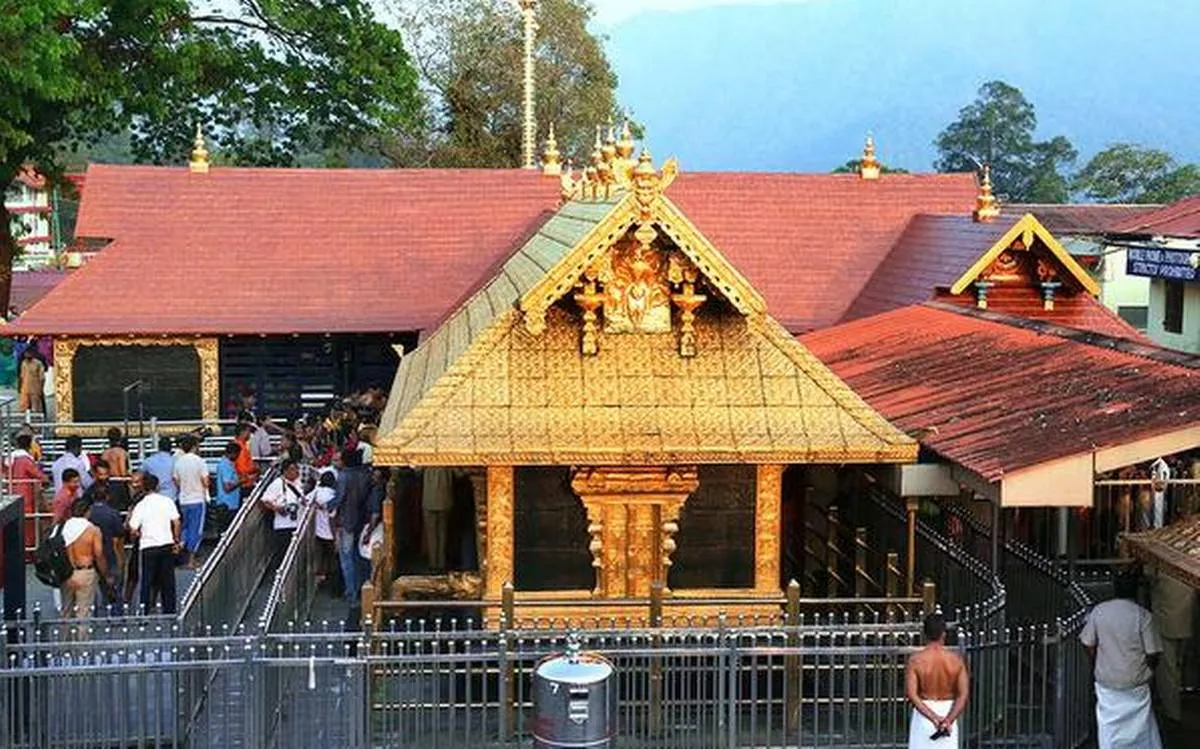
Sabarimala Temple
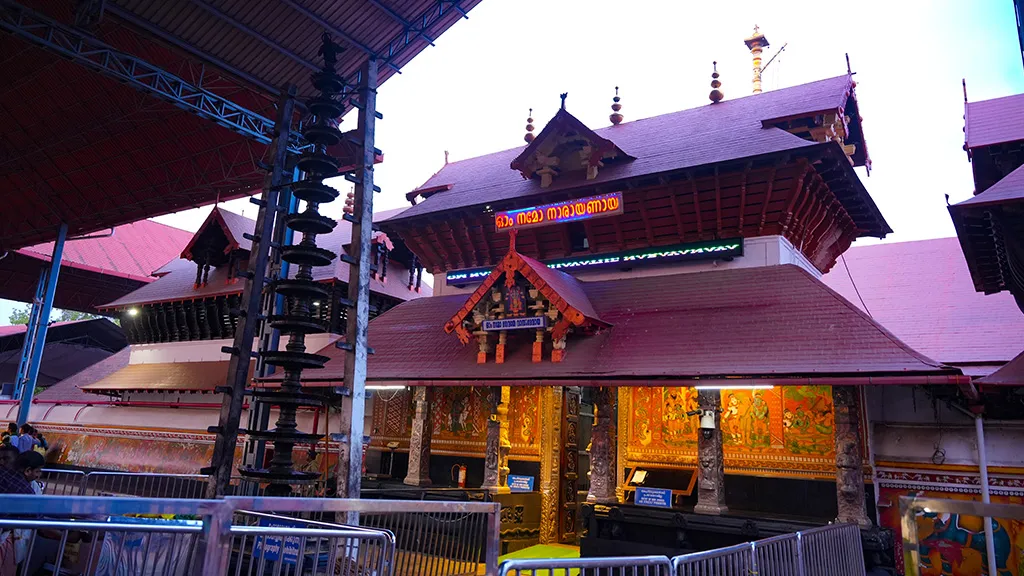
Guruvayur Temple
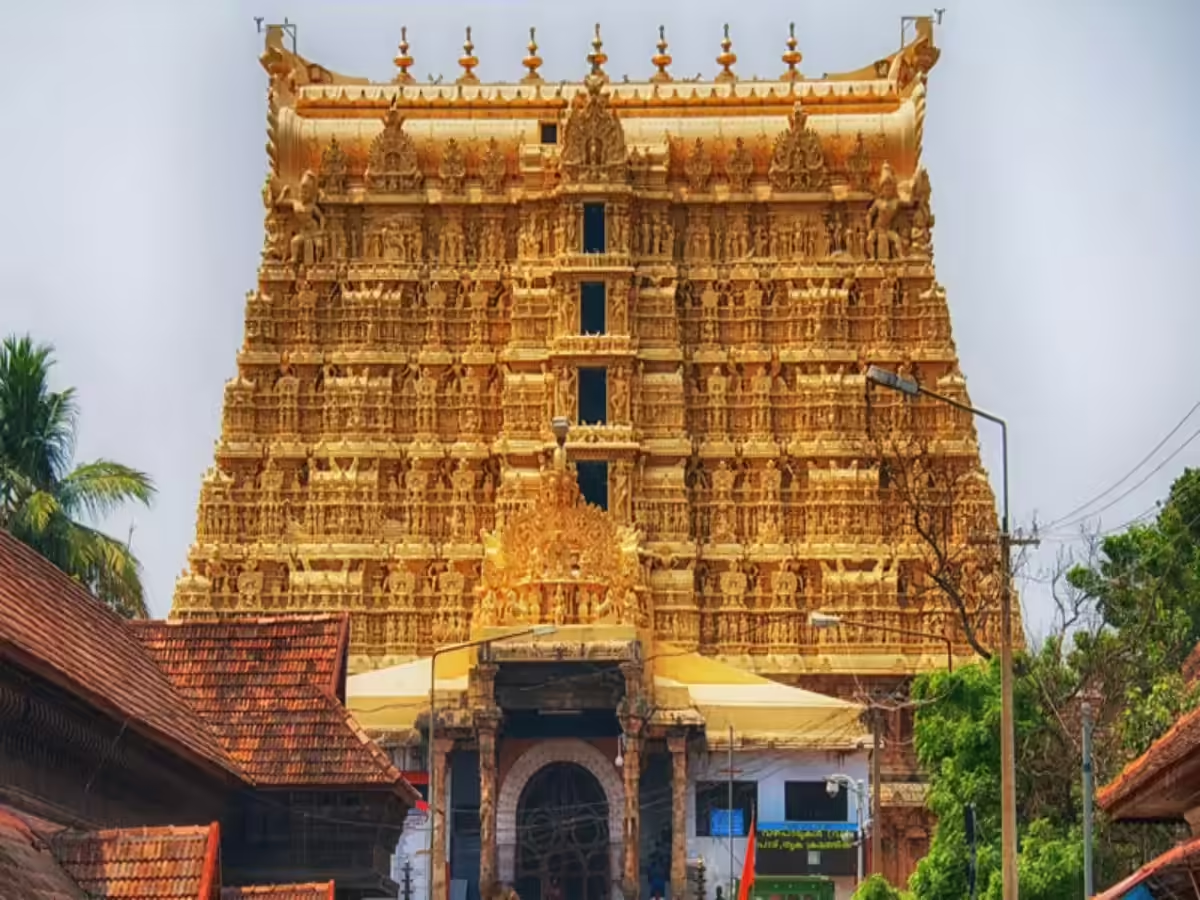
Padmanabhaswamy Temple
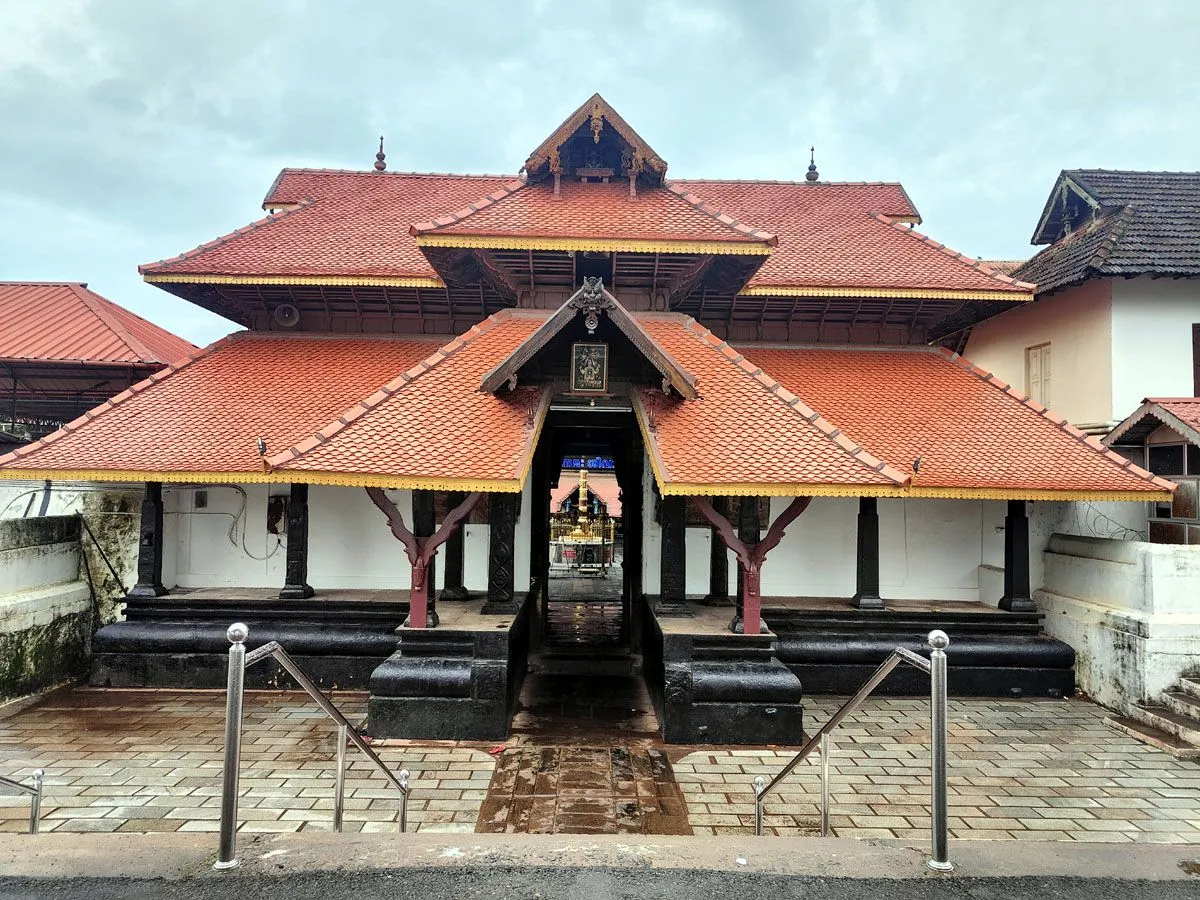
Ettumanoor Mahadeva Temple
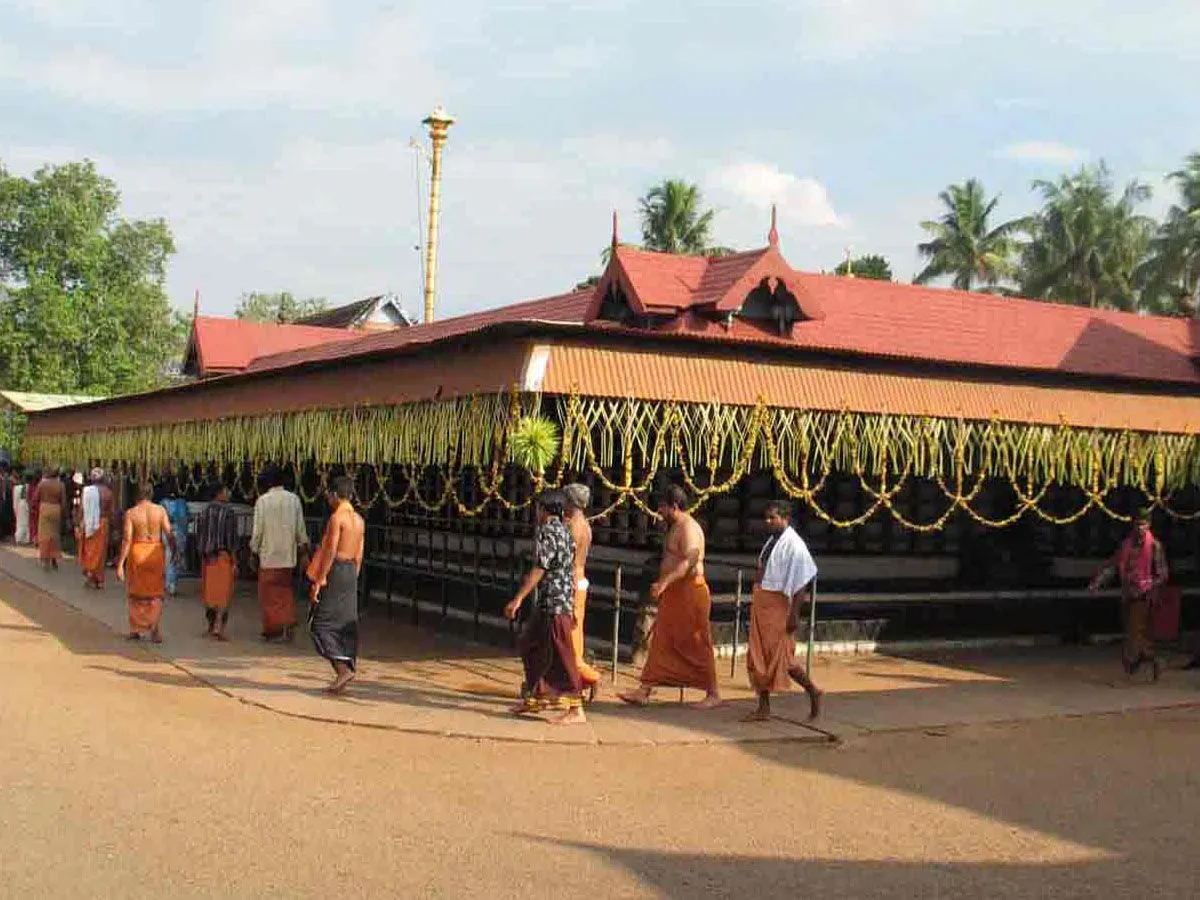
Chottanikkara Temple
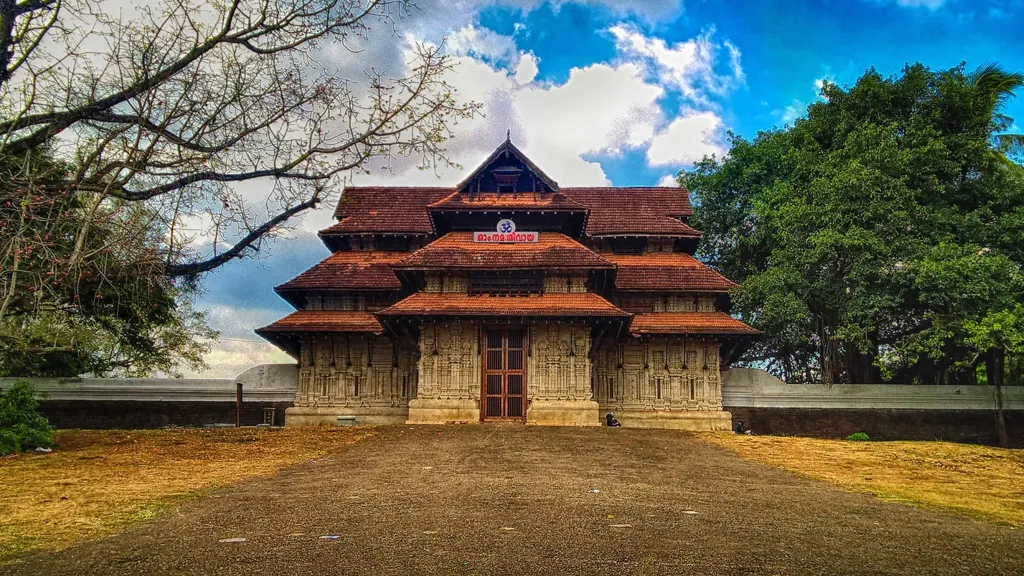
Vadakkunnathan Temple Thrissur
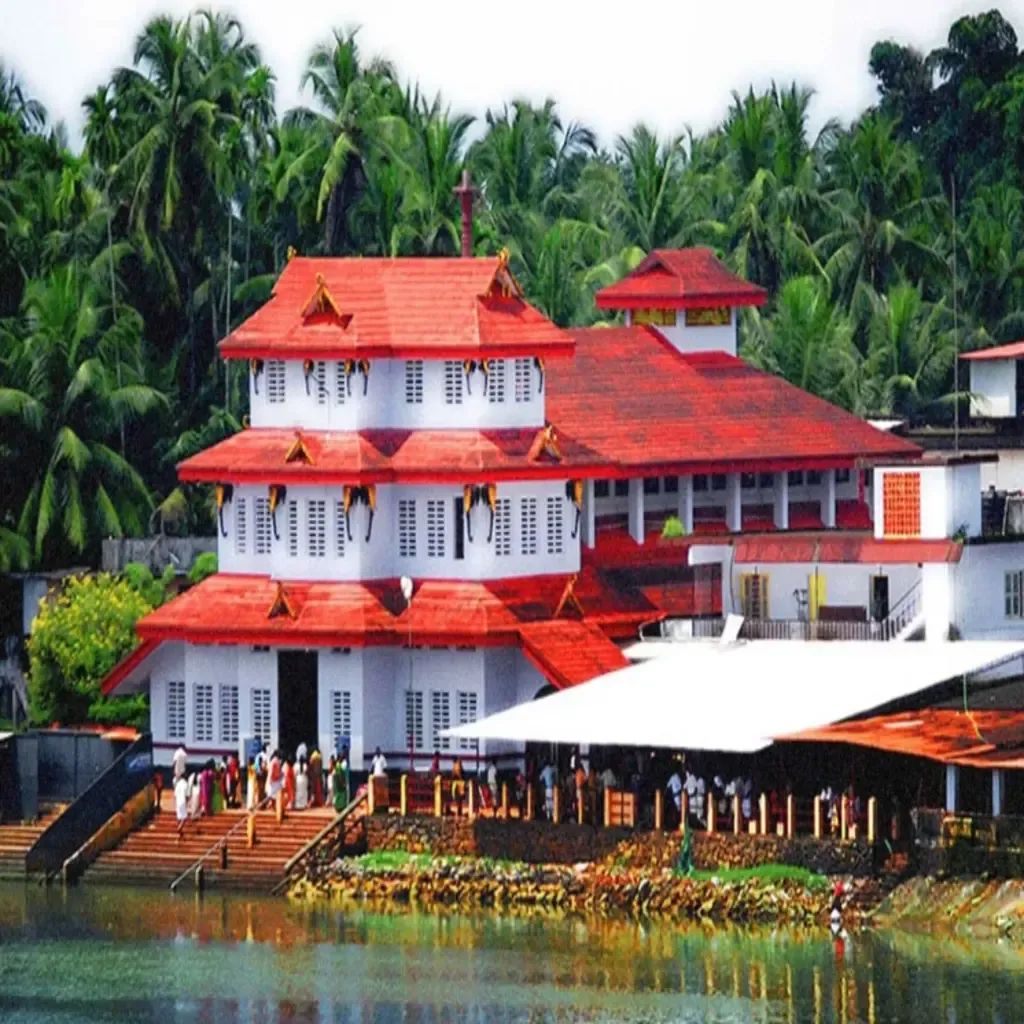
Parassinikadavu Muthappan Temple
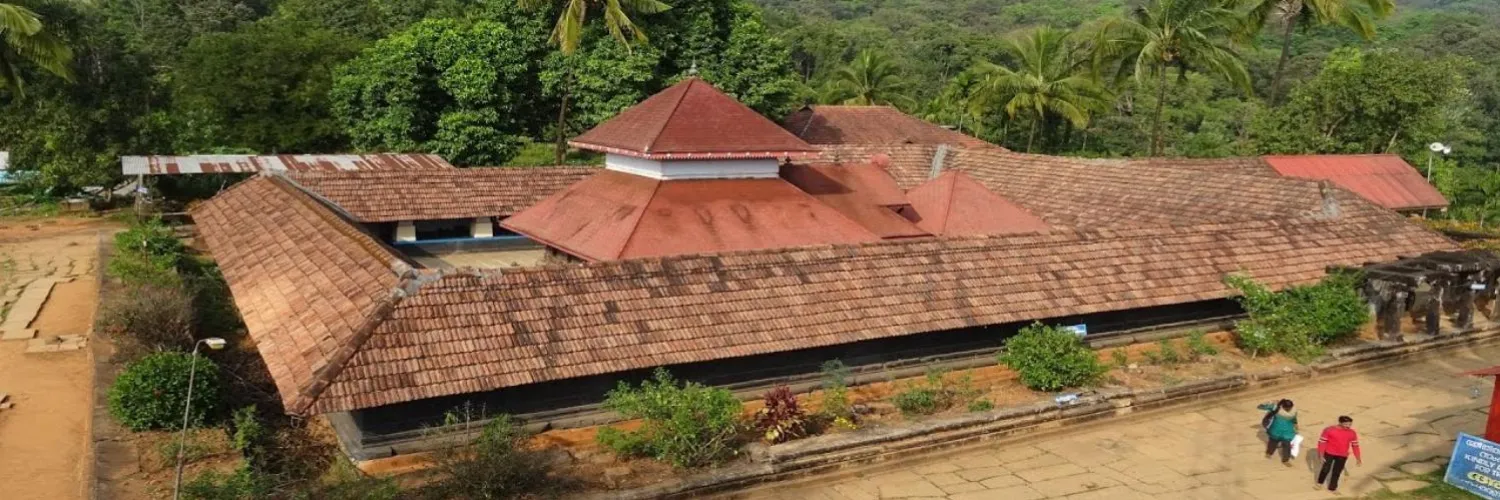
Thirunelli Temple Wayanad
Visit Information
Opening Hours
Entry Fee
Best Time to Visit
December to April
Location
Palakkad District, Kerala, India
Contact
For inquiries: 04924-222056
Share this destination:
 Translate