
Sabarimala Temple
About Sabarimala Temple
Introduction: The Holy Abode of Swami Ayyappa
Perched high amidst the mist-clad hills of the Western Ghats at an elevation of 1,260 meters (4,134 feet), the Sabarimala Sree Dharma Sastha Temple is one of the most sacred, widely visited, and spiritually transformative Hindu pilgrimage destinations in the world. Located in the Pathanamthitta district of Kerala, India, the temple is dedicated to Lord Ayyappan (also known as Dharma Sastha)—the celestial son of Lord Shiva and Mohini (the female avatar of Lord Vishnu). Surrounded by 18 rugged hills within the protected core of the Periyar Tiger Reserve, the shrine stands as a powerful symbol of equality, austerity, and universal brotherhood.
Every year, between November and January, Sabarimala hosts the world-famous Mandala-Makaravilakku pilgrimage season, drawing over 10 to 15 million devotees across India and the globe. Unlike traditional temples that remain open daily, Sabarimala follows a unique seasonal schedule, opening primarily during specified festival months and the first five days of every Malayalam calendar month. What truly distinguishes Sabarimala is its profound message of equality: pilgrims shed all social status, wear simple dark or saffron attire, call one another 'Swami' (viewing every soul as a manifestation of the Divine), and observe strict spiritual vows (Vratham) before embarking on the trek up the sacred hill.
Origins, Mythology, and Spiritual Philosophy
The history and mythology of Sabarimala are deeply woven into ancient South Indian lore and the epic narrative of Prince Manikandan (Lord Ayyappa). According to sacred tradition, Manikandan was found as an abandoned infant on the banks of the Pamba River by King Rajashekhara of the Pandalam Dynasty. Raised as a prince, Manikandan demonstrated extraordinary spiritual and physical powers. When a court conspiracy forced him to venture deep into the wild forest to retrieve tiger's milk to cure the queen's feigned illness, Manikandan tamed a tigress and rode back to the palace, revealing his divine nature.
Having fulfilled his earthly mission—including vanquishing the demoness Mahishi—Manikandan chose to relinquish worldly royalty and ascend into a state of eternal yogic meditation atop the Sabarimala hill. Legend holds that Sage Parashurama consecrated the original idol of Lord Ayyappa, depicting the deity seated in a serene Yogic Posture (Yogapatta), displaying the Abhaya Mudra (gesture of fearlessness) and conferring spiritual liberation. The motto inscribed prominently above the sanctum sanctorum reads "Tat Tvam Asi" (Sanskrit for "Thou Art That"), reminding every pilgrim that the ultimate goal of the pilgrimage is realizing the innate Divinity within oneself.
Sacred Architectural Features
- Pathinettampadi (The 18 Sacred Steps): The legendary golden-cased 18 flight of steps leading directly to the Sannidhanam (sanctum). Only pilgrims who have completed the strict 41-day Vratham and carry the sacred Irumudi Kettu are permitted to climb these steps.
- Sannidhanam (Main Shrine): Built in traditional Kerala Vastu architecture, featuring a gold-plated copper roof and the holy sanctum of Swami Ayyappa.
- Malikappurathamma Shrine: A sacred shrine located a short distance from the main temple, dedicated to Goddess Malikappurathamma.
- Vavar Swamy Shrine: Located near the main shrine, dedicated to Vavar—a Muslim warrior and saint who became a loyal companion of Lord Ayyappa—symbolizing flawless communal and religious harmony.
How to Reach Sabarimala
Reaching Sabarimala involves traveling to the base camps at Pamba or Nilakkal, followed by a scenic trek uphill through forest trails.
By Air
The nearest airports are Cochin International Airport (COK) (approx. 160 km) and Thiruvananthapuram International Airport (TRV) (approx. 170 km). Pre-paid taxis, app-based cabs, and special seasonal KSRTC pilgrim buses operate directly from both airports to Pamba/Nilakkal during peak pilgrimage months.
By Train
Major railway stations serving Sabarimala pilgrims include:
- Chengannur Railway Station (CNGR): Located about 90 km from Pamba, serving as the official primary rail gateway to Sabarimala with extensive bus transfers.
- Kottayam Railway Station (KTY): Located roughly 92 km away, offering excellent rail connectivity across India.
- Thiruvalla (TRVL) & Pathanamthitta: Nearby railheads providing frequent seasonal bus shuttles.
By Road
Pilgrims travel by road via Pathanamthitta, Erumely, or Vadasserikkara to reach Nilakkal (the main vehicle parking and transit hub). From Nilakkal, non-polluting chain-operated KSRTC electric/hybrid buses carry pilgrims on the 18-km mountain stretch to Pamba—the base camp at the foot of the hill.
Pilgrimage Seasons & Opening Timings
Unlike most temples, Sabarimala is open only on specific dates throughout the year, regulated strictly by the Travancore Devaswom Board (TDB).
1. Mandala-Makaravilakku Season (November to January)
The primary 60-day pilgrimage festival begins on the first day of the Malayalam month of Vrishchikam (mid-November) with the 41-day Mandala Pooja, followed by a brief break and culminating in the grand Makaravilakku festival on Makara Sankranti (mid-January), when the sacred Thiruvabharanam (holy ornaments from Pandalam Palace) arrive at the shrine.
2. Monthly Openings (Malayala Masam)
The temple opens for the first five days of every Malayalam calendar month (e.g., Chingam, Kanni, Thulam, etc.) for monthly rituals, special poojas, and routine darshans.
3. Vishu & Annual Temple Festival
The shrine opens for special festive occasions including Vishu (Malayalam New Year in mid-April) and the annual 10-day Temple Kodiyettam festival.
The 41-Day Vratham and Key Pilgrimage Rituals
The Sabarimala pilgrimage is as much a mental and physical discipline as a physical journey.
1. The 41-Day Vratham (Spiritual Austerity)
Devotees wear a sacred Tulsi or Rudraksha mala (garland) under the guidance of a Guru Swamy. For 41 days, pilgrims observe strict celibacy, consume a purely vegetarian diet, refrain from alcohol and tobacco, dress in black, blue, or saffron dhotis, walk barefoot, and dedicate themselves to prayer and self-control.
2. Carrying the Irumudi Kettu
The Irumudi Kettu is a sacred two-compartment cotton bag prepared under the supervision of a Guru Swamy. The front compartment carries spiritual offerings—primarily a coconut filled with pure ghee (for Neyyabhishekam), camphor, betel leaves, and coins—while the rear compartment holds personal food provisions for the journey.
3. The Trek from Pamba to Sannidhanam
From the sacred Pamba River, where pilgrims take a holy dip to cleanse themselves, a 4-to-5 kilometer steep uphill trek begins along paths like Neeli Mala, Appachi Medu, and Sabaripeedom. Panki/stretcher services are available for elderly pilgrims and those with mobility challenges.
4. Neyyabhishekam & Harivarasanam
Upon reaching the top and climbing the 18 steps, pilgrims perform Neyyabhishekam—pouring the ghee carried inside their coconuts over the sacred deity. Every night before the sanctum closes, the hauntingly beautiful lullaby "Harivarasanam" is chanted, bringing peaceful silence over the holy hill.
Essential Rules, Virtual Queue, and Guidelines
- Mandatory Virtual Queue Pass: To control crowd surges, all devotees must pre-book their darshan slot online via the official portal (sabarimalaonline.org). Carry a printout of the pass along with valid government ID.
- Tradition of Attire: Pilgrims must wear traditional traditional attire (dark blue, black, or saffron dhoti and shawl). Modern informal wear is discouraged.
- Zero-Plastic Policy: Sabarimala lies inside a fragile tiger reserve. Single-use plastic bottles, carrier bags, and plastic packaging are strictly banned beyond Pamba.
- Health Precautions: The uphill trek involves steep climbs; pilgrims with cardiac conditions should undergo health checkups and carry necessary medicines.
Frequently Asked Questions (FAQs)
1. Where is Sabarimala Temple located?
It is located atop the Sabarimala hill within the Periyar Tiger Reserve in the Pathanamthitta district of Kerala, South India.
2. Is Sabarimala Temple open throughout the year?
No. It opens primarily during the Mandala-Makaravilakku season (mid-November to mid-January), Vishu (April), and the first 5 days of every Malayalam month.
3. What is the nearest railway station to Sabarimala?
Chengannur Railway Station (approx. 90 km) and Kottayam Railway Station (approx. 92 km) are the primary railheads with frequent bus shuttles to Pamba.
4. What is the Irumudi Kettu?
It is a sacred two-compartment bag carried on the head by devotees who have observed the 41-day Vratham, containing ghee-filled coconuts and offerings for Lord Ayyappa.
5. What is the significance of Pathinettampadi (18 steps)?
The 18 sacred steps symbolize the five senses, eight passions (Ashtaragas), three Gunas, and knowledge/ignorance. Only devotees carrying the Irumudi Kettu can step on them.
6. How do I book Virtual Queue passes for Sabarimala?
Passes can be booked free of charge on the official Kerala Police / Travancore Devaswom Board portal at sabarimalaonline.org.
7. What is Neyyabhishekam?
It is the core ritual offering where ghee brought by pilgrims inside a sacred coconut is poured directly over the idol of Lord Ayyappa, symbolizing the union of the individual soul with the Divine.
8. How long is the trek from Pamba to the main temple?
The trek from Pamba base camp to Sannidhanam is approximately 4 to 5 kilometers up steep mountain trails, taking around 1.5 to 3 hours depending on crowd density.
9. What is Harivarasanam?
It is a famous devotional lullaby composed in praise of Lord Ayyappa, sung every night at closing time to put the deity to rest.
10. What is the nearest airport to Sabarimala?
Cochin International Airport (COK) is the nearest airport, located approximately 160 km away from Pamba.
Conclusion
Sabarimala Temple is far more than an architectural monument—it is an extraordinary spiritual pilgrimage where millions of seekers unite in devotion, discipline, and equality. From the sacred dip at the Pamba River to chanting 'Swamiye Saranam Ayyappa' along forest mountain trails and witnessing the glowing sanctum atop the 18 steps, a visit to Sabarimala leaves an indelible mark of peace and self-realization on every devotee. Plan your pilgrimage, observe the sacred vows, and experience the divine grace of Swami Ayyappa!
Photo Gallery
What you'll experience
- 1
Undertake the sacred pilgrimage through forests and hills
- 2
Participate in Mandala-Makaravilakku festival
- 3
Experience divine chants and rituals
- 4
View the 18 holy steps leading to the sanctum
Explore More
Nearby Destinations

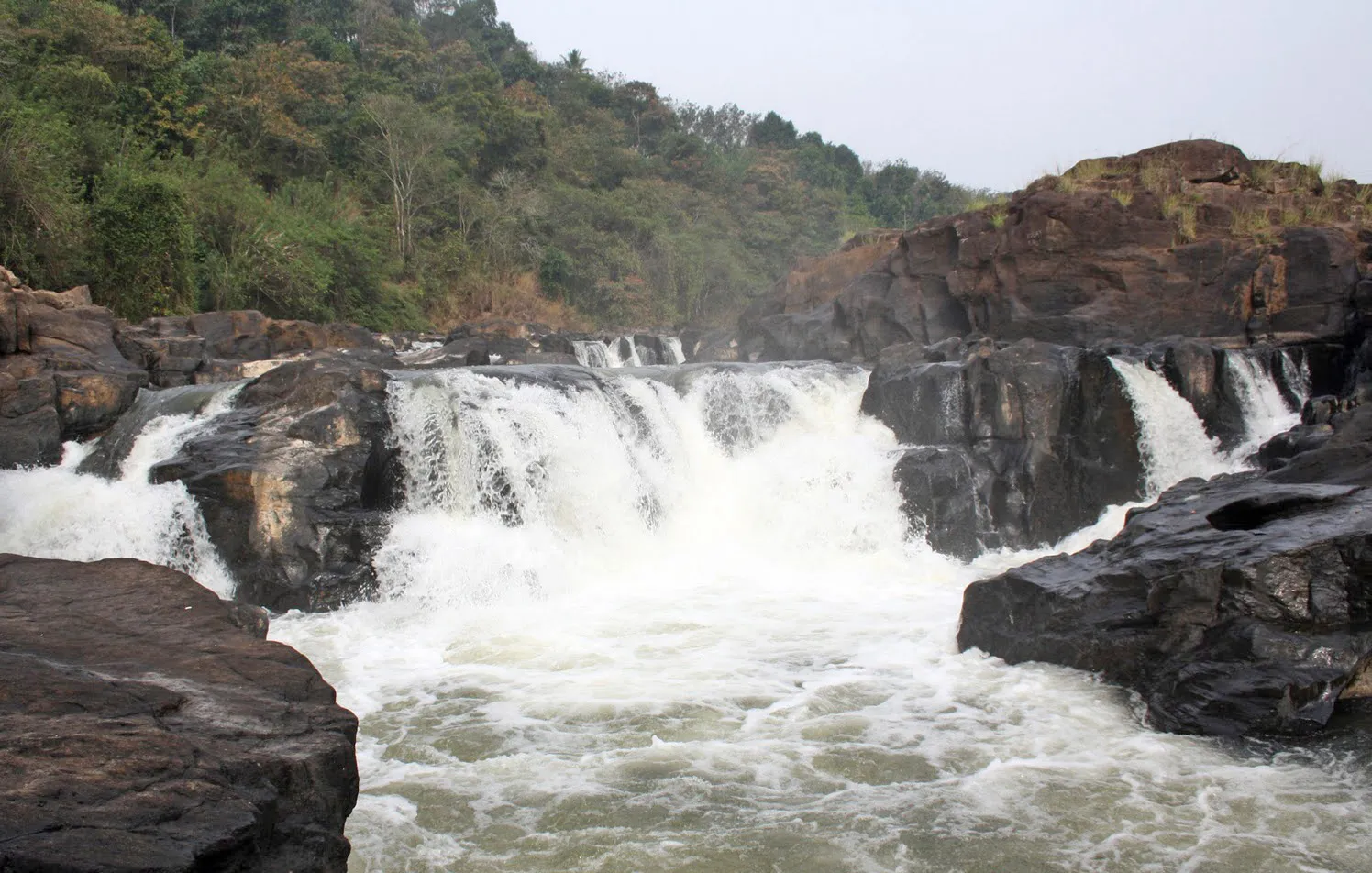
These destinations are in close proximity to Sabarimala Temple and can be visited on the same trip.
Related Destinations
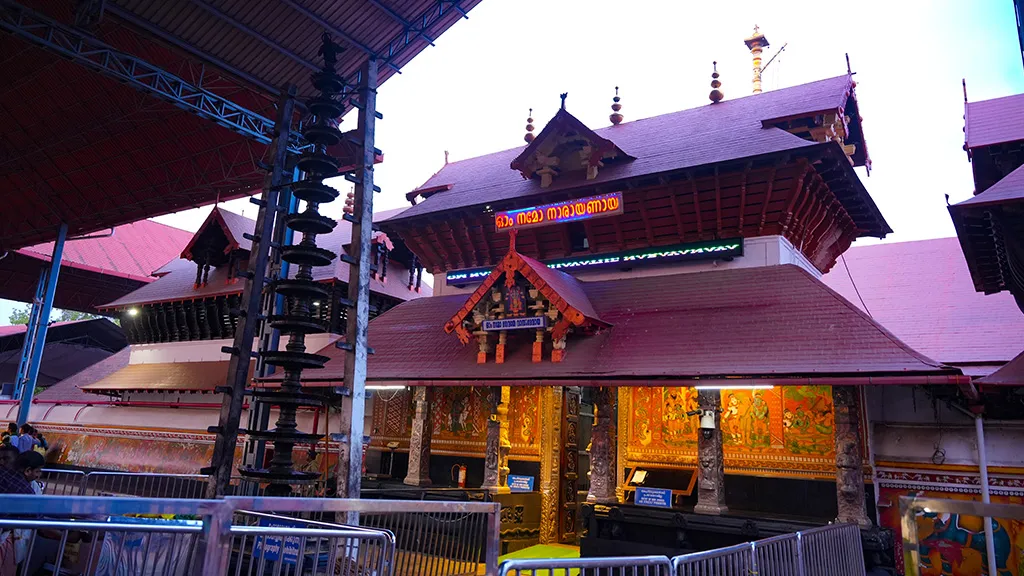
Guruvayur Temple
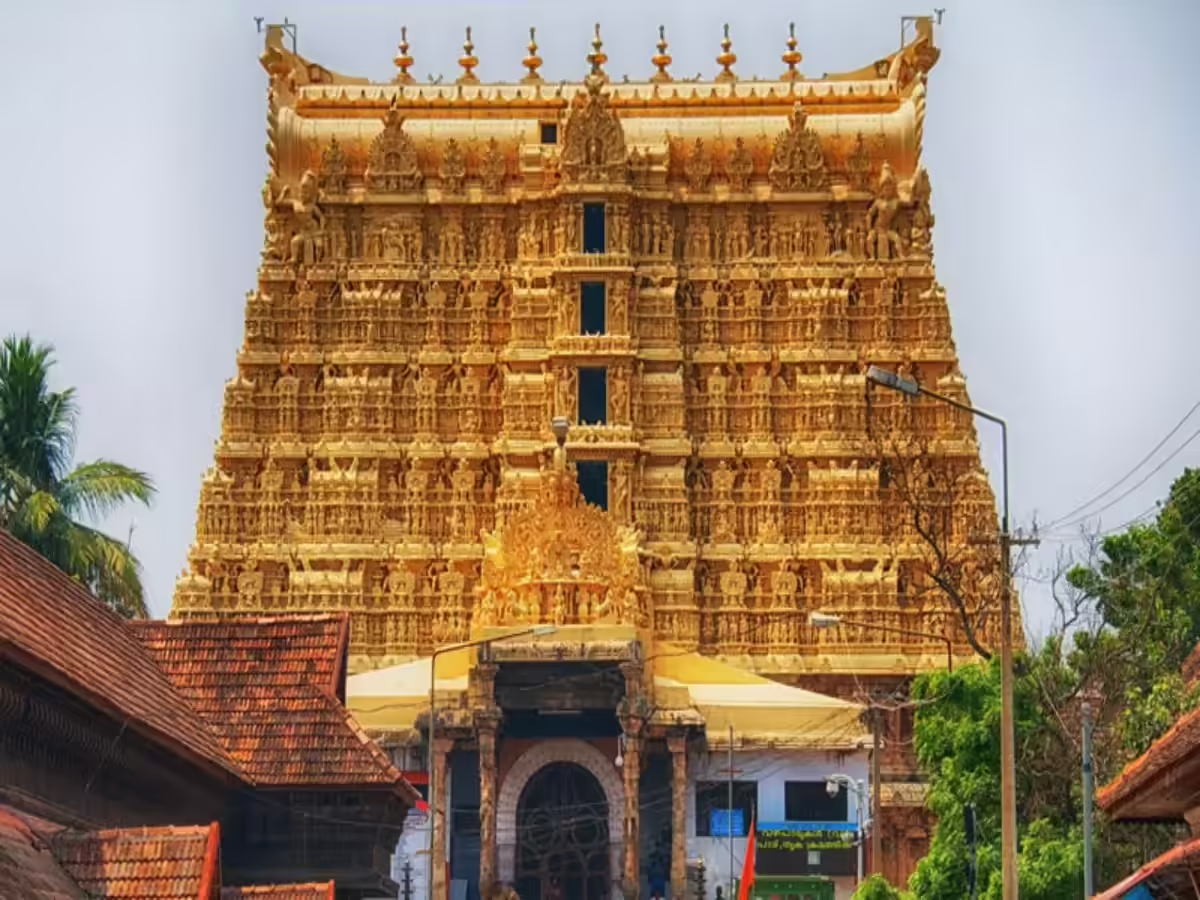
Padmanabhaswamy Temple
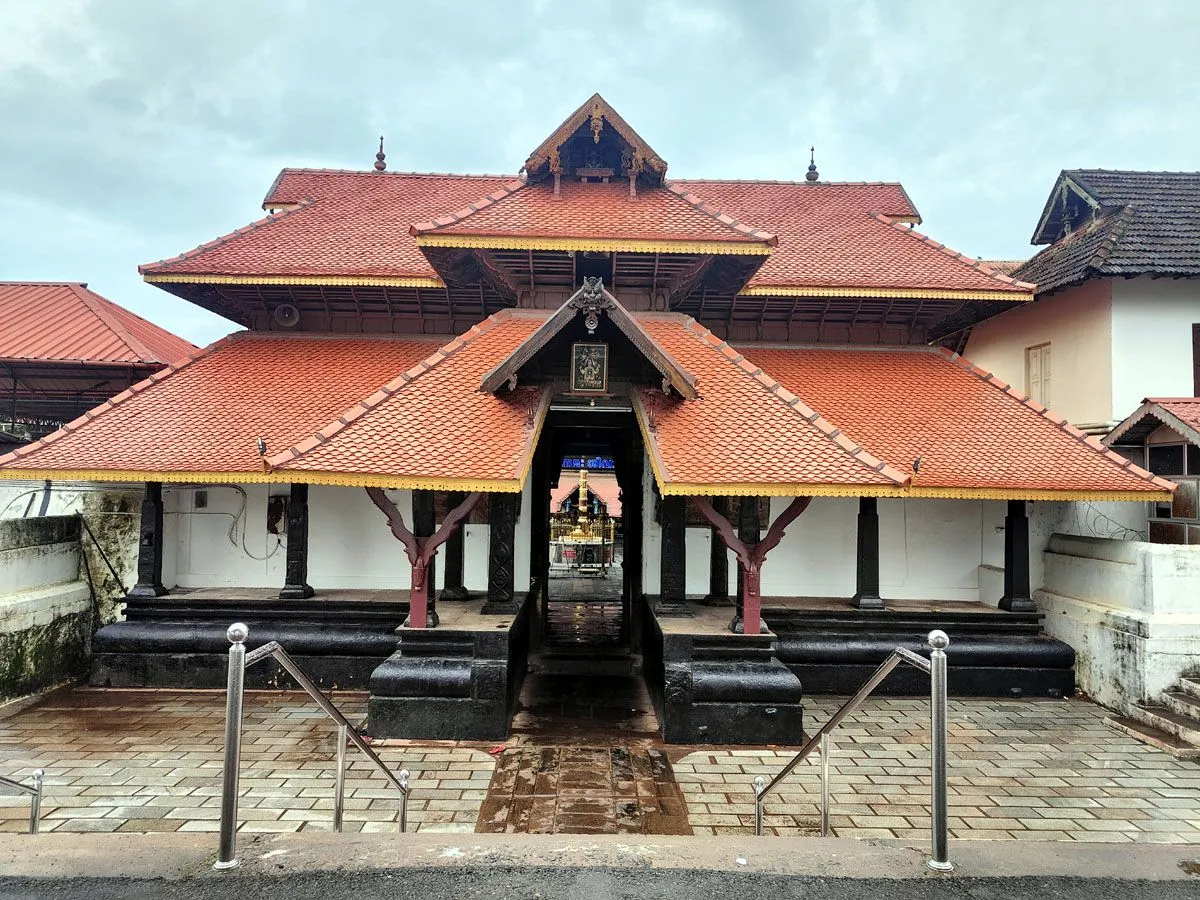
Ettumanoor Mahadeva Temple
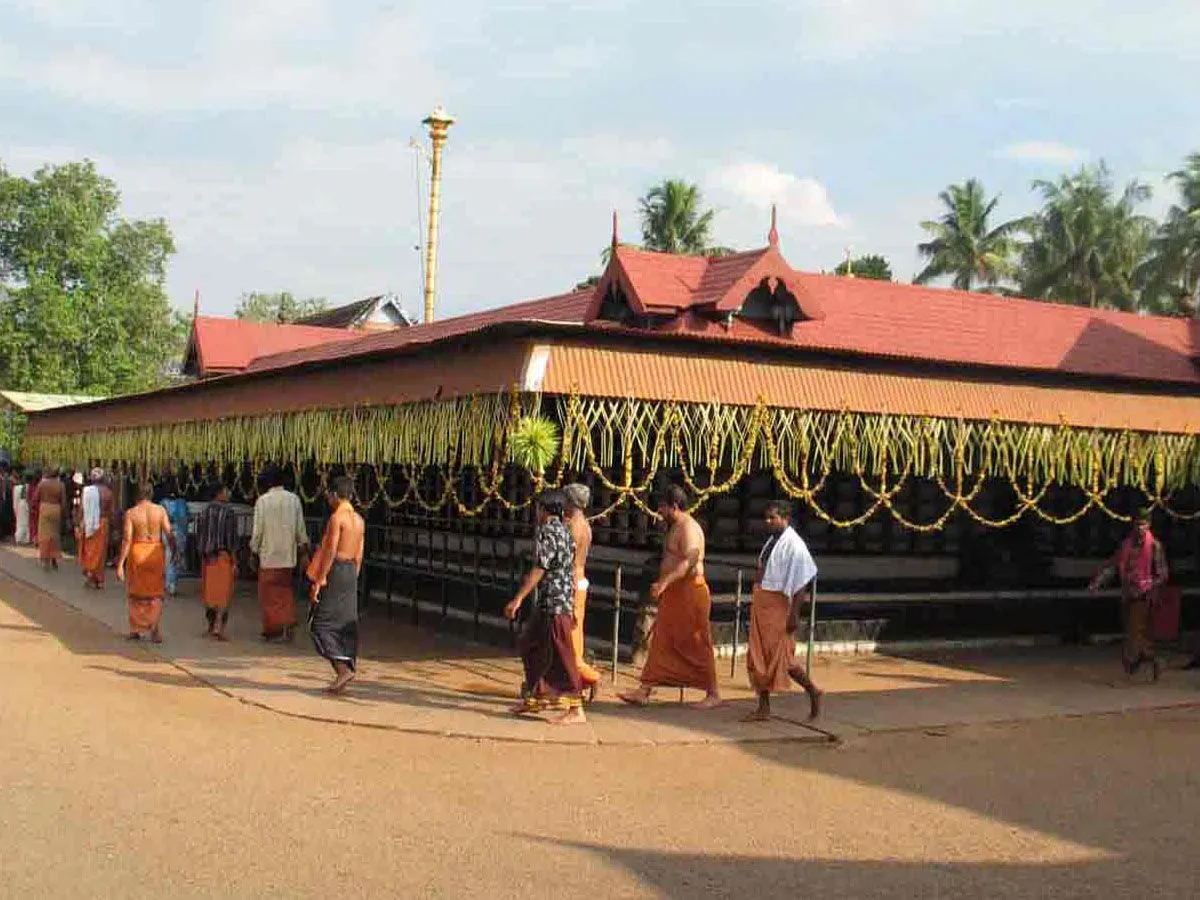
Chottanikkara Temple
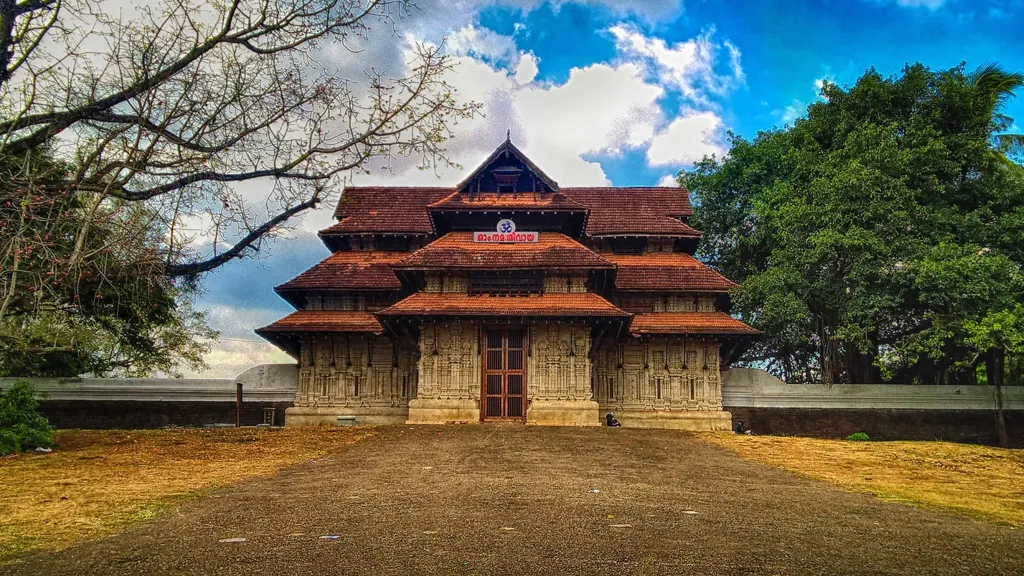
Vadakkunnathan Temple Thrissur
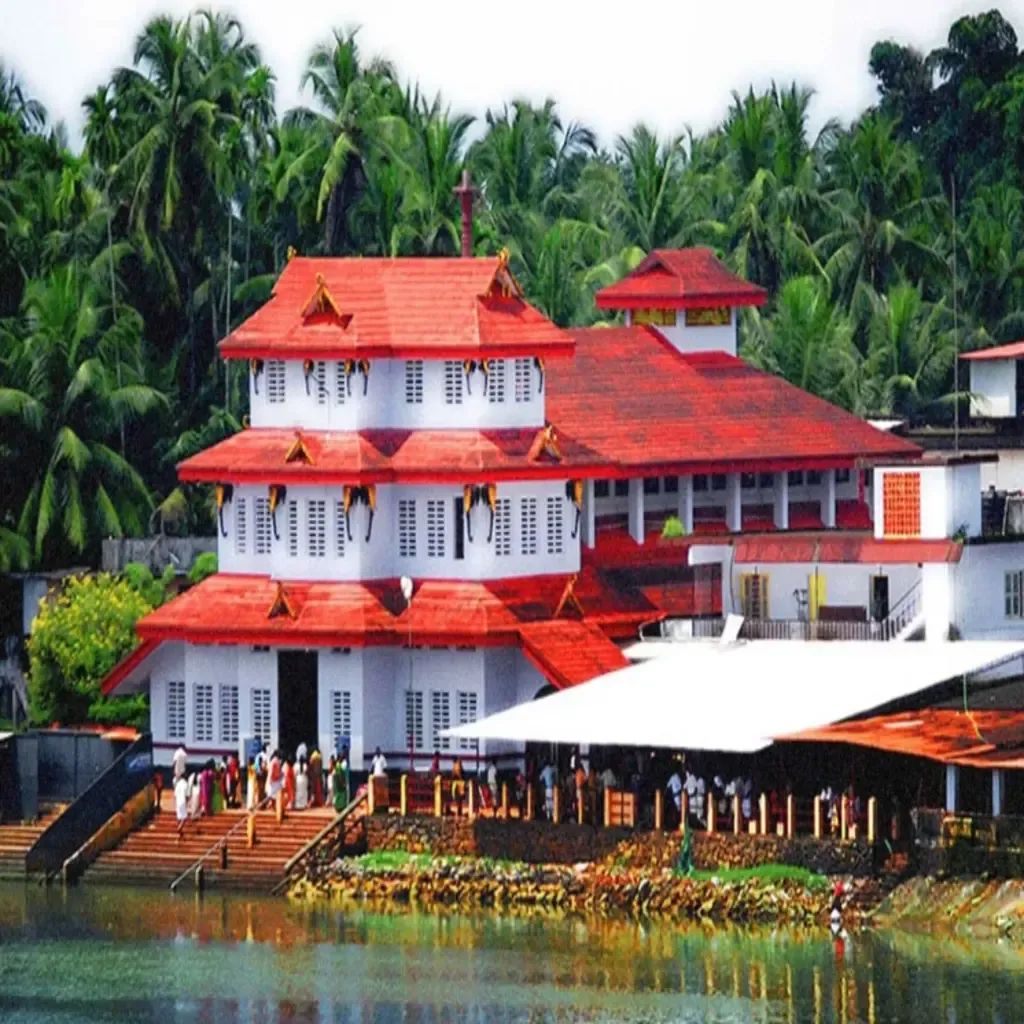
Parassinikadavu Muthappan Temple
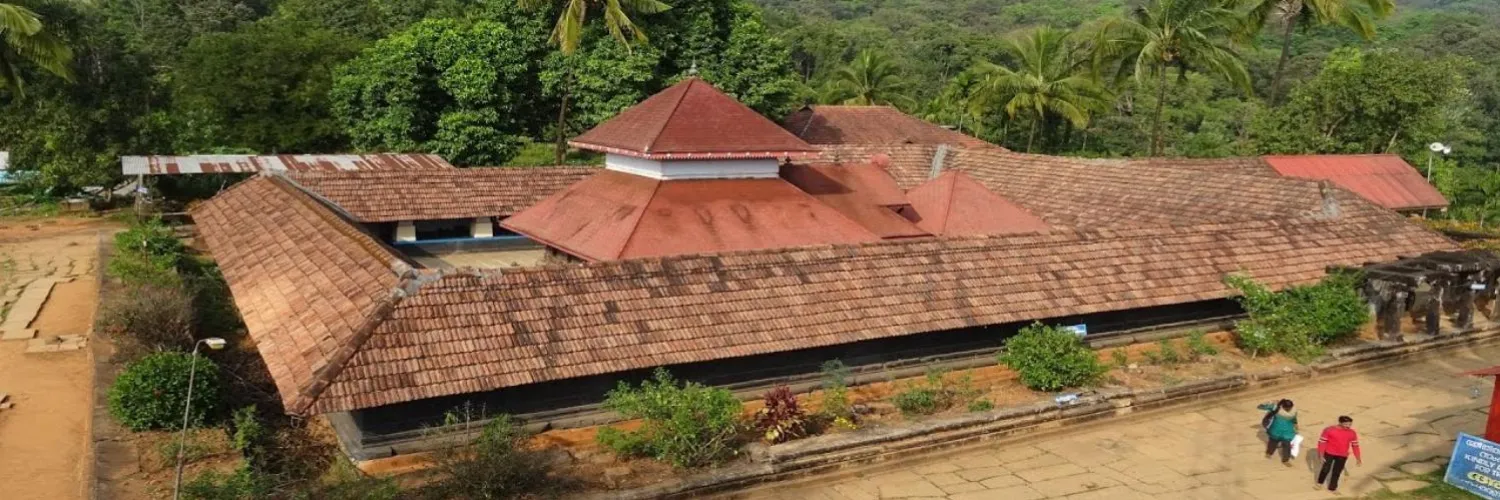
Thirunelli Temple Wayanad
Koodalmanikyam Temple Irinjalakuda
Visit Information
Opening Hours
Entry Fee
Best Time to Visit
November to January (Mandala-Makaravilakku season)
Location
Pathanamthitta District, Kerala, India
Contact
For inquiries: 0473-5221265
Share this destination:
 Translate