
Wildlife Safari in Kerala: Periyar, Wayanad & Beyond
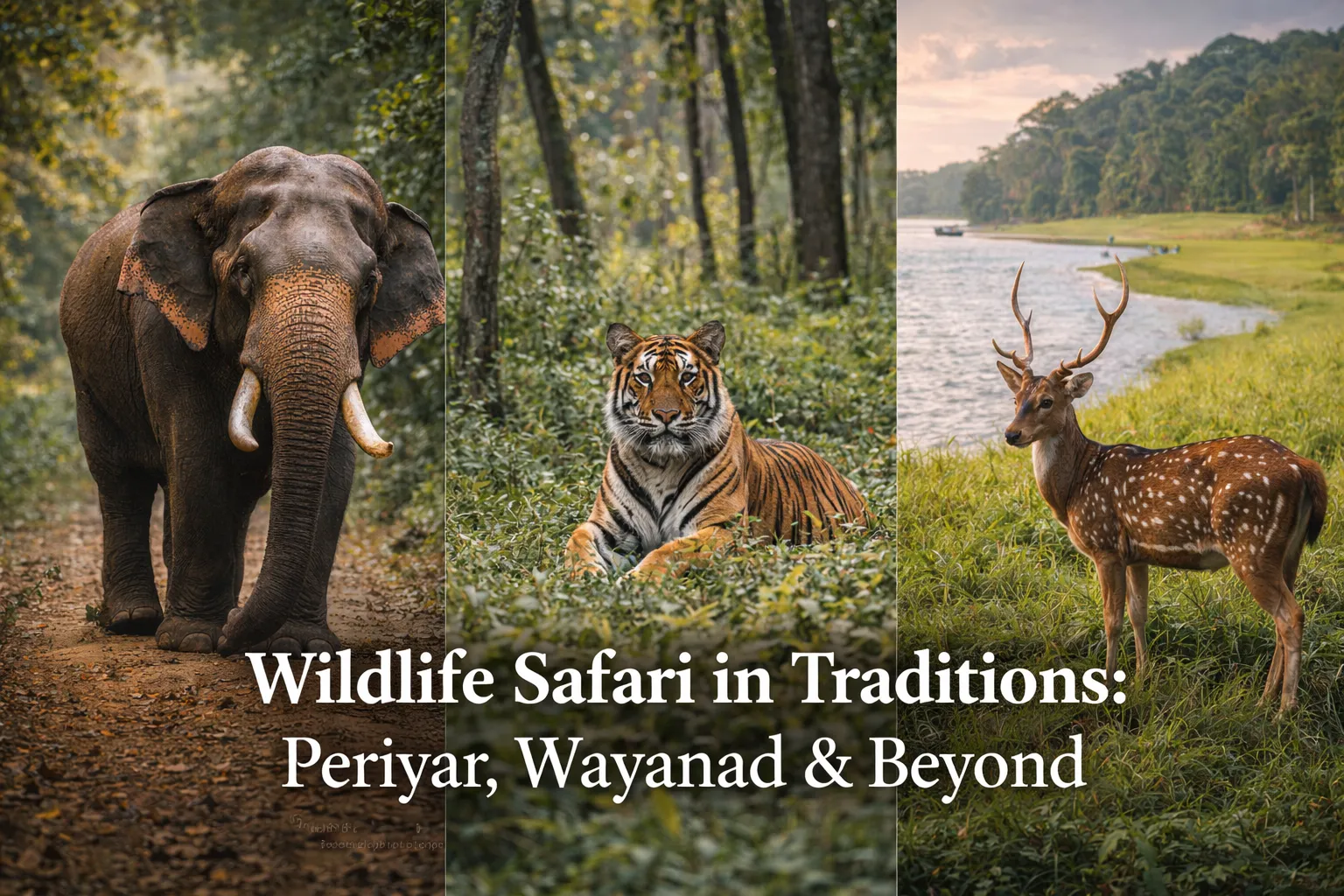
Kerala's Wild Side: A Complete Wildlife Guide
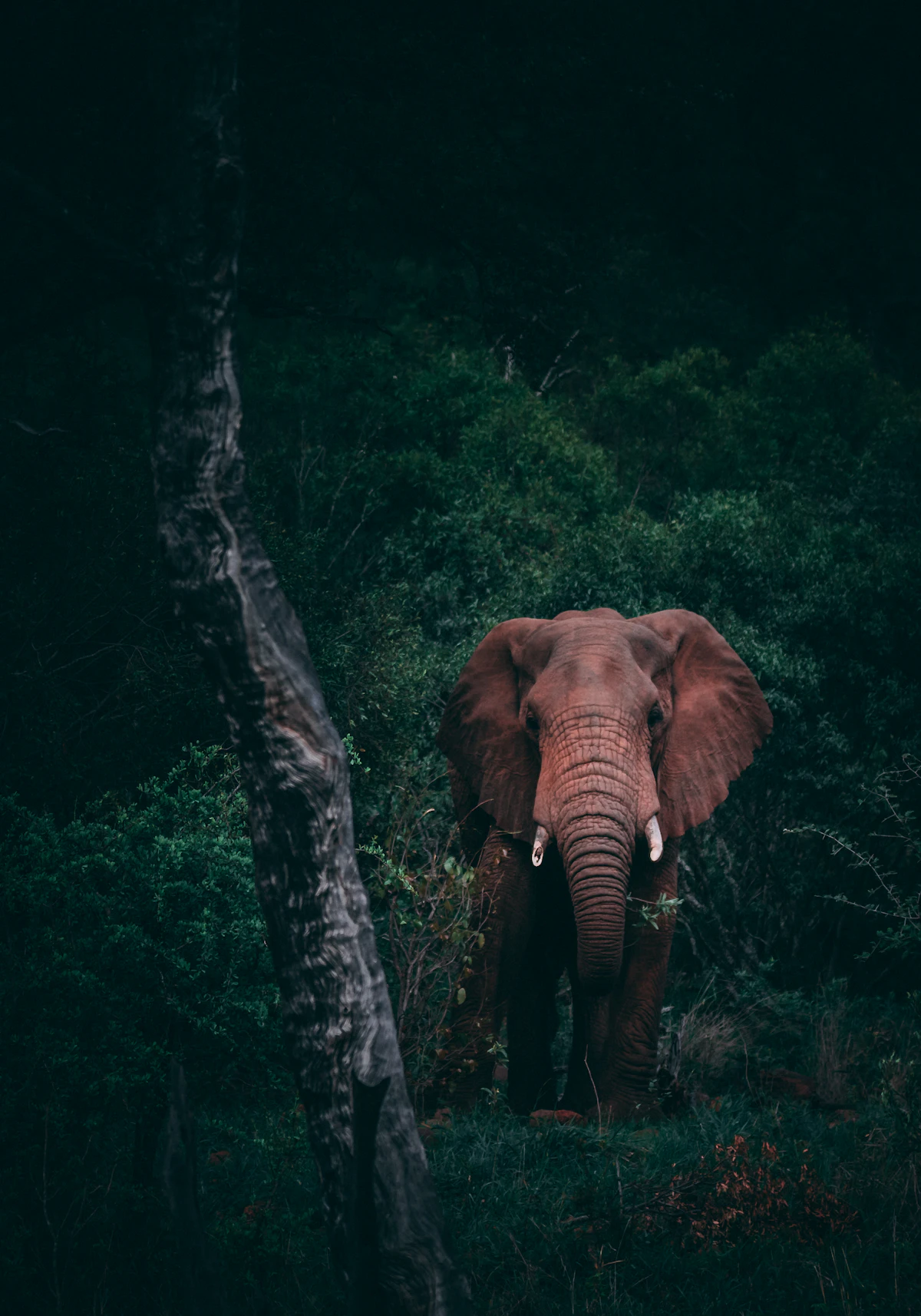
With 30% forest cover and location in the Western Ghats biodiversity hotspot, Kerala offers exceptional wildlife experiences. From elephants bathing in Periyar Lake to endemic Nilgiri Tahr in Eravikulam, the state's sanctuaries showcase India's natural heritage.
Periyar Tiger Reserve
Kerala's most famous wildlife sanctuary, centered around a beautiful artificial lake.
Overview
Location: Thekkady, Idukki District
Area: 925 sq km
Elevation: 900-1800 meters
Best Time: October to May
Key Wildlife:
- Tigers (elusive but present)
- Asian elephants (frequently seen)
- Gaur (Indian bison)
- Sambar and spotted deer
- Wild boar
- Various primates
- Over 260 bird species
Safari Options
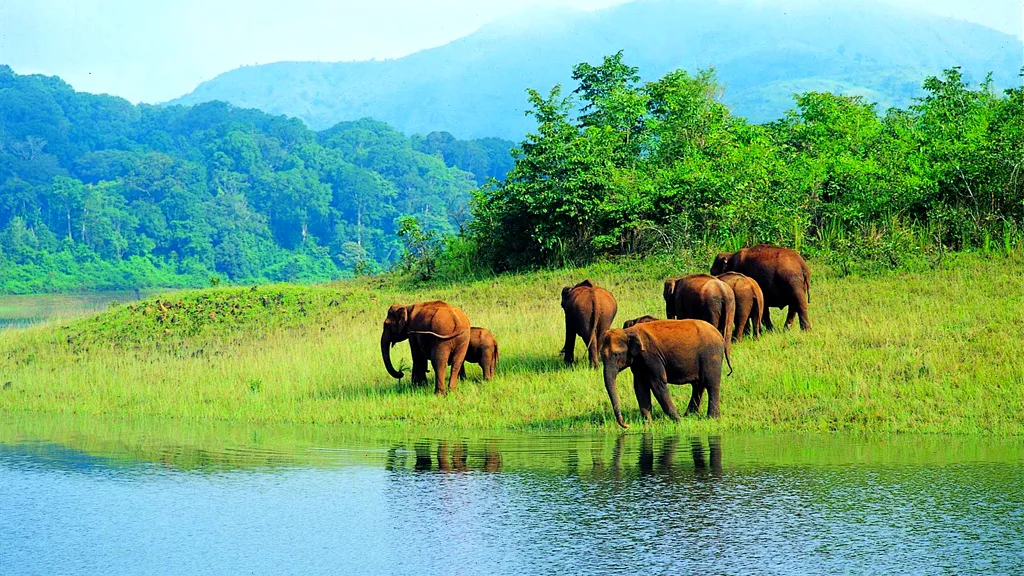
Boat Safari (Most Popular):
The classic Periyar experience.
KTDC Boats:
- Timings: 7:30 AM, 9:30 AM, 11:30 AM, 2:00 PM, 4:00 PM
- Duration: 1.5-2 hours
- Cost: ₹225 (lower deck), ₹300 (upper deck)
- Best Timing: Early morning for wildlife
- Book online or at counter
What You'll See:
- Elephants at water's edge (high probability)
- Gaur herds
- Various deer species
- Birds (kingfishers, cormorants, eagles)
- Occasional wild boar
- Tigers (extremely rare from boat)
Bamboo Rafting:
More immersive wilderness experience.
Details:
- Duration: Full day (7 AM to 5 PM)
- Group Size: 10 people maximum
- Cost: ₹1500-2000 per person
- Includes: Breakfast, lunch, guide
- Book: Through Periyar Tiger Reserve office
Experience:
- Silent rafting through forested areas
- Better wildlife encounters
- Deeper into the reserve
- Physically easy but long day
Border Hiking:
Trek with ex-poachers turned guides.
Details:
- Duration: Full day
- Difficulty: Moderate
- Unique Story: Guides are reformed poachers
- Better wildlife sighting chances
- Supports conservation employment
Nature Walk:
Short, accessible option.
Details:
- Duration: 2-3 hours
- Morning and afternoon timings
- Guide-led through forest fringes
- Good for birding
- Moderate fitness required
Periyar Tips
Booking:
- Book safaris online in advance (peak season)
- Arrive day before for early morning activities
- Consider multiple activities for best chances
What to Bring:
- Binoculars (essential)
- Camera with zoom lens
- Light layers (mornings cool)
- Insect repellent
- Water and snacks
Accommodation:
- Thekkady town has numerous options
- Inside-reserve stays available (limited, premium)
- Book hotels near boat jetty for convenience
Wayanad Wildlife Sanctuary
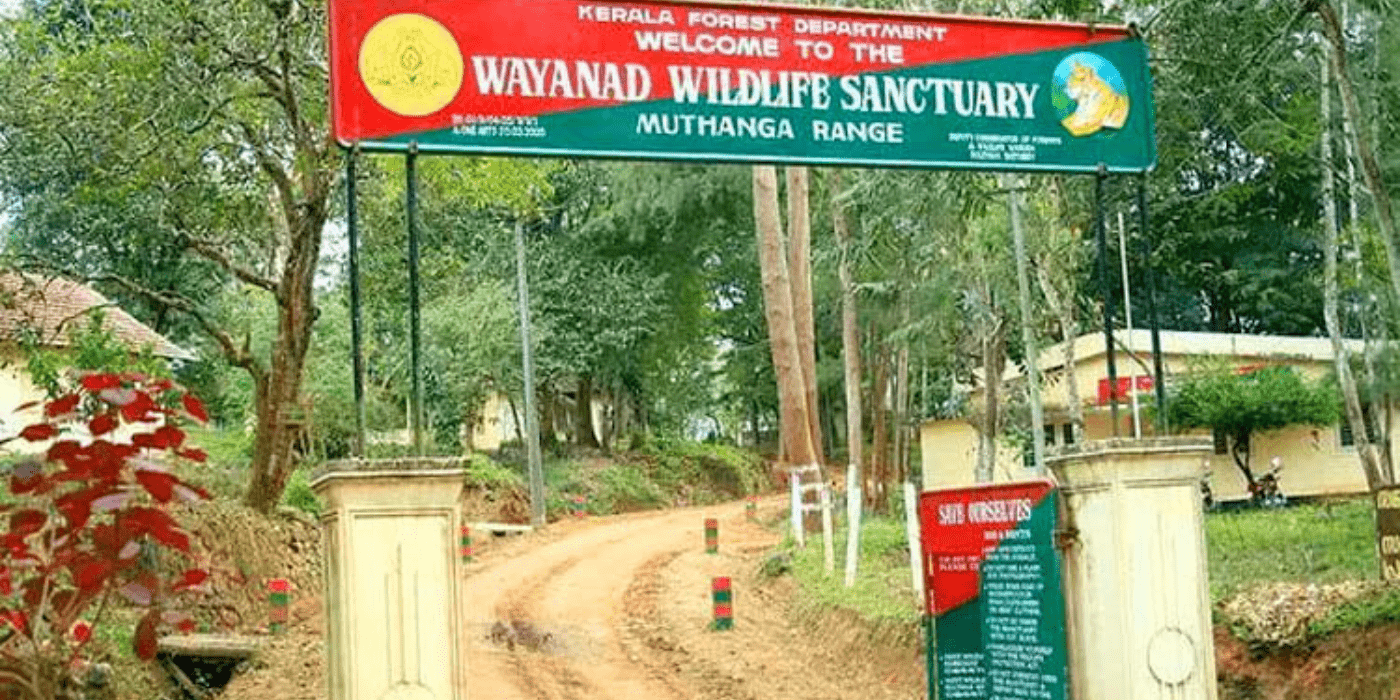
Part of the Nilgiri Biosphere Reserve, contiguous with Bandipur and Nagarhole.
Overview
Location: Wayanad District
Area: 344 sq km
Two Sections: Muthanga and Tholpetty
Best Time: October to May
Key Wildlife:
- Asian elephants (large population)
- Tigers
- Leopards
- Gaur
- Deer species
- Wild dogs (dhole)
- Sloth bears
- Rich birdlife
Safari Experience
Muthanga Range:
More accessible, closer to main Wayanad destinations.
Jeep Safari:
- Timings: 7-9 AM, 3-5 PM
- Duration: ~2 hours
- Cost: ₹300-400 per person (shared jeep)
- Book: At entrance or online
Tholpetty Range:
Often better for wildlife due to water sources.
Jeep Safari:
- Similar timings and costs
- Generally considered better for elephants
- More rustic experience
- Further from main tourist areas
Wildlife Sighting Expectations
High Probability:
- Elephants (especially Tholpetty)
- Gaur
- Various deer
- Peacocks and jungle fowl
Moderate Probability:
- Wild dogs
- Sloth bear
Low Probability:
- Tiger
- Leopard
Wayanad Beyond Safari
Chembra Peak:
- Trekking through wildlife corridor
- Heart-shaped lake at top
- Possibility of distant animal sightings
- Permit required
Edakkal Caves:
- Ancient rock engravings
- Trek through forested area
- Combine nature and history
Kuruva Island:
- River island sanctuary
- Rich biodiversity
- Bamboo raft crossing
- Excellent birding
Eravikulam National Park
Home to the endangered Nilgiri Tahr.
Overview
Location: Near Munnar
Area: 97 sq km
Elevation: 1800-2695 meters
Best Time: September to May (closed Feb-Apr for breeding)
Key Wildlife:
- Nilgiri Tahr (over 800)
- Nilgiri langur
- Lion-tailed macaque
- Atlas moth (world's largest)
- Over 130 bird species
The Tahr Experience
Unique Characteristics:
- Incredibly habituated to humans
- Often approach visitors
- Best wildlife photography opportunity in Kerala
- Success rate nearly 100%
Visiting:
- KTDC buses only (from Munnar)
- Timings: 7:30 AM to 4 PM
- Walking paths through grassland
- Duration: 2-3 hours typically
- Book online during peak season
What Makes It Special
The combination of accessible wildlife and stunning landscapes makes Eravikulam unique. The rolling grasslands, shola forests, and misty peaks create an atmosphere unlike typical Indian wildlife sanctuaries.
Chinnar Wildlife Sanctuary
Kerala's only dry deciduous forest sanctuary.
Overview
Location: Idukki District, Kerala-Tamil Nadu border
Area: 90 sq km
Best Time: October to May
Key Wildlife:
- Grizzled giant squirrel (rare)
- Star tortoise
- Gaur
- Elephants
- Spotted deer
- Over 240 bird species
Why Visit Chinnar
Unique Ecosystem:
- Thorny forest unlike rest of Kerala
- Different species than other sanctuaries
- Less crowded alternative
- Trekking opportunities
Thoovanam Waterfalls Trek:
- Full day trek through sanctuary
- Scenic waterfall destination
- Wildlife sighting possibilities
- Permit required
Silent Valley National Park
Kerala's pristine rainforest.
Overview
Location: Palakkad District
Area: 236 sq km
Best Time: November to April
Key Wildlife:
- Lion-tailed macaque (significant population)
- Nilgiri langur
- Malabar giant squirrel
- Over 200 bird species
- Exceptional biodiversity
Visiting Silent Valley
Restrictions:
- Permits required from Forest Department
- Limited daily visitors
- Guided treks only
- Worth effort for serious nature enthusiasts
The Experience:
- Pristine tropical rainforest
- Saved from dam project by environmental movement
- One of India's most important biodiversity reserves
- True wilderness experience
Parambikulam Tiger Reserve
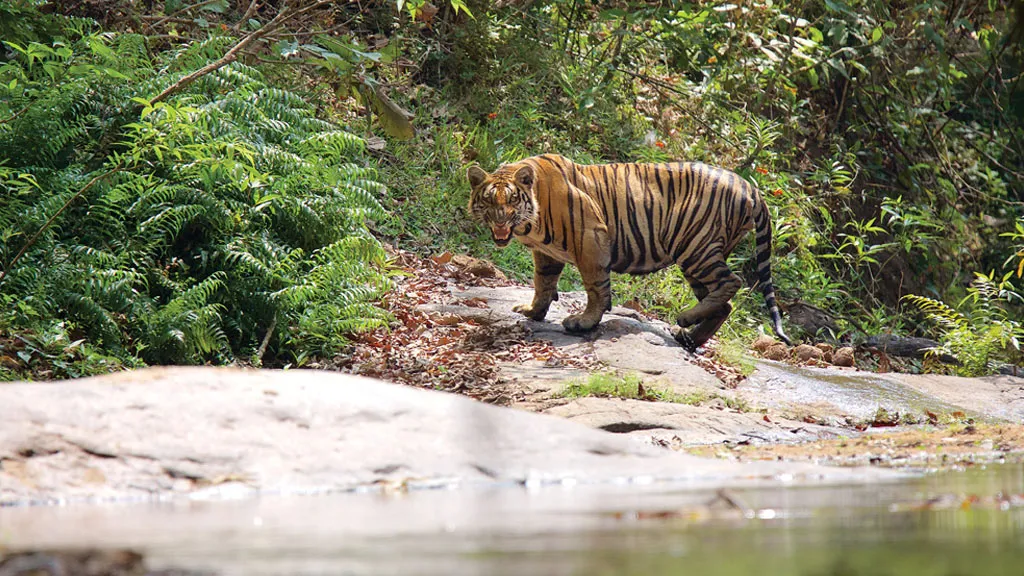
Less visited gem with excellent wildlife.
Overview
Location: Palakkad District
Area: 644 sq km
Best Time: October to May
Key Wildlife:
- Tigers
- Elephants
- Leopards
- Gaur
- Four hornbill species
- Rich biodiversity
Why Parambikulam
Advantages:
- Excellent accommodation inside reserve
- Higher wildlife density
- Less touristy than Periyar
- Tree-top stays available
- Night safaris possible
Accommodation:
- Forest Department cottages and treehouses
- Must book well in advance
- Unique staying-inside-reserve experience
Kumarakom Bird Sanctuary
Ornithologist's paradise.
Overview
Location: Kumarakom, Kottayam District
Area: 14 acres
Best Time: November to February (migratory season)
Key Birds:
- Egrets (various species)
- Herons
- Cormorants
- Indian darter
- Kingfishers
- Migratory species (winter)
Visiting
Options:
- Walking paths through sanctuary
- Boat rides through surrounding backwaters
- Best at dawn and dusk
- Combine with Kumarakom backwater experience
Thattekad Bird Sanctuary
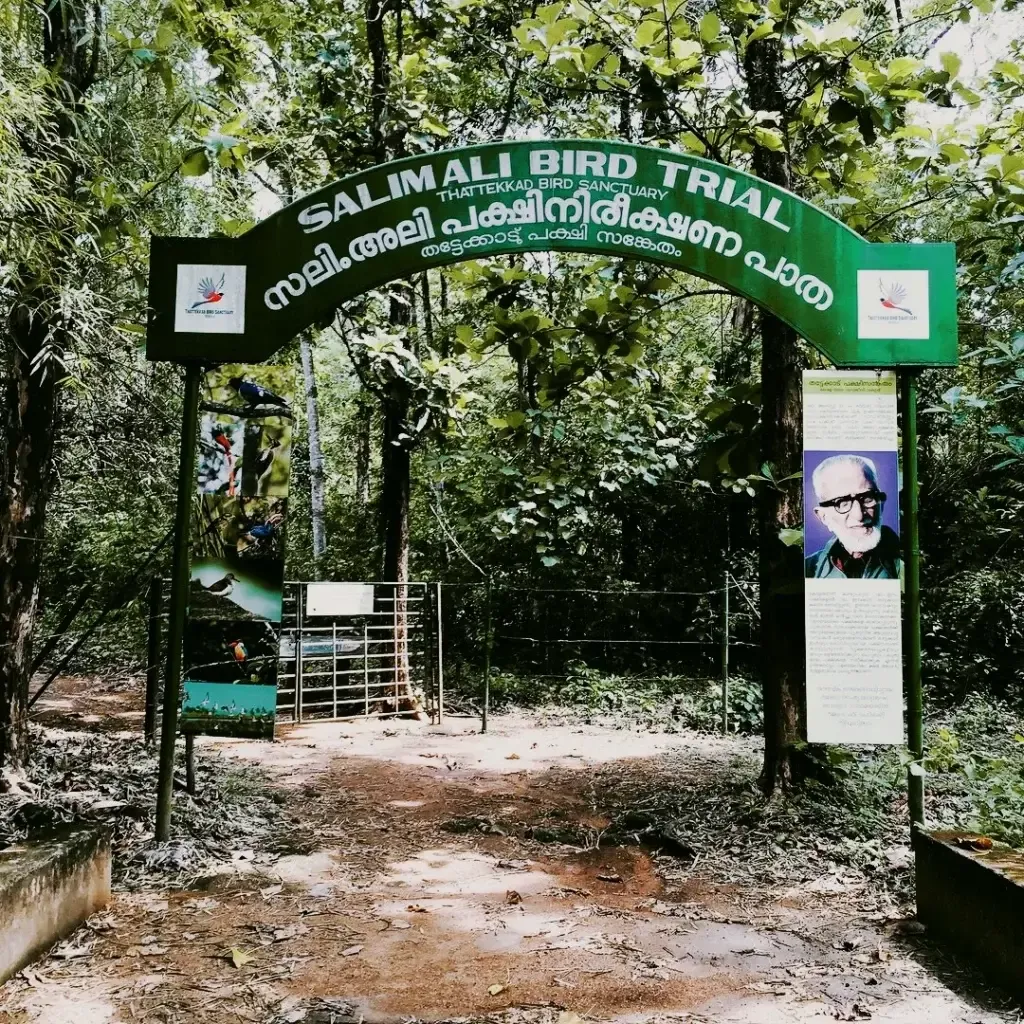
Salim Ali Bird Sanctuary - India's richest bird habitat.
Overview
Location: Ernakulam District
Area: 25 sq km
Best Time: September to March
Key Birds:
- Over 300 species recorded
- Many endemic Western Ghats species
- Sri Lanka frogmouth (rare)
- Various hornbills
- Multiple kingfisher species
The Birder's Experience
What to Expect:
- Professional guides available
- Early morning and late afternoon best
- Boat rides through sanctuary
- Walking trails
Accommodation:
- Forest rest house
- Private lodges nearby
- Combine with Munnar trip
Wildlife Safari Tips
General Advice
Best Practices:
- Book safaris in advance (especially peak season)
- Early morning safaris generally best
- Wear earth-toned clothes
- Maintain silence during safaris
- Follow guide instructions
- Never feed wildlife
- Keep safe distances
What to Bring:
- Binoculars (essential)
- Camera with telephoto lens
- Field guide (optional)
- Hat and sun protection
- Insect repellent
- Water and snacks
- Light rain jacket
Photography Tips
Equipment:
- 200-400mm lens ideal
- Bean bag for vehicle shots
- Extra batteries and memory cards
- Lens cleaning kit
Technique:
- Shoot in good light (early/late)
- Focus on eyes
- Patience is key
- Capture behavior, not just portraits
- Respect wildlife and rules
Conservation Notes
Kerala's wildlife faces challenges but also shows conservation successes.
Positive Trends:
- Nilgiri Tahr population recovering
- Tiger numbers stable
- Community involvement increasing
- Eco-tourism generating conservation funding
Challenges:
- Human-wildlife conflict
- Habitat fragmentation
- Climate change impacts
- Pressure from development
How Tourists Help:
- Park fees fund conservation
- Employment reduces poaching
- Awareness spreads through visitors
- Responsible tourism sets standards
Final Thoughts
Kerala's wildlife sanctuaries offer something different from the savanna safaris of Africa or even the tiger reserves of Central India. The combination of rainforest ecosystems, Western Ghats endemics, and unique species like the Nilgiri Tahr creates wildlife experiences found nowhere else.
Whether you're watching elephants emerge from morning mist at Periyar, trekking through Wayanad's forests, or photographing friendly Tahrs at Eravikulam, Kerala's wild side will leave lasting impressions.
The key is patience, respect, and appreciation for witnessing nature on its own terms.
 Translate