
Alleppey (Alappuzha Backwaters)
About Alleppey (Alappuzha Backwaters)
Alappuzha: Inside Kerala's Venice of the East and India's Houseboat Capital
Alappuzha doesn't have a single must-see monument to anchor a visit. Instead, it offers something rarer: an entire built environment of canals, paddy fields, and palm-lined waterways that was deliberately engineered as a trading port over two centuries ago and has since become the place most people picture when they imagine the Kerala backwaters. A British viceroy nicknamed it the Venice of the East in the early 20th century, and the comparison has stuck — not because Alappuzha looks like Venice, but because water, not road, is still genuinely the way you experience this place at its best.
This guide covers the real history behind the canals, what a backwater visit actually involves, houseboat logistics and timings that confuse most first-time visitors, safety realities, how to get there from the US, and a complete FAQ addressing the practical questions every traveler has before booking.
Quick Facts Before You Go
- Location: Southwestern coast of Kerala, on a narrow strip of land between the Arabian Sea and Vembanad Lake
- Nickname: Venice of the East, given by Lord Curzon, Viceroy of India, in the early 20th century
- Known for: Houseboat (kettuvallam) cruises through Kerala's backwaters, Vembanad Lake (India's longest lake), and the coir industry
- Founded as a port: 1762, under Raja Kesava Das, Dewan of Travancore
- Distance from Cochin International Airport: Roughly 55–85 km depending on the source and exact route, generally 1.5–2 hours by road
- Distance from Kochi city: About 60–62 km
- Best months: October to February for general sightseeing; June to September for lush monsoon backwater scenery (with some operational caveats)
- Famous event: Nehru Trophy Boat Race, held annually in August on Punnamada Lake during the Onam festival season
- Houseboat check-in: Standard 12:00 PM (noon) for overnight cruises across most operators
The History: How a Dewan's Vision Built a City Around Water
Alappuzha's entire layout — the canals, the grid of waterways, the port infrastructure — wasn't an accident of geography. It was a deliberate 18th-century engineering project.
Raja Kesava Das and the Founding of a Port City
The town's transformation into a major trading hub is credited to Raja Kesava Das, Dewan (chief minister) of the Kingdom of Travancore in the late 18th century. Recognizing the area's geographic potential, he constructed two parallel canals — the Commercial Canal and the Vadai Canal — to move spices, coir, and other goods efficiently from inland production areas to a newly built port. The port opened in 1762, and the first ship sailed from Alappuzha in 1786. Kesava Das actively recruited merchants and industrialists from Bombay, Gujarat, and Kutch to settle in the town, and within a few decades Alappuzha had become the financial nerve center of Travancore — a maritime trading hub significant enough to draw Western shipping companies and earn its reputation as a tourist destination even in that era.
The Coir Industry
Alappuzha became, and remains, the traditional home of Kerala's coir industry — the manufacture of rope, mats, and other products from coconut husk fiber. India's first coir factory was established here in 1859, and the industry grew into a major export business through the 19th and 20th centuries, shipping coir matting and yarn to markets across the world. The International Coir Museum in nearby Kalavoor (about 8–8.5 km from central Alappuzha) documents this history in detail, with displays on traditional and mechanized coir-making techniques.
From Trading Port to Tourism Hub
Alappuzha's importance as a working port gradually declined through the 20th century as larger, modernized ports like Kochi took over much of the region's shipping trade. The town found a genuine second act in the 1990s, when its extensive network of backwater canals — originally built for moving cargo — were repurposed for houseboat tourism. Tourism is now a major source of revenue for the district, and ongoing restoration projects, such as the Alappuzha Heritage Project, are funded in part by this tourism income.
What to Actually Do in Alappuzha
1. Take a Houseboat Cruise
The signature Alappuzha experience. Traditional kettuvallams — rice barges originally built by tying planks together with coir rope — have been converted into floating accommodations with bedrooms, sundecks, and onboard kitchens serving fresh Kerala meals. Most visitors book an overnight cruise, drifting through Vembanad Lake and the narrower village canals before mooring for the night near a riverside village.
2. Try a Smaller Canoe, Kayak, or Shikara Tour
Several travelers who've done both report that a smaller boat tour into the narrow village canals — water too tight for a full-size houseboat — was the most memorable part of their trip, offering a much closer look at everyday backwater life: boat builders, coir makers, and rice farmers at work.
3. Explore Kuttanad, the Rice Bowl of Kerala
A unique below-sea-level farming region within Alappuzha district, where rice cultivation happens below the waterline — one of very few places in the world where this is done. The landscape of shimmering paddy fields crossed by canals is a highlight of any backwater cruise through the area.
4. Visit Alappuzha Beach
A long stretch of golden sand with a historic pier extending into the sea (over 140 years old) and a 1862 lighthouse nearby offering panoramic views for those willing to climb. Note that the beach sits alongside the town's built-up areas — several visitors mention it's a pleasant stroll and sunset spot rather than a swimming destination, given nearby flyovers and urban development along parts of the shoreline.
5. Visit the International Coir Museum
Located in Kalavoor, about 8 km from central Alappuzha, this museum (built in 2014 by the Coir Board of India) covers the centuries-long history of coir production in the region, with a souvenir shop selling handmade coir products.
6. Birdwatch at Kumarakom Bird Sanctuary
On the eastern shore of Vembanad Lake, this sanctuary draws migratory birds from as far as Siberia and the Himalayas, particularly reliable between October and February. Egrets, herons, darters, and painted storks are all commonly sighted.
7. Take the Government Ferry from Kollam
For a completely different, non-touristy perspective on the backwaters, the Kerala State Water Transport Department runs a daily public ferry between Kollam and Alappuzha, an 8-hour, 80-kilometer journey through the Kuttanad landscape at a fraction of houseboat prices. It's a working waterway used mostly by locals, not a curated tourist experience — which is exactly its appeal for travelers wanting something more authentic.
8. Watch (or Time Your Visit Around) the Nehru Trophy Boat Race
Held annually in August on Punnamada Lake during Onam season, this is one of Kerala's most spectacular sporting events: chundan vallams (snake boats) over 100 feet long, each with crews exceeding 100 rowers, race in front of enormous crowds. Booking a houseboat positioned along the race route is a popular (and far more comfortable) way to watch than fighting for space on the crowded shore.
Understanding Houseboat Timings and Logistics
This is the single area that confuses first-time visitors more than anything else about backwater travel, since houseboats don't operate like hotels.
- Check-in: Standard across most operators is 12:00 PM (noon), regardless of boat category.
- First day cruise: The boat typically departs shortly after boarding, cruises through the morning and early afternoon with a lunch break, and moors near a village by around 5:00–5:30 PM.
- Evening at mooring: Once anchored, guests can enjoy a country boat ride, village walk, paddy field visit, or Ayurvedic massage before dinner, typically served between 8:00 and 9:00 PM.
- No cruising after dark: Kerala Tourism regulations require houseboats to be moored by dusk (roughly 6:00–6:30 PM), since narrow channels become genuinely hazardous to navigate after dark.
- Overnight rules: Many operators ask guests to be in their rooms by around 10:30 PM, with no movement on deck after that point for safety reasons.
- Morning cruise: Typically resumes around 8:00 AM, followed by breakfast, with check-out usually around 9:00 AM the next day.
- Day cruises: Shorter, cheaper alternatives to an overnight stay are widely available for travelers without the time or budget for a full overnight trip.
Safety Notes
- Swimming isn't recommended from houseboats in the main channels or Vembanad Lake. Water quality varies in the main arteries, and the lake has currents that are stronger than they appear from the surface.
- A small population of mugger crocodiles inhabits Vembanad Lake. Sightings are rare, but they do exist, which is another reason swimming directly from a houseboat isn't advisable.
- If you want to swim, Cherai Beach on Vypeen Island (accessible by ferry from Fort Kochi) or Marari Beach near Alappuzha are better, cleaner options for actual swimming.
- Choose your houseboat operator carefully. The crew — captain, cook, and steward — significantly shapes the quality of the experience, so reviews and operator reputation matter more than the boat's listed star rating alone.
- Environmental impact: Larger houseboats carrying big tourist groups have a meaningfully larger environmental footprint on the backwater ecosystem than smaller boats. Travelers who want a lower-impact option might consider a smaller canoe, kayak, or rowing tour instead of an overnight houseboat.
Getting to Alappuzha
From the United States
There are no direct flights from the US to Alappuzha or even to Kochi. The realistic route involves one or more connections.
- Fly into a major Indian or Gulf hub (Mumbai, Delhi, Dubai, Doha, or similar) from a US gateway city, then connect to Cochin International Airport (COK).
- From Cochin International Airport, it's roughly 55–85 km to Alappuzha depending on the exact route, generally a 1.5–2 hour drive or taxi ride via NH 66.
- Alternative: Thiruvananthapuram International Airport, about 126–159 km south of Alappuzha, useful if your itinerary includes Kerala's capital region.
A US passport requires an Indian e-Visa, generally obtainable online in advance.
By Train
Alappuzha has its own railway station, about 4 km from the town center, with direct trains to Kannur, Chennai, and other cities, plus frequent connections to nearby towns. The station is well connected to Kochi, Kollam, Thiruvananthapuram, and other major Kerala destinations.
By Road
NH 66 runs directly through Alappuzha, connecting it to Kochi (about 60–62 km north), Kollam, and Thiruvananthapuram (about 155 km south). Buses run from most major South Indian cities, including Bengaluru, Chennai, Coimbatore, and Mumbai, though long-distance bus travel is a considerably less comfortable option than flying and connecting locally.
Best Time to Visit
- October to February: Widely considered the best overall window — cool, pleasant weather, clear skies, and the peak tourist season, which also means the best selection of houseboats and the most reliable bird sightings.
- June to September (monsoon): The backwaters turn a vivid, rain-washed green and the atmosphere is genuinely romantic, but rough water and stronger currents can affect cruise comfort, and some operators suspend service during heavy downpours.
- August (Onam season): The Nehru Trophy Boat Race draws huge crowds and a vibrant festival atmosphere — worth experiencing if you don't mind the rush, and booking well in advance is essential.
- March to May: Hot and humid, but the off-peak season means fewer tourists and better deals on houseboats. Early morning or late evening cruises are recommended to avoid peak heat.
- December–January: Coincides with Christmas celebrations in Alappuzha's coastal Christian communities and the Alappuzha Beach Festival, adding a festive cultural layer to a visit.
Building a Trip Around Alappuzha
Option 1: Classic Overnight Houseboat Trip
- Day 1: Arrive in Alappuzha, board houseboat at noon, cruise through Vembanad Lake and village canals, moor by evening for a village walk or massage
- Day 2: Morning cruise, breakfast, check-out around 9:00 AM, onward travel to your next destination
Option 2: Day-Trip Backwater Experience
- Morning: Day cruise or smaller canoe/shikara tour through narrower village canals
- Afternoon: Visit the International Coir Museum or Alappuzha Beach and lighthouse
- Evening: Onward travel, avoiding the cost and time of an overnight stay
Option 3: Combine with Kumarakom
- Start in Alappuzha for the classic backwater and village-canal experience
- Move to Kumarakom for quieter, more upscale houseboats and serious birdwatching at the Bird Sanctuary
- Optional extension to Cherai or Marari Beach for a proper swim, since the backwaters themselves aren't suited to it
Frequently Asked Questions
Is Alappuzha the same place as Alleppey?
Yes. Alleppey is the older, colonial-era name for the town; Alappuzha is the official modern name, and both are used interchangeably, with Alleppey still very common in tourism marketing and houseboat branding.
Why is Alappuzha called the Venice of the East?
The nickname is credited to Lord Curzon, Viceroy of India, in the early 20th century, reflecting the town's extensive network of canals built for trade — though the comparison is more about the centrality of water to daily life and transport than visual similarity to Venice itself.
What is the standard check-in time for an Alappuzha houseboat?
12:00 PM (noon) is the standard check-in time across nearly all operators, regardless of boat category, with check-out typically the following morning around 9:00 AM for overnight cruises.
How much does a houseboat cost?
Overnight houseboats for two generally range from roughly $98 to $300+ USD per night depending on the category (deluxe, premium, or luxury), with some basic options available for under $100. Day cruises are considerably cheaper.
Can I swim in the backwaters or from my houseboat?
It's not recommended. Water quality in the main channels varies, currents in Vembanad Lake are stronger than they appear, and a small population of mugger crocodiles inhabits the lake, though sightings are rare. If you want to swim, Cherai Beach or Marari Beach are better, safer alternatives.
What is the nearest airport to Alappuzha?
Cochin International Airport (COK), with distance figures ranging from roughly 55 to 85 km depending on the specific route and source — generally a 1.5 to 2-hour drive. Thiruvananthapuram International Airport, about 126–159 km south, is the other regional option.
Can I fly directly to Alappuzha from the US?
No. There are no direct flights from the US to Kochi or Alappuzha. The realistic route involves connecting through a major Indian or Gulf hub city before flying into Cochin International Airport and traveling the remaining distance by road or rail.
What is the best time of year to visit?
October through February offers the most comfortable weather and the best overall backwater experience, though it's also peak season, so book houseboats well in advance. Monsoon season (June–September) offers a lush, dramatically green landscape for those who don't mind potential rain disruptions.
When is the Nehru Trophy Boat Race?
It's held annually in August, typically on the second Saturday of the month, on Punnamada Lake near Alappuzha, during the Onam festival season. Exact dates shift slightly year to year, so confirm the current schedule before planning a trip around it.
Do I need a visa to visit as a US citizen?
Yes, US passport holders need an Indian e-Visa, generally obtainable online in advance of travel. Check current Indian government visa requirements and processing times before booking your trip.
Is one night on a houseboat enough?
For most travelers, yes — a single overnight cruise covers the core experience well. Several travelers who've done both report that spending extra time in Alappuzha town itself beyond the houseboat trip wasn't particularly rewarding, since the built-up areas around the backwaters are fairly ordinary compared to the cruise itself.
What should I pack for a houseboat trip?
Light, breathable clothing suited to Kerala's humidity, sun protection, insect repellent for evening hours near the water, comfortable footwear for village walks, and a light layer for cooler early mornings, especially October through February.
Is Alappuzha good for families?
Yes, houseboat trips work well for families, with options to combine cruising, village walks, and shorter activity stops. Just keep in mind the no-swimming guidance near the boat and supervise children closely around open decks and water.
What food can I expect on a houseboat?
Fresh, home-style Kerala meals prepared onboard, typically featuring rice, sambar, a variety of vegetable dishes (thoran, mezhukkupuratti), fish fry (often pearl spot or seer fish for non-vegetarian guests), curd, and pickles, with evening snacks like banana fritters or onion pakoda.
What other Kerala destinations pair well with Alappuzha?
Kumarakom (for quieter, higher-end houseboats and birdwatching), Kochi/Fort Kochi (for heritage sites and Cherai Beach), and Kollam (reachable via the scenic 8-hour public backwater ferry) are the most natural additions to an Alappuzha-based itinerary.
Is it worth visiting the International Coir Museum?
If you're interested in the region's industrial and cultural history, yes — it's a focused, manageable stop (about 8 km from central Alappuzha) that explains the coir industry that shaped this town for over a century, with an entry fee of around ₹50 and hours from 9:30 AM to 5 PM, closed Mondays.
The Takeaway
Alappuzha rewards travelers who treat the journey as the destination rather than rushing toward a single landmark. The canals here weren't built for tourism — they were built two and a half centuries ago to move cargo, and that working history is still visible in every village you drift past. Book your houseboat with a reputable operator, understand the noon check-in and dusk-mooring rhythm before you arrive, skip the swim, and let the slow pace of the backwaters do what it's always done best: nothing in a hurry, and all the better for it.
Photo Gallery
What you'll experience
- 1
Cruise in traditional Kerala houseboats
- 2
Watch sunset over the backwaters
- 3
Experience village life on the canals
- 4
Savor authentic Kerala cuisine on the water
Explore More
Nearby Destinations
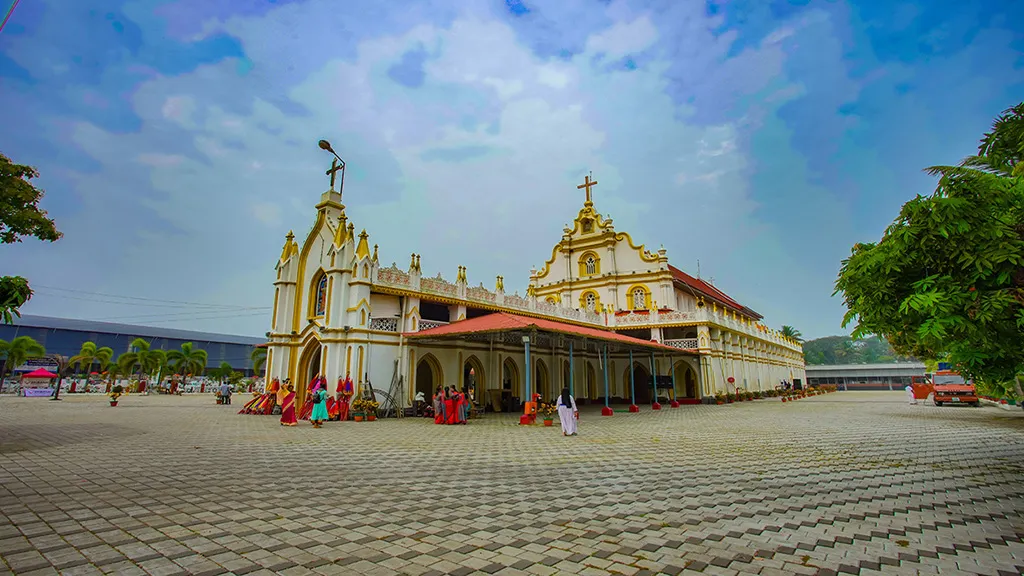
Edathua Church
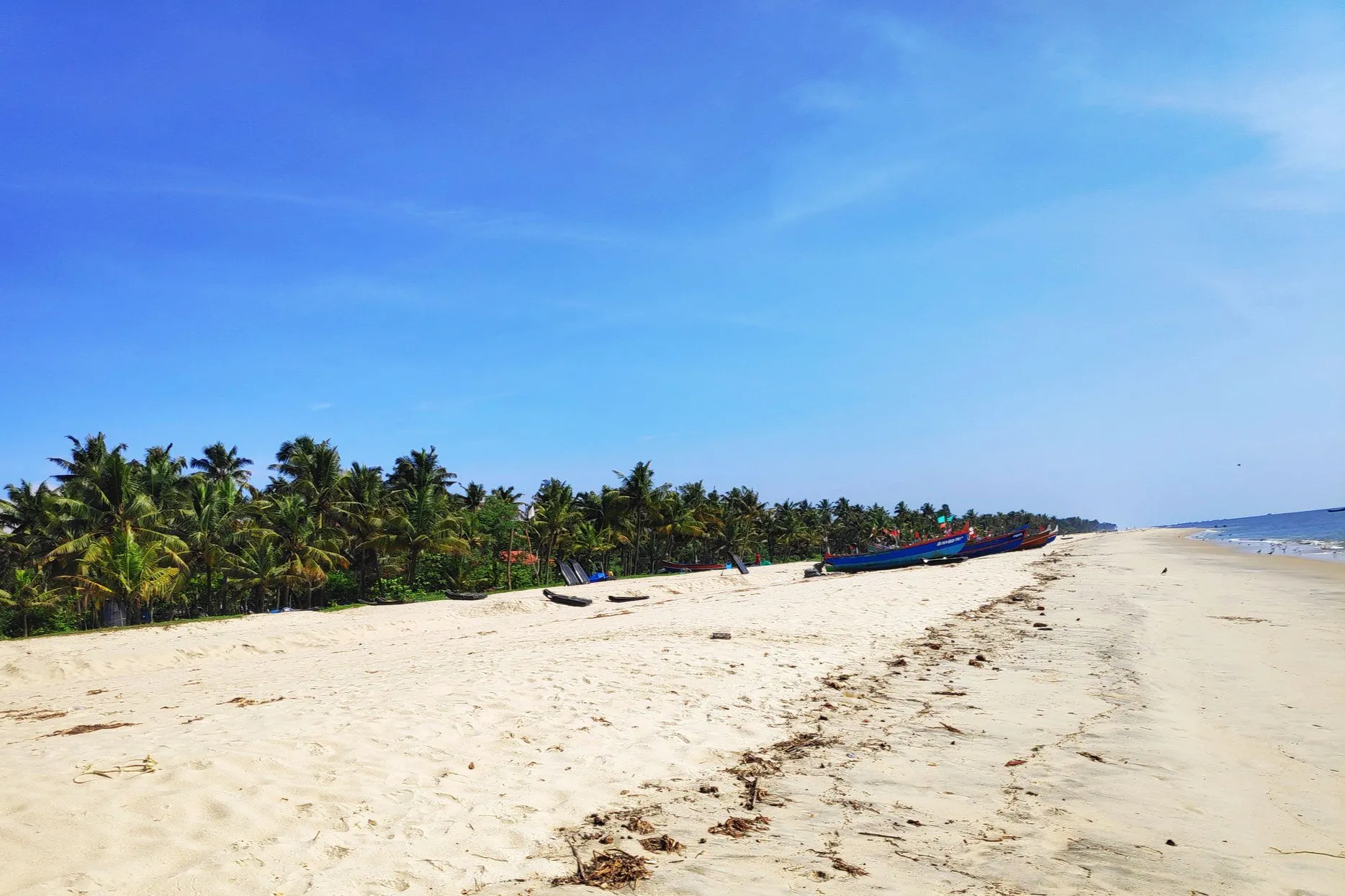
Marari Beach
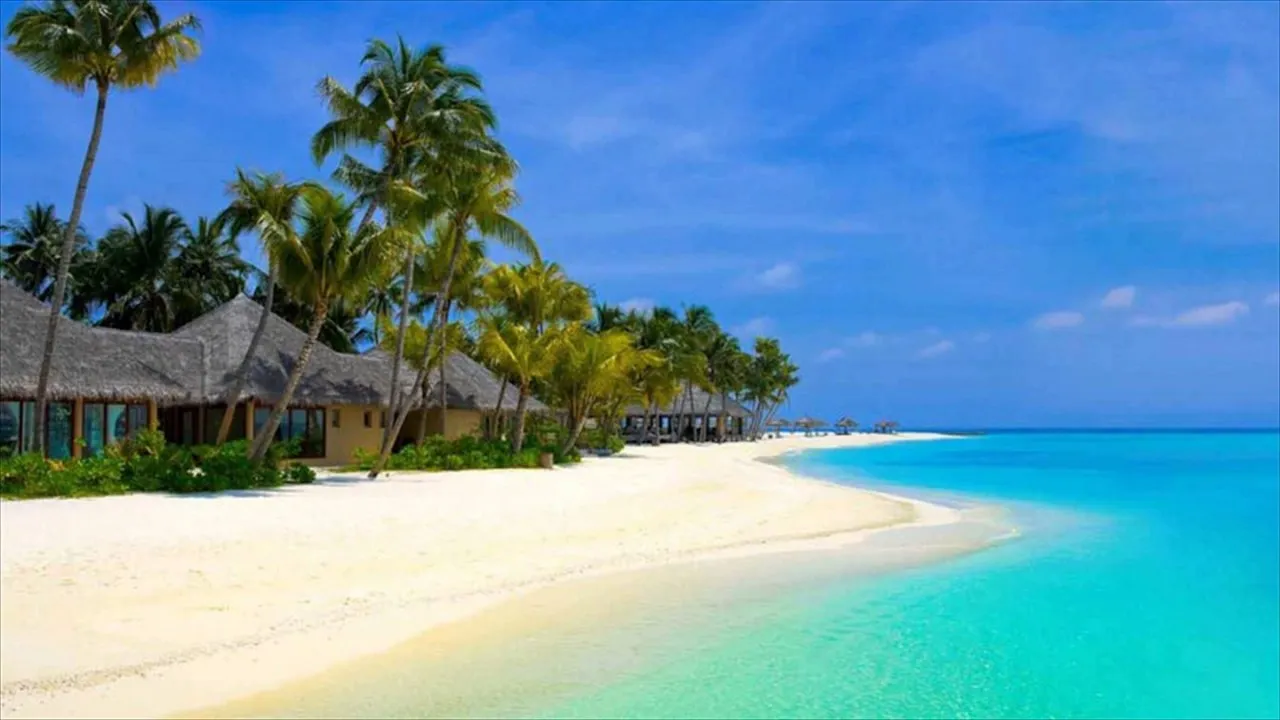
Alappuzha Beach
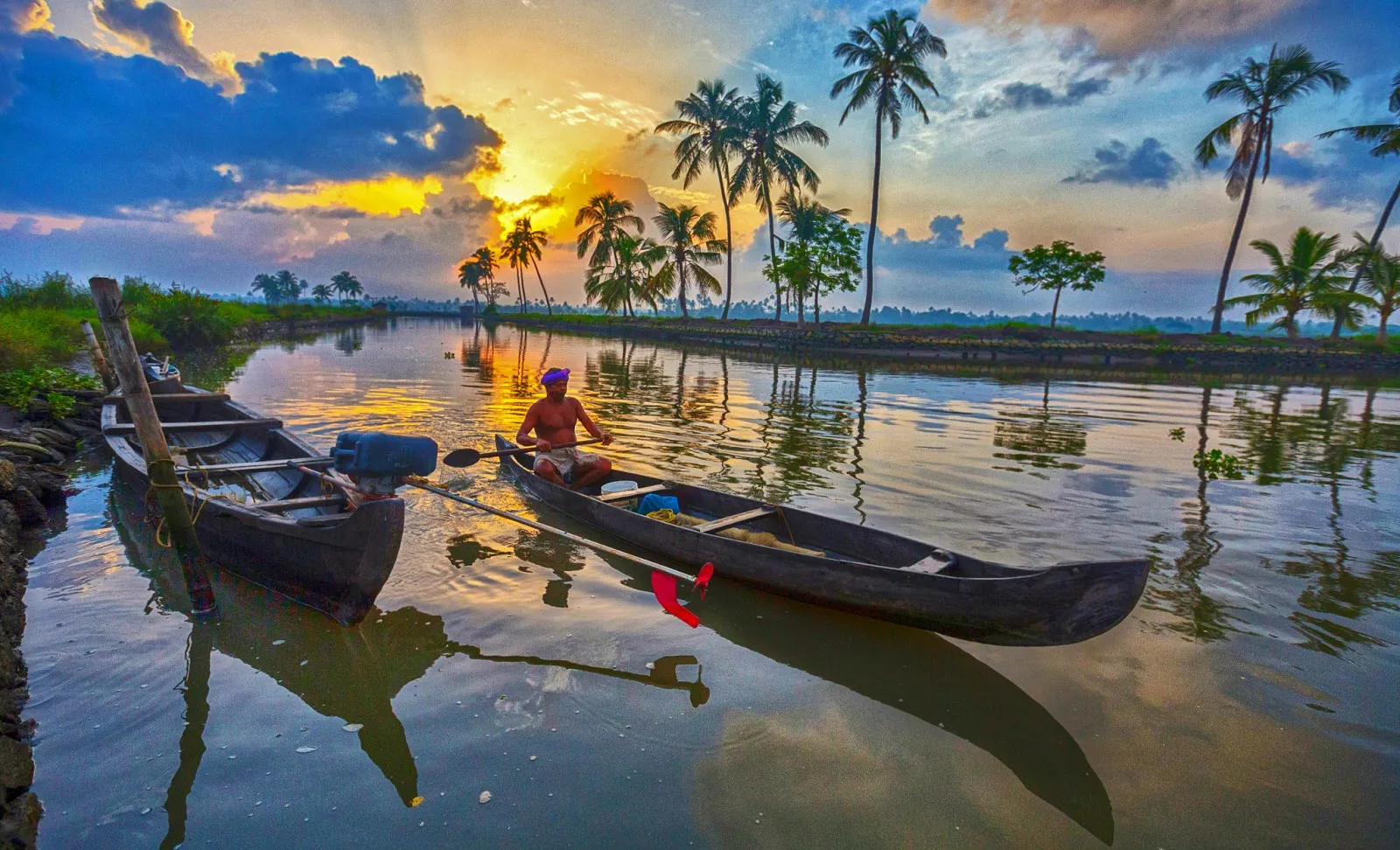
Kuttanad (Rice Bowl of Kerala)
These destinations are in close proximity to Alleppey (Alappuzha Backwaters) and can be visited on the same trip.
Related Destinations
Sabarimala Temple
Guruvayur Temple
Padmanabhaswamy Temple
Ettumanoor Mahadeva Temple
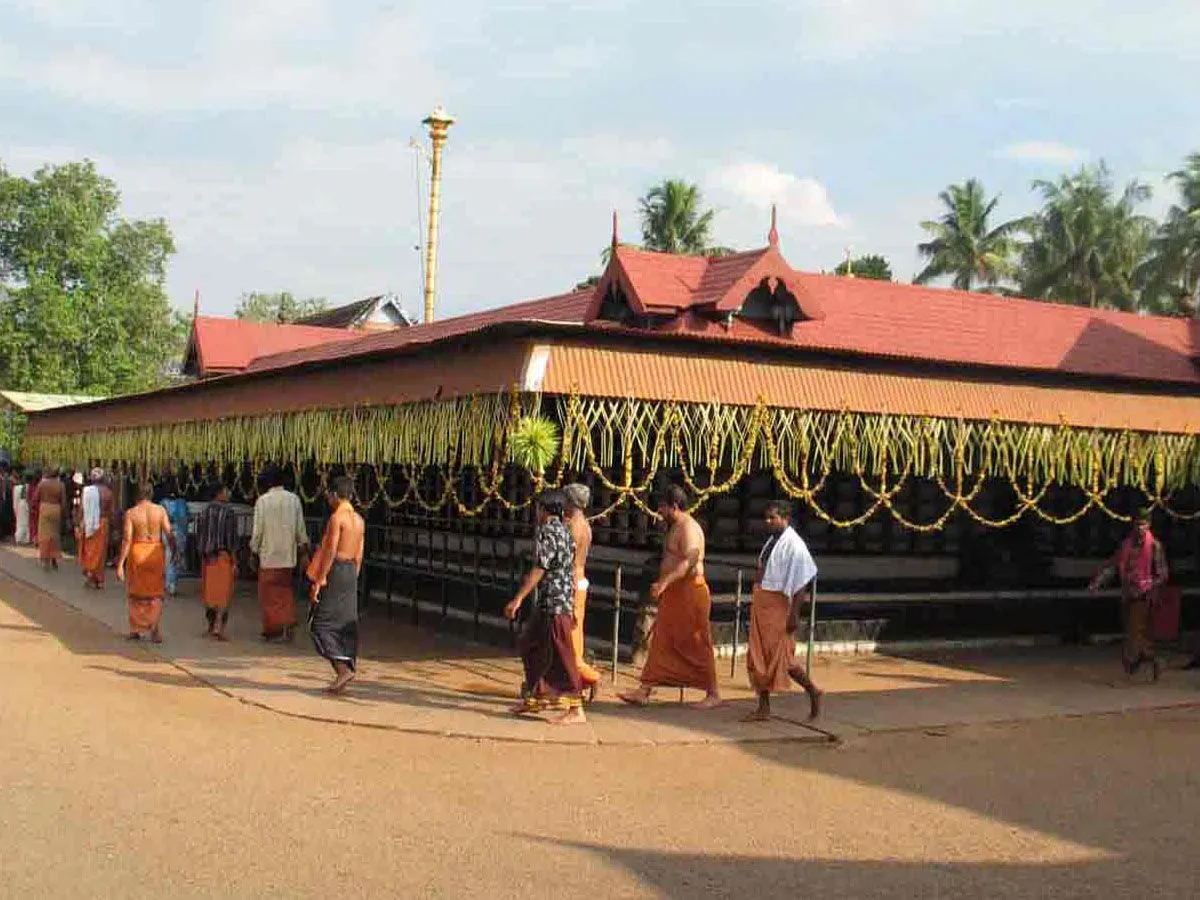
Chottanikkara Temple
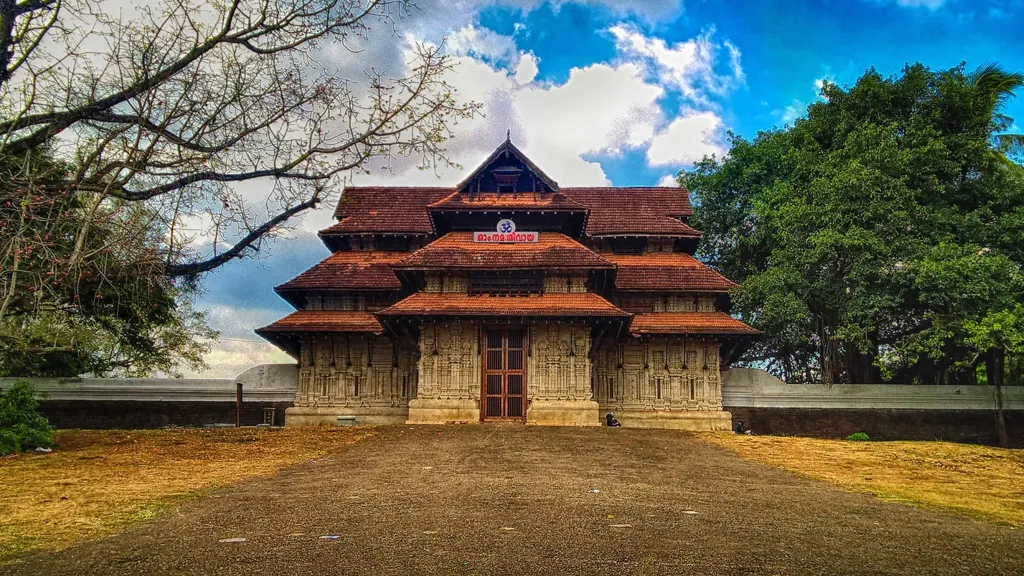
Vadakkunnathan Temple Thrissur
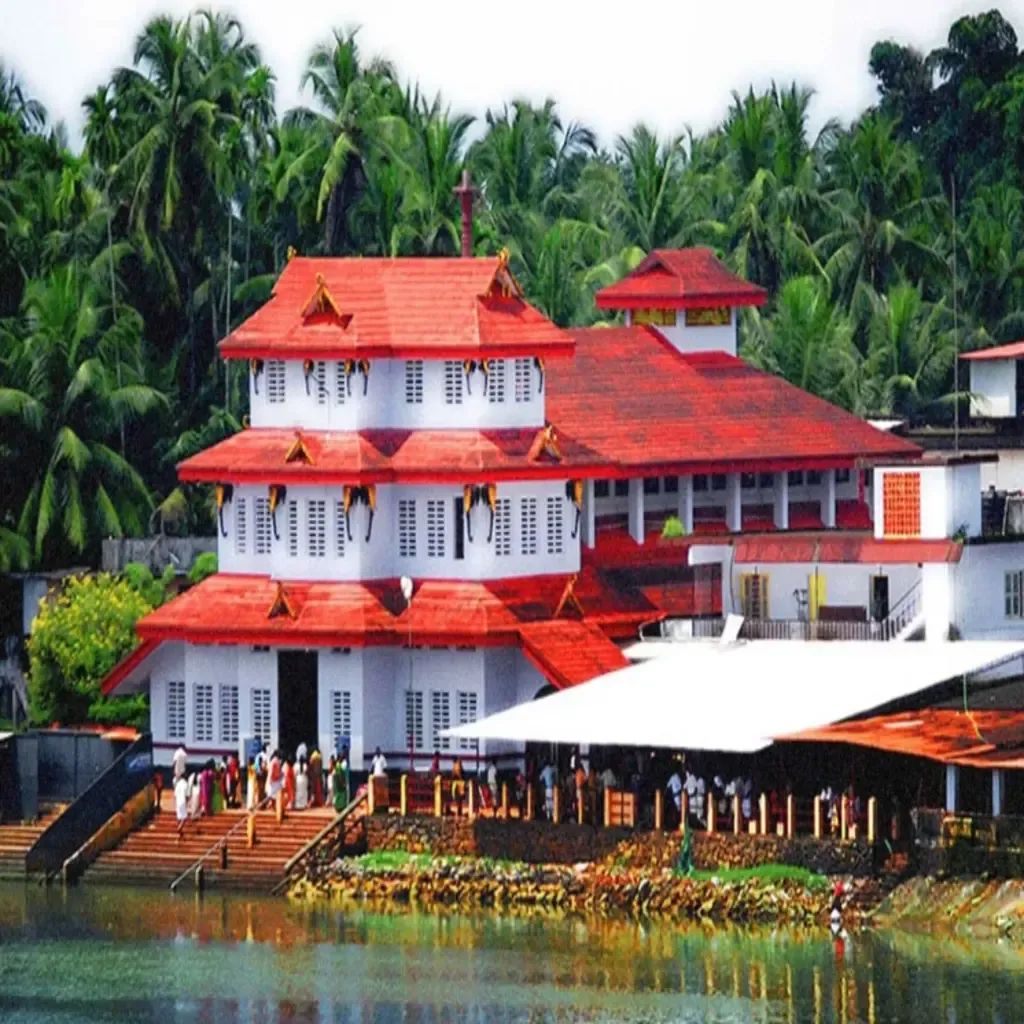
Parassinikadavu Muthappan Temple
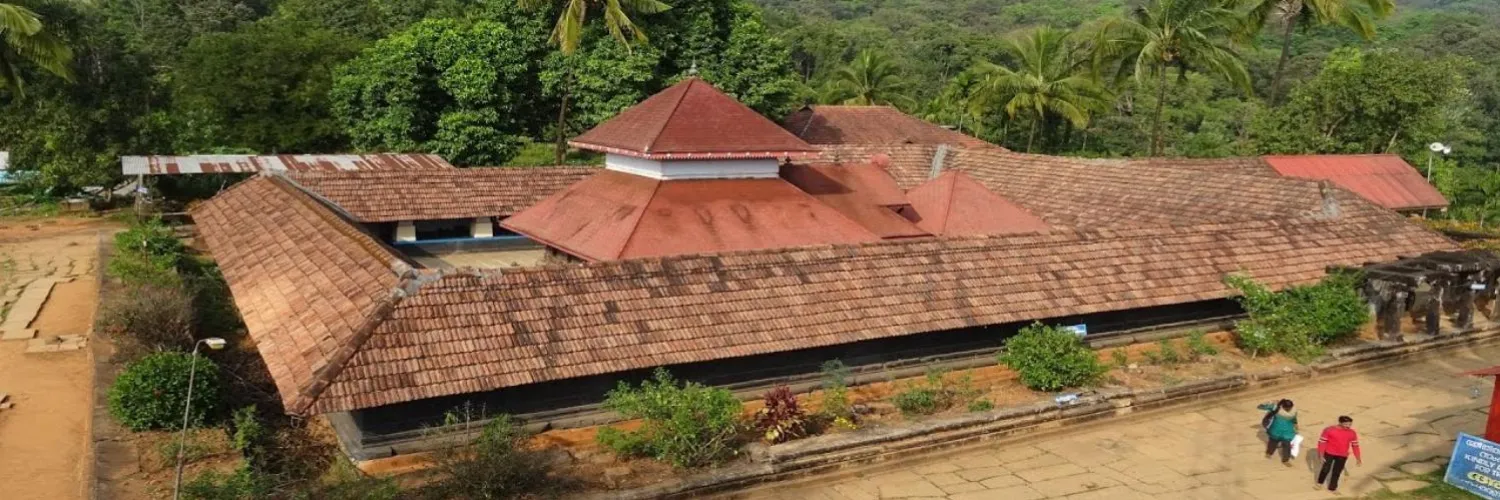
Thirunelli Temple Wayanad
Visit Information
Opening Hours
Entry Fee
Best Time to Visit
November to February
Location
Alappuzha District, Kerala, India
Contact
For inquiries: 0477-2253308
Share this destination:
 Translate