
Vadakkunnathan Temple Thrissur
About Vadakkunnathan Temple Thrissur
Introduction to Vadakkunnathan Temple
Rising from the center of Thekkinkadu Maidan in the heart of Thrissur city, the Vadakkunnathan Temple is one of Kerala's oldest and most architecturally significant Shiva temples — and arguably the single most important landmark in a city often called Kerala's cultural capital. Massive stone walls enclose an eight-to-nine-acre complex of multiple shrines, monumental wooden gopurams, a rare surviving Koothambalam performance hall, and mural paintings that have watched over the city for well over a thousand years. For heritage travelers, architecture enthusiasts, and NRI visitors tracing family roots in central Kerala, Vadakkunnathan offers something increasingly rare: a genuinely ancient, still-functioning temple complex recognized internationally for its conservation, sitting right in the middle of a modern, walkable city.
The temple is inseparable from Thrissur's identity. Its surrounding grounds, the Thekkinkadu Maidan, host the legendary Thrissur Pooram every year — often called the most spectacular temple festival in India — and the temple itself anchors the city's Swaraj Round, the circular road that defines Thrissur's urban layout. Whether your interest is devotional, architectural, or purely cultural, a visit here offers a rare combination of monumental scale and everyday accessibility that few of Kerala's other major temples can match.
Unlike temples that require a dedicated detour off the main tourist circuit, Vadakkunnathan sits within a short walk or auto-rickshaw ride of Thrissur's railway station, bus stand, and most city hotels, making it one of the easiest major heritage sites in Kerala to fit into even a tightly scheduled itinerary. That accessibility, paired with the depth of what's inside its walls, is exactly what makes it worth treating as a genuine highlight rather than a quick photo stop.
This guide covers the temple's history and legends, how to reach it from Kochi and Thrissur's own transport hubs, the best time to visit, its key attractions and unique rituals, food, hotels, a realistic itinerary, nearby places, practical travel tips, and answers to the questions travelers ask most often before visiting.
History of Vadakkunnathan Temple
Vadakkunnathan's history stretches back well over a thousand years, and like many of Kerala's oldest temples, its origins are told through a blend of devotional legend and documented historical patronage that together shape how the temple is understood and worshipped today. Few temples in Kerala carry quite so many overlapping layers of legend, dynastic history, and continuous restoration, and understanding a few of these layers adds real texture to a visit.
The Parashurama Legend
Temple tradition holds that Vadakkunnathan was the very first temple established by Parashurama, the sixth avatar of Vishnu, and that it was built on land Parashurama is said to have reclaimed from the sea with the help of Varuna, the god of the ocean — the same legendary act said to have created the state of Kerala itself. According to this tradition, Lord Shiva is said to have manifested near a banyan tree at what is called the Mula Sthana before the lingam was installed in the temple as it stands today.
Ancient Age and the Koothambalam
While precise founding dates vary between the 8th and 9th centuries CE in different accounts, local tradition connects parts of the temple's construction — particularly its Koothambalam, the dedicated theatre hall for classical performance art — to the legendary architect Perumthachan, said to have lived roughly in the second century CE, making this section of the complex, by tradition, well over a thousand years old.
Surviving Invasion
One of the more remarkable episodes in the temple's history took place during the Mysorean invasions of Kerala led by Tipu Sultan in the late 18th century. Unlike many temples in the region, Vadakkunnathan was spared destruction. According to local accounts, Tipu Sultan's forces borrowed cooking vessels from the temple during their campaign and later returned them along with a large bronze lamp as a gesture of goodwill — a story still told locally as evidence of the temple's protected, almost untouchable status even amid regional conflict. Historians offer various explanations for why the temple escaped the fate of others destroyed during the same campaigns, but the survival of its ancient wooden structures largely intact through this turbulent period remains one of the most significant factors in why so much of the original architecture can still be seen today.
Zamorin Rule and the Rise of Modern Thrissur
Between 1750 and 1762, the temple and surrounding area came under the control of the Zamorin of Calicut before reverting to the Kingdom of Cochin. The temple's modern character owes a great deal to Sakthan Thampuran, the powerful Maharaja of Cochin who moved his capital to Thrissur and undertook a major renovation of both the temple and the surrounding Thekkinkadu Maidan, clearing what had been dense forest into the open maidan visitors see today. It was Sakthan Thampuran who also formally established the Thrissur Pooram festival, cementing the temple's role as the spiritual and cultural anchor of the city for centuries to come, and his broader urban planning decisions are the reason Thrissur's city center still radiates outward from the temple grounds today.
Recognition and Conservation
The temple, along with its murals, has been declared a protected National Monument under India's Ancient Monuments and Archaeological Sites and Remains Act. In 2015, Vadakkunnathan Temple received the UNESCO Asia-Pacific Heritage Award for Cultural Heritage Conservation, recognizing the careful restoration work undertaken to preserve its wooden structures and centuries-old murals — an important distinction from full UNESCO World Heritage Site status, though the temple's conservation credentials are nonetheless internationally recognized. Ongoing restoration continues to prioritize traditional materials and techniques wherever feasible, ensuring the temple's wooden gopurams, murals, and Koothambalam remain as close as possible to their original form even as they undergo periodic repair.
A Connection to Adi Shankaracharya
Local tradition also links the temple to the philosopher-saint Adi Shankaracharya, with some accounts holding that this was the site where his parents received the blessing that led to his birth. A samadhi (memorial shrine) associated with Adi Shankaracharya is located within the temple complex, adding a further layer of philosophical and spiritual significance to the site.
Why Vadakkunnathan Resonates with Diaspora Visitors
For Malayali families settled abroad, particularly those with roots in central Kerala, Vadakkunnathan often carries an added layer of civic pride alongside its devotional significance — it is, after all, the temple around which Thrissur itself grew, and the venue for a festival that shapes the city's entire cultural calendar. Many diaspora visitors plan return trips specifically around Thrissur Pooram, treating it less as tourism and more as a homecoming tied to a shared cultural memory passed down through family stories of the festival's drummers, elephants, and fireworks.
How to Reach Vadakkunnathan Temple
Thrissur's central location — almost exactly midway along Kerala's north-south coastal corridor — combined with the temple's position right in the middle of the city makes Vadakkunnathan one of the easiest major Kerala temples to reach and combine with onward travel in either direction, whether you're arriving from Kochi in the south or Kozhikode in the north.
By Air
- Cochin International Airport (COK) is the nearest airport, roughly 50-55 km away, and offers strong international connectivity, including flights from the US via Gulf and European hub cities.
- Direct state buses and pre-paid taxis connect the airport to Thrissur, with the drive typically taking about an hour outside of peak traffic.
By Train
- Thrissur Railway Station sits just 1-2 km from the temple, making it one of the most conveniently located major pilgrimage sites in Kerala relative to its rail hub.
- Thrissur is a major stop on the main line connecting Thiruvananthapuram, Kochi, Kozhikode, and onward to major Indian cities including Chennai, Bengaluru, Mumbai, and Delhi.
By Road
- Thrissur is well connected by National Highway 544, with regular KSRTC and private bus services from Kochi, Palakkad, and Kozhikode.
- From Kochi, the drive along NH544 typically takes around two hours under normal traffic conditions.
- Within Thrissur city itself, the temple is easily reached by auto-rickshaw or taxi from anywhere along the Swaraj Round, the ring road that encircles the Thekkinkadu Maidan.
For NRI and US-Based Travelers
If Vadakkunnathan is part of a Kerala trip starting in the US, the most efficient approach is usually to fly into Cochin International Airport and either base yourself in Kochi for a day trip to Thrissur, or continue directly to Thrissur by train or car for an overnight stay, particularly if timing the visit around Thrissur Pooram or other major festivals.
Best Time to Visit Vadakkunnathan Temple
Ideal Months: October to March
As with most of Kerala, the cooler, drier months from October through March offer the most comfortable weather for visiting the temple and exploring Thrissur city on foot. The heavy humidity and rainfall of Kerala's summer and monsoon months can make extended outdoor sightseeing around the temple's large open grounds less pleasant.
Thrissur Pooram (April–May)
The undisputed highlight of the temple's annual calendar is Thrissur Pooram, held on the Thekkinkadu Maidan in the Malayalam month of Medam. Often described as the grandest and most spectacular temple festival in India, this 36-hour spectacle features dozens of ceremonially decorated elephants, the massive percussion ensemble known as Ilanjithara Melam involving hundreds of drummers, the striking Kudamattom display of colorful parasol-changing atop the elephants, and an early-morning fireworks display that draws visitors from across India and around the world. Accommodation in Thrissur becomes extremely difficult to find during this period, so early booking is essential if this is a priority for your trip. The festival itself is technically a coordinated event among several temples in and around Thrissur, all converging on the Vadakkunnathan grounds, which is part of what gives it its uniquely large scale compared to most single-temple festivals elsewhere in Kerala.
Maha Shivaratri (February–March)
As a major Shiva temple, Vadakkunnathan also draws large crowds for Maha Shivaratri, observed on the 13th night and 14th day of the waning moon in the Malayalam month of Phalguna. The festival features continuous abhishekam with ghee and tender coconut on the lingam, along with the lighting of around one lakh temple lamps and cultural and musical programs throughout the night.
Aanayoottu (July)
Held annually on the first day of the Malayalam month of Karkidakam, Aanayoottu is a distinctive ritual feeding of unadorned temple elephants, a quieter but culturally significant event compared to the temple's larger festivals.
Daily Timings
The temple is generally open daily from around 4:00 AM to 11:00 AM in the morning and again from around 5:00 PM to 8:20 PM in the evening. Early morning visits tend to be the most peaceful, especially outside festival season, and also offer the added benefit of cooler temperatures for walking around the temple's large open courtyards before the midday heat sets in.
Top Attractions
Vadakkunnathan's scale and the sheer density of significant features within its walls make it one of Kerala's most rewarding temples to explore slowly rather than rush through. A few elements in particular consistently draw the most attention from architecture enthusiasts and devotees alike.
The Ghee-Covered Shiva Lingam
The temple's most talked-about feature is its main Shiva lingam, which has been continuously covered by ritual ghee abhishekam for centuries, building up into a mound reportedly around nine feet tall that completely obscures the lingam itself. The custom is said to symbolize Mount Kailash, Shiva's snow-covered abode, and remarkably, the accumulated ghee is said never to melt despite Kerala's tropical climate — a detail that continues to fascinate scientists, historians, and devotees alike, and one that remains without a fully agreed-upon explanation.
The Four Gopurams
Four monumental towers mark the temple's cardinal-direction entrances, forming an unmistakable silhouette against the Thrissur skyline and serving as some of the city's most recognizable architectural landmarks, visible from various points around the Swaraj Round. Each gopuram has its own distinct character and level of ornamentation, making a full circuit of the outer walls a worthwhile exercise for anyone interested in comparing their design details.
The Koothambalam
This dedicated wooden theatre structure, used traditionally for the classical performance arts of Koothu and Koodiyattam, is one of the rarest surviving examples of its kind in Kerala and a significant attraction for those interested in the state's performing arts heritage alongside its religious architecture. Structures like this were once far more common across Kerala's major temples, and Vadakkunnathan's Koothambalam is considered one of the finest and best preserved still standing today.
Multiple Shrines Within One Complex
Beyond the central Vadakkunnathan (Shiva) shrine, the complex houses dedicated shrines to Parvati, Shankaranarayana (a composite form embodying both Shiva and Vishnu), Lord Rama, and Ganesha, meaning a full darshan circuit through the complex offers a broader devotional experience than a single-deity temple visit. Each shrine follows its own specific order of worship within the traditional darshan sequence, and many devotees find it worthwhile to ask temple staff about the correct route through the complex rather than visiting shrines in a random order.
Ancient Murals
The temple's walls hold mural paintings depicting episodes from the Mahabharata, with the Vasuki Sayana mural — depicting Lord Shiva in a reclining pose — considered especially significant and venerated daily by devotees, distinguishing it from murals elsewhere that are admired primarily for their artistic rather than ritual value. Art historians consider the temple's mural collection an important reference point for studying the evolution of Kerala's distinctive fresco style over the centuries.
Anti-Clockwise Circumambulation
Unlike the majority of Hindu temples, where circumambulation of the shrine is performed clockwise, Vadakkunnathan follows an anti-clockwise ritual direction — a distinctive practice that adds another layer of significance for visitors interested in the temple's unique customs.
Rituals and Spiritual Significance
Beyond its architecture, Vadakkunnathan remains a living center of daily Shaivite worship with a ritual calendar that draws from Kerala's broader temple traditions while retaining several practices unique to this particular shrine.
Daily Abhishekam
The continuous ghee abhishekam performed on the main lingam is not simply a historical curiosity — it remains an active daily ritual, meaning the mound that visitors see today is still growing, offering by offering, exactly as it has for centuries.
Vilwamangalam's Legacy
Tradition credits the medieval poet-saint Vilwamangalam Swamiyar with introducing specific worship practices still observed at the temple's southern compound wall, one of several ways in which historical religious figures continue to shape daily ritual life here.
The Temple as Cultural Anchor
Because the temple complex houses the Koothambalam, it has historically functioned as more than a place of prayer — it has been a venue for the preservation and transmission of Kerala's classical performing arts, tying religious devotion and artistic tradition together in a way that few other temples in the state can claim.
Hidden Gems Around the Temple
The Adi Shankaracharya Samadhi
Tucked within the broader temple complex, this memorial shrine associated with the philosopher-saint is often overlooked by visitors focused solely on the main Shiva sanctum, but it adds meaningful depth to a visit for those interested in Kerala's philosophical and spiritual history and its enduring connection to Vadakkunnathan.
Thekkinkadu Maidan Beyond Festival Days
Outside the frenzy of Thrissur Pooram, the sprawling 65-acre maidan surrounding the temple is a genuinely peaceful public green space, popular with local residents for morning walks and evening strolls — a quiet, unexpected contrast to its role as the venue for one of India's most crowded festivals.
Swaraj Round at Dusk
The ring road encircling the temple grounds takes on a distinctive atmosphere in the early evening, as the temple's gopurams are lit and the surrounding city settles into its evening rhythm — a good, low-key way to appreciate the temple's role as the literal and figurative center of Thrissur, especially for travelers who prefer people-watching and ambient city life over structured sightseeing.
Things to Do in and Around Vadakkunnathan Temple
While the temple itself is the centerpiece of any visit, its central location within Thrissur city and the wider district's cultural attractions offer plenty to fill out a day or two, blending devotional, artistic, and leisure experiences.
- Attend early-morning darshan to experience the temple's rituals at their most peaceful.
- Walk the full perimeter of the Thekkinkadu Maidan to appreciate all four gopurams and the temple's overall scale.
- Study the Vasuki Sayana mural and the temple's other Mahabharata-themed frescoes.
- Visit the Koothambalam to learn about Kerala's classical Koothu and Koodiyattam performance traditions.
- Explore the nearby Thrissur Zoo and State Museum, one of the oldest in India, for a change of pace.
- Tour the Shakthan Thampuran Palace, the former residence of the Cochin royal family, a short distance from the temple.
- Time your visit around Thrissur Pooram for an unforgettable, once-in-a-lifetime festival experience, crowds permitting.
- Shop for Thrissur's famous banana chips and traditional gold jewelry, both significant local specialties, particularly along the streets branching off the Swaraj Round.
Local Food to Try
Thrissur's food culture reflects its status as a major central Kerala commercial hub, blending everyday temple-town vegetarian fare with the city's well-earned reputation for snacks, sweets, and regional specialties.
Thrissur's Culinary Specialties
- Thrissur-style banana chips — the city is one of Kerala's biggest producers of this beloved snack, sold fresh in shops throughout the town, often flavored with jackfruit or spices.
- Kerala-style biryani — Thrissur has a strong biryani tradition, distinct in spicing from the better-known Thalassery style, and worth seeking out at local restaurants.
- Sadya — Kerala's traditional multi-course vegetarian meal served on a banana leaf, especially worth trying around temple festival days.
- Payasam — a sweet milk- or coconut-based pudding, often served as temple prasadam or available at local sweet shops.
Street Food and Snacks
- Kappa and meen curry — steamed tapioca served with spicy fish curry, a central Kerala household staple widely available in local eateries.
- Filter coffee and tea stalls — common around the Swaraj Round, good for a break between sightseeing stops.
Tips for US Travelers
Vegetarian and vegan travelers will find it easy to eat well around the temple, as pure-vegetarian meals restaurants are common in Thrissur's temple-adjacent commercial areas. For a wider range of cuisines, including seafood and multi-cuisine dining, the broader Thrissur city center offers considerably more variety.
Where to Stay: Hotels Near Vadakkunnathan Temple
Because the temple sits at the very center of Thrissur city, finding convenient accommodation is far easier here than at many of Kerala's more remote pilgrimage sites.
Budget and Mid-Range Options
Thrissur city, being a major commercial hub in its own right, offers a good range of budget and mid-range hotels within easy reach of the Swaraj Round and temple grounds, many within walking distance of the main entrances.
Business and Comfort Hotels
Several business-class hotels near the city center cater to both pilgrims and business travelers, typically offering air-conditioned rooms, in-house dining, and easy access to the temple by short auto-rickshaw ride.
Booking Considerations
Outside of festival periods, Thrissur's hotel market is generally easy to navigate even with short-notice bookings. The major exception is Thrissur Pooram, when the entire city's accommodation fills up months in advance and prices rise sharply; travelers hoping to attend the festival should book as far ahead as possible, ideally several months before the April-May dates. It's also worth checking whether your chosen hotel falls within any temporary traffic restriction zones set up around the Swaraj Round during the festival, since these can affect check-in and check-out logistics on the busiest days.
Budget Guide
Thrissur is one of Kerala's more affordable major cities to explore, and a Vadakkunnathan visit can comfortably fit almost any travel budget.
Entry and Offerings
Entry to the temple is completely free, and general darshan carries no cost, though devotees commonly sponsor specific rituals or offerings at the temple counters for a modest fee.
Approximate Daily Budgets (India-Based Travel)
- Budget traveler: Local buses or auto-rickshaws, a simple lodge near the temple, and vegetarian meals — very affordable for backpacker-style travel.
- Mid-range traveler: A private taxi from Kochi or around Thrissur, a comfortable city hotel, and a mix of local and restaurant dining.
- Comfort/luxury traveler: A private car with driver for multi-day sightseeing, an upscale hotel, and dining at established city restaurants.
Festival Season Budgeting
If visiting during Thrissur Pooram, budget for significantly higher accommodation costs and book well in advance, since even budget lodges can charge premium rates during this period given the overwhelming demand from both domestic and international visitors. Transport costs within the city also tend to rise temporarily during the festival, as auto-rickshaw and taxi drivers adjust pricing to reflect the surge in demand and the traffic restrictions typically put in place around the Swaraj Round.
Sample 2-Day Itinerary
A simple two-day structure works well for travelers who want a thorough temple visit paired with the wider cultural and natural attractions of Thrissur district.
Day 1: Vadakkunnathan Temple and Central Thrissur
- Early Morning: Attend morning darshan at Vadakkunnathan Temple before the day's heat sets in.
- Late Morning: Walk the Thekkinkadu Maidan perimeter, taking in all four gopurams and the Koothambalam.
- Midday: Lunch at a traditional vegetarian meals restaurant near the Swaraj Round.
- Afternoon: Visit the Thrissur Zoo and State Museum, followed by the Shakthan Thampuran Palace nearby.
- Evening: Return to the temple grounds for the evening pooja and a walk around the illuminated Swaraj Round.
Day 2: Day Trip to Guruvayur or Athirappilly
- Option A – Guruvayur: Visit the famous Guruvayur Sri Krishna Temple, about 30 km from Thrissur, along with the nearby Punnathur Kotta elephant sanctuary.
- Option B – Athirappilly: Take a longer day trip to Athirappilly Falls, Kerala's largest waterfall, roughly 60 km away, combined with a stop at Vazhachal Falls en route.
- Evening: Return to Thrissur for dinner and, if visiting during festival season, an evening cultural program near the temple grounds.
Nearby Places to Visit
Thrissur district is home to several of central Kerala's most significant cultural and natural attractions, many within an hour's drive of the temple.
- Guruvayur Sri Krishna Temple: One of Kerala's most famous Vaishnavite temples, about 30 km from Thrissur, along with the associated Punnathur Kotta elephant sanctuary.
- Athirappilly and Vazhachal Falls: Kerala's largest waterfall system, roughly 60 km from Thrissur, popular for a full-day nature excursion.
- Kerala Kalamandalam, Cheruthuruthy: A renowned institution for classical Kerala arts including Kathakali and Mohiniyattam, about 30 km away, offering visitors a chance to observe traditional training sessions.
- Shakthan Thampuran Palace: The former royal residence in central Thrissur, a short distance from the temple and an easy pairing for the same day.
- Cherpu: A nearby town known for its own vibrant local temple festivals and traditional Kerala village atmosphere.
- Thrissur Zoo and State Museum: One of the oldest zoos in India, located close to the temple within the city center.
Building a Broader Kerala Itinerary
Thrissur's central position along Kerala's coastal corridor makes it a natural midpoint for travelers moving between Kochi and the northern Malabar region around Kozhikode. Many itineraries pair a Vadakkunnathan visit with a day trip to Guruvayur or Athirappilly before continuing north toward Kozhikode and Wayanad, or south back toward Kochi and the Kottayam-Kumarakom backwater belt.
Travel Tips
A little preparation makes a visit to a temple as historically significant and heavily visited as Vadakkunnathan considerably smoother, especially for first-time visitors unfamiliar with Kerala temple etiquette.
- Entry restrictions: Entry to the temple's inner premises is traditionally restricted to Hindus, in line with many older Kerala temples. Non-Hindu visitors can admire the temple's exterior architecture and the surrounding Thekkinkadu Maidan freely.
- Dress code: Men are required to wear a dhoti or mundu and remove their shirt before entering the shrine; women should wear a saree or salwar kameez with a dupatta, and shoulders and legs should be covered.
- Photography: Photography is generally not permitted inside the temple premises; respect posted signage and staff instructions.
- Footwear: Footwear must be removed before entering the temple grounds, with designated storage areas available near the entrances.
- Crowds and festivals: Arrive early in the morning for a peaceful visit outside festival season, and be prepared for extremely dense crowds if visiting during Thrissur Pooram — plan logistics and accommodation well ahead if attending.
- Hydration and heat: Kerala's humid climate can be draining during extended outdoor walks around the maidan; carry water and take breaks in shaded areas.
- Cash and offerings: While general entry is free, carry small denominations of Indian currency for any sponsored rituals or offerings at temple counters.
- Language: Malayalam is the primary local language, though Hindi and English are generally understood by hotel staff, drivers, and shopkeepers in Thrissur's central commercial areas.
- Accessibility: The temple's stone courtyards and some raised thresholds can be uneven underfoot, worth keeping in mind for elderly travelers or those with mobility considerations; visiting outside peak hours generally makes moving around easier.
- Connectivity: Mobile network coverage is generally reliable throughout central Thrissur, and ATMs are widely available around the Swaraj Round and city center.
- Shopping nearby: The streets around Vadakkunnathan Temple and Thrissur's Round are well known for traditional gold jewelry shops and banana chip vendors, both worth a browse if time allows.
Frequently Asked Questions
1. What is Vadakkunnathan Temple famous for?
It is famous as one of Kerala's oldest and most significant Shiva temples, known for its massive ghee-covered lingam, monumental Kerala-style architecture, ancient Koothambalam theatre hall, and its role as the central venue for the world-famous Thrissur Pooram festival.
2. How far is Vadakkunnathan Temple from Kochi?
The temple is roughly 50-55 km from Cochin International Airport and about 75-80 km from Kochi city, typically a drive of around two hours via NH544, or a shorter train journey to Thrissur followed by a short local ride.
3. Are non-Hindus allowed inside the temple?
p>Traditionally, entry to the temple's inner premises is restricted to Hindus, in line with practice at many older Kerala temples. Visitors of other faiths can still appreciate the temple's exterior architecture and the surrounding Thekkinkadu Maidan.4. What are the temple's darshan timings?
The temple is generally open daily from around 4:00 AM to 11:00 AM and again from around 5:00 PM to 8:20 PM, though timings can shift slightly around major festivals.
5. Is there an entry fee?
No, general entry and darshan at the temple are free for all visitors. Specific sponsored rituals and offerings carry their own separate fees, payable at the temple counters.
6. When is Thrissur Pooram held, and is it worth planning a trip around?
Thrissur Pooram is held in the Malayalam month of Medam, typically falling in April or May, with exact dates varying each year. It is widely considered one of the most spectacular temple festivals in India, but it also draws extremely dense crowds, so it's best suited to travelers who specifically want a full immersive festival experience and are prepared to book accommodation well in advance.
7. What should I wear when visiting?
Men are required to wear a dhoti or mundu and remove their shirt before entering the shrine; women should wear a saree or salwar kameez with a dupatta, keeping shoulders and legs covered.
8. Is photography allowed inside the temple?
Photography is generally not permitted inside the temple premises. Visitors should check posted signage and follow staff guidance, particularly around the main shrine areas.
9. Is Vadakkunnathan Temple a UNESCO World Heritage Site?
Not exactly — the temple received the UNESCO Asia-Pacific Heritage Award for Cultural Heritage Conservation in 2015 in recognition of its restoration work, which is a distinct honor from full UNESCO World Heritage Site inscription. The temple is nonetheless internationally recognized for its architectural and cultural significance.
10. How much time should I plan for a visit?
A relaxed visit covering the main shrines, the Koothambalam, and a walk around the Thekkinkadu Maidan typically takes about 2-3 hours. Allow considerably more time, and expect large crowds, if visiting during Thrissur Pooram or Maha Shivaratri.
11. Can Vadakkunnathan Temple be combined with a Guruvayur or Athirappilly visit?
Yes — both are popular day-trip pairings from Thrissur. Guruvayur, about 30 km away, is a natural half-day addition, while Athirappilly Falls, roughly 60 km away, works well as a fuller day trip for travelers with more time.
12. Is Vadakkunnathan Temple safe and easy for solo or first-time travelers to visit?
Yes. Central Thrissur is a well-developed, walkable city, and the temple's central location on the Swaraj Round makes it easy to reach without prior local knowledge. As with any unfamiliar destination, standard precautions around transport and belongings are advisable, particularly during the dense crowds of Thrissur Pooram.
13. What is the significance of the Koothambalam within the temple complex?
The Koothambalam is a dedicated wooden theatre structure historically used for performing Koothu and Koodiyattam, two of Kerala's oldest classical performance art forms. Its survival within the temple complex makes Vadakkunnathan an important site not just for religious history but for the preservation of Kerala's performing arts tradition as well.
Conclusion
Vadakkunnathan Temple stands as one of Kerala's most complete expressions of the state's temple architecture, mythology, and living cultural tradition, all packed into a single walled complex at the very center of Thrissur. Whether you're drawn by its ancient legends of Parashurama, its extraordinary ghee-covered lingam, its rare Koothambalam, or the sheer spectacle of Thrissur Pooram unfolding on its surrounding grounds, the temple rewards visitors willing to move slowly and take in details that might otherwise be missed on a quick pass-through. Pair a visit with Thrissur's other heritage sites, dress respectfully, and if your schedule allows, consider timing your trip around one of the temple's major festivals for a far richer sense of what continues to make this ancient shrine the beating heart of the city around it.
Few temples in Kerala offer such an easy blend of accessibility and depth — a genuinely ancient, still-active shrine that you can reach within minutes of a major railway station, yet one whose layers of legend, architecture, and performing-arts history reward as much time as you're willing to give it. Whether your stop here lasts an hour or stretches into a full day built around Thrissur's wider attractions, Vadakkunnathan is likely to leave a stronger impression than its modest entry requirements — free admission, a short walk from the Round — might initially suggest.
Photo Gallery
What you'll experience
- 1
Witness the grandeur of Thrissur Pooram
- 2
Admire the classic Kerala-style temple architecture
- 3
Experience morning and evening rituals
- 4
Walk through the serene temple compound
Explore More
Nearby Destinations
Guruvayur Temple
Koodalmanikyam Temple Irinjalakuda
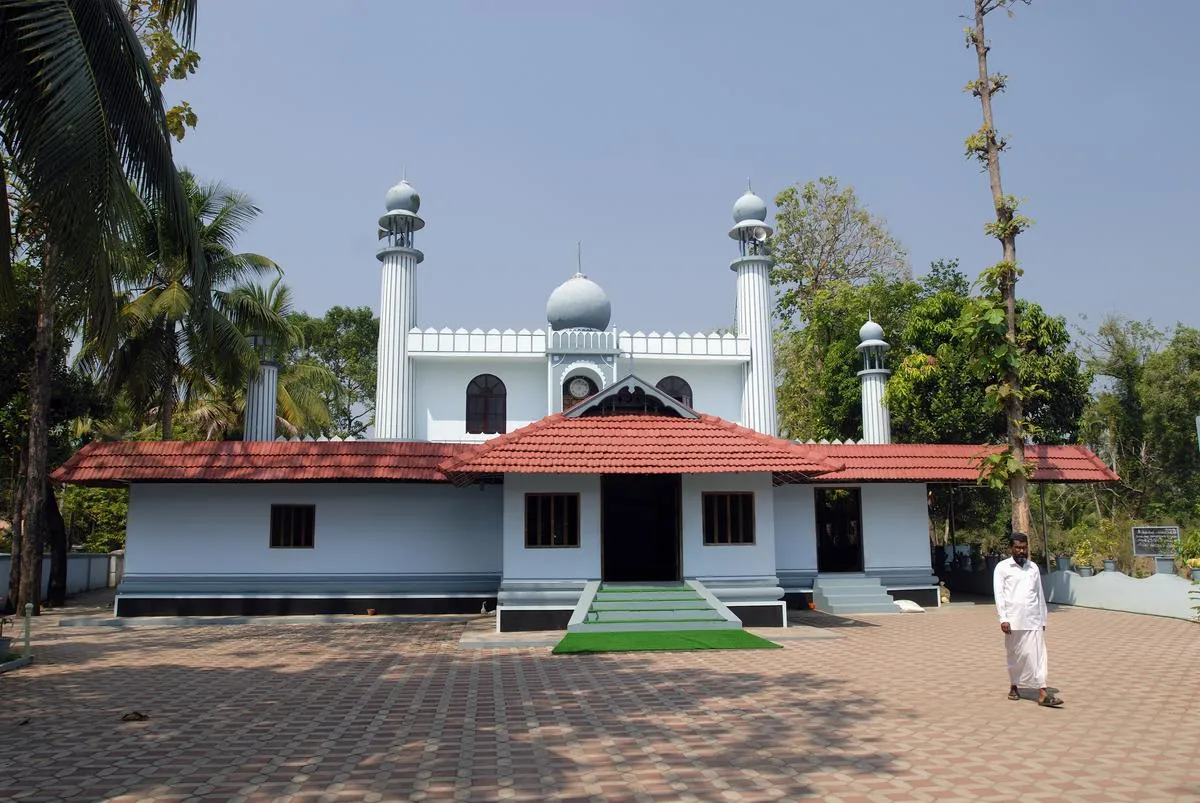
Cheraman Juma Masjid
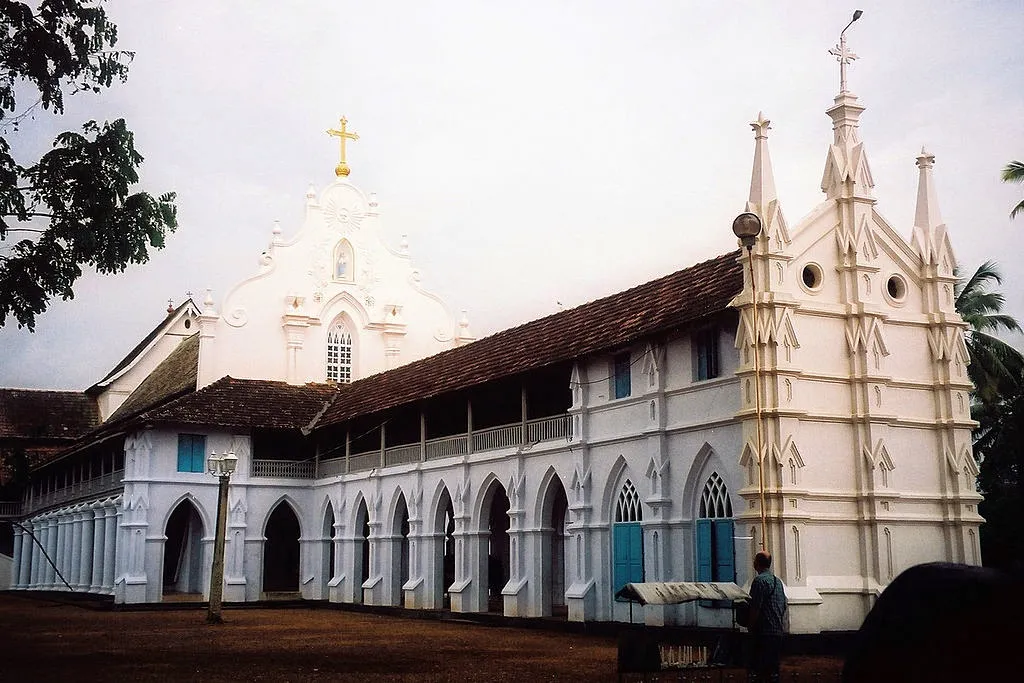
Palayur Church
These destinations are in close proximity to Vadakkunnathan Temple Thrissur and can be visited on the same trip.
Related Destinations
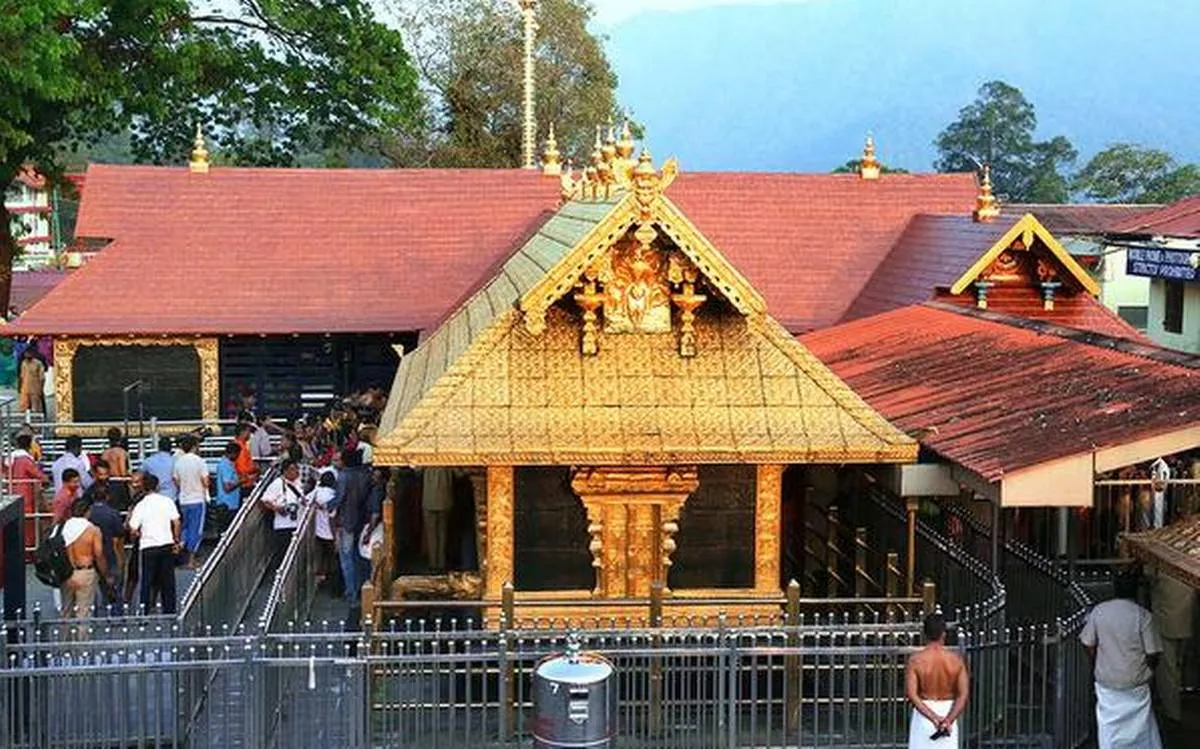
Sabarimala Temple
Guruvayur Temple
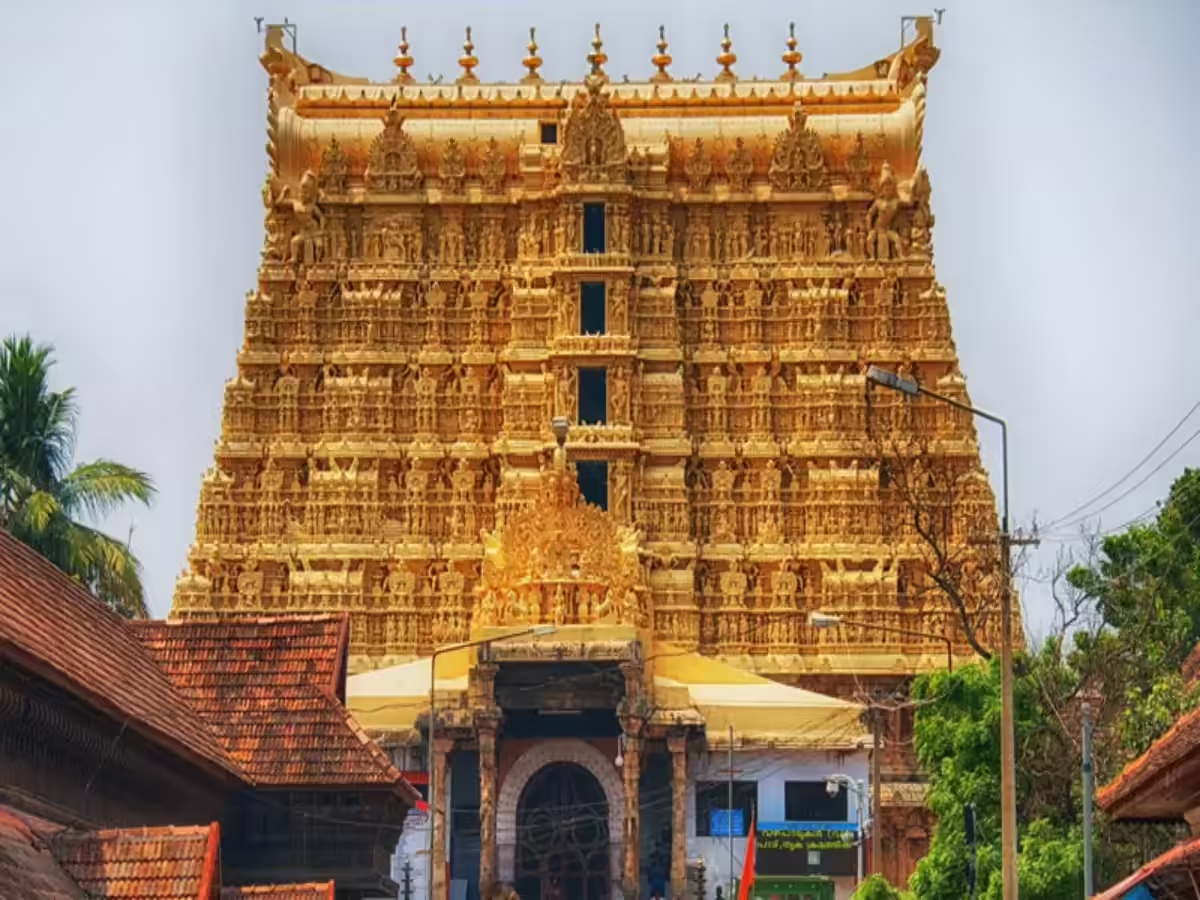
Padmanabhaswamy Temple
Ettumanoor Mahadeva Temple
Chottanikkara Temple
Parassinikadavu Muthappan Temple
Thirunelli Temple Wayanad
Koodalmanikyam Temple Irinjalakuda
Visit Information
Opening Hours
Entry Fee
Best Time to Visit
April to May (Thrissur Pooram Festival)
Location
Thrissur, Kerala, India
Contact
For inquiries: 0487-2426040
Share this destination:
 Translate