
Guruvayur Temple
About Guruvayur Temple
Guruvayur Temple: Kerala's Most Visited Krishna Shrine and the Dwarka of the South
Guruvayur draws more pilgrims on a typical day than most Indian temples see in a month. One of the four holiest Vaishnavite shrines in Kerala and counted among the 108 Abhimana Kshethrams of Vaishnavism, the Sree Krishna Temple at Guruvayur is dedicated to Lord Guruvayurappan — the child form of Lord Krishna — and is revered as one of the most powerful Krishna shrines in the world. The mythology behind it stretches to the creation of the universe; the tradition of pilgrimage here is documented for well over a thousand years; and the daily rituals still follow a protocol established centuries ago with a precision and continuity that gives the temple an atmosphere unlike any modernized pilgrimage site. For Hindu devotees, this is one of India's most significant religious journeys. For travelers approaching the temple with an appreciation for living tradition, it's one of Kerala's most remarkable heritage experiences.
This guide covers the temple's mythological and historical background, the complete 2026 darshan timings, dress code and entry rules, the Neyvilakku Special Darshan system and how to book it, the five daily rituals, the Punnathur Kotta elephant sanctuary nearby, how to get there, and a complete FAQ for first-time visitors.
Quick Facts Before You Go
- Location: Guruvayur town, Thrissur district, Kerala
- Deity: Lord Guruvayurappan (child form of Lord Krishna / Vishnu)
- Known as: Dwarka of the South, one of the 108 Abhimana Kshethrams of Vaishnavism
- Managed by: Guruvayur Devaswom Board, under the Government of Kerala
- Entry: Hindus only; non-Hindus are not permitted inside the temple premises
- General darshan: Free
- Special (Neyvilakku) Darshan: ₹1,000 per person (children under 10 free); family of 5: ₹4,500
- Darshan timings (2026): 3:00 AM – 12:30 PM and 4:30 PM – 9:15 PM daily; closed approximately 12:30 PM – 4:30 PM
- Online booking: guruvayurdevaswom.in
- Dress code: Strict traditional attire — see details below
- Distance from Thrissur: About 29 km
- Distance from Guruvayur Railway Station: About 1 km (short walk or auto)
- Distance from Cochin International Airport: About 80 km
The Mythology and History
The Name: Guru and Vayu
The name Guruvayur is said to combine the names of Brihaspati (Guru — preceptor of the gods) and Vayu (the wind god), who together are credited in temple legend with establishing this particular idol of Lord Vishnu / Krishna at this location. According to mythology, the idol was first worshipped by Lord Brahma in the celestial realm, then by Vishnu himself in Vaikuntha (the divine abode), then passed through the sage Kashyapa, then through the god Indra, and eventually entrusted to Guru (Brihaspati) and Vayu to find an appropriate earthly location. The spot they chose — guided by Lord Shiva — became Guruvayur.
The Idol: Considered Self-Manifested
The idol of Lord Guruvayurappan is regarded by devotees as one of the most ancient and powerful in the Vaishnavite tradition — not carved by human hands but manifested, and believed to embody the actual divine presence of Lord Krishna in the form worshipped by Brahma and the gods before being entrusted to earth. It depicts Vishnu in his four-armed standing form (Chathurbhuja), holding the conch, sudarshana chakra (discus), mace, and lotus — the four divine attributes. The idol is dressed, decorated, and unveiled in a sequence of rituals throughout the day, with each ritual marking a specific state of the deity's daily divine life.
Historical Documentation
While the temple's mythology projects its origins to before the current cosmic age, its documented history in inscriptions and literature begins in the 14th century CE, with references in the Kokasandesham (a 14th-century Malayalam literary work) establishing the temple as already a significant pilgrimage destination by that period. The temple survived a devastating attack in the 16th century and subsequent reconstruction, and has been continuously operative through Zamorin, Tipu Sultan, and British colonial periods, each leaving their mark on its documented history. The great Vaishnavite saint Poonthanam composed his celebrated Malayalam devotional work Jnanappana (Knowledge Song) at Guruvayur in the 17th century, deepening the temple's literary and spiritual significance in Kerala's cultural memory.
Darshan Timings (2026)
Daily Schedule
- Morning session: 3:00 AM to 12:30 PM
- Afternoon closure: Approximately 12:30 PM to 4:30 PM (some sources cite 1:00 PM closure)
- Evening session: 4:30 PM to 9:15 PM
The 3:00 AM opening is one of the earliest of any major temple in India, reflecting the antiquity of the daily ritual protocol. The very first visitors of each morning — those who arrive for the Nirmalyam darshan at opening — have an experience categorically different from the midday crowd. The 12:30–4:30 PM afternoon closure allows for temple maintenance and preparation of the evening rituals.
Five Daily Poojas and Three Sevelis
The temple follows a strict daily ritual schedule of five poojas (ritual worship services) and three Sevelis (processions of the deity) which have been observed continuously for centuries:
- Nirmalyam: 3:00 AM — the first ritual, removing the previous night's floral decoration from the deity
- Thiruvanandal (Abhishekam): From 3:30 AM — ritual bathing of the idol
- Ethirthu Nirthal: Morning darshan, the first public viewing of the deity after bathing and fresh decoration
- Pantheeraydi Pooja: 12:00 noon — the primary midday pooja before the afternoon closure
- Ucha Pooja: The afternoon ritual
- Aathaazha Pooja: Evening ritual
- Athazha Sheeveli: Evening procession of the deity before the final closure
The most atmospheric times to be in the temple are the very early morning rituals, when the crowd is thinnest and the ritual activity most intense, and the evening Aarti period before the 9:15 PM close, when the temple is lit with oil lamps and the chanting is at its most vibrant.
Darshan Options: Free, Special, and Senior
Free General Darshan
Open to all Hindu devotees at no charge throughout the standard visiting hours. Waiting time for general darshan is typically 1–3 hours on normal days and can extend significantly on weekends, Ekadasi days, and major festivals. The queue moves through the temple in a managed flow managed by the Guruvayur Devaswom Board.
Neyvilakku Special Darshan (VIP / Ghee Lamp Darshan)
The temple's premium darshan facility — officially named Neyvilakku (Sreekovil Ghee Lamp) Darshan, also commonly called Special Darshan or VIP Darshan in travel searches, though all these names refer to the exact same single service. The Neyvilakku Darshan allows the devotee to offer a ghee lamp and enter the Sreekovil (inner sanctum) directly, bypassing the general queue, for a closer darshan in approximately 10–15 minutes total.
- Cost: ₹1,000 per person; children under 10 free; family of 5: ₹4,500
- Online booking: guruvayurdevaswom.in — OTP-based login; requires each devotee's name, date of birth, gender, ID proof number, and Nakshatra (birth star)
- Booking steps: Login → Darshan → Ghee Lamp Darshan → select date and slot → enter devotee details → pay ₹1,000/person via UPI or card → download QR ticket to show at gate
- Advance booking needed: Weekend slots fill 7–10 days ahead; Guruvayur Ekadasi slots fill 2–3 weeks ahead — book as soon as the slot window opens
Senior Citizen Darshan (Free Priority Queue)
Devotees aged 60 and above receive free priority queue access at specified timings — typically around 5:00 AM to 8:00 AM and 4:30 PM to 6:00 PM on normal days, though this service is often suspended on festival days and may have reduced windows on weekends. Carry a valid government ID proof showing age to avail of this facility.
Dress Code: The Number-One Reason People Are Turned Away
The Guruvayur Temple has one of the strictest dress codes of any major temple in India — enforced rigorously at the entrance gate, with no exceptions made for foreign visitors or special circumstances. Dressing incorrectly is the most common reason first-time visitors are turned away.
- Men: Mundu / veshti (dhoti) with no shirt. An angavastram (upper cloth draped over the shoulder) is permitted but a shirt is not. Pants, jeans, shorts, t-shirts, kurtas, and all Western-style clothing are strictly prohibited. No shirt at all, not even a formal one.
- Women: Saree, half-saree, or churidar (salwar kameez) with dupatta. Set mundu (the traditional Kerala two-piece mundu with neriyath) is traditional and very much accepted. Jeans, leggings, Western dress, and sleeveless tops are not permitted.
- Practical note: Change into appropriate attire before arriving at the gate, not at the gate — the entrance checkpoint is not a changing room. Many hotels and lodges near the temple have changing facilities, and shops near the temple sell and sometimes rent appropriate attire.
Entry Restrictions
- Hindus only: Non-Hindu visitors are not permitted inside the temple premises under any circumstances. This restriction is enforced at the entry gate with ID checks on festival days and when staff suspect ambiguity. Non-Hindu visitors can see the temple's exterior architecture from the outside areas.
- No photography inside: Photography and videography inside the temple are strictly prohibited — including mobile phones once inside the inner areas. Lockers or secure storage for phones and cameras are available near the entrance.
- Footwear: Footwear must be removed before entering the temple complex; storage is available near the entrance.
Vazhipadu (Ritual Offerings) and Sevas
The Guruvayur Devaswom Board offers an extensive menu of Vazhipadu (devotional offerings) bookable online at guruvayurdevaswom.in, including:
- Thulabharam: A weighing ritual where the devotee is weighed against an equivalent quantity of rice, jaggery, or other items offered to the deity — one of the most popular ritual bookings at the temple
- Udayasthamana Pooja: A full-day sponsorship of the temple's daily rituals from sunrise to sunset — one of the most significant and costly offerings
- Kalyanam (Celestial Wedding): A ritual performed in the name of a devotee to seek blessings for marriage
- Ganapathi Homam, Sudarsana Homam, and many other individual ritual bookings
All current Vazhipadu options, timings, and pricing are listed at guruvayurdevaswom.in. Festival-period bookings fill very quickly — book several weeks in advance for Guruvayur Ekadasi and major festival days.
Guruvayur Ekadasi
The holiest day of the Guruvayur religious calendar — Ekadasi (the 11th day of the lunar fortnight) in the Malayalam month of Vrischikam (November–December) — draws the largest pilgrim numbers of the year. It is held that the gates of Vaikuntha (the divine abode) are open on this day and that darshan of Guruvayurappan on Ekadasi bestows liberation from the cycle of rebirth. Pilgrim numbers in the hundreds of thousands converge on the town over the surrounding days. Neyvilakku slots for Guruvayur Ekadasi must be booked 2–3 weeks in advance the moment the booking window opens on guruvayurdevaswom.in, or they will be unavailable.
Punnathur Kotta Elephant Sanctuary
About 3 km from the temple, the Punnathur Kotta (Anakkotta) elephant sanctuary houses 50–60 elephants belonging to and donated to the Guruvayur Temple. The elephants here serve a dual purpose: they participate in the temple's festival processions — including the famous Guruvayur Elephant Race and other ceremonial events — and they are maintained year-round by the Guruvayur Devaswom at this 11.5-acre campus on the grounds of what was once a palace of the Punnathur Zamorin. The sanctuary also has a small temple dedicated to Lord Shiva and Bhagavathy within the complex. Visiting hours are generally 9:00 AM to 5:00 PM.
A note for ethically-minded travelers: the Animal Welfare Board of India has conducted a formal study on the welfare conditions of the elephants at Punnathur Kotta and found several concerns, some of which remain unaddressed. This is documented information, not rumor, and visitors who care about animal welfare should be aware of it. How much weight you give this in your visit decision is a personal one, but it's worth knowing about before you arrive.
Mammiyoor Mahadeva Temple
Local tradition holds that a Guruvayur pilgrimage is spiritually incomplete without also visiting the Mammiyoor Mahadeva Temple — a Shiva temple located very close to the Krishna temple. This reflects the combined Shaiva-Vaishnava tradition of the region, where Vishnu/Krishna and Shiva are venerated alongside each other rather than as competing deities. Most Guruvayur devotees include the Mammiyoor temple in their visit as a matter of course.
Getting to Guruvayur
By Train
Guruvayur Railway Station (GUV) is about 1 km from the temple — an easy 10-minute walk or short auto-rickshaw ride. The station has limited direct connectivity, primarily serving the coastal Kerala rail network. For trains from major cities (Chennai, Bengaluru, Mumbai, Delhi, Kochi), the better-connected major station is Thrissur (TCR), about 28–29 km from Guruvayur, from where a taxi or KSRTC bus covers the remaining distance in approximately 45 minutes.
By Road
Guruvayur is about 4 km off NH-66, the coastal highway running through Kerala. Frequent KSRTC and private buses run from Thrissur (about 45 minutes), Kochi (about 2 hours), Kozhikode (about 2.5 hours), and other major Kerala cities to the Guruvayur Bus Stand, which is approximately a 5-minute walk from the temple. Self-drive and taxis are both practical options — parking is available near the temple, though it gets difficult during festival periods.
By Air
Cochin International Airport (COK), about 80 km from Guruvayur, is the nearest major airport — approximately 2 hours by taxi. For direct international flights from the Gulf, Thiruvananthapuram (TRV), Kozhikode (CCJ), and Kannur (CNN) are additional options depending on origin, with road distances of 250–300 km from Guruvayur.
From the United States
No direct US flights reach anywhere near Guruvayur. The practical route is to fly via a major Gulf hub (Dubai, Doha, Abu Dhabi) or Singapore into Cochin International Airport, then cover the 80 km to Guruvayur by taxi.
Where to Stay
The Guruvayur Devaswom Board operates its own guest houses and rest houses near the temple, bookable on guruvayurdevaswom.in — the most convenient option for pilgrims who want to be closest to the temple for early morning darshan. The town itself has numerous private hotels and lodges at every price point. Book well in advance for festival periods, when the town fills completely.
Best Time to Visit
- Guruvayur Ekadasi (November–December): The holiest single day; book everything months ahead
- Janmashtami (August): Krishna's birth celebration — one of the temple's biggest annual events
- Vishu (April): Kerala's New Year, a major festival period
- November to February: Most comfortable weather window for the overall visit
- Weekday mornings outside festival periods: The most peaceful darshan experience, with shortest queues and the best access to the early-morning rituals
Frequently Asked Questions
Can non-Hindus enter Guruvayur Temple?
No. Entry is restricted to Hindu devotees only. Non-Hindu visitors may view the temple's exterior architecture from the outside but are not permitted inside the premises under any circumstances. ID proof is checked on festival days and when there is ambiguity at the entry gate.
What are the Guruvayur Temple darshan timings in 2026?
3:00 AM to 12:30 PM (morning session) and 4:30 PM to 9:15 PM (evening session), with an afternoon break from approximately 12:30 PM to 4:30 PM. These timings are consistent year-round but may extend slightly during major festivals.
Is there an entry fee for Guruvayur Temple?
General darshan is free. The Special (Neyvilakku) Darshan costs ₹1,000 per person for a faster, closer darshan experience inside the inner sanctum. Children under 10 are free for the special darshan; a family of 5 pays ₹4,500.
What is Neyvilakku Darshan and how is it different from VIP Darshan?
They are the same thing — different names for the single premium darshan service offered by the Guruvayur Devaswom. Neyvilakku (Ghee Lamp Darshan) is the official temple name; VIP Darshan and Special Darshan are common travel-search terms for the same service. It allows devotees to bypass the general queue and enter the Sreekovil (inner sanctum) directly to offer a ghee lamp and receive a close darshan in approximately 10–15 minutes.
How do I book Neyvilakku Darshan online?
Visit guruvayurdevaswom.in, register or log in with your mobile number (OTP-based), navigate to Darshan → Ghee Lamp Darshan, select your date and slot, enter each devotee's name, date of birth, gender, ID proof number, and Nakshatra (birth star), pay ₹1,000 per person via UPI or card, and download the QR code ticket. Show the QR code at the temple gate on the day of visit.
How far in advance should I book for Guruvayur Ekadasi?
2–3 weeks in advance, the moment the booking window for that date opens on guruvayurdevaswom.in. Slots fill within hours of opening for Ekadasi. For regular weekends, booking 7–10 days ahead is advisable.
What is the dress code for men at Guruvayur Temple?
Men must wear a mundu/veshti (dhoti) with no shirt — an angavastram (upper cloth) is permitted over the shoulder, but no shirt at all. Pants, jeans, shirts, t-shirts, kurtas, and all Western-style clothing are strictly prohibited. This is non-negotiable and will result in being turned away at the gate.
What is the dress code for women at Guruvayur Temple?
Women must wear a saree, half-saree, or churidar (salwar kameez with dupatta). Set mundu with neriyath (the traditional Kerala style) is also fully accepted. Jeans, leggings, Western dress, and sleeveless tops are not permitted.
Can I take photos inside Guruvayur Temple?
No. Photography and videography, including mobile phone photography, are strictly prohibited inside the temple. Lockers or storage for phones and cameras are available near the entrance.
What is the best time of day to visit?
The 3:00 AM opening for Nirmalyam darshan is the most spiritually significant and least crowded time. Morning visits between 3:00 AM and 8:00 AM are consistently recommended for the most peaceful experience. Evening darshan from 4:30 PM onward is more visually vibrant with active Aarti and lamp-lighting rituals. Avoid midday and late morning on weekends.
How far is Guruvayur from Thrissur?
About 29 km, roughly 45 minutes by road. Thrissur (TCR) is the nearest major railway station with extensive connections to Chennai, Bengaluru, Kochi, and other major cities.
How far is the nearest airport?
Cochin International Airport (COK), about 80 km away, roughly 2 hours by taxi.
What is Punnathur Kotta?
The elephant sanctuary of Guruvayur Temple, located 3 km from the temple, housing 50–60 elephants donated to Lord Guruvayurappan by devotees. Open 9:00 AM to 5:00 PM. The elephants participate in the temple's festival processions. A formal Animal Welfare Board of India study has raised concerns about elephant welfare conditions at the facility — visitors with animal welfare concerns should be aware of this documented finding.
What is the Mammiyoor Temple connection?
Local tradition holds that a Guruvayur pilgrimage is spiritually complete only when combined with a visit to the Mammiyoor Mahadeva Temple (a Shiva temple very close to the Krishna temple). Most devoted pilgrims include both in a single visit.
Do I need to know my Nakshatra (birth star) to book online?
Yes — the Neyvilakku Darshan online booking requires each devotee's Nakshatra as part of the registration. If you don't know your Nakshatra, check with an older family member or a Hindu priest, or look it up by date of birth using one of several online Nakshatra calculators.
The Takeaway
Guruvayur demands more preparation than most temple visits in India — strict dress code, online booking for the premium darshan well in advance, arrival before the crowds build, and the correct religious identification at the gate. All of that preparation pays off the moment the sanctum opens and the decorated idol of Guruvayurappan comes into view in the lamplight. This is one of the few temples in India where the continuity of daily ritual practice — unchanged in essential form for centuries — is something you can actually feel rather than just read about. Arrive before dawn if at all possible, book the Neyvilakku darshan in advance if queue time is a concern, dress correctly before you leave your hotel, and leave your phone in the locker at the gate.
Photo Gallery
What you'll experience
- 1
Witness morning 'Nirmalyam' rituals
- 2
Attend temple elephant processions
- 3
Experience the rhythm of devotional music
- 4
Visit the nearby Punnathur Kotta Elephant Sanctuary
Explore More
Nearby Destinations
Koodalmanikyam Temple Irinjalakuda
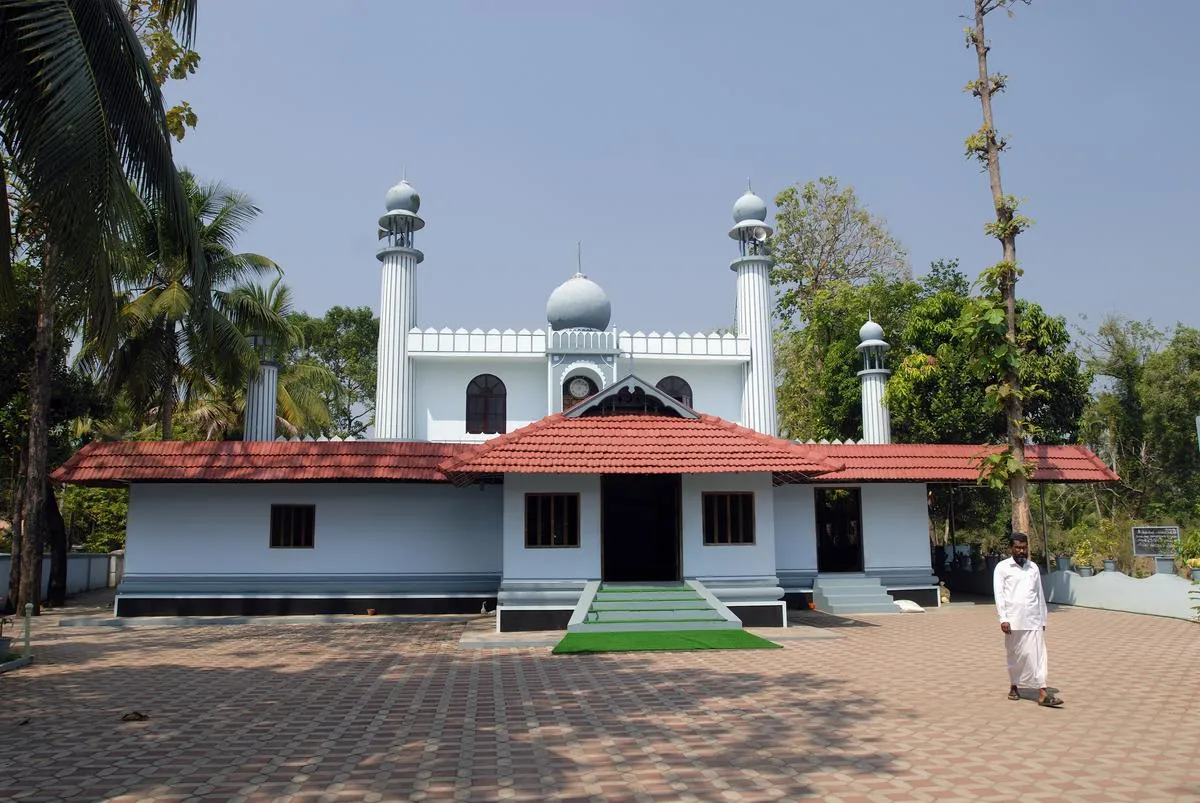
Cheraman Juma Masjid
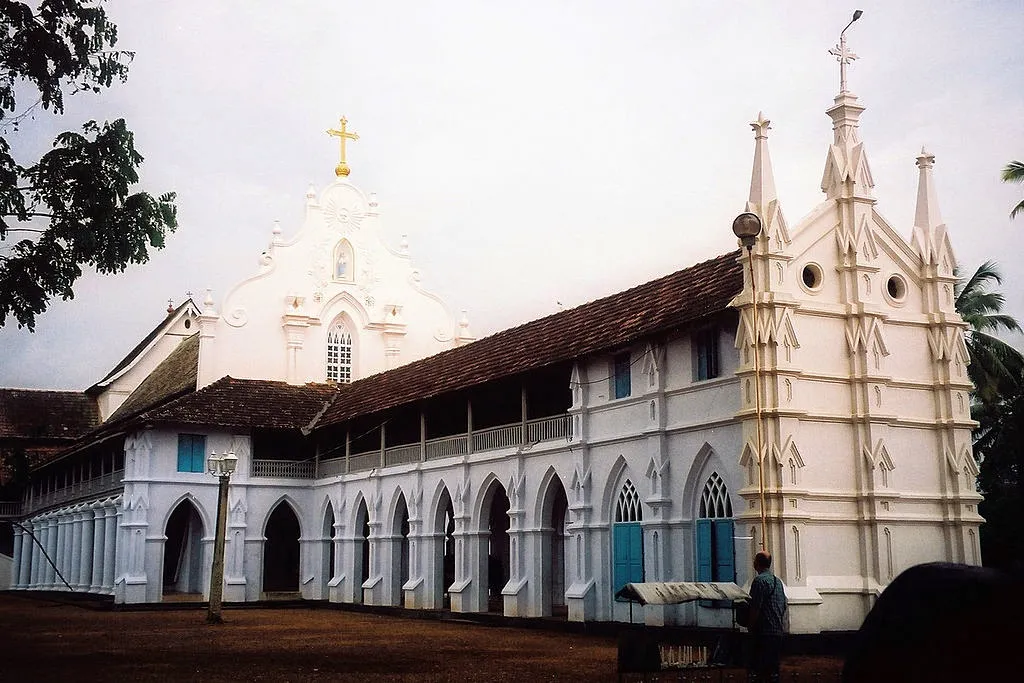
Palayur Church
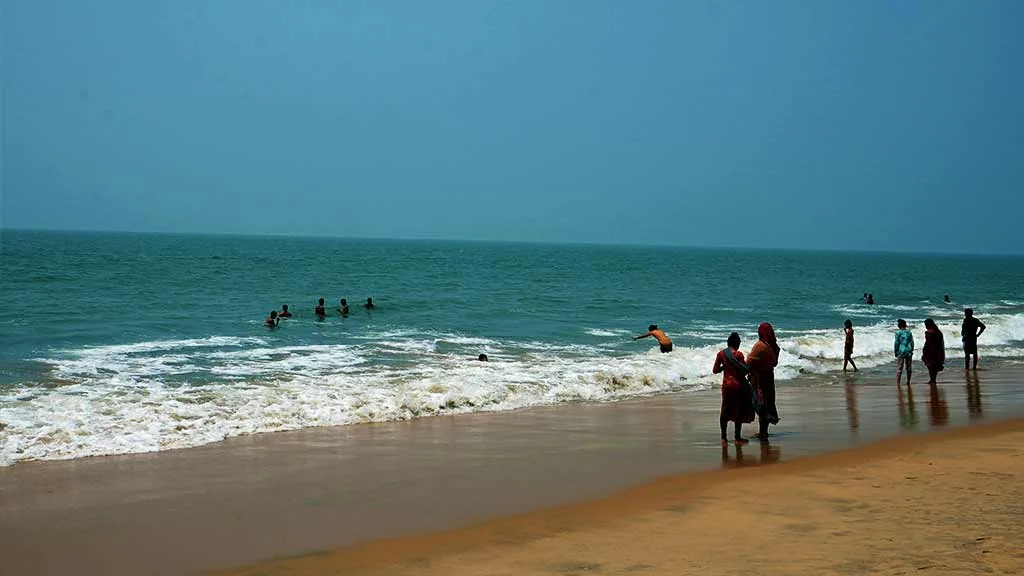
Snehatheeram Beach
These destinations are in close proximity to Guruvayur Temple and can be visited on the same trip.
Related Destinations
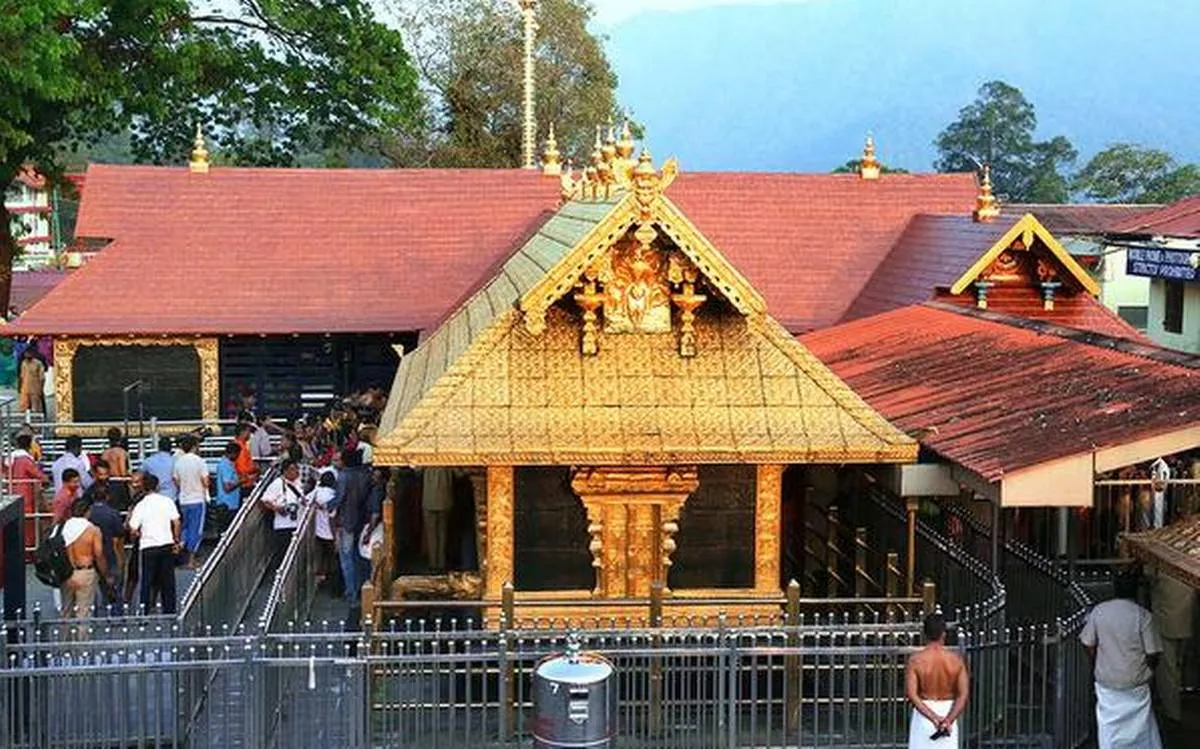
Sabarimala Temple
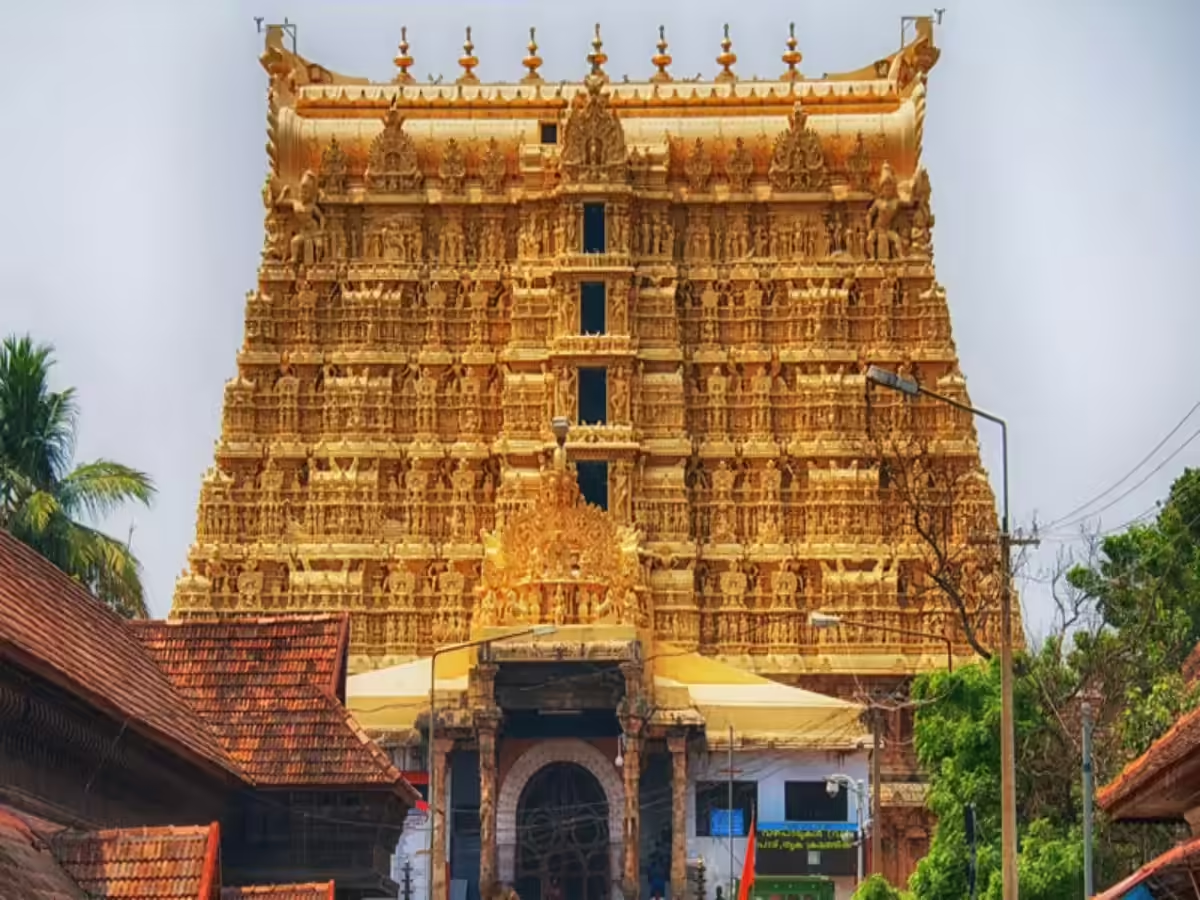
Padmanabhaswamy Temple
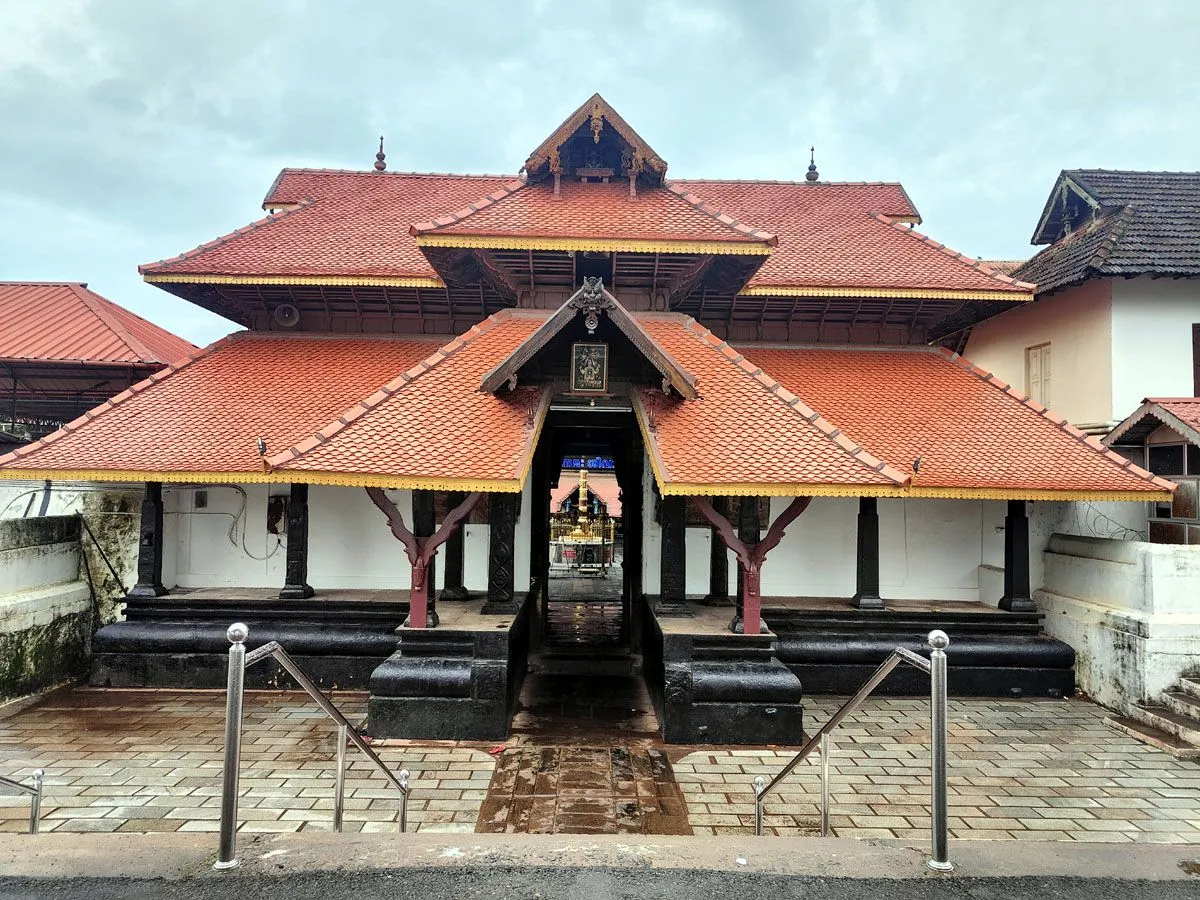
Ettumanoor Mahadeva Temple
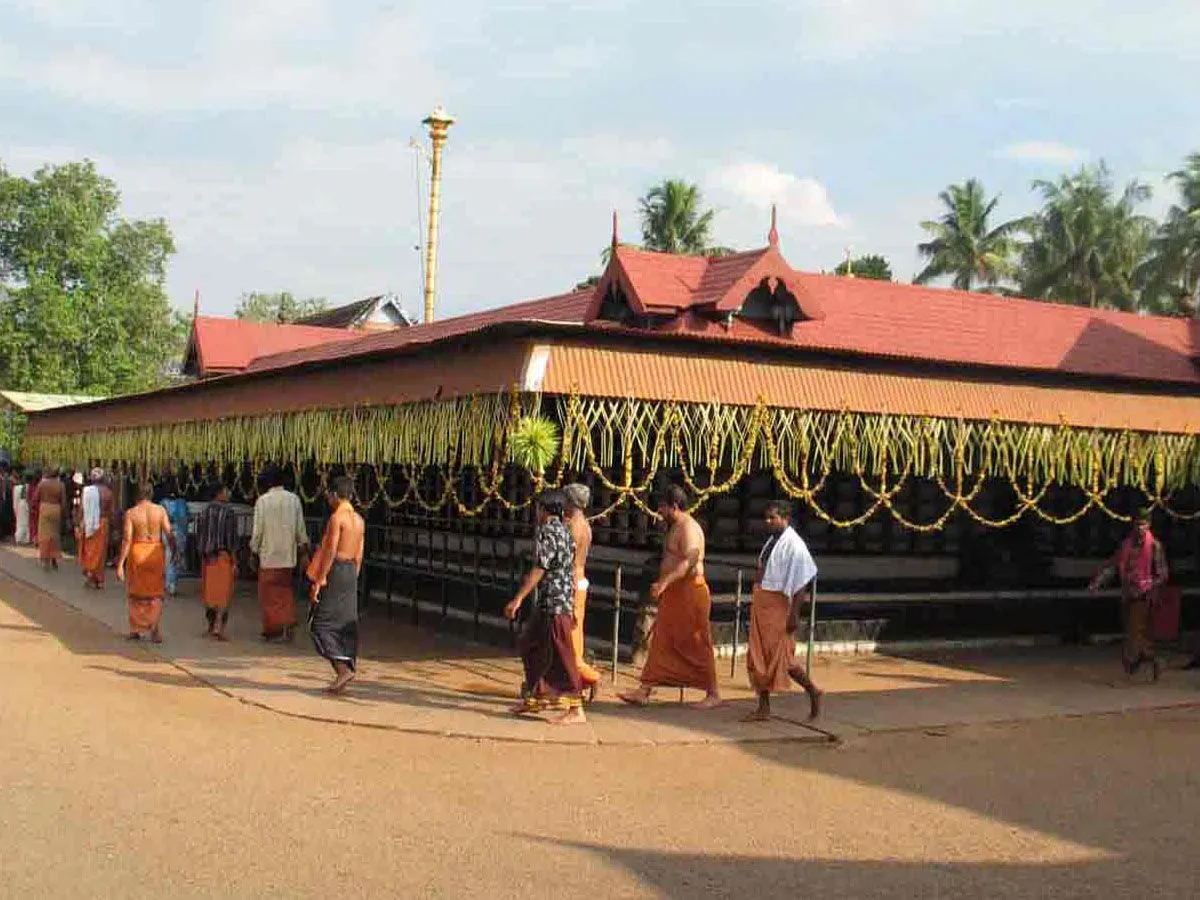
Chottanikkara Temple
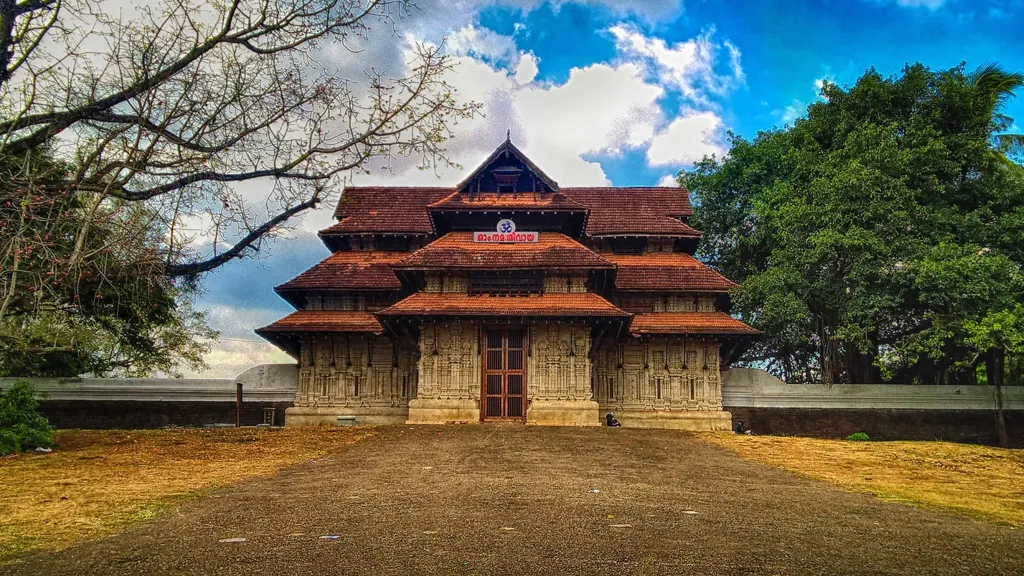
Vadakkunnathan Temple Thrissur
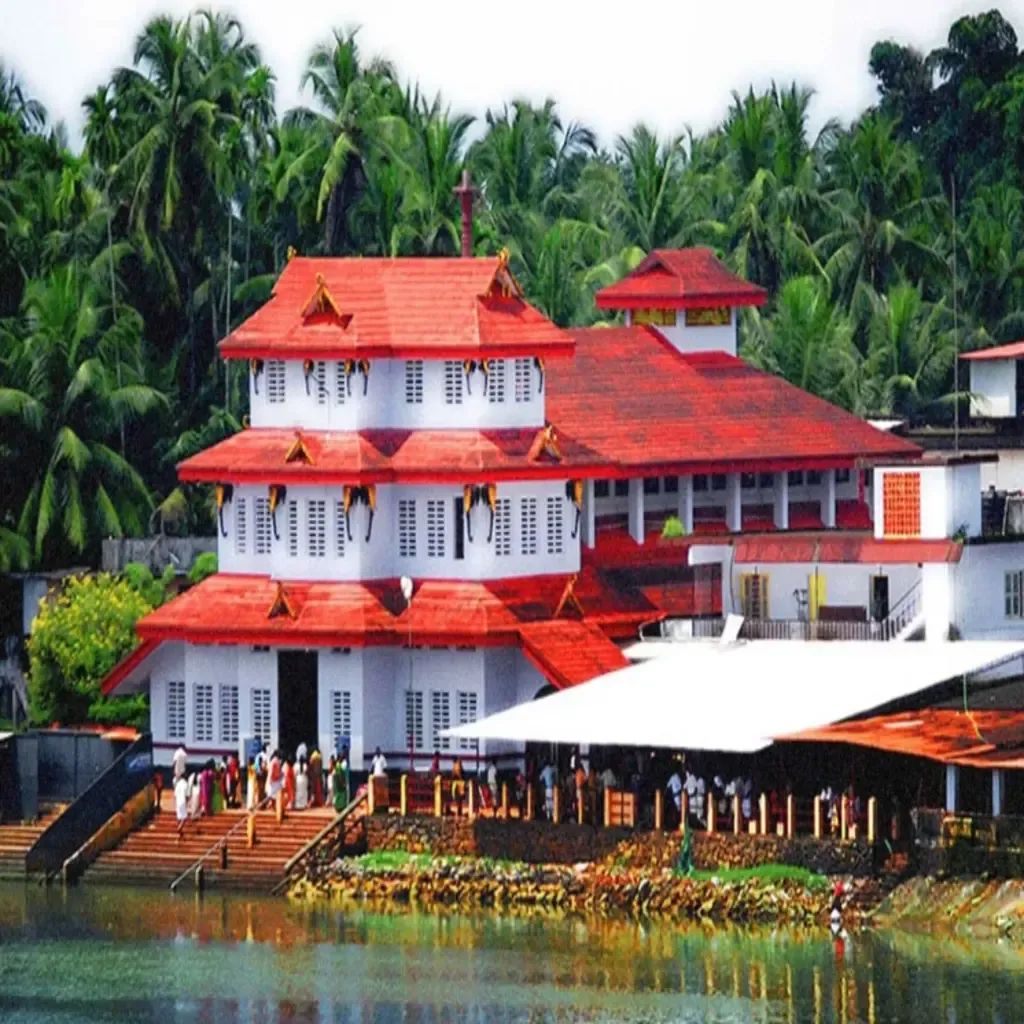
Parassinikadavu Muthappan Temple
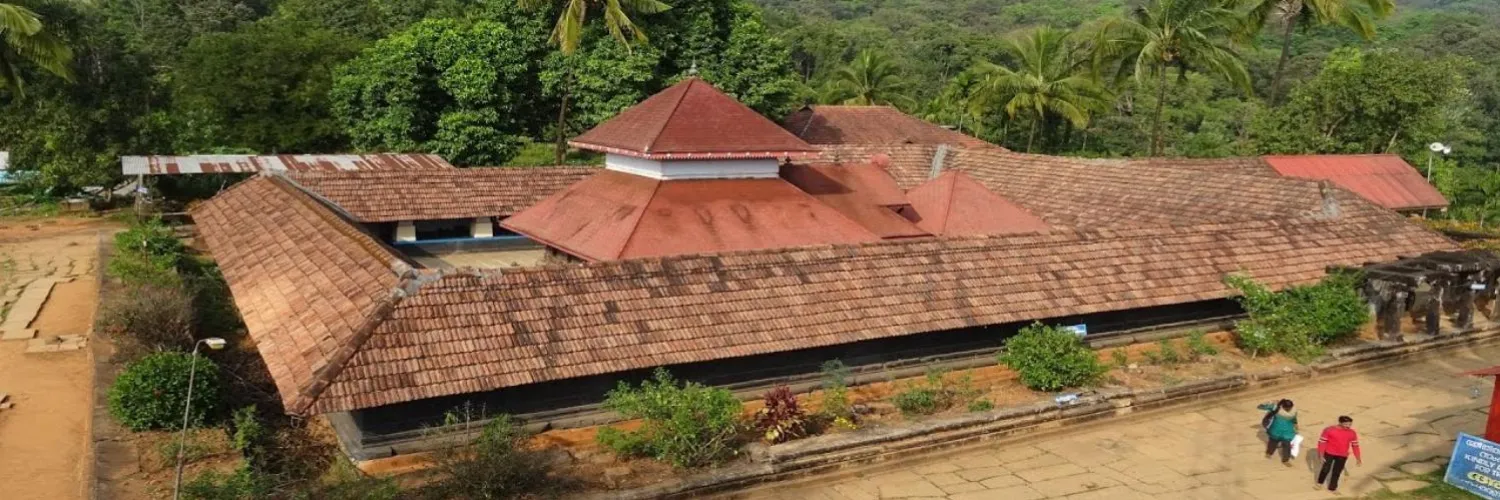
Thirunelli Temple Wayanad
Koodalmanikyam Temple Irinjalakuda
Visit Information
Opening Hours
Entry Fee
Best Time to Visit
October to February
Location
Thrissur District, Kerala, India
Contact
For inquiries: 0487-2556335
Share this destination:
 Translate