
Chottanikkara Temple
About Chottanikkara Temple
Introduction to Chottanikkara Temple
Set amid quiet paddy fields and low hills roughly 20 km southeast of Kochi, the Chottanikkara Bhagavathy Temple is one of Kerala's most visited and most spiritually significant pilgrimage sites. Dedicated to the Mother Goddess in her forms as Saraswathi, Lakshmi, and Durga, the temple draws hundreds of thousands of devotees every year — many of them seeking the goddess's renowned healing powers, particularly for mental and emotional afflictions. For heritage and cultural travelers, including NRI visitors of Kerala origin returning to reconnect with family tradition, Chottanikkara offers a rare window into one of India's most distinctive living devotional practices.
Unlike temples visited primarily for their architecture, Chottanikkara's real draw is its atmosphere: the rhythmic chanting, the ritual fire offerings, the steady stream of devotees performing ancient healing rites, and the quiet intensity of a shrine that has functioned as a spiritual and psychological refuge for over a thousand years. Its proximity to Kochi — Kerala's commercial and travel gateway — makes it an easy half-day addition to any Kochi-based itinerary, whether you're a first-time visitor exploring Kerala's temple culture or a pilgrim making a dedicated visit.
Because Kochi functions as the arrival point for the vast majority of international visitors to Kerala, Chottanikkara ends up being one of the most accessible major pilgrimage temples in the entire state — no long highland drive, no overnight backwater transfer, just a short trip from wherever you're already staying in the city. That accessibility, paired with the depth of its living traditions, is exactly what makes it worth setting aside real time for rather than treating it as a rushed roadside stop.
This guide covers the temple's history and legends, how to get there from Kochi and its airport, the best time to visit, key attractions and rituals, food, hotels, a realistic itinerary, nearby places, practical travel tips, and answers to the questions travelers most often ask before visiting.
History of Chottanikkara Temple
Chottanikkara's origins are wrapped in a rich body of oral legend that blends devotional history with folklore, and different accounts date the temple's founding anywhere from the 8th to the 10th century CE, making it well over a thousand years old by most traditional reckonings. What sets Chottanikkara apart from many equally ancient Kerala temples is how continuously and prominently these founding legends still shape the temple's ritual life today — the goddess's three daily forms, the division between the Mekkavu and Keezhkkavu shrines, and the temple's reputation for healing all trace directly back to the stories passed down through generations of priests and devotees.
The Legend of Kannappan
The most widely told origin story centers on Kannappan, a forest-dwelling tribesman and devoted worshipper of Goddess Kali who lived in the dense woodland that once covered this area. According to tradition, Kannappan performed weekly offerings to the goddess, and his intense devotion is said to have eventually drawn the goddess's presence to the site.
The Stone That Bled
A second widely repeated legend describes how, sometime after Kannappan's death, a local grass-cutter accidentally struck a stone in the forest with her sickle, and blood is said to have flowed from it. Alarmed villagers summoned a priest, who performed a ritual divination (Devaprasnam) and determined that the stone was divine — marking the spot where the temple would eventually be built.
The Adi Shankaracharya Connection
Temple tradition also links Chottanikkara to the 8th-century philosopher-saint Adi Shankaracharya, who is said to have felt that Kerala lacked a temple dedicated to Goddess Mahasaraswati and to have brought the deity's presence here, according to some accounts, from the Mookambika Temple in Kollur, Karnataka. This is why the goddess is worshipped specifically as Saraswathi during the early morning hours, before transitioning to her Lakshmi and Durga forms as the day progresses.
Two Shrines, One Goddess
The temple complex is historically divided into two connected sections: the Mekkavu (upper shrine), dedicated to the gentle, benevolent form of the goddess as Saraswathi, Lakshmi, and Durga, and the Keezhkkavu (lower shrine), associated with her fierce form as Bhadrakali. This dual structure — one shrine of grace, one of formidable protective power — is central to understanding the temple's unique devotional character and its long-standing reputation as a place of healing.
Continued Patronage
Over the centuries, the temple received support and renovation from successive ruling powers, including the Kingdom of Cochin, and it is managed today by the Cochin Devaswom Board. Despite renovations, the temple has retained its traditional Kerala architectural character, built primarily in wood by the region's hereditary Vishwakarma Sthapathi craftsmen.
Why Chottanikkara Resonates with Diaspora Visitors
For many Malayali families settled abroad, Chottanikkara holds a personal significance that goes well beyond general sightseeing. Families often time visits to Kerala specifically around milestone rituals here — a child's Choroonu, a prayer for a family member's health, or simply an annual visit to reconnect with a devotional practice passed down through generations. That layered, deeply personal relationship with the temple is part of what makes it feel different from many other stops on a typical Kerala tourist circuit, and it's worth approaching a visit with that context in mind, even as a first-time observer.
How to Reach Chottanikkara Temple
Chottanikkara's proximity to Kochi makes it one of the more convenient major pilgrimage temples in Kerala to reach, whether arriving by air, rail, or road, and unlike many of Kerala's more remote hill or backwater temples, it requires no lengthy or complicated transfer to access.
By Air
- Cochin International Airport (COK) is the nearest airport, roughly 30-38 km away depending on the exact route taken, and is well connected internationally, including flights from the US via Gulf and European hub cities.
- Pre-paid taxis and app-based cabs are readily available from the airport for the roughly 45-60 minute drive to the temple.
By Train
- Ernakulam Junction and Ernakulam South Railway Station are the two closest major stations, each roughly 16-18 km from the temple, and both are well connected to major Indian cities including Chennai, Bengaluru, Mumbai, and Delhi.
- From either station, taxis, auto-rickshaws, and local buses connect onward to Chottanikkara.
By Road
- KSRTC and private buses run regularly between Ernakulam's main bus stations and Chottanikkara, making public transport a viable option for budget travelers, with services generally frequent enough to avoid long waits during daytime hours.
- Taxis and self-drive rentals from Kochi typically take about 45 minutes to an hour, depending on traffic through the city's southern suburbs.
- App-based ride services operate reliably throughout the Kochi metropolitan area, including the route out to Chottanikkara, making them a convenient option for travelers without a pre-arranged driver.
For NRI and US-Based Travelers
If Chottanikkara is part of a Kerala trip starting in the US, the simplest approach is to fly into Cochin International Airport, base yourself in Kochi city for a night or two, and take a half-day trip out to the temple by hired car or taxi. This pairs naturally with a broader Kochi sightseeing day covering Fort Kochi, Mattancherry, and the historic Jew Town area.
Best Time to Visit Chottanikkara Temple
Ideal Months: October to March
As with most of Kerala, the cooler, drier months from October through March offer the most comfortable conditions for temple visits and onward sightseeing around Kochi. Daytime temperatures during this window are generally pleasant for walking around the temple complex and combining the visit with Kochi city sightseeing, without the heavy humidity that characterizes Kerala's summer months.
Months to Approach with Caution
- April–May: Hot and humid, though the temple remains fully functional and this period is workable for a shorter, focused visit.
- June–September (Southwest Monsoon): Kerala's monsoon season brings heavy, sometimes prolonged rainfall, which can affect road travel between Kochi and Chottanikkara, though the temple itself continues normal operations throughout.
Makam Thozhal Festival (February–March)
The temple's most important annual festival is Makam Thozhal, celebrated on the Makam star day in the Malayalam month of Kumbham (roughly mid-February to mid-March). The festival draws enormous crowds and is considered one of the most significant dates on the temple's ritual calendar, making it a powerful but crowded time to visit. Devotees travel from across Kerala and beyond specifically for this occasion, and the surrounding town takes on a distinctly festive, high-energy atmosphere for its duration.
Navarathri (September–October)
As a major Devi (goddess) temple, Chottanikkara also sees significant footfall during Navarathri, the nine-night festival honoring the divine feminine, along with Thrikkarthika and Deepavali later in the year.
Tuesdays and Fridays
Within the regular weekly calendar, Tuesdays and Fridays are considered especially auspicious for worship of the goddess, and devotee numbers are noticeably higher on these days — worth knowing whether you're hoping for a quieter visit or specifically want to experience the temple at its most active. Many devotees also observe a pattern of returning on these particular days for extended periods, so expect a livelier, more crowded atmosphere if your visit happens to fall on one.
Daily Darshan Timings
The temple typically opens for morning darshan around 4:00 AM, continuing through midday, and reopens for an evening session in the late afternoon through around 8:00 PM, with some closure in between. Timings can shift around festivals, so confirming current hours before visiting is advisable, particularly if you're planning to arrive very early to see the Saraswathi form of the goddess at the start of the day.
Top Attractions and Rituals
Chottanikkara's significance lies less in grand architecture and more in its living rituals, sacred spaces, and the palpable devotional energy that surrounds them. Understanding a few of its key elements helps visitors appreciate what they're seeing well beyond a typical sightseeing stop.
The Mekkavu Shrine
The upper shrine houses the main, benevolent form of the goddess and is where the majority of daily worship and the triune Saraswathi-Lakshmi-Durga rituals take place across the course of the day. Most first-time visitors spend the bulk of their darshan time here, following the queue through to the main sanctum before circling the surrounding subordinate shrines.
The Keezhkkavu Shrine
The lower shrine, dedicated to the fierce Bhadrakali form of the goddess, is closely associated with the temple's healing and exorcism traditions and carries a distinctly different, more intense devotional atmosphere than the Mekkavu. Visitors often notice the shift in energy between the two shrines even without understanding the full ritual context, making a visit to both an instructive way to appreciate the temple's dual character.
The Original Swayambhu Idol
The temple's principal idol, roughly four feet tall and carved from red laterite, is considered swayambhu — self-manifested rather than man-made — and faces east, forming the spiritual core around which the entire complex is built. Devotees regard this self-manifested origin as central to the temple's spiritual power and its long-standing reputation for granting the prayers of those who visit with sincere devotion.
The Guruthi and Healing Rituals
Chottanikkara is best known nationally for its association with healing rites for mental distress and what devotees describe as spirit affliction. These rituals, including the guruthi offering, are performed by temple priests as part of a centuries-old devotional tradition, and travelers interested in Kerala's religious culture often find witnessing them (respectfully, from designated areas) one of the most striking parts of a visit. These are religious and cultural practices rather than medical treatments, and families dealing with genuine mental health concerns should still seek qualified medical care alongside any spiritual practice they choose to observe.
Traditional Wooden Temple Architecture
Despite centuries of renovation, the temple retains the hallmarks of classical Kerala temple design — sloping tiled and copper roofs, carved wooden pillars, and the layered courtyard structure typical of temples built by the region's hereditary Vishwakarma craftsmen. Architecture enthusiasts will find plenty to appreciate here even setting aside the temple's religious significance.
The Upadevas
Alongside the main goddess shrines, the temple complex houses subordinate deities including Lord Shiva, Ganapathi, and Sri Dharma Sastha, each with dedicated shrines that devotees typically visit as part of a complete darshan circuit.
The Temple Tank and Surrounding Grounds
Like most major Kerala temples, Chottanikkara maintains a temple tank used traditionally for ritual purification, along with open courtyard grounds that host the temple's larger festival gatherings. These spaces, quieter outside of festival days, offer visitors a chance to simply sit and take in the temple's layout and atmosphere at a slower pace than the main darshan queues allow.
Rituals and Spiritual Significance
Chottanikkara's daily and annual ritual calendar is one of the most elaborate among Kerala's goddess temples, and a basic understanding of it adds real depth to a visit.
The Triune Daily Worship
Each day, the goddess is worshipped in three distinct forms tied to specific hours: Saraswathi, goddess of knowledge, in the early morning; Lakshmi, goddess of prosperity, at midday; and Durga, the fierce protector, in the evening. This progression is said to mirror the changing energies of the day itself, and devotees often time their visits around the particular form of the goddess they wish to seek blessings from.
Anna Prasam and Choroonu
Like many major Kerala temples, Chottanikkara is a popular venue for Choroonu, the traditional first solid-food feeding ceremony for infants, performed here as a blessing-seeking ritual by families from across the state and diaspora communities returning to Kerala specifically for the occasion. Families often plan an entire trip home around this single ceremony, underscoring how central the temple remains to major Kerala family milestones even for those living far outside the state.
Bhajana Tradition
Devotees seeking sustained spiritual practice sometimes undertake bhajana — an extended period of prayer, fasting, and meditation while residing on or near the temple grounds — a tradition that continues to draw pilgrims from across South India and the diaspora.
Hidden Gems Around Chottanikkara
Beyond the main shrines and rituals, a few quieter corners of Chottanikkara and its surroundings reward travelers willing to slow down.
The Quiet Approach Roads
The paddy fields and narrow village lanes surrounding the temple offer a glimpse of rural Ernakulam life that stands in sharp contrast to the bustle of nearby Kochi — worth a slow walk if time allows.
Overnight Bhajana for Visitors
Devotees who stay overnight near the temple to observe bhajana firsthand offer a uniquely immersive, less-touristed way to experience the site's spiritual atmosphere, typically arranged through local guesthouses catering to pilgrims.
Hill Palace, Tripunithura
A short drive from Chottanikkara, this former royal residence of the Kochi royal family now functions as an archaeological museum, showcasing traditional Kerala palace architecture, royal artifacts, and manuscripts, along with landscaped grounds and a small zoo — an interesting, lesser-visited complement to a temple-focused day and one that many travelers exploring the Chottanikkara area overlook entirely.
Things to Do in and Around Chottanikkara
While the temple itself is the main draw, its location within easy reach of Kochi means there's plenty to round out a half-day or full-day visit, blending devotional, cultural, and leisure experiences.
- Attend morning or evening darshan at the Mekkavu shrine to experience the daily triune worship of the goddess.
- Observe (respectfully, from designated visitor areas) the temple's healing rituals at the Keezhkkavu shrine.
- Take a quiet walk through the surrounding paddy fields and village lanes.
- Combine the visit with a half-day trip into Kochi city to explore Fort Kochi, Mattancherry Palace, and Jew Town.
- Visit the Hill Palace Museum in nearby Tripunithura for a dose of Kerala royal history.
- Time your trip around Navarathri or Makam Thozhal for a fuller festival experience, crowds permitting.
- Sample traditional Kerala vegetarian temple food at eateries near the temple complex.
Local Food to Try
A Chottanikkara visit, especially when paired with a Kochi stay, is a good opportunity to sample the range of Kerala's regional cuisine, from simple temple-town vegetarian fare to the city's more cosmopolitan, seafood-driven dining scene.
Temple-Style Vegetarian Fare
- Sadya — Kerala's traditional multi-course vegetarian meal served on a banana leaf, widely available at eateries around major pilgrimage sites.
- Payasam — a sweet, milk- or coconut-based pudding often offered as prasadam or sold nearby as a temple-town specialty.
- Puttu and kadala curry — a classic Kerala breakfast pairing of steamed rice cake and spiced black chickpea curry.
Kochi City Specialties
Since most visitors combine Chottanikkara with a Kochi city stay, it's worth setting aside a meal or two in Kochi for the region's celebrated seafood — Kerala-style fish curry, prawn roast, and grilled karimeen (pearl spot fish) — along with the multicultural food scene shaped by Kochi's Portuguese, Dutch, and Jewish trading history.
Tips for US and International Travelers
Vegetarian and vegan travelers will find it easy to eat well around the temple itself, as pilgrimage towns across Kerala maintain a strong tradition of pure-vegetarian meals restaurants. Kochi city offers a much broader range of cuisines, including international options, for travelers wanting more variety after a temple-focused day.
Spices and Souvenirs
A trip that pairs Chottanikkara with Kochi's Jew Town area is a good opportunity to pick up Kerala spices — cardamom, black pepper, cloves, and cinnamon — directly from historic spice trading shops, along with handicrafts, antiques, and traditional brass items that make for meaningful souvenirs of the trip.
Where to Stay: Hotels Near Chottanikkara
Chottanikkara itself is a small pilgrimage town with limited high-end lodging, so most leisure travelers base themselves in nearby Kochi city, which offers far more variety in accommodation, dining, and evening activities.
Pilgrim Guesthouses and Budget Lodges
Simple guesthouses and lodges near the temple cater primarily to pilgrims, particularly those staying overnight for bhajana or early-morning darshan, and offer a no-frills, budget-friendly base close to the shrine.
Kochi City Hotels
Most leisure and international travelers prefer to base themselves in Kochi city, roughly 45-60 minutes away, where hotel options range from budget guesthouses to internationally branded business and luxury hotels, along with far greater dining and entertainment variety for evenings.
Choosing the Right Base
If your primary goal is a focused pilgrimage visit, especially around festival dates or for overnight bhajana, staying near the temple itself is more convenient. If Chottanikkara is one stop within a broader Kochi sightseeing itinerary, a Kochi city hotel offers far more flexibility and amenities, with the temple easily reachable as a half-day trip.
Booking Considerations
Kochi's hotel market is large and well developed, with strong availability across budget, mid-range, and luxury categories for most of the year. The main exception is around major festival dates — particularly Makam Thozhal and Navarathri — when both temple-area guesthouses and, to a lesser extent, Kochi city hotels see increased demand from pilgrim traffic. Booking a few weeks ahead during these periods is a sensible precaution, especially for travelers coordinating a trip around a specific family ritual or ceremony.
Budget Guide
One of Chottanikkara's advantages as a travel destination is affordability — even with a comfortable, private-transport approach from Kochi, a visit here costs a fraction of comparable heritage sightseeing in most Western destinations.
Entry and Offerings
General temple darshan is free, though devotees commonly sponsor specific rituals, archanas, or offerings at the temple counters, each carrying its own modest fee.
Approximate Daily Budgets (India-Based Travel)
- Budget traveler: Local buses, a simple lodge near the temple, and vegetarian meals — very affordable even for backpacker-style travel.
- Mid-range traveler: A private taxi from Kochi, a comfortable city hotel, and a mix of local and restaurant dining.
- Comfort/luxury traveler: A private car with driver for the day, an upscale Kochi hotel, and dining at established city restaurants.
For NRI and International Travelers
Once in Kerala, day-to-day costs around a Chottanikkara visit — transport, offerings, and meals — are inexpensive by US standards, with international airfare and any upscale Kochi hotel stays making up the larger share of an overall trip budget.
Ritual and Ceremony Costs
Families arranging specific ceremonies such as Choroonu or sponsored archanas should expect a modest, fixed fee payable directly at the temple's ritual counters, with costs varying depending on the complexity and scale of the ceremony requested. It's worth inquiring in advance, either by phone or through the temple office, if you're planning a specific family ritual around your visit, particularly if traveling from abroad and coordinating dates around a limited trip window.
Tipping and Donations
Tipping is not a strong local custom around temple visits, though voluntary donations to the temple's general fund or specific maintenance causes are always welcome and can typically be made at designated donation counters within the complex.
Sample 2-Day Itinerary
For travelers combining Chottanikkara with Kochi city sightseeing, a simple two-day structure keeps the pace relaxed while covering the region's highlights.
Day 1: Kochi City
- Morning: Explore Fort Kochi — Chinese fishing nets, St. Francis Church, and the colonial-era streets.
- Midday: Lunch in Fort Kochi, followed by a walk through Mattancherry Palace and the historic Jew Town spice market.
- Afternoon: Visit the Paradesi Synagogue and browse antique and spice shops in Jew Town.
- Evening: Catch a traditional Kathakali or Kalaripayattu performance, widely available in Fort Kochi's cultural centers.
Day 2: Chottanikkara Temple and Surroundings
- Early Morning: Depart Kochi for Chottanikkara to catch the morning darshan and the Saraswathi form of the goddess.
- Late Morning: Explore both the Mekkavu and Keezhkkavu shrines and observe the temple's rituals from designated visitor areas.
- Midday: Vegetarian lunch at a local eatery near the temple.
- Afternoon: Visit the Hill Palace Museum in nearby Tripunithura before heading back toward Kochi.
- Evening: Return to Kochi for dinner and, if timing allows, a sunset walk along Marine Drive.
Extending the Trip
Travelers with an extra day or two can easily extend this itinerary south toward the Kottayam and Kumarakom backwater belt, or inland toward Athirappilly Falls and the Western Ghats foothills, using Kochi as a natural pivot point for onward travel in either direction.
Nearby Places to Visit
Chottanikkara's location within Kerala's Kochi metropolitan area puts a wide range of the region's best-known attractions within easy striking distance, from colonial-era heritage sites to natural landmarks further afield.
- Fort Kochi and Mattancherry: Kochi's historic heart, roughly 45-60 minutes away, packed with colonial architecture, spice markets, and heritage sites.
- Hill Palace Museum, Tripunithura: A former Kochi royal residence turned museum, a short drive from the temple. li>Cherai Beach: A relaxed beach town north of Kochi, good for a half-day escape if extending your stay in the region.
- Bhoothathankettu: A scenic dam and forested picnic spot inland from Kochi, popular for a nature-focused day trip.
- Kaladi: The traditional birthplace of Adi Shankaracharya, tying back to the temple's own legendary connection to the philosopher-saint, located further north near Angamaly and worth a visit for those interested in the temple's broader spiritual lineage.
- Athirappilly Falls: Kerala's largest waterfall, a longer day trip (roughly 1.5-2 hours) but often combined with a broader central Kerala itinerary, especially for travelers with an extra day to spare.
Building a Broader Kerala Itinerary
Because Chottanikkara sits so close to Kochi, it fits naturally into almost any Kerala trip that starts or ends at Cochin International Airport. Many travelers pair a Chottanikkara visit with a day or two in Kochi city, then continue south toward the Kottayam-Kumarakom backwater belt or east toward Athirappilly and the Western Ghats hill stations. Travelers with a longer window sometimes extend the loop further south to include Ettumanoor and Vaikom's own historic temples, effectively linking several of central Kerala's most significant devotional sites into a single, well-paced heritage circuit.
Travel Tips
A little preparation goes a long way at a temple as ritual-rich and heavily visited as Chottanikkara. The following practical notes cover what most first-time visitors, especially those unfamiliar with Kerala temple etiquette, find most useful.
- Dress code: Women are typically expected to wear a saree or salwar kameez; men are asked to wear a dhoti or mundu and remove their shirt before entering the temple premises.
- Footwear: Footwear must be removed before entering the temple grounds; designated storage areas are usually available near the entrance.
- Photography: Photography is generally restricted inside the temple, particularly around the ritual areas; check signage and follow staff guidance.
- Respecting rituals: The temple's healing rituals are deeply meaningful religious practices for the devotees who undertake them. Visitors are welcome to observe respectfully from designated areas but should avoid photographing individuals undergoing these rites without permission.
- Crowds: Tuesdays, Fridays, and the Makam Thozhal festival period see significantly higher devotee numbers; plan accordingly if you prefer a quieter, less crowded visit, or embrace these days if you specifically want to experience the temple at its most vibrant.
- Cash and offerings: Carry small denominations of Indian currency for offerings and ritual fees, as card acceptance at temple counters can be limited.
- Combine with Kochi: Given the short distance, Chottanikkara works best as a half-day addition to a Kochi-based stay rather than a standalone overnight trip for most leisure travelers.
- Language: Malayalam is the primary local language, though Hindi and English are generally understood by hotel staff, drivers, and shopkeepers in Kochi and around major pilgrimage sites.
- Accessibility: Temple courtyards involve some uneven stone flooring and steps, which is worth keeping in mind for elderly travelers or those with mobility considerations; visiting outside peak crowd times generally makes moving around easier.
- Connectivity: Mobile network coverage is generally reliable throughout the Kochi-Chottanikkara area, and ATMs are readily available in both Kochi city and Tripunithura.
Frequently Asked Questions
1. What is Chottanikkara Temple famous for?
It is best known as one of Kerala's most important goddess temples, worshipped in three forms — Saraswathi, Lakshmi, and Durga — across the day, and for its long-standing reputation for healing rituals, particularly for mental and emotional distress. It also draws significant crowds for milestone family ceremonies such as Choroonu.
2. How far is Chottanikkara Temple from Kochi?
The temple is about 18-20 km from Ernakulam/Kochi city, roughly a 45-60 minute drive depending on traffic, and around 30-38 km from Cochin International Airport.
3. What are the temple's darshan timings?
The temple generally opens for morning darshan around 4:00 AM through midday, and again in the evening from around 4:00 PM to 8:00 PM. Timings may shift around major festivals, so it's worth confirming before you visit.
4. Are non-Hindus allowed to visit?
Policies can vary and are best confirmed with temple authorities on the day of your visit, as is the case at many traditional Kerala temples. Visitors should always dress modestly and follow posted guidelines regardless of faith background.
5. What is the significance of the temple's healing rituals?
Chottanikkara is widely known for rituals, including the guruthi offering, that devotees believe help address mental distress and spiritual affliction. These are religious and cultural practices rooted in centuries of tradition rather than medical treatments, and they should be understood in that context.
6. What is the best time of year to visit?
October to March offers the most comfortable weather. For festival energy, plan around Makam Thozhal in February-March or Navarathri in September-October, keeping in mind that both draw large crowds.
7. What should I wear when visiting?
Women are typically expected to wear a saree or salwar kameez, and men are asked to wear a dhoti or mundu, removing their shirt before entering the temple premises.
8. Is photography allowed inside the temple?
Photography is generally restricted inside the temple complex, particularly near the ritual and shrine areas. Check posted signage and follow staff instructions on arrival.
9. How much time should I plan for a visit?
A relaxed visit covering both the Mekkavu and Keezhkkavu shrines typically takes about 2-3 hours. Allow extra time during festivals or on Tuesdays and Fridays, when crowds are heavier.
10. Can Chottanikkara be visited as a day trip from Kochi?
Yes — given the short distance, most travelers visit as a half-day trip from Kochi, often combining it with the Hill Palace Museum in nearby Tripunithura or a broader day of Kochi city sightseeing.
11. What is Choroonu, and can visiting families arrange it at the temple?
Choroonu is the traditional first solid-food feeding ceremony for infants, and Chottanikkara is a popular venue for the ritual among Kerala families, including those visiting from abroad. Arrangements are typically made directly through the temple office in advance, and travelers interested in this should inquire with temple authorities or a local coordinator ahead of their visit.
12. Is Chottanikkara suitable for travelers who are not specifically pilgrims?
Yes. While the temple's core audience is devotees, culturally curious travelers are generally welcome to observe the temple's architecture, atmosphere, and rituals respectfully from designated visitor areas, making it a worthwhile stop even for those approaching it primarily as a heritage or cultural experience rather than a personal pilgrimage.
13. Is Chottanikkara safe for solo travelers?
Chottanikkara and the surrounding Kochi metropolitan area are generally considered comfortable for independent and solo travel by Kerala standards. Standard travel precautions — using reputable transport, dressing appropriately near the temple, and avoiding poorly lit areas late at night — are advisable, as they would be anywhere.
Conclusion
Chottanikkara Temple offers a window into one of Kerala's most enduring and emotionally resonant devotional traditions — a place where centuries-old legend, daily ritual, and genuine communal faith remain very much alive rather than preserved behind glass. Its closeness to Kochi makes it one of the easiest heritage additions to any Kerala itinerary, whether you're drawn by its history, its architecture, or simply the chance to witness a pilgrimage practice that has continued largely unbroken for over a thousand years. Visit with an open, respectful mindset, dress appropriately, take time to understand the significance of what you're observing, and pair the trip with a day exploring Kochi's own layered, multicultural history for a well-rounded visit to this corner of Kerala.
Whether you arrive as a devotee seeking a specific blessing, a heritage traveler curious about one of Kerala's most storied goddess temples, or a diaspora visitor reconnecting with a tradition your family has followed for generations, Chottanikkara rewards those who slow down and engage with it thoughtfully. Few sites this close to a major international gateway offer such an unfiltered, continuously living connection to Kerala's spiritual past — reason enough to make room for it on your itinerary, however brief your time in the region.
Photo Gallery
What you'll experience
- 1
Witness the powerful Makom Thozhal festival
- 2
Offer prayers for healing and peace
- 3
Admire the temple’s serene and sacred atmosphere
- 4
Experience ancient rituals of goddess worship
Explore More
Nearby Destinations
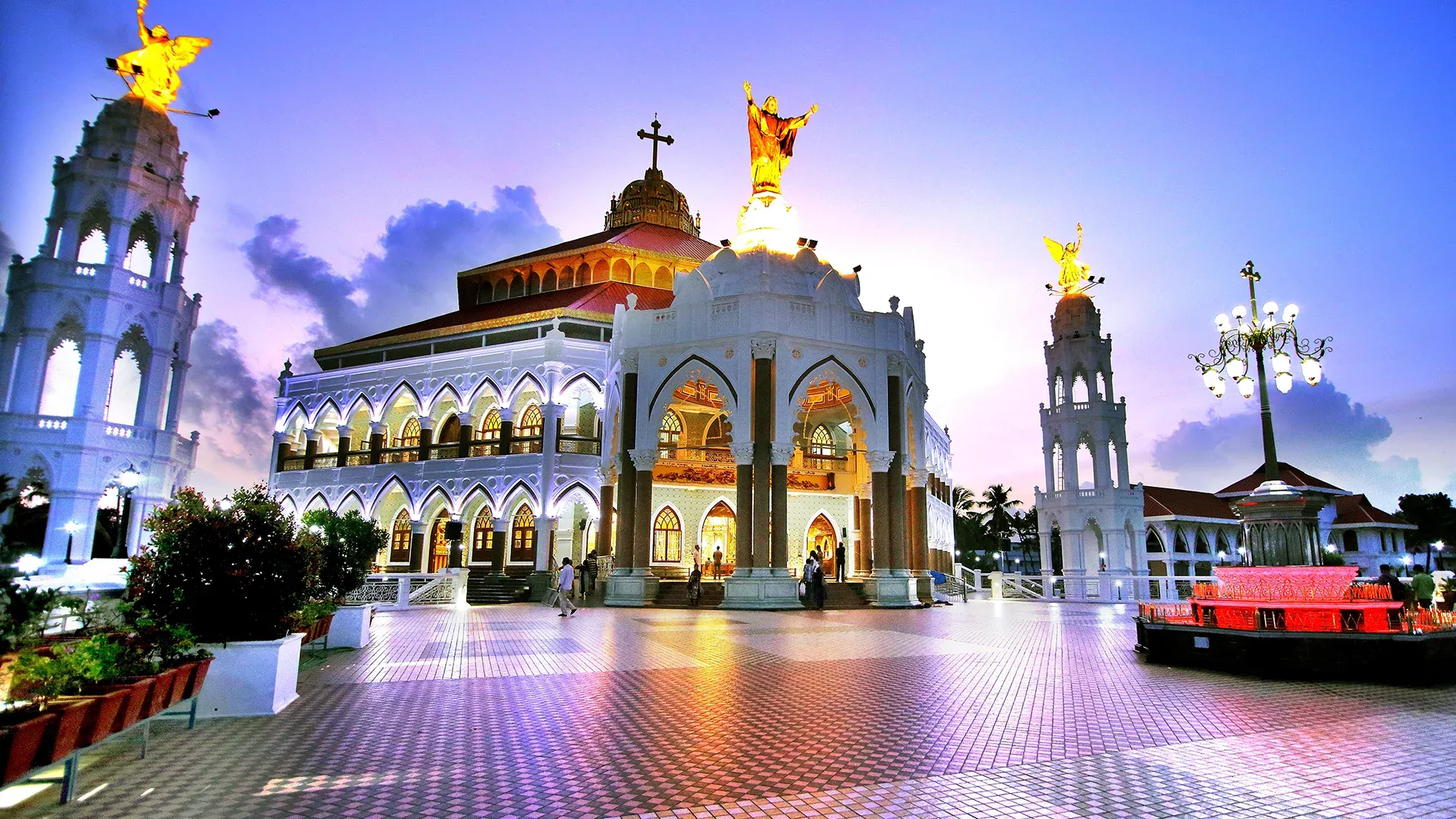
St. George Church, Edappally
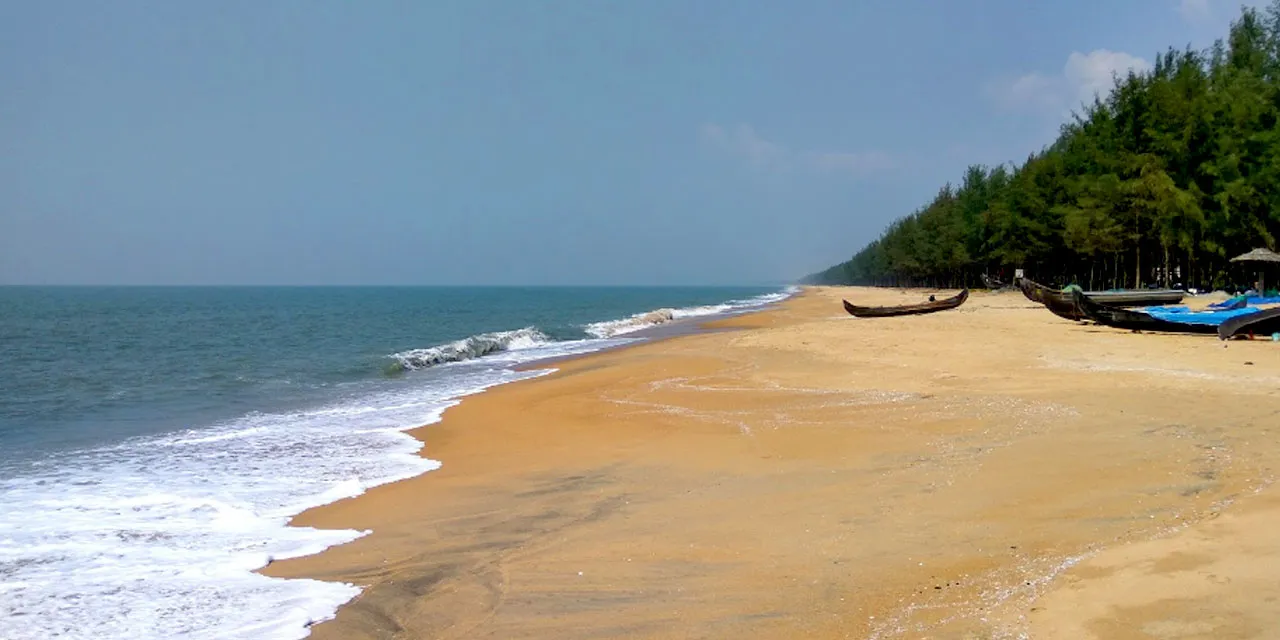
Cherai Beach
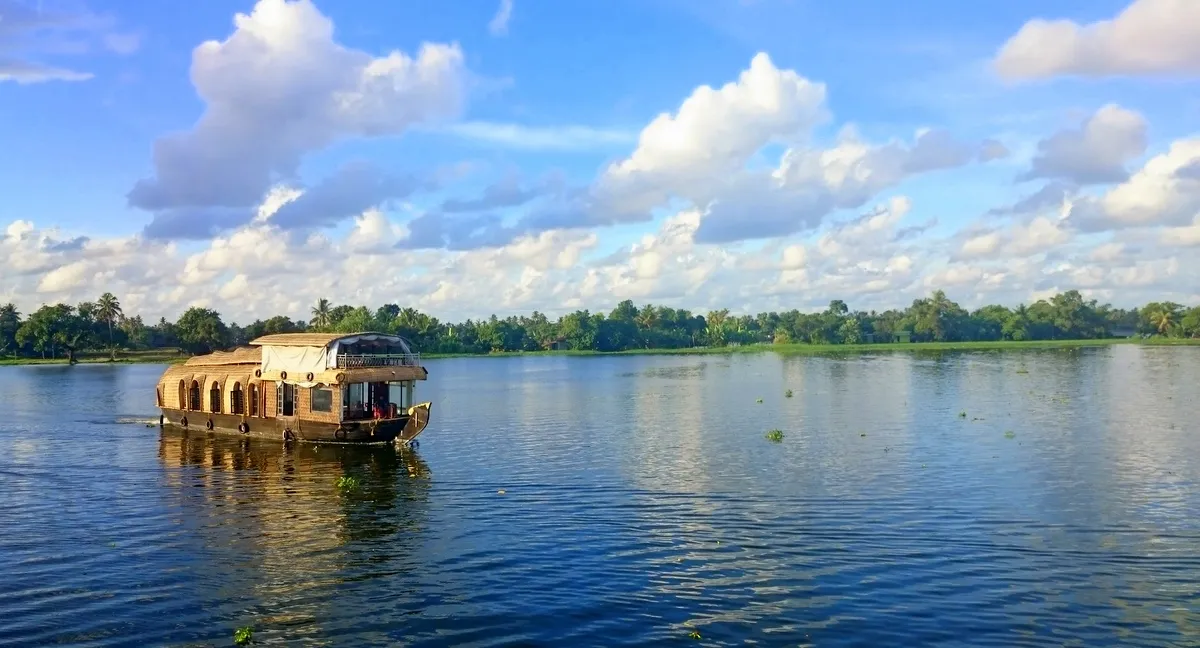
Vembanad Lake
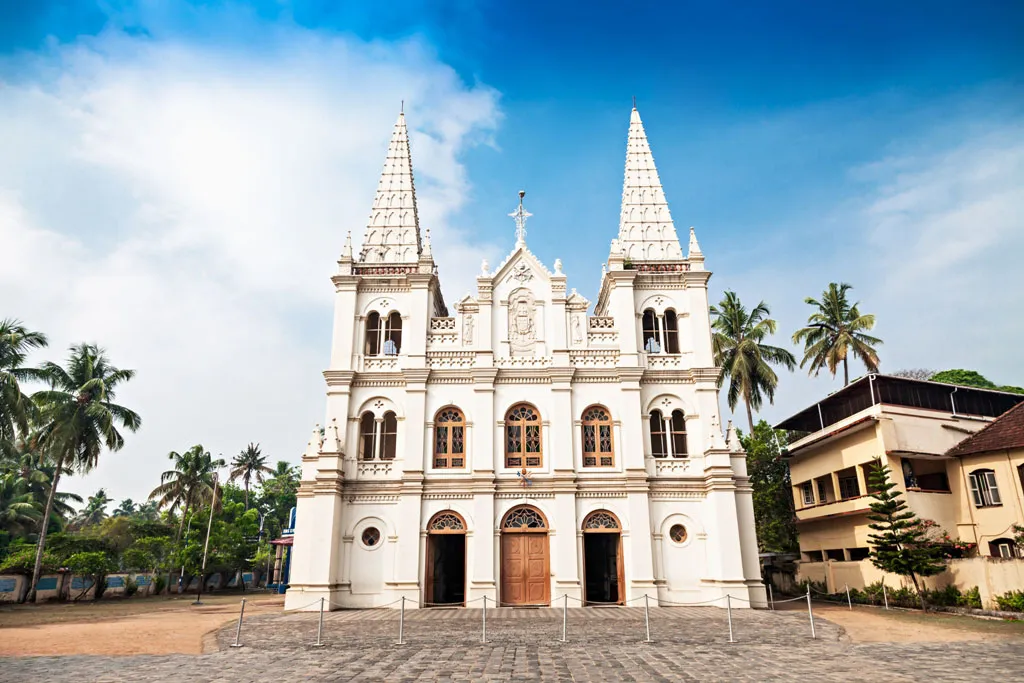
Fort Kochi
These destinations are in close proximity to Chottanikkara Temple and can be visited on the same trip.
Related Destinations
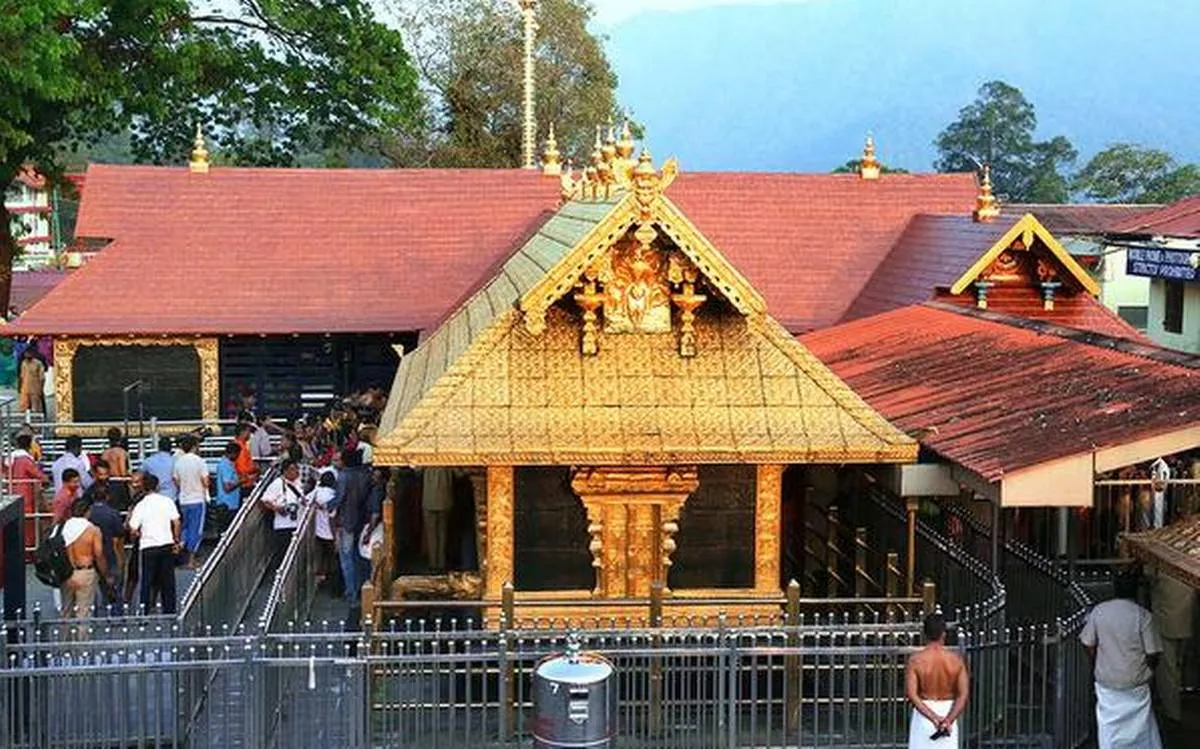
Sabarimala Temple
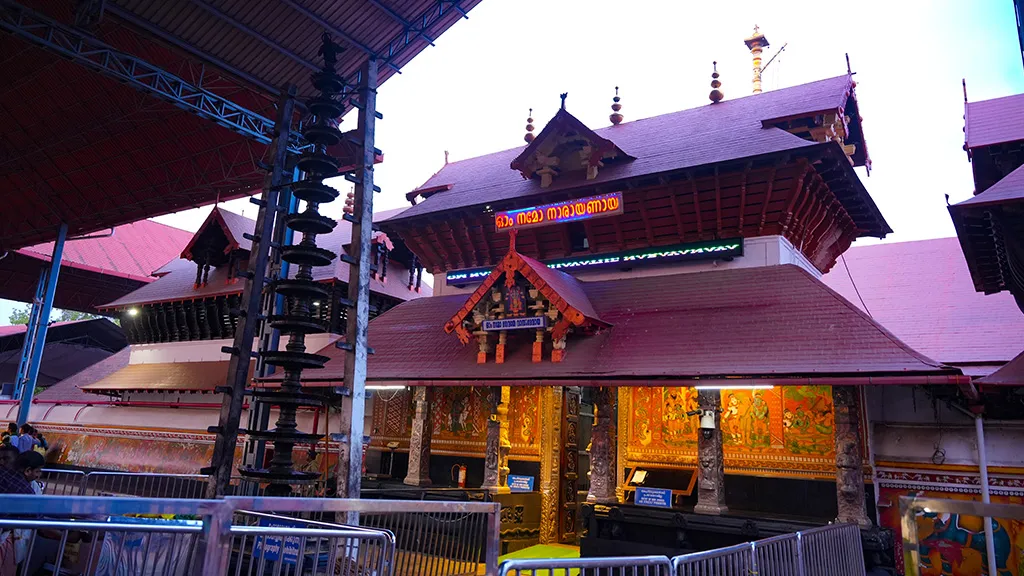
Guruvayur Temple
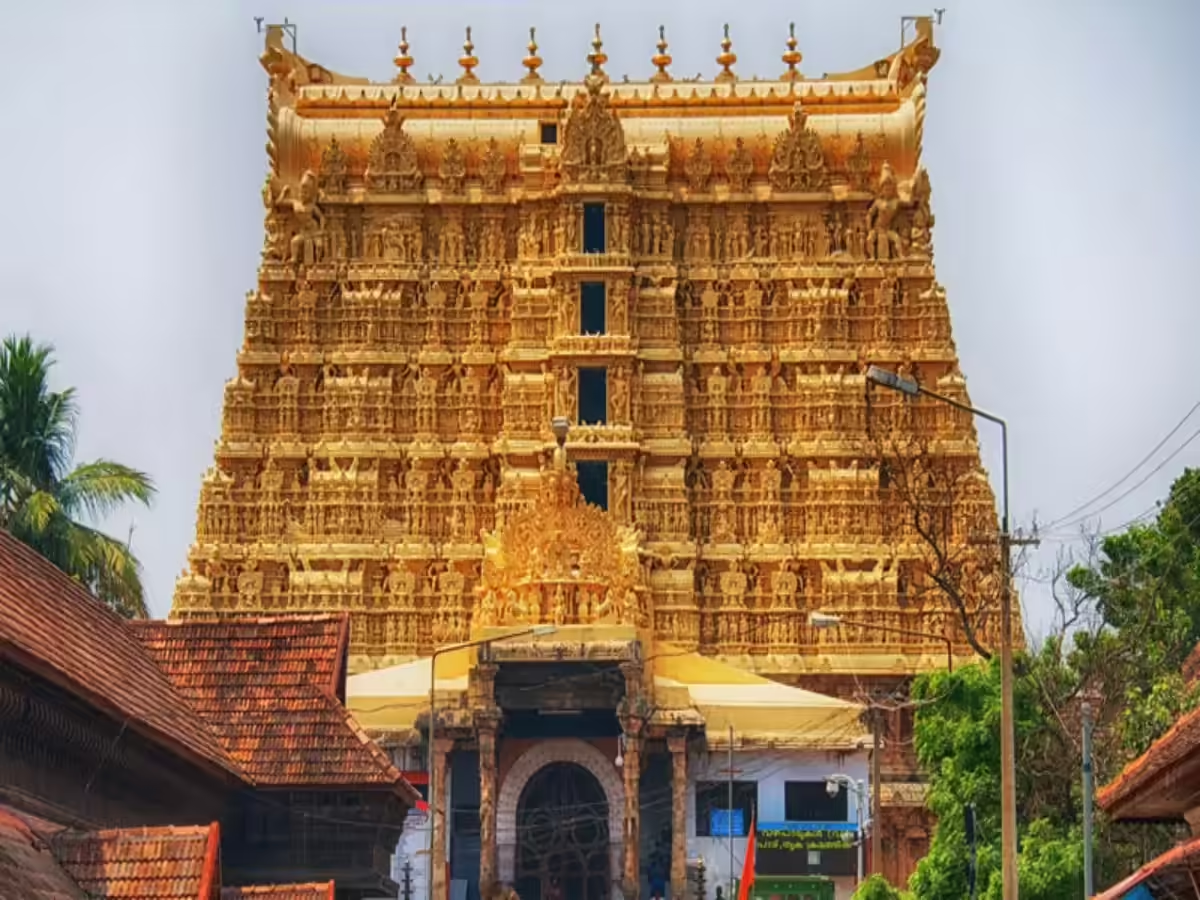
Padmanabhaswamy Temple
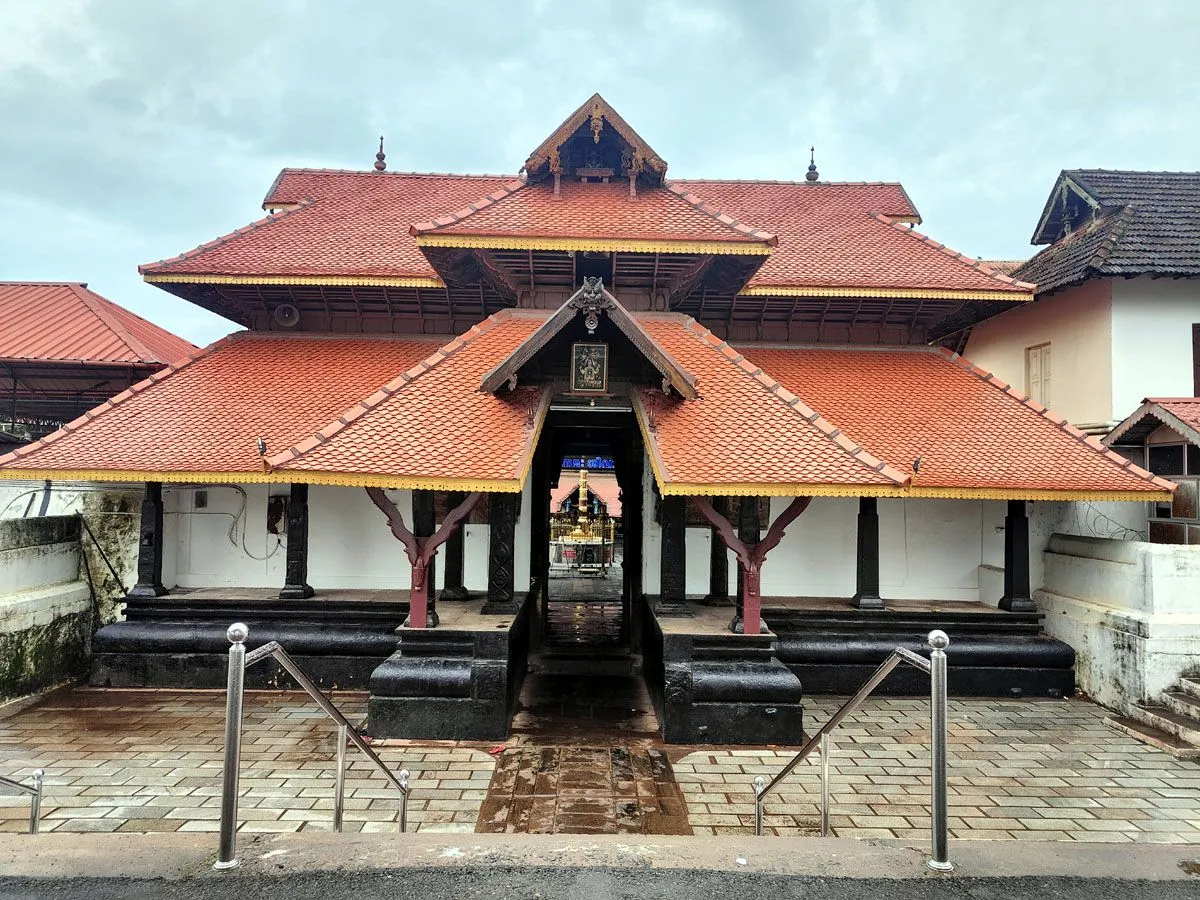
Ettumanoor Mahadeva Temple
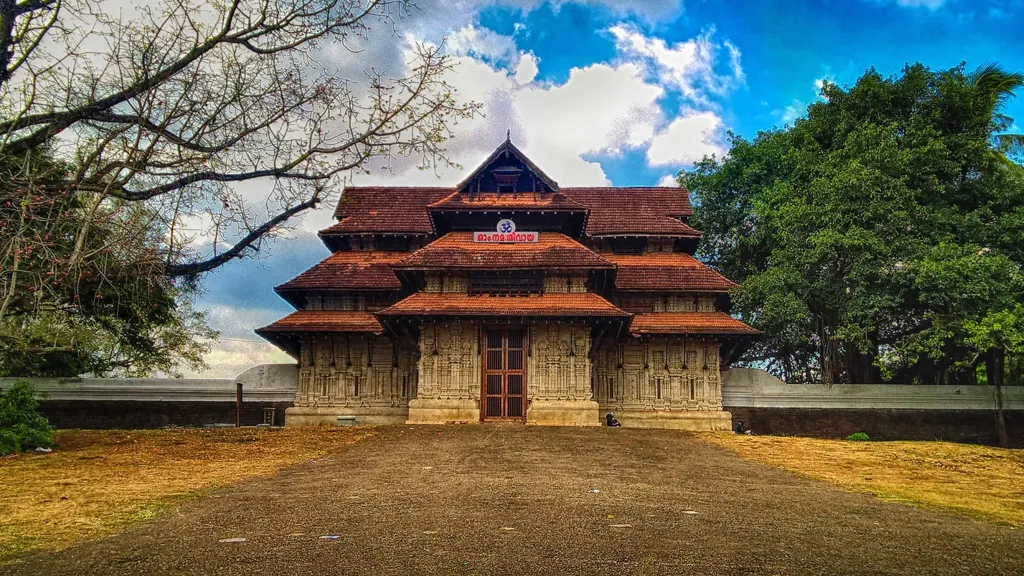
Vadakkunnathan Temple Thrissur
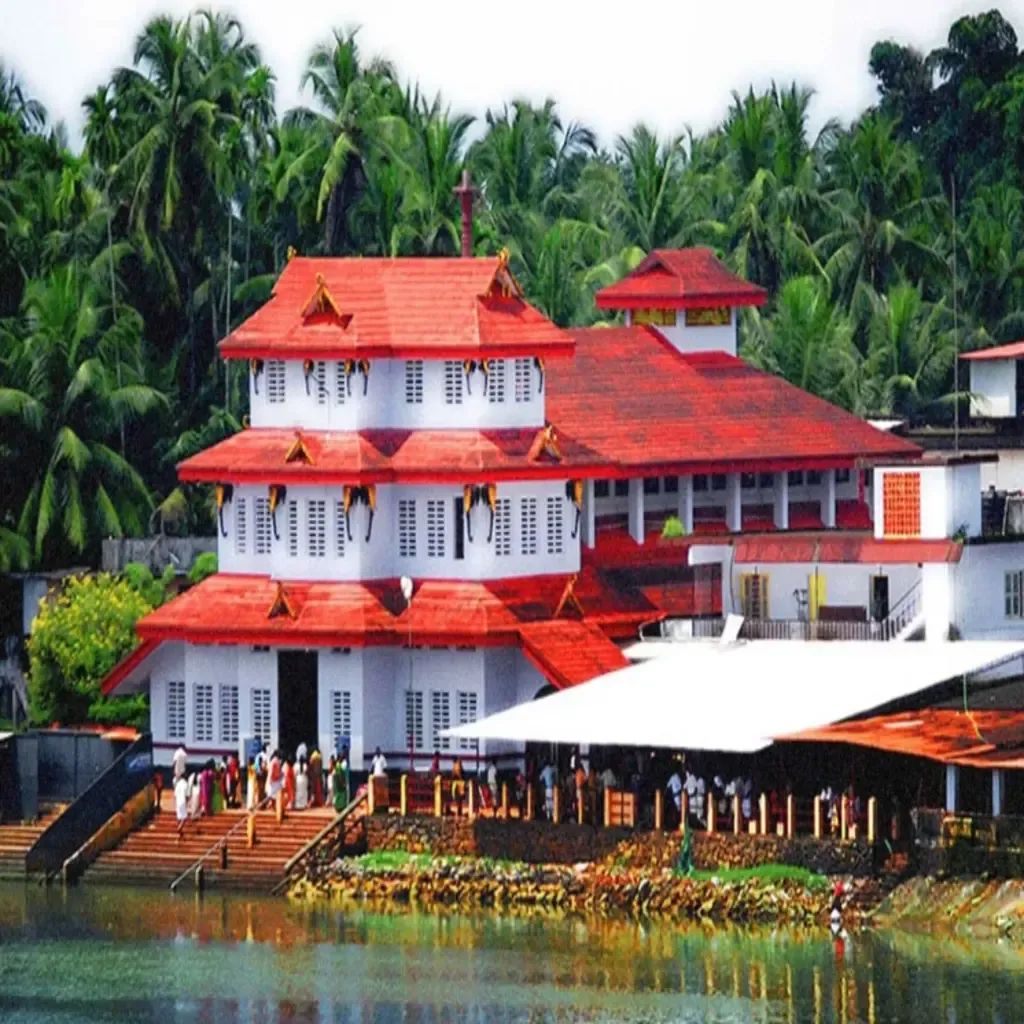
Parassinikadavu Muthappan Temple
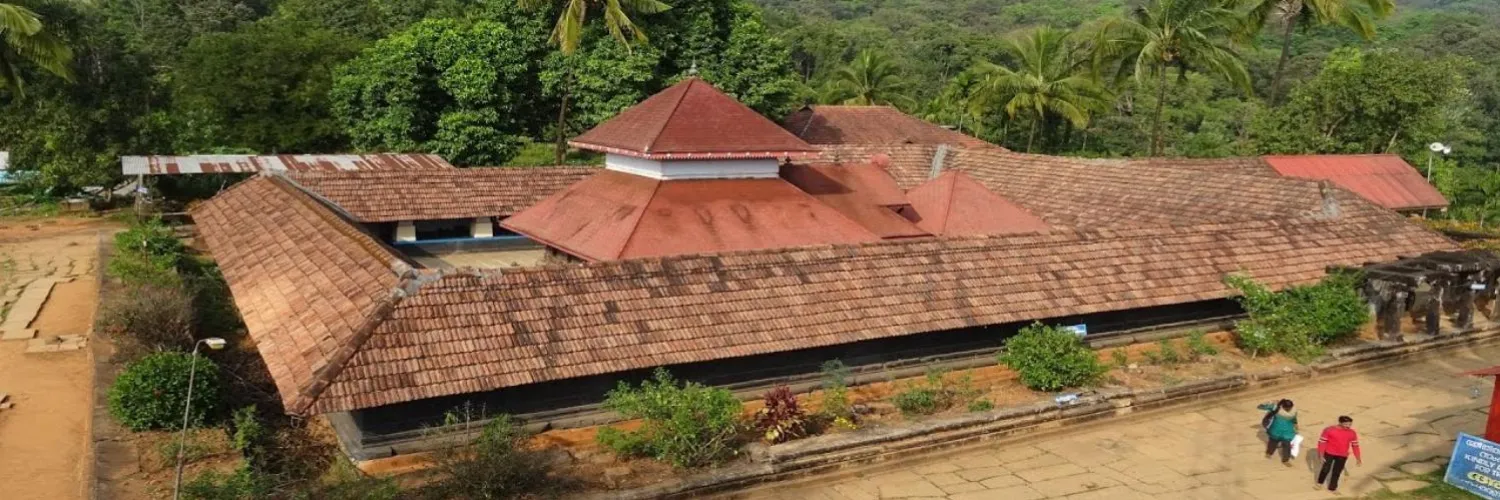
Thirunelli Temple Wayanad
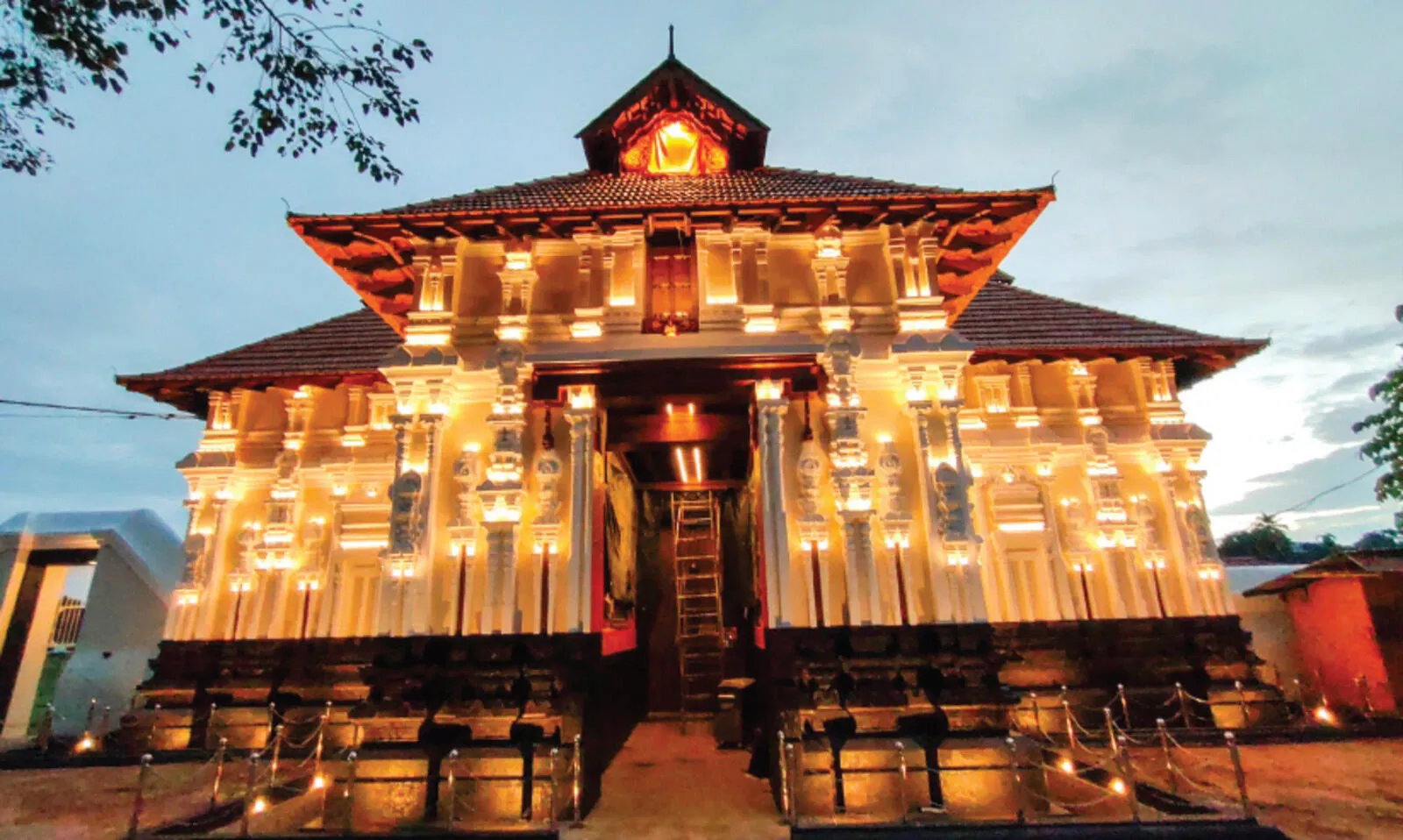
Koodalmanikyam Temple Irinjalakuda
Visit Information
Opening Hours
Entry Fee
Best Time to Visit
February to March (Makom Thozhal Festival)
Location
Ernakulam District, Kerala, India
Contact
For inquiries: 0484-2711032
Share this destination:
 Translate