
Ettumanoor Mahadeva Temple
About Ettumanoor Mahadeva Temple
Introduction to Ettumanoor Mahadeva Temple
Tucked into the green, canal-laced landscape of Kottayam district in Kerala, the Ettumanoor Mahadeva Temple is one of South India's most revered and visually stunning Shiva shrines. For pilgrims it is a place of deep devotion; for heritage travelers, art lovers, and NRI visitors returning to their roots, it is a living museum of Kerala's temple architecture, mural painting, and ritual tradition that has survived almost five centuries largely unchanged. Unlike the towering Dravidian gopurams of Tamil Nadu, Ettumanoor showcases the distinctive circular sanctum, sloping copper roofs, and hand-painted frescoes that define classical Kerala temple design.
The temple sits right on the old Main Central (MC) Road connecting Kottayam to the hill country of Kerala, making it an easy and rewarding stop for travelers moving between the backwaters of Kumarakom, the spice hills of Kottayam and Idukki, and the historic churches and synagogues of central Kerala. For US-based travelers of Indian origin planning a heritage trip, and for domestic Indian tourists exploring Kerala beyond the standard backwater circuit, Ettumanoor offers a rare combination: genuine, unhurried spirituality, world-class mural art, and a compact, walkable town that rewards a half-day or full-day visit.
This guide covers everything a first-time visitor needs — history, how to reach the temple from Kochi and Kottayam, the best months to visit, must-see attractions inside and around the complex, food, hotels, a realistic two-day itinerary, and answers to the questions travelers ask most often before planning their trip.
Why Ettumanoor Resonates with NRI and Diaspora Travelers
For many Malayali and broader Indian-American families, a visit to Ettumanoor is less about ticking off a landmark and more about reconnecting with a specific thread of ancestral tradition. Kerala's temple culture — its rituals, its festival calendars tied to the Malayalam month system, its mural art passed down through hereditary guilds — survives here in a way that's increasingly rare even within India. Grandparents who grew up attending the Arattu festival as children often find that little has changed in the temple's rhythms, making it a meaningful stop for second- and third-generation visitors looking to ground a Kerala trip in something more rooted than sightseeing alone.
History of Ettumanoor Mahadeva Temple
Local tradition traces the sanctity of this site back to the era of the Mahabharata, with legends holding that the Pandava brothers and the sage Vyasa once worshipped here during their travels through the region. While such origin stories are impossible to verify historically, they reflect how deeply this shrine is woven into Kerala's devotional memory, and devotees consider the site to have been a place of worship for well over a thousand years in some form.
The temple as it stands today — its sanctum, surrounding fortress-like wall, and famous gopuram — was rebuilt in 1542 AD (717 in the Malayalam Era), replacing an earlier structure. This reconstruction is what gives the temple its present character: a masterclass in Kerala's timber-and-laterite temple architecture, executed without a single iron nail, relying instead on precision joinery passed down through generations of Vishwakarma sthapathis (traditional temple architect-craftsmen).
The Meaning Behind the Name
The name Ettumanoor is popularly explained in a couple of ways. One tradition connects it to ettu (eight) and maanam(form or glory), referring to a belief that Shiva revealed himself here in eight distinct manifestations. A second, more linguistic explanation ties the name to
A Temple Linked to Philosophy and Royalty
The temple has a strong literary and royal legacy. It is believed that the philosopher-saint Adi Shankaracharya composed portions of the celebrated devotional text Soundarya Lahari while residing here, cementing the temple's place in Kerala's intellectual and spiritual history. Centuries later, the temple's fortunes became closely tied to the Travancore royal family. According to temple lore, Anizham Thirunal Marthanda Varma, the founder of the Travancore kingdom, vowed to gift the temple a set of golden elephants in gratitude for a military victory; the promise was eventually fulfilled by his successor, Karthika Thirunal Rama Varma. These seven-and-a-half gold-plated wooden elephants, known as the Ezharaponnana, remain one of the temple's most treasured possessions and are displayed to the public only once a year during the temple's biggest festival.
Architectural and Artistic Legacy
The temple's mural tradition dates largely to the 16th and 17th centuries and is considered among the finest surviving examples of Kerala's indigenous fresco style, distinct from the better-known Tanjore or Mughal traditions. The Kerala State Archaeology Department maintains conservation efforts to protect these centuries-old paintings, and the temple continues to serve as something of a living training ground for the mural art form, which is still taught and practiced in institutions based in the town.
An Unusual Orientation
One detail that architecture enthusiasts often note is that the main sanctum's idol faces west, unlike the majority of Kerala temples, where east-facing sanctums are the norm. This distinctive orientation is one of several small but significant details that make Ettumanoor a favorite study site for scholars of Kerala temple architecture.
Restoration and Living Heritage
Because the temple has never been abandoned or converted to a purely archaeological monument, it exists in a rare middle ground between living shrine and protected heritage site. Conservation teams periodically restore the timber structures and fresco pigments using traditional materials and techniques wherever possible, while daily rituals, festivals, and offerings continue uninterrupted — meaning visitors experience the temple much as pilgrims would have centuries ago, rather than as a static museum piece.
How to Reach Ettumanoor Mahadeva Temple
Ettumanoor's biggest practical advantage as a travel destination is its location directly on Kerala's main north–south transport corridor, making it accessible by every mode of transport.
By Air
- Cochin International Airport (COK) at Nedumbassery is the nearest major airport, roughly 70-78 km away, and the best-connected option for international travelers, including direct and one-stop flights from several US cities via Gulf and European hubs.
- Trivandrum International Airport (TRV) is a secondary option, about 150-160 km to the south, useful if combining the trip with South Kerala destinations like Kovalam or Varkala.
- From either airport, pre-paid taxis, app-based cabs, and KSRTC or private buses connect to Kottayam and onward to Ettumanoor.
By Train
- Ettumanoor Railway Station (ETM) itself sits barely 2 km from the temple and is served by passenger and some express trains on the Ernakulam–Kottayam–Kollam line.
- Kottayam Railway Station, about 11 km away, is the major junction with long-distance connections to Chennai, Bengaluru, Mumbai, Delhi, and most Kerala cities, making it the more practical arrival point for most travelers, followed by a short taxi or auto-rickshaw ride.
By Road
- Ettumanoor lies directly on the historic Main Central (MC) Road / SH-1, roughly 11-13 km from Kottayam town and about 50 km south of Kochi city.
- KSRTC and private buses run frequently between Kottayam, Kochi, and Ettumanoor, with the temple bus stand just a short walk from the main entrance.
- Self-drive or hired taxis are the most flexible option if you plan to combine the temple with Kumarakom backwaters or the hill town of Wagamon, both accessible via routes that pass through or near Ettumanoor.
For NRI and US-Based Travelers
If you are planning this as part of a longer Kerala circuit from the US, the most efficient routing is usually: fly into Cochin International Airport, spend a night in Kochi or Kumarakom, then drive down to Ettumanoor (about 1-1.5 hours from Kochi) before continuing on to Kottayam, Alleppey, or the highland routes toward Munnar and Wagamon. Renting a car with driver for the day is generally more comfortable than public transport for visitors unfamiliar with local routes.
Best Time to Visit Ettumanoor Mahadeva Temple
Kerala's climate and the temple's own festival calendar both play a role in choosing the right time to visit.
Ideal Months: October to March
The cooler, drier months from October through March are the most comfortable time to explore Ettumanoor and combine it with the rest of central Kerala. Daytime temperatures are pleasant, humidity is lower than in summer, and the monsoon rains have cleared, making outdoor sightseeing far more enjoyable.
The Arattu Festival (February–March)
The single best time to experience the temple at its most spectacular is during its ten-day annual Arattu festival, usually held in the Malayalam month of Kumbham (roughly February to March). The undisputed highlight is the Ezharaponnana Ezhunnallathu, held on the eighth night, when the temple's famous gold-plated wooden elephants are ceremonially processed and displayed to the public at the Asthana Mandapam. Thousands of devotees and visitors gather for this midnight spectacle, so if witnessing it is a priority, plan accommodation in Kottayam well in advance.
Months to Approach with Caution
- April–May: Hot and humid; still workable for a temple visit but less pleasant for extended outdoor exploring.
- June–September (Southwest Monsoon): Heavy rainfall is common in Kerala during these months. The temple remains open, but travel between destinations can be slower and less predictable.
Time of Day
The temple typically opens early in the morning and again in the evening, closing for a few hours at midday, in line with traditional Kerala temple worship timings. Early morning visits (around opening time) offer a quieter, more contemplative atmosphere and cooler weather for exploring the surrounding town on foot.
Top Attractions In and Around the Temple
Every element of Ettumanoor's design carries centuries of craftsmanship, and a handful of features consistently draw the most attention from first-time visitors and returning pilgrims alike.
The Nataraja Mural on the Gopuram
The single most celebrated artwork at Ettumanoor is the mural of Shiva as Nataraja, the cosmic dancer, painted on the temple's gateway tower. Along with the Pradosha Nritham fresco depicting Shiva's evening dance, it is widely regarded as one of the finest surviving examples of traditional Kerala mural painting anywhere in India.
The Golden Flagstaff (Kodimaram)
Rising from the temple courtyard, the gilded flagstaff is topped with an idol of Nandi the bull, ringed with small bells and ornamental metal banyan leaves — a striking sight, especially when it catches the late afternoon light.
The Copper-Clad Roof and 14 Ornamental Tops
The temple's sloping roof, layered in copper sheeting and crowned with fourteen decorative finials, is a hallmark of classical Kerala architecture and is best appreciated from the outer courtyard, where the full silhouette of the structure is visible.
The Ezharaponnana (Seven-and-a-Half Golden Elephants)
Carved from jackfruit wood and plated with roughly 13 kilograms of gold, these statuettes are among the temple's most prized treasures. They are kept in secure storage for most of the year and brought out only during the Arattu festival, making a February-March visit especially rewarding for those keen to see them.
The Ever-Burning Lamp
Near the temple entrance stands an oil lamp said to have been kept continuously lit for well over four centuries, tended daily by devotees who bring oil as an offering. It is a simple but moving sight that captures the unbroken continuity of worship at this site.
Intricate Wood Carvings
Beyond the murals, the temple's wooden ceilings and pillars are carved with scenes from the Ramayana, Mahabharata, Krishna Leela, and the Puranas — worth slowing down for, since many details are easy to miss on a quick walk-through.
The Asthana Mandapam
This open pavilion within the temple courtyard is where major rituals and the annual Ezharaponnana display take place. Even outside festival season, it's worth pausing here to appreciate the carved pillars and the sense of ceremonial space that defines Kerala temple design.
Rituals and Spiritual Significance
Beyond its architecture, Ettumanoor Mahadeva Temple remains an active center of daily Shaivite worship, and understanding a few of its core rituals adds meaning to a visit.
Thulabharam
One of the temple's most distinctive offerings is Thulabharam, in which a devotee is weighed on a traditional balance scale against an equivalent quantity of a chosen offering — commonly bananas, jaggery, coconuts, or in some cases gold or silver — as a gesture of gratitude for prayers answered.
Ganapathi Homam
A fire ritual dedicated to Lord Ganapathy (Ganesha), typically performed before major undertakings or as a request for the removal of obstacles, and one of the more commonly sponsored rituals by visiting devotees.
Lamp Offerings
Lighting or contributing oil to the temple's continuously burning lamp is considered an especially auspicious act at Ettumanoor, connecting the devotee to a tradition of unbroken worship said to stretch back over four centuries.
Subordinate Deities
Within the temple complex, shrines to Bhagavathi, Sastha (Ayyappan), Dakshinamoorthy, Ganapathy, and Yakshi accompany the main sanctum of Shiva, reflecting the layered, multi-deity worship structure typical of large Kerala temple complexes.
Hidden Gems Around Ettumanoor
Beyond the headline murals and the golden flagstaff, a handful of lesser-known spots reward travelers willing to slow down and look a little closer, both within the temple grounds and in the town that surrounds it.
The Temple Pond and Quiet Courtyard Corners
Most visitors head straight for the main sanctum and murals, but the temple's peripheral courtyards and pond area offer a calmer, less-photographed side of the complex — a good spot to simply sit and absorb the atmosphere away from the main crowds.
Kerala Chuvar Chithra Kala Kendram (Mural Art Centre)
Ettumanoor is home to a government-run centre dedicated to preserving and teaching traditional Kerala mural painting. Art enthusiasts can often see students and practitioners working on canvases using the same natural pigments and techniques used on the temple walls centuries ago.
Thazhathangady Juma Masjid (Nearby Kottayam)
A short drive away in Kottayam, this centuries-old mosque on the banks of the Meenachil River is one of the oldest in Kerala and reflects the region's long history of religious coexistence — an interesting contrast stop for travelers interested in Kerala's layered cultural heritage.
Small-Town Ettumanoor Itself
Beyond the temple gates, the town's everyday rhythm — spice and provision shops, roadside tea stalls, and traditional Kerala Christian and Hindu households side by side — offers a slice of small-town central Kerala life that many travelers rushing between Kochi and the backwaters never see.
Things to Do in and Around Ettumanoor
While the temple itself is the centerpiece of any visit, Ettumanoor and its surrounding towns offer enough variety to fill a relaxed day or two, blending spiritual, cultural, and outdoor experiences.
- Attend a morning or evening darshan (worship session) to experience temple rituals firsthand.
- Study the Nataraja and Pradosha Nritham murals up close — take time here rather than rushing through.
- Walk the outer courtyard to appreciate the full architecture of the sloping copper roofs and gopuram.
- Visit during the Arattu festival for the Ezharaponnana procession, one of Kerala's great temple spectacles.
- Explore the Kerala Chuvar Chithra Kala Kendram to see mural art being practiced today.
- Combine the visit with a half-day trip to Kumarakom's backwaters, roughly 30-40 minutes away.
- Sample authentic Kottayam-style vegetarian and Syrian Christian cuisine in the surrounding towns.
- Take a short detour to Vaikom, another historically significant Shiva temple town just a few kilometers away.
Local Food to Try
Kottayam district is one of Kerala's culinary heartlands, blending temple-town vegetarian traditions with the region's famous Syrian Christian and Muslim cuisines.
Temple-Style Vegetarian Fare
- Sadya on a banana leaf — a traditional multi-course Kerala vegetarian meal, especially worth trying at a local eatery near the temple during festival season.
- Payasam — Kerala's beloved sweet pudding, often available as temple prasadam (blessed offering) or at nearby sweet shops.
- Puttu and kadala curry — steamed rice cake with black chickpea curry, a classic Kerala breakfast.
Kottayam Specialties
- Kottayam-style fish curry — tangy, kokum-based curry found in the district's Christian-run restaurants.
- Appam and stew — soft rice pancakes served with a mild coconut-milk vegetable or meat stew, a Kerala breakfast staple.
- Beef fry and duck roast — Kottayam is well known for its distinctive, spice-heavy meat preparations, popular in local eateries.
Tips for US Travelers
Vegetarian and vegan travelers will find Ettumanoor easy to navigate, since temple towns across Kerala have a strong tradition of pure-vegetarian meals restaurants. For those wanting non-vegetarian Kerala specialties, Kottayam town, just 11 km away, has a wider range of established restaurants.
Snacks and Street Food
- Banana chips and jackfruit chips — a Kerala classic, widely sold in small shops around the temple town and great as travel snacks or souvenirs.
- Kerala-style filter coffee and tea — available at almost every roadside stall, a good way to take a break between sightseeing stops.
- Achappam and kuzhalappam — traditional Kerala Christian tea-time snacks, common in Kottayam district bakeries.
Where to Eat
Small, no-frills meals restaurants near the temple serve reliably good, affordable vegetarian thalis, especially around lunchtime. For a wider selection of restaurants — including multi-cuisine, seafood, and international options — Kottayam town or the resorts around Kumarakom are better suited to travelers looking for more variety or fine-dining settings.
Where to Stay: Hotels Near Ettumanoor
Ettumanoor itself is a small town with limited high-end lodging, so most travelers base themselves in nearby Kottayam city or the Kumarakom backwaters, both under 30-40 minutes away.
Budget Stays
- Simple lodges and budget hotels in Ettumanoor town, convenient for pilgrims attending early-morning or festival darshan.
- Kottayam town offers a wider selection of budget and mid-range hotel chains near the railway station and bus stand.
Mid-Range Options
- Business and tourist-class hotels in Kottayam city, generally offering air-conditioned rooms, in-house restaurants, and easy access to the temple by taxi or auto-rickshaw.
Resort and Luxury Stays (Kumarakom)
- Kumarakom, roughly 30-40 minutes from Ettumanoor, is home to Kerala's best-known backwater resorts and houseboat operators, ideal for travelers wanting to pair temple sightseeing with a scenic overnight backwater stay.
For the smoothest experience, book accommodation well in advance if your visit coincides with the Arattu festival in February-March, when local lodging in and around Ettumanoor and Kottayam fills up quickly.
Choosing the Right Base
Where you base yourself largely depends on your travel style. Pilgrims prioritizing early-morning darshan often prefer staying right in Ettumanoor or Kottayam for convenience and shorter travel time to the temple. Leisure travelers and those combining the visit with a scenic backwater experience tend to prefer Kumarakom, trading a slightly longer commute to the temple for houseboat access, resort amenities, and views over the Vembanad Lake. For travelers on a multi-city Kerala itinerary, Kottayam also works well as a convenient overnight stop between Kochi and the Alleppey backwater belt, keeping onward driving distances short in both directions.
Booking Considerations
Outside of the Arattu festival period, availability in Kottayam and Kumarakom is generally comfortable even with short-notice bookings, though the peak winter season of December and January can see higher demand and pricing at backwater resorts due to the broader influx of both domestic and international tourists into Kerala during these months.
Budget Guide
One of Ettumanoor's advantages as a travel destination is affordability — even with a comfortable, private-transport approach, a visit here costs a fraction of comparable heritage sightseeing in most Western destinations.
Entry and Offerings
General temple darshan is typically free, though most pilgrims choose to make a small offering or sponsor a specific ritual such as archana (naming ritual), Ganapathi Homam, or Thulabharam (an offering weighed against the devotee's own body weight), each carrying its own separate fee payable at the temple counter.
Approximate Daily Budgets (Per Person, India-Based Travel)
- Budget traveler: Local buses, simple lodge stays, and vegetarian meals — a modest daily spend, comfortably manageable even on a tight backpacker budget.
- Mid-range traveler: Private taxi for sightseeing, a comfortable AC hotel in Kottayam, and a mix of local and restaurant dining.
- Comfort/luxury traveler: Private car with driver for the day, a backwater resort stay in Kumarakom, and dining at established restaurants.
For NRI and International Travelers
Once you've arrived in Kerala, day-to-day costs around Ettumanoor and Kottayam are very affordable by US standards — local transport, temple offerings, and meals are a fraction of equivalent costs back home. The larger cost components for US-based travelers will typically be international airfare and any resort-level backwater stays.
Sample 2-Day Itinerary
Day 1: Kochi to Ettumanoor to Kottayam
- Morning: Depart Kochi early by road (roughly 1.5-2 hours) and arrive in Ettumanoor in time for morning darshan.
- Late Morning: Explore the temple complex at a relaxed pace — murals, the golden flagstaff, wood carvings, and the outer courtyard.
- Midday: Enjoy a traditional vegetarian meal at a local meals restaurant near the temple.
- Afternoon: Drive to Kottayam town (about 25-30 minutes); visit the Thazhathangady Juma Masjid and stroll through the town center.
- Evening: Check into a hotel in Kottayam or continue on to Kumarakom for a backwater sunset.
Day 2: Kumarakom Backwaters and Onward Travel
- Morning: Take a houseboat cruise or canoe ride through the Kumarakom backwaters and bird sanctuary.
- Midday: Lunch on a houseboat or at a backwater-facing restaurant.
- Afternoon: Optional detour to Vaikom's Shiva temple or the Aruvikkuzhy waterfalls (seasonal, best in monsoon months).
- Evening: Depart for Kochi airport or continue further into Kerala's highlands toward Wagamon or Munnar.
Nearby Places to Visit
Ettumanoor's central location in Kottayam district makes it a natural hub for exploring some of Kerala's most rewarding attractions, all within a short drive.
- Kumarakom Backwaters: Around 30-40 minutes away; houseboats, bird sanctuary, and resort stays.
- Kottayam Town: 11-13 km away; historic churches, the Thazhathangady mosque, and the district's commercial hub.
- Vaikom Mahadeva Temple: A short drive away; another historically significant Shiva temple town in the same district.
- Aruvikkuzhy Waterfalls: A seasonal waterfall near Kottayam, most impressive during and shortly after the monsoon.
- Wagamon: A scenic hill destination reachable via routes passing through the Ettumanoor-Pala corridor, popular for a highland extension to the trip.
- Bay Island Driftwood Museum, Kottayam: An offbeat museum of driftwood sculptures, a good stop for families and art lovers.
- Ilaveezhapoonchira: A scenic hilltop grassland in Kottayam district, popular for trekking and panoramic views, roughly an hour's drive away.
- Poonjar Palace: A well-preserved royal residence with traditional Kerala architecture, offering insight into the region's princely history.
- Alleppey (Alappuzha): Kerala's most famous backwater town, home to the classic overnight houseboat experience, about 1-1.5 hours away.
Building a Multi-Day Central Kerala Circuit
Because Ettumanoor sits almost exactly midway between Kochi and the Kumarakom-Alleppey backwater belt, it works naturally as a waypoint rather than a final destination. Many travelers structure a loop that starts in Kochi (Fort Kochi, Mattancherry), continues south through Ettumanoor and Kottayam, spends a night or two around Kumarakom or Alleppey's backwaters, and then either loops back to Kochi or heads east into the highland routes toward Wagamon, Peermade, or Munnar.
Travel Tips
- Entry restrictions: Like many traditional Kerala temples, Ettumanoor Mahadeva Temple generally permits entry to Hindu devotees only inside the inner temple premises. Non-Hindu visitors are usually welcome to view and photograph the outer architecture, gopuram, and courtyard from designated areas — it's respectful to check current rules with temple staff on arrival.
- Dress code: Men are typically expected to wear a mundu or dhoti and remove their upper garment before entering the inner sanctum area; women are advised to wear sarees or a salwar kameez with a dupatta. Shoulders and knees should be covered.
- Footwear: Footwear must be removed before entering the temple premises; designated stands are usually available near the entrance.
- Photography: Photography and mobile phone use are generally prohibited inside the temple complex — check signage and staff instructions on arrival.
- Best visiting window: Early morning darshan tends to be less crowded and cooler than midday or evening visits.
- Festival planning: If visiting during the Arattu festival in February-March, book accommodation in Kottayam well ahead and expect large crowds, especially around the Ezharaponnana procession.
- Cash and offerings: Carry small denominations of Indian currency for offerings and ritual fees; card payment options may be limited at temple counters.
- Combine destinations: Given its location on the main Kochi-Kottayam corridor, Ettumanoor is best visited as a stop en route to Kumarakom, Alleppey, or the Kerala highlands rather than as a standalone day trip.
Accessibility and Mobility
The temple courtyard involves some uneven stone flooring and a few steps, which can be a consideration for travelers with mobility challenges or elderly family members. Arriving during quieter, non-festival periods generally makes it easier to move around comfortably and take breaks in shaded courtyard areas.
Traveling with Children
Families visiting with young children will find the temple's open courtyards and slower ritual pace manageable, though the restriction on photography and the need for modest dress are worth explaining to kids beforehand. The nearby Kumarakom bird sanctuary and backwaters make an excellent, more child-friendly complement to a temple visit.
Language
Malayalam is the primary language spoken locally, though Hindi and English are understood by most hotel staff, drivers, and shopkeepers in tourist-frequented areas of Kottayam and Kumarakom, making independent travel manageable even for first-time visitors from outside Kerala.
Connectivity and Currency
Mobile network coverage is generally reliable throughout Ettumanoor and Kottayam. ATMs are available in both towns, though it's wise to carry sufficient cash for temple offerings, small vendors, and rural stretches of any onward journey toward the highlands, where card acceptance can be inconsistent.
Frequently Asked Questions
1. What is Ettumanoor Mahadeva Temple famous for?
It is famous for its exceptional Dravidian-Kerala mural paintings — especially the Nataraja fresco on the gopuram and the Pradosha Nritham painting — as well as its golden flagstaff, centuries-old wood carvings, and the Ezharaponnana (seven-and-a-half golden elephants) displayed during its annual festival.
2. How far is Ettumanoor Mahadeva Temple from Kochi and Kottayam?
The temple is about 50 km south of Kochi city and roughly 70-78 km from Cochin International Airport. It is much closer to Kottayam, sitting just 11-13 km from Kottayam Railway Station and town center.
3. Are non-Hindus allowed inside the temple?
Entry to the inner temple premises is generally restricted to Hindu devotees, in line with tradition at many older Kerala temples. Visitors of other faiths are typically able to admire the outer architecture and gopuram from the courtyard. It's best to confirm current entry policy with temple staff on the day of your visit.
4. What are the temple's opening and darshan timings?
Like most traditional Kerala temples, Ettumanoor Mahadeva Temple typically opens for morning darshan in the early hours and again for an evening session, with a midday closure in between. Timings can shift slightly around festivals, so it's worth confirming directly before planning your visit.
5. What is the best time of year to visit?
October to March offers the most comfortable weather for sightseeing. For a truly memorable experience, plan around the ten-day Arattu festival in February-March, when the temple's golden elephants are ceremonially displayed to the public.
6. Is photography allowed inside the temple?
Photography and the use of mobile phones and cameras are generally not permitted inside the temple complex. Visitors should check posted rules and follow staff guidance on arrival.
7. What should I wear when visiting?
Modest, traditional attire is expected. Men are typically asked to wear a mundu or dhoti and remove their upper garment before entering the sanctum area; women are advised to wear a saree or a salwar kameez with a dupatta, with shoulders and knees covered.
8. How much time should I plan for a visit?
A relaxed visit — darshan, exploring the murals and architecture, and a short walk around the courtyard — typically takes about 2-3 hours. Add extra time if visiting during the festival season, when crowds and rituals extend the experience.
9. What else can I see nearby in a single day?
Kottayam town, the Thazhathangady Juma Masjid, and the Kumarakom backwaters are all within roughly 30-40 minutes, making it easy to combine a temple visit with a half-day of backwater sightseeing or a walk through historic Kottayam.
10. Is Ettumanoor suitable for a day trip from Kochi, or should I stay overnight?
Ettumanoor works well as a day trip from Kochi if combined with other Kottayam-area sights, but many travelers prefer to base themselves overnight in Kottayam or Kumarakom, especially if visiting during the Arattu festival or planning to continue on to the Kerala backwaters or highlands afterward.
11. Can I hire a local guide at the temple?
Formal, licensed guides are not always readily available on-site, so many visitors prefer to arrange a knowledgeable driver-guide through their hotel or a Kottayam-based travel operator, particularly if the goal is to understand the mural iconography and architectural details in depth.
12. Is Ettumanoor safe for solo travelers, including women traveling alone?
Ettumanoor is a small, quiet temple town, and Kerala as a whole is generally considered one of India's more comfortable states for solo and independent travel. As with any unfamiliar destination, standard precautions — sticking to well-lit areas after dark, using reputable transport, and dressing according to local norms near the temple — are advisable.
Conclusion
Ettumanoor Mahadeva Temple offers something increasingly rare on Kerala's well-trodden tourist trail: a destination that is simultaneously a living center of active worship and an extraordinary open-air gallery of centuries-old art and architecture. Its location directly on the route between Kochi, Kottayam, and Kumarakom makes it effortless to add to almost any Kerala itinerary, whether you're a first-time visitor from the US tracing family heritage, a domestic traveler exploring beyond the standard backwater loop, or a heritage and architecture enthusiast drawn to Kerala's distinctive temple mural tradition. Time your visit around the Arattu festival if you can, dress respectfully, take time with the murals rather than rushing through, and pair the temple with a stop in Kottayam or an overnight in Kumarakom for a well-rounded, memorable day in central Kerala.
Ultimately, what makes Ettumanoor worth the detour isn't a single headline attraction but the accumulation of small, well-preserved details — a lamp that has never gone out, a mural technique still taught to new generations, a flagstaff that catches the evening light exactly as it has for centuries. Plan a little extra time here rather than rushing through on the way to somewhere else, and it's likely to become one of the more quietly memorable stops on your Kerala journey.
Photo Gallery
What you'll experience
- 1
View intricate temple murals
- 2
Attend the grand Ezhara Ponnana festival
- 3
Experience traditional Kerala temple rituals
- 4
Admire classic wooden architecture
Explore More
Nearby Destinations
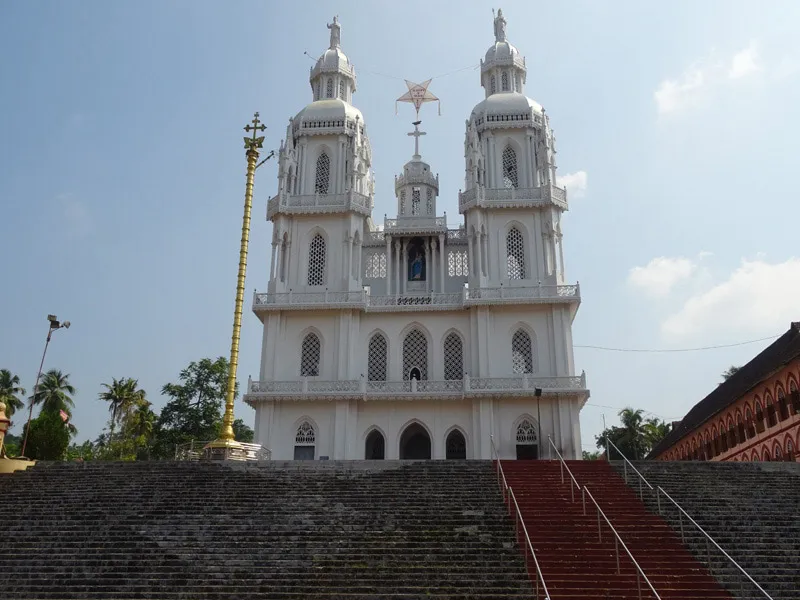
St. Mary’s Forane Church, Kuravilangad
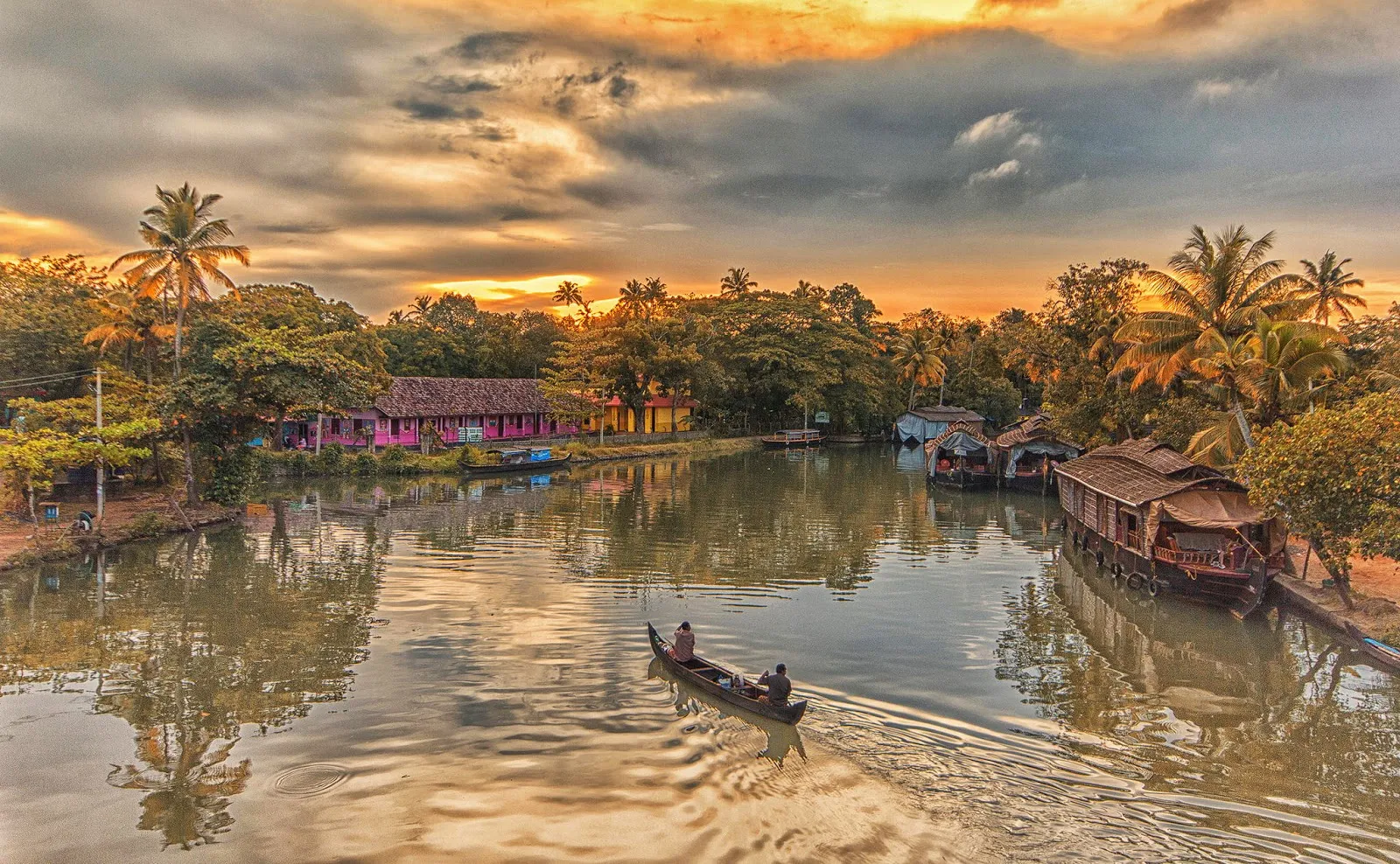
Kumarakom
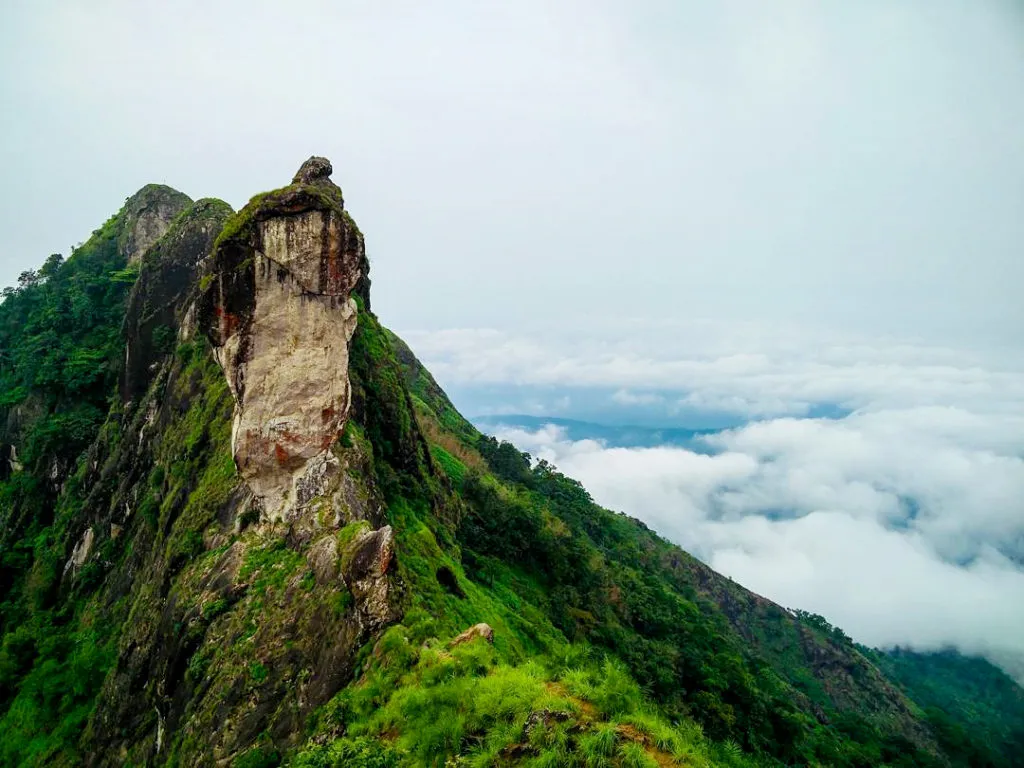
Illikkal Kallu (Kottayam)
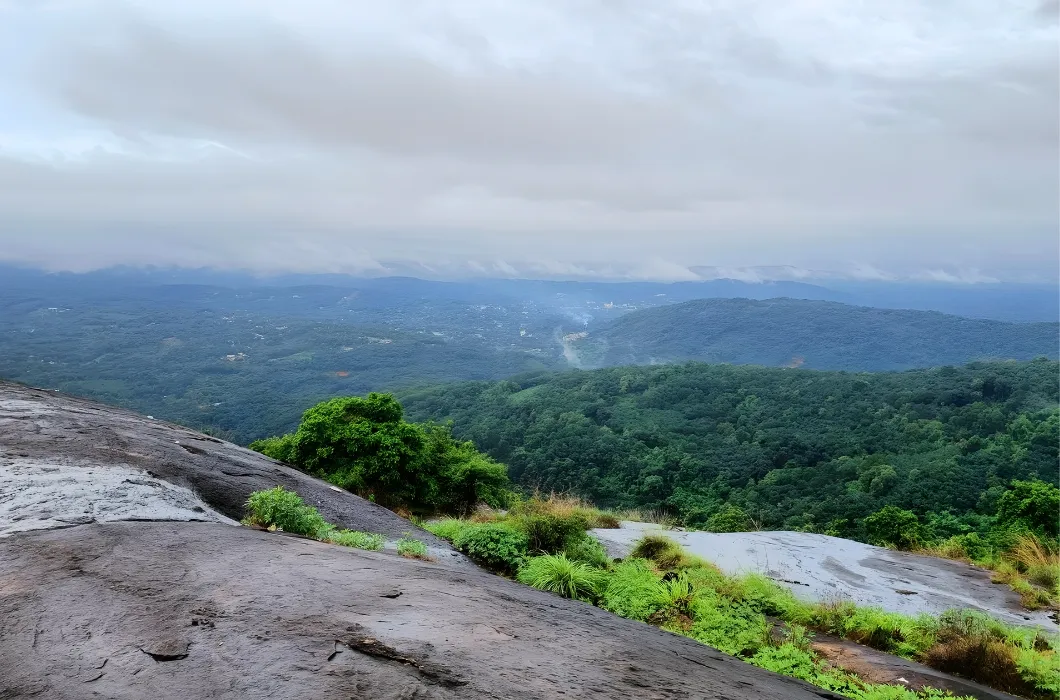
Ayyampara Hills
These destinations are in close proximity to Ettumanoor Mahadeva Temple and can be visited on the same trip.
Related Destinations
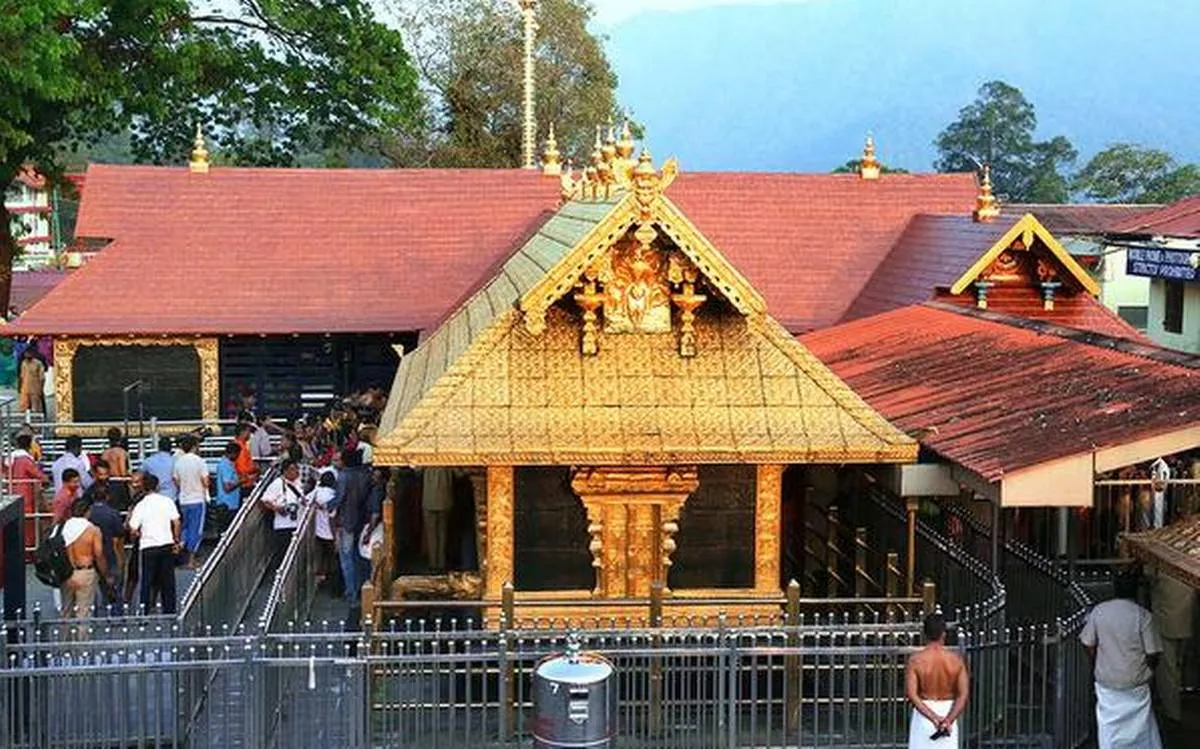
Sabarimala Temple
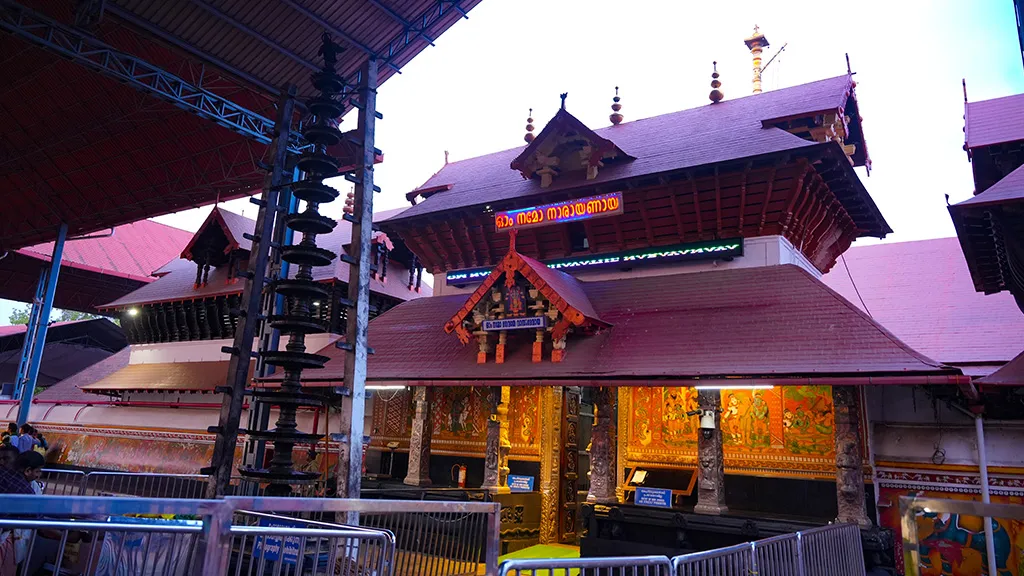
Guruvayur Temple
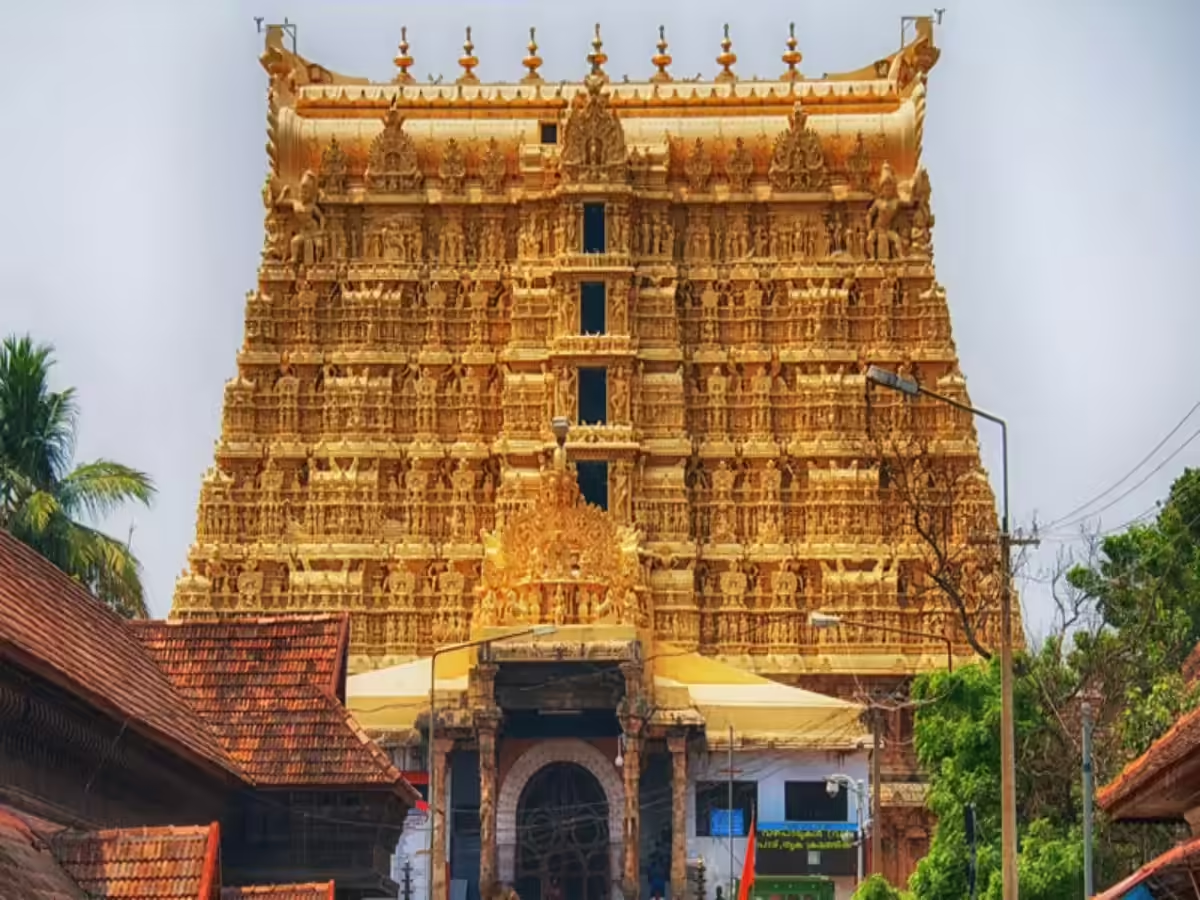
Padmanabhaswamy Temple
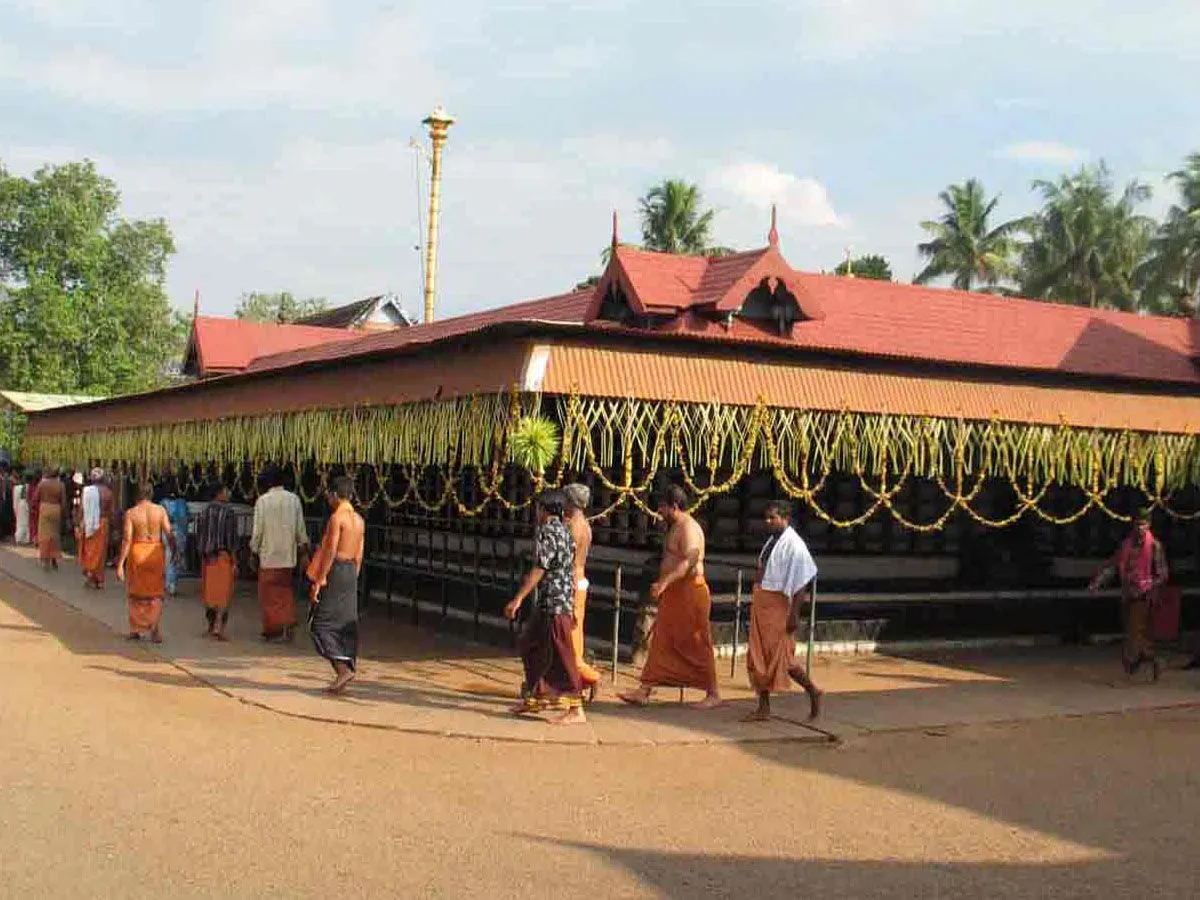
Chottanikkara Temple
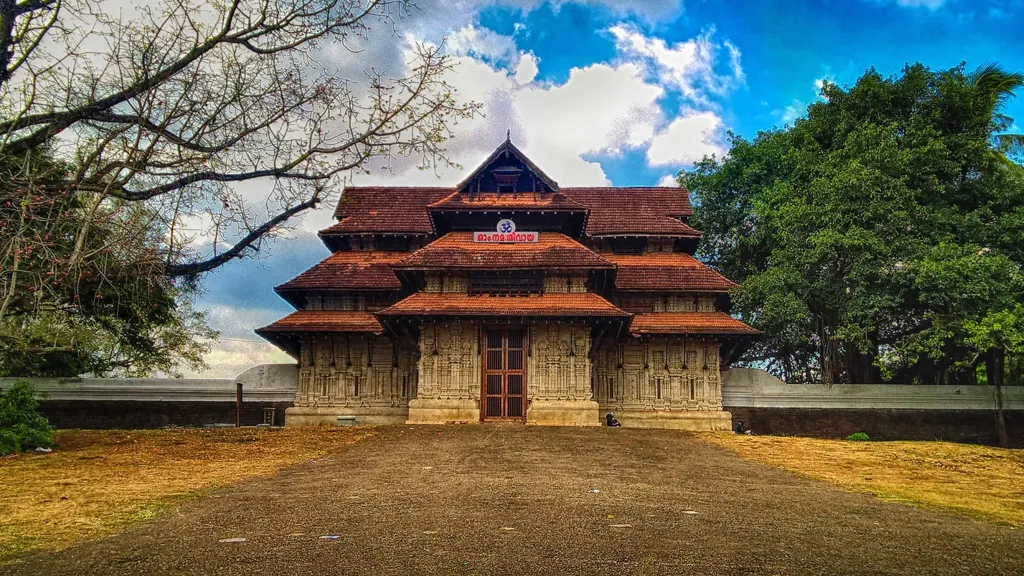
Vadakkunnathan Temple Thrissur
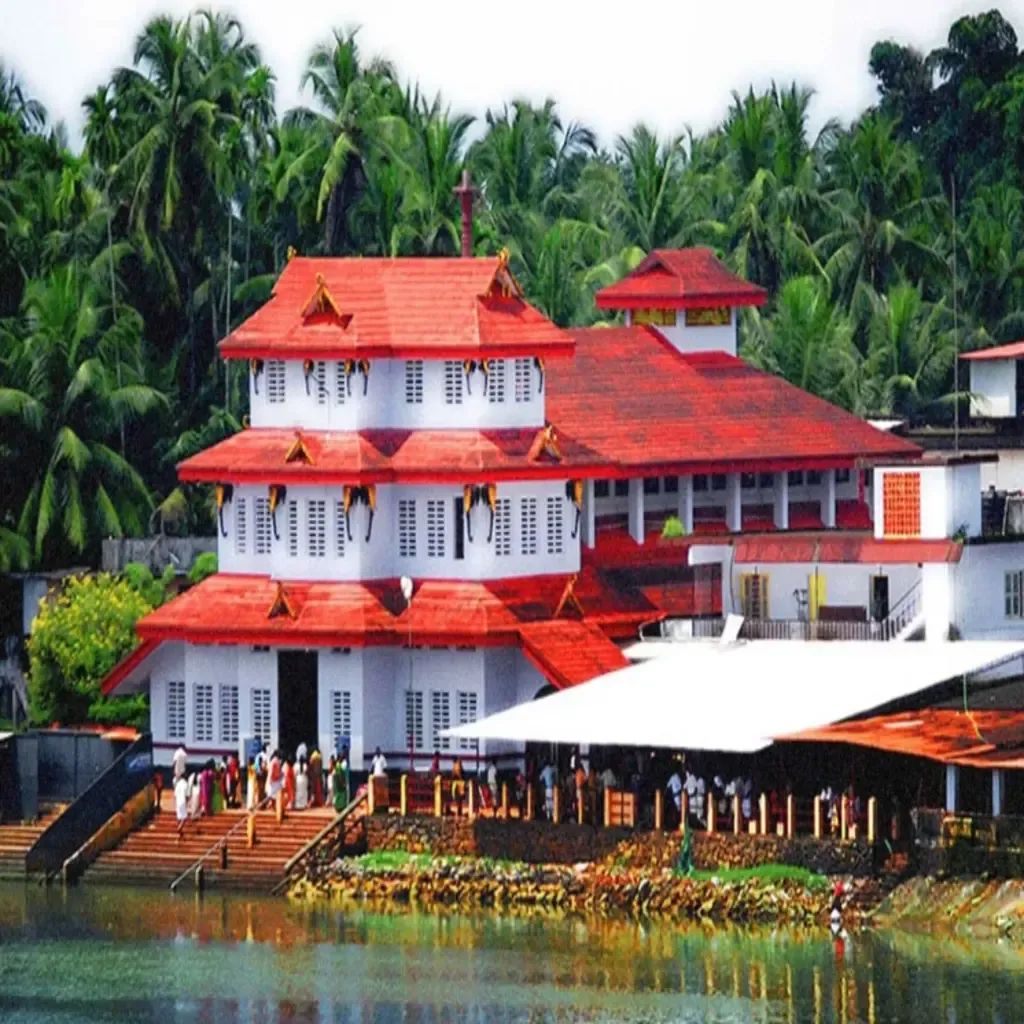
Parassinikadavu Muthappan Temple
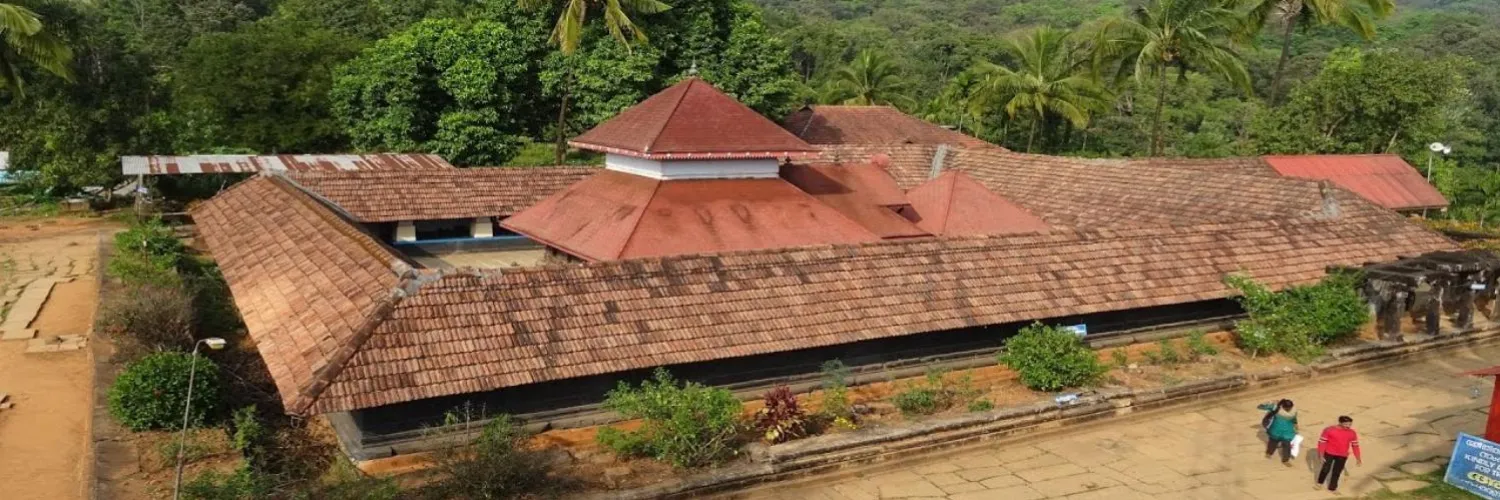
Thirunelli Temple Wayanad
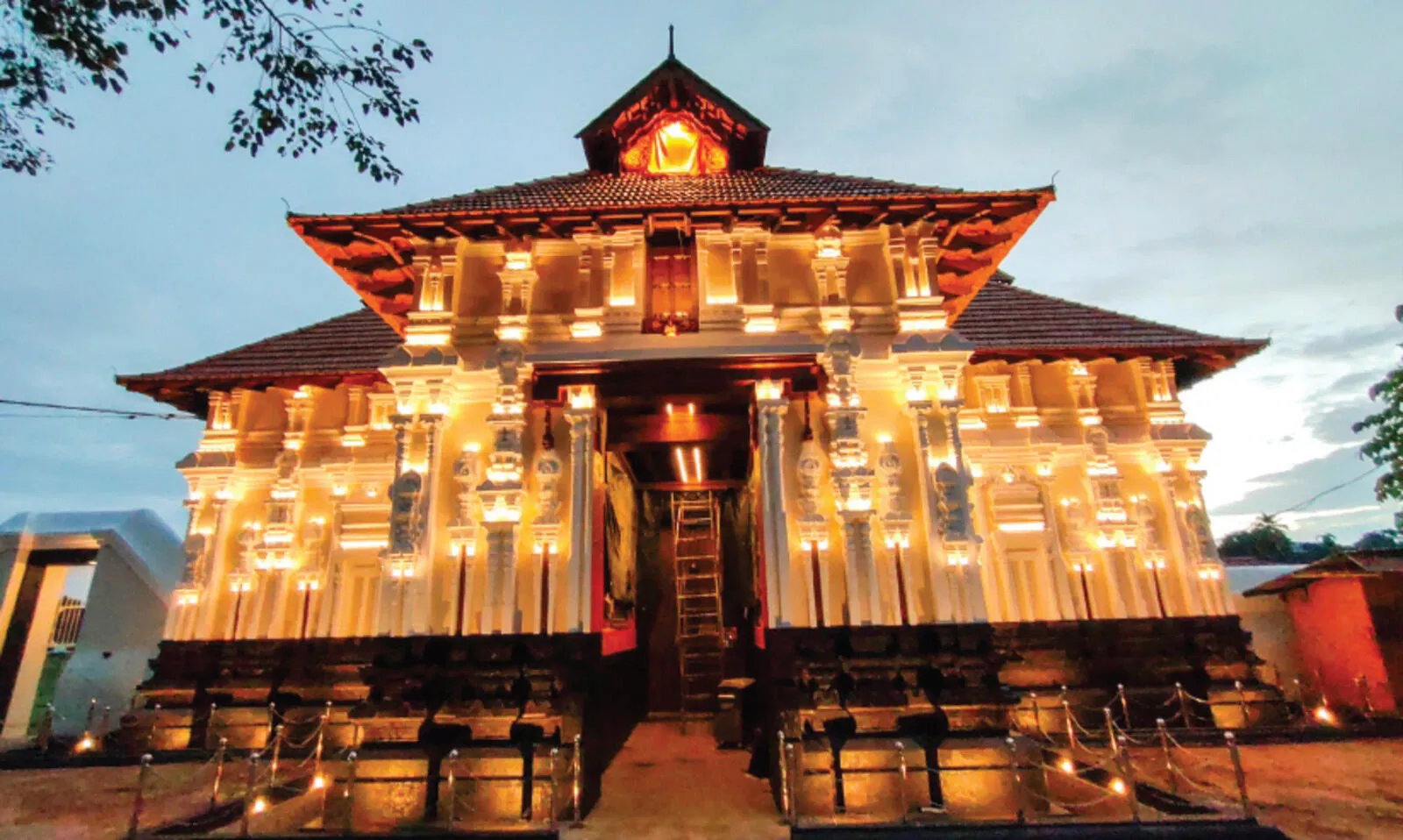
Koodalmanikyam Temple Irinjalakuda
Visit Information
Opening Hours
Entry Fee
Best Time to Visit
February (Ezhara Ponnana Festival)
Location
Kottayam District, Kerala, India
Contact
For inquiries: 0481-2522270
Share this destination:
 Translate