
Parassinikadavu Muthappan Temple
About Parassinikadavu Muthappan Temple
Introduction to Parassinikadavu Muthappan Temple
On the tranquil banks of the Valapattanam River in Kannur district, the Parassinikadavu Muthappan Temple stands apart from almost every other major shrine in Kerala. Dedicated to Sree Muthappan — a folk deity believed to embody both Lord Vishnu and Lord Shiva — this is the only temple in Kerala where Theyyam, the vivid ritual dance form of North Malabar, is performed as daily worship rather than as a seasonal festival. For travelers drawn to Kerala's living folk traditions rather than its classical Sanskritic temple culture, Parassinikadavu offers something genuinely unlike anywhere else in the state: a temple that welcomes people of every caste and religion, treats stray dogs as sacred companions of the deity, and channels a god who is said to have relished dried fish, toddy, and meat.
This is a temple built around inclusion and directness rather than ritual distance. There are no Brahmin priests standing between devotee and deity here — worship is led by members of the Thiyya community, and the Theyyam performer, believed to carry the deity's presence during the ritual, receives petitions from devotees directly and is thought to respond as Muthappan himself. Add a scenic riverside setting, a nearby snake park that's one of Asia's most respected reptile conservation centers, and easy access from Kannur city, and Parassinikadavu becomes one of North Kerala's most rewarding and distinctive day trips.
Kannur district as a whole remains one of Kerala's least internationally touristed regions despite its rich culture, meaning a visit here tends to feel considerably less crowded and more authentic than the well-worn southern circuit through Kochi, Munnar, and Alleppey. For travelers who have already experienced Kerala's backwaters and hill stations, or who specifically want to understand the state's folk-religious traditions rather than only its classical temple architecture, Parassinikadavu offers a markedly different, and for many, more memorable kind of encounter.
This guide covers the temple's history and legends, how to reach it from Kannur and its airport, the best time to visit, its unique daily rituals, food, hotels, a realistic itinerary, nearby places, practical travel tips, and answers to the questions travelers ask most often before visiting.
History of Parassinikadavu Muthappan Temple
Unlike Kerala's ancient Brahminical temples with founding legends tied to sages or royal dynasties, Parassinikadavu's history is rooted in North Malabar's tribal and folk traditions, and its exact age is harder to pin down — local tradition places the temple's history at roughly four to five centuries, though the worship of Muthappan as a folk deity in this region is believed to predate the temple structure itself. This oral, community-transmitted history stands in deliberate contrast to the inscriptional and dynastic records that document the founding of many of Kerala's larger Brahminical shrines, and it's part of what gives Parassinikadavu its distinctly grassroots character even today.
The Legend of the Divine Child
According to local folklore, a mysterious child appeared in the Parassinikadavu area generations ago, raised by a couple who found him under unusual circumstances. The boy grew up with an unmistakable taste for dried fish, toddy, and meat, along with a habit of roaming the forests and hunting — behavior that led his adoptive family to eventually cast him out. It was only after his disappearance that a series of extraordinary occurrences convinced the community that the child had been no ordinary boy, but a divine incarnation. Worship of Muthappan grew from these accounts, and the site where he was believed to have manifested became the spiritual center it remains today.
A Dual Divine Identity
Muthappan is understood locally as a composite of two divine forms: Thiruvappana, associated with Lord Vishnu and depicted with a crown shaped like a fish, and Vellattam, associated with Lord Shiva and depicted with a green crown bearing a crescent moon. Both forms are enacted daily through Theyyam, making Parassinikadavu unique even among Kerala's many Theyyam-associated shrines, where the ritual dance is typically performed only during a defined seasonal festival period rather than every day of the year, and this daily continuity is precisely what has made the temple such a significant pilgrimage destination for devotees across generations.
A Temple Outside the Brahminical Tradition
From its earliest days, Parassinikadavu developed outside Kerala's dominant Brahminical temple structure. The temple's core rituals and daily poojas are performed by the Thiyya community, specifically by hereditary families connected to the temple, while the Theyyam performances themselves are carried out by artists from the Vannan community — a division of ritual roles distinct from the priestly hierarchies found at most of Kerala's larger, more classical temples. This non-Brahminical structure is part of why the temple has long been closely identified with the region's tribal and folk heritage rather than with the Sanskritic mainstream.
A Temple of Radical Openness
One of the defining aspects of Parassinikadavu's history and identity is its explicit welcome to devotees of every caste, community, and religion — a striking departure from the entry restrictions still observed at many older Kerala temples. Muthappan is worshipped specifically as a protector of the downtrodden, and this social ethos has shaped the temple's practices for generations, including its long-standing tradition of providing free meals, free accommodation for visiting pilgrims, and charitable services including a school and medical support for those unable to afford care elsewhere.
Why Parassinikadavu Resonates with Malabar's Diaspora
For Malayali families originally from North Malabar, and particularly from Kannur district, Parassinikadavu carries a distinct regional pride separate from the devotional traditions associated with Kerala's larger Vaishnavite and Shaivite temples further south. Theyyam itself is one of the region's most treasured cultural exports, and families who grew up around Kannur's kavu shrines often describe Muthappan worship as inseparable from their sense of North Malabar identity — something that continues to draw diaspora visitors back for the temple's daily rituals even when other parts of a Kerala itinerary focus on more conventional pilgrimage sites.
How to Reach Parassinikadavu Muthappan Temple
Located in Kerala's northernmost Kannur district, Parassinikadavu is reachable by air, rail, and road, with Kannur city serving as the most convenient gateway for most travelers, whether arriving from elsewhere in Kerala or from further afield in India.
By Air
- Kannur International Airport (CNN) is the nearest airport, roughly 25-35 km away, with growing domestic and select international connectivity.
- Calicut International Airport (CCJ) in Kozhikode is a secondary option for travelers connecting through a larger hub, at a greater distance further south.
- Pre-paid taxis and app-based cabs connect both airports to the temple, with Kannur airport offering the shorter, more convenient transfer.
By Train
- Kannur Railway Station (CAN) is the main hub, roughly 16-20 km from the temple, with strong connections along Kerala's coastal rail line as well as to Bengaluru, Mumbai, and other major Indian cities.
- Pappinissery, a smaller local station, sits closer to Parassinikadavu itself for travelers using regional trains.
By Road
- The temple has good road connectivity from both Kannur and Taliparamba, with regular buses, taxis, and auto-rickshaws available.
- The route runs close to National Highway 66 (formerly NH17), making a taxi transfer from Kannur city straightforward, typically taking around 30-40 minutes.
For US-Based and International Travelers
Since Kannur sits well off Kerala's more heavily touristed southern circuit, most international travelers reach Parassinikadavu as part of a dedicated North Kerala or Malabar-focused itinerary, typically flying into Kannur or Calicut International Airport, or arriving overland after a longer Kerala trip that begins further south in Kochi.
Best Time to Visit Parassinikadavu Muthappan Temple
Ideal Months: October to June
The most favorable period to visit is between October and June, when the weather is pleasant and the temple hosts frequent Theyyam rituals. Because Theyyam here is performed daily rather than seasonally, visitors can generally count on witnessing the ritual regardless of when in this window they arrive, which sets Parassinikadavu apart from most other Theyyam-associated shrines in North Malabar, where the art form is confined to a narrower seasonal window each year.
Vrischikam Festival (November–December)
The temple's principal annual festival begins on the 16th of the Malayalam month of Vrischikam and continues through the 20th of the same month, typically falling in late November to early December. This period brings a heightened atmosphere and larger crowds of devotees, along with special rituals beyond the daily Theyyam performances.
Puthari Vellattam and Andu Pooja
Additional special observances take place during the Malayalam month of Thulam (roughly October-November), known as Puthari Vellattam and tied to the harvest season, and during Karkidakam (roughly July-August), known as Andu Pooja. Both add extra ritual significance to a visit timed around these periods.
Months to Approach with Caution
The monsoon months of June through September bring heavy rainfall to this part of Kerala, which can make travel and extended outdoor sightseeing around the temple and riverbank less comfortable, though the temple itself remains open and functioning throughout the year.
Daily Timings
The temple is generally open from around 5:00 AM to 8:00 or 8:30 PM daily. The two daily Theyyam performances, Thiruvappana and Vellattam, typically take place in the morning between roughly 5:45 AM and 8:00 AM, with an additional evening Vellattam performance around 6:30 PM.
Top Attractions and Rituals
Parassinikadavu's significance lies almost entirely in its living rituals and distinctive religious culture rather than in monumental architecture, and understanding these elements is central to appreciating a visit here. A few features in particular define the temple's identity and consistently leave the strongest impression on first-time visitors.
The Daily Theyyam of Thiruvappana and Vellattam
The temple's defining feature is its daily enactment of Muthappan through Theyyam — an elaborate ritual art form combining costume, makeup, music, and trance-like dance to embody the deity. Thiruvappana, performed each morning, and Vellattam, performed both morning and evening, together form the temple's central and continuous act of worship, making this the only place in Kerala where the art form functions as an everyday devotional practice rather than a seasonal spectacle.
Direct Communication with the Deity
Rather than relaying prayers through an intermediary priest, devotees approach the Theyyam performer directly with their concerns and questions, and the performer's responses — delivered in character as Muthappan — are believed by devotees to be the deity's own words. This direct, conversational style of worship is one of the temple's most distinctive features for first-time visitors, and it stands in sharp contrast to the more formal, ritually mediated darshan experience typical of Kerala's larger classical temples.
The Sacred Dogs of Muthappan
Dogs are considered sacred companions and vehicles of Lord Muthappan, and packs of dogs move freely around the temple grounds, treated with reverence by staff and devotees alike. Two carved bronze dog statues stand at the temple entrance, symbolizing the deity's guardians, and turning a dog away from the premises is considered a sign of disrespect. For many first-time visitors, the sight of dogs moving comfortably and confidently through the temple courtyards, entirely unbothered, is one of the most immediately noticeable and memorable differences from any other Kerala temple they may have visited.
Traditional Offerings
In a striking departure from the strictly vegetarian offerings found at most Kerala temples, Muthappan is traditionally offered dried fish and toddy, reflecting his folk identity as an unconventional, non-Brahminical deity closely tied to the everyday life of the region's hunting and fishing communities. The temple's prasadam, distributed to all visitors regardless of background, consists of tea and boiled black gram, and both the offering and the prasadam are worth understanding as expressions of the deity's grounded, working-class character rather than as anything unusual or out of place.
Riverside Setting
The Valapattanam River flows alongside the temple, and the stone steps leading down to the water are commonly used for prayer and ritual offerings, adding a serene, contemplative dimension to the temple's atmosphere that many visitors find as memorable as the Theyyam performances themselves. The river itself originates in the Western Ghats and holds broader regional significance as a tributary connected to other sacred sites in the district, including the Kottiyoor hills further upstream.
Traditional Kavu-Style Architecture
The temple follows the architectural style of Kerala's traditional kavu (sacred grove) shrines rather than the grander Dravidian or classical Kerala temple styles seen elsewhere — sloping roofs, wooden carvings, and open courtyards define its comparatively modest but atmospheric built environment.
Rituals and Spiritual Significance
Beyond the daily Theyyam, Parassinikadavu maintains a broader ritual calendar and set of devotional offerings that reflect its distinct folk-religious identity.
Named Offerings and Fixed Pricing
Devotees can sponsor a range of specific offerings, including Thiruvappana, Karimkalasam, Oottum Vellattam, Payankutti Vellattam, Payankutti, Vilakkumala, Choroonu, and Thulabharam. A distinctive local tradition holds that the rates for these offerings have remained largely unchanged since they were originally fixed, a detail devotees often mention as reflecting the temple's continued commitment to accessibility over commercialization, especially in comparison to some of Kerala's larger, more heavily visited pilgrimage sites where costs for similar ceremonies have risen considerably over the years.
Choroonu at Parassinikadavu
Like several of Kerala's major temples, Parassinikadavu is a popular site for Choroonu, the traditional first solid-food feeding ceremony for infants, drawing families seeking Muthappan's blessing for a child's first formal milestone and reflecting the temple's broader role as a gathering place for life-cycle rituals across generations.
Community Service as Worship
In keeping with Muthappan's identity as protector of the downtrodden, the temple operates ongoing charitable programs, including a school offering free education and meals, and medical services for those who cannot otherwise afford care — practices considered by devotees to be as central to the temple's mission as its formal rituals.
Understanding Theyyam
For visitors unfamiliar with Theyyam before arriving at Parassinikadavu, a little background on the art form itself adds considerable depth to the experience of witnessing it, and helps set expectations for what can otherwise feel like an unfamiliar and intense ritual encounter.
An Ancient Ritual Art Form
Theyyam is one of the oldest surviving ritual performance traditions in India, practiced almost exclusively in the North Malabar region of Kerala and neighboring parts of Karnataka. Performers undergo extensive preparation, including elaborate face and body painting using natural pigments, towering headdresses, and costumes that can take hours to assemble, all before entering what practitioners and devotees describe as a trance state in which the performer is believed to become a vessel for the deity being enacted. Scholars of Kerala's folk traditions regard Theyyam as one of the richest surviving windows into the region's pre-Sanskritic religious practices.
A Living, Not Staged, Tradition
Unlike classical Kerala dance forms such as Kathakali, which are widely performed in staged cultural programs for tourists, Theyyam at Parassinikadavu remains an unstaged act of genuine daily worship rather than a performance arranged for visitors. This distinction matters for how travelers should approach the experience — as observers of an active religious ritual rather than as an audience for a cultural show, even though outside visitors are welcome to watch respectfully, and many leave describing it as one of the most authentic cultural encounters of their entire Kerala trip.
Hereditary Performance Roles
Theyyam performers typically come from specific hereditary communities, with the role often passed down through families across generations. At Parassinikadavu, this responsibility rests with members of the Vannan community, whose traditional knowledge of the movements, chants, and preparation rituals required for the Thiruvappana and Vellattam forms has been maintained across many decades of continuous daily practice, making the temple an important living repository of this specialized, closely guarded ritual knowledge.
Hidden Gems Around the Temple
The Riverbank Steps at Quiet Hours
Outside of the main morning Theyyam rush, the stone steps leading down to the Valapattanam River offer a peaceful, less-visited spot to sit and absorb the temple's atmosphere away from the crowds gathered for the main rituals, and the gentle river breeze here makes for a welcome break from Kerala's coastal humidity.
Observing the Evening Vellattam
Many visitors focus exclusively on the morning Theyyam performances, but the evening Vellattam around 6:30 PM offers a quieter, differently atmospheric version of the ritual, often overlooked by day-trippers who leave after the morning rush.
The Temple's Charitable Institutions
The temple-run school and community welfare programs, while not conventional tourist attractions, offer visitors interested in the temple's social mission a deeper sense of how Muthappan's identity as a protector of the poor plays out in practical, everyday terms.
Things to Do in and Around Parassinikadavu
Beyond the temple itself, Parassinikadavu and the surrounding Kannur district offer a distinctive mix of cultural, wildlife, and coastal experiences that reward travelers willing to spend a full day or two in the area.
- Attend the morning Thiruvappana and Vellattam Theyyam performances, ideally arriving before 5:45 AM for the full ritual.
- Return for the evening Vellattam around 6:30 PM for a quieter version of the ritual.
- Walk along the Valapattanam River steps beside the temple.
- Visit the nearby Parassinikkadavu Snake Park, one of Asia's most respected reptile conservation centers.
- Explore Kannur city's colonial-era forts, including St. Angelo Fort and Thalassery Fort.
- Spend an afternoon at Muzhappilangad, one of Asia's longest drive-in beaches.
- Time your visit around the Vrischikam festival (November-December) for the temple's most significant annual celebrations.
Local Food to Try
Kannur district sits at the heart of Malabar's celebrated culinary tradition, and a Parassinikadavu visit is a good opportunity to sample food distinct from what most travelers encounter further south in Kerala.
Temple Prasadam
The temple's own prasadam — tea and boiled black gram, distributed freely to all visitors — is itself worth experiencing as part of the temple's tradition of hospitality and inclusion.
Malabar Cuisine
- Kannur-style biryani — the wider Malabar region, including Kannur and neighboring Thalassery, is renowned across India for its distinctive, richly spiced biryani tradition.
- Kallummakkaya (mussels) dishes — a Kannur coastal specialty, often prepared as a spicy roast or curry.
- Kerala-style fish curry and fried fish — widely available in Kannur's coastal restaurants, reflecting the region's strong fishing heritage.
- Unniyappam and other traditional sweets — small fried rice-and-jaggery snacks commonly sold near temple towns across Kerala.
Tips for Travelers
Vegetarian travelers will find plenty of pure-vegetarian options in Kannur city and around Parassinikadavu, while those interested in Malabar's celebrated non-vegetarian cuisine — particularly its biryani and seafood — will find Kannur one of Kerala's most rewarding regions for exactly that kind of exploration.
Where to Stay: Hotels Near Parassinikadavu
Because Parassinikadavu itself is a small village, most travelers looking for a wider range of amenities base themselves in nearby Kannur city, while pilgrims focused purely on the temple experience often take advantage of its own long-standing hospitality traditions.
Temple Accommodation
In keeping with its tradition of hospitality toward all visitors, the temple itself offers free accommodation to pilgrims, a distinctive feature not commonly found at Kerala's larger, more commercially run temples.
Kannur City Hotels
Most leisure travelers and those wanting more amenities base themselves in Kannur city, roughly 20-25 km away, where hotel options range from budget guesthouses to comfortable mid-range and business hotels, along with easier access to Kannur's beaches and forts.
Booking Considerations
Outside of the Vrischikam festival period in November-December, accommodation in both Parassinikadavu and Kannur city is generally easy to arrange with modest advance notice. Travelers hoping to attend the temple's main annual festival should plan and book somewhat further ahead, given the increased pilgrim traffic during this window.
Budget Guide
Parassinikadavu is, by design, one of the most accessible pilgrimage experiences in Kerala from a cost standpoint, given the temple's own charitable traditions of free meals and lodging for visitors.
Entry and Offerings
General darshan and access to the temple are free, and the temple's tradition of free meals and accommodation for pilgrims makes it one of the more genuinely low-cost major pilgrimage sites in Kerala. Devotees who wish to sponsor specific named offerings can do so at fixed, modest rates at the temple counters.
Approximate Daily Budgets (India-Based Travel)
- Budget traveler: Local buses, temple or simple lodge accommodation, and inexpensive local meals — very affordable given the temple's own charitable hospitality traditions.
- Mid-range traveler: A private taxi from Kannur, a comfortable city hotel, and a mix of local and restaurant dining, including Kannur's well-regarded Malabar cuisine.
- Comfort/luxury traveler: A private car with driver for a broader Kannur district tour, an upscale hotel or beach resort, and dining at established restaurants.
For International Travelers
Once in Kerala, costs around a Parassinikadavu visit — transport, meals, and any sponsored offerings — are very low by US standards, with the temple's own charitable traditions making it one of the more accessible pilgrimage experiences available anywhere in the state.
Sample 2-Day Itinerary
A simple two-day structure works well for travelers combining the temple with Kannur city's wildlife, colonial history, and coastline in a single, well-paced trip.
Day 1: Parassinikadavu Temple and Snake Park
- Early Morning: Arrive at Parassinikadavu Muthappan Temple before 5:45 AM to witness the full morning Thiruvappana and Vellattam Theyyam rituals.
- Late Morning: Walk along the Valapattanam River steps and explore the temple grounds, including its sacred resident dogs and bronze dog statues.
- Midday: Lunch at a local Kannur-style restaurant, sampling regional Malabar dishes.
- Afternoon: Visit the nearby Parassinikkadavu Snake Park for its reptile exhibits and live handling demonstrations.
- Evening: Return to the temple for the evening Vellattam performance around 6:30 PM before heading back to Kannur city.
Day 2: Kannur City and Coastal Kannur
- Morning: Explore St. Angelo Fort and the Arakkal Museum, tracing Kannur's colonial and royal history.
- Midday: Lunch near Payyambalam Beach.
- Afternoon: Head to Muzhappilangad Drive-in Beach for a relaxed beach afternoon.
- Evening: If timing allows, seek out a seasonal Theyyam performance at one of the many other kavus around Kannur district during the main Theyyam season (roughly November to May).
Nearby Places to Visit
Kannur district offers a distinctive mix of wildlife, colonial history, and coastline within easy reach of Parassinikadavu, making it easy to build a full day or two of sightseeing around the temple visit.
- Parassinikkadavu Snake Park: Just a couple of kilometers from the temple, this respected reptile conservation center houses over 150 species, including king cobras and Russell's vipers, alongside live handling demonstrations, and was established in 1982 with a mission of public education and snakebite treatment research.
- Muzhappilangad Drive-in Beach: One of Asia's longest drive-in beaches, a distinctive and popular Kannur attraction.
- St. Angelo Fort (Kannur Fort): A historic seaside fort built by the Portuguese in the early 16th century, later held by the Dutch and British.
- Thalassery Fort: Another colonial-era fort in nearby Thalassery, closely tied to the town's Malabar biryani heritage.
- Arakkal Museum: Dedicated to the Arakkal family, the only Muslim royal dynasty in Kerala's history.
- Payyambalam Beach and Kannur Lighthouse: A popular city beach with a historic lighthouse nearby, ideal for a relaxed evening walk.
- Madayipara: A striking laterite plateau known for its unique ecology and seasonal wildflowers.
Building a North Kerala Itinerary
Parassinikadavu fits naturally into a broader Kannur-district itinerary focused on North Malabar's distinctive folk culture, colonial history, and coastline — a region that offers a noticeably different travel experience from the backwater- and hill-station-focused circuits of central and southern Kerala. Many travelers pair a Parassinikadavu visit with time in Kannur city, a stop at the snake park, and a wider exploration of the district's forts, beaches, and seasonal Theyyam performances at other village shrines.
Travel Tips
- Openness to all visitors: Unlike many Kerala temples, Parassinikadavu welcomes devotees and visitors of all castes and religions, with no restriction based on faith background.
- Respecting the dogs: Dogs are treated as sacred at this temple; visitors should avoid shooing them away and should feel comfortable with their presence throughout the grounds.
- Dress code: Modest, traditional attire is recommended, in line with general Kerala temple etiquette, though the temple's overall atmosphere is notably less formal than at many classical Kerala shrines.
- Timing your visit: Arrive by around 5:30-5:45 AM if witnessing the full morning Theyyam ritual is a priority, since the performance follows a defined early-morning schedule.
- Photography: Be respectful and mindful during ritual moments; check with temple staff regarding photography guidelines, particularly during the Theyyam performances themselves.
- Offerings: Visitors curious about the temple's traditional offerings of fish and toddy should approach the topic with cultural respect, understanding it as a reflection of the deity's folk identity rather than a spectacle.
- Combine with the Snake Park: Given the short distance, most visitors pair a Parassinikadavu temple visit with a stop at the nearby snake park in the same outing.
- Language: Malayalam is the primary local language, though Hindi and English are generally understood by hotel staff, drivers, and shopkeepers in Kannur city.
- Accessibility: The temple's courtyard and riverside steps involve some uneven ground, worth keeping in mind for elderly travelers or those with mobility considerations; the morning Theyyam crowd can also make movement around the main courtyard tighter than usual.
- Connectivity: Mobile network coverage is generally reliable throughout Kannur district, and ATMs are readily available in Kannur city, though less so in the immediate Parassinikadavu village area.
- Traveling with children: Families visiting with young children should be aware that the Theyyam ritual can be intense and unfamiliar, with loud drumming, fire, and dramatic makeup; explaining what to expect beforehand can help make the experience less overwhelming.
Frequently Asked Questions
1. What is Parassinikadavu Muthappan Temple famous for?
It is famous for being the only temple in Kerala where Theyyam, the region's vivid ritual dance form, is performed daily rather than seasonally, and for its unusually open, non-Brahminical worship tradition that welcomes devotees of all castes and religions.
2. How far is the temple from Kannur city?
The temple is roughly 16-20 km from Kannur city and about 25-35 km from Kannur International Airport, typically a 30-40 minute drive by taxi or auto-rickshaw.
3. What time should I arrive to see the Theyyam performance?
The main morning Theyyam rituals, Thiruvappana and Vellattam, typically take place between around 5:45 AM and 8:00 AM, so arriving by 5:30-5:45 AM is recommended to witness the full ritual from the start. An additional evening Vellattam performance takes place around 6:30 PM.
4. Is the temple open to non-Hindus and people of other faiths?
Yes. Unlike many traditional Kerala temples, Parassinikadavu Muthappan Temple is known for welcoming devotees and visitors from all religions and castes, reflecting Lord Muthappan's identity as a protector of the downtrodden.
5. Why are dogs considered important at this temple?
Dogs are regarded as sacred companions and the vehicle of Lord Muthappan. Packs of dogs live freely on the temple grounds and are treated with reverence, and two bronze dog statues at the entrance symbolize the deity's guardians.
6. What is the best time of year to visit?
October through June offers the most pleasant weather and consistent access to the daily Theyyam rituals. The temple's main annual festival, held from the 16th to the 20th of the Malayalam month of Vrischikam (roughly late November to early December), is a particularly vibrant time to visit if you don't mind larger crowds.
7. Is there an entry fee?
No, general entry and darshan are free. The temple also has a long tradition of providing free meals and accommodation to pilgrims, and specific named offerings can be sponsored at modest, traditionally fixed rates.
8. What is the significance of the temple's fish and toddy offerings?
These offerings reflect Muthappan's identity as a folk deity closely tied to the everyday life of the region's hunting and fishing communities, distinguishing the temple's traditions from the strictly vegetarian offerings typical of Kerala's more classical, Brahminical temples.
9. Can Parassinikadavu be combined with a visit to the Snake Park?
Yes — the Parassinikkadavu Snake Park sits just a couple of kilometers from the temple and is commonly visited in the same trip, making for an easy half-day combination of religious and wildlife tourism.
10. How much time should I plan for a visit?
A visit focused on the morning Theyyam ritual and a walk around the temple grounds typically takes about 2-3 hours. Travelers combining the temple with the nearby snake park should plan for a half-day outing overall.
11. Is Parassinikadavu suitable for travelers unfamiliar with Theyyam?
Yes — while Theyyam can be an intense and unfamiliar experience for first-time visitors given its trance-like performance style, elaborate makeup, and direct devotee interaction, it is also one of the most striking and memorable cultural experiences available in Kerala, and visitors are generally welcome to observe respectfully from designated areas.
12. Is Parassinikadavu part of Kerala's more common tourist circuit?
Not as much as the southern backwater and hill-station routes through Kochi, Munnar, and Alleppey. Kannur district and North Malabar generally remain less internationally touristed, which many travelers find is part of what makes a visit here feel more distinctive and less crowded than Kerala's more heavily visited attractions.
13. Can families with children safely attend the Theyyam ritual?
Yes, families are welcome, though it's worth preparing children for the intensity of the experience beforehand — loud drumming, dramatic makeup, and at times fire are part of the ritual, and some younger children may find it overwhelming without context.
Conclusion
Parassinikadavu Muthappan Temple offers a window into a side of Kerala's spiritual life that many visitors never encounter on the state's more conventional temple circuits — a folk tradition built on daily ritual theater, radical inclusiveness, and a deity who defies the strict conventions found elsewhere in Hindu worship. Its riverside setting, sacred dogs, and unforgettable daily Theyyam performances make it one of North Kerala's most distinctive and memorable stops, whether approached as a devotional pilgrimage or a rare cultural experience. Pair a visit with the nearby snake park and Kannur's forts and beaches for a full and rewarding day exploring one of Kerala's most singular corners of living tradition.
For travelers who have already seen Kerala's backwaters, beaches, and classical temple architecture, Parassinikadavu offers something genuinely different — a chance to witness a religious tradition built on directness, hospitality, and daily ritual theater rather than grandeur or ceremony at a distance. Few destinations in Kerala reward an early wake-up call quite like arriving at the temple before dawn to watch Thiruvappana and Vellattam unfold beside the quiet waters of the Valapattanam River.
Photo Gallery
What you'll experience
- 1
Witness Muthappan Theyyam performances
- 2
Observe inclusive and unique worship traditions
- 3
Enjoy serene riverside surroundings
- 4
Partake in community meals offered to devotees
Explore More
Nearby Destinations
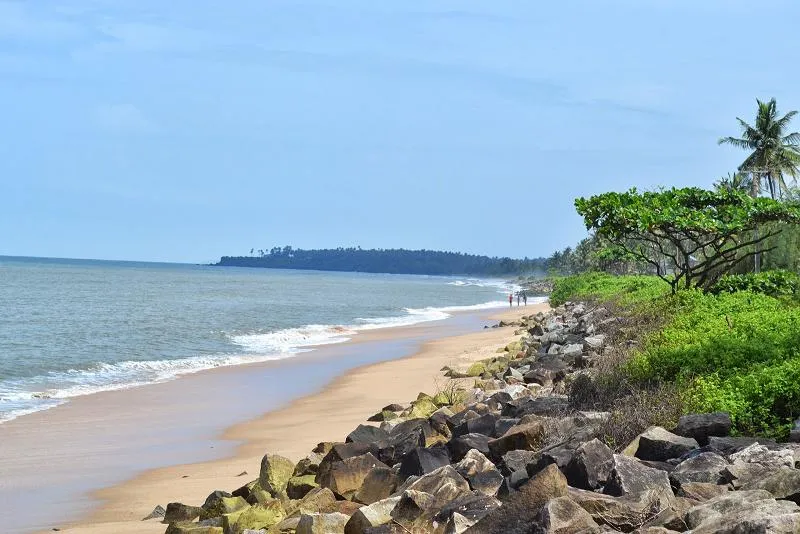
Payyambalam Beach
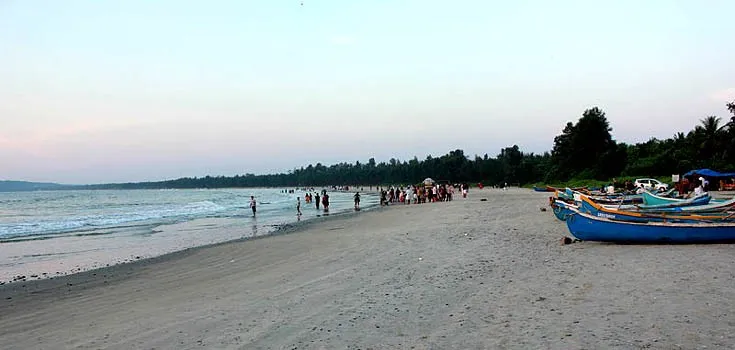
Muzhappilangad Drivein Beach
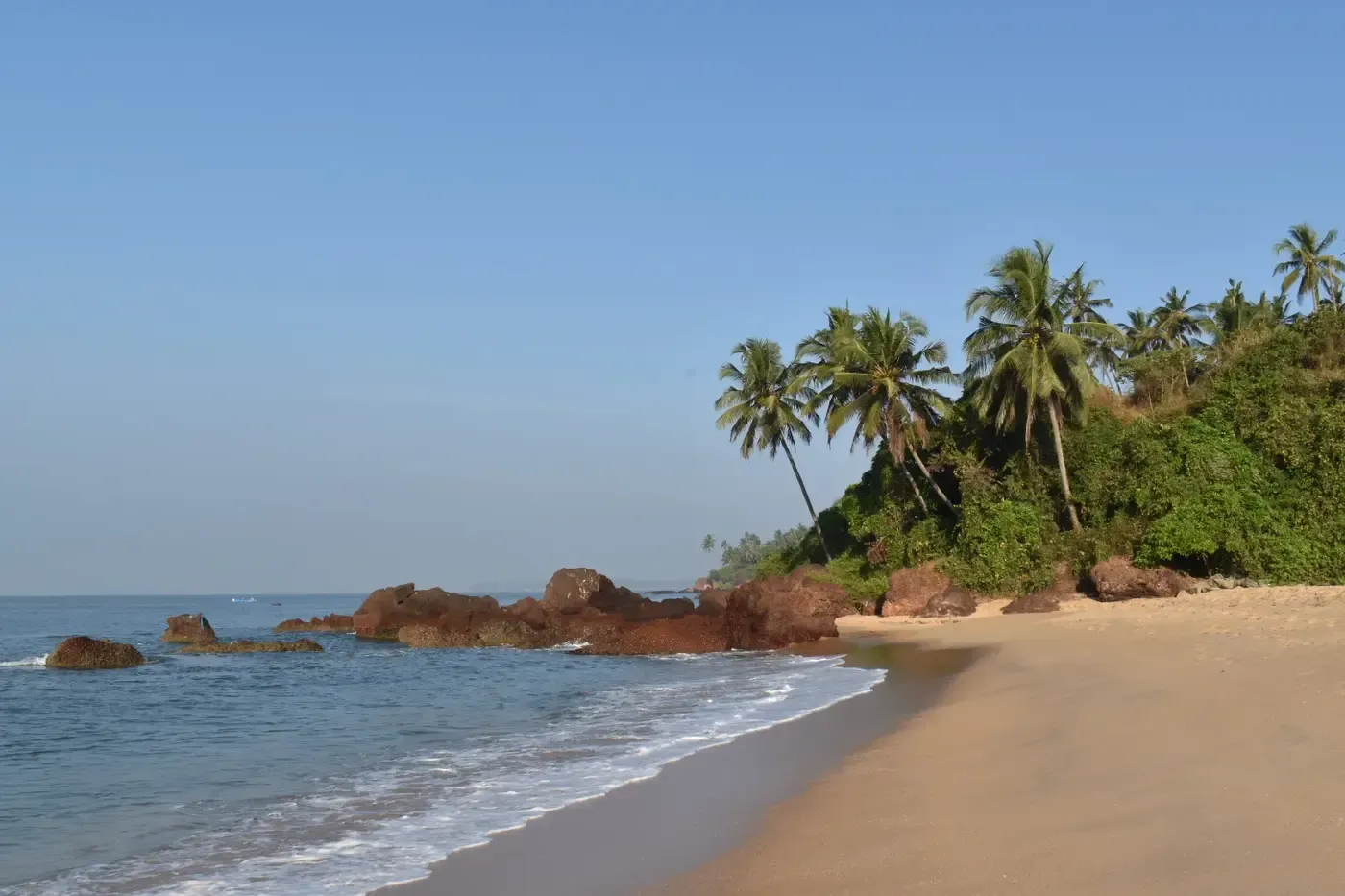
Thottada Beach
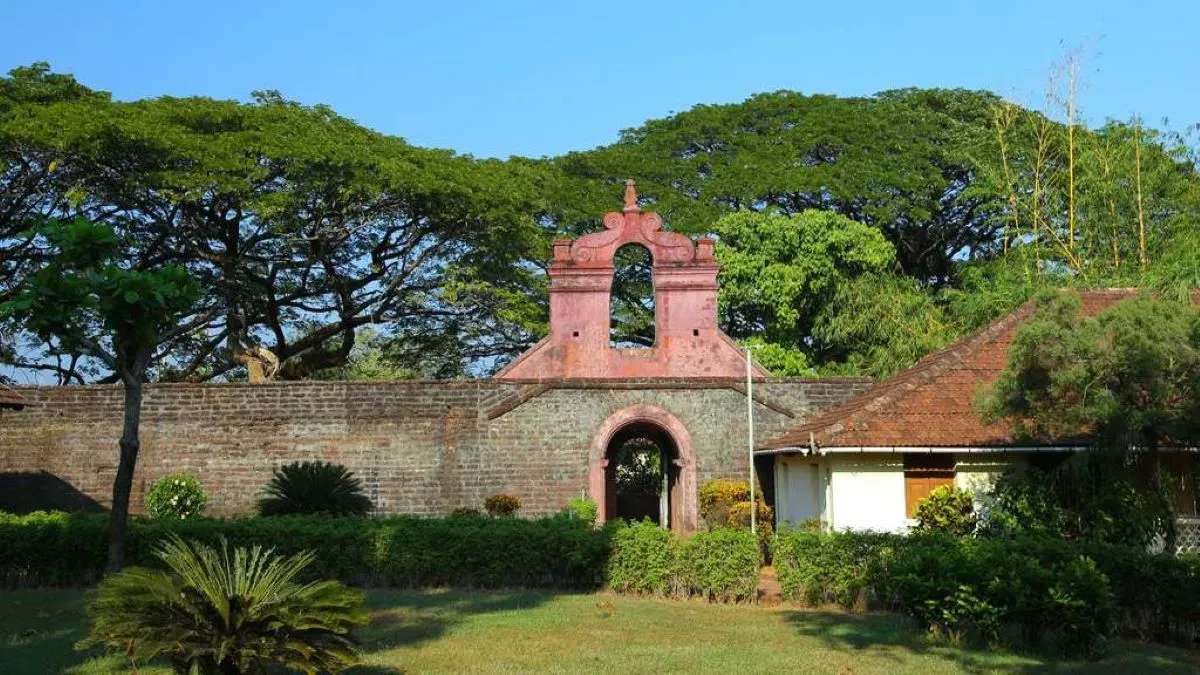
Thalassery Fort
These destinations are in close proximity to Parassinikadavu Muthappan Temple and can be visited on the same trip.
Related Destinations
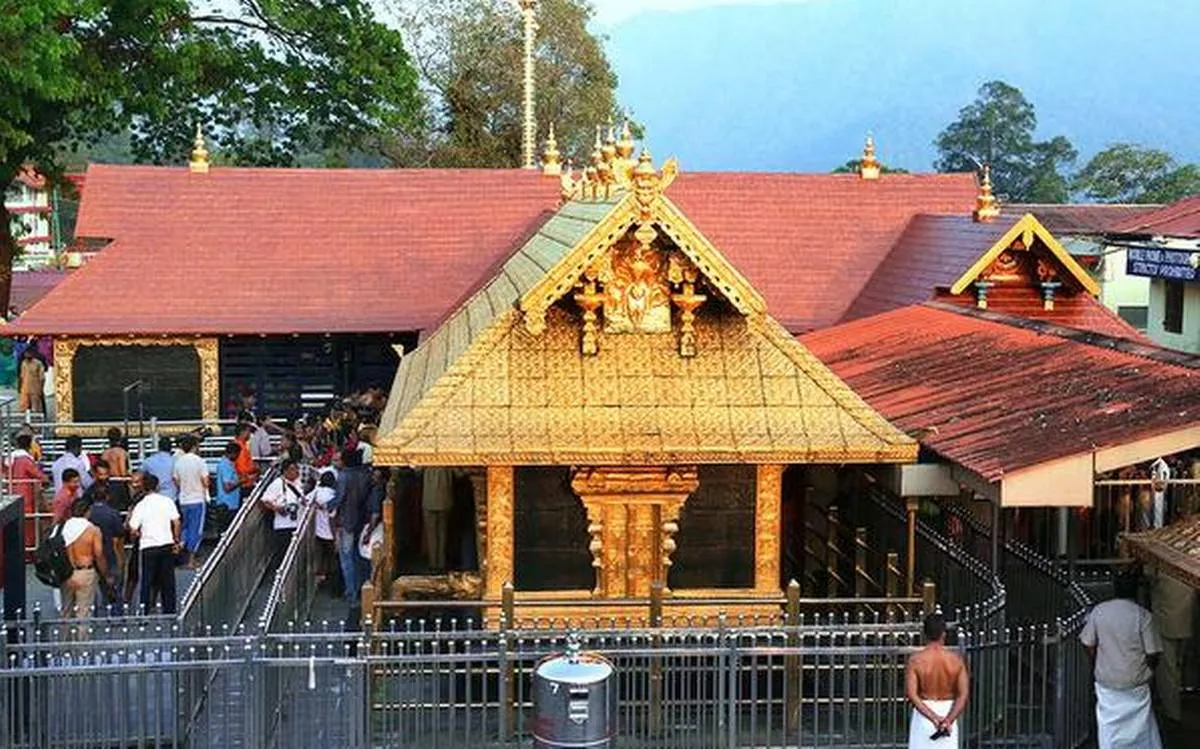
Sabarimala Temple
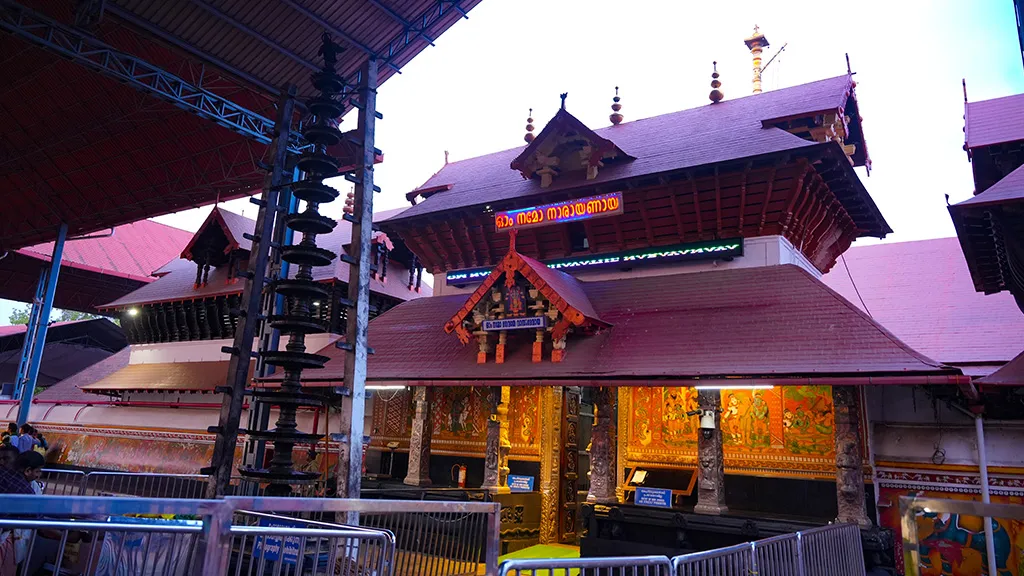
Guruvayur Temple
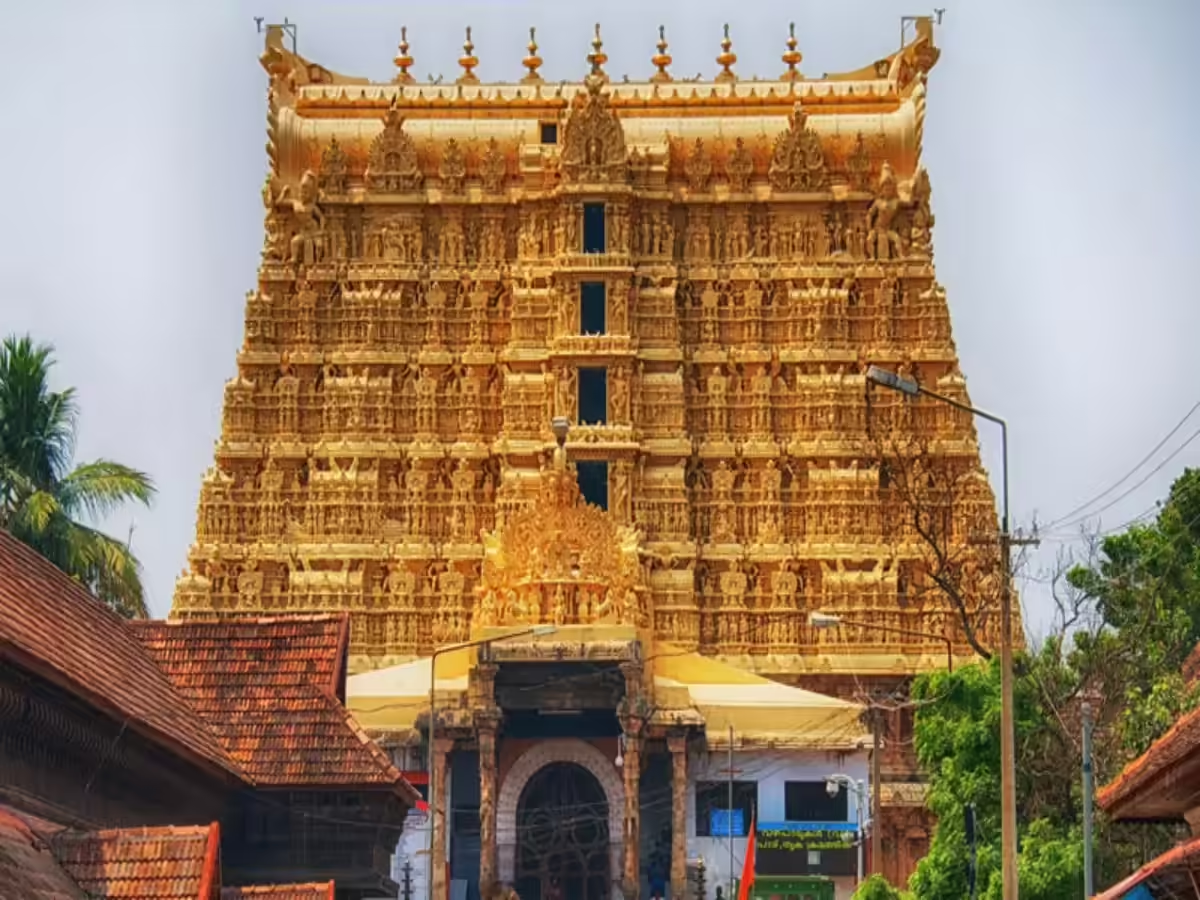
Padmanabhaswamy Temple
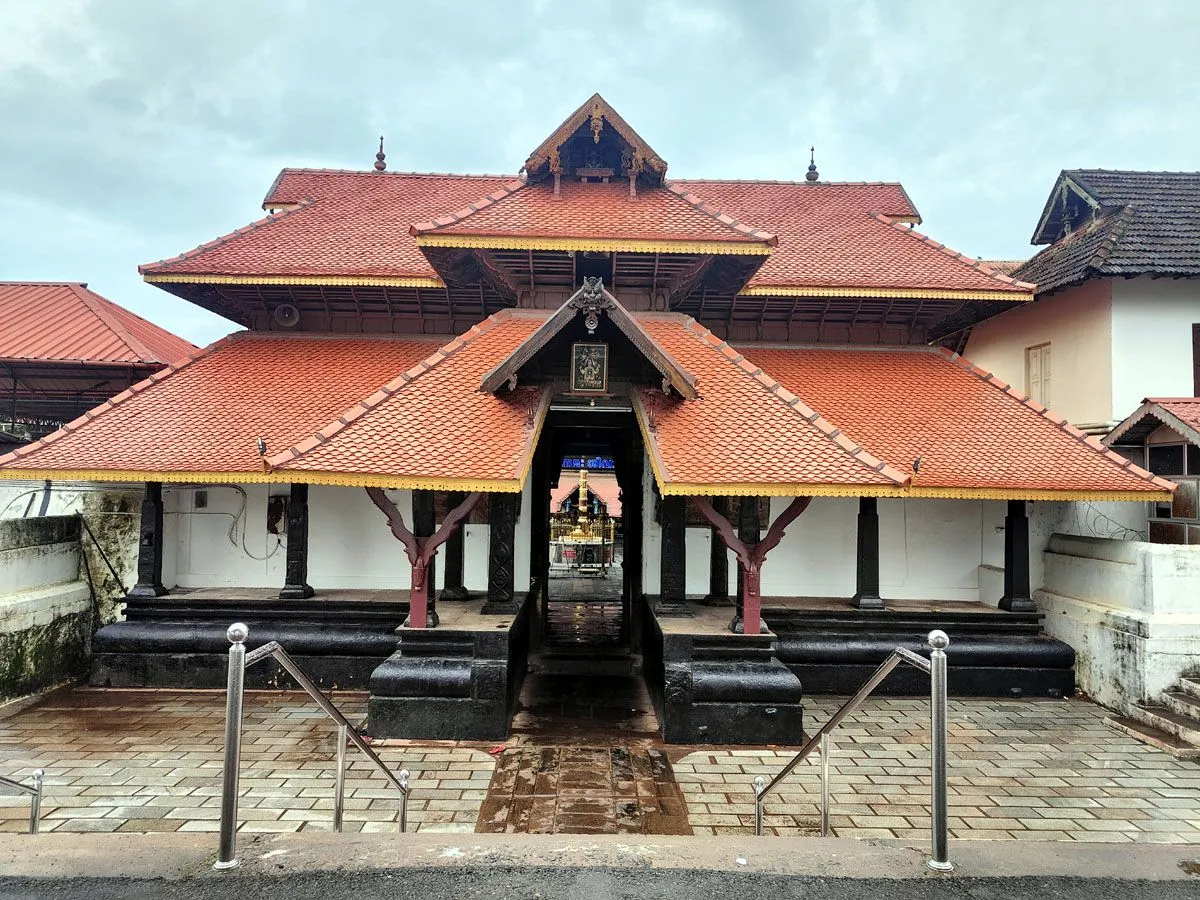
Ettumanoor Mahadeva Temple
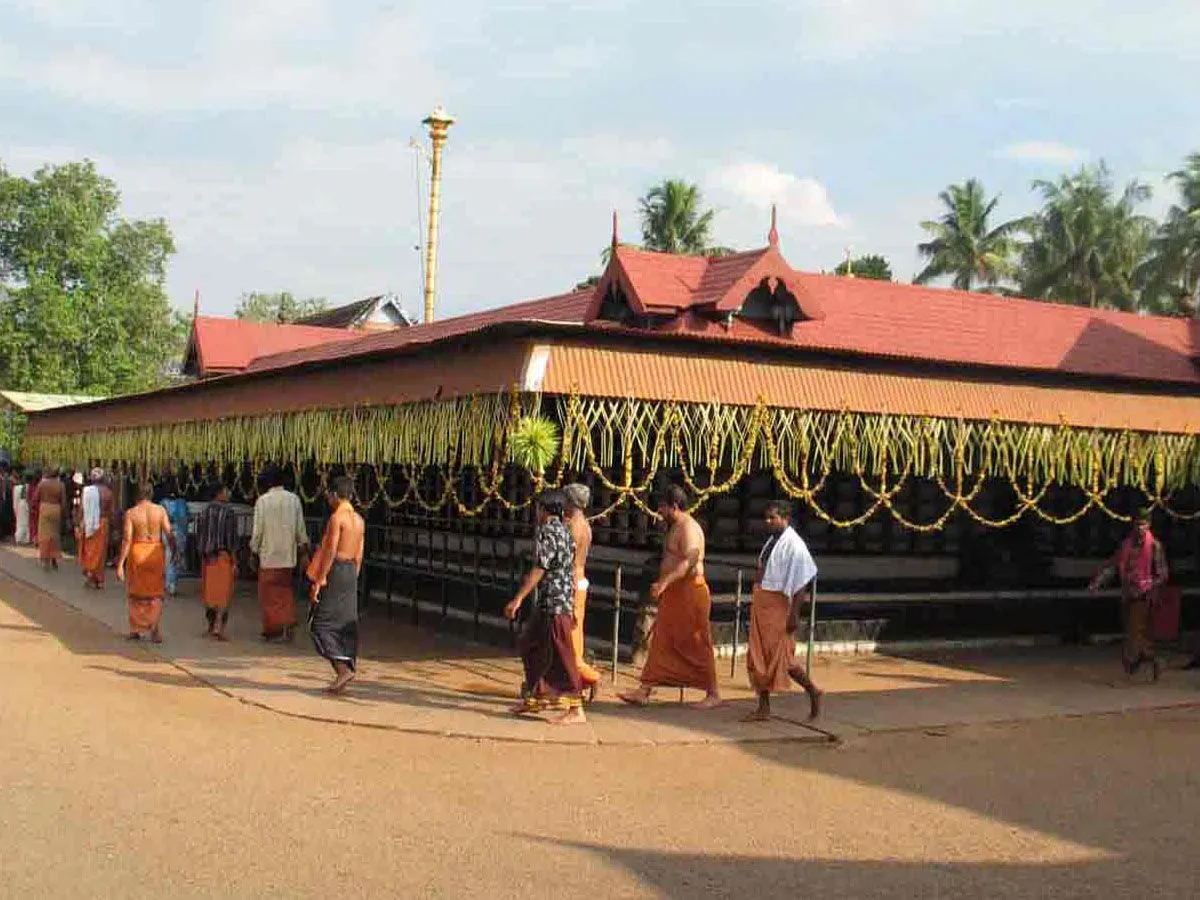
Chottanikkara Temple
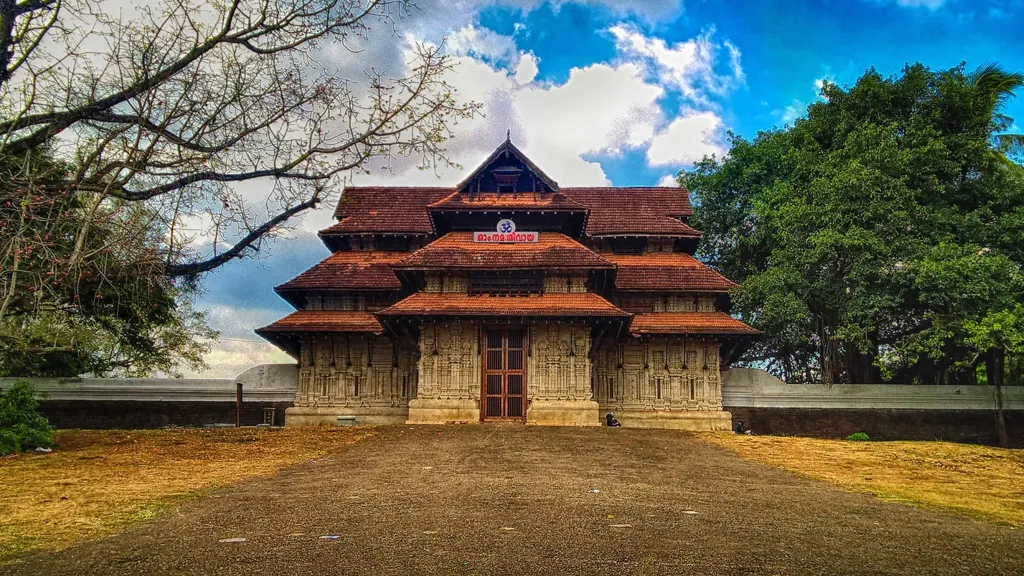
Vadakkunnathan Temple Thrissur
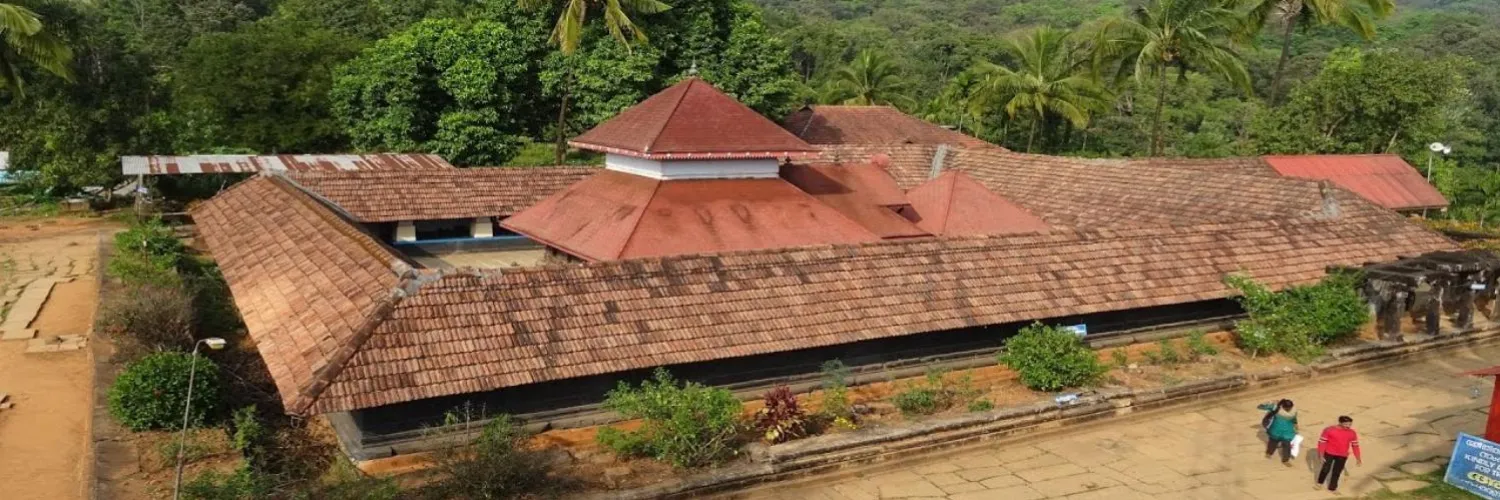
Thirunelli Temple Wayanad
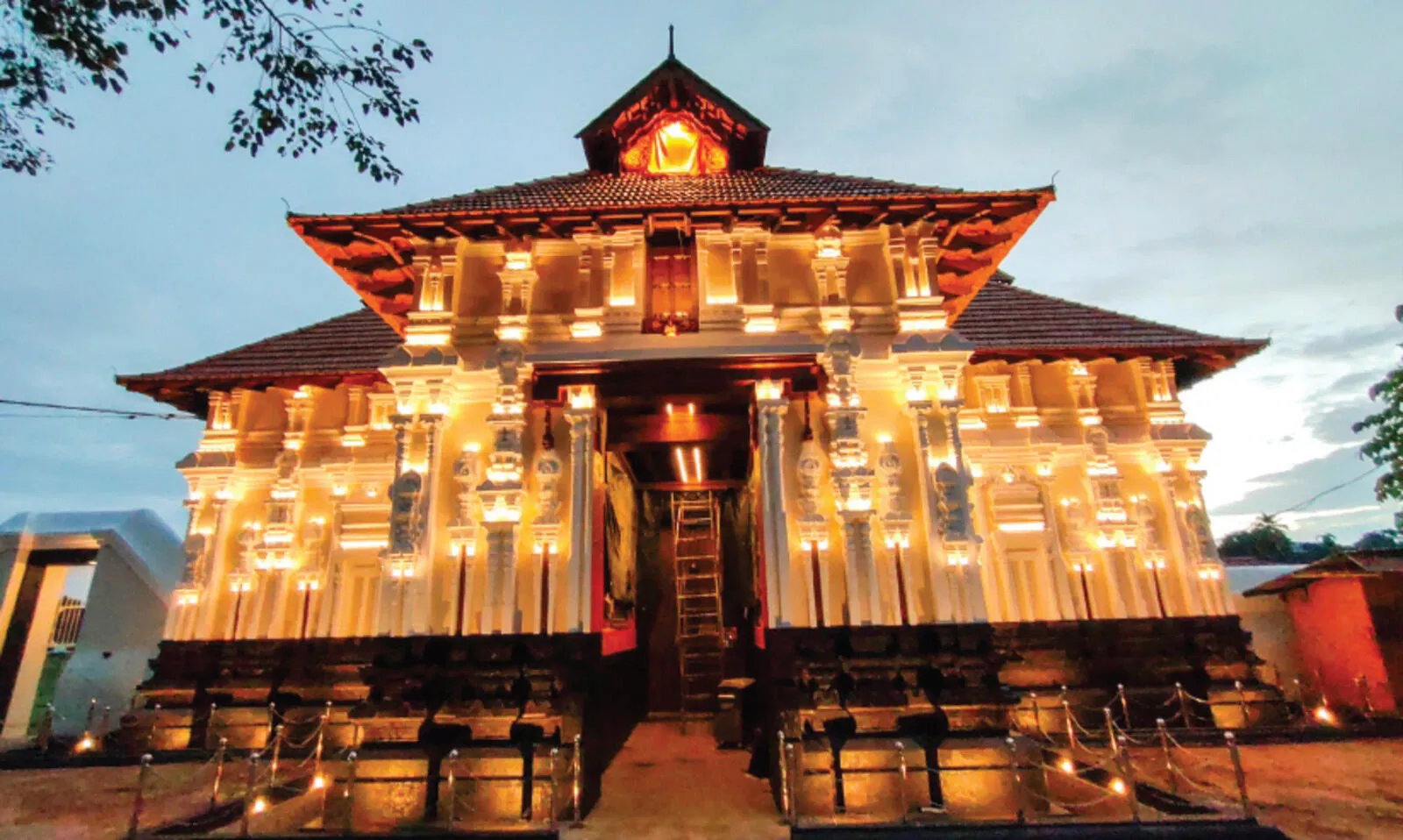
Koodalmanikyam Temple Irinjalakuda
Visit Information
Opening Hours
Entry Fee
Best Time to Visit
October to March
Location
Kannur District, Kerala, India
Contact
For inquiries: 0497-2780722
Share this destination:
 Translate