
Padmanabhaswamy Temple
About Padmanabhaswamy Temple
Padmanabhaswamy Temple: The World's Richest Temple, an 18-Foot Reclining Vishnu, and the Vault That Cannot Be Opened
In 2011, a Supreme Court-ordered inventory of the underground vaults beneath Padmanabhaswamy Temple in Thiruvananthapuram revealed an estimated $22 billion in gold ornaments, diamonds, jewel-encrusted statues, ancient coins, and precious stones — making it the richest religious institution ever documented in human history. Five of the six vaults were opened. The sixth — Vault B — remains sealed. The Travancore royal family, custodians of the temple for centuries, opposes opening it on religious grounds. Legends say it was locked by the Naga Paasam mantra and can only be opened by a Garuda mantra chanted by an accomplished sage. No official attempt to open it has succeeded. The Supreme Court of India has since ruled that the temple's overall administration remain with the Travancore royal family, not the government.
The vault story is not why the temple matters — it is a consequence of why the temple matters. Padmanabhaswamy Temple is one of the 108 Divya Desams (sacred Vishnu shrines) of Vaishnavism, the tutelary deity of the former kingdom of Travancore, and the spiritual reason why Thiruvananthapuram is named what it is — Thiru-Anantha-Puram, the City of Lord Anantha (the infinite serpent on which Vishnu reclines). The idol of Vishnu here, reclining in the Anantha Shayana posture across 18 feet, is so large that it can only be seen completely through three separate doorways cut into the sanctum wall. The rituals, the architecture, the dress code, and the devotional atmosphere are all extraordinary on their own terms. The vault story is the reason the world noticed.
Quick Facts Before You Go
- Location: East Fort, Thiruvananthapuram (Trivandrum), Kerala
- Deity: Lord Padmanabhaswamy (Lord Vishnu in Anantha Shayana — the cosmic reclining posture)
- Classification: One of the 108 Divya Desams of Vaishnavism; Maha Kshetram (Great Temple)
- Managed by: Travancore Royal Family Trust (Moolam Thirunal Rama Varma, titular Maharaja, is trustee)
- Entry: Hindus only; devotees must declare faith at the entrance gate
- General darshan: Free
- Special darshan: ₹150 without prasadam; ₹180 with prasadam
- VIP Night Darshan: ₹250 for 2 persons (8:30 PM slot) — book at booking.sreepadmanabhaswamytemple.org
- Distance from Thiruvananthapuram Central Railway Station: Under 2 km, 15–20 minute walk
- Distance from Trivandrum International Airport: About 6 km, 15–25 minutes by taxi
- Dress code: Strict — men must wear dhoti AND angavastram (no shirt); women must wear saree, half-saree, or full-length salwar kameez with dupatta
The Deity: Seeing Vishnu Through Three Doors
The central wonder of Padmanabhaswamy Temple — the reason for the pilgrimage before there were any vaults or any Supreme Court headlines — is the main idol itself. Lord Padmanabhaswamy is enshrined in the Anantha Shayana posture: the eternal yogic sleep, reclining on the infinite cosmic serpent Adi Shesha (also called Anantha), with five serpent hoods arching protectively over his head, inclined inward as a symbol of Lord Vishnu in deep contemplation.
The idol is 18 feet long — too large to be seen from a single viewpoint. Instead, three separate doorways are cut into the wall of the sanctum, and devotees view the deity section by section through each:
- First door (head): Lord Vishnu's face and upper body; beside him are his consorts Sridevi (goddess of prosperity) and Bhudevi (goddess of earth), and Lord Shiva in attendance
- Second door (navel): The central section, from whose navel emerges a lotus supporting Lord Brahma — the creator god born from Vishnu's contemplation
- Third door (feet): The lower body and feet of the reclining deity
The idol is made from 12,008 Shaligrama stones — sacred stones sacred to Vaishnavism, brought from the Gandaki River in Nepal — bound together using a traditional compound of medicinal herbs, lime, and natural adhesive. Each Shaligrama is believed to be a self-manifested form of Lord Vishnu. The three-doorway viewing format means that a devotee must move through three separate darshan queues to see the full deity — an experience that is entirely unlike any other single temple visit in India.
The History: Named After the Deity
Ancient Origins
The temple's origins are traced in legend to thousands of years ago — the 14th-century text Anandasagara Stavam and older Sangam-era Tamil literature contain references to the deity at this location. Historically documented worship here begins well over a millennium ago, and the current gopuram and formal temple structure date to the 16th century — the Gopuram foundation is dated to 1566, built in a fusion of Kerala and Dravidian architectural styles.
The Travancore Connection
The temple's modern form and its extraordinary wealth are inseparable from the Travancore royal family. In the 18th century, King Marthanda Varma — one of the most formidable rulers in south Indian history, who unified the region under Travancore's dominion — dedicated his kingdom entirely to Lord Padmanabhaswamy and declared himself the Padmanabha Dasa (servant of Padmanabha). The ruler would henceforth govern not in his own name but in the name of the deity, and all of Travancore's wealth — its trade revenues, military spoils, and royal treasures — would flow to the temple as the wealth of the deity. This dedication, formalized in 1750, explains the extraordinary scale of what was eventually found in the vaults: centuries of a kingdom's wealth, accumulated as devotional offering to the presiding deity and never removed.
The Architecture
The temple blends Kerala and Dravidian (Tamil) architectural styles in an unusual way — the 100-foot seven-tiered gopuram at the eastern entrance reflects the South Indian Dravidian tradition, while the inner structures follow the Kerala style with sloping roofs, narrow corridors, and laterite and granite construction. The western entrance (Padi Pura) leads to the inner sanctum. The temple walls feature extensive mural paintings, including the famous Ananthasayanam mural on the back of the main sanctum — at 18 feet, one of the largest temple murals in Kerala. The sacred water tank Padma Theertham (Lotus Spring) sits beside the temple. Just outside the main entrance stands the Methan Mani — an antique clock tower of considerable heritage character, and one of the most photographed features of the approach to the temple.
The Vaults: What Was Found, and What Remains Sealed
The 2011 Supreme Court Order
In 2011, responding to a public interest petition, the Supreme Court of India ordered the opening and inventory of the six underground vaults — labeled Vaults A through F — beneath the temple complex. A seven-member expert team, accompanied by the Head Trustee of the Travancore Trust, conducted the opening.
What Was Found
- Vault A: The largest and most stunning discovery — gold coins by the thousands (including ancient Roman and Napoleon-era European coins), gold jewellery of extraordinary workmanship, gold idols, gem-encrusted crowns and chains, diamonds, emeralds, and other precious stones. Estimated value: $10–15 billion from this vault alone.
- Vaults C, D, E, F: Significant additional treasures — gold objects, silver items, ancient artefacts — somewhat smaller in scale than Vault A but still extraordinary.
- Total estimated value across opened vaults: approximately $22 billion, making Padmanabhaswamy the most valuable religious institution ever documented.
Vault B: The Sealed Door
Vault B has not been officially opened since at least the 1880s. A 2012 attempt to open it was reported to have been unsuccessful. The Travancore royal family firmly opposes any opening, citing religious tradition and the belief that the vault was sealed with powerful protective mantras — specifically the Naga Paasam mantra — which legend holds can only be safely dissolved by an accomplished saint chanting the Garuda mantra. The Supreme Court, after the 2011 inventory, ultimately ruled in a 2020 judgment that the temple's management would remain with the Travancore royal family and confirmed that the vaults' religious sanctity must be respected. Vault B remains sealed and inaccessible to visitors, officials, or the general public. For many visitors, the mystery of Vault B is as significant as the darshan itself — and both deserve to be treated with the seriousness they carry.
Darshan Timings (2026)
Padmanabhaswamy Temple operates on a fixed slot-based darshan schedule with multiple windows throughout the day. The temple closes between sessions for rituals and does not allow continuous general entry.
Complete Daily Schedule
- Nirmalya Darshan: 3:30 AM – 4:45 AM (the most serene and spiritually powerful window — the first darshan of the day, after the removal of the previous night's flower garlands)
- Special Darshan: 6:30 AM – 7:00 AM
- General Darshan: 8:30 AM – 10:00 AM
- Midday Darshan: 10:30 AM – 11:10 AM
- Brief Darshan: 11:45 AM – 12:00 PM
- Afternoon closure: 12:00 PM – 5:00 PM
- Evening Darshan: 5:00 PM – 6:15 PM
- Extended Evening Darshan: 6:45 PM – 7:20 PM
- VIP Night Darshan: 8:30 PM – 9:00 PM (advance booking required)
Darshan Options and Pricing
Free General Darshan
Available to all Hindu devotees throughout the standard darshan windows at no charge. On weekday mornings outside festival periods, wait times for general darshan are typically manageable. On Sundays, public holidays, and festival periods, general darshan queues can mean 2+ hours of waiting under the sun for a darshan of 1–2 minutes inside.
Special Darshan (Paid)
₹150 per person without prasadam; ₹180 per person with prasadam. Provides a faster, more organized queue and a slightly longer darshan experience than the free general queue. Available both online (at the official booking portal) and at the temple's offline counter near East Fort.
VIP Night Darshan
The 8:30–9:00 PM slot is consistently described as the most peaceful darshan experience available at the temple — minimal crowds, lamp-lit sanctum atmosphere, and a more intimate encounter with the deity than is possible during peak daytime hours. Book online at booking.sreepadmanabhaswamytemple.org. The current rate is approximately ₹250 for two persons. Arrive 30–45 minutes before your slot time; late arrival may result in slot cancellation.
How to Book Online
- Visit booking.sreepadmanabhaswamytemple.org
- Enter mobile number and complete OTP verification
- Select darshan type (Special or VIP Night Darshan) and date
- Enter devotee names, date of birth, ID type and number
- Pay via UPI or card
- Download QR-coded ticket — carry both digital and a printed backup (phone batteries drain in queues)
Dress Code: More Specific Than Most Visitors Expect
The Padmanabhaswamy Temple dress code is among the strictest in India and is frequently misunderstood — particularly for men, where the requirement is not just a dhoti but a dhoti AND an angavastram (upper cloth).
- Men: Traditional white dhoti (mundu/veshti) AND an angavastram — a separate upper cloth worn across the chest and shoulder. No shirt, pants, jeans, or kurtas are permitted. The angavastram is specifically required; a dhoti alone without it is not sufficient for entry. Dhoti and angavastram rentals are available from shops near the temple entrance — ask specifically for dhoti and angavastram rather than just dhoti.
- Women: Saree, half-saree, or full-length salwar kameez (churidar) with a dupatta. Leggings, jeans, Western dress, and sleeveless tops are not permitted.
- Practical note: Change at your hotel before arriving at the temple — the gate is not a changing room. The dress code is enforced without exceptions at the gate.
Entry Restrictions
- Hindus only: Non-Hindu visitors are not permitted inside the temple. Devotees must declare their faith at the main entrance gate, and ID checks are conducted on festival days.
- No photography: Photography and mobile phone use are prohibited inside the temple premises.
- Footwear: Must be removed before entering; storage is available near the entrance.
- Loose coins only for offerings: Only loose coins or cash may be carried inside for ritual offerings — not notes.
Within the Temple Complex
- Thiruvambadi Srikrishna Temple: A subsidiary shrine within the complex that most visitors overlook — worth seeking out specifically
- Ganesha Temple: Another subsidiary shrine inside the complex, also commonly missed by first-time visitors focused only on the main sanctum
- Padma Theertham: The sacred lotus tank beside the temple, an important ritual bathing tank used by pilgrims before darshan
- Ananthasayanam mural: On the back wall of the main sanctum — at 18 feet, reputedly the largest temple mural in Kerala
- Methan Mani clock tower: Just outside the main entrance, an antique clock that has marked the time for temple rituals for generations
Getting to Padmanabhaswamy Temple
By Train
Thiruvananthapuram Central Railway Station (TVC) is under 2 km from the temple — a 15–20 minute walk or a very short auto-rickshaw ride. The station has extensive connections to Kochi, Chennai, Bengaluru, Mumbai, Delhi, Kozhikode, and all major South Indian cities, making it one of the easiest major Indian pilgrimage temples to reach by train.
By Air
Trivandrum International Airport (TRV) is about 6 km from the temple — 15–25 minutes by taxi in normal traffic. The airport has domestic connections across India and international routes including direct flights to Gulf cities, making it a practical entry point for pilgrims coming from outside India.
Local Transport
The temple is in the East Fort area of central Thiruvananthapuram, accessible by auto-rickshaw from anywhere in the city. Every auto driver in Thiruvananthapuram knows Padmanabhaswamy Temple, East Fort as a destination.
From the United States
Trivandrum International Airport is one of India's better-connected airports for Gulf hub connections — Emirates (Dubai), Qatar Airways (Doha), Etihad (Abu Dhabi), and Air India all serve TRV from Gulf cities that have connections from the US. Most US travelers will connect through a Gulf hub city.
Best Time to Visit
- Nirmalya Darshan (3:30 AM): The most spiritually powerful and crowd-free window — genuinely worth the early start for serious pilgrims
- VIP Night Darshan (8:30 PM): The most peaceful and intimate darshan experience during standard hours — highly recommended for all visitors, booked online in advance
- Weekdays, Tuesday to Thursday: Consistently the lightest footfall days; weekend general darshan queues can be 2+ hours
- Laksha Deepam festival: Once every six years (next in 2027–2028), the temple's most spectacular festival when 100,001 oil lamps are lit simultaneously — book everything far in advance
- October to February: Most comfortable weather window for the overall visit
- Vishu (April) and Thiruvonam (August–September): Major festival periods with extended ritual schedules but larger crowds
Frequently Asked Questions
Can non-Hindus enter Padmanabhaswamy Temple?
No. Entry is restricted to Hindus only. Devotees must declare their faith at the main entrance gate, and ID verification is conducted on festival days.
What is Vault B and why is it sealed?
Vault B is one of six underground vaults beneath the temple, sealed since at least the 1880s and not officially opened during the 2011 Supreme Court-ordered inventory. The Travancore royal family opposes opening it on religious grounds, citing tradition that the vault was sealed with protective mantras. The Supreme Court's 2020 judgment affirmed that temple management remains with the royal family, effectively upholding the vault's sealed status. It is not accessible to visitors or the public.
Why is Padmanabhaswamy Temple called the world's richest?
Because of the 2011 Supreme Court-ordered inventory of five of its six underground vaults, which revealed an estimated $22 billion in gold ornaments, diamonds, ancient coins, gold idols, and other precious objects accumulated over centuries as offerings from the Travancore royal family and devotees. No other religious institution of any faith has been documented to hold comparable wealth.
How large is the main idol?
18 feet long — the reclining Vishnu in the Anantha Shayana posture, made from 12,008 Shaligrama stones from Nepal's Gandaki River. The idol is too long to be seen from a single viewpoint and is viewed through three separate doorways cut into the sanctum wall.
What are the darshan timings in 2026?
Nirmalya Darshan: 3:30–4:45 AM. Special Darshan: 6:30–7:00 AM. General Darshan: 8:30–10:00 AM. Midday Darshan: 10:30–11:10 AM and 11:45 AM–12:00 PM. Afternoon closure: 12:00–5:00 PM. Evening Darshan: 5:00–6:15 PM and 6:45–7:20 PM. VIP Night Darshan: 8:30–9:00 PM (advance booking required).
What is the entry fee?
General darshan is free. Special darshan costs ₹150 per person without prasadam and ₹180 with prasadam. VIP Night Darshan is approximately ₹250 for two persons, booked online at booking.sreepadmanabhaswamytemple.org.
What is the dress code for men?
A white dhoti (mundu) AND an angavastram (upper cloth worn across the chest and shoulder) — both are required. No shirt, pants, jeans, or any Western-style clothing is permitted. The angavastram is specifically required in addition to the dhoti; a dhoti alone is not sufficient. Both can be rented near the temple entrance — ask for dhoti and angavastram.
What is the dress code for women?
Saree, half-saree, or full-length salwar kameez (churidar) with a dupatta. Jeans, leggings, sleeveless tops, and Western dress are not permitted.
What is the best time of day to visit?
The 3:30 AM Nirmalya Darshan is the most serene and spiritually significant window. The VIP Night Darshan at 8:30 PM is the most peaceful of the daytime hours. Avoid weekend general darshan if minimising queue time is a priority — weekday mornings are considerably less crowded.
How far is the temple from the railway station?
Under 2 km from Thiruvananthapuram Central Railway Station — a 15–20 minute walk or a very short auto-rickshaw ride, making it among the most train-accessible major pilgrimage temples in India.
Who manages Padmanabhaswamy Temple?
The Travancore Royal Family Trust, with Moolam Thirunal Rama Varma (titular Maharaja of Travancore) as trustee. Following the 2011 vault controversy, the Supreme Court's 2020 judgment affirmed that temple management remains with the royal family rather than passing to the government.
What is Thiruvananthapuram's name connection to the temple?
The city's name directly translates as The City of Lord Anantha — Thiru-Anantha-Puram — naming it after the cosmic serpent Anantha on which Lord Vishnu reclines in the temple's main idol. The deity is the reason the city exists where it does and is named as it is.
The Takeaway
Most visitors arrive at Padmanabhaswamy Temple because of the vaults. They leave because of the deity. The three-doorway darshan of an 18-foot reclining Vishnu made from 12,008 individual sacred stones, in a temple that has been in continuous worship for over a millennium, dressed in the required dhoti and angavastram, in the lamplight of the Nirmalya Darshan at 3:30 in the morning — that is an experience that has nothing to do with gold and everything to do with why this place accumulated so much of it. Book the VIP Night Darshan or come before dawn, dress correctly before you leave your hotel, carry only coins inside, and approach the three doorways in sequence. Vault B can wait.
Photo Gallery
What you'll experience
- 1
Admire the temple’s Dravidian architecture
- 2
Witness the reclining idol of Lord Vishnu
- 3
Experience deep spiritual ambience
- 4
Join evening rituals and lamp ceremonies
Explore More
Nearby Destinations

Kovalam Beach

Varkala Beach
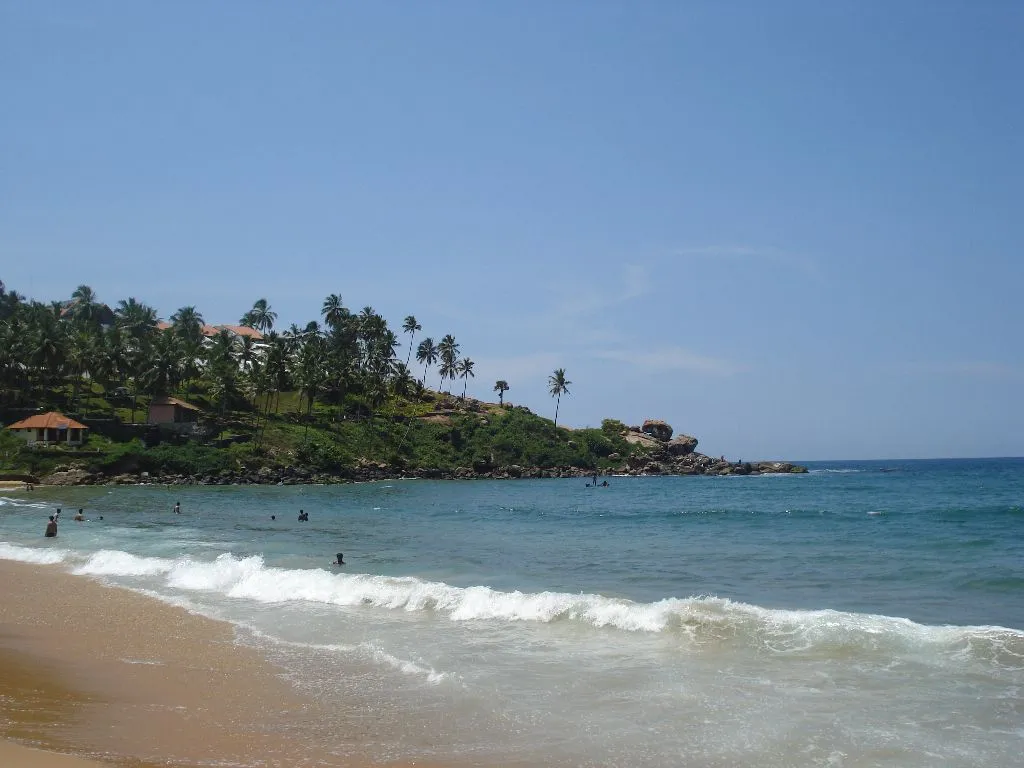
Samudra Beach
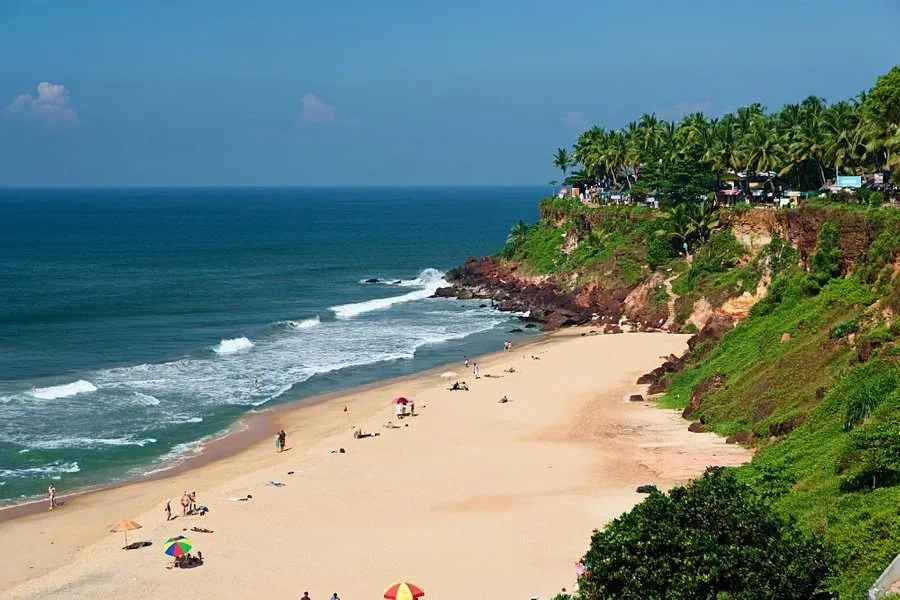
Papanasam Beach
These destinations are in close proximity to Padmanabhaswamy Temple and can be visited on the same trip.
Related Destinations
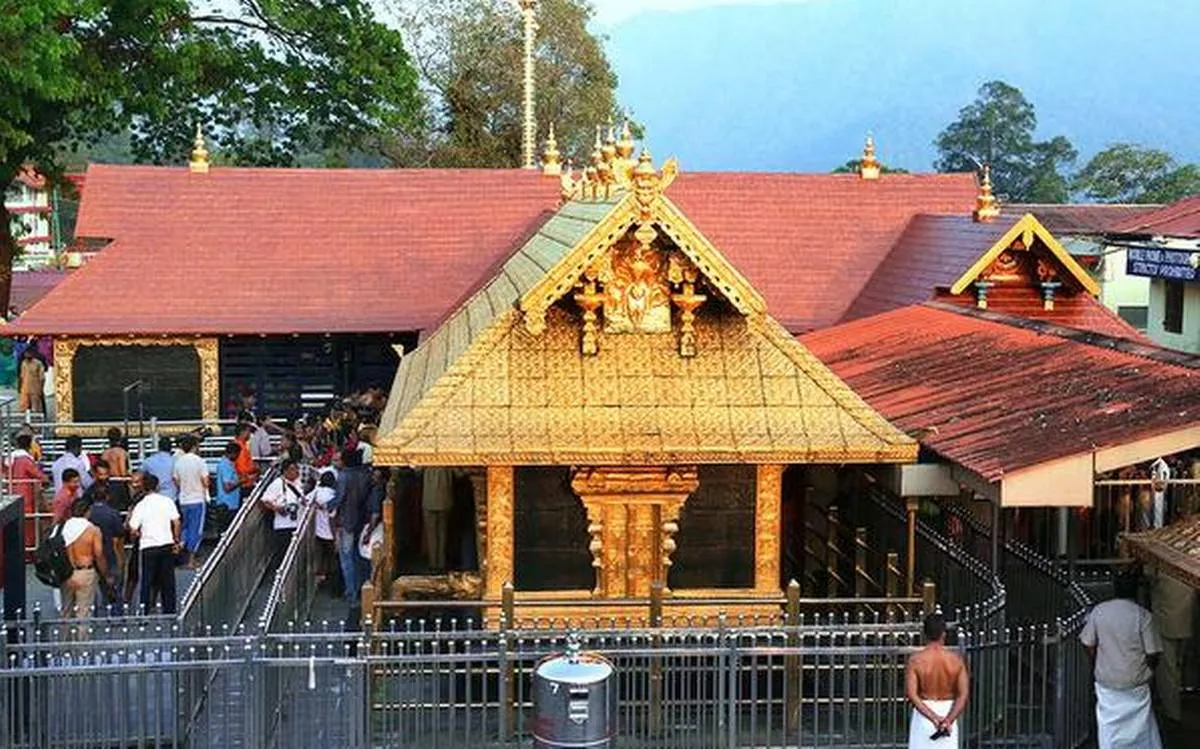
Sabarimala Temple
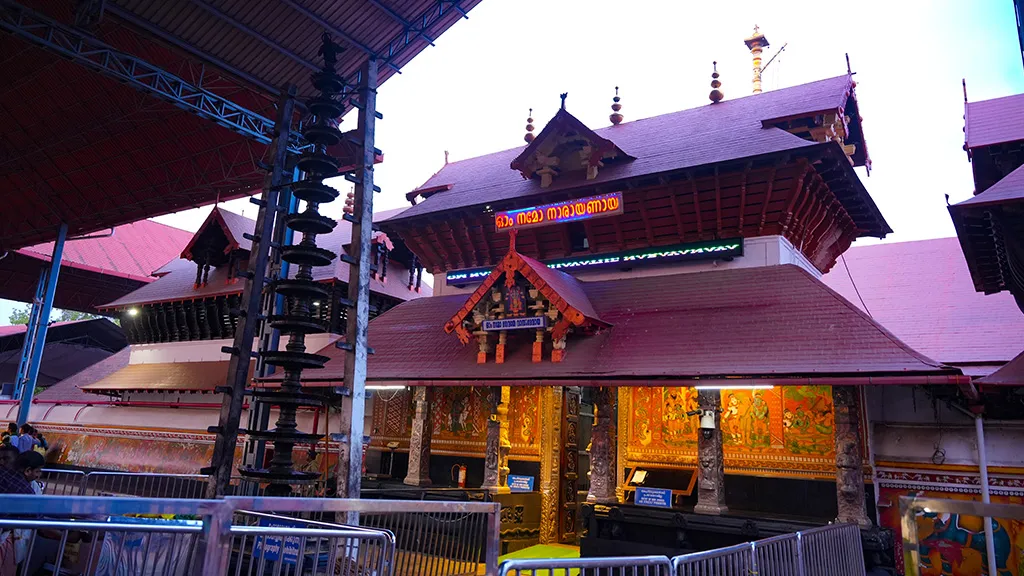
Guruvayur Temple
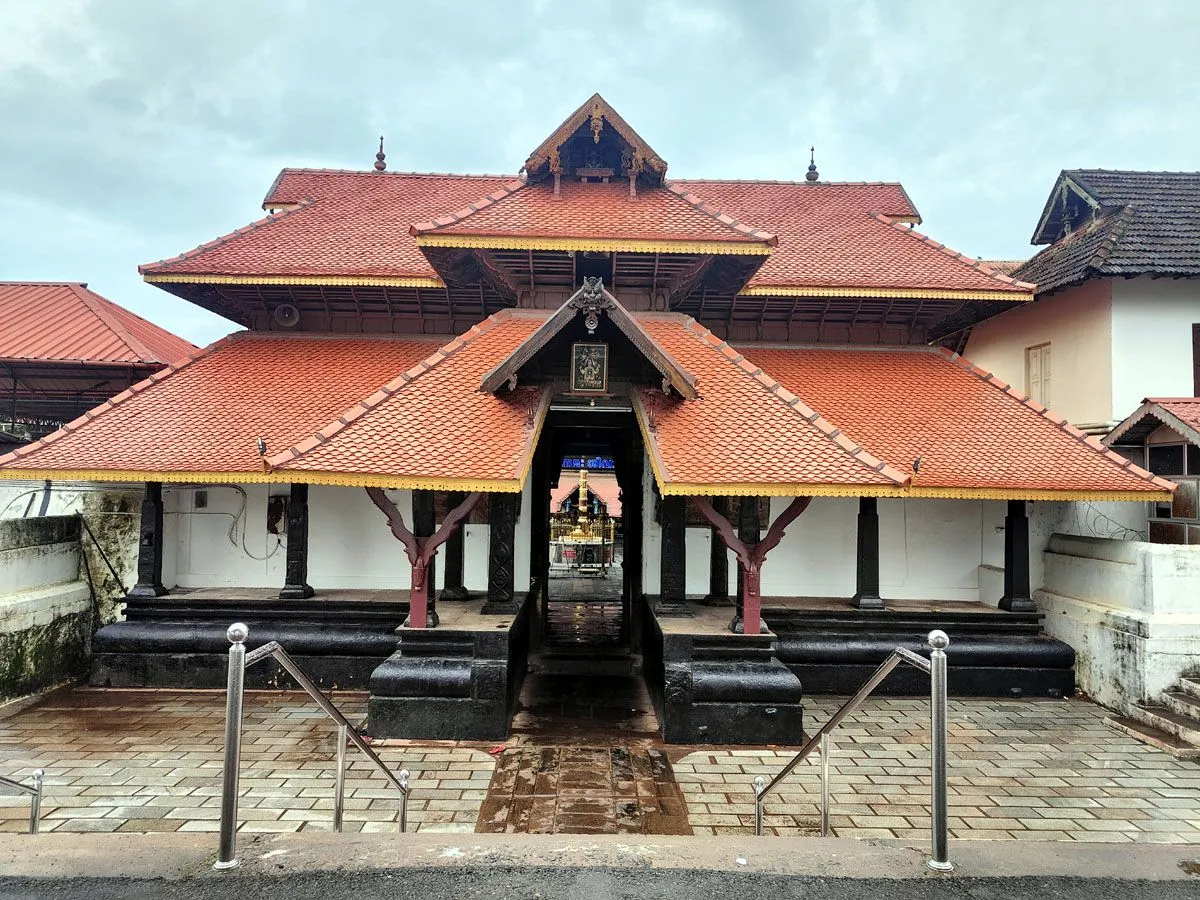
Ettumanoor Mahadeva Temple
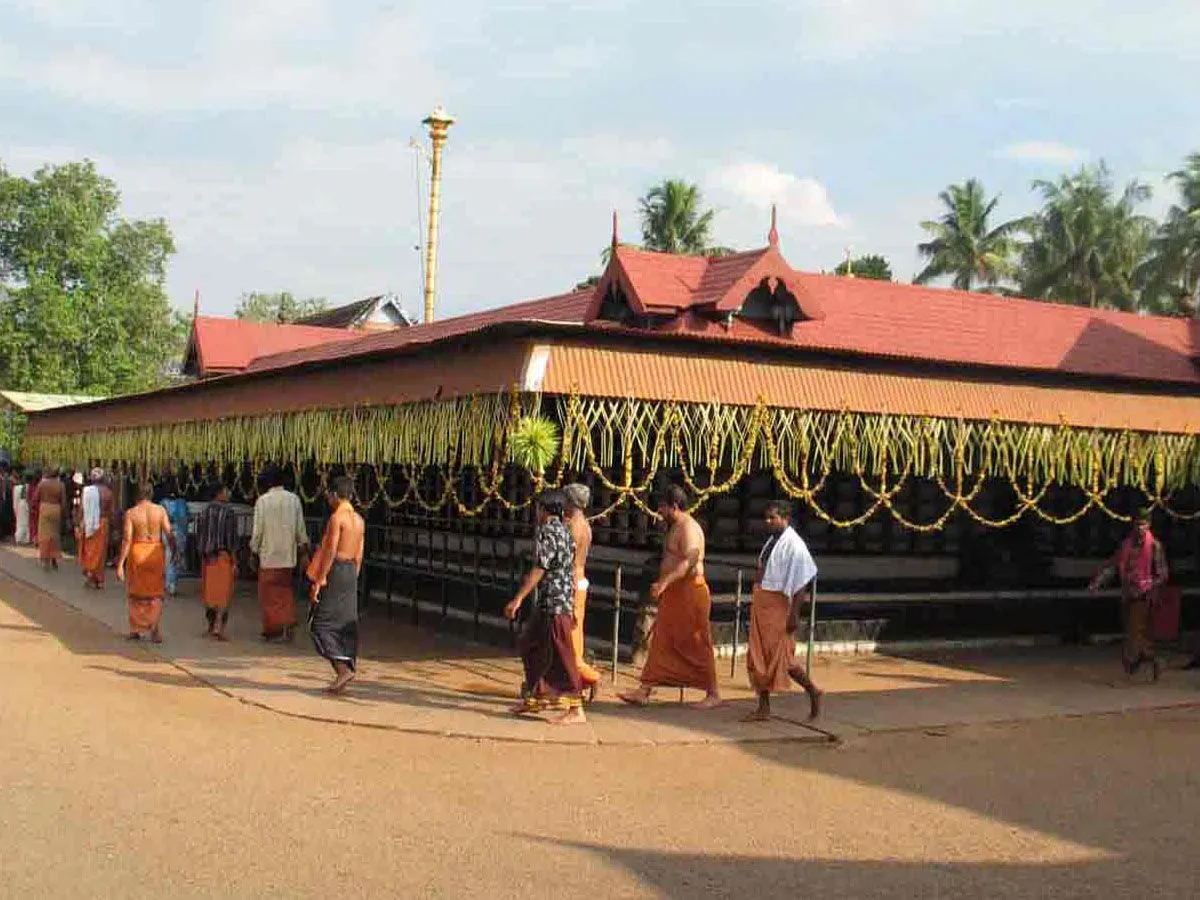
Chottanikkara Temple
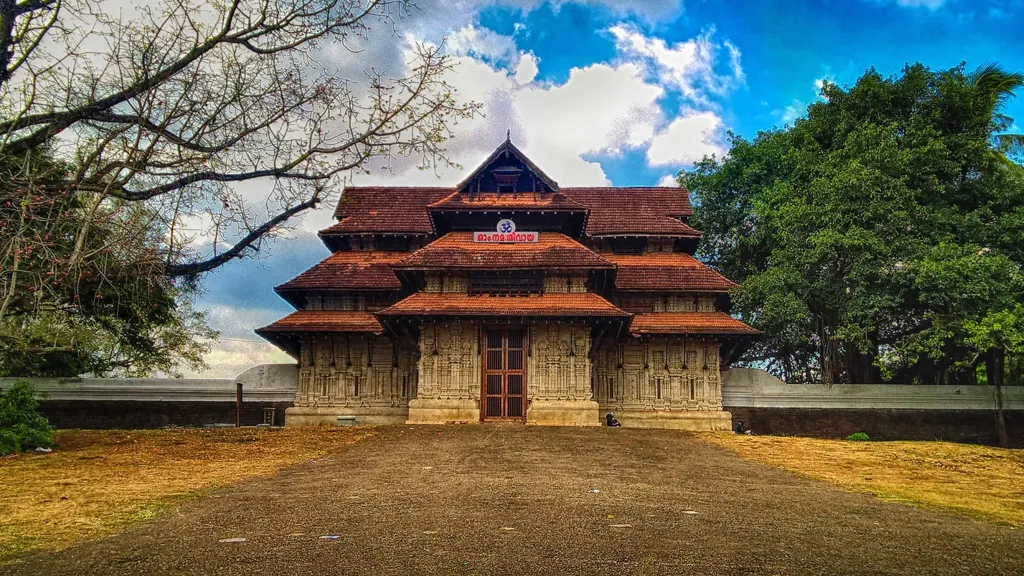
Vadakkunnathan Temple Thrissur
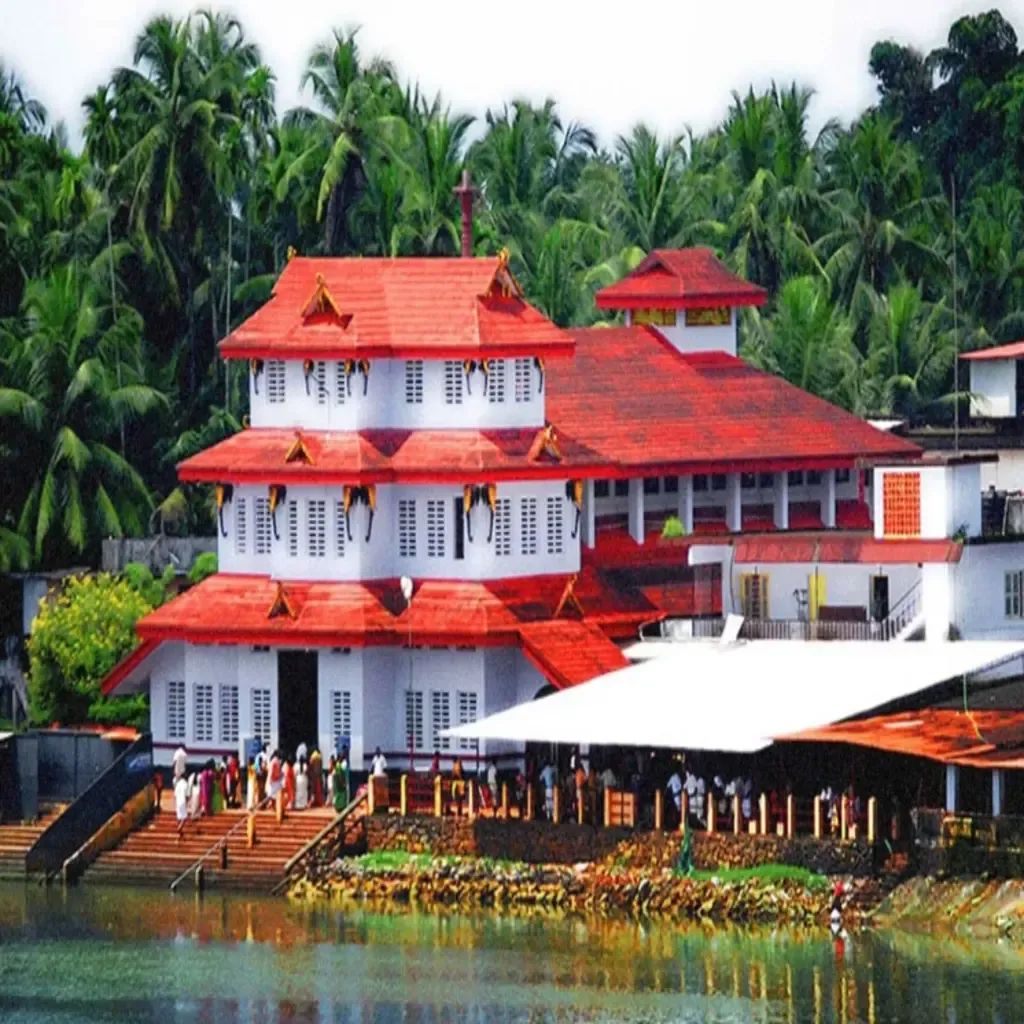
Parassinikadavu Muthappan Temple
Thirunelli Temple Wayanad
Koodalmanikyam Temple Irinjalakuda
Visit Information
Opening Hours
Entry Fee
Best Time to Visit
October to February
Location
Thiruvananthapuram, Kerala, India
Contact
For inquiries: 0471-2464606
Share this destination:
 Translate