
Thirunelli Temple Wayanad
About Thirunelli Temple Wayanad
Introduction to Thirunelli Temple
Cradled in a forested valley at the foot of the Brahmagiri Hills in North Wayanad, Thirunelli Temple is one of Kerala's most atmospheric and spiritually significant pilgrimage sites — a place so revered for its ancestral rites that it is popularly known as the Kashi of the South, after the holy city of Varanasi on the Ganges. Dedicated to Lord Maha Vishnu, the temple sits at roughly 900 meters above sea level, surrounded by dense forest, misty hills, and the sacred Papanasini stream, in a setting that feels closer to a Himalayan pilgrimage than the coastal and backwater landscapes most visitors associate with Kerala. For heritage travelers, nature lovers, and NRI visitors seeking a deeper, less commercialized side of Kerala's spiritual geography, Thirunelli offers a rare combination of ancient legend, genuine wilderness, and unhurried devotional atmosphere.
Unlike Kerala's grander coastal and lowland temples, Thirunelli's appeal lies as much in its remote, elevated setting as in its architecture or rituals. The temple is closely associated with Bali Tharpana — ancestral rites performed for departed souls — drawing pilgrims from across South India who come specifically to honor deceased family members at the Papanasini stream, believed to wash away sin much as the Ganga does at Varanasi. Combined with nearby forest treks, wildlife sanctuaries, and Wayanad's cooler hill-country climate, a visit to Thirunelli rewards travelers willing to venture off Kerala's more typical tourist circuit.
This guide covers the temple's history and legends, how to reach it from Kozhikode, Kannur, and Wayanad's main towns, the best time to visit, its key attractions and rituals, food, hotels, a realistic itinerary, nearby places, practical travel tips, and answers to the questions travelers ask most often before visiting.
Why Thirunelli Matters to Many Malayali Families
For Malayali families, including those settled abroad, Thirunelli often carries a very specific personal significance tied to the loss of a parent or elder — a place returned to not for sightseeing but to complete a ritual obligation that feels incomplete without it. Diaspora visitors frequently describe planning an entire trip home around performing ancestral rites here, treating the journey into the Brahmagiri Hills as much a family duty as a spiritual one, which is part of why the temple continues to draw visitors from far beyond Kerala's own borders even though it sits well off the state's typical tourist path.
History of Thirunelli Temple
Thirunelli's history blends ancient devotional legend with a documented presence stretching back many centuries, and local tradition holds the site to be one of the oldest continuously worshipped Vishnu shrines in South India, with some oral accounts placing its origins at several thousand years old. Few temples in Kerala carry quite so many layers of overlapping legend — involving all three deities of the Hindu trinity, a legendary avatar's atonement ritual, and a documented colonial-era reference — and together these layers are part of what gives Thirunelli its unusually weighty spiritual reputation.
The Legend of Brahma and the Amla Tree
According to temple tradition, Lord Brahma was traveling the earth on his swan when he was struck by the beauty of the Brahmagiri Hills. Descending to explore the valley, he discovered an idol of Lord Vishnu resting beneath an amla (Indian gooseberry) tree, locally called nelli. Recognizing the idol as Vishnu himself, Brahma consecrated it on the spot with the help of the other Devas and named the temple Sahyamalaka Kshetram — a name that, over time, gave rise to the temple's present name, Thirunelli, derived from the Malayalam word for the amla tree under which the idol was found.
The Origin of the Papanasini Stream
At Brahma's request, Lord Vishnu is said to have blessed the waters flowing near the temple with the power to wash away sin, giving rise to the Papanasini stream — a name that translates roughly to the stream that destroys sin. A related legend holds that Garuda, Vishnu's celestial mount, was flying overhead carrying the pot of Amrita (the nectar of immortality) at the very moment Brahma was consecrating the idol, and that a few drops of the nectar fell into the stream below, further empowering its purifying qualities. Devotees also believe the sacred rivers Ganga and Saraswathi mystically join the Papanasini, layering the stream's local legend onto two of Hinduism's most revered rivers.
A Site of the Trinity
What makes Thirunelli particularly significant in Hindu tradition is the presence of all three major deities of the Hindu trinity within a single sacred landscape: Vishnu at the main temple, Brahma believed to visit and worship at the site each dawn according to local belief, and Shiva at the nearby Gunnika (or Gundika) cave temple, considered to be roughly as ancient as the main shrine itself. This convergence of Brahma, Vishnu, and Shiva in one location is rare in Hindu pilgrimage tradition and is central to why Thirunelli holds such elevated spiritual status, drawing comparisons to only a handful of other sites across India believed to share this same threefold divine presence.
Parashurama's Connection
Temple legend also connects the site to Parashurama, the sixth avatar of Vishnu, who is said to have performed the last rites of his father, the sage Jamadagni, at Thirunelli before bathing in the Papanasini to atone for killing the Kshatriya warriors during his campaigns. This association is a major reason the temple became — and remains — one of Kerala's foremost centers for ancestral rites and rituals for the deceased, with many pilgrims consciously invoking this same legendary precedent when performing their own family rites at the site today.
Documented History and Royal Patronage
Beyond its mythological origins, historical accounts credit the Chera king Kulasekhara with founding or significantly patronizing the temple in its documented form, situating Thirunelli within Kerala's broader medieval temple-building tradition. The temple later drew the attention of colonial-era scholars as well; the British administrator William Logan documented Thirunelli in his influential 1887 reference work, the Malabar Manual, reflecting the temple's long-standing regional prominence even during colonial rule. That the temple appears in a major administrative survey of the region underscores just how established and significant it already was more than a century ago, long before it became a stop on any organized tourist circuit.
A Modern Chapter
Thirunelli's association with rites for the departed has continued into modern times. In 1991, the ashes of former Indian Prime Minister Rajiv Gandhi were immersed in the Papanasini stream, a widely reported event that reflects the temple's continued national significance as a site for honoring the deceased, well beyond its regional pilgrim base — a modern echo of the same ancestral rites practiced here for centuries by ordinary Kerala families.
How to Reach Thirunelli Temple
Thirunelli's remote, forested location near the Kerala-Karnataka border makes it somewhat more of a journey than Kerala's coastal temples, but its role as a major Wayanad pilgrimage and nature destination means the route is well established and manageable with some planning, whether arriving from Kozhikode, Kannur, or elsewhere in Kerala's northern districts.
By Air
- Calicut (Kozhikode) International Airport (CCJ) is one of the nearest options, though still a considerable distance away, with connections onward to Wayanad by road.
- Kannur International Airport (CNN) is a comparable alternative, offering growing international connectivity including routes relevant to travelers from the US via Gulf hubs.
- From either airport, private taxis are the most practical way to reach Thirunelli, given the absence of direct public transport for the final stretch.
By Train
- Kozhikode (Calicut) Railway Station is the nearest major rail hub, well connected to Kerala's coastal line as well as to Bengaluru, Chennai, Mumbai, and Delhi, though still requiring a lengthy onward road journey into the Wayanad hills.
By Road
- Thirunelli is roughly 30-32 km from Mananthavady, the closest significant town, and about 45 km from Kalpetta, Wayanad's main commercial center.
- The temple sits close to the Kerala-Karnataka border near Kutta, not far from Nagarhole National Park, making it a natural stop for travelers crossing between Wayanad and Karnataka's Coorg and Kodagu region.
- Roads into Thirunelli wind through forested hill terrain; a private car or taxi is strongly recommended over self-drive for travelers unfamiliar with the route, particularly given the presence of wild elephants in parts of this forest corridor.
For NRI and US-Based Travelers
Because Thirunelli sits well off Kerala's standard southern tourist circuit, most international travelers reach it as part of a dedicated Wayanad hill-country itinerary, typically flying into Kozhikode or Kannur and basing themselves in Kalpetta or Mananthavady before making the drive up to the temple, ideally with a local driver familiar with the forest roads.
Best Time to Visit Thirunelli Temple
Ideal Months: November to February
The cooler winter months from November through February offer the most comfortable conditions for visiting Thirunelli, both for the temple itself and for exploring the surrounding Brahmagiri forests. Wayanad's elevation means temperatures here are noticeably cooler than Kerala's coastal cities, and the clear winter skies make for particularly scenic hill and forest views, with visibility across the Brahmagiri range at its best during this window.
Monsoon Considerations
The monsoon months from June through September bring heavy rainfall to the Wayanad highlands, which can make forest roads leading to the temple more difficult to navigate and reduce visibility for any trekking plans, though the temple remains open and the surrounding landscape turns dramatically lush and green during this period for travelers who prioritize scenery over ease of access.
Daily Timings
The temple is generally open from around 5:30 AM to 12:30 PM in the morning and again from around 5:30 PM to 8:00 PM in the evening, with a midday closure typical of traditional Kerala temple schedules.
Timing Around Ancestral Rites
Pilgrims planning to perform Bali Tharpana or other ancestral rituals should aim to arrive in the morning, since these rites are typically conducted at specific times aligned with the temple's schedule and priestly guidance, and arriving early allows time for the full ritual process at the Papanasini stream.
Top Attractions and Rituals
Thirunelli's significance rests on a cluster of sacred sites within a short walk of one another, each carrying its own layer of legend and ritual purpose, and visiting them in sequence gives a fuller sense of the temple complex than focusing on the main sanctum alone.
The Main Vishnu Sanctum
The temple's principal shrine, built in a comparatively simple but atmospheric Kerala architectural style using granite rather than the wood construction typical of many lowland Kerala temples, houses the main idol of Vishnu believed to have been installed by Brahma himself. The granite construction, unusual among Kerala's predominantly wooden temple architecture, is thought to reflect both the practical demands of the forested hill environment and the temple's especially ancient origins.
The Papanasini Stream
A short distance from the temple, the Papanasini stream is the spiritual heart of Thirunelli's pilgrimage tradition. Devotees take a ritual dip here believed to cleanse worldly sins, and it is also the primary site for immersing the ashes of the deceased, an act considered spiritually equivalent to performing rites at Gaya in Bihar, one of Hinduism's most significant sites for ancestral rituals. The stream itself flows down from the Brahmagiri Hills, and its cool, clear water and forested banks add a striking natural beauty to what is, for many visitors, the most emotionally significant part of the entire Thirunelli experience.
Pinnappara
Located about 800 meters from the temple on the western side, this sacred rock beside the Papanasini stream is used specifically for Bali offerings — ritual offerings made to the spirits of departed ancestors — making it one of the most spiritually significant spots within the broader Thirunelli complex for pilgrims focused on ancestral rites. The short walk to reach it takes visitors through quiet forest terrain that adds to the site's reflective, solemn atmosphere.
Panchatheertham
This sacred temple pond, believed to mark the historical confluence of five streams, features a boulder at its center bearing what devotees revere as Vishnu's footprint, known as Vishnupada. The pond's dense, forest-shaded surroundings add to its quiet, contemplative atmosphere, and it tends to dry down considerably during Kerala's drier summer months, making the winter and post-monsoon seasons the best time to see it at its fullest.
Gunnika (Gundika) Cave Temple
A short walk across a small bridge from the main temple leads to this cave shrine dedicated to Lord Shiva, believed to be nearly as old as the main Vishnu temple. Its rock-cut character and collection of sculptures make it a point of particular interest for visitors drawn to Kerala's older, less-visited sacred architecture, and the contrast between its intimate, enclosed cave setting and the open courtyard of the main Vishnu shrine offers a striking architectural counterpoint within the same short walking loop.
The Believed Presence of Brahma
According to local tradition, Lord Brahma continues to visit the temple each dawn to worship Vishnu personally, and in observance of this belief, the temple's head priest leaves worship materials ready each night before closing, so they are prepared for Brahma's visit before the temple reopens the next morning.
Rituals and Spiritual Significance
Beyond its daily worship, Thirunelli functions as one of Kerala's most important centers for a specific category of ritual practice: honoring and completing obligations to deceased ancestors.
Bali Tharpana
Bali Tharpana, the ritual offering made to the spirits of departed ancestors, is central to Thirunelli's identity and draws pilgrims from across South India specifically to fulfill this obligation. Performed under the guidance of temple priests at Pinnappara and along the Papanasini stream, the ritual is considered by many Hindu families an essential act of filial duty, comparable in significance to performing the same rites at Gaya in Bihar, and many pilgrims plan their visit to Thirunelli around this single ritual obligation more than any other aspect of the temple.
Ash Immersion
Families traveling specifically to immerse the ashes of a deceased relative typically follow a structured ritual process guided by temple priests, standing in the Papanasini and offering prayers for the peace of the departed soul as the ashes are released into the sacred stream. Many families describe this as one of the most emotionally significant moments of the entire bereavement process, made all the more meaningful by the temple's centuries-old association with exactly this kind of closure.
A Site of Personal, Not Just Devotional, Significance
Unlike temples visited primarily for general blessings or festival celebration, a significant proportion of Thirunelli's pilgrim traffic consists of families making the journey specifically to fulfill an ancestral obligation following a recent loss, giving the temple's atmosphere a particular gravity and emotional weight that visitors should be prepared to encounter and respect.
Hidden Gems Around the Temple
Pakshipathalam Bird Sanctuary Trek
Starting near the temple itself, a forest trek leads into Pakshipathalam, a remote and ecologically rich area within the Brahmagiri range known for its bird diversity and dramatic rock formations. The site is accessible only by trekking, typically requiring a local guide and advance arrangement, and rewards visitors with a genuinely untouched forest experience distinct from Kerala's more accessible nature attractions. The name itself, roughly translating to the abode of birds, reflects the area's reputation among serious birdwatchers as one of Wayanad's richest habitats.
The Quiet Forest Paths Beyond the Main Complex
Beyond the temple's core ritual sites, the surrounding Brahmagiri forest offers quiet walking paths that see far fewer visitors than the temple itself, ideal for travelers interested in birdwatching or simply absorbing the area's cool, misty hill-forest atmosphere.
Evening Stillness at the Temple
Because Thirunelli draws fewer casual tourists than Kerala's coastal temples, the evening pooja session tends to be noticeably quieter and more contemplative than the busier morning hours, particularly outside peak pilgrimage season.
Things to Do in and Around Thirunelli
Thirunelli's forested, elevated setting means a visit here naturally blends religious observance with nature-focused activities not found at Kerala's lowland temples, making it easy to build a full day or more around the temple visit.
- Attend morning darshan at the main Vishnu sanctum.
- Take a ritual dip or offer prayers at the sacred Papanasini stream.
- Visit the Gunnika cave temple dedicated to Lord Shiva, a short walk from the main complex.
- See the Vishnupada footprint stone at the Panchatheertham temple pond.
- Arrange a guided trek to Pakshipathalam Bird Sanctuary for serious nature and birdwatching enthusiasts.
- Explore nearby Brahmagiri Wildlife Sanctuary and the broader forest corridor connecting to Nagarhole National Park across the Karnataka border.
- Combine the visit with Wayanad's other major attractions, including Edakkal Caves, Chembra Peak, and Banasura Sagar Dam, for a fuller hill-country itinerary.
Local Food to Try
Wayanad's hill-country cuisine reflects its cooler climate, tribal heritage, and status as one of Kerala's major spice and plantation districts, offering a noticeably different food experience from the state's coastal lowlands.
Wayanad Specialties
- Bamboo rice — a distinctive Wayanad specialty, made from the seeds of flowering bamboo and traditionally prepared as a payasam or savory dish.
- Wayanadan Kurumulaku (black pepper) dishes — Wayanad is one of Kerala's major pepper-growing regions, and locally sourced pepper features prominently in regional cooking.
- Kappa and meat or fish curry — steamed tapioca paired with spiced curry, a staple across Kerala's hill and forest-adjacent communities.
- Local honey — Wayanad's forests are known for wild and cultivated honey, often sold by roadside vendors and small local cooperatives.
Temple-Adjacent Dining
Given Thirunelli's remote location, dining options directly around the temple are simple and limited, typically consisting of small local eateries serving basic vegetarian meals; travelers seeking a wider range of dining should plan meals around their base in Mananthavady or Kalpetta.
Tips for Travelers
Because of the temple's remote setting, it's worth carrying water and light snacks for the journey, particularly if combining the visit with any trekking, since options directly around the temple complex are modest compared to Wayanad's main towns.
Where to Stay: Hotels Near Thirunelli Temple
Given the temple's remote forest setting, most travelers base themselves in one of Wayanad's established towns rather than staying immediately adjacent to the temple itself.
Mananthavady and Kalpetta
Most travelers base themselves in Mananthavady, roughly 30 km from the temple, or in Kalpetta, Wayanad's main commercial hub, both offering a range of budget lodges, mid-range hotels, and nature-focused resorts suited to a broader Wayanad itinerary.
Forest and Plantation Resorts
Wayanad is known for its plantation-stay resorts and eco-lodges set amid coffee, tea, and spice estates, many of which are located within a reasonable driving distance of Thirunelli and offer a scenic, immersive base for combining temple visits with the district's broader nature tourism.
Booking Considerations
Wayanad's peak tourist season, driven largely by weekend and holiday travelers from Bengaluru and Kerala's own cities, runs roughly from October through May, coinciding with the temple's own best visiting window. Booking ahead during this period, particularly around major holidays, is advisable given Wayanad's overall popularity as a hill-station getaway.
Budget Guide
Thirunelli's remoteness means transport tends to make up a larger share of overall trip costs than at Kerala's more accessible temples, though the temple itself remains very affordable to visit.
Entry and Offerings
General darshan at the temple is free, with devotees able to sponsor specific rituals, including ancestral rites at the Papanasini stream and Pinnappara, for a modest fee payable to temple priests.
Approximate Daily Budgets (India-Based Travel)
- Budget traveler: Local buses where available, budget lodging in Mananthavady, and simple local meals — an affordable option for travelers comfortable with modest infrastructure.
- Mid-range traveler: A private taxi from Kozhikode or Kannur, a comfortable Wayanad hotel or resort, and a mix of local and restaurant dining.
- Comfort/luxury traveler: A private car with driver for the broader Wayanad and Brahmagiri region, an upscale plantation resort stay, and guided trekking or wildlife excursions.
Trekking and Guide Costs
Travelers planning the Pakshipathalam trek or other forest excursions near the temple should budget for a local guide, generally required given the terrain and the presence of wildlife in the surrounding forest, along with any permit fees applicable through the local forest department.
Sample 2-Day Itinerary
A simple two-day structure works well for travelers who want to properly experience both the temple and Wayanad's broader hill-country attractions without rushing.
Day 1: Thirunelli Temple and Papanasini
- Morning: Depart from Mananthavady or Kalpetta early to arrive at Thirunelli Temple for morning darshan.
- Late Morning: Visit the Papanasini stream and, if relevant to your visit, Pinnappara for ancestral rites.
- Midday: Walk to the Gunnika cave temple and Panchatheertham pond before the temple's midday closure.
- Afternoon: Return to your base town, stopping at scenic points along the forested drive.
- Evening: Relax at a Wayanad plantation resort or explore Mananthavady's local market.
Day 2: Wayanad's Wider Attractions
- Morning: Visit Edakkal Caves for their ancient rock carvings, or Chembra Peak for a scenic trek, depending on your interests and fitness level.
- Midday: Lunch at a local Wayanad restaurant featuring regional specialties.
- Afternoon: Explore Banasura Sagar Dam or Kuruva Island, depending on your remaining time and interest in nature versus scenic landmarks.
- Evening: Wind down at your resort, taking in Wayanad's cooler hill-country evenings.
Nearby Places to Visit
Wayanad district is one of Kerala's premier hill-country destinations, and Thirunelli's location near the Brahmagiri range puts several of the region's most significant natural and cultural attractions within reasonable driving distance.
- Pakshipathalam Bird Sanctuary: A remote trekking destination within the Brahmagiri range, accessible via a guided forest trail starting near the temple.
- Brahmagiri Wildlife Sanctuary: The forested hill range surrounding the temple, home to diverse flora and fauna and connecting ecologically to Karnataka's Nagarhole National Park.
- Irupu Falls: A scenic waterfall roughly 28 km from the temple, just across the border in Karnataka, popular with travelers combining Wayanad and Coorg itineraries.
- Edakkal Caves: Prehistoric rock carvings and caves elsewhere in Wayanad district, among the region's most significant archaeological sites.
- Chembra Peak: Wayanad's highest peak, popular for trekking and scenic views, located a greater distance south within the district.
- Banasura Sagar Dam: One of India's largest earthen dams, offering scenic reservoir views and boating, located within Wayanad district.
- Kuruva Island: A river-island nature reserve on the Kabini River, known for its birdlife and dense riverine forest.
Building a Wayanad-Coorg Itinerary
Thirunelli's location near the Kerala-Karnataka border makes it a natural link point for travelers combining a Wayanad hill-country trip with neighboring Coorg (Kodagu) in Karnataka, known for its own coffee estates and scenic landscapes. Many travelers structure a loop that includes Thirunelli, the Brahmagiri-Nagarhole forest corridor, and onward travel into Coorg, before returning to Kerala via Kozhikode or Kannur. This border-crossing flexibility is one of the more distinctive advantages of basing a trip around Thirunelli compared with temples further inside Kerala's interior.
Travel Tips
Thirunelli's remote forest setting calls for a bit more preparation than most Kerala temple visits, particularly for travelers unfamiliar with hill-country driving conditions or forest wildlife.
- Wildlife caution: The forest roads and trails around Thirunelli pass through elephant habitat; travel with a local driver or guide familiar with current conditions, and avoid trekking alone or after dark.
- Dress code: Modest, traditional attire is expected, in line with general Kerala temple etiquette; carrying a light jacket or shawl is also worthwhile given the cooler hill-country temperatures, particularly in the early morning and evening.
- Ancestral rites: Travelers planning to perform Bali Tharpana or other rites for departed family members should consult temple priests in advance regarding the correct ritual process and any required materials.
- Footwear: Footwear must be removed before entering the temple premises; the surrounding terrain includes some uneven stone and forest paths, so sturdy, comfortable footwear for getting to and from the temple is worth considering.
- Photography: Be respectful around ritual areas, particularly near the Papanasini stream and Pinnappara, where families may be conducting sensitive ancestral ceremonies.
- Trekking permits: Treks into Pakshipathalam and the surrounding forest typically require a local guide and may involve forest department permissions; arrange these in advance through your hotel or a local operator.
- Connectivity: Mobile network coverage can be inconsistent in the deeper forest areas around the temple; plan accordingly if relying on navigation apps for the drive.
- Language: Malayalam is the primary local language, though Hindi and English are generally understood by hotel staff, drivers, and guides in Wayanad's main tourist areas, and Kannada is also commonly spoken given the temple's proximity to the Karnataka border.
- Altitude and climate: At around 900 meters elevation, Thirunelli is noticeably cooler than coastal Kerala, especially in the early morning and evening; pack layers even during the warmer months.
- Accessibility: The temple grounds and surrounding paths to the Papanasini stream and Gunnika cave temple involve uneven, sometimes forested terrain, worth keeping in mind for elderly travelers or those with mobility considerations.
- Health precautions: Given the forested, humid environment, insect repellent is worth carrying, particularly for anyone planning to trek toward Pakshipathalam or spend extended time near the stream and surrounding woodland.
Frequently Asked Questions
1. What is Thirunelli Temple famous for?
It is famous as one of Kerala's most significant Vishnu temples, known as the Kashi of the South for its role as a major center for ancestral rites, its legendary connection to Brahma, Vishnu, and Shiva, and its dramatic setting at the foot of the Brahmagiri Hills.
2. How far is Thirunelli Temple from Mananthavady and Kalpetta?
The temple is roughly 30-32 km from Mananthavady and about 45 km from Kalpetta, Wayanad's main town, both reachable by taxi or private car along forested hill roads.
3. What are the temple's darshan timings?
The temple is generally open from around 5:30 AM to 12:30 PM and again from around 5:30 PM to 8:00 PM, with a midday closure typical of traditional Kerala temple schedules.
4. What is the significance of the Papanasini stream?
The Papanasini is believed to wash away sin and is a primary site for ancestral rites, including the immersion of ashes of the deceased, considered spiritually equivalent to performing such rites at Gaya in Bihar, one of Hinduism's most important sites for honoring ancestors.
5. Is Thirunelli Temple open to non-Hindus?
As with many traditional Kerala temples, entry policies can vary, and it's best to confirm current guidance with temple authorities on the day of your visit. Visitors of any background can appreciate the temple's setting, architecture, and the surrounding natural beauty of the Brahmagiri Hills.
6. What is the best time of year to visit?
November through February offers the most comfortable weather, with cool temperatures and clear skies ideal for both the temple visit and any surrounding forest exploration. The monsoon months from June to September bring heavy rain and more difficult road conditions.
7. Is there an entry fee?
No, general entry and darshan are free. Sponsored rituals, including ancestral rites, carry their own modest fees payable to temple priests.
8. What is Pakshipathalam, and how do I visit it?
Pakshipathalam is a remote bird sanctuary and forest area within the Brahmagiri range, accessible only via a guided trek starting near the temple. Arranging a local guide in advance, typically through your hotel or a local tour operator, is recommended given the terrain and the need for forest department permissions.
9. Are there wildlife safety concerns around the temple?
Yes — the forested roads and trails around Thirunelli pass through elephant habitat connected to the wider Brahmagiri-Nagarhole forest corridor. Travelers should use a local driver or guide, avoid trekking alone, and exercise caution, particularly around dawn, dusk, and after dark.
10. How much time should I plan for a visit?
A visit covering the main temple, the Papanasini stream, and the Gunnika cave temple typically takes about 2-3 hours. Travelers planning ancestral rites or a Pakshipathalam trek should allow considerably more time, potentially a full day.
11. Can Thirunelli be combined with a trip to Coorg or Nagarhole National Park?
Yes — given its location near the Kerala-Karnataka border, Thirunelli works well as part of a broader itinerary that includes Coorg's coffee estates or Nagarhole National Park, both accessible via routes passing close to the temple.
12. Is Thirunelli suitable for a day trip, or should I plan an overnight stay in Wayanad?
While a focused temple visit can technically be done as a long day trip from Kozhikode or Kannur, most travelers find an overnight stay in Wayanad far more comfortable, both to avoid a rushed drive through forest roads and to properly explore the district's broader natural and cultural attractions.
13. What should I know before performing ancestral rites at the temple for the first time?
Temple priests guide the ritual process for both Bali Tharpana and ash immersion, so prior ritual knowledge isn't required, but it's worth calling ahead or checking with your hotel to understand what materials or advance arrangements may be needed, particularly during busier pilgrimage periods.
Conclusion
Thirunelli Temple offers a Kerala pilgrimage experience unlike any other in the state — an ancient Vishnu shrine wrapped in forest, legend, and mist, where the presence of Brahma, Vishnu, and Shiva converges in a single sacred landscape, and where generations of pilgrims have come to honor both the living and the departed. Whether your interest lies in its mythology, its role as a center for ancestral rites, or simply the rare chance to experience a major Kerala temple set deep within genuine wilderness, Thirunelli rewards travelers willing to make the journey into the Brahmagiri Hills. Pair a visit with Wayanad's broader hill-country attractions, dress warmly for the cooler mountain air, and allow enough time to absorb the quiet, contemplative atmosphere that continues to draw pilgrims here after thousands of years of continuous devotion.
Few temples in Kerala combine sacred history, unresolved mystery, and genuine natural wilderness quite as completely as Thirunelli does. Whether you arrive to fulfill a family obligation at the Papanasini stream, to trek toward Pakshipathalam's remote forests, or simply to experience one of South India's most storied Vishnu shrines away from the crowds of Kerala's coastal circuit, the journey into the Brahmagiri Hills tends to leave a lasting impression well beyond the time actually spent at the temple itself, making it a fitting final stop, or starting point, for any traveler exploring the deeper, quieter corners of Kerala's spiritual landscape.
Photo Gallery
What you'll experience
- 1
Visit the sacred Papanasini River
- 2
Admire the temple’s ancient stone architecture
- 3
Enjoy scenic views of the Brahmagiri Hills
- 4
Participate in early morning prayers
Explore More
Nearby Destinations
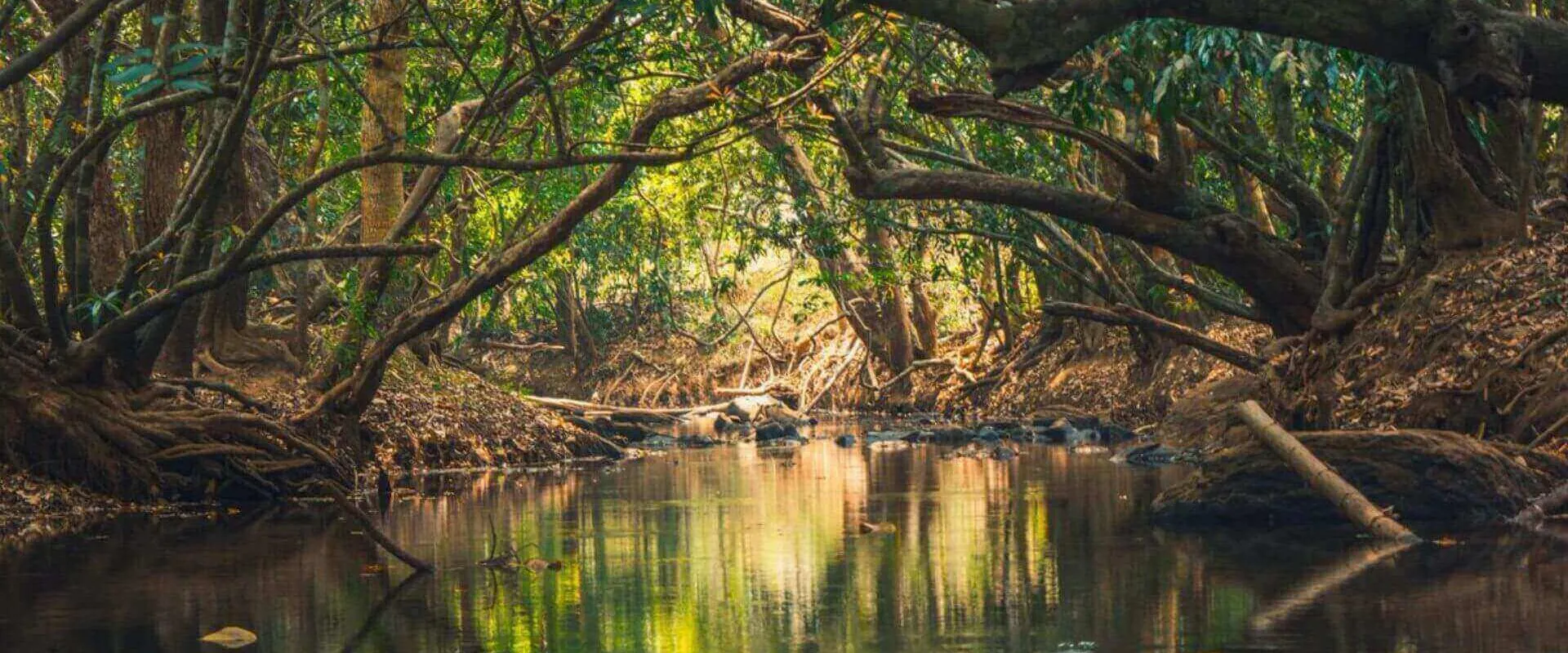
Kuruva Island
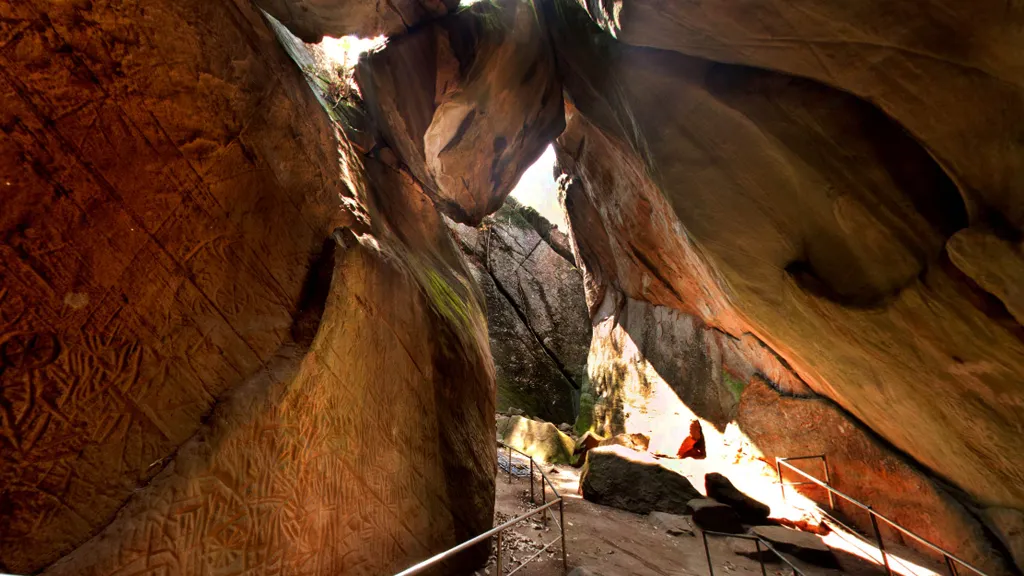
Edakkal Caves
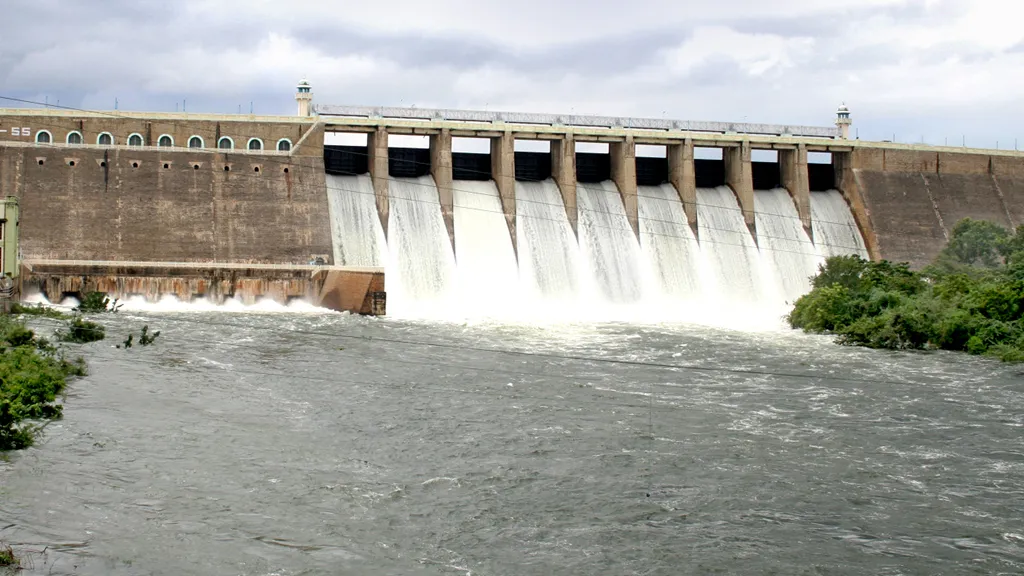
Banasura Sagar Dam
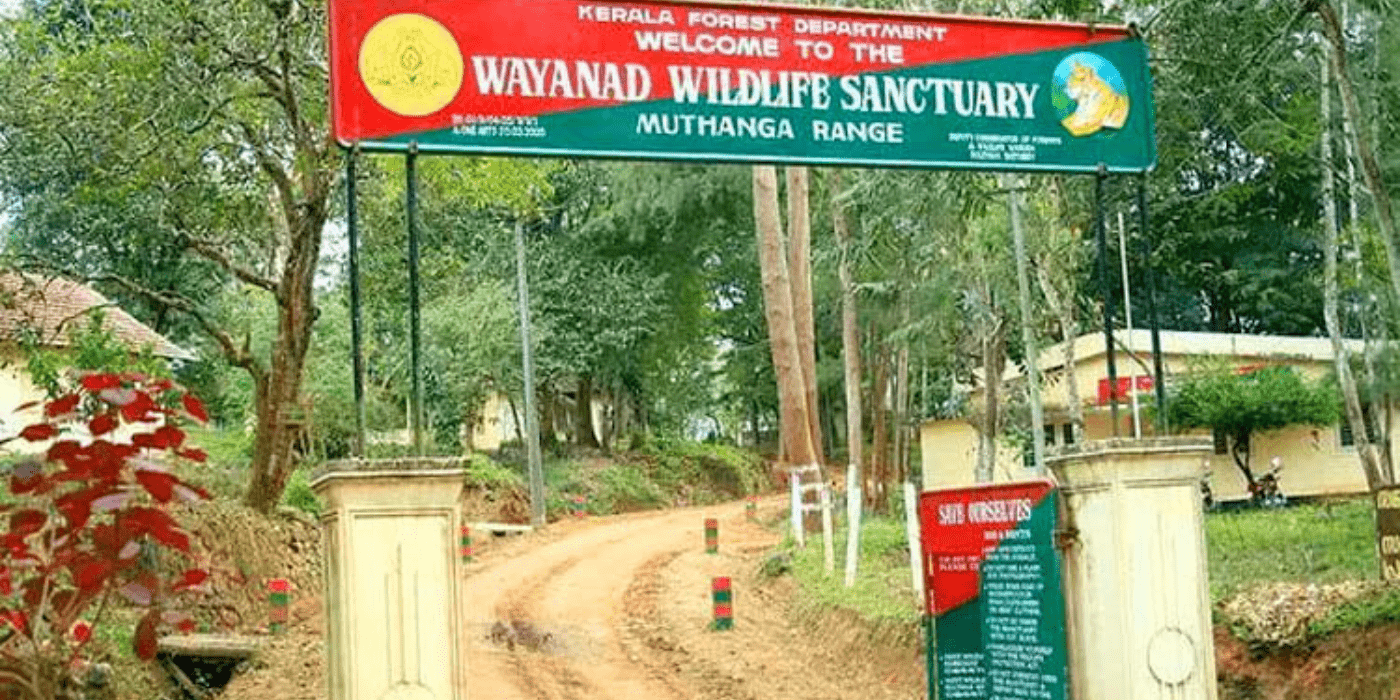
Wayanad Wildlife Sanctuary
These destinations are in close proximity to Thirunelli Temple Wayanad and can be visited on the same trip.
Related Destinations
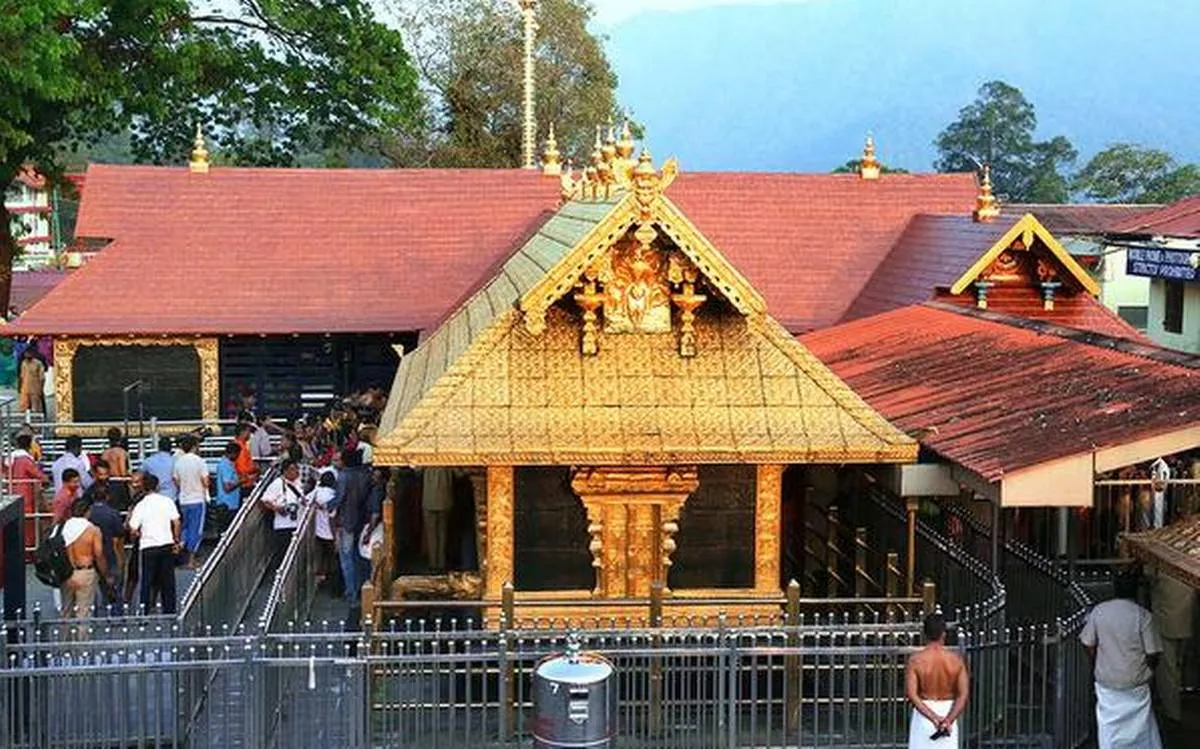
Sabarimala Temple
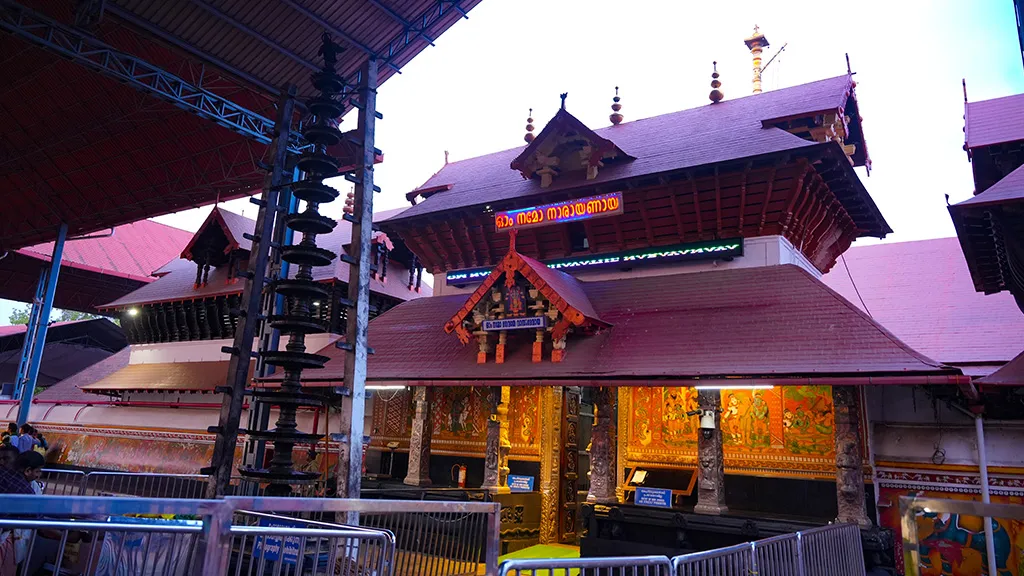
Guruvayur Temple
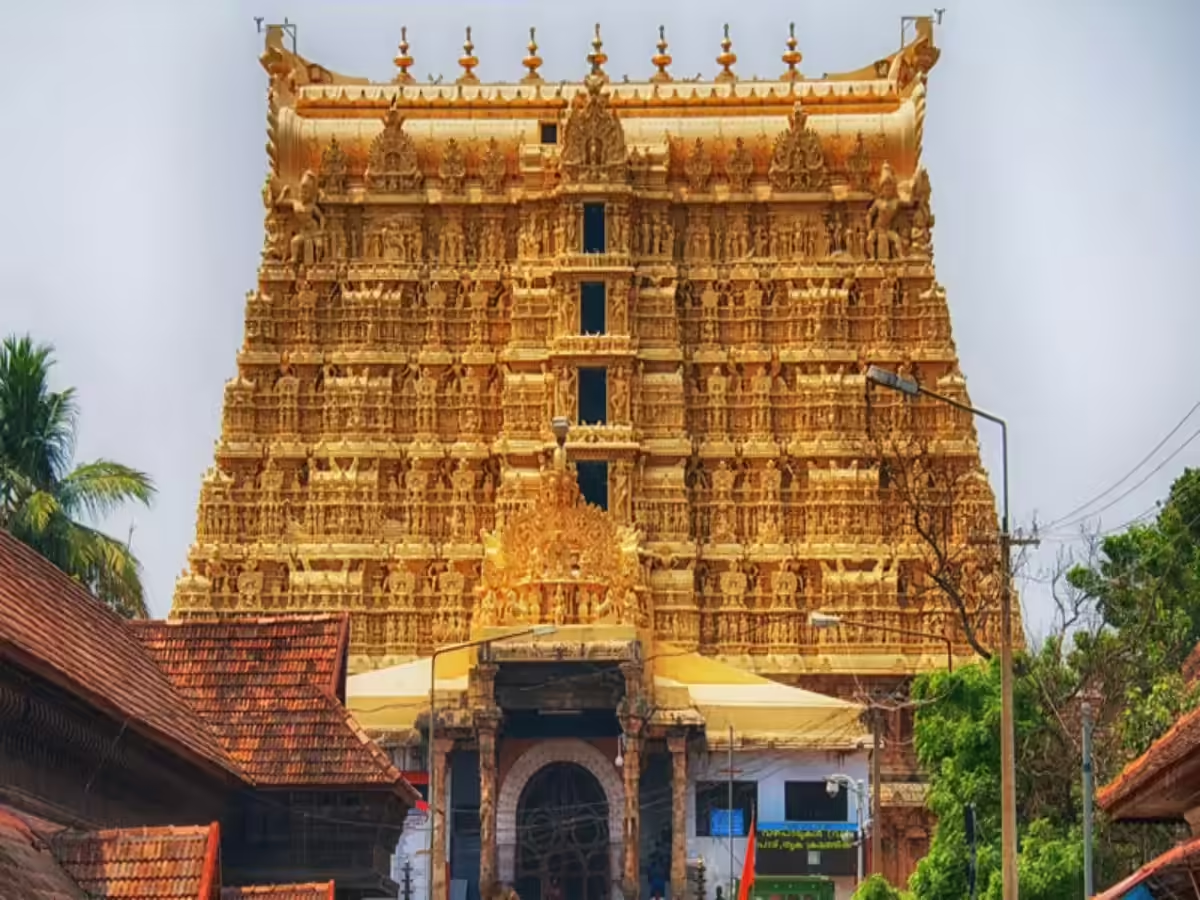
Padmanabhaswamy Temple
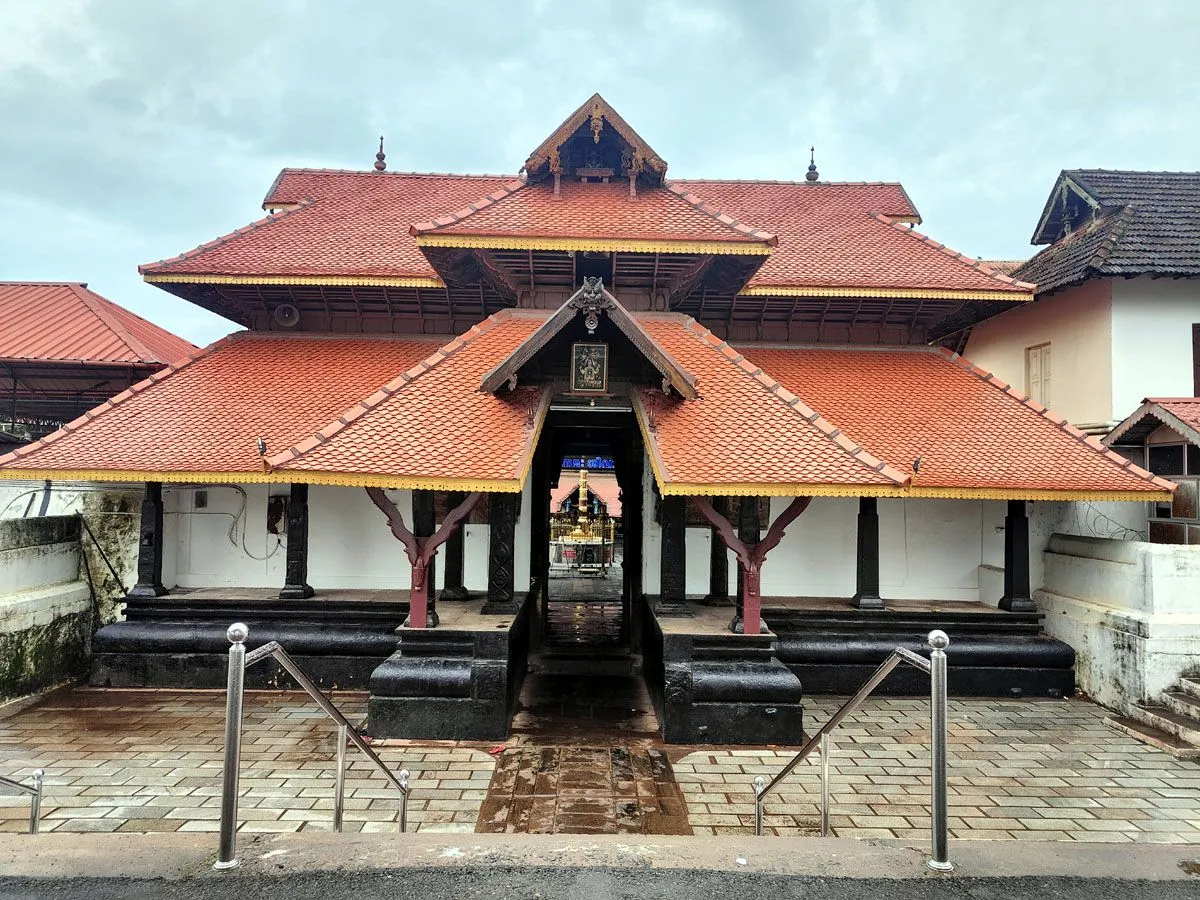
Ettumanoor Mahadeva Temple
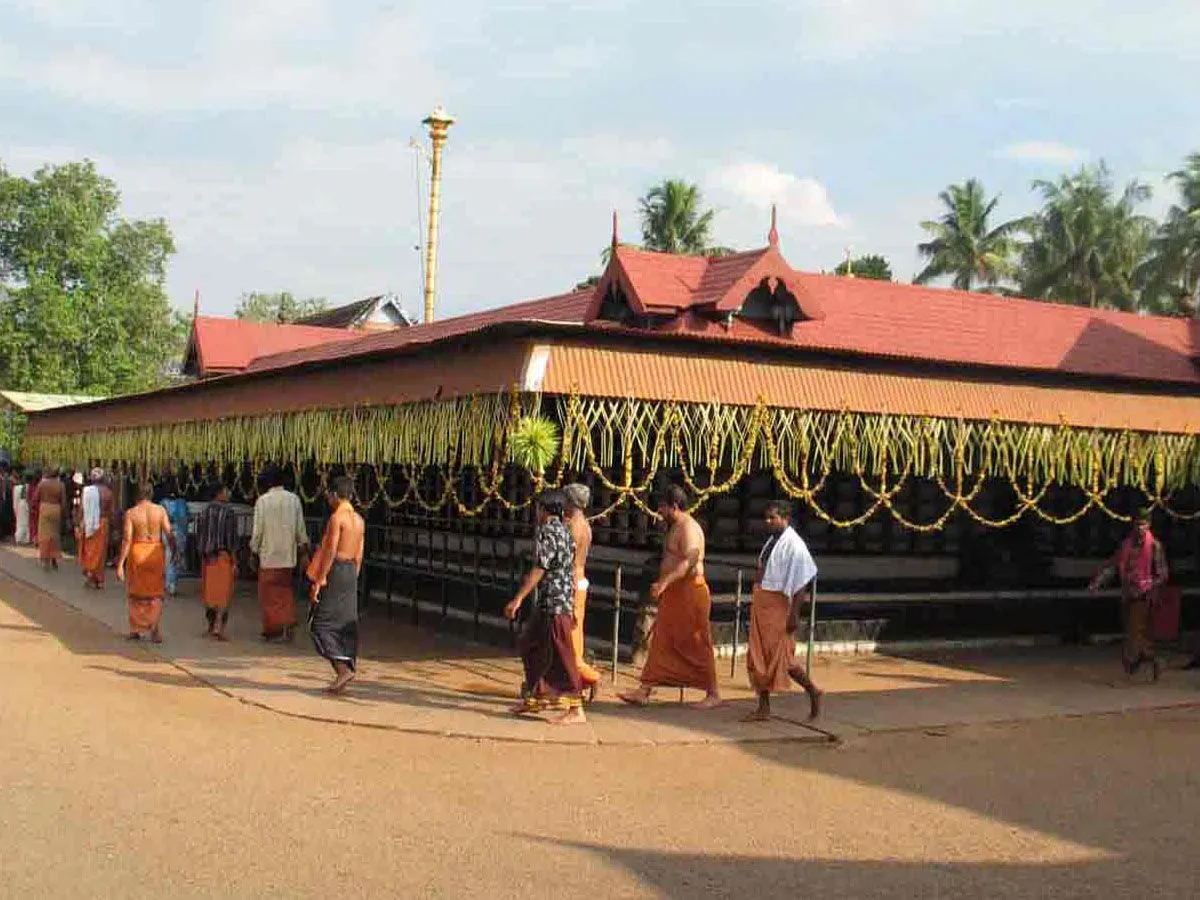
Chottanikkara Temple
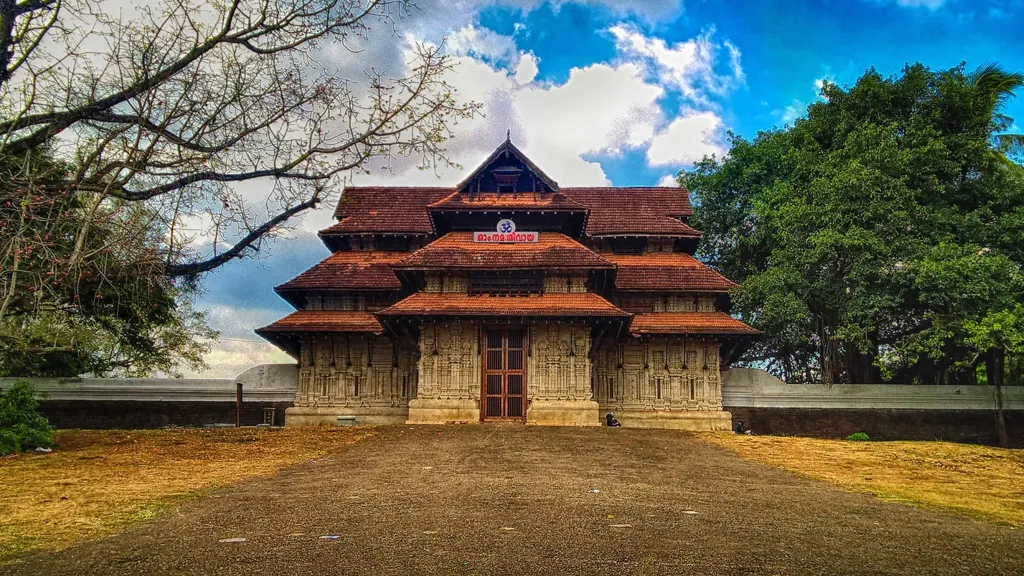
Vadakkunnathan Temple Thrissur
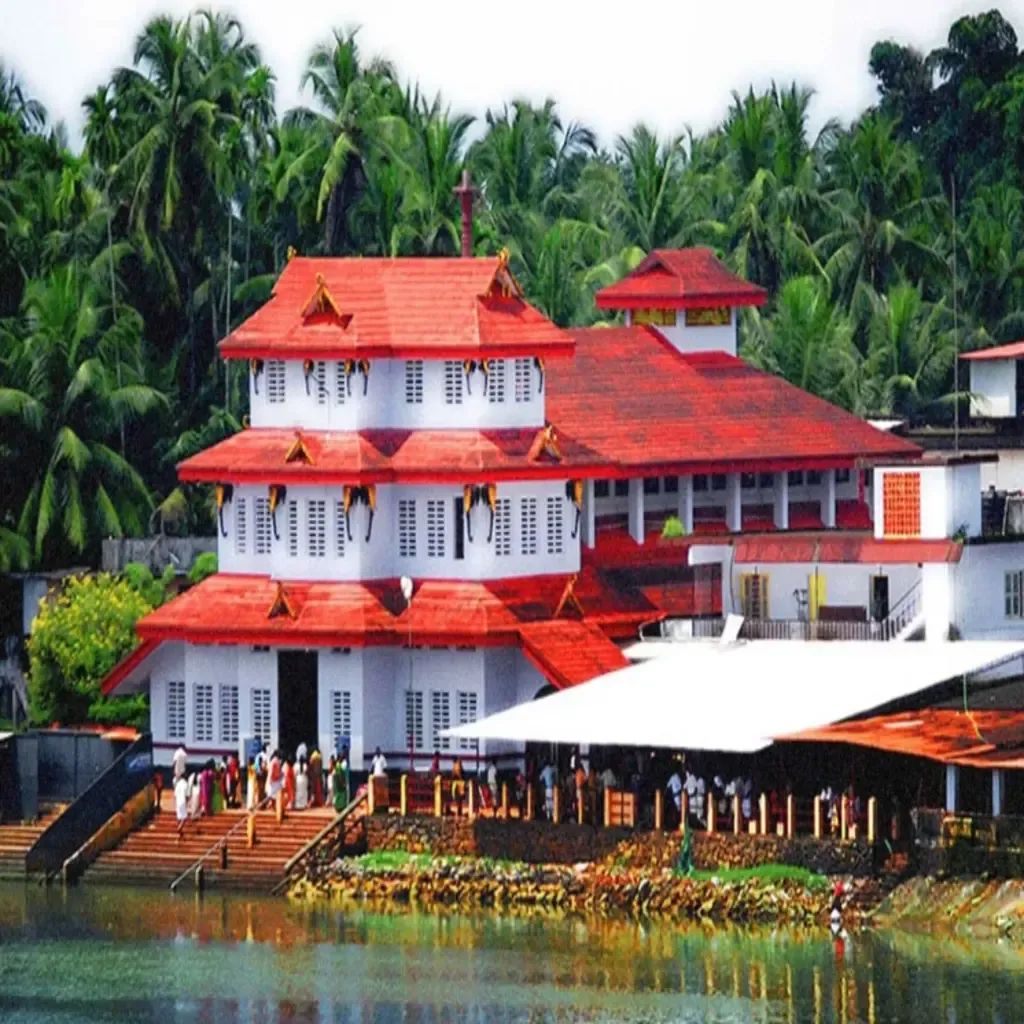
Parassinikadavu Muthappan Temple
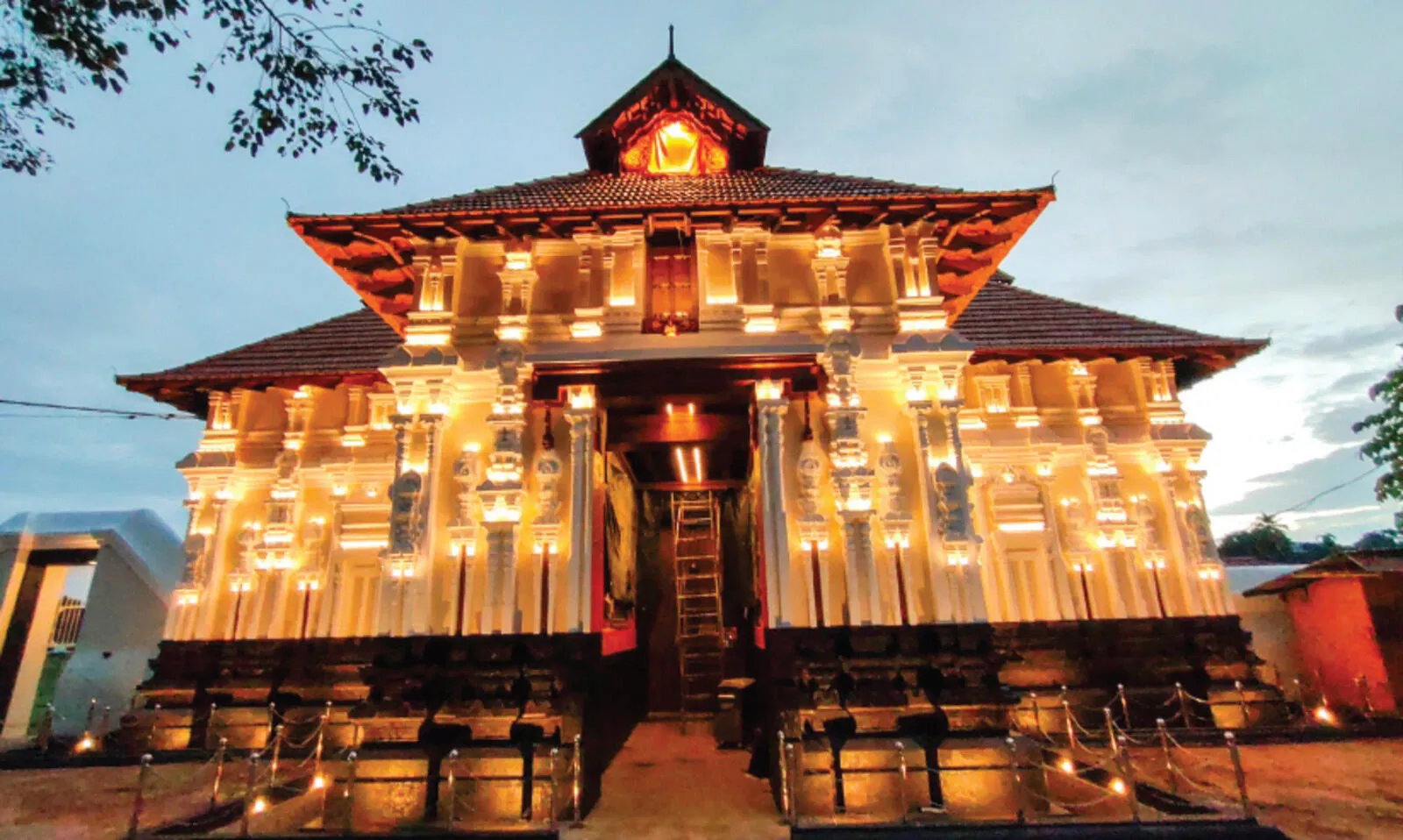
Koodalmanikyam Temple Irinjalakuda
Visit Information
Opening Hours
Entry Fee
Best Time to Visit
November to February
Location
Wayanad District, Kerala, India
Contact
For inquiries: 04935-210221
Share this destination:
 Translate