
Koodalmanikyam Temple Irinjalakuda
About Koodalmanikyam Temple Irinjalakuda
Koodalmanikyam Temple, Irinjalakuda: India's Only Temple Dedicated to Bharata, and a Living Center of Kerala's Classical Arts
Of the four brothers in the Ramayana — Rama, Bharata, Lakshmana, and Shatrughna — three have temples dedicated to them across various parts of India. Bharata has exactly one. It is the Sree Koodalmanikyam Temple in Irinjalakuda, Thrissur district, and the distinction is not incidental — it reflects something specific about the character of Bharata himself in the Ramayana tradition. Bharata, who refused to accept the throne of Ayodhya in Rama's absence, who ruled only as regent in Rama's name, and whose absolute devotion to his elder brother has been interpreted for centuries as the highest expression of dharmic loyalty, is a deity who inspires a particular kind of pilgrimage. This temple attracts devotees not seeking power or wealth from a deity but something more specific: the blessing of right action, devotion, and surrender.
The temple is also part of the Nalambalam circuit — the four Kerala temples collectively dedicated to all four Ramayana brothers — and it is one of the most significant centers of Kerala's classical performing arts traditions, with one of the largest Koothambalams (temple theatres) in the state. This guide covers the unique mythological and cultural significance of the temple, its architecture, the 2026 darshan timings from the official website, the annual festival, the arts it preserves, how to get there, and a complete FAQ for first-time visitors.
Quick Facts Before You Go
- Location: Irinjalakuda town, Thrissur district, Kerala
- Deity: Lord Bharata (brother of Lord Rama), worshipped as Sangameshwara — the Lord of the Confluence — in the form of Vishnu Chathurbahu (four-armed Vishnu holding chakra, conch, mace, and japamala)
- Unique distinction: The only temple in India dedicated to Bharata as the primary deity
- Part of: The Nalambalam — the four temples in Kerala collectively dedicated to the four Ramayana brothers (Rama, Bharata, Lakshmana, and Shatrughna)
- Temple timings (2026, from official website koodalmanikyam.com): Morning: 4:00 AM to 11:30 AM; Evening: 5:00 PM to 8:20 PM
- Entry fee: Free
- Distance from Thrissur: About 20 km
- Distance from Irinjalakuda Railway Station: About 1 km
- Distance from Cochin International Airport: About 50–55 km
- Best months: October to March; annual festival in April–May
Who Is Bharata, and Why Is There Only One Temple?
In the Ramayana, when King Dasharatha dies and the eldest son Rama is sent into exile through the machinations of Queen Kaikeyi, it is Bharata — Kaikeyi's own son and the intended beneficiary of the throne — who refuses to accept the kingship. Bharata is documented in the text as being absent from Ayodhya when all of this occurs, away at his maternal grandfather's kingdom. When he returns to find Rama exiled and his father dead, his grief and outrage at his mother's actions are described in the Ramayana as equal to his love for Rama. Rather than accept the crown, Bharata travels to Rama in the forest and begs him to return. Rama refuses, citing his father's word and the duty of dharma. Bharata then takes Rama's sandals, places them on the throne of Ayodhya as a symbol of Rama's rule, and governs as regent for the fourteen years of Rama's exile — not as king but as servant, ruling on behalf of the sandals.
This story of absolute subordination of self to dharmic duty — of refusing a throne offered legitimately, of governing only as regent for someone else's authority — has made Bharata one of the most revered figures in Hindu devotional tradition. That he has only one dedicated temple in India is perhaps fitting: the character of Bharata in the tradition is precisely that of someone who doesn't seek prominence. The temple's deity, Sangameshwara, is worshipped in the form of Vishnu Chathurbahu rather than in any distinctly Bharata iconographic form — a syncretism that the temple scholars interpret as reflecting Bharata's nature as inseparable from Rama (Vishnu's avatar).
The Nalambalam: Four Temples, Four Brothers
Koodalmanikyam is one of four Kerala temples that together form the Nalambalam — the four temples — collectively dedicated to all four brothers of the Ramayana. Visiting all four is considered a complete Ramayana pilgrimage in the Kerala tradition:
- Thriprayar Sri Rama Temple (Thrissur district): Dedicated to Lord Rama
- Koodalmanikyam Temple, Irinjalakuda: Dedicated to Lord Bharata
- Moozhikkulam Lakshmana Temple (Ernakulam district): Dedicated to Lord Lakshmana
- Payammal Shatrughna Temple (Thrissur district): Dedicated to Lord Shatrughna
Together these four temples form the only known circuit in India where all four Ramayana brothers have dedicated temples in a geographically connected region, making the Nalambalam pilgrimage a significant undertaking for Vaishnava devotees.
The Architecture: Classic Kerala Vasthuvidya
The Koodalmanikyam Temple is a textbook example of the Kerala Vasthuvidya tradition — the classical system of temple architecture codified in the Thachu Shastra, the traditional Kerala architectural text. Several features are architecturally distinctive:
The Circular Sreekovil
The main sanctum (Sreekovil) is circular in plan with a conical copper-sheeted roof — a specific architectural form in the Kerala tradition associated with certain major shrines. The copper sheets catch the light differently at different times of day, giving the sanctum a distinctive visual character.
The Koothambalam (Temple Theatre)
One of the largest Koothambalams in Kerala, the temple theatre is central to the temple's identity as a living arts institution. Chakyar Koothu — a classical solo performance art form listed on UNESCO's intangible cultural heritage of India — has been performed here for centuries, alongside Koodiyattam (the world's oldest surviving Sanskrit theater tradition, also UNESCO-listed), Thullal, and Kathakali. The Koothambalam at Koodalmanikyam is not a heritage exhibit; these arts are performed here as part of the regular ritual calendar, exactly as they have been for over a thousand years.
Distinctive Ritual Absences
Unlike most Kerala temples, Koodalmanikyam has no Balikkalppura — the sacrificial altar found in almost every other Kerala temple. More unusually, the temple follows a ritual protocol of only three daily poojas and no Sevelis (deity processions), which distinguishes it from the standard Kerala temple schedule of five poojas and three Sevelis. These absences are interpreted by temple scholars as reflecting the character of Bharata's worship — seva without pageantry, devotion without procession.
Wooden Carvings and Murals
The temple's ceiling panels and pillars feature extensive traditional wood carvings, and mural paintings depicting scenes from the Ramayana and Bhagavata Purana are found on the inner walls — characteristic of the Kerala mural tradition at its most devotionally concentrated.
The Temple Tank
A large sacred tank (theertham) within the temple premises is used for ritual bathing before darshan and is integral to the daily life of the temple. The name Koodalmanikyam itself is interpreted by some scholars as meaning Jewel of the Confluence — Kooda (confluence) + Manikyam (jewel) — reflecting the sacred quality of the waters associated with the temple.
The Thachudaya Kaimal: Hereditary Authority
The Koodalmanikyam Temple has historically been under the authority of the Thachudaya Kaimal, known as Manikkam Keralar — a hereditary position that serves as both the temple's spiritual leader and its temporal administrator. Until 1971, the majority of land in the surrounding Irinjalakuda region was owned by the Koodalmanikyam Temple and the Thachudaya Kaimals of Travancore, making the temple not just a religious institution but the literal economic and political center of the surrounding town for centuries. This history is why Irinjalakuda town developed as it did, and why the temple's influence on local culture — including its role as the primary patron of the classical arts — is so deep and long-standing.
The Temple's Arts Traditions
Beyond pilgrimage, Koodalmanikyam is one of Kerala's most important institutional patrons of classical performing arts. The arts performed here as part of the temple's ritual calendar include:
- Chakyar Koothu: A traditional solo Sanskrit commentary-performance art, performed by hereditary Chakyar families, satirical and scholarly simultaneously — one of India's oldest surviving performing arts and listed on UNESCO's intangible cultural heritage register
- Koodiyattam: The world's oldest surviving Sanskrit theater tradition, also UNESCO-listed, performed in the Koothambalam — regarded as the origin from which all Sanskrit drama evolved
- Thullal: A classical dance-narrative form created by the poet Kunjan Nambiar in the 18th century, historically performed at this temple and strongly associated with the Koodalmanikyam tradition
- Kathakali and other temple arts: Part of the annual festival and special occasion programming at the Koothambalam
For visitors with any interest in classical Indian performing arts, Koodalmanikyam is not merely a backdrop but an active, living institution — one of the handful of temples where these arts are still performed in the ritual context for which they were created.
Darshan Timings (2026)
As per the official temple website (koodalmanikyam.com):
- Morning session: 4:00 AM to 11:30 AM
- Evening session: 5:00 PM to 8:20 PM
The temple follows three poojas daily — in the morning, noon, and evening — without the Sevelis (processions) that characterize most Kerala temple schedules. Timings may change during the annual Utsavam festival and on special occasions; confirm current timings on the official website before visiting.
The Annual Koodalmanikyam Utsavam
The annual festival — Koodalmanikyam Thiruvotsavam — is a ten-day celebration generally held in the April–May period (the Malayalam month of Medom), and is the single most spectacular event in the temple's calendar. The festival draws thousands of pilgrims from across Kerala and beyond, and features:
- Caparisoned elephant processions through the temple premises and town
- Performances of Chakyar Koothu, Koodiyattam, Thullal, and Kathakali in the Koothambalam
- Extended daily ritual schedules and special Poojas
- Cultural programs that collectively document and display Kerala's classical arts traditions
The 2026 Utsavam schedule and detailed program book are published on koodalmanikyam.com — confirm current year dates before planning a festival-period visit.
Getting to Koodalmanikyam Temple
By Train
Irinjalakuda Railway Station (IRLK) is approximately 1 km from the temple — the most convenient direct access of any listed Kerala heritage temple. The station is on the Shoranur–Ernakulam rail line with connections to Thrissur, Ernakulam (Kochi), Palakkad, and beyond. From Thrissur Junction, a short local train or bus/taxi covers the 20 km to Irinjalakuda.
By Road
Irinjalakuda is on the Thrissur–Ernakulam highway (NH 66 corridor), about 20 km south of Thrissur and about 40 km north of Ernakulam/Kochi. Regular KSRTC and private buses run between Thrissur and Ernakulam and pass through Irinjalakuda. Taxis from Thrissur or Kochi cover the remaining distance easily.
By Air
Cochin International Airport (COK) is about 50–55 km from the temple, roughly 1–1.5 hours by road. Taxis from the airport to Irinjalakuda are available at the pre-paid counters.
From the United States
Fly into Cochin International Airport (COK) via a major Gulf or Indian hub, then travel the 50–55 km by road to Irinjalakuda. Most US travelers will connect through Dubai, Doha, Abu Dhabi, or Singapore before reaching COK.
Best Time to Visit
- October to March: Most comfortable weather window — pleasant temperatures, lower humidity, uncrowded temple premises
- April–May (Thiruvotsavam): The annual festival, the most vibrant and culturally rich time to visit — book accommodation in Irinjalakuda well in advance as the town fills during festival days
- Early morning (4:00–7:00 AM): The most peaceful darshan window — the temple opens at 4:00 AM, and the morning rituals before the town wakes up have a calm and undisturbed quality that afternoon visits rarely match
- Avoid: Monsoon months (June–September) for the most comfortable visit, though the temple remains open and fully operational year-round
Dress Code and Visitor Guidelines
- Men: Mundu (dhoti) — ideally without a shirt, or with a dhoti and upper cloth in traditional Kerala temple style. Western trousers and shirts may require removal or exchange at the entrance depending on current temple practice — confirm locally or dress traditionally before arriving.
- Women: Saree, half-saree, or churidar with dupatta. Western dress and jeans are not appropriate.
- Non-Hindus: Non-Hindus are traditionally not permitted inside the inner sanctum, though outer premises may be accessible for heritage and architectural appreciation.
- Footwear: Must be removed before entering the temple premises.
- Photography: Generally restricted inside the sanctum and inner areas — check with temple staff before photographing.
Nearby Places to Combine
- Thrissur Pooram venue (Vadakkunnathan Temple, Thrissur): About 20 km away — home of Kerala's most spectacular annual festival, and one of the most significant Shiva temples in the state
- Thriprayar Sri Rama Temple: One of the other Nalambalam temples dedicated to Lord Rama, about 30 km from Irinjalakuda — a natural addition for anyone completing the Nalambalam circuit
- Guruvayur Temple: About 35–40 km from Irinjalakuda, one of the most important Krishna temples in India — easily combined as a half-day or full-day addition
- Kodungallur Bhagavathy Temple: About 25 km away, one of the oldest and most powerful goddess temples in Kerala
Frequently Asked Questions
Why is Koodalmanikyam Temple unique?
It is the only temple in India dedicated to Lord Bharata — the brother of Lord Rama — as the primary deity. It is also part of the Nalambalam, the circuit of four Kerala temples collectively dedicated to all four Ramayana brothers, and one of the most significant institutional patrons of Kerala's classical performing arts including Koodiyattam and Chakyar Koothu.
What is the name of the deity at Koodalmanikyam Temple?
The presiding deity is worshipped as Sangameshwara — the Lord of the Confluence — in the four-armed form of Vishnu (Chathurbahu), holding a chakra, conch, mace, and japamala. Although the temple is dedicated to Bharata, the deity form is that of Vishnu, reflecting the temple's theological position that Bharata's nature is inseparable from Rama (Vishnu's avatar).
Is there an entry fee?
No. The temple is free to enter for all eligible visitors.
What are the timings in 2026?
As per the official temple website (koodalmanikyam.com): Morning 4:00 AM to 11:30 AM; Evening 5:00 PM to 8:20 PM. Timings shift during festival periods — confirm current hours on the official website before visiting.
What is the Nalambalam?
The collective name for the four Kerala temples dedicated to the four Ramayana brothers: Thriprayar Sri Rama Temple (Rama), Koodalmanikyam Temple, Irinjalakuda (Bharata), Moozhikkulam Lakshmana Temple (Lakshmana), and Payammal Shatrughna Temple (Shatrughna). Visiting all four is a significant Vaishnava pilgrimage in the Kerala tradition.
Why does the temple have no Balikkalppura or Sevelis?
These are intentional ritual distinctions that distinguish the Koodalmanikyam tradition. The absence of a sacrificial altar (Balikkalppura) and of deity processions (Sevelis) — combined with only three daily poojas instead of the standard five — are interpreted by temple scholars as reflecting Bharata's nature in the Ramayana tradition: one who serves without public display, worships without pomp, and rules without claiming authority.
What is a Koothambalam?
A traditional temple theatre — a hall within the temple premises specifically designed for the performance of classical arts as part of ritual worship. The Koothambalam at Koodalmanikyam is one of the largest in Kerala and is the venue for Koodiyattam, Chakyar Koothu, Thullal, and Kathakali performances that are part of the temple's regular and festival calendar.
Can non-Hindus visit?
Non-Hindus are traditionally not permitted inside the inner sanctum. The outer premises and the architectural exterior may be appreciated by all visitors — confirm current access norms with temple staff on arrival.
How far is the temple from Thrissur?
About 20 km, roughly 30–40 minutes by road. Irinjalakuda is also directly on the Thrissur–Ernakulam rail corridor, with its own railway station about 1 km from the temple.
When is the annual festival?
The Koodalmanikyam Thiruvotsavam is a ten-day festival generally held in April–May (Malayalam month of Medom). Exact dates shift annually. Confirm the current year's dates at koodalmanikyam.com, where the full program book is published.
Who is the Thachudaya Kaimal?
The hereditary authority of Koodalmanikyam Temple, known as Manikkam Keralar — a position that historically served as both the temple's spiritual leader and the temporal ruler of the surrounding Irinjalakuda region, which was largely owned by the temple and the Kaimals until 1971. The position remains the primary custodial authority of the temple today.
What is the dress code?
Men: Mundu (dhoti) in traditional Kerala style; Western trousers and shirts should be avoided. Women: Saree, half-saree, or churidar with dupatta. Footwear must be removed before entering the premises.
How long should I plan for a visit?
One to two hours covers darshan and a walk through the outer premises including the temple tank. If a classical arts performance is scheduled in the Koothambalam during your visit, budget additional time — these performances can run from one to several hours depending on the form.
The Takeaway
Koodalmanikyam Temple is easy to overlook on a Kerala itinerary focused on the better-known pilgrimage circuits, and that is part of what makes it worth seeking out. The only temple in India where Bharata receives the primary devotion, in a Koothambalam that still stages Koodiyattam and Chakyar Koothu as ritual offerings rather than cultural performances for an audience — this is a temple that has quietly preserved things that most of the world has forgotten existed. Come during the Utsavam if you can, come in the early morning otherwise, and spend a moment inside the Koothambalam regardless of whether a performance is scheduled. The acoustics alone will tell you how old this place is.
Photo Gallery
What you'll experience
- 1
Explore Kerala’s only Bharata temple
- 2
Enjoy the serene temple pond and architecture
- 3
Attend the temple’s grand annual festival
- 4
Experience classical music and cultural performances
Explore More
Nearby Destinations
Guruvayur Temple
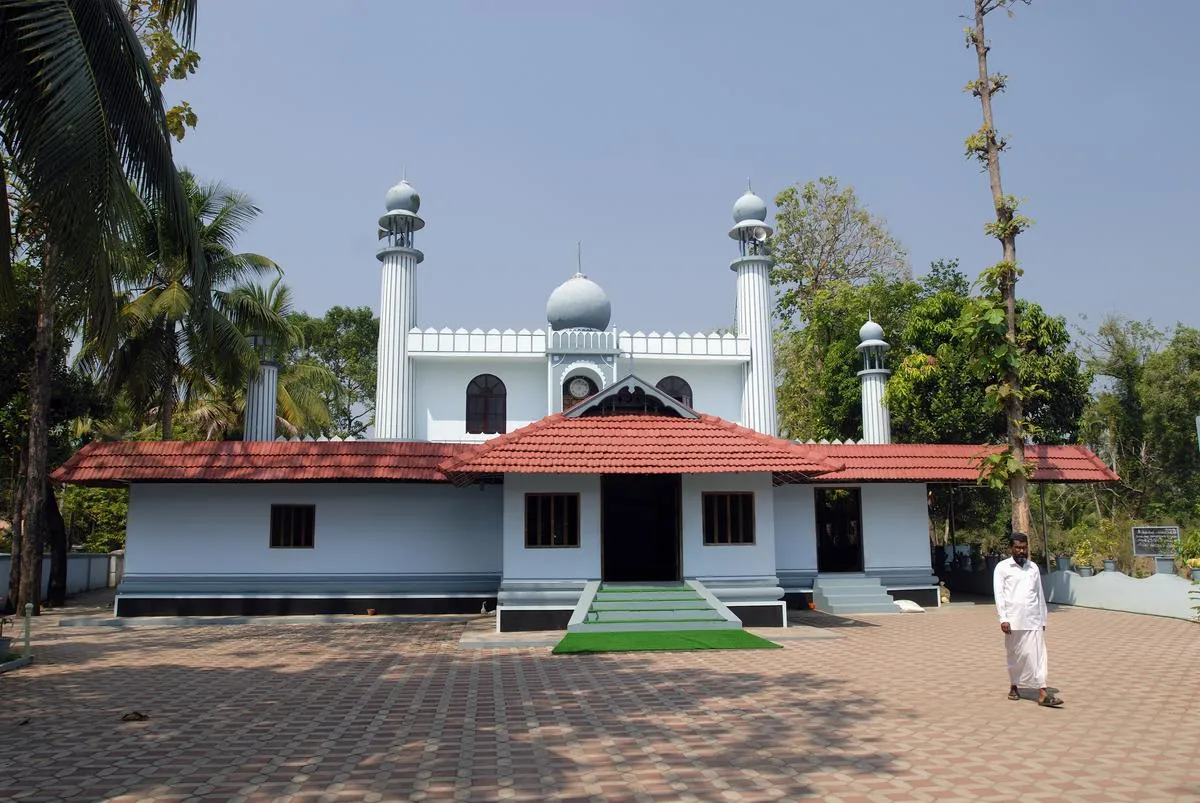
Cheraman Juma Masjid
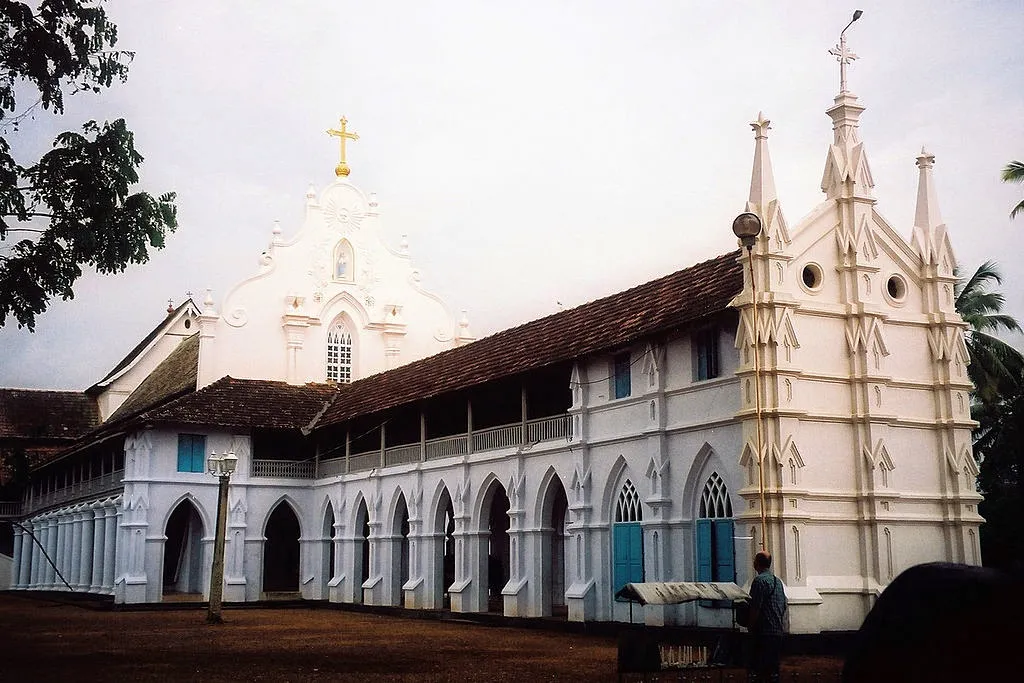
Palayur Church
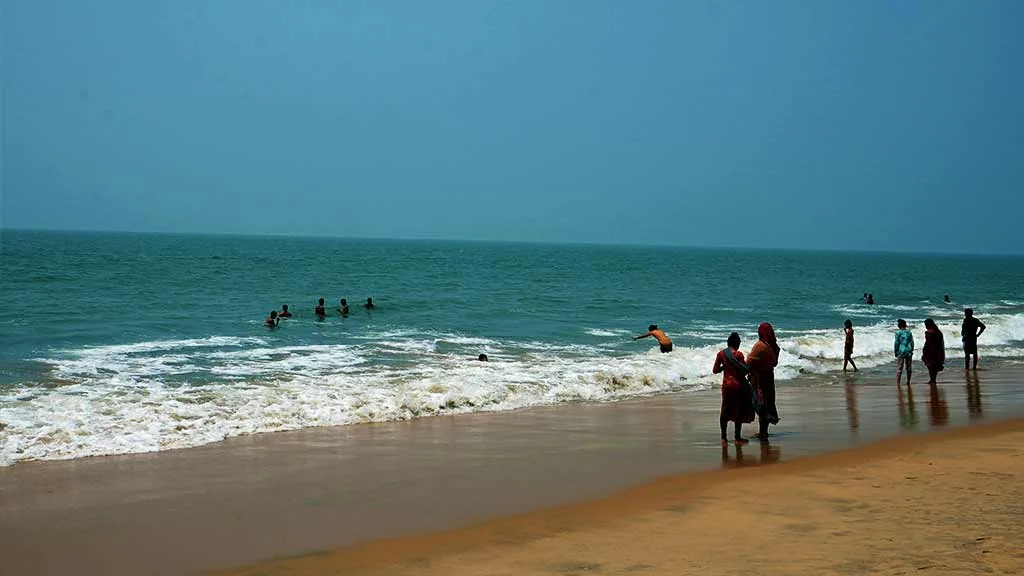
Snehatheeram Beach
These destinations are in close proximity to Koodalmanikyam Temple Irinjalakuda and can be visited on the same trip.
Related Destinations
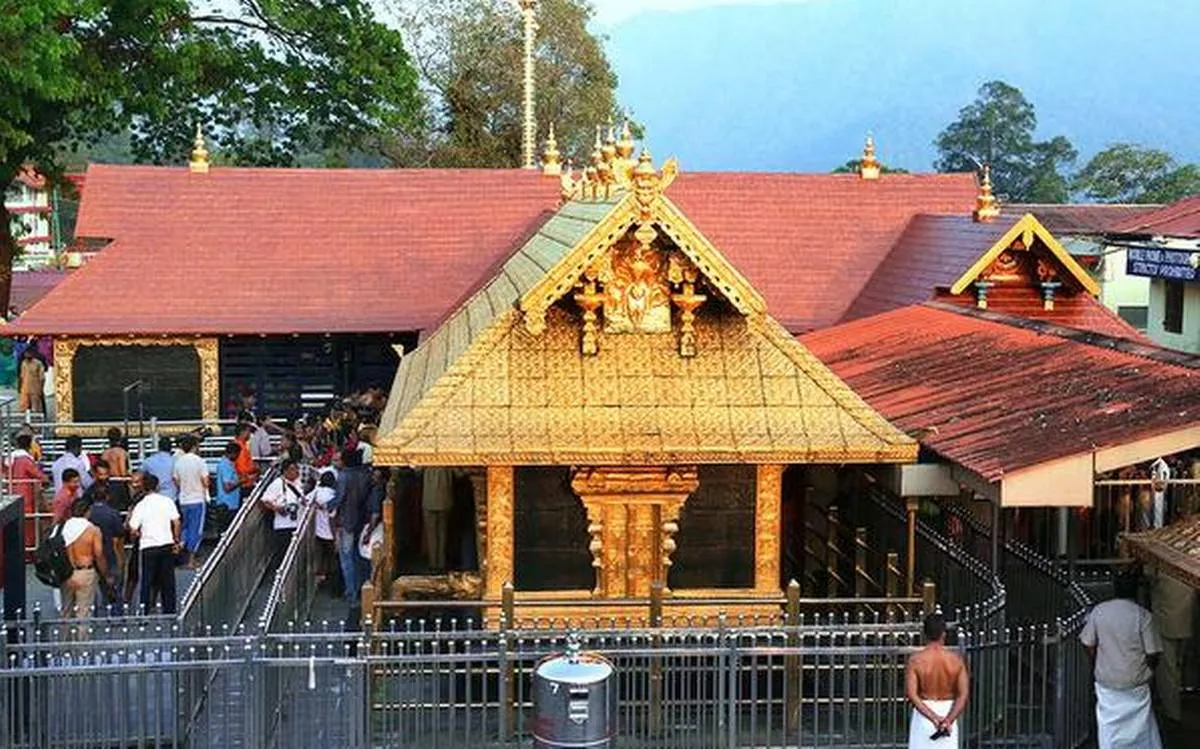
Sabarimala Temple
Guruvayur Temple
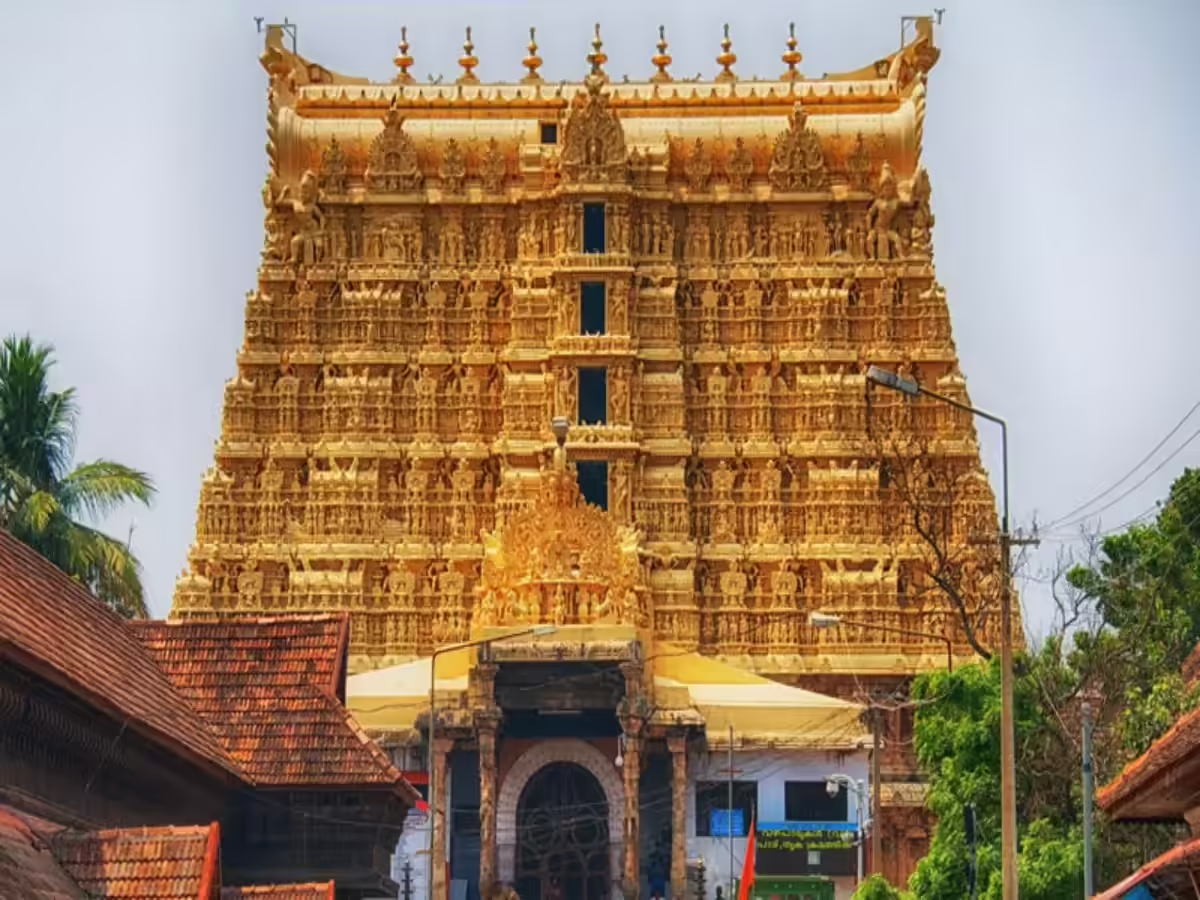
Padmanabhaswamy Temple
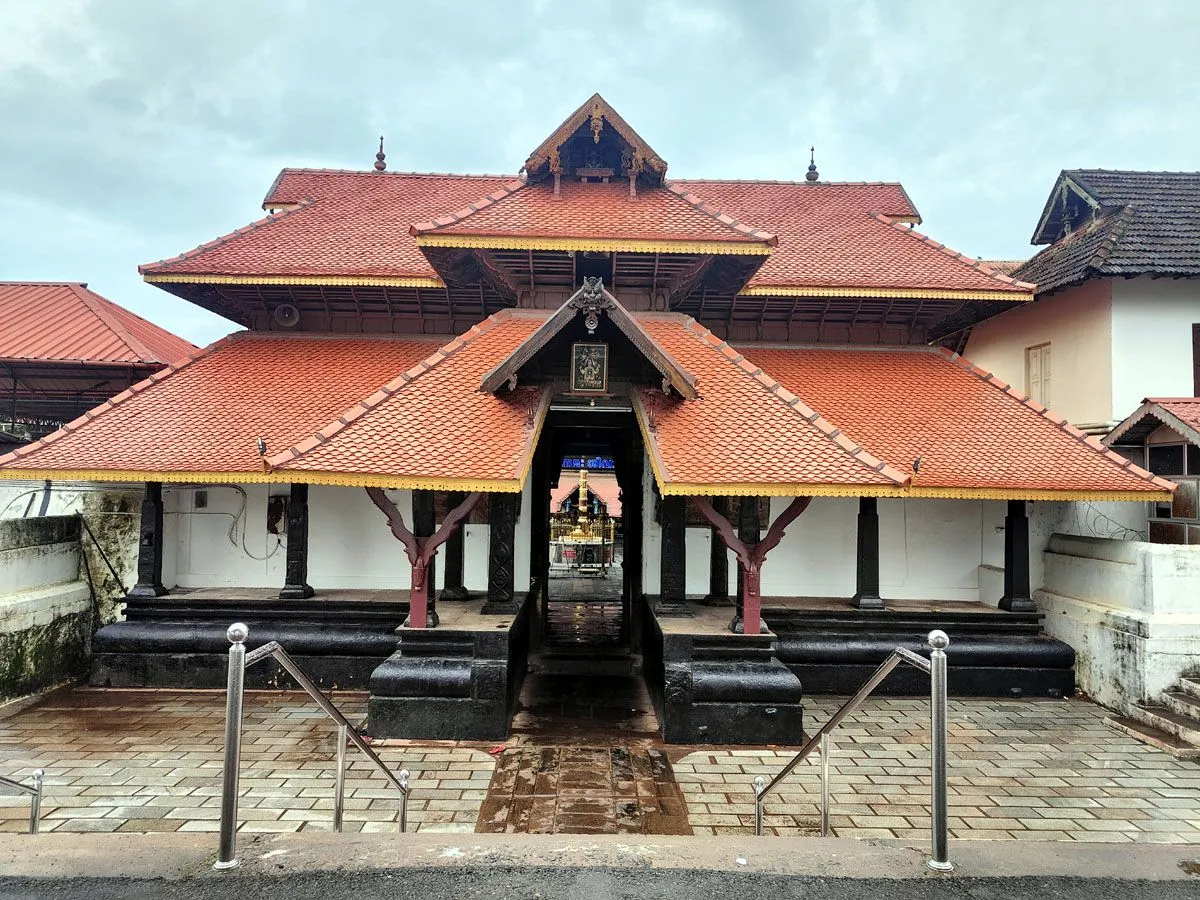
Ettumanoor Mahadeva Temple
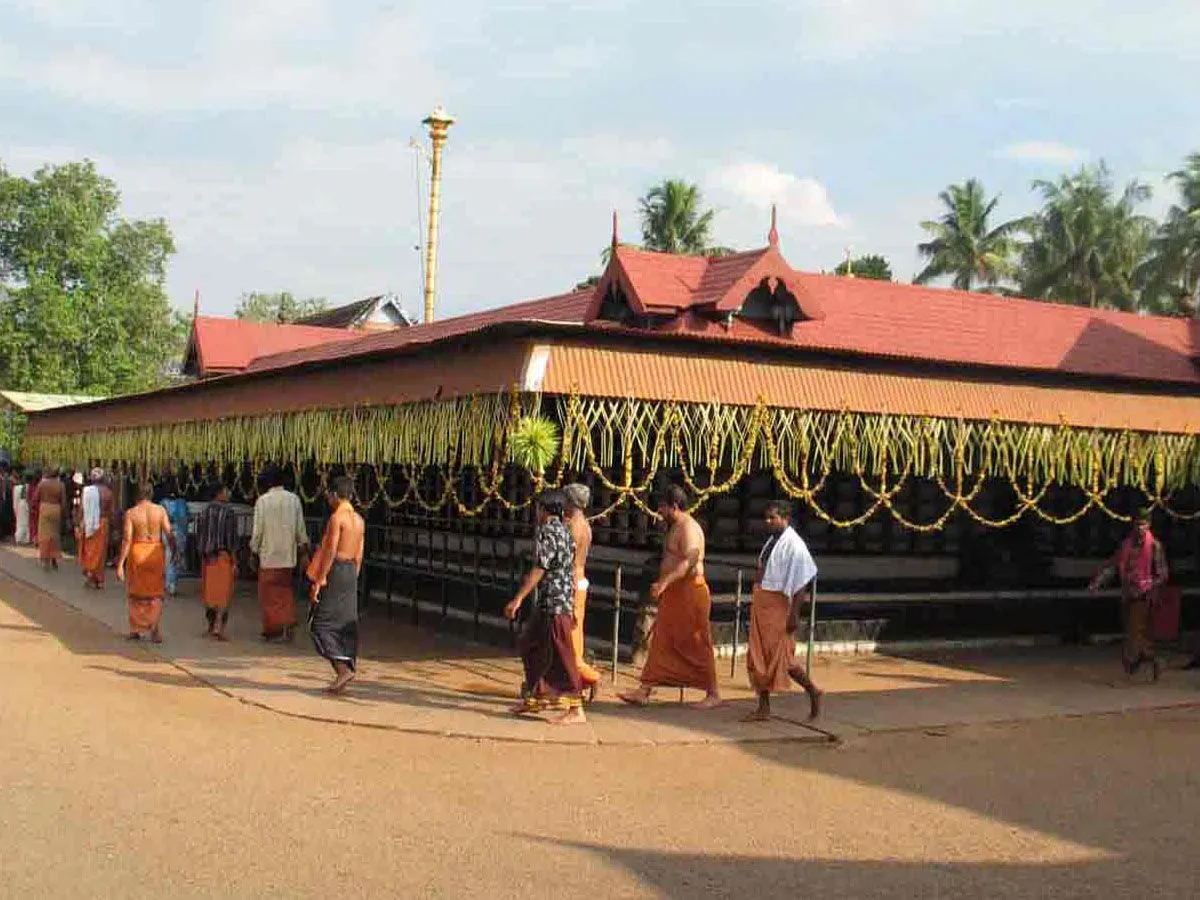
Chottanikkara Temple
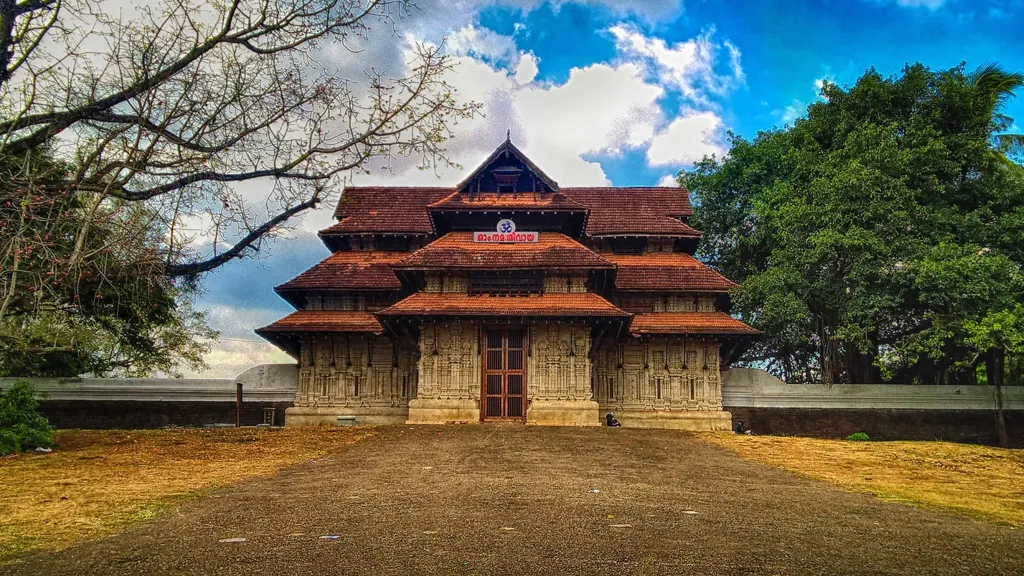
Vadakkunnathan Temple Thrissur
Parassinikadavu Muthappan Temple
Thirunelli Temple Wayanad
Visit Information
Opening Hours
Entry Fee
Best Time to Visit
April to May (Annual Festival)
Location
Thrissur District, Kerala, India
Contact
For inquiries: 0480-2825256
Share this destination:
 Translate