
Kumbhavurutty Waterfalls
About Kumbhavurutty Waterfalls
Kumbhavurutty Waterfalls: Kollam's Hidden Cascade on the Achankovil River
Most visitors to southern Kerala's Kollam district head straight for Palaruvi Falls, which is better known and more heavily marketed. The travelers who ask locally tend to end up at Kumbhavurutty instead — a two-drop segmented waterfall on the Achankovil River tucked inside dense forest near the Tamil Nadu border, with a short forest trek to reach it, clear blue-green water at the base, and a fraction of the crowd that Palaruvi pulls. It hasn't been smoothed over into a theme park. The rocks are slippery, the forest is genuine, and the Kerala Forest Department has stationed trained guides, civil defence personnel, and an ambulance service at the site specifically because the terrain demands respect. That's the pitch: a real waterfall with real forest around it, half an hour's drive from the Achankovil highway and worth every minute of it.
This guide covers the geography, the trek, entry fees and current operational details, how to get there, safety realities, and a complete FAQ for first-time visitors.
Quick Facts Before You Go
- Location: Near Aryankavu Panchayath, Kollam district, Kerala — on the Achankovil-Shenkottai Road, close to the Tamil Nadu border
- River: Achankovil River (the falls are a confluence of the Achankovil River and several forest brooks)
- Drop height: Approximately 25 metres (sources vary; some cite higher figures, but 25 m / roughly 80 feet is the most commonly cited measurement)
- Type: Segmented waterfall with two drops
- Distance from Achankovil: About 6.5 km
- Distance from Shenkottai (Tamil Nadu): About 20 km
- Distance from Thiruvananthapuram: About 120 km
- Distance from Kollam city: About 85–90 km
- Entry fee: ₹25 for adults, ₹10 for children; vehicle fees: ₹20 for two/three-wheelers, ₹30 for jeeps, ₹80 for minibuses/vans, ₹100 for buses
- Timings: 8:00 AM to 5:00 PM (tickets issued until 4:00 PM)
- Current capacity limit: 100 visitors per hour (as of 2026)
- Trek to the falls: Approximately 500 metres from the road through forest
- Best months: October to March
The Setting: Where the Achankovil Meets the Ghats
Kumbhavurutty sits at a geographic junction that gives it its particular character. The Achankovil River — which originates in the higher Western Ghats and flows through Pathanamthitta and Kollam districts before eventually joining the backwater system near Alappuzha — cuts through a densely forested stretch of the Ghats near the Aryankavu Pass, one of the historically important mountain passes connecting Kerala to Tamil Nadu. The waterfall forms where the main river current and several forest brooks converge at a rocky drop, creating a two-stage cascade that descends into a rocky pool at the base.
The surrounding forest is part of the area managed by the Manalar-Kumbhavurutty Vana Samrakshana Samithy (Forest Protection Committee) in partnership with the Kerala Forest Department, which also operates an Eco-Contact Centre at the site. Because the Kumbhavurutty area adjoins the broader Konni Forest region — one of the largest and most ecologically significant reserved forest areas in Kerala — wildlife encounters are genuinely possible, though not predictable. The forest department's signage and guides will inform visitors of current wildlife activity in the area.
The Trek
Getting to Kumbhavurutty is not a roadside stop — it requires a roughly 500-metre forest trek from the road through dense, uneven terrain to reach the falls. The path follows a trail through the forest that brings visitors out at the falls' base, passing through a landscape of trees, undergrowth, and rock formations typical of Kerala's lower Western Ghats. The trek is short enough to be manageable by most visitors, but the forest floor is uneven and rocks near the waterfall are consistently described as slippery — closed-toe, non-slip footwear is essential rather than optional. Trained guides are available at the site and strongly recommended, particularly for first-time visitors unfamiliar with the terrain.
Current 2026 Operational Status
As of June 2026, Kumbhavurutty Falls has recently reopened to visitors following a closure period, with updated safety measures in place. Key current operational details:
- Visitor cap: 100 persons per hour, enforced to manage crowd density and reduce safety incidents
- Trained guides: Available at the site — the Forest Department has stationed trained guides specifically for Kumbhavurutty
- Civil defence personnel: Present on-site during visiting hours
- Ambulance service: Available at the site — a significant addition reflecting the genuine safety considerations of the terrain
- Water flow note: As of the June 2026 reopening, visitor footfall was initially low due to reduced water flow following the dry season — water volumes build through the monsoon and post-monsoon period, with peak flow and most dramatic views between September and January
Entry Fees and Timings
- Visiting hours: 8:00 AM to 5:00 PM daily
- Ticket sales: Close at 4:00 PM; no entry permitted after this time
- Adult entry: ₹25 per person
- Child entry: ₹10 per person
- Two-wheeler / three-wheeler parking: ₹20
- Jeep: ₹30
- Minibus / van: ₹80
- Bus: ₹100
- Visitor cap: 100 persons per hour — arrive early during weekends and peak season (October–January) to avoid waiting
Safety: What the Terrain Demands
The Kerala Forest Department has issued specific warnings for visitors to Kumbhavurutty, and these reflect genuine conditions rather than routine disclaimers:
- Slippery rocks: The rocks at and near the base of the falls are consistently slippery regardless of season. Non-slip, closed-toe footwear is essential — sandals and flip-flops are not appropriate for this terrain.
- Strong undercurrents: The pool at the base of the falls has strong undercurrents that make swimming genuinely dangerous, particularly when water flow is high. The Forest Department explicitly warns against entering the water at the base pool.
- Wildlife: The forest adjacent to the falls is genuine forest — wildlife encounters, while not guaranteed, are possible. Follow guide instructions, don't wander off the marked trail, and be aware of your surroundings.
- No swimming in main pool: Resist the temptation to swim in the main waterfall pool regardless of how inviting the clear water looks — undercurrents are not visible from the surface and are dangerous.
- Use the guides: The trained guides stationed at the site are there specifically because the terrain has caused incidents. Their services are worth using, especially for first-time visitors.
- Carry your own water and snacks: Facilities at the falls are minimal — the Eco-Contact Centre at the base provides some basic amenities, but there are no food stalls or drinking water sources along the trail itself.
Best Time to Visit
- October to March (overall best): Post-monsoon season brings the highest water flow and most dramatic cascade, combined with cooler temperatures and drier trail conditions. This is when Kumbhavurutty is at its most photogenic and the trek is most comfortable.
- September to October: The falls are at their absolute fullest flow immediately after the southwest monsoon — the most powerful and visually dramatic window, though the trail can be muddier.
- November to January: The ideal balance — strong water flow, cooler weather, and drier forest trail conditions. Peak tourist season, so arrive early to beat the 100-person-per-hour cap on weekends.
- April to May: Water flow is lower and temperatures are higher; the falls are less dramatic but the site is considerably less crowded.
- Monsoon (June–August): The falls are in full flood and spectacularly powerful, but access is restricted or closed during heavy monsoon due to safety concerns — trail conditions and water levels make visiting genuinely dangerous. The June 2026 reopening confirms the site does reopen post-monsoon but may have closures during peak rainfall periods.
- Best time of day: Morning visits, between 8:00 AM and 11:00 AM, allow you to complete the trek in the cooler part of the day and secure entry before the 100-person-per-hour cap fills up on busy days.
Getting to Kumbhavurutty Waterfalls
By Road
The falls are located on the Achankovil-Shenkottai (Chenkotta) Road, one of the main routes connecting Kollam district with Tamil Nadu through the Aryankavu Pass. From Achankovil, it's about 6.5 km to the falls entrance. From the Kerala–Tamil Nadu highway side, Shenkottai is about 20 km away and Thenkasi about 25 km. Most visitors reach the site by private car, taxi, or jeep from Achankovil or from Kollam. Self-drive is manageable with good navigation; ask locally for the final approach road as signage can be inconsistent.
By Train
The nearest railway stations are Shenkottai (Sengottai) at about 20 km and Thenkasi at about 25 km, both on the Tamil Nadu side of the border, on the Tirunelveli–Sengottai rail line. From either station, taxis or autos are available for the remaining distance. On the Kerala side, Punalur Railway Station is about 45–50 km away and offers connections from Kollam city (Kollam Junction).
From Kollam City
About 85–90 km, roughly 2–2.5 hours by road. The route via Punalur and Aryankavu is the most direct. Kollam is the logical overnight base for visitors combining Kumbhavurutty with other Kollam district attractions.
From Thiruvananthapuram
About 120 km, roughly 2.5–3 hours by road. Many visitors from Thiruvananthapuram combine Kumbhavurutty with a Palaruvi Falls stop on the same day, since both are in the same general region of the Achankovil valley.
From the United States
Thiruvananthapuram International Airport (TRV) is the most practical international gateway at about 120 km from the falls, with connections from Gulf and Southeast Asian hubs and some direct routes. Cochin International Airport (COK), about 200 km north, is another option if your wider itinerary starts in Kochi. Most US travelers will need to connect through a major Indian or Gulf hub before reaching either airport.
What to Pack
- Non-slip, closed-toe trekking shoes — mandatory for the rocky trail and waterfall base
- Sufficient drinking water — no water source available on the trail
- Light snacks for the trek — no food stalls between the road and the falls
- Insect repellent — forest environment
- Cash for entry fees and vehicle charges (confirm whether digital payments are accepted at the current ticket counter)
- A change of footwear or waterproof bags for items you don't want to get wet at the falls
- Rain jacket or poncho — the forest can be wet regardless of season, and the spray from the falls reaches a considerable distance
Nearby Attractions to Combine
- Palaruvi Falls: About 35–40 km south of Kumbhavurutty, one of the tallest and most visited waterfalls in Kerala (91 metres), easily combined in a single day — visit Kumbhavurutty in the morning and Palaruvi in the afternoon
- Manalar Waterfalls: Another smaller falls in the same Aryankavu area, recently reopened alongside Kumbhavurutty — a natural addition for waterfall enthusiasts in the region
- Thenmala Ecotourism Destination: About 35–40 km from Kumbhavurutty, India's first planned ecotourism destination with suspension bridges, nature trails, boating, and a butterfly safari — a well-developed contrast to the raw, unstructured experience at Kumbhavurutty
- Aryankavu Pass and Sabarimala route: The broader Aryankavu region is historically significant as one of the main mountain passes between Kerala and Tamil Nadu, and lies along the Sabarimala pilgrimage route
- Punalur Suspension Bridge: A historic British-era suspension bridge over the Kallada River at Punalur, about 45 km from Kumbhavurutty — a brief but worthwhile heritage stop on the drive back toward Kollam
Frequently Asked Questions
Where exactly is Kumbhavurutty Waterfalls?
Near Aryankavu Panchayath in Kollam district, Kerala, on the Achankovil-Shenkottai Road close to the Kerala–Tamil Nadu border — approximately 6.5 km from Achankovil, 20 km from Shenkottai, and 85–90 km from Kollam city.
What is the entry fee?
₹25 for adults and ₹10 for children. Vehicle charges are ₹20 for two/three-wheelers, ₹30 for jeeps, ₹80 for minibuses/vans, and ₹100 for buses. Confirm current fees at the ticket counter, as rates are periodically revised.
What are the visiting hours?
8:00 AM to 5:00 PM daily, with ticket sales closing at 4:00 PM. Visitors are not permitted entry after the ticket cutoff.
Is there a visitor limit?
Yes — as of 2026, the site is capped at 100 visitors per hour to manage crowd density and safety. On busy weekends and during peak season (October–January), arriving early in the morning is recommended to avoid waiting or being turned away.
How high is the waterfall?
Approximately 25 metres (roughly 80 feet) across two segmented drops. Some sources cite higher figures; 25 metres is the most commonly cited and Wikipedia-corroborated measurement.
Is there a trek to reach the falls?
Yes — a roughly 500-metre forest trek through dense vegetation and uneven terrain leads from the road to the falls. It's short but requires proper footwear. Trained guides are available and recommended.
Can I swim at Kumbhavurutty?
No — the Kerala Forest Department specifically warns against entering the water at the base pool due to strong undercurrents that are not visible from the surface. The rocks are also consistently slippery. The falls are for viewing and photography, not swimming.
Are guides available and mandatory?
Trained guides are available at the site, stationed by the Forest Department. They are not officially mandatory, but are strongly recommended given the slippery terrain and wildlife environment — and their fees are modest.
What is the best time of year to visit?
October to March, with November through January typically offering the best combination of strong water flow, cooler temperatures, and safe, dry trail conditions. Avoid monsoon (June–August) when access is restricted or closed due to flooding risk.
Is Kumbhavurutty Falls open during monsoon?
It is periodically closed during heavy monsoon rainfall due to safety concerns, and may reopen in phased stages as conditions improve after the monsoon peak. The June 2026 reopening confirmed the site does resume operations post-monsoon but check current status locally before traveling, particularly between June and September.
How far is it from Thiruvananthapuram?
About 120 km, roughly 2.5–3 hours by road.
What is the nearest railway station?
Shenkottai (Sengottai) at about 20 km and Thenkasi at about 25 km, both in Tamil Nadu on the Tirunelveli–Sengottai rail line. On the Kerala side, Punalur at about 45–50 km connects to Kollam city.
What is the nearest airport?
Thiruvananthapuram International Airport (TRV), about 120 km away. Cochin International Airport (COK), about 200 km north, is the alternative for travelers whose itinerary begins in Kochi.
What other waterfalls can I visit nearby?
Palaruvi Falls (35–40 km south, 91 metres tall — one of Kerala's tallest), Manalar Falls (nearby, also recently reopened), and Kuttralam (Courtallam) Falls across the Tamil Nadu border (about 25 km from Shenkottai) are the most natural additions for waterfall enthusiasts visiting this region.
Is the site suitable for families with children?
The short 500-metre trek is manageable for older children. However, the slippery rocks at the falls base and the no-swimming warning make close supervision of children essential throughout the visit. The 100-person-per-hour limit also helps reduce the crowding that can make waterfall sites stressful with young children.
Are there food and water facilities on-site?
The Eco-Contact Centre at the site entrance provides some basic facilities. Food stalls may be available near the entrance area, but there are no facilities along the 500-metre trail itself or at the falls base. Carrying your own water and snacks is strongly recommended.
What wildlife might I see?
The forest surrounding Kumbhavurutty adjoins the Konni Reserved Forest, and a variety of wildlife may be encountered, including birds, smaller mammals, and reptiles. Elephant and larger wildlife presence is possible given the forest corridor. Follow guide instructions, stay on the marked trail, and don't approach or feed any animals encountered.
The Takeaway
Kumbhavurutty is the kind of waterfall that rewards visitors who ask around rather than follow the tourist signboards. It's not as tall as Palaruvi, not as famous as Athirappilly, and not as accessible as a roadside stop — which is precisely why the forest around it is still genuine forest, the rocks are still unguarded, and the 100-person hourly cap feels like a feature rather than a limitation. Come in October or November when the Achankovil is running full and the post-monsoon green has settled into something vivid, wear shoes you don't mind getting wet on slippery rock, use the guide, and stay away from the base pool. That's the visit done right.
Photo Gallery
What you'll experience
- 1
Trek through scenic forest trails to the falls
- 2
Relax in the natural pools formed by the cascading water
- 3
Watch deer at the nearby eco-tourism park
- 4
Combine your visit with Aryankavu and Palaruvi attractions
Explore More
Related Destinations
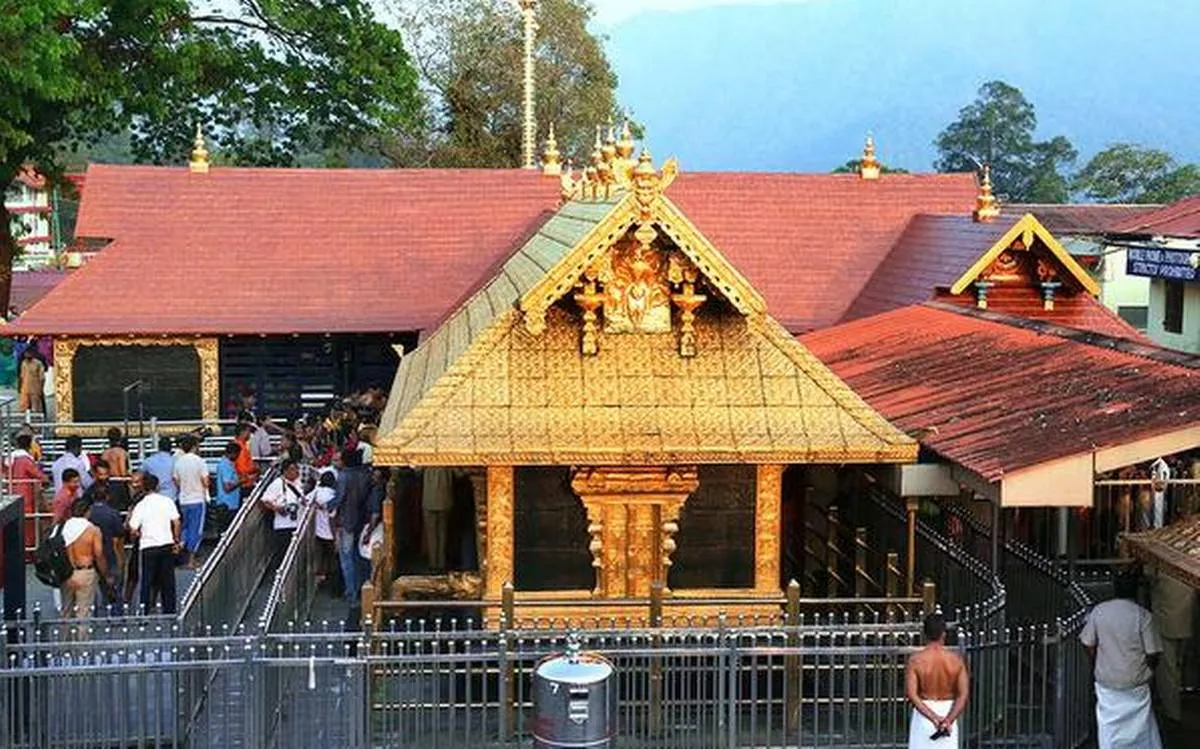
Sabarimala Temple
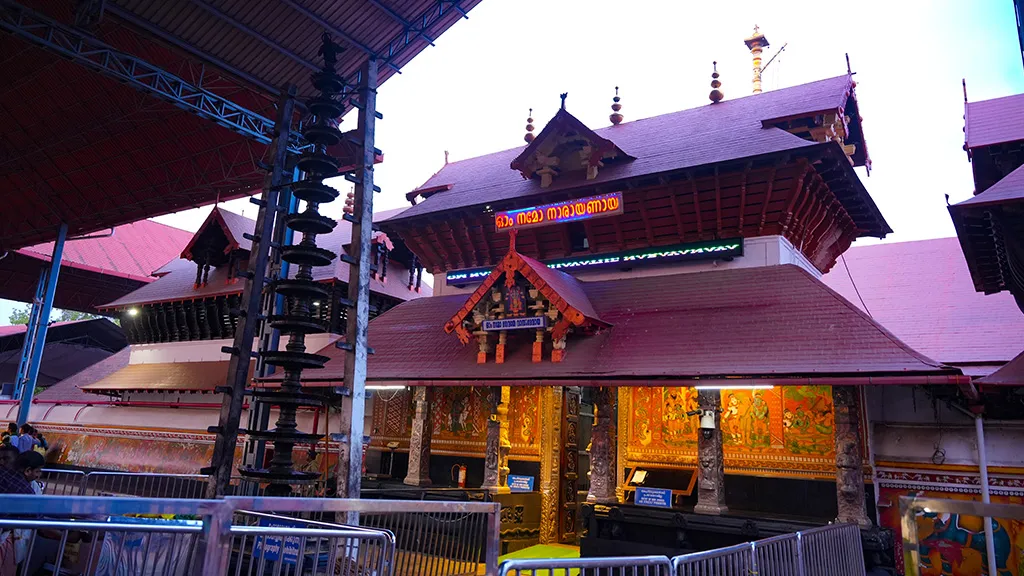
Guruvayur Temple
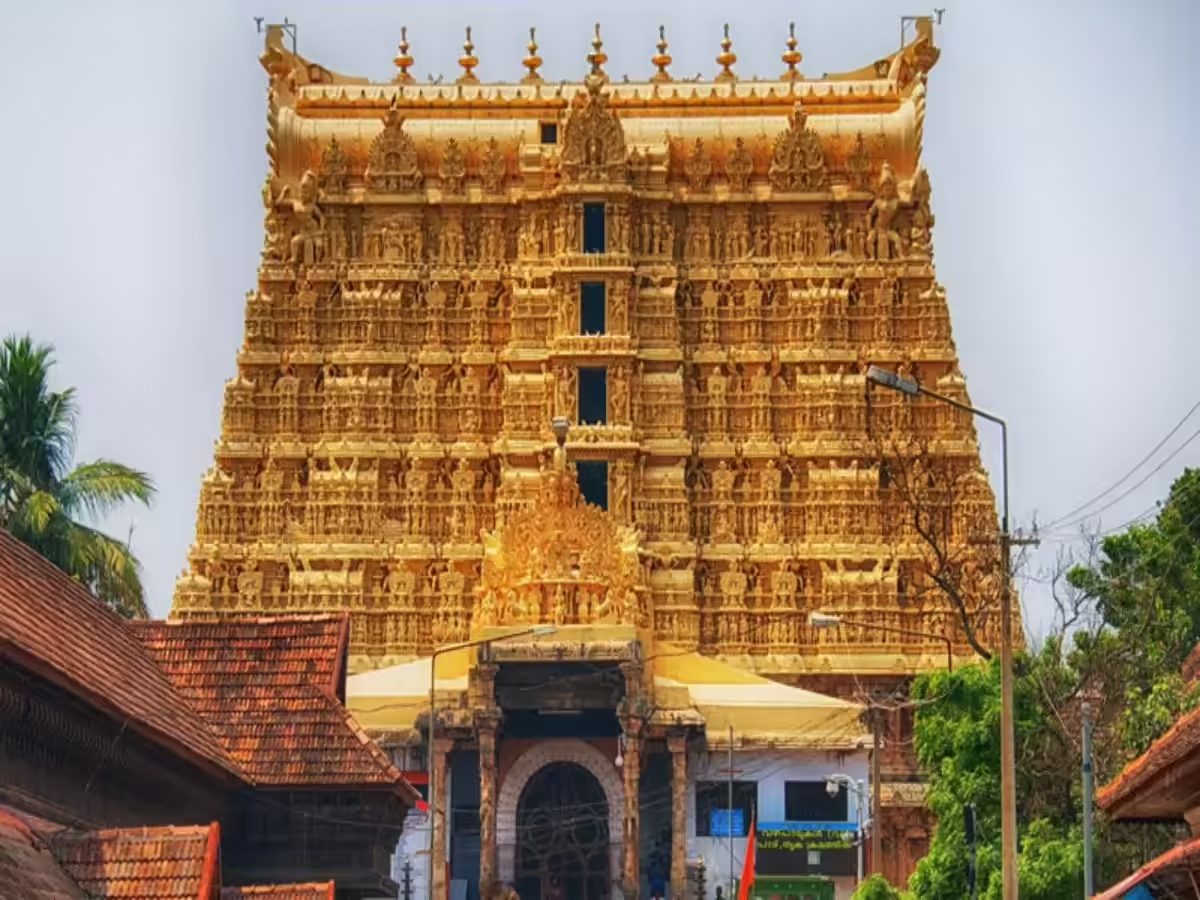
Padmanabhaswamy Temple
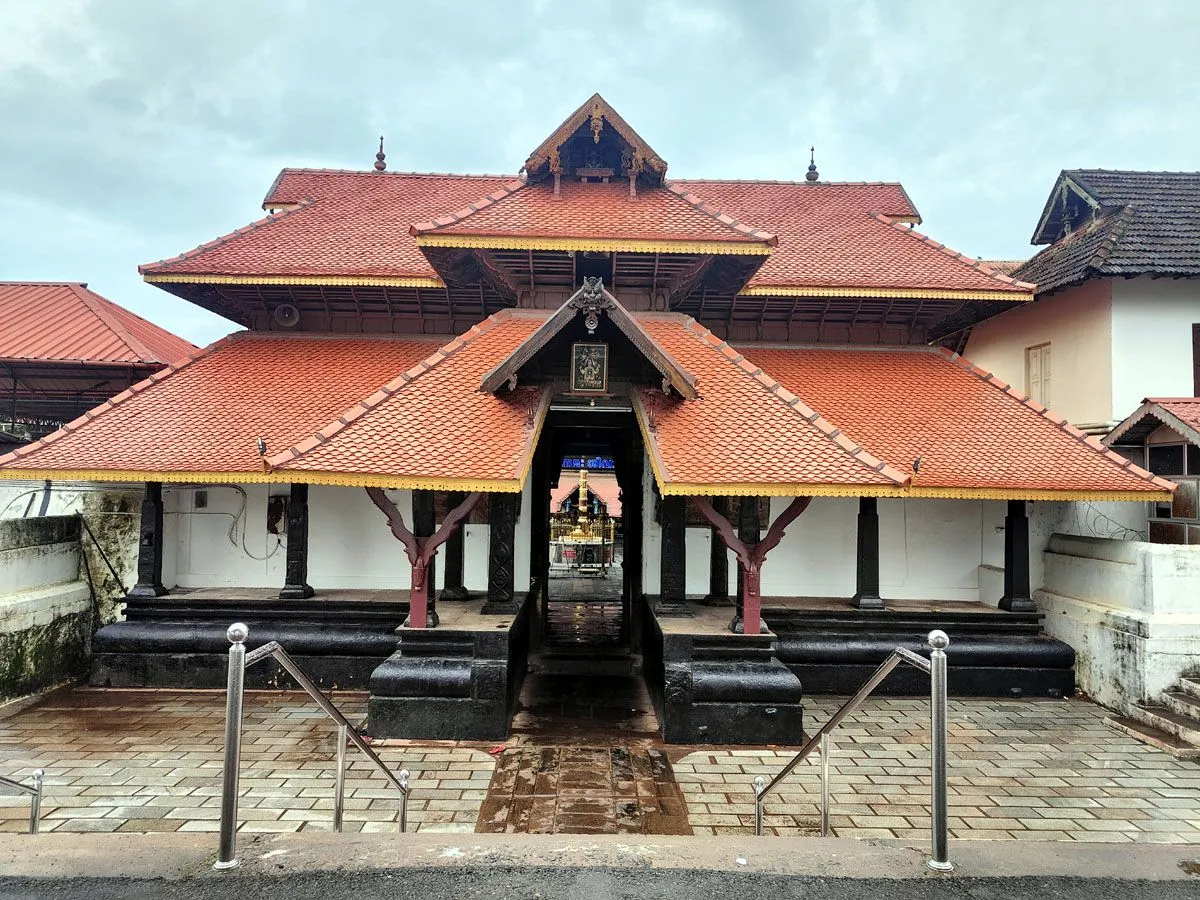
Ettumanoor Mahadeva Temple
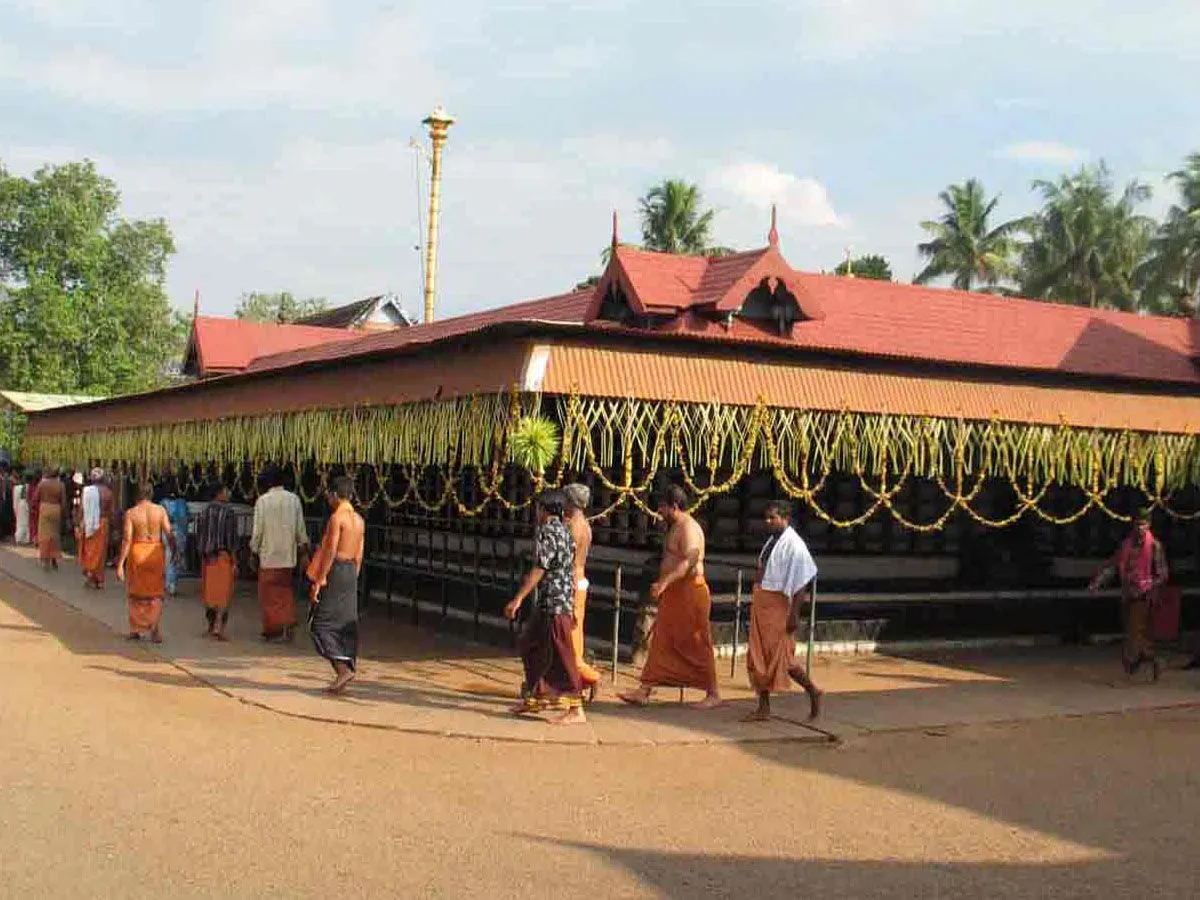
Chottanikkara Temple
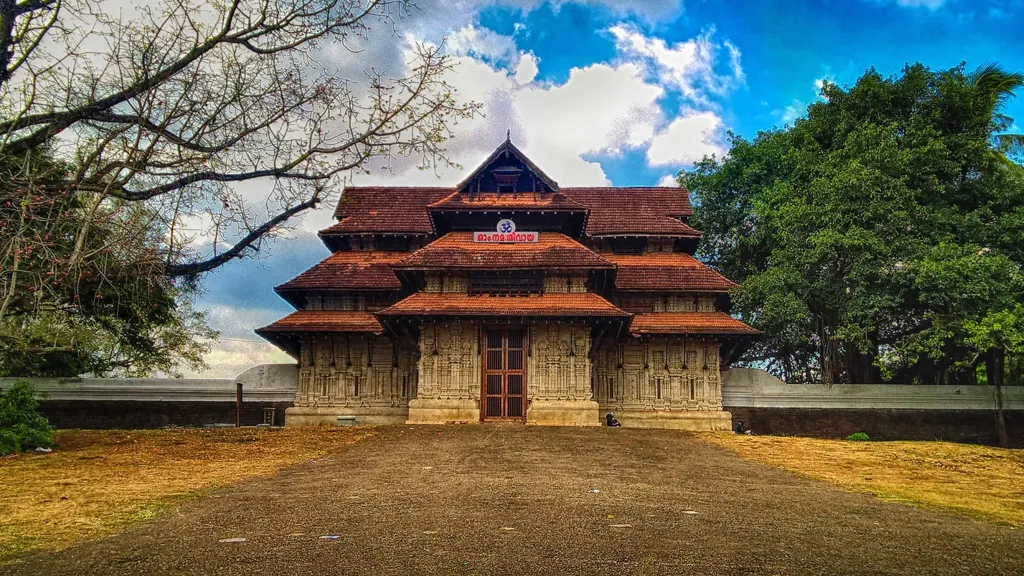
Vadakkunnathan Temple Thrissur
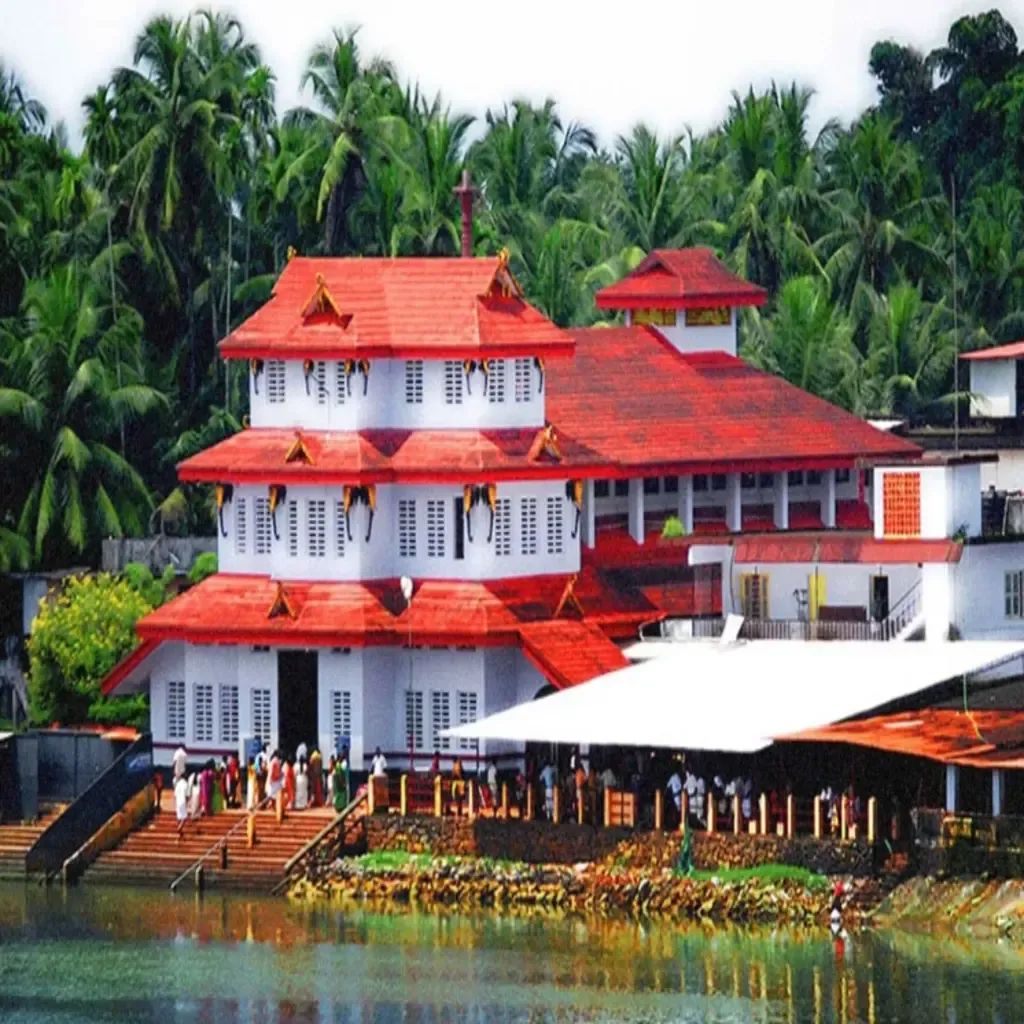
Parassinikadavu Muthappan Temple
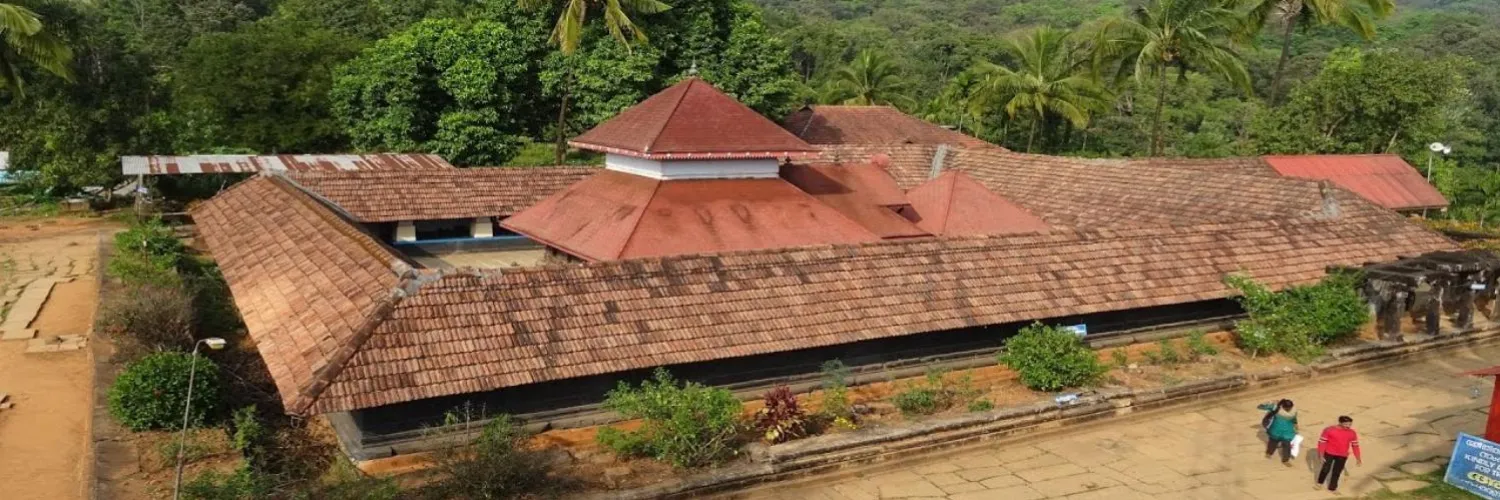
Thirunelli Temple Wayanad
Visit Information
Opening Hours
Entry Fee
Best Time to Visit
July to November
Location
Aryankavu, Kollam District, Kerala, India
Contact
For inquiries: 0475-2342321
Share this destination:
 Translate