
Kuruva Island
About Kuruva Island
Introduction: The Floating Forest of the Kabini
Tucked away deep inside the east-flowing Kabini (Kabani) River in the Wayanad district of northern Kerala, Kuruva Island—locally known as Kuruvadweep—is a breathtaking, 950-acre protected river delta archipelago. Comprising a cluster of uninhabited islets surrounded by naturally clear, flowing river streams, Kuruva Island is celebrated as one of the most biologically dense and tranquil eco-tourism destinations in God's Own Country. Enveloped in thick, evergreen rainforest canopy, towering bamboo groves, rare orchids, and exotic medicinal flora, the island offers an absolute retreat from urban noise.
Strictly managed by the Kerala Forest Department and the District Tourism Promotion Council (DTPC), human settlement on Kuruva Island is completely prohibited to preserve its delicate ecosystem. Accessible exclusively via traditional bamboo rafts and fiber boats operated by certified forest guides, Kuruva offers domestic travelers across India, international tourists, researchers, and nature enthusiasts an authentic wilderness experience. Whether you are gliding across quiet river tributaries on a bamboo raft, trekking along shaded forest trails, or birdwatching amidst ancient trees, Kuruva Island delivers an unforgettable journey into the green heart of Wayanad.
History and Ecological Heritage
The history of Kuruvadweep is deeply intertwined with the ancient forest heritage of the Western Ghats and the Kabini River basin. Long before it became a popular eco-tourism sanctuary, the islands served as an undisturbed haven for indigenous flora and tribal communities—including the Paniyas and Kurumas—who gathered wild medicinal herbs according to traditional sustainable practices. Recognizing the ecological vulnerability of this freshwater island ecosystem, the Government of Kerala brought the 950-acre delta under strict forest protection laws.
Today, Kuruva Island is a designated protected eco-zone within the Nilgiri Biosphere Reserve network. The island's dense, multi-tiered canopy acts as a crucial gene bank harboring over 100 rare species of native orchids, ancient herbal plants, and endemic ferns. Because entry is strictly regulated with fixed daily visitor quotas, Kuruva stands as a world-class model for sustainable, low-impact riverine eco-tourism in South India.
Key Natural & Ecological Highlights
- Uninhabited 950-Acre Delta: A pristine cluster of freshwater river islets surrounded by clean, gently flowing streams of the Kabini River.
- Bamboo Raft River Crossing: Traditional hand-steered bamboo rafts serve as the primary eco-friendly transport link across the river to reach the islands.
- Orchid & Avian Sanctuary: Shelters rare forest birds—including the Malabar Grey Hornbill, parakeets, and kingfishers—alongside native butterflies and orchids.
How to Reach Kuruva Island
Kuruva Island is located approximately 17 km from Mananthavady town and 37 km from Kalpetta (the district headquarters of Wayanad).
By Air
The nearest airport is Kannur International Airport (CNN), located approximately 60–65 km away. Alternatively, Calicut International Airport (CCJ) in Kozhikode is situated roughly 115 km (3 hours drive) south. Taxis and private rental cars connect both airports directly to Mananthavady and the Kuruva entry gates.
By Train
The closest major railway station is Kozhikode Railway Station (CLT), located about 106 km away. Mysuru Junction (MYS) in Karnataka is located roughly 110 km north. Pre-paid taxis, private cars, and state buses connect these stations to Wayanad.
By Road
Kuruva Island is well-serviced via state highways passing through Mananthavady, Pulpally, and Sulthan Bathery. Frequent Kerala KSRTC buses run from major towns to Mananthavady Bus Stand (17 km away). From Mananthavady, local taxis, auto-rickshaws, and feeder buses reach the Pakkom/Kuruva entry counter in under 30 minutes.
Best Time to Visit
Timing your trip according to seasonal conditions and annual sanctuary closures is essential when planning a visit to Kuruva Island.
Peak Season: Post-Monsoon & Winter (October to March)
This is the absolute best time to explore Kuruva Island. Post-monsoon foliage is vibrant green, the Kabini River streams are full yet calm, and daytime temperatures range comfortably between 15°C and 28°C. Conditions are ideal for nature walks, bamboo rafting, and birdwatching.
Summer Season (April to May)
Summers bring warmer weather (20°C to 34°C). Water levels in the river streams lower, exposing sandy banks and stone pathways across islets. Early morning visits offer pleasant shade beneath the dense bamboo canopy.
Monsoon Closure (June to September)
Crucial Notice: Kuruva Island is strictly closed to all visitors during the monsoon season (typically June through early September) due to high water levels, strong river currents, and safety regulations enforced by the Forest Department. It reopens post-monsoon after safety inspections.
Top Attractions and Activities at Kuruva Island
1. Traditional Bamboo Rafting & Kayaking
The primary highlight of visiting Kuruva Island is riding traditional bamboo rafts across the gentle river channels. The Forest Department operates 20-minute guided bamboo raft rides, country boat crossings, and paddling kayaks across the glassy water.
2. Guided Nature Trekking & Island Walks
Follow designated forest walking paths winding through ancient tree roots, bamboo arches, and riverbank trails. Walking through the silent island interior allows visitors to observe rare orchids, wild butterflies, and medicinal herbs.
3. Birdwatching & Wildlife Photography
The island is a peaceful sanctuary for birdwatchers. Visitors equipped with binoculars can spot hornbills, parrots, kingfishers, and migratory waterfowl roosting high in the canopy.
4. Bamboo Bridges & Stream Crossing
Rustic bamboo footbridges constructed by forest wardens link several small islets, allowing visitors to cross gentle river trickles while exploring deeper forest zones.
Local Food and Culinary Delights
Since commercial shops and restaurants are strictly prohibited on the island itself, visitors enjoy authentic Keralite cuisine at local village eateries near the base ticket counter or in Mananthavady town.
Must-Try Specialties
- Wayanad Malabar Chicken Biryani: Aromatic, short-grain Kaima/Jeerakasala rice slow-cooked with spiced chicken, fried onions, cashews, and ghee.
- Bamboo Rice Payasam: A sweet dessert pudding prepared using rare wild bamboo seeds harvested from the surrounding forests, coconut milk, and jaggery.
- Puttu & Kadala Curry: Steamed rice flour cylinders layered with coconut served alongside spicy chickpea gravy.
- Fresh River Fish Fry & Meals: Local rice thalis served with spiced fried river fish, coconut thoran, and hot rasam.
Where to Stay: Accommodation Options
Night stays on Kuruva Island are strictly prohibited. Visitors stay at eco-resorts, plantation stays, or family homestays located near Mananthavady or along the Kabini riverbanks.
Luxury Eco-Resorts & River Stays ($90 – $250 USD / ₹7,500 – ₹20,000 INR per night)
- Kabini Resorts & River Lodges: Premium eco-resorts situated along the Kabini River, offering riverfront cottages, swimming pools, and private nature walks.
- Machan & Treehouse Resorts: Eco-friendly jungle resorts offering elevated wooden cottages set inside coffee and spice plantations near Mananthavady.
Mid-Range & Budget Homestays ($15 – $45 USD / ₹1,200 – ₹3,500 INR per night)
- Dozens of family-run homestays around Pakkom, Mananthavady, and Pulpally offer clean rooms, home-cooked Kerala breakfasts, and local travel assistance.
Budget Travel Guide for Kuruva Island
- Fixed Entry Fees: Official entry tickets issued by the Kerala Forest Department / DTPC are priced modestly (approx. ₹220 for Indian adults, ₹100 for students, and ₹440 for foreign nationals).
- Public Transit: Take state transport buses from Kalpetta or Sulthan Bathery to Mananthavady for under ₹50 ($0.60 USD), then board a local bus toward Pakkom/Kuruva.
- Daily Visitor Cap: The Forest Department limits entries daily (approx. 400–575 visitors per day) to protect the eco-zone. Arrive early in the morning (by 8:30 AM) to secure entry passes.
Sample 1-Day Itinerary
- 08:30 AM: Arrive at the Kuruva Island ticket counter near Pakkom/Mananthavady; purchase official entry and boating passes.
- 09:00 AM: Board the official bamboo raft or fiber boat to cross the Kabini River to the main island.
- 09:30 AM: Embark on a 2-hour guided nature walk along shaded forest trails, bamboo bridges, and riverbanks.
- 11:30 AM: Enjoy a 20-minute bamboo rafting or paddling excursion on the calm river streams.
- 01:00 PM: Cross back to the mainland; enjoy a traditional Kerala lunch featuring Malabar biryani or rice thali at a local eatery.
- 02:30 PM: Visit nearby attractions like Thirunelli Temple or Tholpetty Wildlife Sanctuary in northern Wayanad.
Essential Rules and Visitor Guidelines
- Strict Zero-Plastic Policy: Kuruva Island is a zero-plastic protected eco-zone. Plastic bottles, bags, and food wrappers are strictly prohibited inside.
- No Bathing or Swimming: Swimming or stepping deep into river currents is strictly forbidden due to hidden underwater rocks and safety laws.
- Wear Sturdy Footwear & Earth Tones: Wear non-slip walking or hiking shoes for uneven forest paths, along with muted green, khaki, or brown attire.
- No Food or Restrooms on the Island: There are no commercial shops, food stalls, or changing rooms on the island interior. Use facilities at the base entrance before crossing.
- Leech & Insect Protection: Carry eco-friendly insect repellent or wear anti-leech socks during post-monsoon forest walks.
Frequently Asked Questions (FAQs)
1. Where is Kuruva Island located?
Kuruva Island (Kuruvadweep) is located on the Kabini River in the Wayanad district of northern Kerala, India, about 17 km from Mananthavady.
2. Is Kuruva Island open all year round?
No. Kuruva Island is strictly closed during the monsoon season (June to September) due to high river water levels. It operates during non-monsoon months (October to May).
3. What are the operating hours for Kuruva Island?
Entry tickets are issued generally between 9:00 AM and 3:30 PM daily during the open season.
4. What is the entry fee for Kuruva Island?
Entry fees are approximately ₹220 for Indian adults, ₹100 for students, and ₹440 for foreign tourists, with extra nominal charges for camera permits and parking.
5. How do visitors reach the island from the mainland?
Visitors cross the Kabini River aboard official Forest Department bamboo rafts or fiber boats.
6. Is there a daily limit on visitors?
Yes, entry is capped daily (approx. 400 to 575 visitors per day) by forest authorities to protect the fragile delta environment.
7. Are plastic water bottles allowed on Kuruva Island?
No, single-use plastic bottles, bags, and packaging are strictly banned inside the island sanctuary.
8. What is the nearest airport to Kuruva Island?
Kannur International Airport (CNN) is closest at ~60 km, while Calicut International Airport (CCJ) is ~115 km away.
9. Can visitors stay overnight on Kuruva Island?
No, overnight stays on the island are strictly prohibited. Visitors stay at resorts or homestays in nearby Mananthavady or along the Kabini River.
10. What activities can I do at Kuruva Island?
Key activities include bamboo rafting, kayaking, guided nature walks, birdwatching, and riverbank photography.
Conclusion
Kuruva Island stands as an extraordinary freshwater river sanctuary where dense bamboo canopies, gentle Kabini currents, and rich forest biodiversity converge in perfect harmony. From gliding across quiet river channels on a traditional bamboo raft to walking silent forest trails surrounded by orchids and birdsong, visiting Kuruvadweep offers a deeply refreshing retreat into pure nature. Plan your trip during the open season, arrive early to secure entry, respect the zero-plastic guidelines, and experience the natural tranquility of Kuruva Island!
Photo Gallery
What you'll experience
- 1
Cross the river on bamboo rafts
- 2
Walk through dense, green forest trails
- 3
Spot rare birds and butterflies
- 4
Relax by the tranquil riverbanks
Explore More
Nearby Destinations
Thirunelli Temple Wayanad
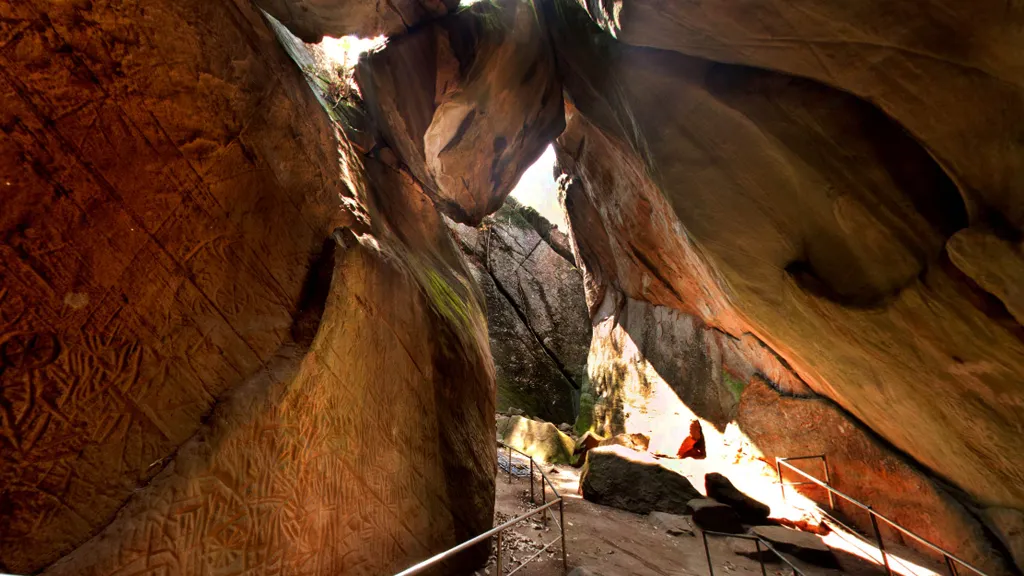
Edakkal Caves
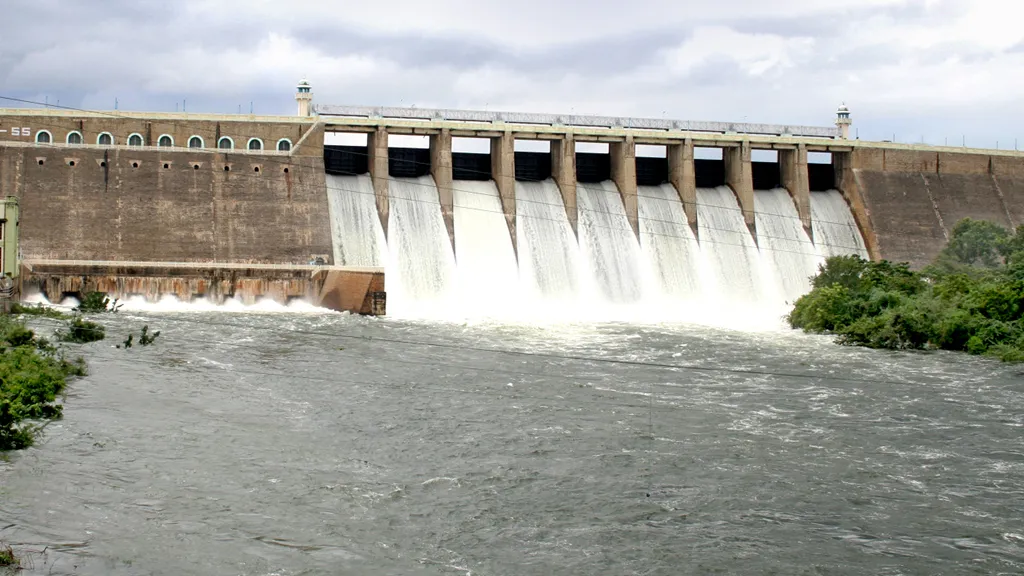
Banasura Sagar Dam
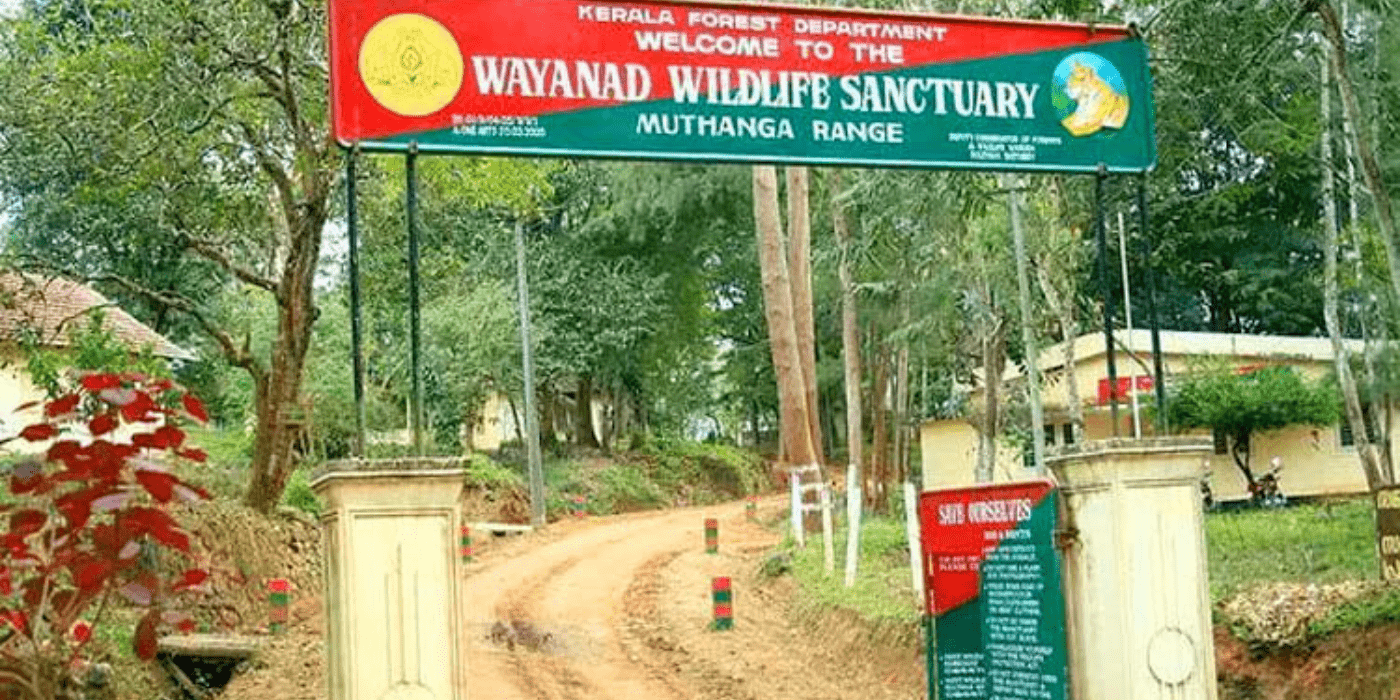
Wayanad Wildlife Sanctuary
These destinations are in close proximity to Kuruva Island and can be visited on the same trip.
Related Destinations
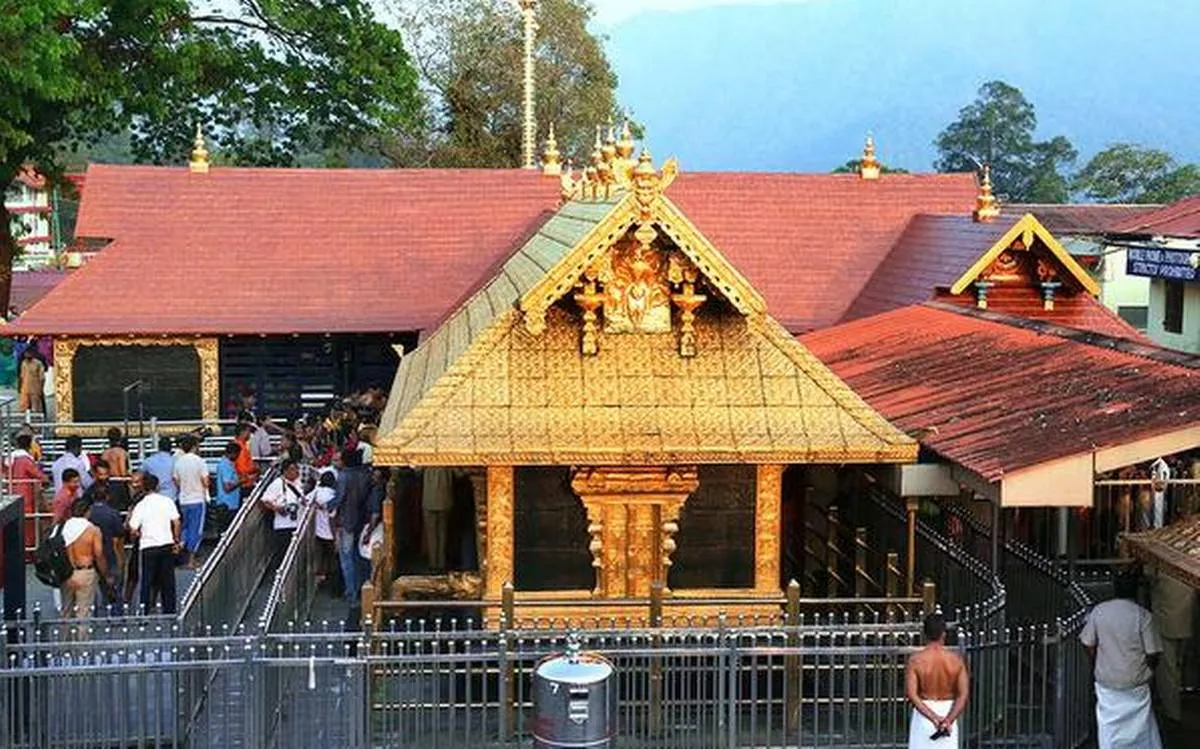
Sabarimala Temple
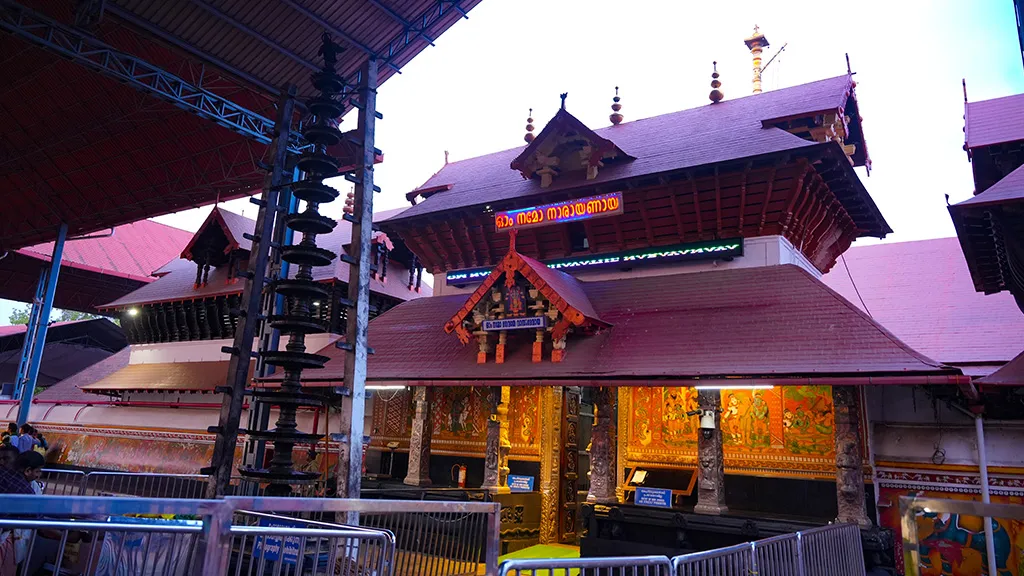
Guruvayur Temple
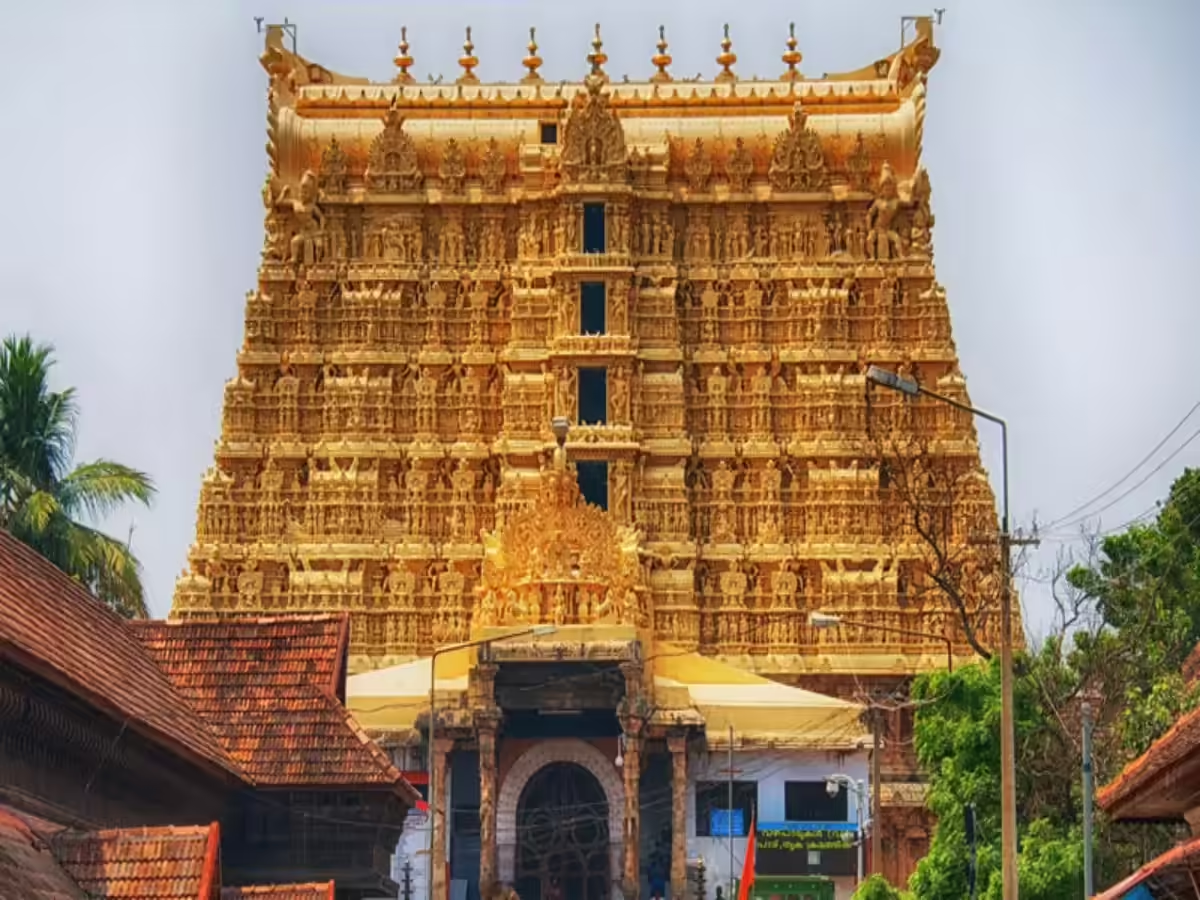
Padmanabhaswamy Temple
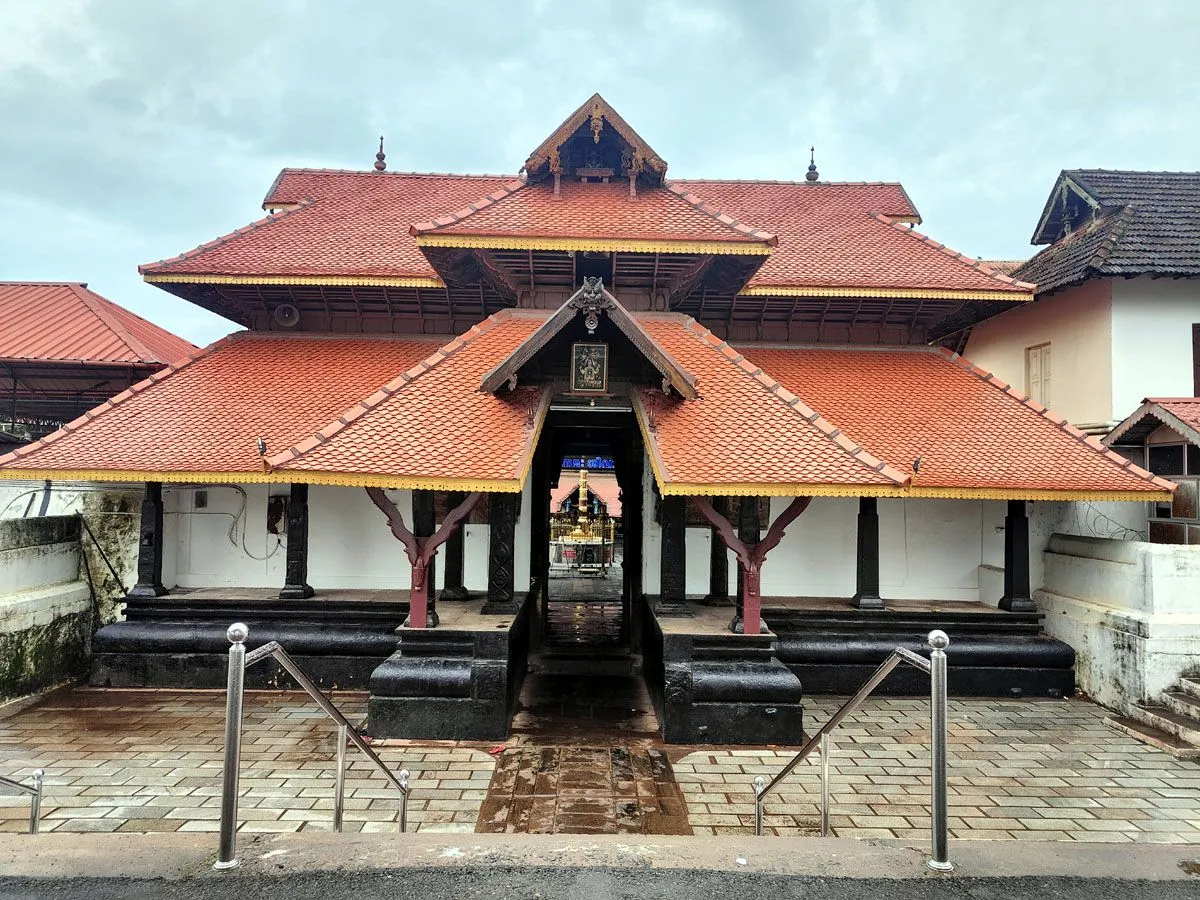
Ettumanoor Mahadeva Temple
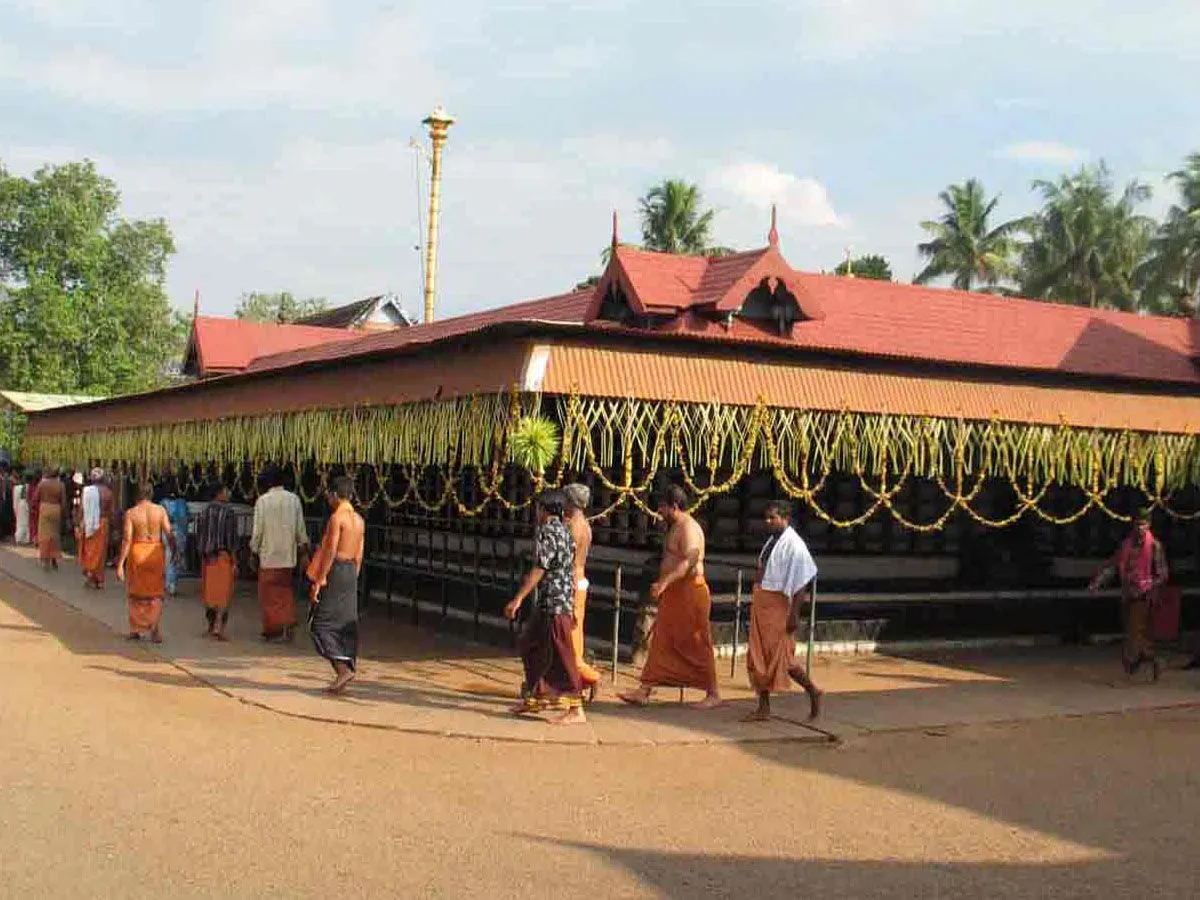
Chottanikkara Temple
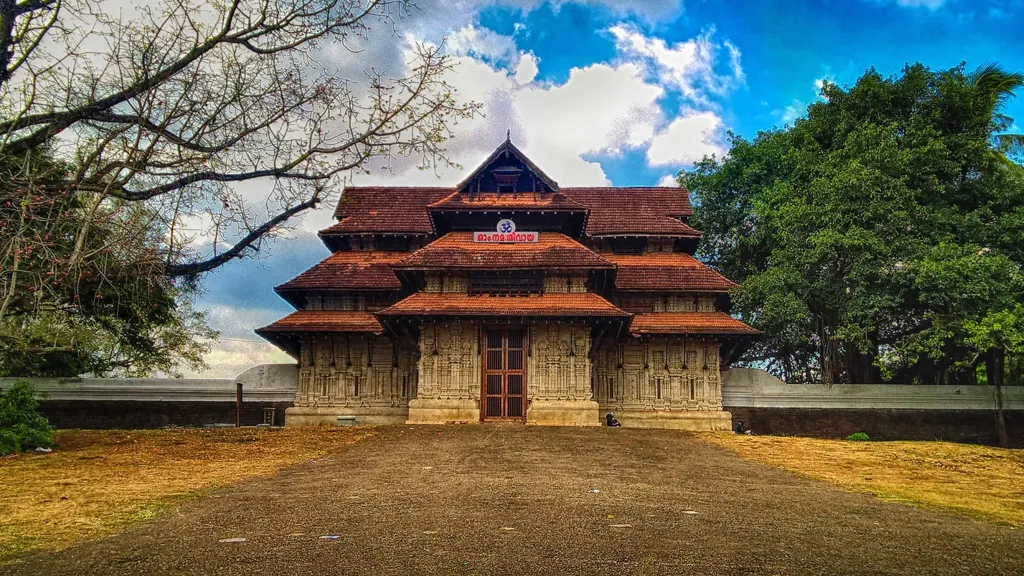
Vadakkunnathan Temple Thrissur
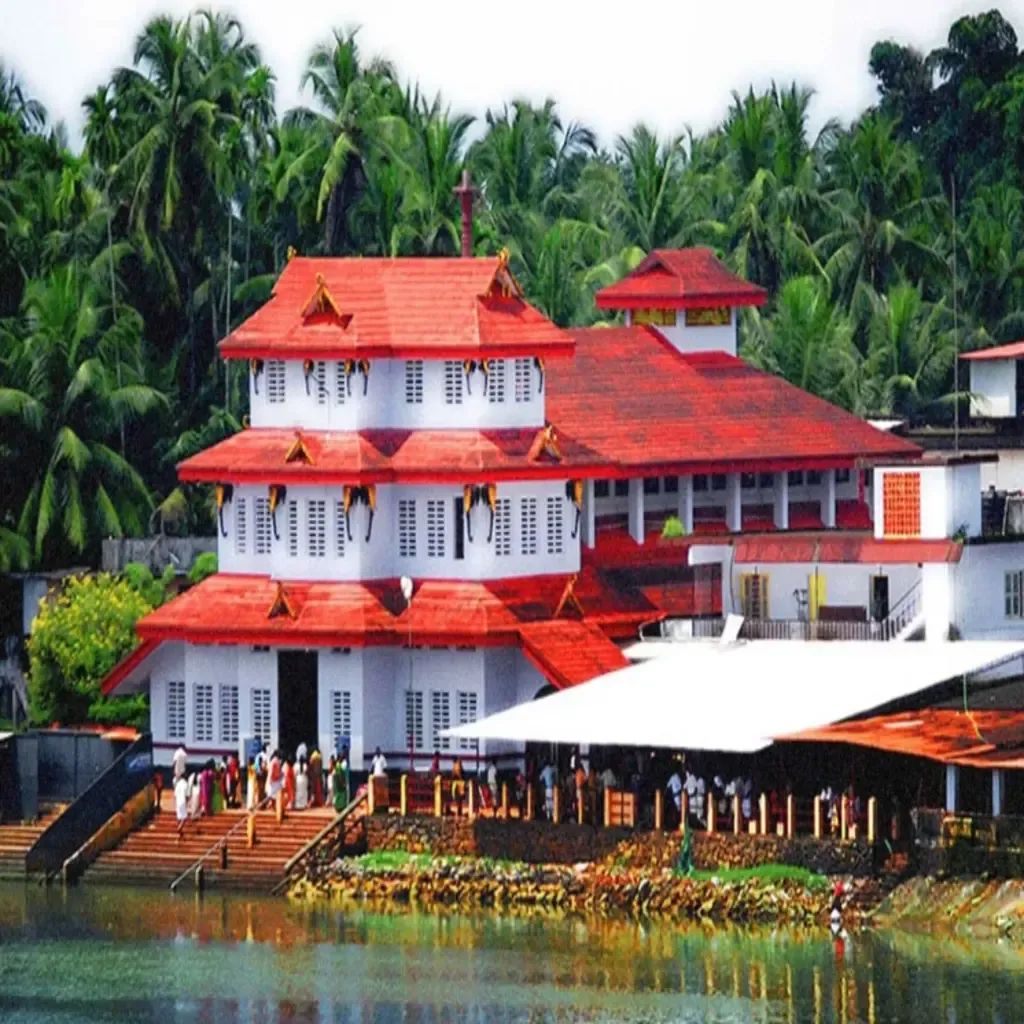
Parassinikadavu Muthappan Temple
Thirunelli Temple Wayanad
Visit Information
Opening Hours
Entry Fee
Best Time to Visit
October to March
Location
Wayanad District, Kerala, India
Contact
For inquiries: 04936-202134
Share this destination:
 Translate