
Perunthenaruvi Waterfalls
About Perunthenaruvi Waterfalls
Introduction: The Great Honey Stream of Pathanamthitta
Situated on the banks of the sacred Pamba River near Vechoochira in the Pathanamthitta district of Kerala, Perunthenaruvi Waterfalls is a spectacular natural water drop and eco-tourism destination. Derived from the Malayalam words 'Peru' (great), 'Then' (honey), and 'Aruvi' (stream)—translating to 'The Great Honey Stream'—the waterfall earns its name from historical wild beehives that once covered the surrounding forest cliffs and ancient trees.
Unlike high mountain drops that fall vertically from single cliffs, Perunthenaruvi is a broad, roaring cascade where the entire volume of the Pamba River rushes violently over a wide, rocky bed of dark granite before plunging 60 to 100 feet into a deep rock basin below. Managed by the District Tourism Promotion Council (DTPC) and local Forest Development Committees, Perunthenaruvi is set amidst lush reserve forests, rubber estates, and riverine foliage, offering a captivating wilderness escape in Central Kerala.
Landscape, Legend, and Forest Heritage
The history and culture of Perunthenaruvi are deeply connected to the Pamba River basin and local tribal heritage. Surrounding forest tracks were historically traversed by indigenous forest communities who harvested wild honey, dammar, and medicinal herbs from the cliff faces surrounding the river gorge.
Geologically, the waterfall is defined by its massive granite rock formations, wide rocky shelves, and natural stone whirlpools carved by centuries of flowing water. To facilitate safe tourism while protecting the river margin, DTPC has constructed paved walking plazas, safety railings, viewing decks, and stone steps leading to safe vantage points overlooking the main torrent. The cool mist rising from the basin creates a refreshing microclimate year-round, drawing families, road-tripping travelers, and nature lovers.
Key Natural & Visual Highlights
- Broad Pamba River Torrent: A massive volume of water sweeping across a wide granite riverbed before surging into the gorge below.
- Perunthenaruvi Check Dam: Located nearby along the river, regulating water levels while creating a peaceful reservoir backdrop.
- Shaded Riverside Walkways: Paved, tree-lined walking tracks and stone viewing plazas offering safe spots for photography.
How to Reach Perunthenaruvi Waterfalls
Perunthenaruvi Waterfalls is located near Vechoochira, approximately 36 km from Pathanamthitta town, 26 km from Ranni, and 12 km from Erumely.
By Air
The nearest airport is Cochin International Airport (COK), situated approximately 120 km (about a 3-hour drive) northwest. Alternatively, Trivandrum International Airport (TRV) is located roughly 135 km south. Taxis, app-based cabs, and private rentals connect both airports to Pathanamthitta and Vechoochira.
By Train
Because Pathanamthitta district lacks direct rail lines at its center, the closest major railway stations include:
- Tiruvalla Railway Station (TRVL): Located about 42 km west, convenient for local bus and taxi transfers.
- Chengannur Railway Station (CNGR): Located roughly 44 km southwest, offering major national express train connectivity.
- Kottayam Railway Station (KTY): Located roughly 55 km northwest.
By Road
Perunthenaruvi is easily accessible via state roads from Ranni and Erumely. Frequent Kerala State Road Transport Corporation (KSRTC) and private buses operate daily from Pathanamthitta, Ranni, and Erumely bus stands to Vechoochira and Perunthenaruvi bus stop.
Best Time to Visit
Water volume at Perunthenaruvi varies across seasons, altering both safety and visual grandeur.
Peak Season: Post-Monsoon & Winter (September to February)
This is the absolute best time to visit Perunthenaruvi. Monsoonal runoff ensures a full, roaring river surge across the granite shelves, while clear blue skies, pleasant riverside breezes (20°C to 28°C), and firm walking paths provide ideal conditions for sightseeing and photography.
Monsoon Season (June to August)
The South-West monsoon transforms the Pamba River into a violent, swollen muddy torrent. While visually awe-inspiring from safe upper viewing plazas, high water levels make riverbanks dangerous, and access to low rock ledges is strictly prohibited.
Summer Season (March to May)
Water flow reduces during dry summer months, exposing the dramatic granite rock bed and stone channels carved by the river. While the cascade is smaller, morning visits offer quiet walking tours under shaded trees.
Top Nearby Attractions
1. Gavi Eco-Tourism Reserve (75 km away)
A world-famous protected forest reserve deep inside the Periyar Tiger Reserve, offering guided jungle treks, canoeing on Gavi Lake, and treehouse stays.
2. Konni Elephant Reserve & Eco-Tourism (45 km away)
A historic elephant training center featuring large wooden kraals, elephant rides, educational museums, and Coracle (Kotta Vanchi) rides on the Kallada River at Adavi.
3. Sabarimala Temple Gateway (Erumely - 12 km away)
Erumely is a famous pilgrimage town located just 12 km from Perunthenaruvi, known for the ancient Vavar Swamy Mosque and Erumely Dharmasastha Temple.
4. Aranmula Heritage Village (35 km away)
A cultural heritage center famous for the ancient Aranmula Parthasarathy Temple, handmade Aranmula Kannadi (metal mirrors), and annual Snake Boat Races (Vallasadya).
Things to Do at Perunthenaruvi Waterfalls
- Riverside Walk & Photography: Stroll along paved DTPC pathways and viewing decks to capture photos of the roaring Pamba River cascade.
- Relax at Shaded Viewing Plazas: Sit on stone benches overlooking the foaming water drops amidst cool, mist-filled forest breezes.
- Explore Nearby Rubber & Spice Plantations: Take walks through adjacent rubber and spice estates around Vechoochira and Ranni.
- Combine Pilgrimage & Nature Sightseeing: Pair your visit with trips to nearby religious landmarks in Erumely, Ranni, or Aranmula.
Local Food and Culinary Delights
Dining around Perunthenaruvi features authentic Central Keralite hill country dishes served at local canteens in Ranni and Vechoochira.
Must-Try Culinary Specialties
- Kappa (Tapioca) with Fiery Fish Curry: Boiled cassava mashed with turmeric and mustard seeds, served with spicy Malabar red fish curry cooked in clay pots.
- Kerala Parotta with Beef / Chicken Roast: Layered flaky flatbread served alongside dark-roasted meat curry seasoned with black pepper and coconut slices.
- Puttu & Kadala Curry: Steamed rice flour cylinders layered with grated coconut, served with spicy chickpea gravy for breakfast.
- Fresh Spiced Tea & Tender Coconut: Refreshing drinks and hot cardamom tea available at roadside kiosks near the entrance gate.
Where to Stay: Accommodation Options
Visitors stay at hotels and homestays located in Pathanamthitta town, Ranni, or nearby pilgrimage hubs like Erumely.
Hotels & Homestays in Ranni / Pathanamthitta ($20 – $60 USD / ₹1,500 – ₹5,000 INR per night)
- Pathanamthitta town and Ranni offer clean family-run homestays, modern business lodges, and budget hotels with easy dining and transport facilities.
Forest Eco-Lodges in Gavi ($50 – $150 USD / ₹4,000 – ₹12,000 INR per night)
- Travelers combining Perunthenaruvi with deep wilderness trips book official KFDC eco-lodges or treehouse stays inside Gavi reserve forest.
Budget Travel Guide for Perunthenaruvi Waterfalls
- Nominal Entry Fee: Entry passes collected at the DTPC entrance gate are priced modestly (approx. ₹20–₹30 per head).
- Public KSRTC Transit: Take state buses from Pathanamthitta, Ranni, or Erumely directly to Vechoochira and Perunthenaruvi for under ₹35 ($0.45 USD).
- Combine Regional Circuits: Pair Perunthenaruvi with Konni Elephant Center or Aranmula Heritage Village in a single day trip to save on transport costs.
Sample 1-Day Itinerary
- 08:30 AM: Depart from Pathanamthitta town, Chengannur, or Tiruvalla; drive toward Ranni along state highways.
- 09:30 AM: Stop at Ranni to explore local riverside markets and enjoy a breakfast of Puttu with Kadala curry.
- 10:30 AM: Arrive at Perunthenaruvi Waterfalls; obtain DTPC entry passes and walk along paved viewing decks.
- 12:30 PM: Enjoy a traditional Kerala lunch featuring Kappa with fish curry or Parotta with beef roast at a local canteen.
- 02:00 PM: Drive toward Konni Elephant Reserve (45 km away) for coracle boating at Adavi or visiting the elephant kraals.
- 05:30 PM: Sip fresh cardamom tea at a roadside stall before returning to Chengannur Railway Station or Cochin Airport.
Essential Rules and Visitor Guidelines
- Strict Bathing & Swimming Ban: Bathing or stepping into the river near the waterfall drop is strictly prohibited due to treacherous undercurrents, deep submerged rock cavities, and sudden water surges.
- Strict Zero-Plastic Zone: Help preserve the Pamba River ecosystem by avoiding single-use plastics and disposing of waste in designated bins.
- Do Not Cross Safety Barriers: Fencing and warning signs are installed along the granite cliff edge; stay behind safety barriers at all times.
- Mind Slippery Surfaces: Granite rock ledges can become slippery during monsoons; wear sturdy non-slip walking shoes.
Frequently Asked Questions (FAQs)
1. Where is Perunthenaruvi Waterfalls located?
Perunthenaruvi Waterfalls is located on the Pamba River near Vechoochira in the Pathanamthitta district of Kerala, South India.
2. What does the name 'Perunthenaruvi' mean?
The name derives from Malayalam words 'Peru' (great), 'Then' (honey), and 'Aruvi' (stream), meaning 'The Great Honey Stream'.
3. What is the nearest airport to Perunthenaruvi Waterfalls?
Cochin International Airport (COK) is the closest airport, located approximately 120 km away.
4. What is the nearest railway station to Perunthenaruvi Waterfalls?
Tiruvalla (42 km) and Chengannur (44 km) are the closest major railway hubs.
5. Is swimming allowed at Perunthenaruvi Waterfalls?
No, swimming or wading into the river is strictly prohibited due to dangerous undercurrents and deep rock cavities.
6. What river flows over Perunthenaruvi Waterfalls?
The sacred Pamba River, one of Kerala's major rivers, flows over the granite ledges at Perunthenaruvi.
7. Is there an entry fee for Perunthenaruvi Waterfalls?
Yes, a nominal entrance pass is collected at the DTPC entry gate.
8. Is Perunthenaruvi suitable for a family visit?
Yes, its paved walking paths, safe stone viewing plazas, cool mist, and shaded seating make it an ideal family destination.
9. What food specialties should I try nearby?
Must-try local dishes include Kappa (tapioca) with fish curry, Kerala parotta with meat roast, Puttu with kadala curry, and fresh tender coconut water.
10. What is the best season to visit Perunthenaruvi Waterfalls?
The post-monsoon and winter months from September to February offer full water volume, pleasant weather, and ideal conditions for sightseeing.
Conclusion
Perunthenaruvi Waterfalls stands as a breathtaking river sanctuary where the sacred Pamba River, dark granite rock ledges, and lush reserve forests come together in roaring harmony. From walking along paved DTPC viewing decks and photographing the broad water surge to sampling hot Kappa with fish curry and exploring nearby Konni Elephant Reserve, Perunthenaruvi offers an unforgettable eco-retreat into Pathanamthitta's countryside. Plan your visit, respect the zero-plastic guidelines, and experience the natural grandeur of Perunthenaruvi Waterfalls!
Photo Gallery
What you'll experience
- 1
Watch the wide cascade of the Pamba River merge into rocky cliffs
- 2
Enjoy photography and nature walks along the riverbanks
- 3
Visit nearby pilgrim sites like Sabarimala and Kakki Reservoir
- 4
Experience serene sunrise and sunset views from the rocks
Explore More
Related Destinations
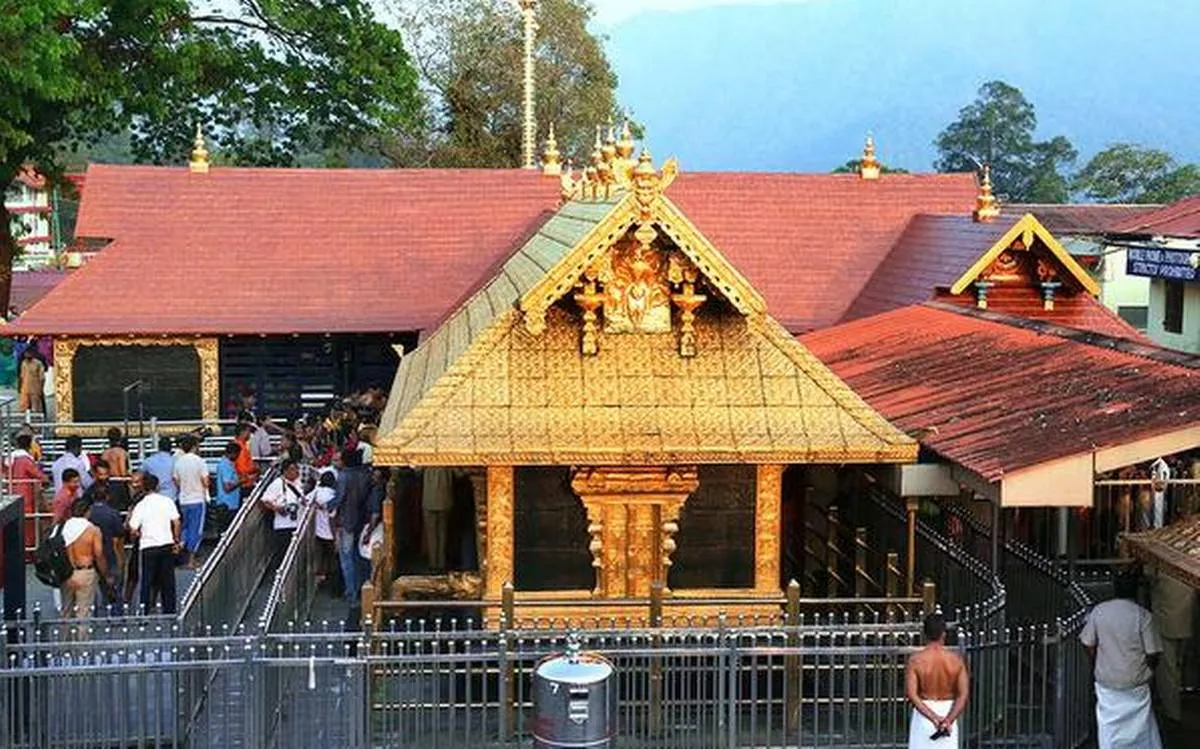
Sabarimala Temple
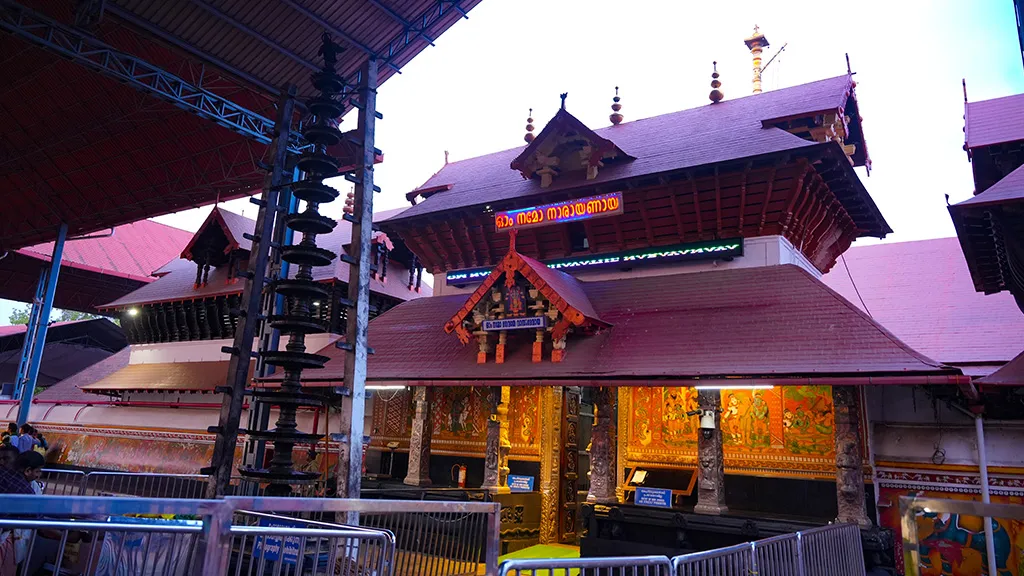
Guruvayur Temple
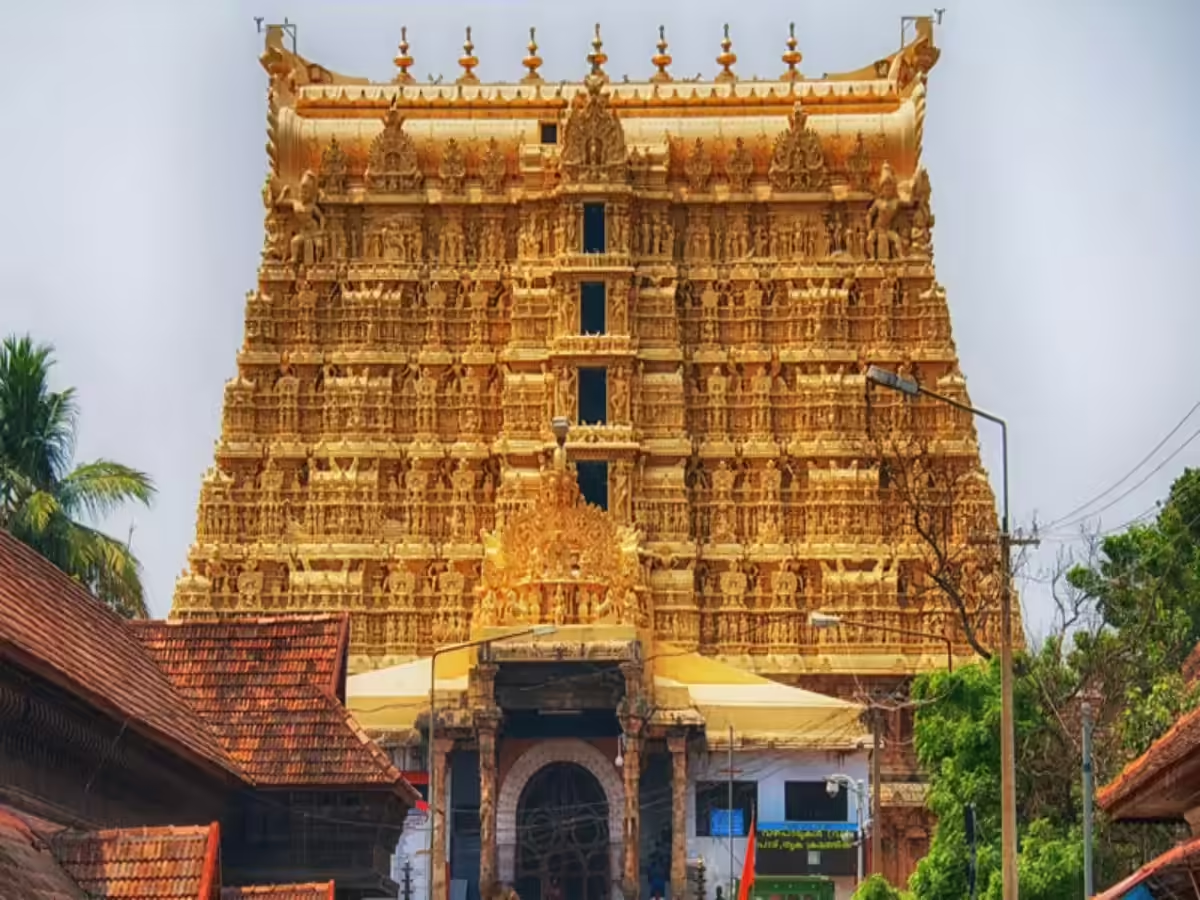
Padmanabhaswamy Temple
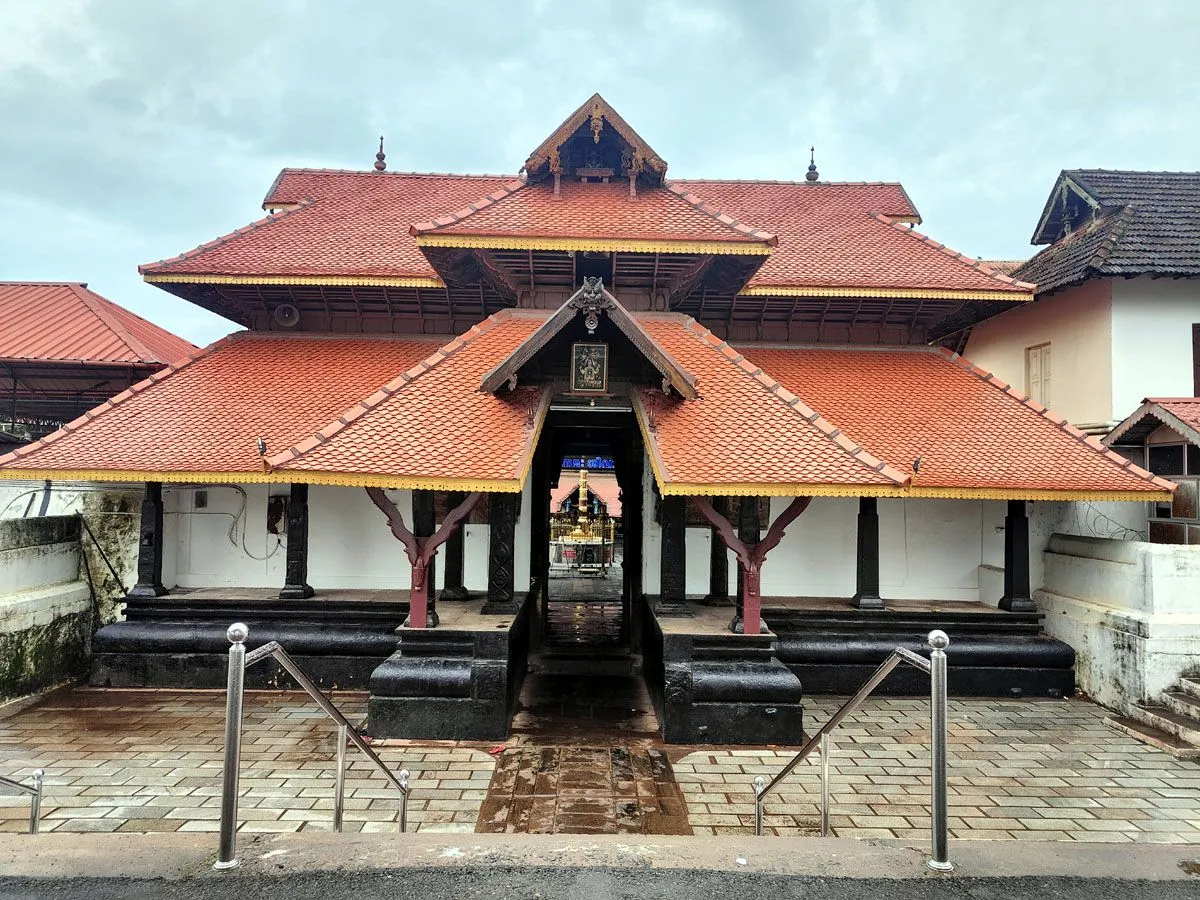
Ettumanoor Mahadeva Temple
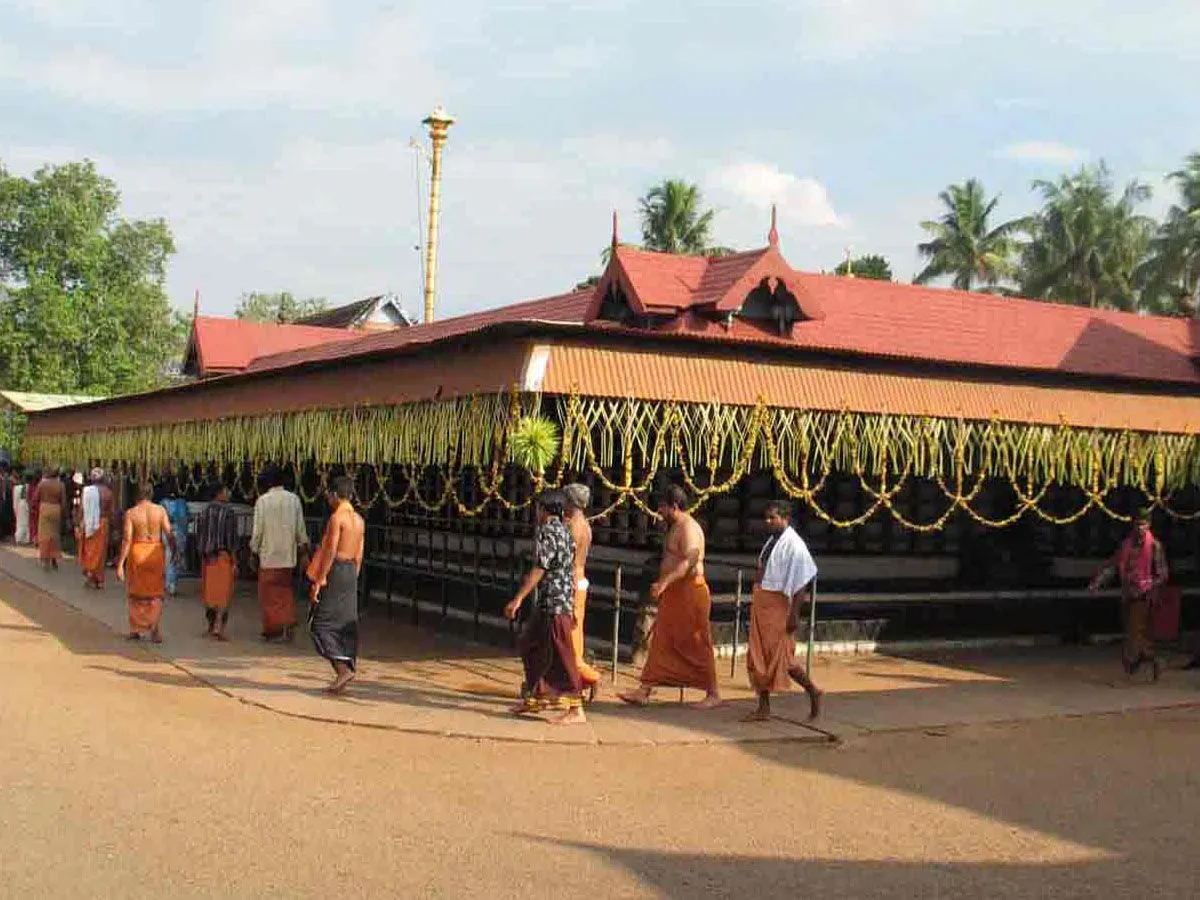
Chottanikkara Temple
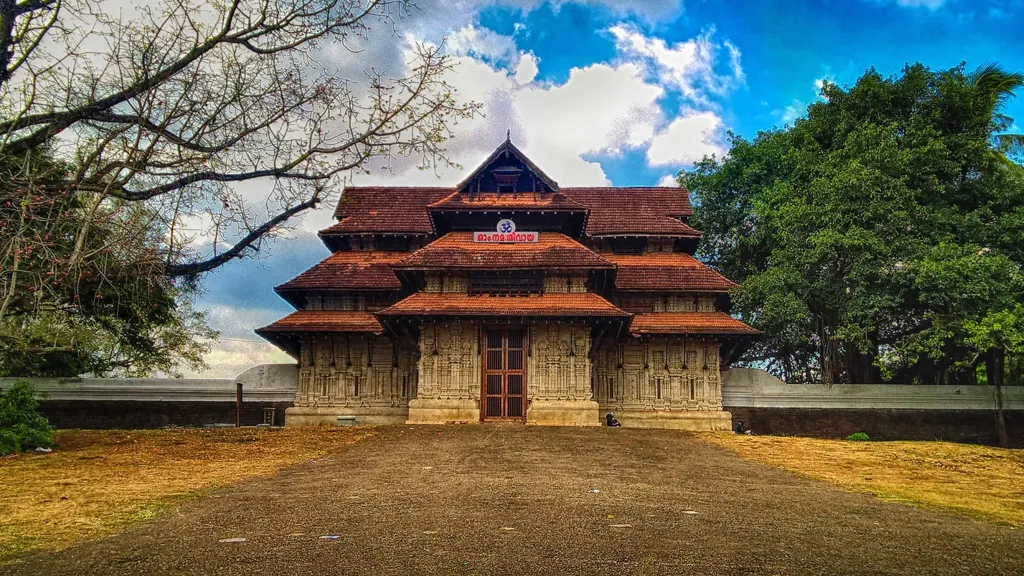
Vadakkunnathan Temple Thrissur
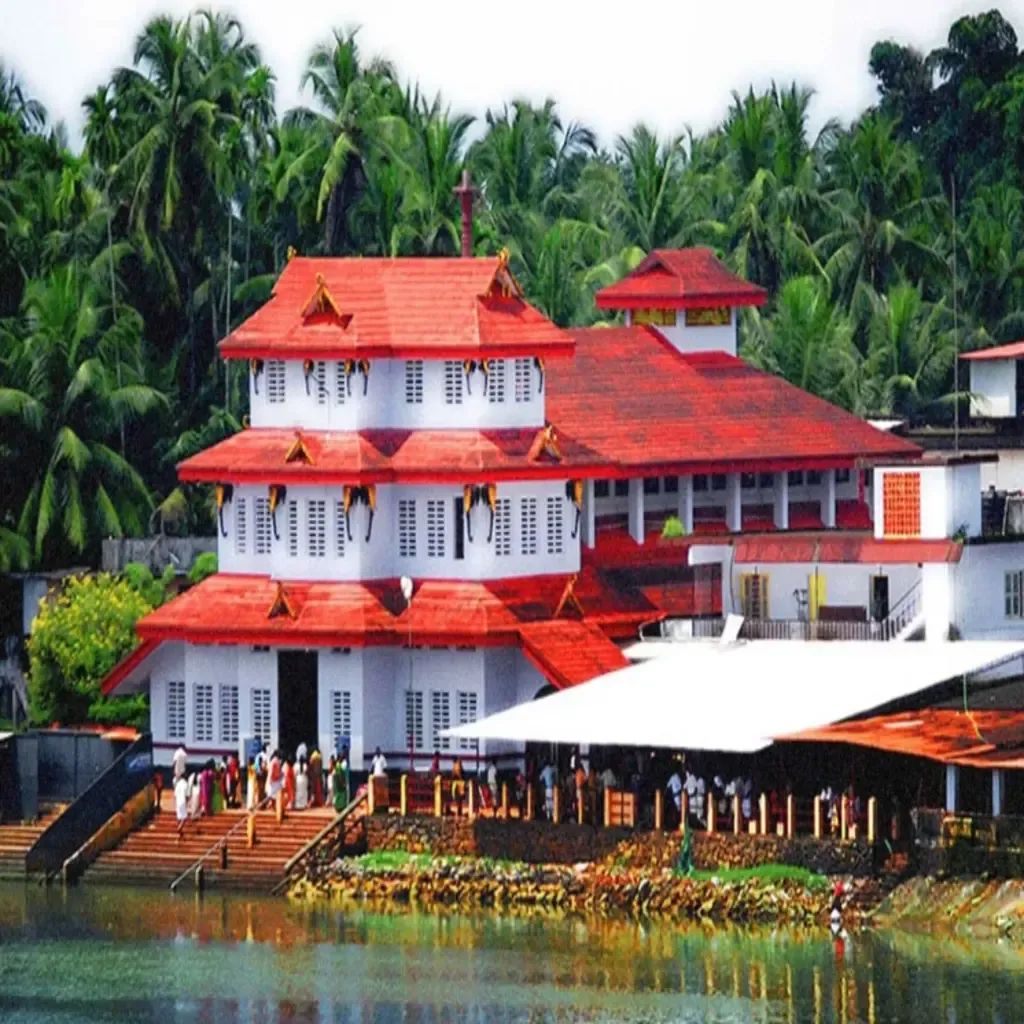
Parassinikadavu Muthappan Temple
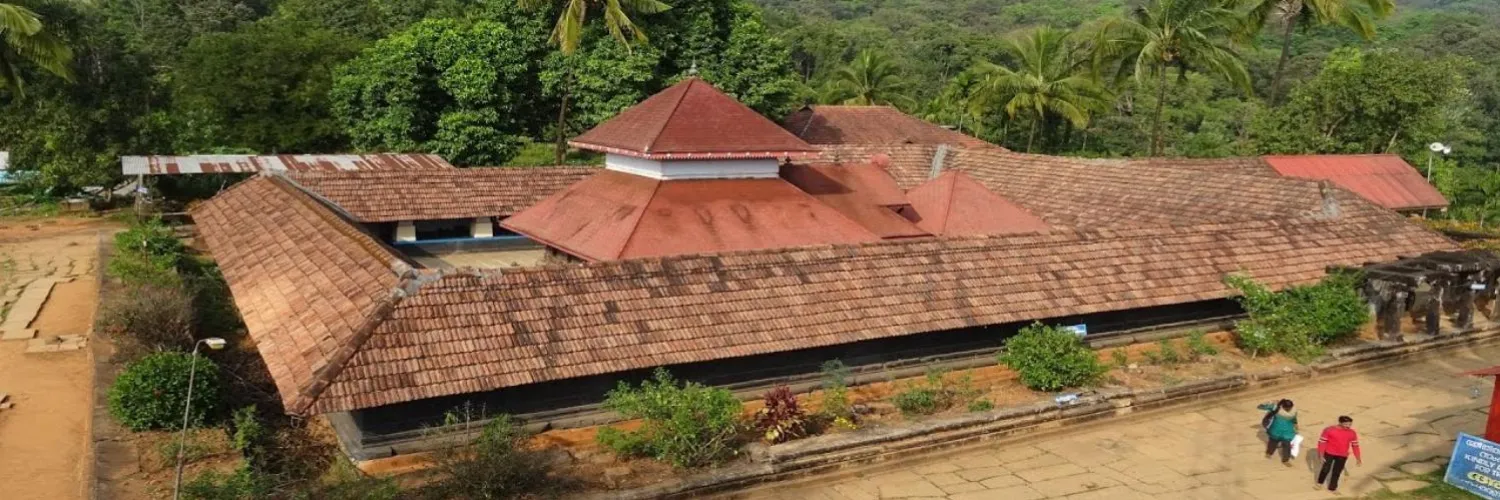
Thirunelli Temple Wayanad
Visit Information
Opening Hours
Entry Fee
Best Time to Visit
June to December
Location
Ranni, Pathanamthitta District, Kerala, India
Contact
For inquiries: 0468-2212233
Share this destination:
 Translate