
Silent Valley
About Silent Valley
Introduction: The Untouched Wilderness of Silent Valley
Spanning over 237.5 square kilometers across the Kundali Hills of the Western Ghats in Palakkad district, Kerala, Silent Valley National Park is one of the last remaining undisturbed tracts of tropical evergreen rainforest and montane shola-grassland ecosystems in South India. Forming the core vulnerable zone of the UNESCO-designated Nilgiri Biosphere Reserve, Silent Valley stands as a living museum of evolutionary biology, sheltering ancient flora and rare fauna that have thrived untouched for millions of years.
Known in local tradition as Sairandhri—referring to Goddess Draupadi from the Mahabharata—the park earned its popular English name, Silent Valley, due to a unique ecological feature: the striking absence of noisy cicadas that typically dominate tropical jungle canopies, leaving the forest immersed in an eerie, peaceful quietness. Traversed by the pristine, crystal-clear Kunthipuzha River, Silent Valley is globally celebrated for its successful conservation history, dense multi-tiered rainforest canopy, and as a critical refuge for the endangered Lion-tailed Macaque. For nature lovers, researchers, and conscious eco-tourists, Silent Valley offers a rare glimpse into pure, unadulterated wilderness.
History and Ecological Triumph: The Save Silent Valley Movement
The history of Silent Valley is defined by one of the most famous environmental conservation crusades in Asian history. In the 1970s, the Kerala State Electricity Board proposed constructing a hydroelectric dam across the Kunthipuzha River, which would have submerged 8.3 square kilometers of virgin primary rainforest. Recognizing the catastrophic loss to global biodiversity, environmentalists, scientists, academics, and civil society launched the historic 'Save Silent Valley' movement led by the Kerala Sastra Sahitya Parishad (KSSP) and activists like Sugathakumari.
Following nationwide public resistance and scientific evaluations highlighting the park's irreplaceable ecology, Prime Minister Indira Gandhi intervened to halt the dam project. In 1984, Silent Valley was officially declared a National Park, and it was formally inaugurated in 1985 by Prime Minister Rajiv Gandhi. Today, the park stands as a monumental victory for global environmental activism and strict forest conservation.
Key Natural & Ecological Highlights
- Lion-Tailed Macaque Refuge: Shelters the largest viable wild population of the endangered Lion-tailed Macaque (Macaca silenus), recognizable by its silver-white mane and black tufted tail.
- Kunthipuzha River: A pristine, unpolluted river that originates deep inside the high-altitude forests and flows through the entire length of the park without turning muddy even during heavy rains.
- Multi-Tiered Rainforest Canopy: Dense multi-layered primary rainforest with giant tree species rising over 45 meters high, harboring hundreds of rare medicinal plants, ferns, and orchids.
How to Reach Silent Valley
The entry gate and visitor reception center for Silent Valley National Park is located at Mukkali, approximately 60 km from Palakkad town and 90 km from Coimbatore.
By Air
The nearest airport is Coimbatore International Airport (CJB) in Tamil Nadu, situated approximately 90 km (about a 2.5-hour drive) away. Taxis and rental cars connect Coimbatore Airport via Mannarkkad directly to Mukkali. Alternatively, Cochin International Airport (COK) is located roughly 135 km southwest.
By Train
The closest major railway station is Palakkad Junction (PGT), located about 60 km away. Palakkad Junction is a primary rail hub in South India with direct express train connections to Mumbai, Delhi, Chennai, Bengaluru, Hyderabad, and Kochi. Taxis and buses run continuously from Palakkad Station to Mannarkkad and Mukkali.
By Road
Travelers drive via Mannarkkad (23 km from Mukkali) along the Palakkad-Kozhikode highway. Regular Kerala KSRTC buses run daily from Palakkad Bus Stand to Mannarkkad, from where local buses and auto-rickshaws connect to the Forest Department Base Camp at Mukkali.
Best Time to Visit
Visiting Silent Valley requires timing your trip with seasonal forest department permissions and weather safety.
Peak Season: Post-Monsoon & Winter (December to April)
This is the best season to visit Silent Valley. Temperatures range comfortably between 15°C and 25°C (59°F–77°F). Clear blue skies, lower humidity, and dry walking conditions make this the ideal window for eco-safaris, birdwatching, and forest trekking.
Monsoon Season (June to November)
The Western Ghats receive heavy rainfall during monsoon months. While the rainforest becomes vibrant green, heavy downpours can lead to temporary safari suspensions due to high river levels and leeches. Always check Forest Department updates prior to visiting during monsoons.
Top Attractions and Eco-Safari Experience
1. Official Forest Department 4x4 Safari to Sairandhri
Tourists cannot enter the core rainforest in private vehicles. The Kerala Forest Department operates official 4x4 Jeep safaris from the Mukkali reception center to Sairandhri (23 km inside the forest). The 5-hour round trip takes visitors deep into ancient rainforest canopies accompanied by certified tribal guides.
2. Sairandhri Watch Tower
Located at the end of the jeep track, this 100-foot tall steel watchtower offers sweeping 360-degree views over the endless green canopy of the Silent Valley rainforest and the winding Kunthipuzha River.
3. Kunthipuzha River Trek & Hanging Bridge
From the Sairandhri watchtower, a guided 1.5-km nature walk along a paved forest trail leads down to a suspension footbridge spanning the crystal-clear waters of the Kunthipuzha River.
4. Kanthatode Waterfalls
A scenic forest waterfall located along the safari route from Mukkali to Sairandhri, surrounded by lush moss, ferns, and rainforest trees.
Things to Do at Silent Valley
- Take the Official Sairandhri Jeep Safari: Experience a 23-km guided 4x4 forest ride through dense primary rainforests, learning about endemic plant species and forest ecology.
- Wildlife & Birdwatching Walks: Spot rare Western Ghats wildlife—including the Lion-tailed Macaque, Malabar Giant Squirrel, Nilgiri Langur, Great Indian Hornbill, and Ceylon Frogmouth.
- Climb the Sairandhri Watchtower: Enjoy views over the untouched rainforest valley stretching toward the Nilgiri hills.
- Guided Eco-Treks around Mukkali: Book eco-friendly river walks and buffer zone treks organized by local Forest Development Committees (EDCs) and tribal guides.
Local Food and Culinary Delights
Since commercial shops and restaurants are strictly banned inside the National Park, visitors eat at local eateries around Mukkali Base Camp or Mannarkkad town.
Must-Try Culinary Specialties
- Palakkad Style Rice Thali: Traditional Kerala meals featuring hot red rice, sambar, rasam, kootu, thoran, and crisp papadums served at Mukkali canteens.
- Puttu & Kadala Curry: Steamed rice flour cylinders layered with grated coconut, served with spicy chickpea gravy.
- Kerala Parotta with Chicken / Beef Fry: Layered flaky flatbread served with dark-roasted meat curry seasoned with black pepper and coconut slivers.
- Hot Spice Tea & Filter Coffee: Freshly brewed local tea enjoyed at small kiosks near the Mukkali Forest Information Center.
Where to Stay: Accommodation Options
Night stays inside the core National Park are strictly prohibited. Visitors stay in Forest Department inspection bungalows or eco-lodges near Mukkali Base Camp, or in hotels around Mannarkkad and Palakkad.
Forest Department Eco-Lodges ($20 – $50 USD / ₹1,500 – ₹4,000 INR per night)
- Forest Inspection Bungalows & Eco-Huts (Mukkali): Managed directly by the Kerala Forest Department, offering basic, clean rooms, food arrangements, and instant access to morning safari booking counters.
Hotels & Resorts in Mannarkkad / Palakkad ($25 – $80 USD / ₹2,000 – ₹6,500 INR per night)
- Comfortable business hotels, resorts, and family homestays located in Mannarkkad town (23 km away) and Palakkad city offer modern amenities and dining options.
Budget Travel Guide for Silent Valley
- Share Jeep Safari Costs: Official Forest Department Jeeps from Mukkali to Sairandhri carry up to 6 passengers. Splitting the vehicle rental fee among fellow travelers keeps transport costs very low.
- Use KSRTC Public Buses: Take state buses from Palakkad to Mannarkkad and Mukkali for under ₹60 ($0.75 USD).
- Fixed Government Entry Permits: Forest Department entry passes, guide fees, and camera permits are modestly priced under fixed government tariffs.
Sample 1-Day Itinerary
- 07:30 AM: Arrive at the Mukkali Forest Information Center / Reception Base Camp; complete registration and secure safari passes.
- 08:30 AM: Board the official Forest Department 4x4 Jeep for the 23-km safari through the rainforest toward Sairandhri.
- 10:00 AM: Arrive at Sairandhri; climb the 100-foot steel watchtower for panoramic views over the canopy.
- 10:45 AM: Take the guided 1.5-km nature walk through the forest down to the Kunthipuzha River suspension bridge.
- 01:00 PM: Board your return safari Jeep back to Mukkali Base Camp.
- 02:30 PM: Enjoy a traditional Kerala lunch thali at the Mukkali canteen or local eatery in Mannarkkad before onward travel.
Essential Rules and Visitor Guidelines
- Strict Zero-Plastic & Plastic Bottle Ban: Silent Valley is a protected eco-sanctuary. Single-use plastic bottles, carrier bags, and food packaging are strictly banned inside the park.
- No Plastic / No Swimming in Kunthipuzha: Entering or swimming in the Kunthipuzha River is strictly prohibited to protect drinking water purity and aquatic life.
- Wear Earth Tones & Sturdy Footwear: Wear non-slip walking shoes or trekking boots, and dress in muted green, khaki, or brown attire.
- Daily Safari Quotas: Jeep safaris are capped daily by the Forest Department. Arrive early in the morning at Mukkali (by 7:30 AM–8:00 AM) to book passes.
- Leech Protection: Carry eco-friendly insect repellent or wear anti-leech socks during forest walks, especially post-monsoon.
Frequently Asked Questions (FAQs)
1. Where is Silent Valley National Park located?
Silent Valley National Park is located in the Kundali Hills of Palakkad district, Kerala, South India, near the town of Mannarkkad.
2. Why is it named Silent Valley?
It was named Silent Valley because of the unique absence of noisy cicadas in its dense forest canopy, giving the jungle an unusually quiet atmosphere.
3. What animal is Silent Valley famous for?
It is globally famous for protecting the largest wild population of the endangered Lion-tailed Macaque (Macaca silenus).
4. What is the nearest airport to Silent Valley?
Coimbatore International Airport (CJB) in Tamil Nadu is the nearest airport, located approximately 90 km away.
5. What is the nearest railway station to Silent Valley?
Palakkad Junction (PGT) is the closest major railway station, located about 60 km away.
6. How do visitors enter Silent Valley?
Visitors must report to the Mukkali Forest Base Camp and board official Forest Department 4x4 Jeeps to travel to Sairandhri inside the core zone.
7. Can I drive my private vehicle inside Silent Valley?
No, private cars, bikes, and private buses are strictly banned inside the National Park past Mukkali Base Camp.
8. What was the 'Save Silent Valley' movement?
It was a landmark environmental movement in the 1970s that successfully stopped a proposed hydroelectric dam across the Kunthipuzha River, saving the virgin primary rainforest.
9. Can visitors stay overnight inside Silent Valley?
No, overnight stays inside the core park area are prohibited. Visitors stay at Forest Department eco-huts at Mukkali or in nearby Mannarkkad.
10. What is the best season to visit Silent Valley?
The post-monsoon and winter months from December to April offer clear skies, pleasant weather, and ideal conditions for safari tours.
Conclusion
Silent Valley National Park stands as a pristine ecological sanctuary where ancient rainforest canopies, rare wildlife, and untouched river channels exist in pure harmony. From driving through virgin primary jungle on an official 4x4 safari to standing atop Sairandhri Watchtower and viewing the crystal-clear Kunthipuzha River, Silent Valley offers an unforgettable retreat into India's natural heritage. Plan your visit early, respect the strict zero-plastic rules, and experience the untouched tranquility of Silent Valley!
Photo Gallery
What you'll experience
- 1
Explore Silent Valley National Park
- 2
Spot lion-tailed macaques and rare birds
- 3
Trek through dense rainforest trails
- 4
Enjoy the untouched harmony of nature
Explore More
Nearby Destinations
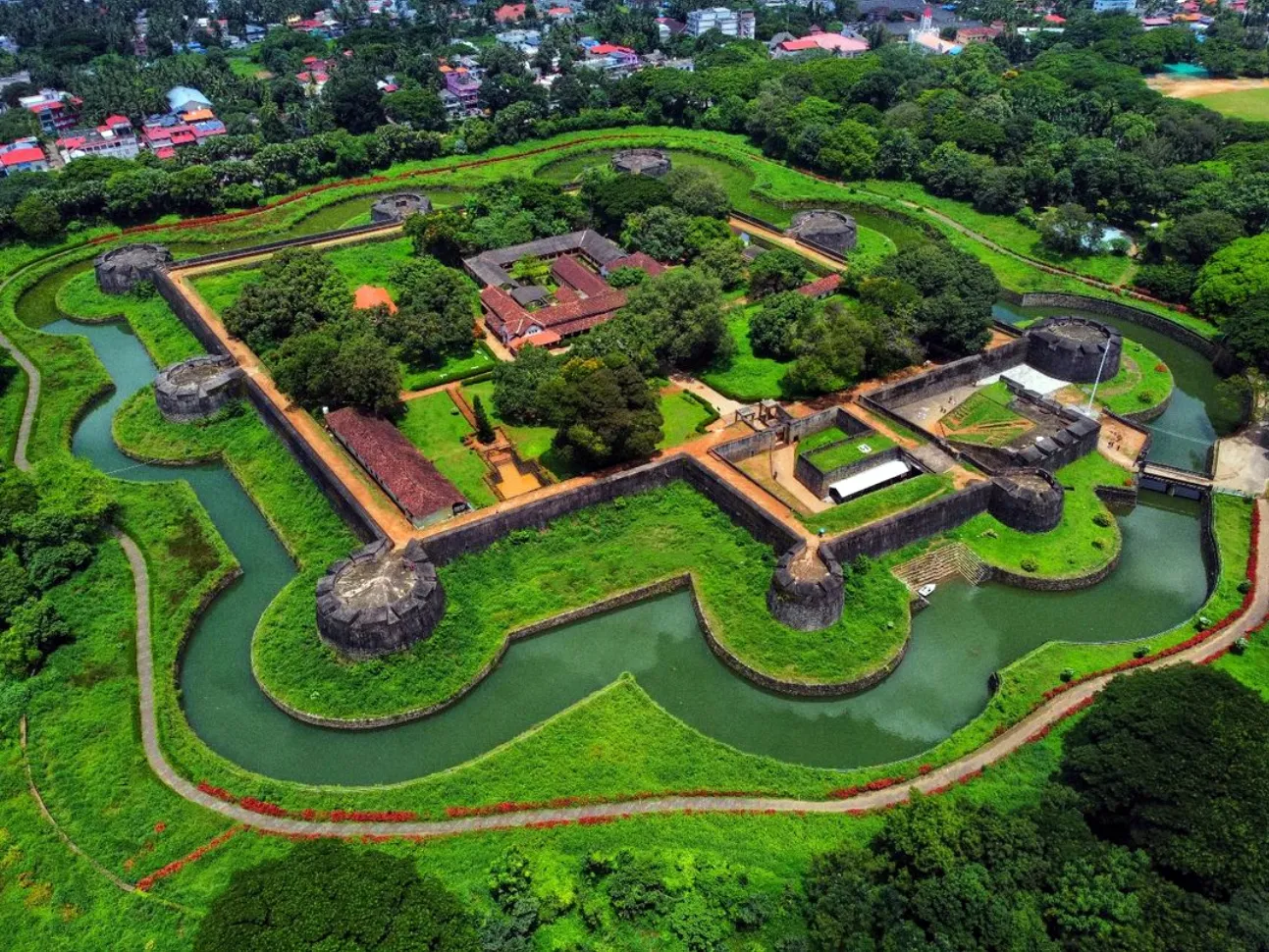
Palakkad Fort

Malampuzha Dam & Garden
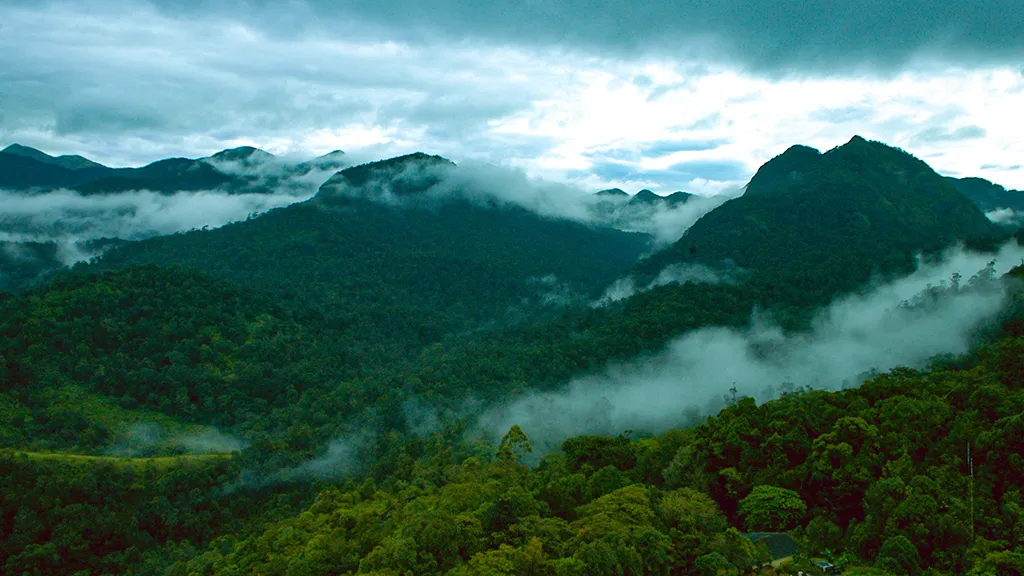
Silent Valley National Park
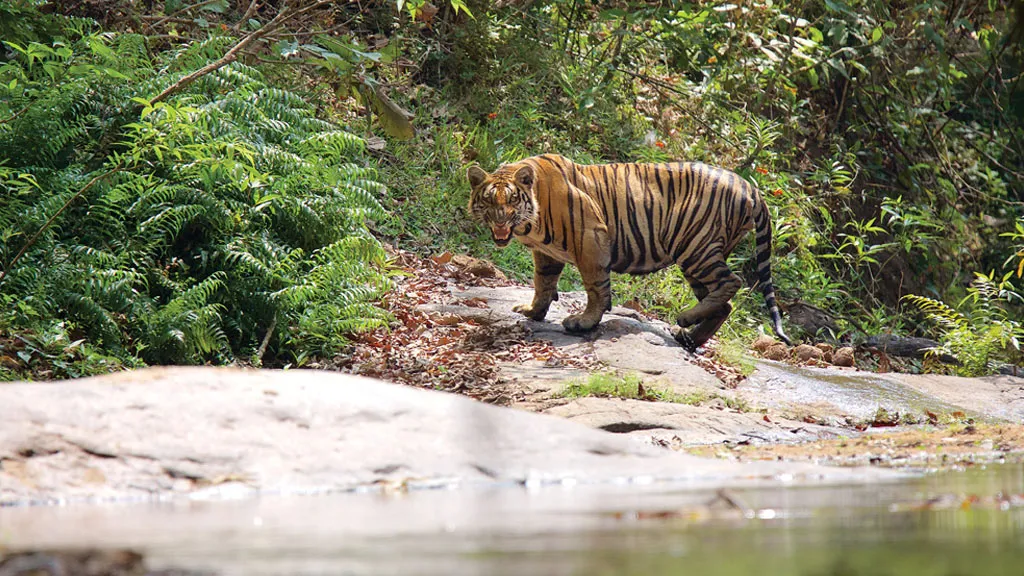
Parambikulam Tiger Reserve
These destinations are in close proximity to Silent Valley and can be visited on the same trip.
Related Destinations
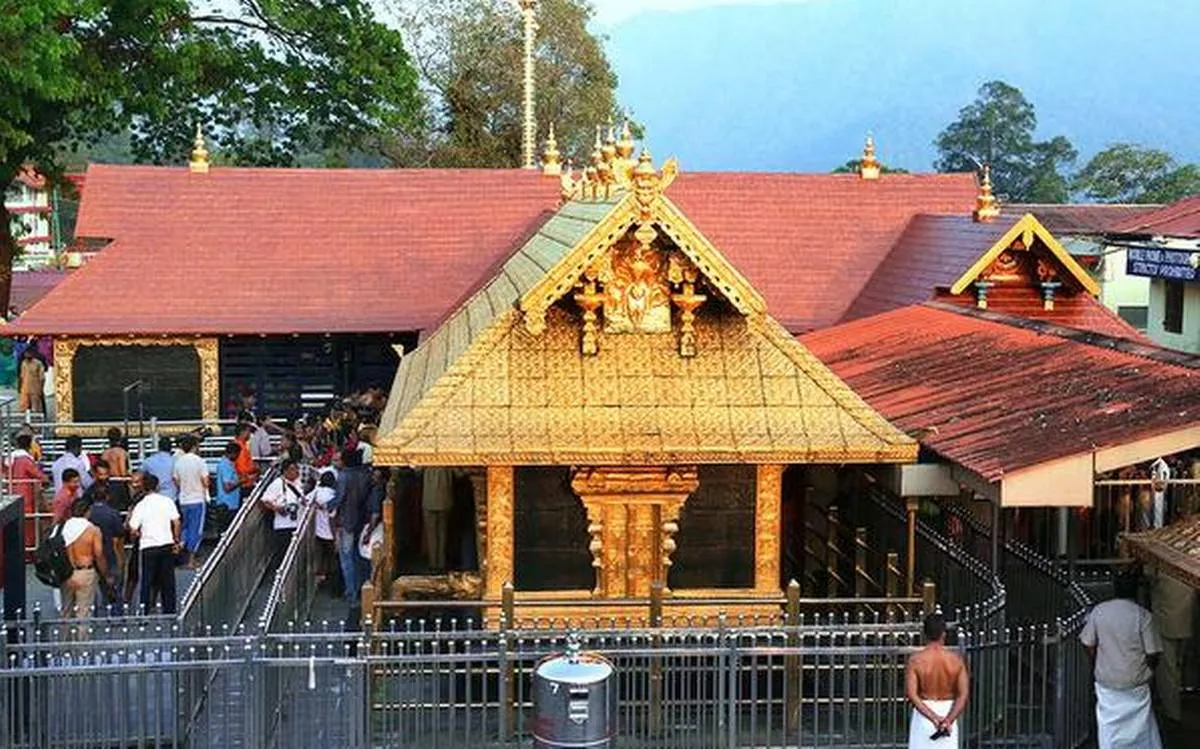
Sabarimala Temple
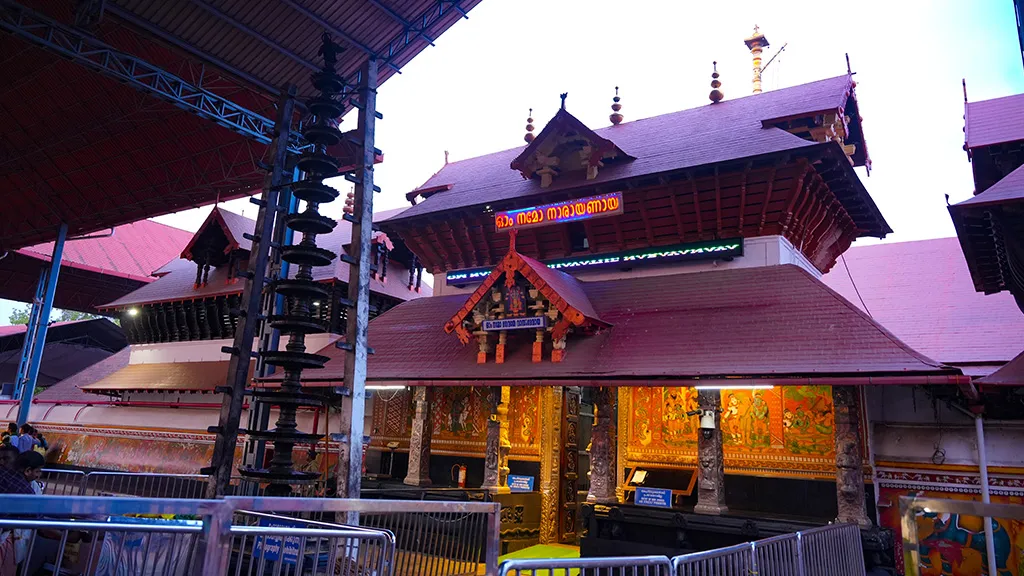
Guruvayur Temple
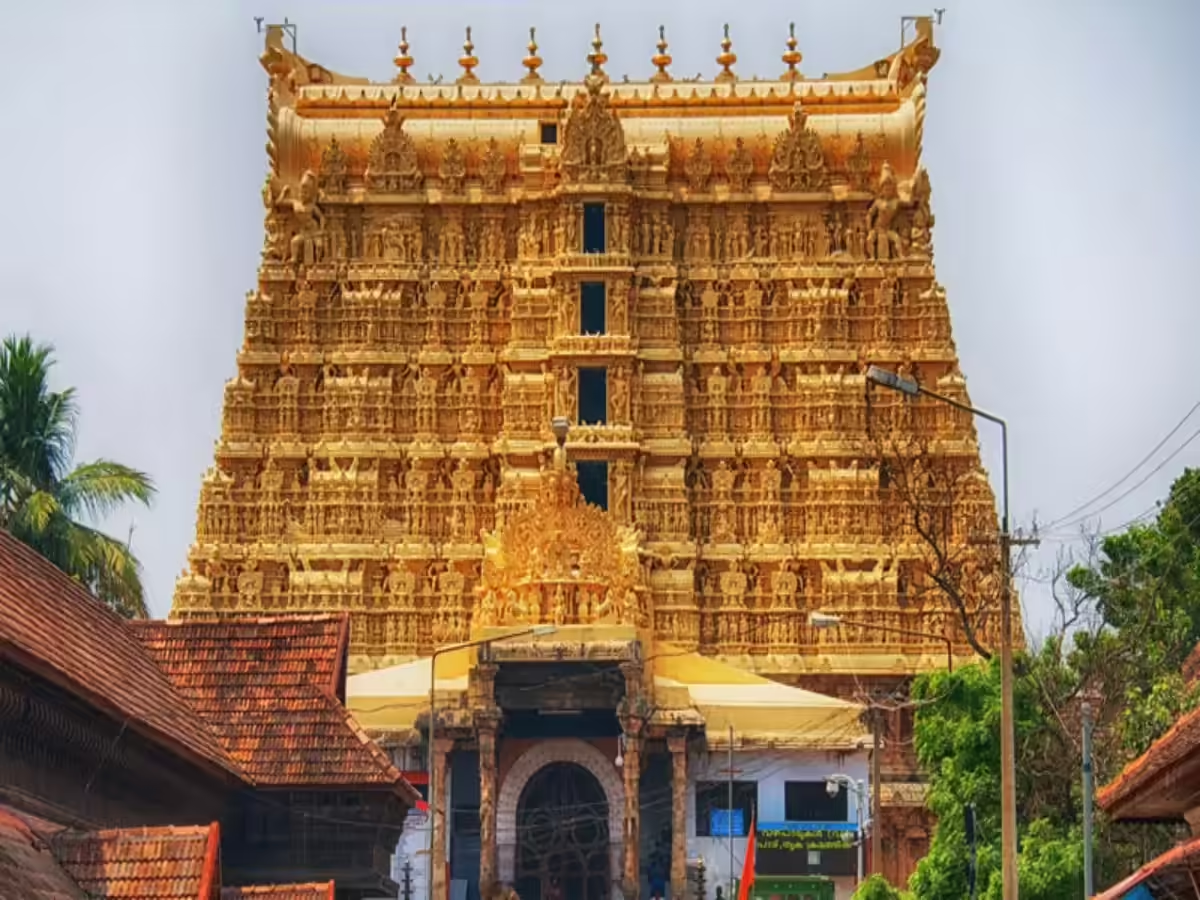
Padmanabhaswamy Temple
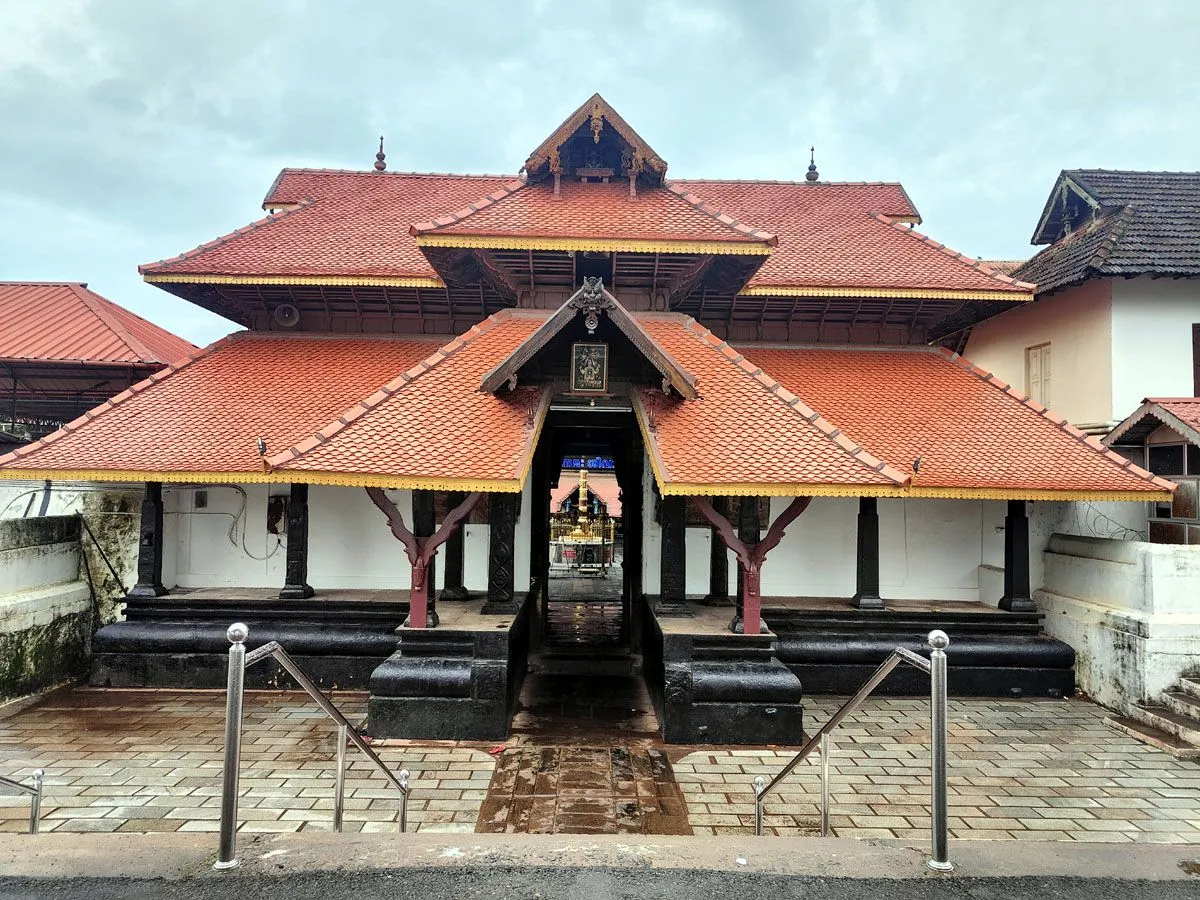
Ettumanoor Mahadeva Temple
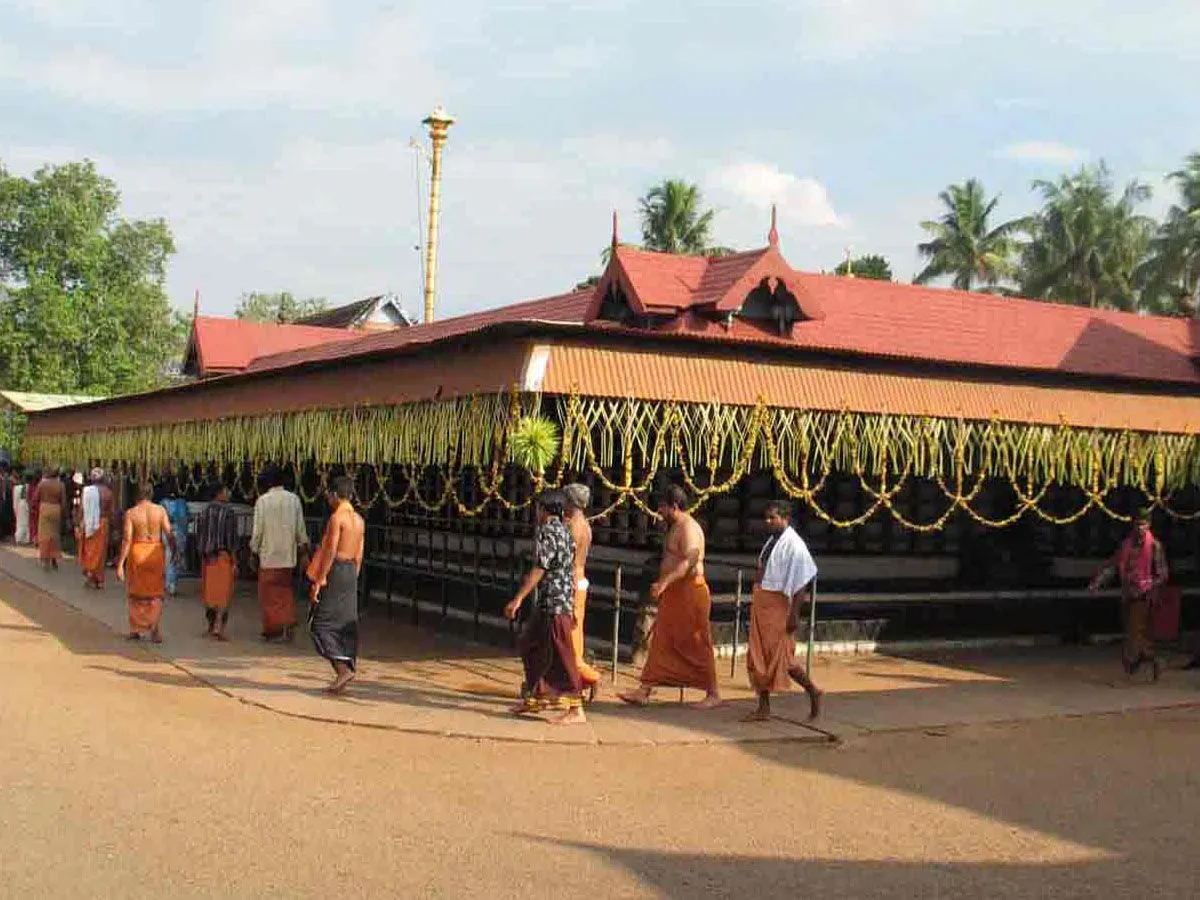
Chottanikkara Temple
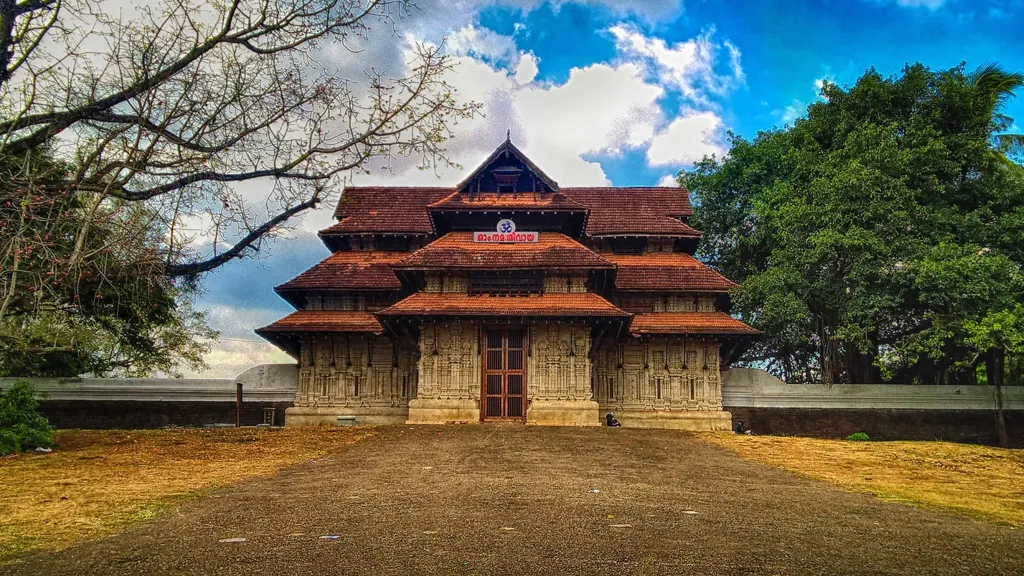
Vadakkunnathan Temple Thrissur
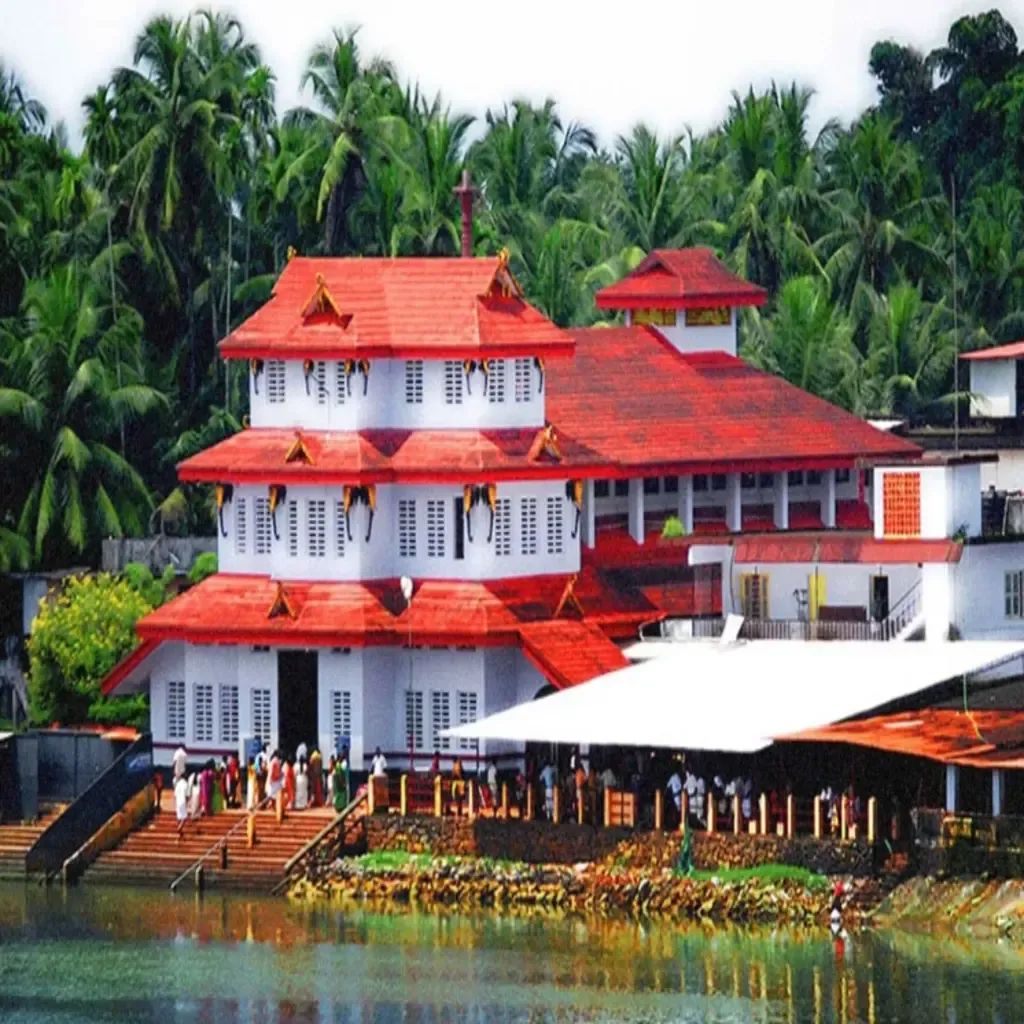
Parassinikadavu Muthappan Temple
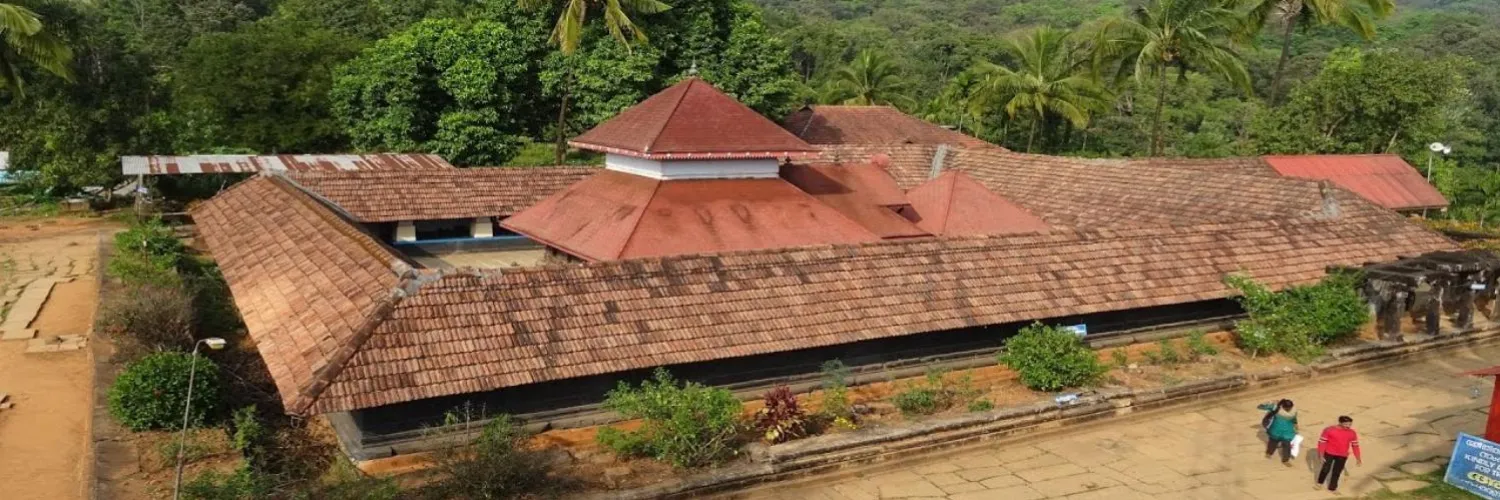
Thirunelli Temple Wayanad
Visit Information
Opening Hours
Entry Fee
Best Time to Visit
November to May
Location
Palakkad District, Kerala, India
Contact
For inquiries: 04924-222056
Share this destination:
 Translate