
St. Francis Church
About St. Francis Church
St. Francis Church, Fort Kochi: India's Oldest European Church and the Place Where Vasco da Gama Was Buried
There is a plain stone slab on the floor of St. Francis Church that visitors walk past, stop, and walk back to read. No gold. No elaborate engraving visible from a distance. Just a simple marker indicating where Vasco da Gama — the Portuguese explorer who completed the first direct sea route from Europe to India — lay buried for fourteen years before his bones were shipped back to Lisbon in 1538. That slab, in a church built in 1503 on the western tip of Fort Kochi, is one of the most quietly significant pieces of ground in South Asian history. The building around it holds an equally compressed five-hundred-year story: Portuguese, Dutch, Anglican, and now Church of South India, each era leaving its visible layer — different pews, different plaques, different prayer books — in the same whitewashed structure on the same Kochi street.
This guide covers the full five-century history, what to actually see inside the church, the architecture and what makes it distinctive for its era, visiting timings and entry details, how to get there, and a complete FAQ for first-time visitors.
Quick Facts Before You Go
- Full name: St. Francis CSI Church (Church of South India)
- Location: Parade Road, Fort Kochi, Ernakulam district, Kerala
- Built: 1503 (original wooden structure); rebuilt in stone by 1516
- Distinction: The oldest European church in India
- Current denomination: Church of South India (CSI) — a united Protestant denomination
- Entry fee: Free and open to all faiths
- Timings: Monday to Saturday: 9:00 AM to 5:00 PM; Sunday: 1:00 PM to 5:00 PM (closed during morning Sunday service)
- Distance from Ernakulam Junction (South) Railway Station: About 13 km, accessible by ferry + walk or Water Metro
- Distance from Fort Kochi Beach: Under 1 km
- Distance from Cochin International Airport: About 41–44 km
The History: Five Centuries, Four Flags, One Building
1503: The Portuguese Build India's First European Church
The story of St. Francis Church begins with the opening of the Indian Ocean to European sea trade. Vasco da Gama arrived at Kappad near Kozhikode in 1498, completing the first direct sea route from Europe to India. Five years later, the Portuguese Admiral Pedro Álvares Cabral reached Kochi with a fleet of ships, and the Raja of Kochi — eager for an alliance against his rival the Zamorin of Calicut — permitted the Portuguese military commander Afonso de Albuquerque to build a fort on the western tip of the Kochi peninsula. Inside the fort, a small church was erected in 1503 from wood and mud, originally dedicated to St. Bartholomew and then to Santo António (St. Anthony) — the patron saint of Portugal. This wooden structure was rebuilt in stone over the following decade, with the permanent church completed by approximately 1516. It was the first European church built in India — a fact that gives this modest, unornamented building a historical weight far greater than its physical scale suggests.
1524: Vasco da Gama Dies in Kochi
In 1524, Vasco da Gama returned to India as the Viceroy of Portuguese India — his third voyage to the subcontinent. He arrived in September but died in Kochi on December 24, 1524, likely from malaria. He was buried in the cemetery of the church he had known since the earliest Portuguese presence in Kochi. His remains stayed in this Kochi church for fourteen years. In 1538, they were exhumed and transported to Lisbon, where they now rest in the Jerónimos Monastery. The original tombstone he had in Kochi is now displayed in the church's interior. The stone slab on the floor marking his original burial spot remains, unmarked by elaborate decoration, in the nave of the church — one of the most understated historically significant markers in India.
1663: The Dutch Take Over
In 1663, the Dutch East India Company (VOC) drove the Portuguese out of Kochi and took control of Fort Kochi. While the Dutch destroyed most of the Catholic churches and convents they encountered — their Calvinist Protestant theology had no use for Catholic iconography — St. Francis Church was left standing and converted for Dutch Reformed worship. The church underwent architectural modifications during this period. The Dutch cemetery adjacent to the church, still visible today, dates from this era and contains headstones of Dutch East India Company officers and their families who died in Kochi during the Dutch period — a quiet, somewhat overgrown heritage site in its own right.
1795–1804: From Dutch to British
British forces took control of Dutch-held Kochi in 1795, and in 1804 the Dutch formally handed the church over to the British Anglican congregation. Under Anglican stewardship, the church received further modifications — the pews, some of the memorial plaques to British officers, and the prayer books and liturgical furnishings reflect this era of the building's life. Centuries-old punkah fans — manually operated fabric fans on a rope system used to cool the congregation before electric fans existed — remain visible suspended from the ceiling, a relic of the British colonial period that gives the interior a uniquely atmospheric quality.
1947 to Present: Church of South India
At Indian independence, the church transitioned to the Church of South India (CSI), a united Protestant denomination formed in 1947 by the merger of Anglican, Presbyterian, Methodist, and Congregationalist churches in South India. It remains an active CSI parish today, with a Sunday morning service in English that is open to worshippers of all backgrounds. The church is simultaneously a living congregation and a heritage site open to visitors every day of the week.
The Architecture: What Makes It Distinctive
St. Francis Church is not a grand cathedral — it is a relatively modest, whitewashed building whose exterior simplicity belies its historical significance. Several architectural features are worth noting:
Stepped Pinnacles
The church's facade features stepped pinnacles — a characteristic element of early Portuguese ecclesiastical architecture in India, influenced by the Manueline style popular in Portugal at the time of the church's construction. These pinnacles give the church's roofline a distinctive silhouette that differentiates it from later colonial-period churches built in Kochi.
The Timber-Framed Roof
Inside, the gabled timber-framed roof covered in tiles is a striking feature — particularly in contrast to the stone floors and the plain whitewashed walls. The wooden construction of the roof reflects the original building tradition of early Portuguese Indian churches, adapted to local materials and climate.
Stone Flooring and Memorial Plaques
The stone floor contains embedded memorial stones and plaques commemorating Dutch and British officers who were associated with the church — layered records of the three colonial administrations that held this building over five centuries. Reading the plaques in sequence is a compressed history of Fort Kochi's colonial period.
The Punkah Fans
A series of large fabric fans suspended from the ceiling on a rope and pulley system — the punkah fans used to manually cool British-era congregations before electric fans were available. These remain in the church today and are one of the more unusual and evocative physical details of the interior.
Vasco da Gama's Tombstone
The original tombstone from Vasco da Gama's Kochi burial is displayed inside the church. The stone slab on the floor of the nave marking his original burial location — plain, understated, walked past by hundreds of visitors daily — is a different marker from the tombstone itself and is the more commonly photographed of the two.
What to See Inside
- Vasco da Gama's original burial slab: On the floor of the nave — a plain stone marker indicating where the explorer's body rested for fourteen years
- Vasco da Gama's tombstone: The original carved tombstone, now displayed separately inside the church
- Memorial plaques: To Dutch and British officers of successive colonial administrations — collectively a compressed history of Fort Kochi's five centuries under European control
- The punkah fans: Suspended from the ceiling — manual colonial-era fabric fans on rope-and-pulley systems, unique to this church in Kerala
- The wooden pulpit: Carved wooden pulpit with period detailing
- The gabled timber roof: The original timber-framed structure above the nave, still largely intact
- The Dutch cemetery: Adjacent to the church — Dutch East India Company headstones from the 17th and 18th centuries, now partially restored and maintained
- World War I memorial: Built in front of the church in memory of soldiers from Kochi who died in World War I
Visiting Timings and Entry
- Monday to Saturday: 9:00 AM to 5:00 PM
- Sunday: 1:00 PM to 5:00 PM (the church is closed to visitors during the Sunday morning service; the CSI congregation holds an English-language service in the morning which visitors are welcome to attend as worshippers, but sightseeing access resumes from 1:00 PM)
- Entry fee: Free and open to people of all faiths and backgrounds
- Photography: Generally permitted inside; be respectful during prayer times or if a service is in progress
Getting to St. Francis Church
From Ernakulam (Mainland Kochi)
Fort Kochi is on a separate peninsula from mainland Ernakulam, and the most practical ways to cross are:
- Water Metro: The Kochi Water Metro connects Ernakulam to Fort Kochi on a regular schedule — the most comfortable and reliable option, particularly during peak hours when road traffic through the bridges is heavy
- Public ferry: Ferries run regularly from the Ernakulam Boat Jetty to Fort Kochi Jetty — inexpensive and scenic
- Road: Via the bridges — taxi or auto-rickshaw, approximately 13 km from Ernakulam Junction South railway station, though traffic on the approach roads to Fort Kochi can add significant time during busy periods
From Cochin International Airport
About 41–44 km from the airport — roughly 1–1.5 hours by taxi depending on traffic. Alternatively, Metro to Ernakulam followed by Water Metro or ferry to Fort Kochi.
On Foot in Fort Kochi
St. Francis Church is on Parade Road in the heart of Fort Kochi's heritage area, less than 1 km from Fort Kochi Beach and the Chinese fishing nets — the entire heritage precinct is compact and walkable, with the church, beach, Chinese fishing nets, and Santa Cruz Basilica all within easy walking distance of each other.
From the United States
Fly into a major Indian or Gulf hub and connect to Cochin International Airport (COK), then travel the 41–44 km to Fort Kochi by taxi, or take the Kochi Metro to Ernakulam and cross by Water Metro.
Best Time to Visit
- October to February: Most comfortable weather for the Fort Kochi walking itinerary that naturally includes the church
- Early morning on weekdays: The church opens at 9:00 AM Monday to Saturday — visiting in the first hour gives you the most peaceful experience before tour groups arrive
- Sunday morning: If you want to attend the CSI service rather than a heritage visit, the Sunday morning English service is open to worshippers — check current service times directly as these can shift slightly
- Monsoon: The church itself is accessible year-round, but the waterfront walk to it from the fishing nets and beach is wetter and muddier June through September
Combining with a Fort Kochi Heritage Walk
St. Francis Church sits at the center of the Fort Kochi heritage precinct and is naturally combined with:
- Chinese Fishing Nets: About 800 metres from the church on the waterfront — the iconic cantilevered nets, best photographed at sunrise or sunset
- Santa Cruz Cathedral Basilica: About 200 metres from St. Francis Church — built originally by the Portuguese in 1557 and one of only eight Basilicas in India, known for its pastel Indo-Gothic interior
- The Dutch Cemetery: Adjacent to St. Francis Church itself
- Mattancherry Palace (Dutch Palace): About 3 km from Fort Kochi, accessible by auto-rickshaw or Water Metro — the palace built by the Portuguese in 1555, famous for its Kerala mural paintings
- Paradesi Synagogue: In Mattancherry's Jew Town, about 3 km away — one of the oldest active synagogues in the Commonwealth, built in 1568
- Fort Kochi heritage streets and cafes: The lanes around the church are lined with colonial-era bungalows converted to boutique hotels, art galleries, and cafes — a pleasant circuit on foot
Frequently Asked Questions
Is St. Francis Church the oldest church in India?
It is the oldest European-built church in India, constructed in 1503 by Portuguese Franciscan friars. There are older Christian structures in India — the St. Thomas traditions in Kerala trace churches to the 1st century AD — but St. Francis is the oldest surviving building constructed by Europeans on the Indian subcontinent.
Was Vasco da Gama really buried here?
Yes. Vasco da Gama died in Kochi on December 24, 1524, and was buried in the cemetery of this church. His remains stayed here for fourteen years before being exhumed and transported to Lisbon in 1538, where they now rest in the Jerónimos Monastery. His original tombstone is displayed inside the church, and the stone slab marking his burial location remains in the floor of the nave.
What denomination is the church now?
Church of South India (CSI) — a united Protestant denomination formed in 1947, the year of Indian independence, by the merger of Anglican, Presbyterian, Methodist, and Congregationalist churches in South India. The church continues as an active CSI parish with regular Sunday services.
Is there an entry fee?
No. St. Francis Church is free to visit and open to people of all faiths and backgrounds.
What are the visiting hours?
Monday to Saturday: 9:00 AM to 5:00 PM. Sunday: 1:00 PM to 5:00 PM (closed to visitors during the morning Sunday service).
How long does a visit take?
Most visitors spend 20–40 minutes inside the church itself — enough to read the memorial plaques, find the Vasco da Gama burial slab and tombstone, examine the punkah fans and timber roof, and walk around the exterior and Dutch cemetery. As part of a Fort Kochi heritage walk, the church is naturally combined with the Chinese fishing nets, Santa Cruz Basilica, and the surrounding streets for a half-day circuit.
Can I attend a Sunday service?
Yes — the Sunday morning CSI service is open to worshippers of all backgrounds. Check current service times directly with the church or locally, as these can shift slightly. The church reopens for heritage visitors from 1:00 PM on Sundays.
What is the church's original name?
The original Portuguese church was first dedicated to St. Bartholomew and subsequently rededicated to Santo António (St. Anthony), the patron saint of Portugal. It became known as St. Francis Church during the Dutch and later British periods, and the name has remained through the CSI era.
How do I get to Fort Kochi from Ernakulam?
By Water Metro (the most comfortable option), by public ferry from Ernakulam Boat Jetty to Fort Kochi Jetty (inexpensive and scenic), or by road via taxi or auto-rickshaw through the connecting bridges (approximately 13 km from Ernakulam Junction South station, though traffic can make this slower than the water routes during peak hours).
What else is near the church?
The Chinese fishing nets (800 metres), Santa Cruz Cathedral Basilica (200 metres), the Dutch Cemetery (adjacent), Mattancherry Palace and Paradesi Synagogue (about 3 km), and the Fort Kochi heritage streets with their cafes, galleries, and colonial bungalows — all easily walkable or a short auto-rickshaw ride.
What are the punkah fans inside the church?
Large fabric fans suspended from the ceiling on a rope-and-pulley system, used to manually cool British-era congregations before electric fans were available. A servant or helper would pull the rope to fan the congregation during services. They remain in the church today as an unusual and evocative artifact of the British colonial period.
The Takeaway
St. Francis Church earns its place on every Fort Kochi itinerary not because it is large or ornate — it is neither — but because almost nothing in South India packs five hundred years of continuously documented history into a space this compact. Portuguese Franciscan friars built it in wood and mud in 1503. Vasco da Gama was buried in its cemetery in 1524. The Dutch converted it to Protestant worship in 1663 and left their dead in the adjacent cemetery. The British took it in 1804 and hung punkah fans from the ceiling. In 1947 it became CSI and has been holding Sunday morning English services in that capacity ever since. The building is free to enter, open six days a week, and takes about half an hour to explore properly. Spend that half hour reading the plaques in the right order — Portuguese, Dutch, British, modern — and the entire colonial history of Kochi will resolve itself into something you can actually see.
Photo Gallery
What you'll experience
- 1
Admire the church’s colonial architecture and serene interiors
- 2
Visit the tomb of Vasco da Gama
- 3
Explore the peaceful churchyard and surrounding heritage area
- 4
Attend Sunday mass and experience local traditions
Explore More
Nearby Destinations
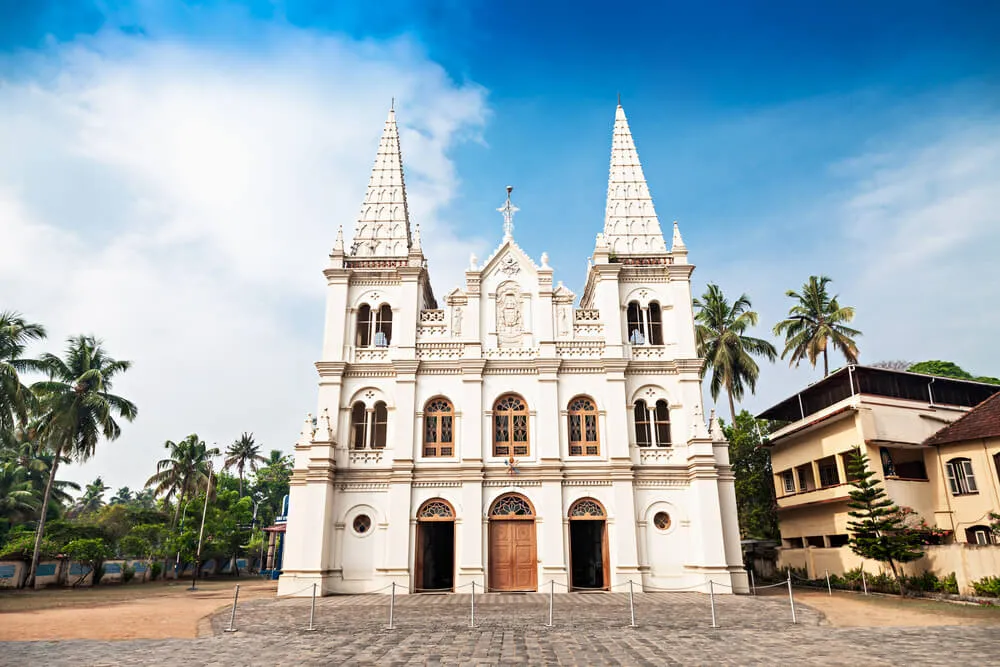
These destinations are in close proximity to St. Francis Church and can be visited on the same trip.
Related Destinations
Sabarimala Temple
Guruvayur Temple
Padmanabhaswamy Temple
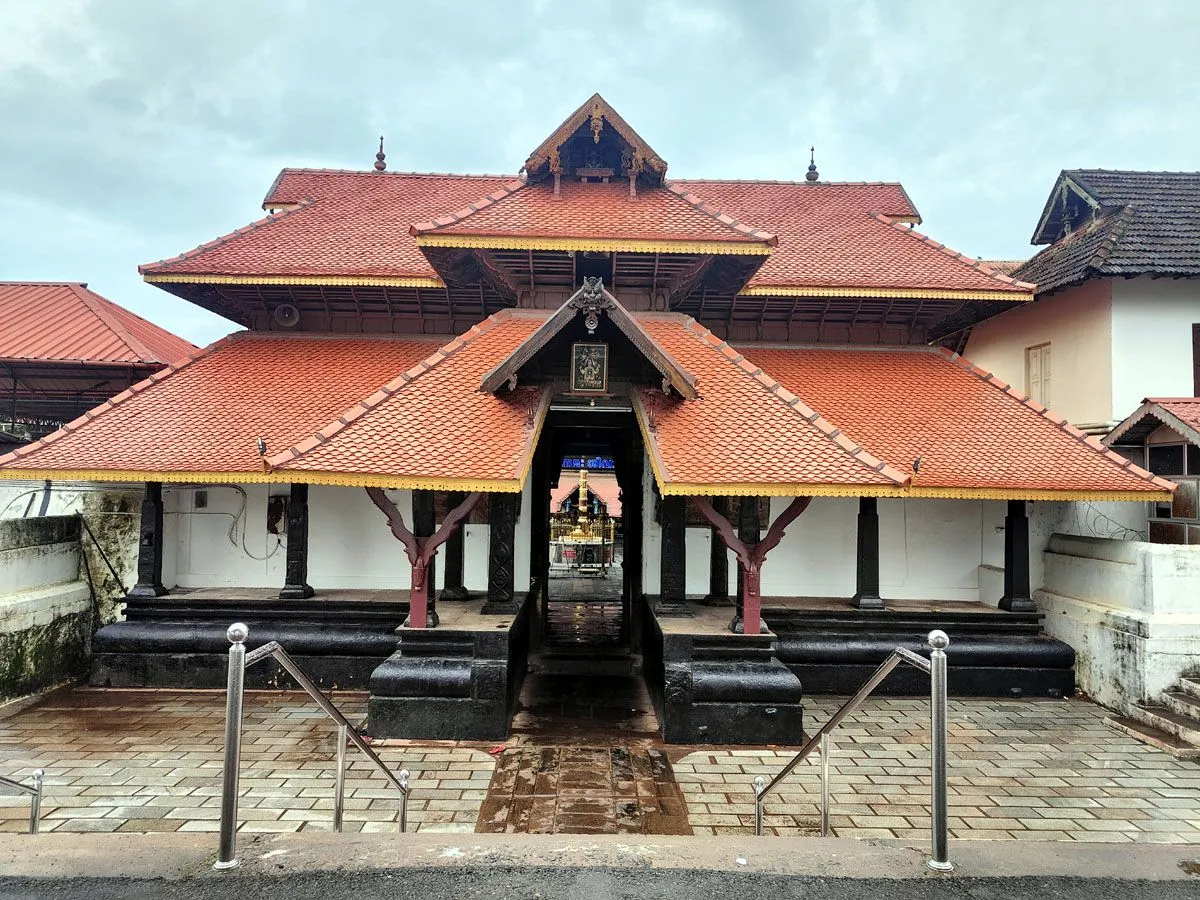
Ettumanoor Mahadeva Temple
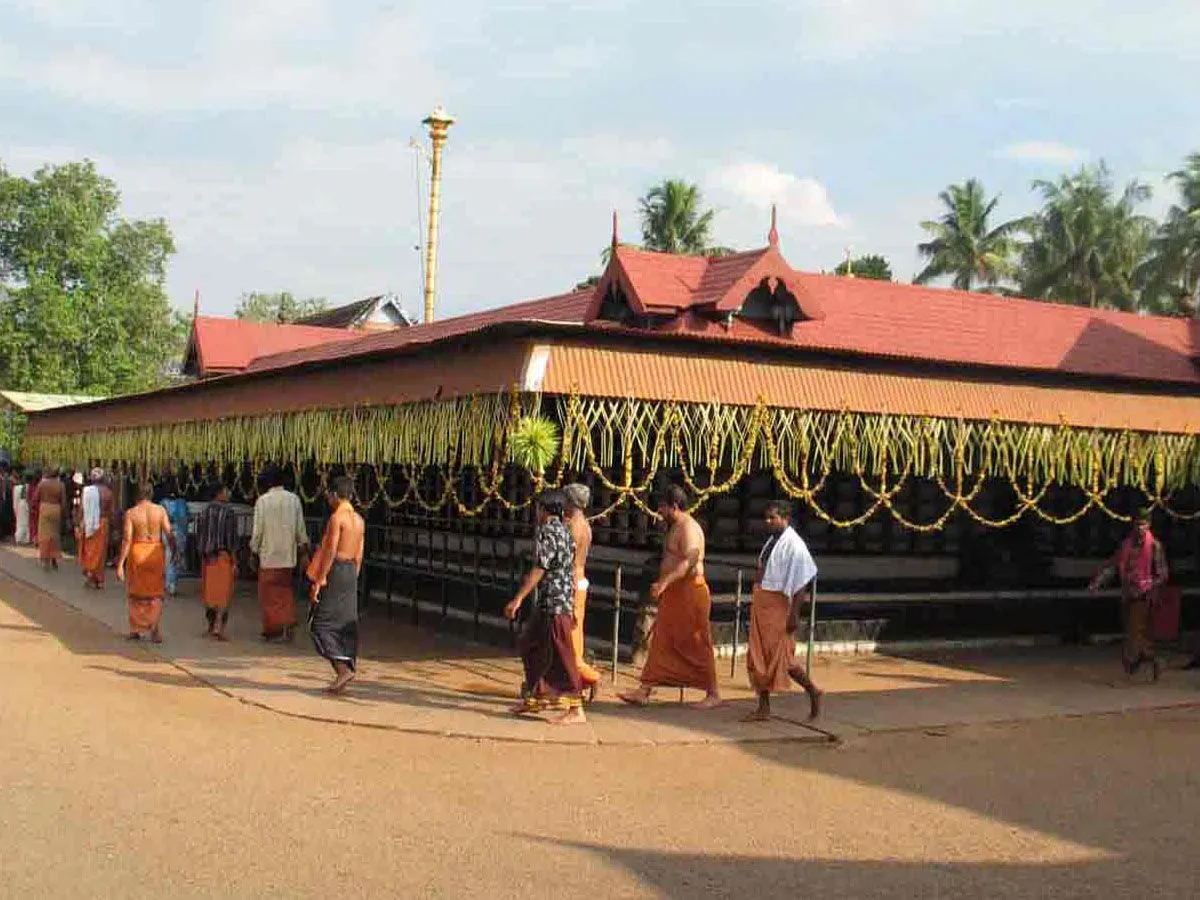
Chottanikkara Temple
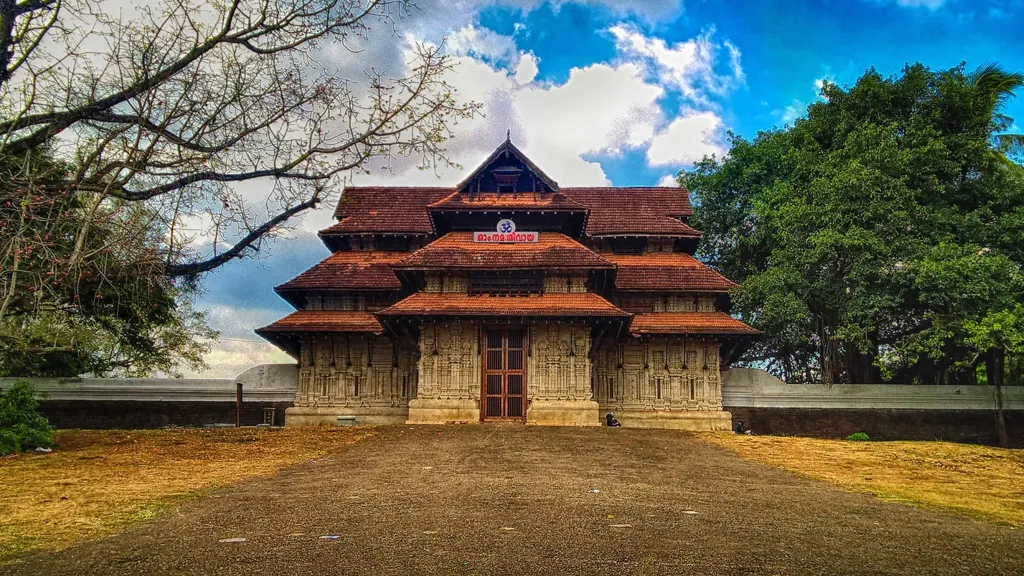
Vadakkunnathan Temple Thrissur
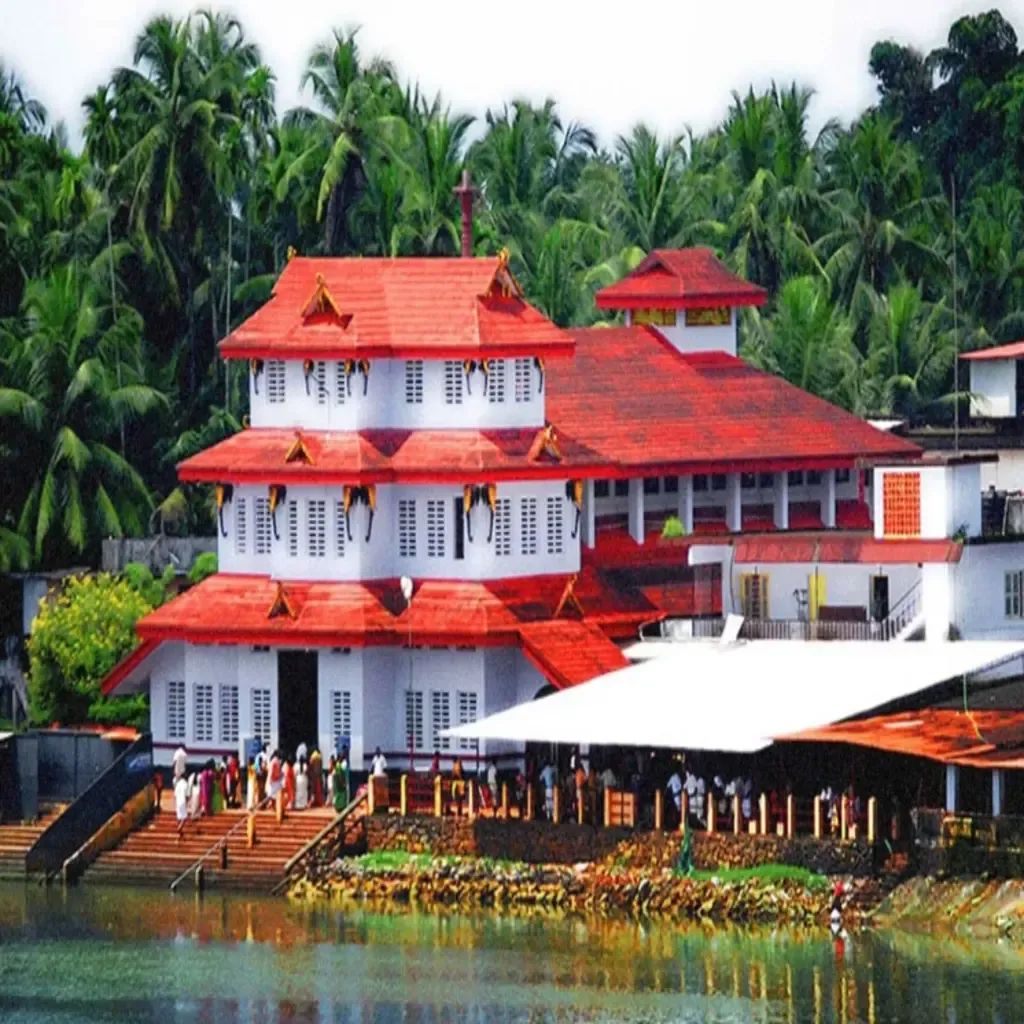
Parassinikadavu Muthappan Temple
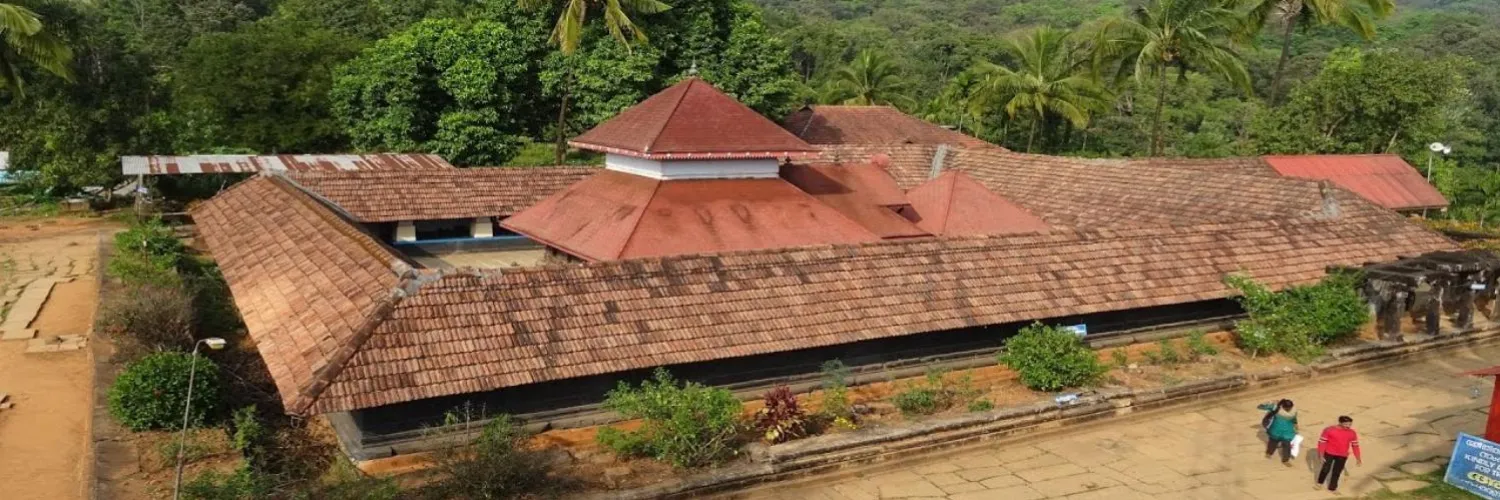
Thirunelli Temple Wayanad
Visit Information
Opening Hours
Entry Fee
Best Time to Visit
October to March
Location
Fort Kochi, Ernakulam, Kerala, India
Contact
For inquiries: 0484-2217400
Share this destination:
 Translate