
St. Mary’s Forane Church, Kuravilangad
About St. Mary’s Forane Church, Kuravilangad
Introduction to St. Mary's Forane Church, Kuravilangad
In the quiet town of Kuravilangad in Kottayam district, St. Mary's Forane Church stands as one of the oldest and most revered Christian pilgrimage sites in India — a shrine so ancient that it predates the Roman Empire's official adoption of Christianity by nearly two centuries. Also known as Martha Mariam Church, it is widely regarded by Kerala's Syro-Malabar Catholic community as one of the world's earliest Marian shrines, a place where tradition holds that Mother Mary herself appeared to a group of shepherd children and asked them to build a church beside a miraculous spring. That spring, remarkably, still flows on the church grounds today, and pilgrims continue to visit it as an integral part of their prayer at the site.
For heritage travelers, Christian pilgrims, and NRI visitors of Kerala's Syrian Christian community, Kuravilangad offers something genuinely rare: a nearly two-thousand-year-old center of continuous Christian worship in a part of the world where most people associate Christianity's arrival with much later European colonization. In 2018, the Syro-Malabar Church formally recognized this significance by designating it a Major Archiepiscopal Pilgrim Centre — the first parish church in the Syro-Malabar Church to receive such a title. Combined with its unique festival traditions, ancient artifacts, and a peaceful small-town setting easily reached from Kottayam and Kochi, St. Mary's Forane Church rewards a visit whether your interest is devotional, historical, or purely architectural.
This guide covers the church's history and legends, how to reach it from Kottayam and Kochi, the best time to visit, its key attractions and unique festival traditions, food, hotels, a realistic itinerary, nearby places, practical travel tips, and answers to the questions travelers ask most often before visiting.
Why Kuravilangad Resonates with Kerala's Christian Diaspora
For Syrian Christian families settled abroad, particularly in the US and Gulf countries, Kuravilangad often carries a significance that goes well beyond typical heritage tourism. Many families trace their own church lineage back to parishes founded as offshoots of Kuravilangad, and a visit here can feel less like sightseeing and more like returning to a shared point of origin — a tangible link to a Christian identity that predates any encounter with European missionaries by well over a thousand years. This sense of deep, indigenous continuity is part of what distinguishes Kuravilangad from many other Christian pilgrimage sites travelers may have visited elsewhere in the world.
History of St. Mary's Forane Church, Kuravilangad
Few churches anywhere in the world can claim a documented history stretching back as far as Kuravilangad's, and its story blends layers of apostolic tradition, early historical record, and centuries of continuous devotion. Understanding these overlapping layers — legend, verified early history, and later dynastic and colonial-era developments — helps explain why this small-town Kerala parish carries such outsized significance within global Christian history.
Apostolic Roots and Early Dating
Local tradition holds that the church's origins trace back to around 105 AD, connecting it to the broader legacy of St. Thomas the Apostle, who is traditionally believed to have brought Christianity to Kerala's Malabar Coast in the first century AD. While this earliest date rests on oral tradition rather than surviving documentation, historians generally place the church's establishment in a more verifiable form somewhere in the 4th century, with different records citing years ranging from around 335 to 355 AD — still remarkably early, placing Kuravilangad among the most ancient sites of continuous Christian worship anywhere in Asia. Whichever dating a visitor chooses to emphasize, both point to the same underlying fact: this is a community that has practiced an unbroken form of Christian worship for well over a millennium, largely independent of the later European missionary waves most people associate with Christianity's global spread.
The Legend of the Miraculous Spring
According to the church's founding legend, Mother Mary appeared to a group of children tending their flock in the bushes near what is now Kuravilangad. The children were hungry and thirsty, and an old woman — believed by the faithful to have been Mary herself in disguise — appeared, fed them, and led them to a spring where they could drink. She then instructed them to build a church at that very spot. The children relayed the encounter to the village elders, who constructed the original church beside the spring, which is said to flow uninterrupted to this day and remains a focal point for pilgrims, many of whom make a point of drinking from or touching the water as part of their visit.
A Center of Indigenous Christian Leadership
Kuravilangad holds particular significance in the history of Indian Christian leadership as the birthplace of Mar Alexander De Campo, also known as Parampil Chandy Metran, who became the first indigenous bishop of the whole of India when he was ordained in 1663. He lived in Kuravilangad until his death in 1687, and the tombs of the church's Archdeacons, preserved on-site, continue to connect the church to this pre-colonial history of local Christian leadership that predates the arrival of Portuguese missionaries in Kerala. This lineage of local leadership is a point of particular pride for the parish, since it demonstrates a tradition of indigenous Christian self-governance stretching back centuries before any foreign missionary presence took hold in the region.
Growth and Renovation Through the Centuries
The church has been rebuilt and expanded multiple times across its long history, reflecting the evolving architectural tastes and resources of each era. A 48-foot granite cross, cut from a single block of stone, was erected in front of the church around 1597, and three large bells were imported from Germany in 1911. The present church structure, as it stands today, was completed in 1960, following a major renovation that preserved key historical elements while updating the building for the growing needs of the parish community. More recently, the parish undertook a substantial renovation costing around 20 million rupees, part of an ongoing effort to maintain the church's historic character while accommodating the steady flow of pilgrims it continues to draw each year.
Recognition as a Major Archiepiscopal Pilgrim Centre
In January 2018, Cardinal George Alencherry, head of the Syro-Malabar Catholic Church, formally conferred the title of Major Archiepiscopal Pilgrim Centre on St. Mary's Forane Church — the first time this designation had been given to a parish church within the Syro-Malabar Church. The honor formally recognized Kuravilangad's status as India's most ancient church and, by many accounts, one of the earliest Marian shrines anywhere in the world.
Religious Significance and Devotional Life
Beyond its historical importance, St. Mary's Forane Church remains an active center of daily worship, and understanding a few aspects of its ongoing devotional life adds depth to a visit.
A Marian Devotional Center
As one of the world's earliest sites associated with Marian apparition tradition, Kuravilangad draws devotees specifically seeking the intercession of the Virgin Mary, with many pilgrims making a point of visiting both the church sanctuary and the miraculous spring as part of a single devotional visit, treating the two locations as complementary parts of the same act of prayer rather than separate stops.
A Parish Rooted in Community Life
The church functions as far more than a historical monument — it remains the active spiritual center of Kuravilangad's Catholic community, with a functioning parish school, regular sacramental life, and deep involvement in the town's broader civic identity, reflected in the way small wayside shrines and devotional practices are woven throughout everyday life in the surrounding area. Notable alumni of the parish school include Dr. K. R. Narayanan, who went on to serve as the tenth President of India, a fact the local community takes considerable pride in as a further sign of the parish's enduring influence well beyond its immediate religious role.
How to Reach St. Mary's Forane Church, Kuravilangad
Kuravilangad's location in central Kerala, close to Kottayam town, makes the church straightforward to reach from most points in the state, particularly for travelers already exploring the Kottayam-Kochi corridor or the district's other historic Christian sites.
By Air
- Cochin International Airport (COK) is the nearest major airport, roughly 50-60 km away, with strong international connectivity, including routes relevant to US-based travelers via Gulf and European hubs.
- Pre-paid taxis and app-based cabs connect the airport to Kuravilangad, typically taking around 1-1.5 hours depending on traffic.
By Train
- Kottayam Railway Station is the closest major rail hub, roughly 20-22 km from the church, with strong connections to Chennai, Bengaluru, Mumbai, Delhi, and most other Kerala cities.
- From Kottayam, taxis, auto-rickshaws, and local buses connect onward to Kuravilangad.
By Road
- Kuravilangad sits on the route between Kottayam and Muvattupuzha, making it easy to reach by car or bus from either direction.
- KSRTC and private buses connect Kuravilangad with Kottayam, Ernakulam, and other nearby towns, with the church located close to the town's main bus stand.
For NRI and US-Based Travelers
Travelers visiting as part of a broader Kerala trip can easily combine Kuravilangad with a Kochi or Kottayam base. The most efficient approach is typically to fly into Cochin International Airport, spend time in Kochi or Kottayam, and make a half-day trip out to Kuravilangad, often paired with visits to other historic churches in the Kottayam district.
Best Time to Visit St. Mary's Forane Church
Ideal Months: October to March
As with most of Kerala, the cooler, drier months from October through March offer the most comfortable weather for visiting Kuravilangad and exploring the surrounding Kottayam district, making it easier to combine the church visit with a wider circuit of the area's other historic sites without the discomfort of Kerala's summer heat or monsoon rains.
Moonu Nompu Festival (Three-Day Fast)
The church's principal annual festival, Moonu Nompu, meaning Three-Day Fast, is celebrated over three days and draws large numbers of pilgrims from across Kerala and beyond. The festival typically takes place in July, and features special Masses, processions, and the church's uniquely distinctive Kappal Ottam ritual. Because exact dates can shift slightly year to year based on the liturgical calendar, it's worth confirming the specific dates with the parish before planning a visit around this event. The three-day fasting period observed by devotees in the lead-up to the festival reflects a broader tradition of penitential preparation found throughout Kerala's Syrian Christian communities, adding a layer of spiritual discipline to what is otherwise a highly festive and communal occasion.
The Kappal Ottam (Ship Procession)
One of the festival's most distinctive traditions is the Kappal Ottam, or ship race, a ritual procession involving a model ship that commemorates the biblical story of Jonah and the whale. This unusual custom, rarely seen at other Kerala churches, draws considerable local and visitor interest and is one of the most memorable reasons to time a visit around the festival period. The ritual is thought to be unique among Kerala's Christian traditions, and its survival across centuries reflects the same kind of distinctive, locally rooted religious expression found throughout Kuravilangad's broader history.
Regular Mass Timings
Outside festival periods, the church holds regular daily Masses and is generally open to visitors and pilgrims throughout the day; specific Mass schedules are best confirmed directly with the parish office, as timings can vary by day of the week and season, and Sunday schedules in particular tend to include multiple Mass sessions to accommodate the parish's regular congregation.
Top Attractions
St. Mary's Forane Church houses a remarkable collection of historic artifacts and architectural features that reflect its nearly two-thousand-year history of continuous worship, and taking time to see each of them adds considerable depth to what might otherwise be a brief stop. Visitors who allow themselves an unhurried pace tend to come away with a much richer sense of the site than those who simply pass through the main sanctuary.
The Miraculous Spring
The spring said to have been revealed by Mother Mary to the shepherd children remains one of the church's most significant devotional sites, drawing pilgrims who come specifically to pray at the spot believed to mark the origin of the entire shrine.
The Kuravilangad Muthiyamma Statue
A granite statue of the Virgin Mary holding the infant Christ, believed to have been brought from North India, is central to the church's devotional life. Known locally as Kuravilangad Muthiyamma, the statue is considered miraculous by devotees and occupies a special place within the church's Southern Sankeerthi (side chapel). Pilgrims often specifically seek out this statue during their visit, and its long-standing local nickname reflects the deeply personal, almost familial relationship many devotees feel toward this particular image of Mary.
The 48-Foot Granite Cross
Standing in front of the church, this massive cross, carved from a single block of granite and erected around 1597, is one of the largest of its kind in the region and serves as an unmistakable landmark visible from a distance, marking the church's location for pilgrims approaching from the surrounding town roads long before the main building itself comes into view.
Facade Murals
The church's grand facade features murals depicting the Baptism of Christ and Moses receiving the Ten Commandments, reflecting a blend of artistic traditions shaped by Kerala's long and layered Christian history. These murals reward a slow, careful look from the courtyard before entering the main sanctuary, offering visual context for the building's long devotional history even before stepping inside.
Ancient Artifacts and Tombs
The church preserves a range of rare archaeological treasures, including a stone cross, additional stone statuary, and a model ship connected to its Kappal Ottam tradition. The preserved tombs of the church's historic Archdeacons offer a direct link to its pre-colonial leadership and history, and statues of St. Augustine and St. Thomas stand near the central Marian statue. Together, these artifacts form one of the more significant collections of early Indian Christian material culture found anywhere in Kerala, and the parish's ongoing effort to formally catalogue and display them reflects a growing recognition of their broader historical value.
The German Bells
Three large bells imported from Germany in 1911 remain a distinctive feature of the church, their deep tones marking services and festival occasions across the surrounding town. Their arrival from Europe in the early twentieth century marks an interesting later chapter in the church's long history, showing how a site with roots in the earliest centuries of Christianity continued to evolve and incorporate new elements well into the modern era.
Hidden Gems Around the Church
The Vadhyapura and Church Complex
Beyond the main church building, the complex includes the Vadhyapura, a structure traditionally used for playing musical instruments during festivals, along with a presbytery and smaller chapels — details that many visitors focused solely on the main sanctuary tend to overlook, but which together give a fuller picture of how the parish has historically organized its communal and liturgical life.
The Planned Parish Museum
The parish maintains a growing collection of antique religious and secular items connected to Kuravilangad's history, with plans for a dedicated museum space — a project reflecting the church's role as a keeper of local as well as religious history. Once completed, this museum is expected to give visitors a far more structured way to engage with the church's artifacts than the current, more informal arrangement, and travelers with a particular interest in the site's history may want to check with the parish office for updates before their visit.
The Freestanding Wayside Shrine
A small freestanding shrine in the center of Kuravilangad town serves as an informal prayer stop for passersby, a common feature of Kerala's heavily Christian areas and a small but telling detail of how devotion is woven into daily town life here, distinct from the more formal, ticketed heritage sites travelers may be used to elsewhere.
Things to Do in and Around Kuravilangad
While the church itself is the centerpiece of any visit, the town and surrounding Kottayam district offer plenty to round out a half-day or full-day trip, blending devotional, historical, and culinary experiences.
- Attend a regular Mass to experience the church's daily devotional life firsthand.
- Visit the miraculous spring and reflect on the church's founding legend.
- Study the facade murals and the church's collection of ancient artifacts.
- Time your visit around the Moonu Nompu festival in July to witness the unique Kappal Ottam ship procession.
- Explore other historic churches in the Kottayam district, many within a short drive.
- Visit the parish school, which counts former Indian President K.R. Narayanan among its notable alumni.
- Take a walk through Kuravilangad town to see the freestanding wayside shrines common throughout the area.
Local Food to Try
Kottayam district's food culture reflects its deep Syrian Christian heritage, offering a markedly different culinary experience from the vegetarian temple-town fare found elsewhere in Kerala.
Syrian Christian Kerala Cuisine
Kottayam district, and Kuravilangad in particular, sits at the heart of Kerala's Syrian Christian culinary tradition, distinct from the state's temple-town vegetarian fare.
- Appam and stew — soft, lacy rice pancakes served with a mild coconut-milk vegetable or meat stew, a defining dish of Kerala's Christian communities.
- Kerala-style duck roast — a rich, spice-heavy preparation especially associated with central Kerala's Christian households.
- Beef fry — a distinctively Kerala Christian dish, dry-roasted with coconut and spices, widely available in local eateries around Kottayam district.
- Meen vevichathu — a tangy, kokum-based Kerala fish curry found throughout the region.
Festive Snacks
- Achappam and kuzhalappam — traditional fried rice-flour snacks especially popular around Christian festivals and celebrations.
- Wine and toddy shops (kallu shappu) — a feature of many Christian-majority towns in central Kerala, worth knowing about even if only observing local culture.
Tips for Travelers
Vegetarian travelers will still find plenty of options in and around Kuravilangad, though the town's cuisine leans more toward Kerala's rich non-vegetarian Christian culinary tradition than the strictly vegetarian fare found around Kerala's Hindu temple towns.
Where to Stay: Hotels Near Kuravilangad
Kuravilangad itself is a small town, so most travelers looking for a wider range of amenities base themselves in nearby Kottayam city while visiting the church as part of a day trip.
Kottayam City Hotels
Most travelers base themselves in Kottayam city, roughly 20-22 km away, where a good range of budget, mid-range, and business hotels are available, along with easier access to the district's other historic sites and better dining variety.
Local Guesthouses
Kuravilangad itself offers more limited lodging, generally simple guesthouses catering primarily to pilgrims, particularly useful for those attending early Mass or visiting during the Moonu Nompu festival.
Booking Considerations
Outside the Moonu Nompu festival period, accommodation in the Kottayam area is generally easy to arrange with modest advance notice. Travelers hoping to attend the July festival should book ahead, given the increased pilgrim traffic during this window.
Budget Guide
A visit to Kuravilangad is one of the more affordable heritage experiences in Kerala, since core access to the church carries no cost at all.
Entry and Offerings
Entry to the church is free, and attending Mass carries no cost. Devotees who wish to make offerings, light candles, or purchase oil for the church's devotional lamp can do so at modest, affordable prices from vendors near the entrance.
Approximate Daily Budgets (India-Based Travel)
- Budget traveler: Local buses, simple guesthouse accommodation, and inexpensive local meals — an affordable way to experience the church and surrounding town.
- Mid-range traveler: A private taxi from Kottayam, a comfortable city hotel, and a mix of local and restaurant dining featuring Kerala's Christian culinary specialties.
- Comfort/luxury traveler: A private car with driver for a broader Kottayam-district church and heritage tour, an upscale hotel base, and dining at established restaurants known for Kerala's Syrian Christian specialties.
For NRI and International Travelers
Once in Kerala, costs around a Kuravilangad visit — transport, meals, and any devotional offerings — are inexpensive by US standards, with international airfare and any upscale hotel stays making up the larger share of an overall trip budget.
Sample 2-Day Itinerary
A simple two-day structure works well for travelers who want to explore Kottayam district's Christian heritage sites thoroughly, without rushing between locations.
Day 1: Kuravilangad and Kottayam's Historic Churches
The first day focuses entirely on Kuravilangad and its closest historic counterparts, allowing time to properly absorb the church's artifacts and legends without rushing.
- Morning: Attend Mass or visit St. Mary's Forane Church, Kuravilangad, and pray at the miraculous spring.
- Late Morning: Explore the church's artifacts, facade murals, and the 48-foot granite cross.
- Midday: Lunch at a local restaurant featuring Kerala Christian specialties such as appam and stew.
- Afternoon: Drive to nearby Bharananganam to visit St. Mary's Forane Church there, associated with St. Alphonsa, one of India's canonized saints.
- Evening: Return to Kottayam city for dinner and rest.
Day 2: Wider Kottayam District Heritage
The second day shifts focus toward Kottayam district's broader religious and educational heritage, rounding out the trip with a mix of Christian history and scenic backwater relaxation.
- Morning: Visit St. Joseph's Monastery Church in Mannanam, associated with Blessed Chavara Kuriakose Elias and Kerala's first printing press.
- Midday: Lunch in Kottayam town.
- Afternoon: Explore Kottayam's other landmarks, including CMS College and the Thirunakkara area, or extend the trip to the Kumarakom backwaters for a scenic close to the day.
- Evening: Depart for Kochi or continue onward to another part of your broader Kerala itinerary.
Nearby Places to Visit
Kottayam district is home to an unusually rich concentration of historic churches and heritage sites, making it possible to build an entire itinerary around the region's layered religious history.
- St. Mary's Forane Church, Bharananganam: Another historic Kottayam-district church, associated with St. Alphonsa, one of India's first canonized saints, and a major Catholic pilgrimage site in its own right.
- St. Joseph's Monastery Church, Mannanam: Associated with Blessed Chavara Kuriakose Elias, founder of the CMI congregation and pioneer of Kerala's first printing press.
- St. Mary's Forane Church, Athirampuzha: A historic chapel-turned-parish established as an offshoot of the Kuravilangad church, with its own legendary founding story.
- Kottayam Town: Home to CMS College, one of the oldest colleges in India, along with a range of historic churches and temples reflecting the district's religious diversity.
- Kumarakom Backwaters: Kerala's celebrated backwater destination, roughly 30-40 minutes from Kottayam, ideal for combining heritage sightseeing with scenic relaxation.
- Ettumanoor Mahadeva Temple: One of Kerala's most significant Shiva temples, a short distance away, offering an interesting contrast in religious architecture and tradition.
Building a Kottayam Heritage Circuit
Kottayam district is home to an unusually dense cluster of historically significant churches, making it possible to build an entire day or two around Kerala's Christian heritage alone. Many travelers combine Kuravilangad with Bharananganam and Mannanam in a single itinerary, then extend the trip toward Kumarakom's backwaters or further south toward Kerala's other major pilgrimage and heritage sites. This kind of focused heritage circuit is particularly well suited to travelers researching family history, since so many of Kottayam district's parishes trace direct historical and genealogical links back to Kuravilangad itself.
Travel Tips
A little preparation makes a visit to a heritage site as significant and heavily visited as Kuravilangad considerably smoother, especially for travelers unfamiliar with Kerala's Syrian Christian church etiquette.
- Open to all visitors: Unlike some of Kerala's Hindu temples, churches in Kerala, including St. Mary's Forane Church, are generally open to visitors of all faiths, with no caste or religious entry restrictions.
- Dress code: Modest attire is expected, covering shoulders and knees, in keeping with general church etiquette; there is no specific traditional dress requirement as seen at some Hindu temples.
- Mass etiquette: If attending a Mass, visitors should remain quiet and respectful, following the lead of the congregation for standing, sitting, and other customary practices; Masses are typically conducted in Malayalam, though the overall structure will feel familiar to Catholic visitors from other countries.
- Photography: Photography is generally permitted in the church's outer areas, but visitors should be mindful and check for any restrictions during active religious services.
- Festival crowds: The Moonu Nompu festival in July draws significant crowds; plan transport and accommodation accordingly if attending, and arrive early for the Kappal Ottam procession.
- Combine with other churches: Given the density of historic churches in Kottayam district, it's worth planning a broader heritage circuit rather than visiting Kuravilangad in isolation.
- Language: Malayalam is the primary local language, though Hindi and English are generally understood by hotel staff, drivers, and shopkeepers in Kottayam and around major pilgrimage sites.
- Accessibility: The church grounds are generally easier to navigate than many hillside or forest temples, though some areas around the spring and older sections of the complex involve uneven stone paths.
- Connectivity: Mobile network coverage is generally reliable throughout Kottayam district, and ATMs are readily available in both Kuravilangad town and Kottayam city.
- Combine with St. Alphonsa's shrine: Travelers interested in Kerala's Catholic heritage should note that Bharananganam, home to the shrine of St. Alphonsa, one of India's first canonized saints, sits a short drive away and pairs naturally with a Kuravilangad visit.
Frequently Asked Questions
The following questions cover the practical and historical details travelers most often want clarified before planning a visit to Kuravilangad.
1. What is St. Mary's Forane Church, Kuravilangad, famous for?
It is famous as one of the oldest churches in India and, by many accounts, one of the earliest Marian shrines in the world, with a founding legend involving an apparition of Mother Mary and a miraculous spring that still flows on the church grounds today.
2. How old is the church?
Local tradition dates the church's origins to around 105 AD, connecting it to the legacy of St. Thomas the Apostle. Historians generally place a more documented founding in the 4th century, with records citing dates between roughly 335 and 355 AD, still making it one of the oldest continuously worshipped Christian sites in Asia.
3. How far is Kuravilangad from Kottayam and Kochi?
The church is roughly 20-22 km from Kottayam town and about 50-60 km from Kochi and Cochin International Airport, typically a drive of 45 minutes to just over an hour depending on the starting point.
4. Is the church open to non-Christian visitors?
Yes. Like most churches in Kerala, St. Mary's Forane Church welcomes visitors of all backgrounds, with no caste or religious restrictions on entry, unlike the entry policies observed at some of Kerala's traditional Hindu temples.
5. What is the Moonu Nompu festival?
Moonu Nompu, meaning Three-Day Fast, is the church's principal annual festival, typically held in July, featuring special Masses, processions, and the distinctive Kappal Ottam ship procession commemorating the biblical story of Jonah and the whale.
6. What is the Kappal Ottam?
The Kappal Ottam, or ship race, is a unique ritual procession involving a model ship, held as part of the Moonu Nompu festival to commemorate the story of Jonah and the whale. It is one of the church's most distinctive traditions and a major draw for visitors during festival season.
7. Is there an entry fee?
No, entry to the church and attendance at Mass are both free. Devotees may choose to make voluntary offerings or purchase oil and candles for devotional purposes.
8. What should I wear when visiting?
Modest attire covering shoulders and knees is recommended, in keeping with general church etiquette in Kerala. There is no specific traditional dress requirement, unlike the dhoti or saree expectations at many Hindu temples in the state.
9. What is the significance of the miraculous spring?
According to the church's founding legend, the spring marks the spot where Mother Mary, appearing as an old woman, led a group of hungry and thirsty shepherd children to water and instructed them to build a church there. The spring is said to flow uninterrupted to this day and remains an important devotional site for pilgrims.
10. How much time should I plan for a visit?
A relaxed visit covering the main church, its artifacts, and the spring typically takes about 1-2 hours. Allow considerably more time, and expect large crowds, if visiting during the Moonu Nompu festival in July.
11. Can Kuravilangad be combined with other historic churches in the area?
Yes — Kottayam district is home to several other historically and religiously significant churches, including St. Mary's Forane Church in Bharananganam and St. Joseph's Monastery Church in Mannanam, both easily combined with a Kuravilangad visit in a single day trip.
12. Is Kuravilangad connected to St. Alphonsa or other canonized Indian saints?
Kuravilangad itself is not the primary shrine associated with St. Alphonsa — that distinction belongs to nearby Bharananganam — but the two towns sit close enough together that many pilgrims and heritage travelers visit both churches as part of the same trip through Kottayam district's Catholic heritage sites.
13. Is the church suitable for a quick stop, or does it deserve a longer visit?
While a quick stop of 30-45 minutes is enough to see the exterior and pay respects at the spring, travelers genuinely interested in the church's history, artifacts, and architecture will find a fuller 1-2 hour visit far more rewarding, particularly if a knowledgeable parish guide or docent is available.
Conclusion
St. Mary's Forane Church, Kuravilangad, offers a remarkable window into nearly two thousand years of continuous Christian devotion in India — a heritage that predates European colonization by well over a millennium and remains vibrantly alive in the church's daily worship, ancient artifacts, and distinctive festival traditions. Whether you're drawn by its extraordinary age, its founding legend of Mother Mary and the miraculous spring, or the unique spectacle of the Kappal Ottam procession during the Moonu Nompu festival, Kuravilangad rewards visitors with a genuinely rare glimpse into one of the world's oldest living Christian communities. Pair a visit with Kottayam district's other historic churches for a fuller sense of the deep and distinctive Christian heritage that continues to shape this corner of Kerala today.
Few pilgrimage sites anywhere manage to combine such deep antiquity with such an ordinary, unassuming small-town setting. There are no grand tour buses or elaborate visitor infrastructure here — just a quiet Kottayam town going about its daily life around a church whose roots reach back nearly two millennia, still drawing pilgrims for exactly the same reasons it always has.
Photo Gallery
What you'll experience
- 1
Visit one of Asia’s oldest Marian pilgrimage churches
- 2
View the ancient granite cross believed to date back centuries
- 3
Take part in the annual feast in January
- 4
Enjoy the peaceful atmosphere amidst green surroundings
Explore More
Related Destinations
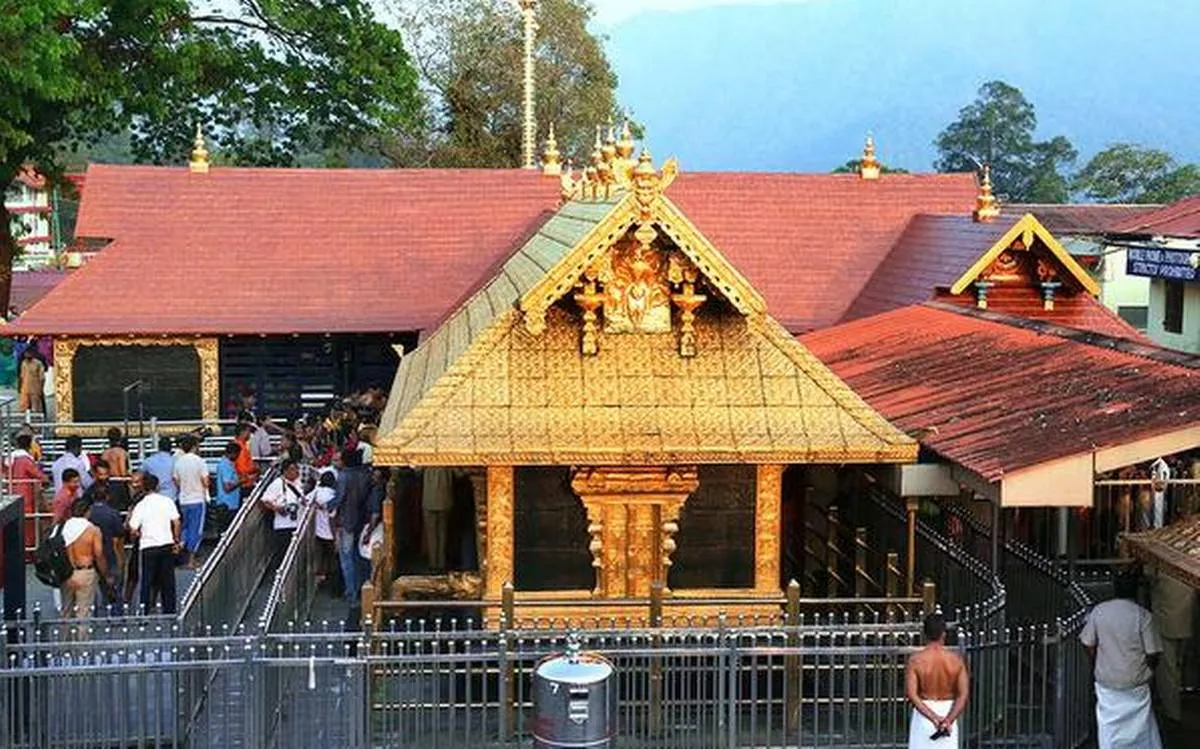
Sabarimala Temple
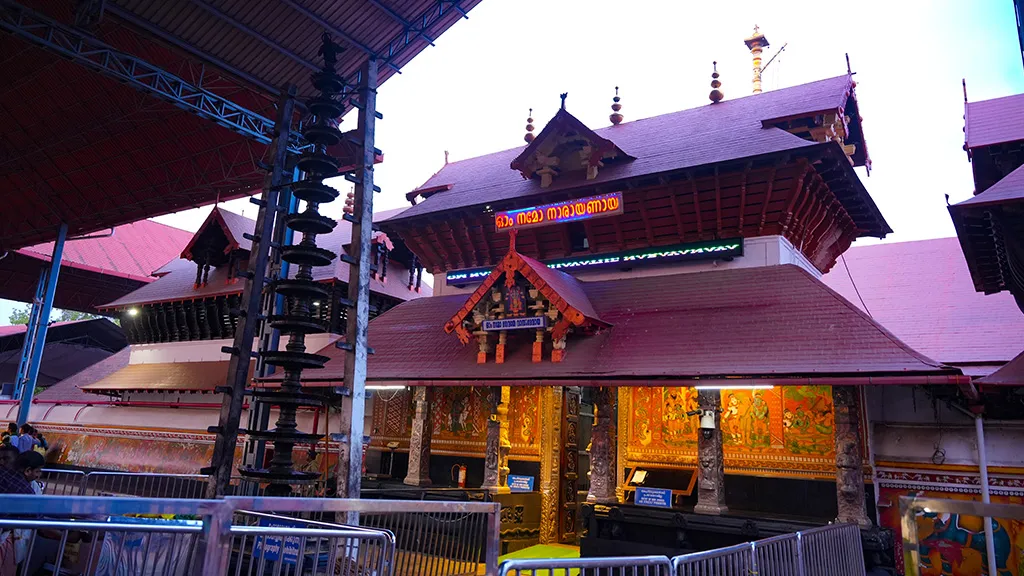
Guruvayur Temple
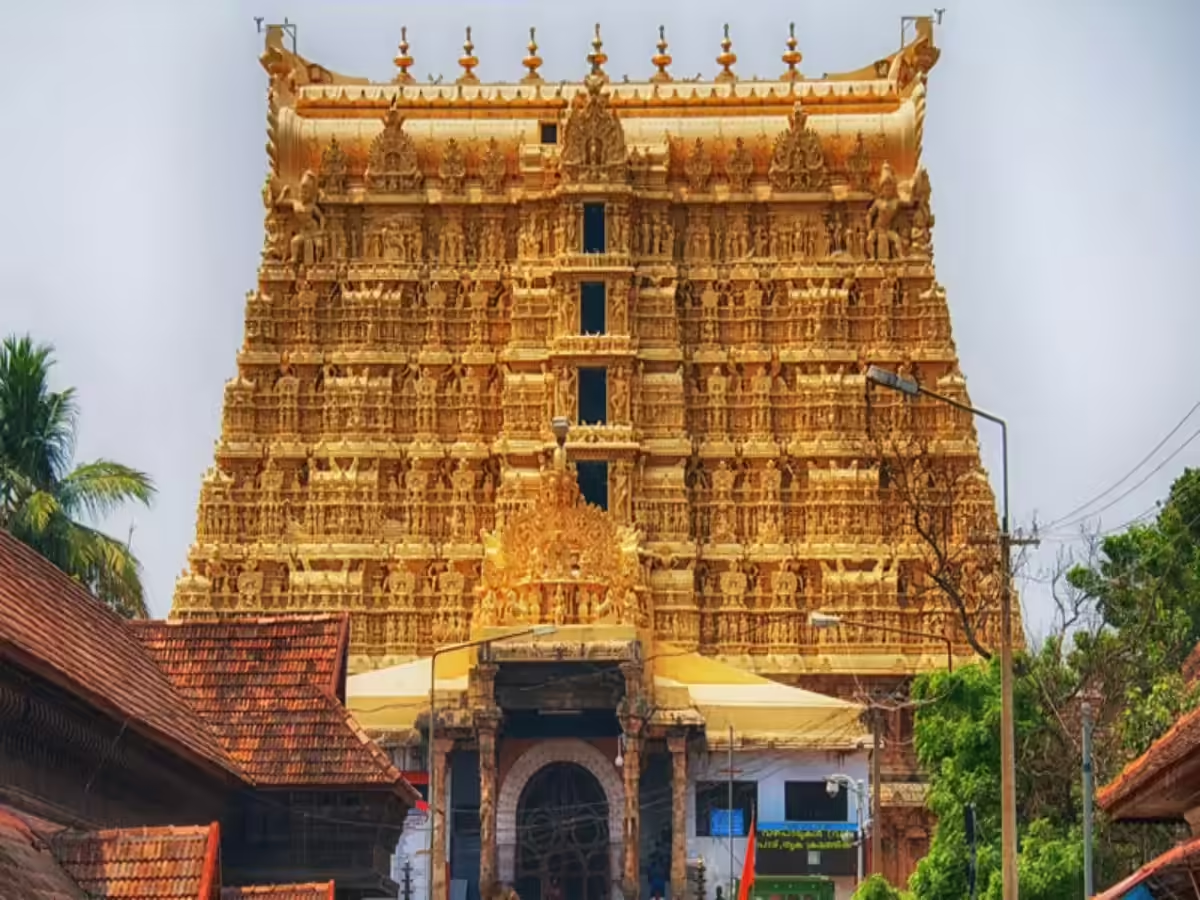
Padmanabhaswamy Temple
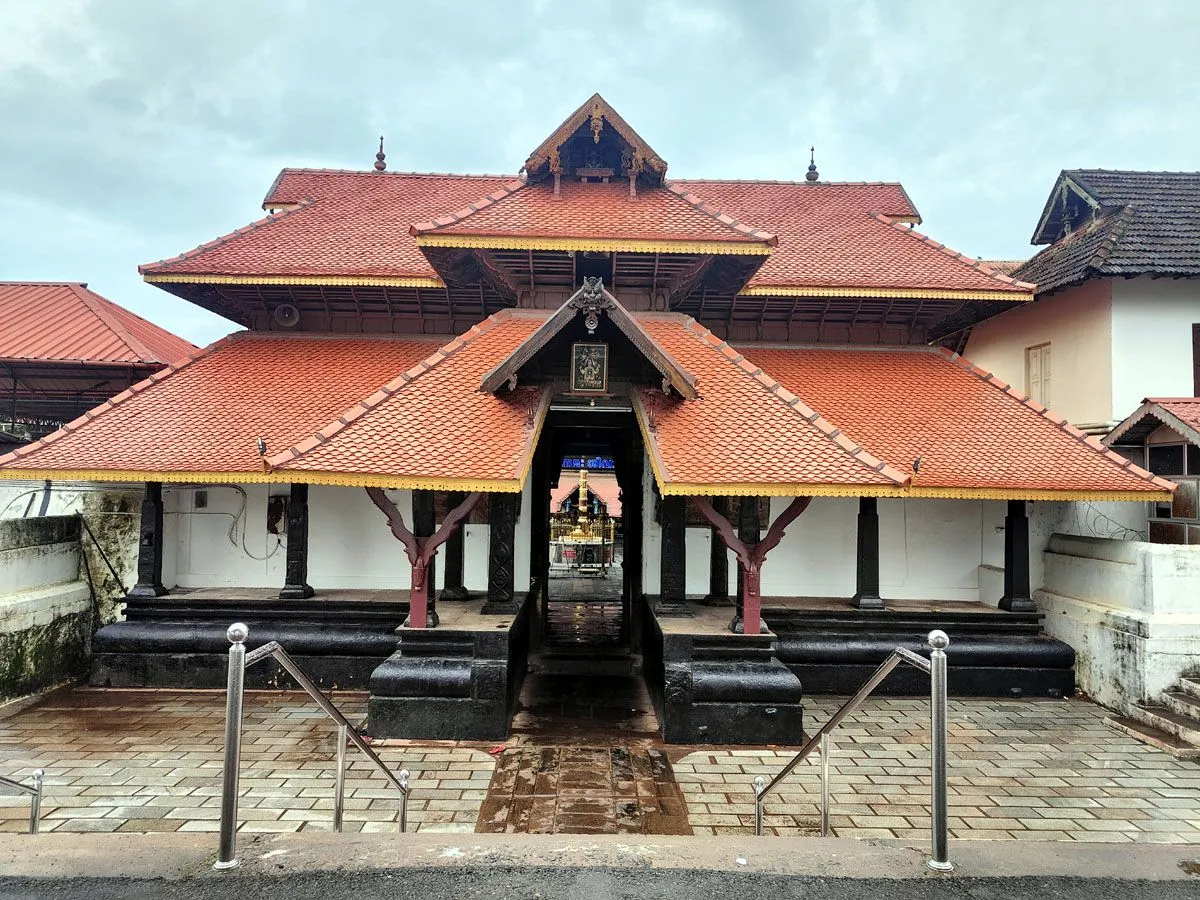
Ettumanoor Mahadeva Temple
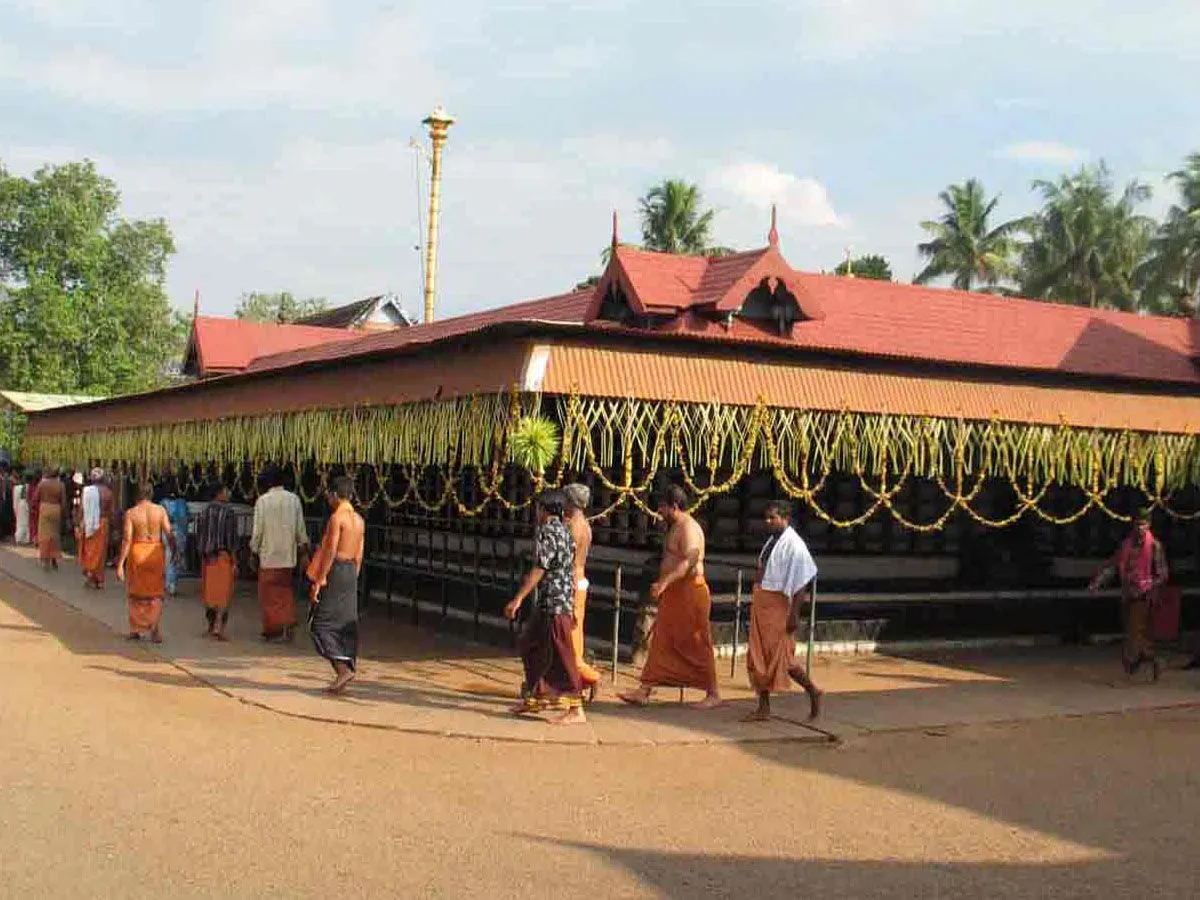
Chottanikkara Temple
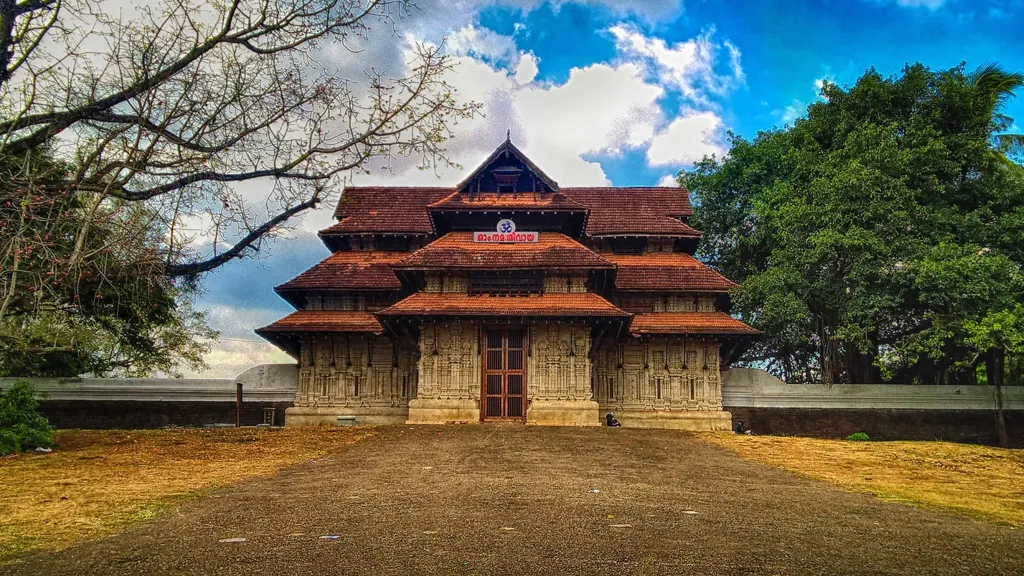
Vadakkunnathan Temple Thrissur
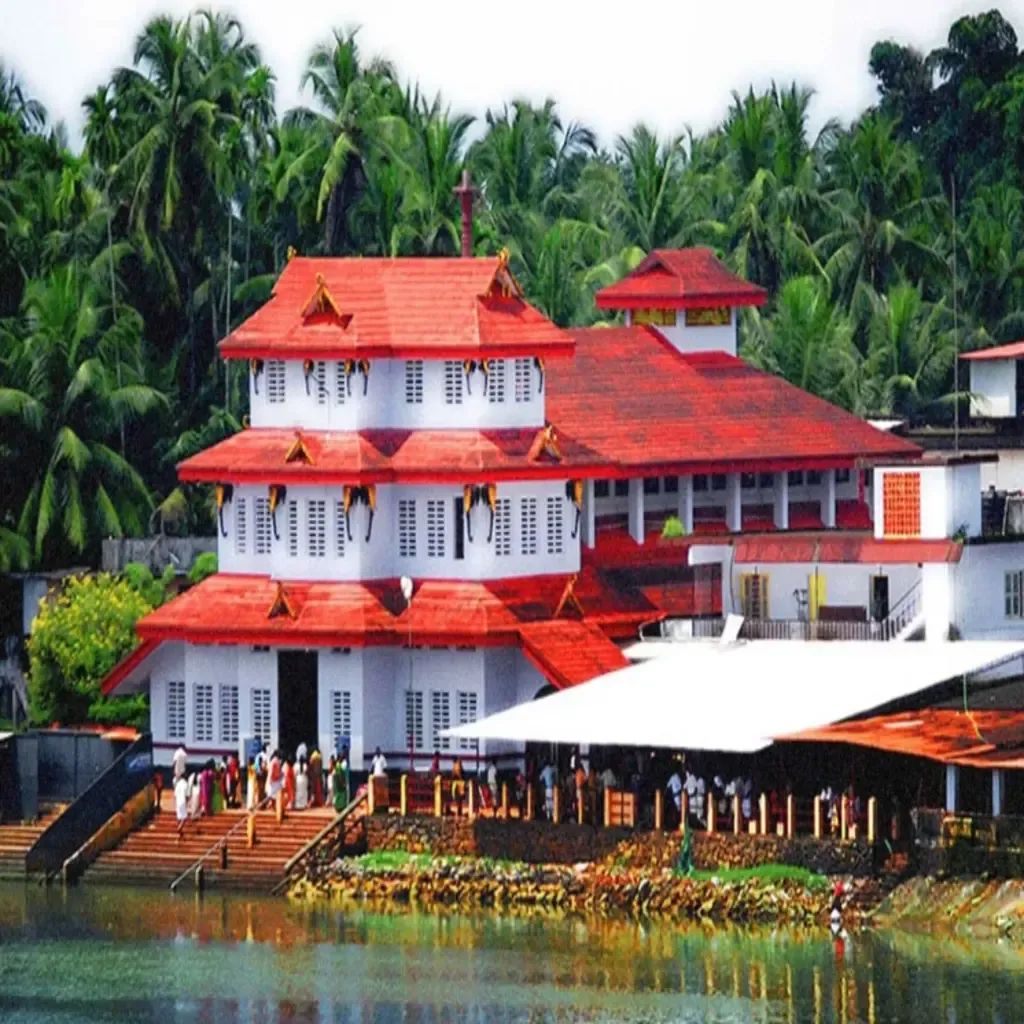
Parassinikadavu Muthappan Temple
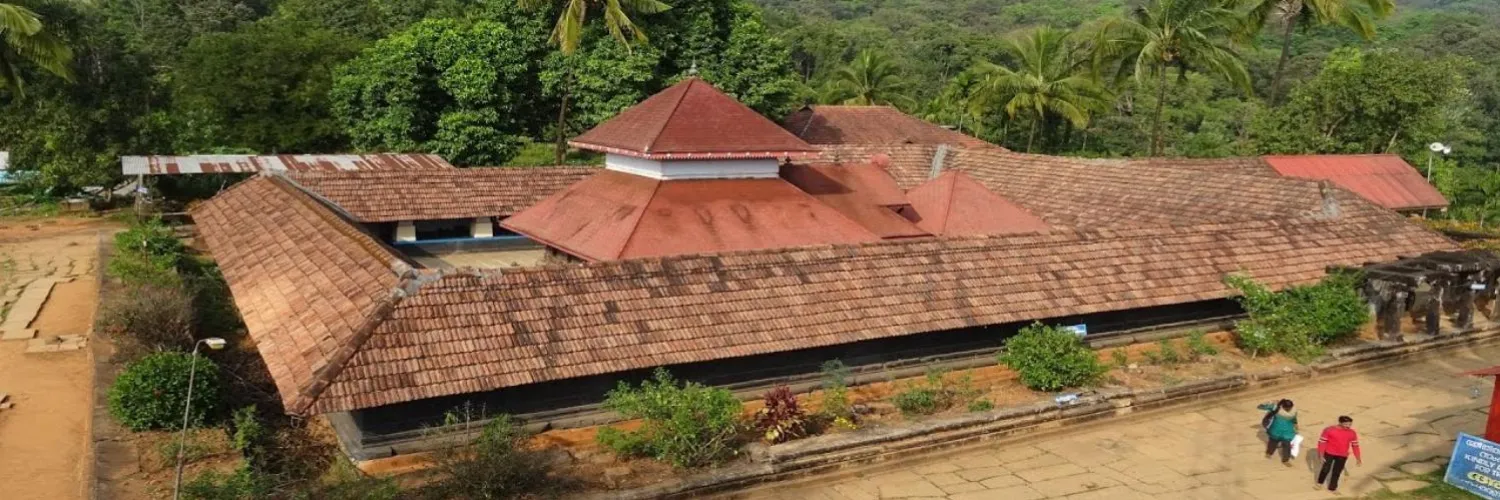
Thirunelli Temple Wayanad
Visit Information
Opening Hours
Entry Fee
Best Time to Visit
December to March
Location
Kuravilangad, Kottayam District, Kerala, India
Contact
For inquiries: 0482-2252231
Share this destination:
 Translate