
Payyambalam Beach
About Payyambalam Beach
Payyambalam Beach: Kannur's Best Sunset Shore, Where Kerala's Political History Rests in the Sand
Kannur has a reputation in Kerala that goes well beyond beaches — this is the district that produced some of the state's most consequential political leaders, hosted the headquarters of the British Malabar Coast military, and was home to the only Muslim sultanate in India during the 17th century. Most of that history is legible at Payyambalam Beach, the town's largest and most beloved stretch of coastline, in ways that few Indian city beaches can match. The graves of major Kerala political figures lie beside the walking path. A landmark sculpture by one of India's most celebrated modern sculptors anchors the garden at the beach's edge. St. Angelo Fort — built by Portugal's first Viceroy of India in 1505 and passed through Dutch, Arakkal, and British hands before landing with the Archaeological Survey of India — sits within walking distance. And behind all of this is a 3–4 km stretch of clean golden sand with no entry fee, a reliable evening breeze, and sunsets over the Arabian Sea that consistently rank among the best in northern Kerala.
This guide covers the beach's setting and history, all the key features, water sports, the Kanayi Kunhiraman sculpture, the political memorials, nearby attractions, how to get there, and a complete FAQ for first-time visitors.
Quick Facts Before You Go
- Location: Payyambalam, Kannur city, Kannur district, Kerala — on the Arabian Sea coast
- Beach length: 3–4 km of unbroken golden sand
- Entry fee: Free for the beach; ₹10 for the landscaped garden area
- Parking: ₹20–₹50 depending on vehicle type
- Timings: Open 24/7 as public space; organized activities and garden timings 6:00 AM – 6:00 PM
- Distance from Kannur Railway Station: About 2 km
- Distance from Kannur International Airport: About 30 km
- Best months: October to March
- Key landmark: Mother and Child sculpture by Kanayi Kunhiraman
- Film connection: Featured in Mani Ratnam's Alaipayuthey and other South Indian films
The Setting: Kannur's Coastal Identity
Payyambalam is the main beach of Kannur city — the largest and most central of the district's several beaches, and the one around which the town's public and social life has long revolved. The beach stretches north along the Arabian Sea from the edge of the town center, framed by coconut palms and casuarina groves, with the water generally clean and the sand well maintained through regular local authority clean-up efforts. From the waterline, on clear days, ships in transit along the Malabar Coast are visible on the horizon — freighters and cargo vessels moving between Kozhikode and Mangalore, a visual reminder of how long this coast has been a working maritime route.
A narrow canal separates the beach approach from the main road, crossed by a small bridge. To the right of the bridge, the memorials and graves of several of Kerala's most significant political figures are laid out in a section of the beach approach — an unusual feature that gives Payyambalam a weight of civic and historical significance that most leisure beaches don't carry.
The Kanayi Kunhiraman Sculpture
The visual anchor of Payyambalam Beach is an enormous landscaped sculpture of a mother and child — a monumental work by Kanayi Kunhiraman, born 1937, one of India's most celebrated modern sculptors and a Kasaragod native. Kunhiraman is best known for large-scale sculptural works that have become defining landmarks of Kerala's public spaces: the Yakshi at Malampuzha Dam Gardens, the Sagarakanyaka at Thiruvananthapuram's Shankumugham Beach, and the Mukkola Perumal trinity in Kochi. The Mother and Child at Payyambalam is in the same tradition — a massive, outdoor public sculpture integrated into a landscaped garden setting, designed to be viewed from multiple distances and angles as visitors walk the beach.
The sculpture is positioned in the well-maintained garden adjacent to the beach, and serves both as a standalone artwork and as a focal point that draws visitors into the garden area from the broader beach stretch. It's consistently cited by both local visitors and tourists as one of the most memorable visual elements of the Payyambalam experience, and has been photographed extensively in connection with the beach in tourism literature and social media coverage.
The Political Memorials
Payyambalam Beach holds the graves and memorials of several prominent figures in Kerala's political and social history, laid to rest near the beach approach in a site that has become a place of quiet civic remembrance as much as a tourist attraction:
- A.K. Gopalan (1904–1977): One of the foremost leaders of the Communist Party of India and a major figure in Kerala's political history, who served in the Indian Parliament and was a pivotal figure in the Indian labour and peasant rights movements
- Swadeshabhimani Ramakrishna Pillai (1878–1916): The editor of the influential Malayalam newspaper Swadeshabhimani, whose outspoken criticism of the Travancore royal administration led to his exile from Travancore — a landmark moment in the history of press freedom in Kerala
- K.P. Gopalan: Another significant figure in the Malabar region's political history
- Pamban Madhavan and K.G. Marar: Further prominent leaders from Kannur's political legacy
The presence of these memorials beside a popular evening beach gives Payyambalam an unusually layered character — it functions simultaneously as a leisure destination and as a site of genuine historical significance for the communities that shaped modern Kerala.
What to Do at Payyambalam
Evening Walks and Sunset Watching
The primary draw for most visitors — the 3–4 km unbroken stretch of sand is ideal for a long, unhurried walk in the cooler evening hours, culminating in a sunset over the Arabian Sea that visitors consistently describe as one of the best in northern Kerala. The beach faces almost due west, giving it excellent sunset geometry across the water.
The Beach Garden
A well-maintained landscaped garden runs adjacent to the beach with walking paths, seating areas, and the Kanayi Kunhiraman sculpture as its centerpiece. Entry to the garden costs ₹10 per person. It's a genuinely pleasant space for sitting, reading, or simply watching the sea from the garden benches in the evening light.
Water Sports
Water sports are available at Payyambalam under the regulation of the regional Tourism Council, including parasailing, water skiing, and speed boating. These are authorized activities conducted by licensed operators — not informal arrangements — which makes them considerably more reliably safe than the ad-hoc water sport setups found at some less-regulated Kerala beaches.
Photography
The combination of the Kanayi Kunhiraman sculpture, the beach garden, the coconut-fringed shoreline, the visible ships on the horizon, and the evening light makes Payyambalam consistently popular with photographers — both casual and dedicated. The golden hour before sunset is the most photographed window.
Naura Cafeteria
The beachside restaurant known as Naura Cafeteria has built a reputation in Kannur as a celebrity hotspot and a go-to for seafood and local snacks in a beach setting — one of the more characterful dining options at any Kerala city beach. Located right by the beach, it functions as a natural endpoint for an evening walk.
Nearby Attractions
St. Angelo Fort (Kannur Fort)
About 3 km from Payyambalam Beach, St. Angelo Fort is one of the finest surviving European forts in India — a massive triangular laterite structure built in 1505 by Dom Francisco de Almeida, Portugal's first Viceroy of India, with the consent of the local Kolathiri Raja. The fort changed hands from Portuguese to Dutch (1663) to the Arakkal Muslim sultanate family to the British East India Company (1790), which used it as one of their most important military stations on the Malabar Coast. It's now a protected monument under the Archaeological Survey of India. The view from the ramparts across the Arabian Sea is among the most striking fort vistas in Kerala, and the fort's history makes it a natural pairing with the beach for a half-day exploration of Kannur's waterfront.
Baby Beach
A smaller, quieter stretch of beach adjacent to St. Angelo Fort — named because it is shorter than Payyambalam, its bigger neighbour. Offers a calmer, more secluded experience than the main beach, particularly on weekends when Payyambalam draws larger crowds.
Mopila Bay (Mapila Bay)
Close to St. Angelo Fort, Mopila Bay was the seat of the Kolathiri kings centuries ago and holds the remains of the Kadalayi Fort and a Sree Krishna Temple. It now functions as a fishing harbor built under an Indo-Norwegian project, and carries considerable historical depth alongside its contemporary working-port character.
Muzhappilangad Drive-In Beach
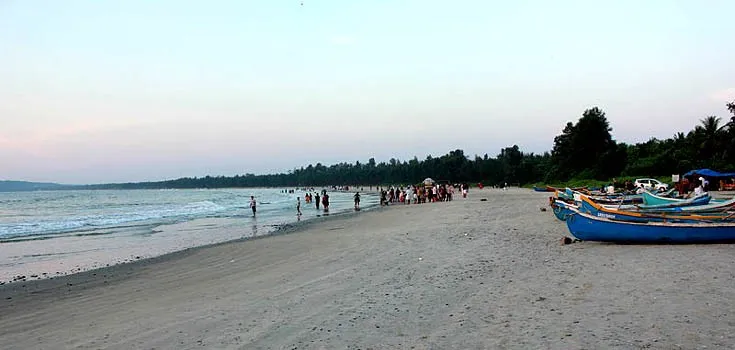
About 16 km from Payyambalam, Muzhappilangad is one of the longest drive-in beaches in Asia — a 4 km stretch where vehicles can drive directly on the hard-packed sand. A very different experience from Payyambalam's walkable town beach, and a popular day-trip addition for those spending more than one day in the Kannur area.
Parassinikadavu Sri Muthappan Temple
About 20 km from Kannur city, this famous temple on the banks of the Valapattanam River is one of the most distinctive Hindu pilgrimage sites in Malabar — known for its unique deity Muthappan, who accepts toddy and fish as offerings (unusual for a Hindu temple), and for its daily Theyyam (ritual dance) performances that are open to visitors of all faiths.
Getting to Payyambalam Beach
By Train
Kannur Railway Station is about 2 km from the beach — the closest major railway access point of any significant Kerala beach. From the station, an auto-rickshaw covers the remaining distance in about 5–10 minutes. Kannur Junction has good connections to Kozhikode, Kochi, Thiruvananthapuram, Mangalore, and other major cities on the west coast.
By Air
Kannur International Airport is about 30 km from the beach, with domestic connections to Mumbai, Bengaluru, Chennai, Hyderabad, Delhi, and Kochi, plus international routes to Gulf cities. From the airport, a taxi or pre-booked cab covers the remaining distance in roughly 45–60 minutes depending on traffic.
By Road
Payyambalam is directly accessible from NH 66, which runs the length of the Kerala coast connecting Kannur northward to Kasaragod and southward to Kozhikode, Kochi, and Thiruvananthapuram. Regular buses run from Kozhikode (about 90 km), Kochi (about 250 km), and other major Kerala cities to Kannur Bus Station, from where the beach is a short auto-rickshaw ride.
From the United States
There are no direct flights from the US to Kannur. The most practical route is flying into a major Indian or Gulf hub (Dubai, Doha, Mumbai, or Bengaluru are the most common connections), then flying domestically to Kannur International Airport (CNN) or to Calicut International Airport (CCJ) at about 115 km south. From Calicut, a 1.5–2 hour drive to Kannur reaches the beach.
Best Time to Visit
- October to March: The optimal window — pleasant temperatures, low humidity, calm seas, and the clearest evening light for sunset photography
- November to February: Peak season, with the best combination of weather and tourist infrastructure; book accommodation in Kannur in advance for weekends
- April to May: Hot and humid; the beach is still accessible and can be pleasant in the early morning and evening, but midday visits are uncomfortable
- Monsoon (June–September): The beach can be closed during high tide and heavy rain periods; rough seas make water sports unavailable, and the approach paths can flood. The dramatic monsoon sea and lush green surroundings attract some visitors, but it's not the optimal window for a comfortable beach visit
- Time of day: Evenings are by far the most popular time, particularly the hour before sunset — the beach is at its most active, the light is best, and the sea breeze cools the day's heat. Early mornings are quieter and well suited to a more reflective visit to the memorials and garden
Frequently Asked Questions
Is there an entry fee for Payyambalam Beach?
The beach itself is free. The landscaped garden area adjacent to the beach charges ₹10 per person. Parking costs ₹20–₹50 depending on vehicle type.
What are the beach timings?
The beach is open 24/7 as public space. The organized garden area and regulated water sports typically operate 6:00 AM to 6:00 PM. Late-night access is technically possible but not advisable for safety reasons.
How long is Payyambalam Beach?
About 3–4 km of unbroken coastline — Kannur's longest and most centrally located beach stretch.
Can I swim at Payyambalam Beach?
Swimming is generally possible during the October–March period when seas are calmer. The beach is not consistently flagged as a dangerous swimming spot, but no lifeguard service is present — exercise standard caution about currents, and avoid swimming during monsoon when seas are rough and the beach may be periodically closed.
What water sports are available?
Parasailing, water skiing, and speed boating are available, regulated and authorized by the regional Tourism Council. These are organized, licensed activities rather than informal arrangements.
Who created the Mother and Child sculpture?
Kanayi Kunhiraman, born 1937 in Kasaragod district, one of India's most celebrated modern sculptors, best known for the Yakshi at Malampuzha, the Sagarakanyaka at Shankumugham Beach, and the Mukkola Perumal trinity in Kochi. The Payyambalam sculpture is in the same tradition of large-scale, outdoor, public sculptural work.
Whose memorials are at Payyambalam Beach?
The graves and memorials of A.K. Gopalan (major Communist Party of India leader and parliamentarian), Swadeshabhimani Ramakrishna Pillai (the exiled newspaper editor and press freedom icon), K.P. Gopalan, Pamban Madhavan, and K.G. Marar are situated near the beach approach.
Has Payyambalam been used as a film location?
Yes — the beach has been featured in several South Indian films, including Mani Ratnam's Tamil film Alaipayuthey.
How far is Payyambalam from Kannur Railway Station?
About 2 km — one of the shortest distances between a major railway station and a significant Kerala beach, making it very easy to visit directly after arriving by train.
How far is Kannur International Airport from the beach?
About 30 km, roughly 45–60 minutes by taxi.
What is the best time of day to visit?
Evening, particularly the hour before sunset, when the beach is most lively, the light is best for photography, and the sea breeze makes the temperature comfortable. Early morning is better for quiet reflection at the memorials and garden.
What is the best time of year to visit?
October to March, with November to February being the optimal window for pleasant weather and calm seas. Avoid the monsoon months (June–September) when high tides and rough seas can restrict access.
Is there food available at the beach?
Yes — Naura Cafeteria, located directly by the beach, is a well-known local restaurant with a reputation as a celebrity hotspot, serving seafood and local snacks. Additional smaller vendors operate along the beach, particularly in the evenings.
What else is near Payyambalam Beach?
St. Angelo Fort (3 km, built 1505, one of India's finest surviving European forts), Baby Beach (adjacent, quieter), Mopila Bay (historical fishing harbor near the fort), Muzhappilangad Drive-In Beach (16 km, one of Asia's longest drive-in beaches), and Parassinikadavu Sri Muthappan Temple (20 km, famous for daily Theyyam performances open to all visitors).
Is Payyambalam suitable for families?
Yes — the combination of the free beach, the garden, the sculpture, water sports for older family members, and the beach walking path makes it a genuinely all-ages destination. The beach's length means families can find uncrowded sections even on busy evenings.
The Takeaway
Payyambalam is the kind of city beach that earns its reputation not from any single attraction but from everything being in the same place at once — 4 km of clean sand, a sunset that people plan evenings around, one of Kerala's most significant public sculptures, the graves of leaders who shaped the state's political identity, a fort half a kilometer away that's been held by four different powers over five centuries, and a beachside restaurant that locals recommend on its own merits. Time your visit for the hour before sunset, walk the full length of the sand, stop at the garden for the Kanayi Kunhiraman sculpture, and give yourself the full evening rather than a quick stop. Payyambalam rewards the unhurried approach.
Photo Gallery
What you'll experience
- 1
Relax and picnic on the golden sands
- 2
View the iconic 'Mother and Child' sculpture
- 3
Indulge in water sports like parasailing and speed boating
- 4
Take a horse ride along the shoreline
Explore More
Nearby Destinations
Parassinikadavu Muthappan Temple
Muzhappilangad Drivein Beach
Thottada Beach
Thalassery Fort
These destinations are in close proximity to Payyambalam Beach and can be visited on the same trip.
Related Destinations
Sabarimala Temple
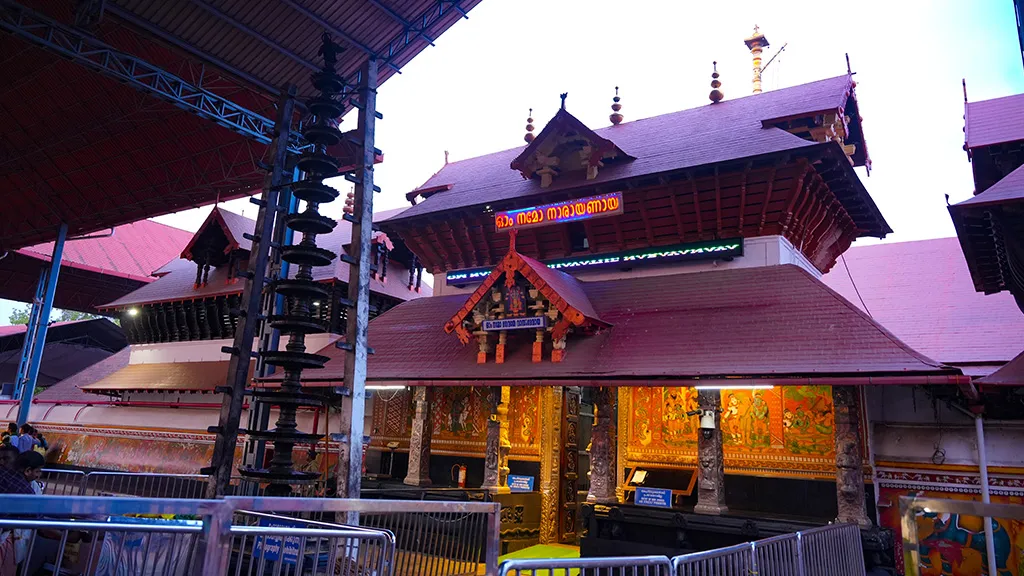
Guruvayur Temple
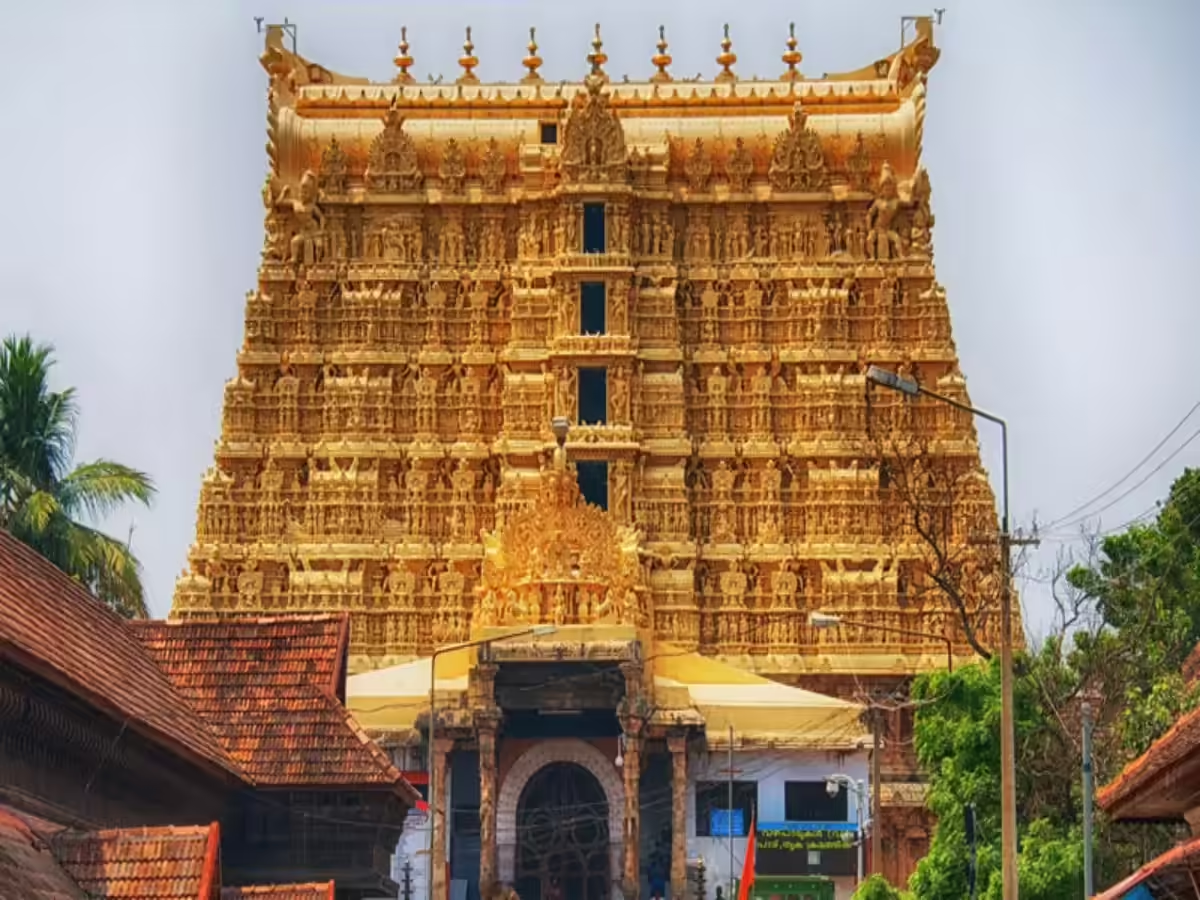
Padmanabhaswamy Temple
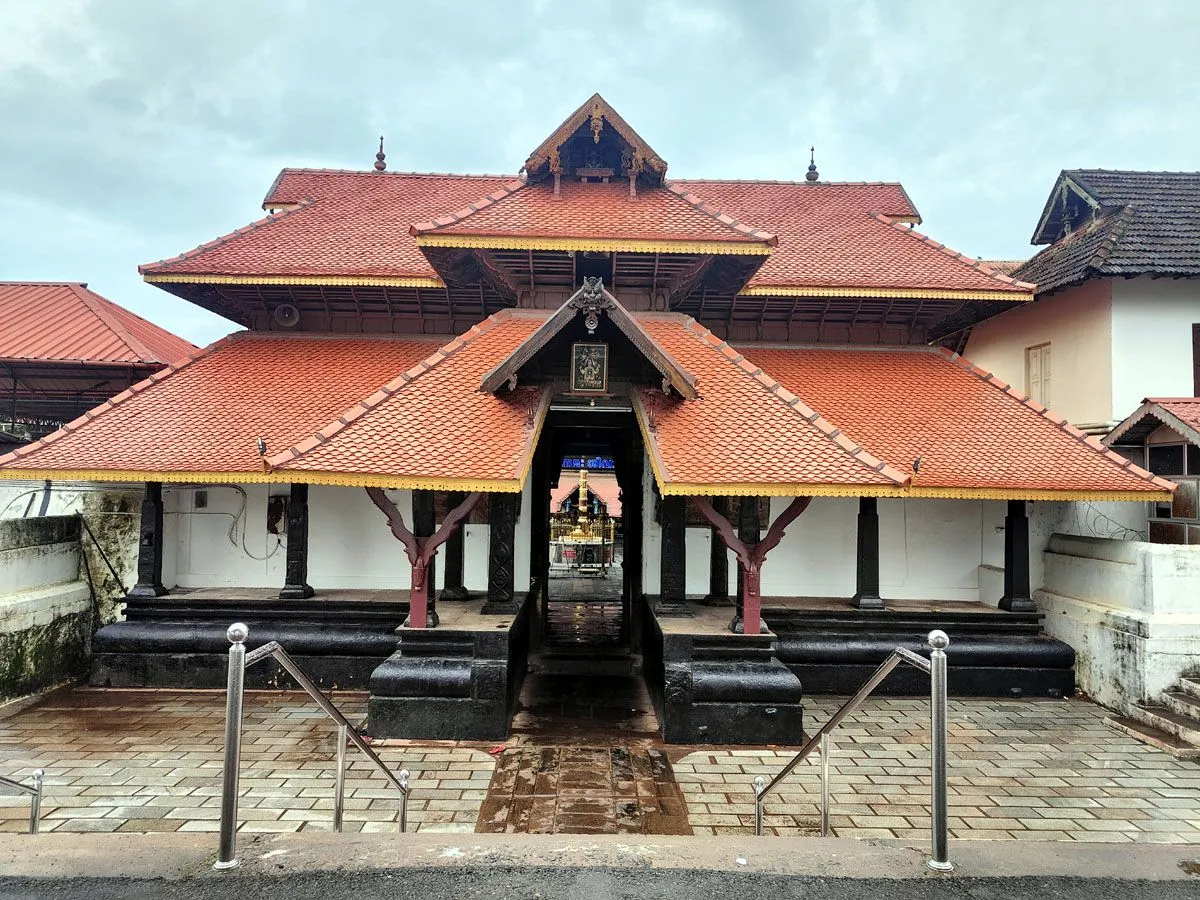
Ettumanoor Mahadeva Temple
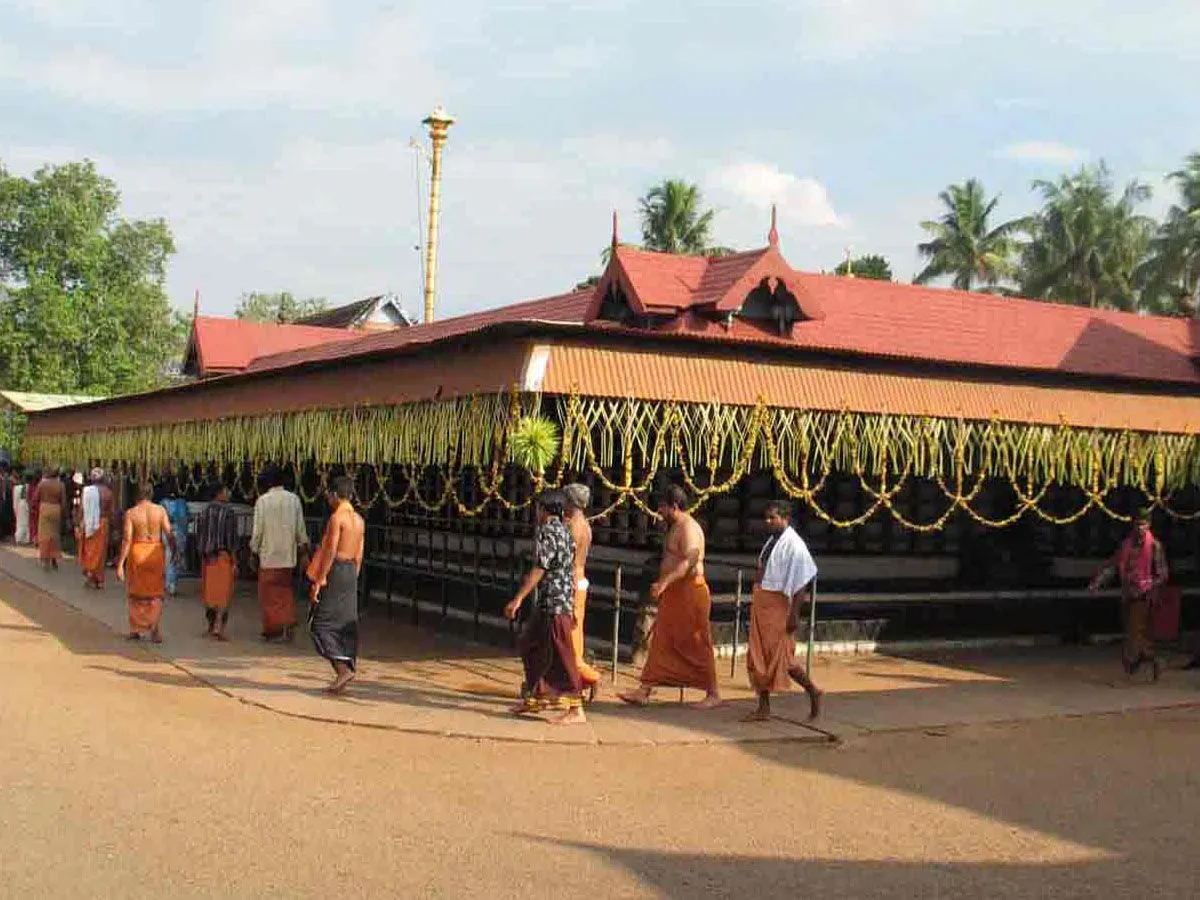
Chottanikkara Temple
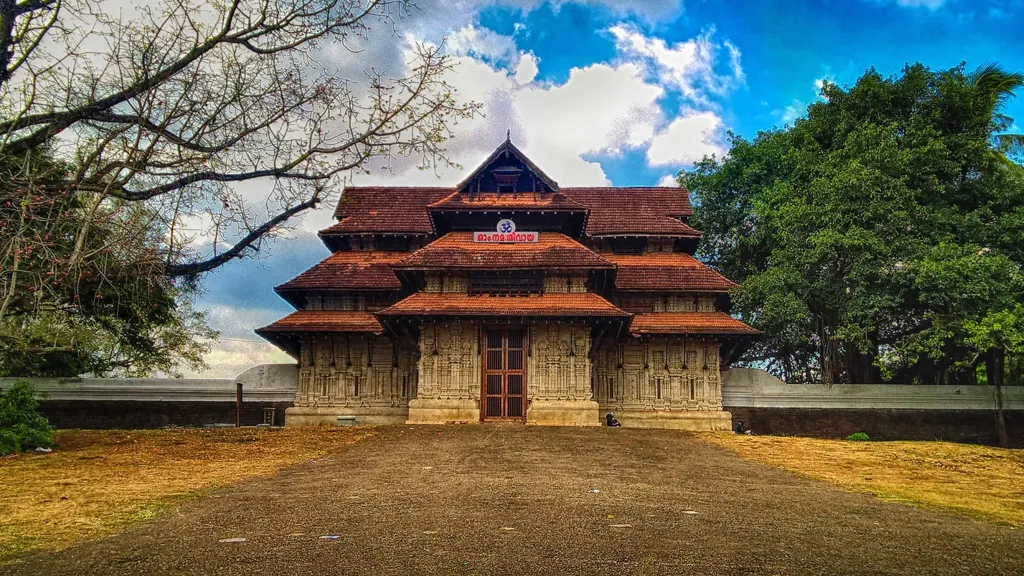
Vadakkunnathan Temple Thrissur
Parassinikadavu Muthappan Temple
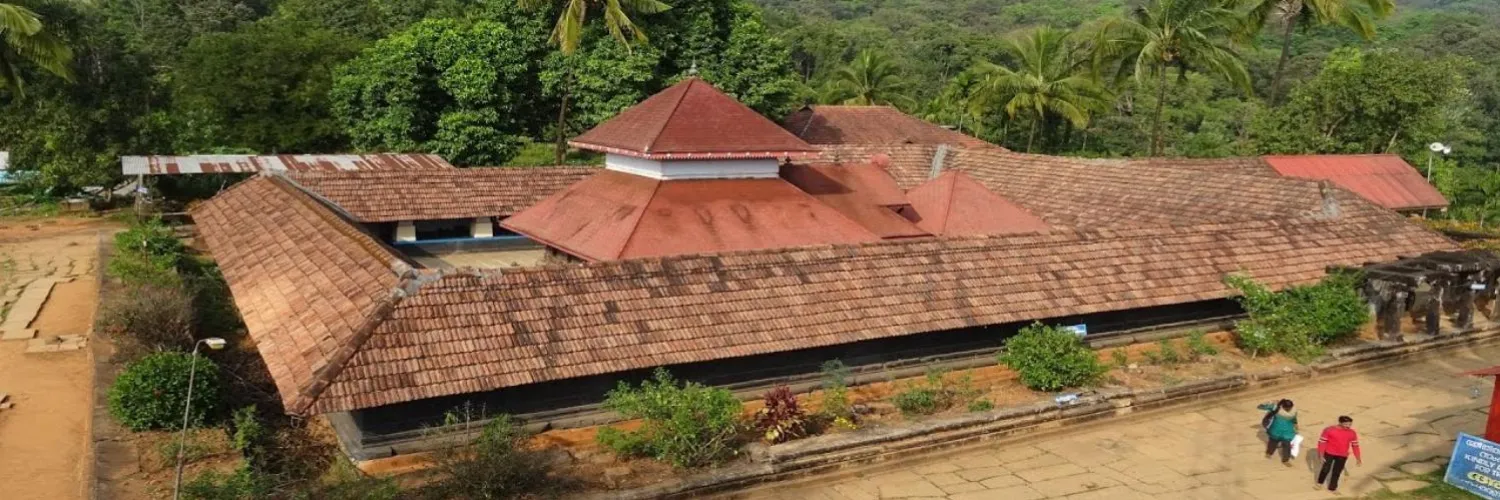
Thirunelli Temple Wayanad
Visit Information
Opening Hours
Entry Fee
Best Time to Visit
October to March
Location
Kannur District, Kerala, India
Contact
For inquiries: DTPC Kannur
Share this destination:
 Translate