
Tali Temple Kozhikode
About Tali Temple Kozhikode
Tali Temple (Thali Maha Kshetram), Kozhikode: The Zamorin's Family Shrine and the Heart of Calicut's Ancient City
Kozhikode — known to the world as Calicut, the city where Vasco da Gama first landed in India in 1498 — has been a trading and cultural center on the Malabar Coast for nearly a thousand years. At the heart of this city, one kilometer east of the railway station and beside the Mananchira Square where the Zamorin's palace once stood, is a 14th-century Shiva temple that served as the family shrine of the rulers who made Calicut one of the greatest port cities of the medieval Indian Ocean trade. The Tali Temple — formally the Thali Maha Kshetram — is not just an ancient temple. It is the temple around which Kozhikode was built, the institution whose sanctity is said to have been the spiritual foundation of the city's founding, and the venue of the Revathi Pattathanam, a scholarly competition of such prestige that it drew Brahmin intellectuals from across Kerala for its seven-day festival of debate and learning.
This guide covers the temple's history and the Zamorin connection, the architecture of the chariot-shaped sanctum, the sub-shrines and the full deity complex, the Revathi Pattathanam festival, darshan timings and dress code, how to get there, and a complete FAQ for first-time visitors.
Quick Facts Before You Go
- Location: Tali, Kozhikode (Calicut) city, Kozhikode district, Kerala — 1 km east of Kozhikode Railway Station, near Mananchira Square
- Also known as: Thali Maha Kshetram, Tali Shiva Temple, Tali Mahadeva Temple
- Main deity: Lord Shiva in the Umamaheswara form — the divine union of Shiva and Parvati
- Jyothirlingam: The primary lingam is believed to have been installed by Parasurama at the end of the Dwapara Yuga
- Built: 14th century CE, by Swamy Thirumulapad (Zamorin ruler) within the palace complex
- Currently under: Malabar Devaswom; the Zamorin of Calicut remains the managing trustee
- Timings: 4:30 AM to 11:00 AM and 5:00 PM to 8:30 PM (confirm locally as timings may vary)
- Entry fee: Free
- Distance from Kozhikode Railway Station: About 1 km
- Distance from Calicut International Airport: About 28 km
- Dress code: Men must wear mundu (veshti/dhoti); no shirt inside the temple premises; Western clothing not permitted for either gender
The History: Older Than the City It Anchors
The Parasurama Legend and Ancient Origins
The Jyothirlingam in the sanctum of Tali Temple — the two-foot sacred Shivalinga that is the central object of worship — is believed by devotees to have been installed at this site by Parasurama, the sixth avatar of Vishnu who is credited in Kerala mythology with reclaiming the land of Kerala from the sea and consecrating its major shrines. Temple tradition holds that this worship existed from the end of the Dwapara Yuga, making the sacred power of the site itself ancient even if the current temple structure is only 14th-century. Some historians suggest the temple predates even the city of Kozhikode — that the settlement grew around the shrine rather than the shrine being built in the settlement. The founding and prosperity of Kozhikode are considered by local tradition to be inseparable from the sanctity of this ancient temple.
The Zamorin's Family Temple
In its documented history, Tali Temple's identity is fundamentally linked to the Zamorin dynasty — the Samudri Raja (Sea Kings), the rulers of Kozhikode who made it the dominant power on the Malabar Coast and one of the most significant ports in the medieval Indian Ocean trade network. The temple was originally built during the reign of the Zamorin of Calicut in the 14th century by Swamy Thirumulapad, within the palace complex adjacent to what is now Mananchira Square. It served as the royal family temple — the personal shrine of the ruling dynasty and the spiritual foundation of their authority. The Zamorin held the title Sailabdheswara (Lord of the Sea Mountain), and the temple's deity was understood as the divine sanction of the Zamorin's rule.
The temple's original ownership story adds a layer of historical complexity: it originally belonged to 50 Namboothiri families of the Tali village, and accounts of its transfer to Zamorin control involve stories of conquest, rivalry, and the execution of those who resisted. These stories — told by the temple pandits to this day — give the Tali Temple a more complicated and human historical texture than many Indian temples present.
Tipu Sultan's Invasion and the 1964 Renovation
The temple suffered severe damage during Tipu Sultan's invasion of Kozhikode in the 18th century — a period of destruction that affected many of Malabar's Hindu institutions. Subsequent renovations restored the structure. A major renovation in 1964 brought the temple to its current form. Despite these disruptions, the ritual continuity of the temple — the daily poojas and the annual festival cycle — is regarded as unbroken. Today the temple is under the Malabar Devaswom (the administrative body for Hindu temples in the former Malabar district of Kerala), while the Zamorin of Calicut continues as the managing trustee — a living link between the temple's royal history and its present administration.
The Architecture: A Sanctum Shaped Like a Chariot
The Tali Temple is built in the traditional Kerala architectural style, known as Thachu Shastra, with several distinctive features:
The Chariot-Shaped Sanctum
The two-storied sanctum sanctorum (Sreekovil) is built in the distinctive shape of a chariot — a specific and relatively rare form within Kerala temple architecture, associated with certain Shiva shrines where the deity is understood as the cosmic king seated in his divine vehicle. The roof structure and the overall proportions of the building reflect this chariot symbolism, giving the Tali Temple a distinctive silhouette compared to the more common circular or rectangular sanctum forms found elsewhere in Kerala.
Wood, Granite, and Laterite
The temple complex blends wood, granite, and laterite in the characteristic Kerala manner — intricate brass work and wood carvings on the walls, ceiling panels, and pillars of the mandapam (hall), and granite sculptures of Shiva's retinue adorning the inner surfaces. The mural paintings within the complex depict scenes from Shaiva mythology. The overall effect is of a temple that wears its age visibly and proudly, without the over-renovation that strips some heritage temples of their original character.
The Temple Complex Elements
- Dwajastambam (Flagpole): The ritual flagpole marking the ceremonial axis of the temple
- Anakottil (Elephant Platform): Used for festival processions and the mounting of caparisoned elephants during the annual Utsavam
- Deepasthambam (Lighting Pillar): The traditional lamp column, lit during festivals and special occasions
- Temple Tank (Pond): A sacred water body within the temple premises, used for ritual bathing and a traditional spot for quiet contemplation outside the formal darshan hours
The Deity Complex: More Than One Shrine
Main Deity: Umamaheswara
The primary lingam in the main sanctum is worshipped as Umamaheswara — the combined form of Shiva (Maheswara) and Parvati (Uma), representing the divine union of the masculine and feminine cosmic principles. This form is considered particularly auspicious for devotees seeking blessings related to marriage, family, and household wellbeing, alongside the standard Shiva attributes of power and liberation.
Sub-Shrines Within the Sreekovil
- Tali Ganapathy
- Thevarathil Ganapathy
- Thrumandhakunnu Bhagavathy
Shrines Outside the Inner Walls
- Sree Krishna Temple (with Sreevalayanad Bhagavati present within its four walls)
- Thevarathil Bhagavathy
- Lord Ayyappa
- Lord Vishnu
- Nagam (serpent deity)
- Narasimha Moorthy (on the southern side of the Vishnu temple)
This multi-deity complex is more extensive than many visitors expect from a temple whose external reputation focuses on the central Shiva shrine — a full circuit of the complex takes considerably longer than a focused darshan at the main sanctum alone.
The Revathi Pattathanam: Kerala's Ancient Intellectual Festival
The Tali Temple is the historic venue of one of Kerala's most unusual festivals — the Revathi Pattathanam, a seven-day scholarly and cultural competition held annually in October or November (in the Malayalam month of Thulam, on the Revathi nakshatra). Unlike most temple festivals, which center on devotional worship, processions, and cultural performances, the Revathi Pattathanam is fundamentally an intellectual event: a competitive debate and testing of Brahmin scholars' knowledge of Vedic scripture, philosophy, and classical learning.
Historically, this was among the most prestigious scholarly competitions in all of Kerala — scholars and pandits from across the state would travel to Kozhikode specifically to participate or to witness the debates, and the results carried significant social and intellectual prestige for the winning scholars and their traditions. The Zamorins, as patrons of the festival, were also through this event projecting their court's status as a center of Sanskrit learning and cultural sophistication, complementing their political and commercial dominance of the Malabar Coast.
The festival continues today, maintaining this tradition of intellectual competition and Vedic scholarship as a living part of the temple's annual calendar.
Darshan Timings (2026)
- Morning session: 4:30 AM to 11:00 AM
- Evening session: 5:00 PM to 8:30 PM
These are the most consistently cited current timings across multiple sources including Kerala Tourism. Some older listings cite different hours — confirm locally on arrival or contact the temple directly before planning a very early morning visit. The Nadathurakkal Abishekam (the first ritual bathing of the lingam) begins at 4:30 AM with the morning opening.
Dress Code
- Men: Mundu (veshti/dhoti) is mandatory; no shirt inside the temple premises. Western clothing — trousers, jeans, shirts, t-shirts — is not permitted. Mundus are available for rent near the temple entrance for a nominal fee; new mundus are also available for purchase from nearby shops.
- Women: Saree, half-saree, or salwar kameez (churidar) with dupatta. Jeans, leggings, and Western-style dress are not appropriate. Young girls may wear long skirts with blouses.
- Footwear: Must be removed before entering the temple premises.
- Non-Hindus: Only Hindus are permitted inside the temple.
Getting to Tali Temple
By Train
Kozhikode Railway Station (CLT) is about 1 km from the temple — one of the most convenient railway-to-temple connections of any major Kerala shrine. The station has extensive connections to Chennai, Bengaluru, Mumbai, Delhi, Kochi, Thiruvananthapuram, Mangalore, and other major Indian cities. From the station, the temple is a 15–20 minute walk or a short auto-rickshaw ride.
By Air
Calicut International Airport (CCJ / IATA: CCJ), also known as Kozhikode International Airport, is about 28 km from the temple — roughly 45–60 minutes by taxi. The airport has domestic connections across India and international routes to Gulf cities, making it a practical direct gateway for visitors arriving from abroad.
By Road
The temple is in the heart of Kozhikode city, easily accessible by auto-rickshaw, Ola, or Uber from anywhere in the city. The nearest landmark is Mananchira Square — the historic public square beside the site of the Zamorin's palace, within easy walking distance of the temple. NH 66 connects Kozhikode northward to Kannur and southward to Kochi and Thrissur.
From the United States
No direct flights connect US cities to Kozhikode. The practical route is to fly via a major Gulf hub (Dubai, Doha, or Abu Dhabi) or via Bengaluru/Chennai and connect to Calicut International Airport, or fly into Cochin International Airport (about 180 km south) and travel by road or rail to Kozhikode.
Nearby Attractions to Combine
- Mananchira Square: The beautifully landscaped public square immediately adjacent to the temple area — built on the site of the Zamorin's royal tank, now a park with walking paths and a children's play area
- Kozhikode Beach (Calicut Beach): About 2 km from the temple, with the historic pier and the lighthouse — a popular sunset spot
- Pazhassiraja Museum and Art Gallery: About 5 km from the city center, housing archaeological artefacts and sculptures from Kerala's Malabar region, relevant context for understanding the Zamorin period
- Mishkal Mosque (Kuttichira): About 2 km from the temple, a 14th-century mosque that was historically patronized by the same Zamorin rulers who built Tali Temple — a striking example of how the Zamorins supported multiple religious communities simultaneously
- SM Street (Mittai Theruvu): Kozhikode's famous Sweet Street — a commercial lane of sweetshops and street food stalls that has existed for generations, an essential stop for halwa and other Kozhikode specialties
Best Time to Visit
- October to March: Most comfortable weather window, with lower humidity and pleasant temperatures for the walk to and from the temple in the city center
- October–November (Revathi Pattathanam): The seven-day scholarly festival — a unique cultural event unlike any other temple festival in Kerala; worth planning a visit around if you have interest in classical learning and Vedic tradition
- Maha Shivaratri: The most significant annual devotional event at the temple — one of the busiest days of the year with extended ritual schedules and large pilgrim numbers
- Malayalam New Year (Vishu, April): A seven-day festival period at the temple with extended worship programming
- Early morning (4:30–7:00 AM): The most peaceful darshan window, when the city has not yet woken and the first rituals of the day give the sanctum an atmosphere entirely different from the busier midday hours
Frequently Asked Questions
What is special about Tali Temple in Kozhikode?
It is one of the oldest and most historically significant Shiva temples in Kerala — the family temple of the Zamorins of Calicut who ruled the city for centuries and made it a major force in the medieval Indian Ocean trade. The Jyothirlingam in the sanctum is believed to have been installed by Parasurama. The temple is also the historic venue of the Revathi Pattathanam, Kerala's renowned annual scholarly competition. Its sanctum is built in the distinctive shape of a chariot — a comparatively rare architectural form in Kerala.
Is there an entry fee?
No. The temple is free to visit for all eligible devotees.
What are the timings?
Morning: 4:30 AM to 11:00 AM; Evening: 5:00 PM to 8:30 PM. Confirm current timings locally before an early morning visit, as timings can shift during festivals and special occasions.
Who are the Zamorins and what is their connection to this temple?
The Zamorins (Samudri Raja — Sea Kings) were the ruling dynasty of Kozhikode from approximately the 13th to the 18th century, at their height controlling the dominant port of the Malabar Coast and its immensely profitable spice trade. The Tali Temple was their personal family shrine, built by the Zamorin king Swamy Thirumulapad in the 14th century within the palace complex. The Zamorin of Calicut continues as the managing trustee of the temple today.
What is the Revathi Pattathanam?
A seven-day annual scholarly competition and cultural festival held at the temple in October or November, on the Revathi nakshatra of the Malayalam month Thulam. Historically one of the most prestigious Brahmin intellectual events in all of Kerala, it involves competitive debate and testing of knowledge in Vedic scripture and classical philosophy. It continues today as part of the temple's annual calendar.
What is the dress code?
Men must wear a mundu (veshti/dhoti) with no shirt inside the temple premises — mundus are available for rent near the entrance at a nominal fee. Women should wear a saree, half-saree, or churidar with dupatta. Western clothing is not permitted for either gender.
Can non-Hindus enter?
No. Only Hindus are permitted inside the temple.
How far is the temple from Kozhikode Railway Station?
About 1 km — approximately 15–20 minutes on foot or a very short auto-rickshaw ride.
What is the main deity's form?
Lord Shiva is worshipped here in the Umamaheswara form — the combined divine union of Shiva and Parvati — with the primary object of worship being the Jyothirlingam believed to have been installed by Parasurama.
What other deities are present in the temple complex?
Within the Sreekovil: Tali Ganapathy, Thevarathil Ganapathy, and Thrumandhakunnu Bhagavathy. Outside the inner walls: Sree Krishna (with Sreevalayanad Bhagavati), Thevarathil Bhagavathy, Lord Ayyappa, Lord Vishnu, Nagam, and Narasimha Moorthy — making Tali a multi-deity complex of considerable extent beyond the central Shiva shrine.
Why is the sanctum shaped like a chariot?
The two-storied chariot form (ratha shape) of the Sreekovil is a specific architectural tradition within Kerala temple design, associated with certain Shiva shrines where the deity is understood as the cosmic king in his divine vehicle. It is a comparatively rare form compared to the more common circular or rectangular sanctum designs found elsewhere in Kerala.
What is the best time of day to visit?
Early morning between 4:30 and 7:00 AM, when the Nadathurakkal Abishekam (first ritual bathing of the lingam) begins and the city is quiet. Evening from 5:00 PM onward is the second peaceful window, particularly the lamp-lighting hours before the 8:30 PM closure.
What is near the temple worth visiting?
Mananchira Square (historically the Zamorin's royal tank, now a park), Kozhikode Beach (about 2 km), the Mishkal Mosque in Kuttichira (a 14th-century mosque also patronized by the Zamorins — remarkable given the same rulers built this Hindu temple), SM Street for Kozhikode's famous sweets and street food, and the Pazhassiraja Museum for regional history and archaeology.
The Takeaway
Tali Temple sits at the exact intersection of Kozhikode's spiritual and political history — it is simultaneously the shrine where a ruling dynasty sanctified their power, the venue of Kerala's most prestigious intellectual festival, and an active place of daily Shiva worship whose earliest rituals begin before 5 AM. The chariot-shaped sanctum, the Jyothirlingam believed to predate the city itself, and the stories of conquest and rivalry that the temple pandits still recount to visiting devotees — none of this is packaged or curated for tourist consumption. It is simply the living reality of a 700-year-old institution in the heart of an ancient city. Come before 7 AM if you can, wear the mundu before you arrive at the gate, and take the time to walk the full complex beyond the main sanctum.
Photo Gallery
What you'll experience
- 1
Admire traditional Kerala temple architecture
- 2
Attend morning and evening poojas
- 3
Explore nearby heritage streets of Kozhikode
- 4
Feel the tranquil spiritual aura within the sanctum
Explore More
Nearby Destinations
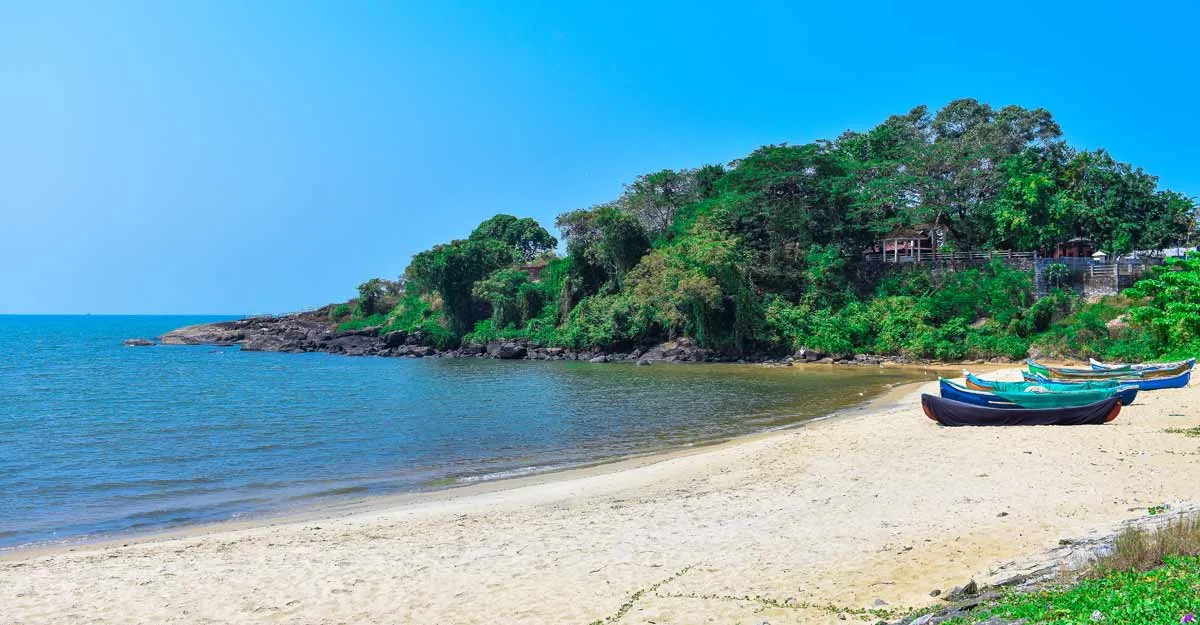
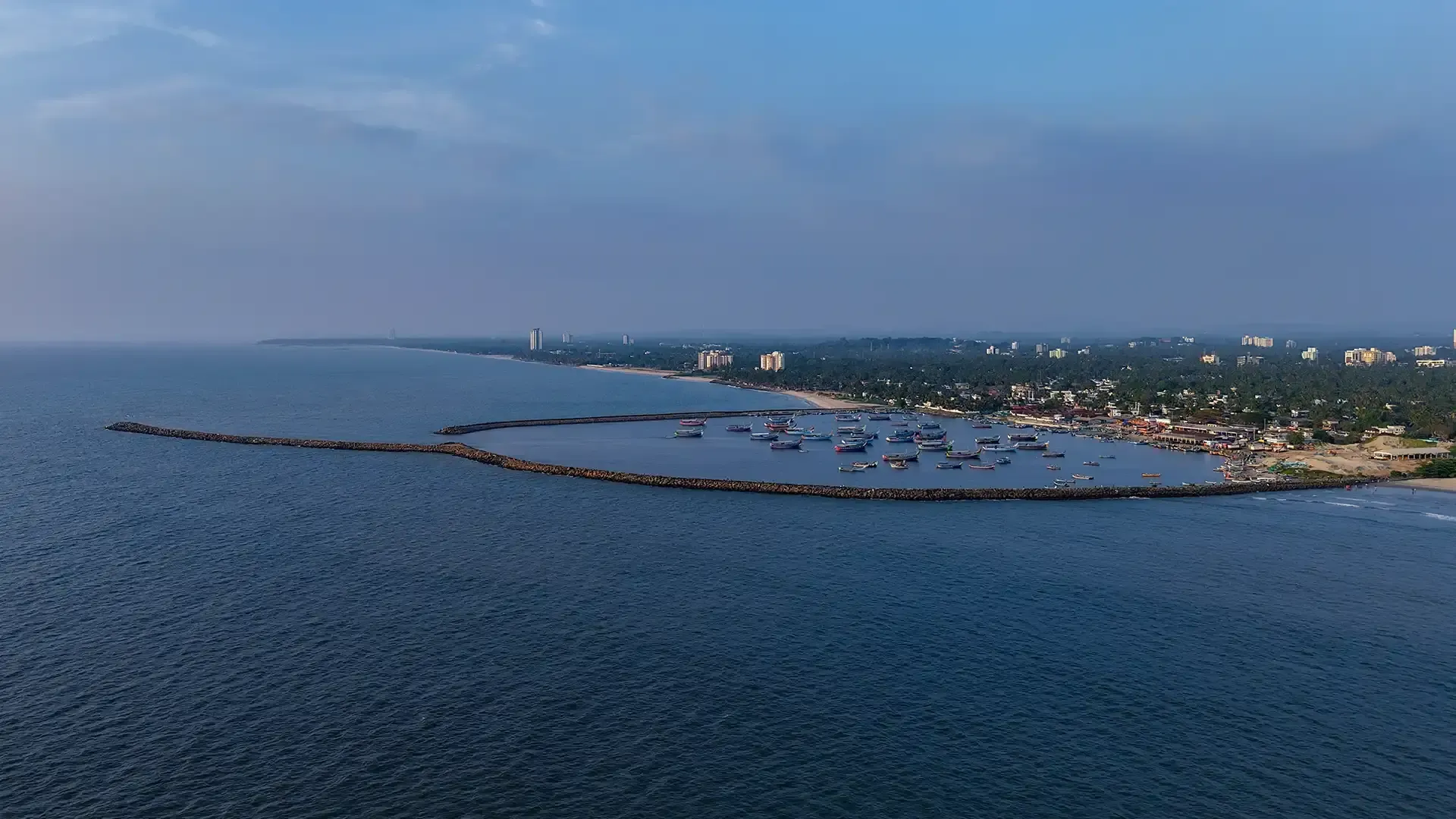
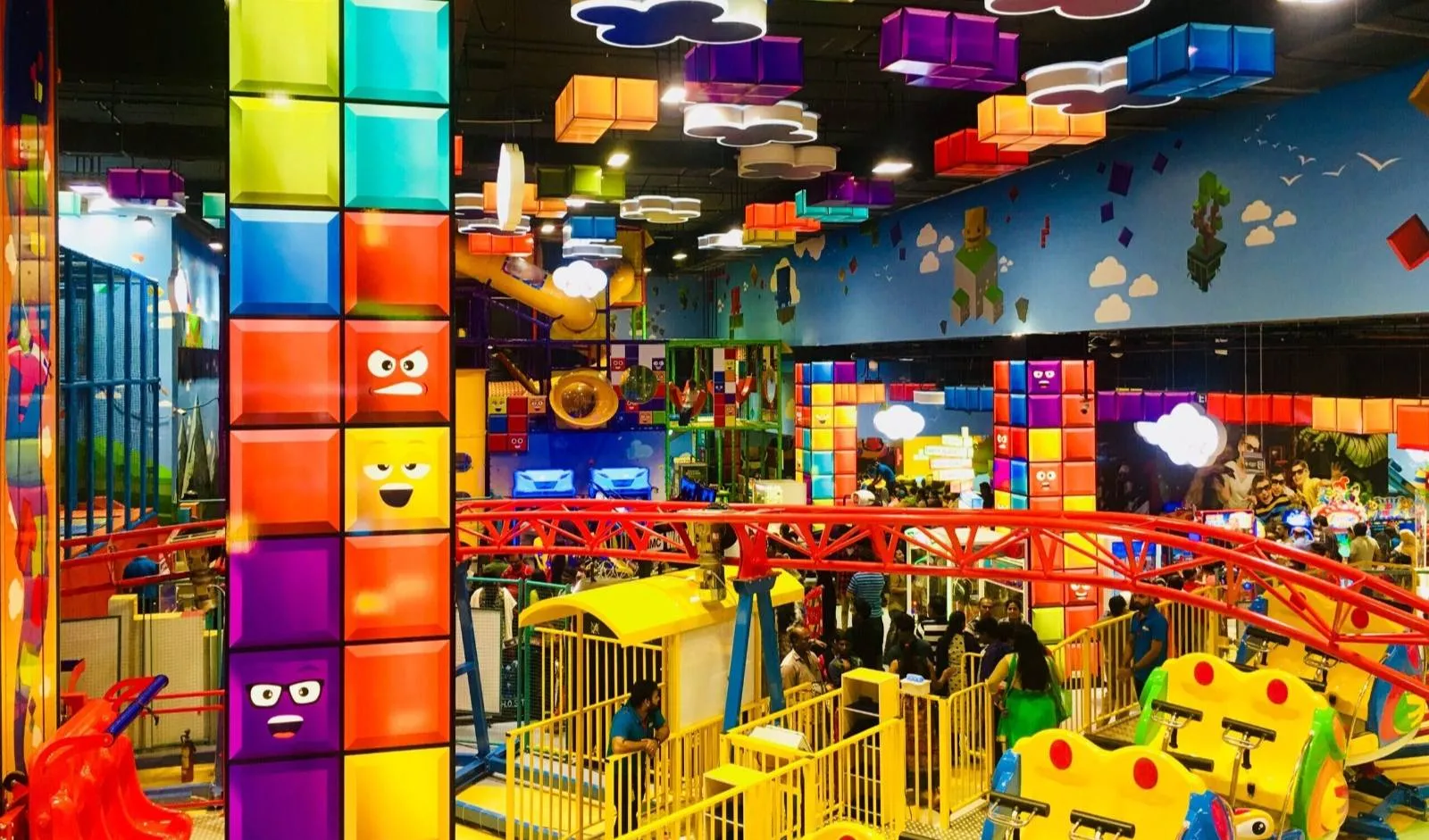
These destinations are in close proximity to Tali Temple Kozhikode and can be visited on the same trip.
Related Destinations
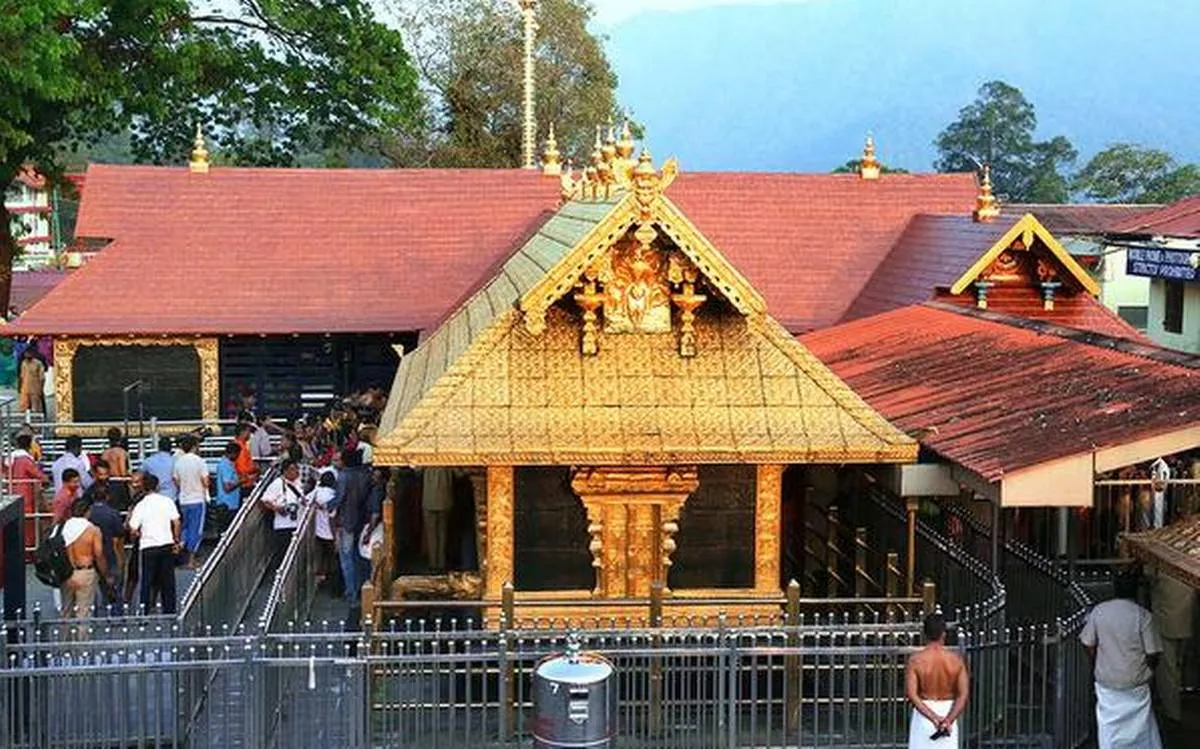
Sabarimala Temple
Guruvayur Temple
Padmanabhaswamy Temple
Ettumanoor Mahadeva Temple
Chottanikkara Temple
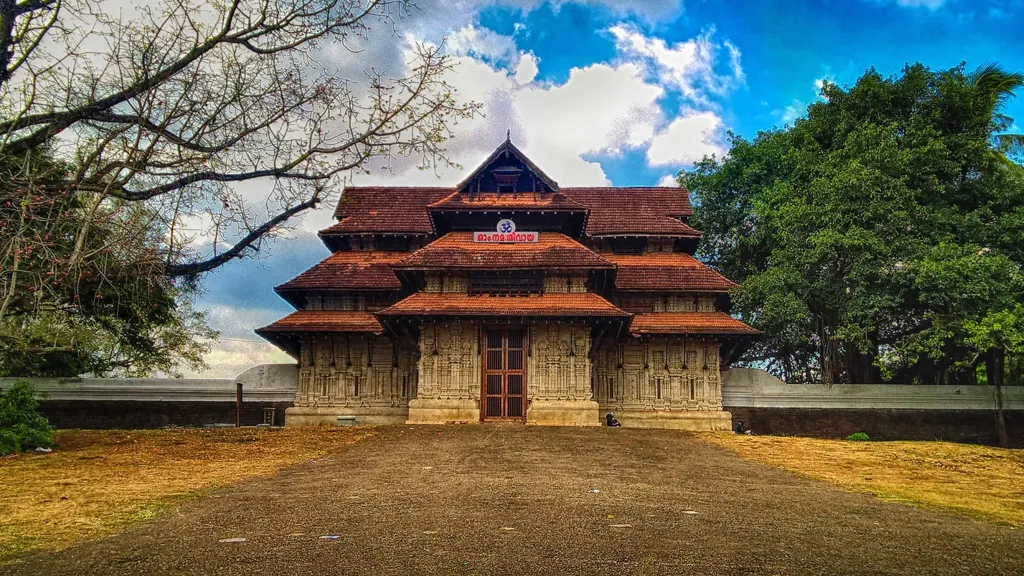
Vadakkunnathan Temple Thrissur
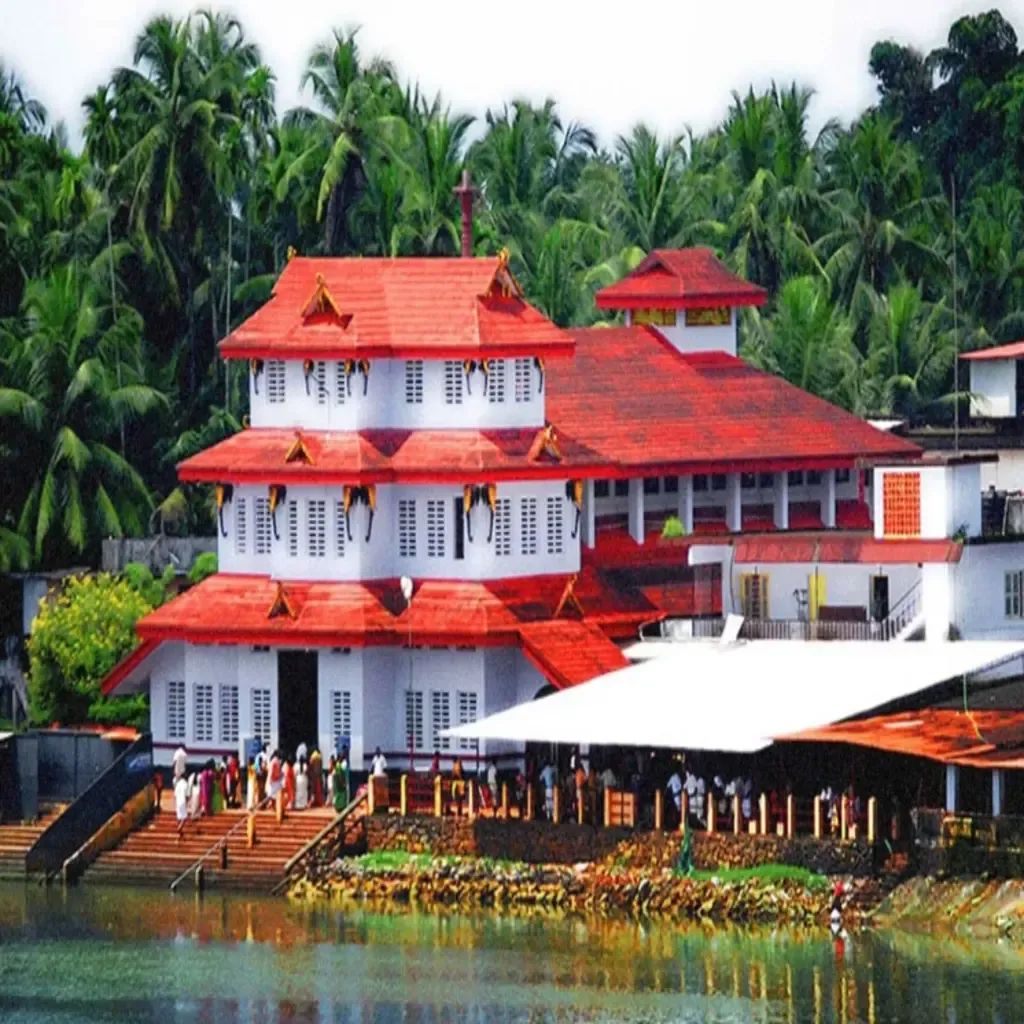
Parassinikadavu Muthappan Temple
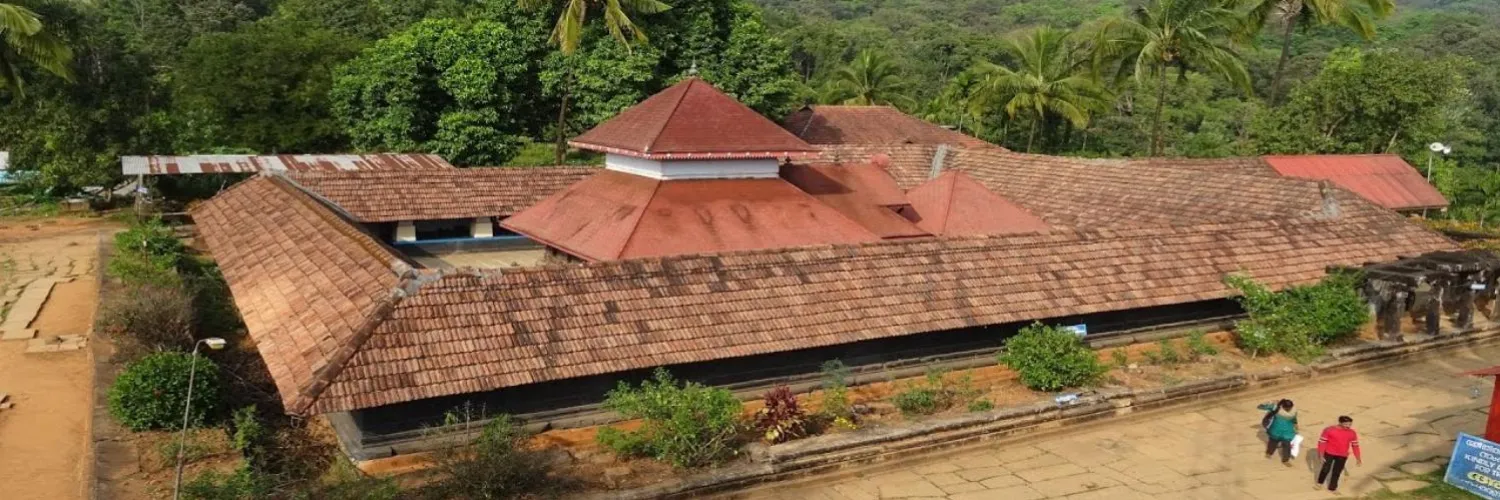
Thirunelli Temple Wayanad
Visit Information
Opening Hours
Entry Fee
Best Time to Visit
October to March
Location
Kozhikode, Kerala, India
Contact
For inquiries: 0495-2724950
Share this destination:
 Translate