
Wayanad
About Wayanad
Introduction to Wayanad
Perched on Kerala's only plateau, at elevations ranging from roughly 700 to 2,100 meters within the Western Ghats, Wayanad is a hill district unlike anywhere else in the state — a landscape of mist-covered peaks, ancient forests, and prehistoric rock art that tells a story stretching back thousands of years before recorded history began. Part of the UNESCO-recognized Nilgiri Biosphere Reserve, Wayanad stands apart even from Kerala's other well-known hill stations like Munnar and Thekkady, combining dense wildlife sanctuaries, spice and coffee plantations, cascading waterfalls, and one of India's most significant living tribal cultures into a single, remarkably diverse district.
For travelers who have already experienced Kerala's backwaters and coastal cities, Wayanad offers a genuinely different kind of encounter: 6,000-year-old petroglyphs at Edakkal Caves, wild elephants and the occasional tiger roaming forests connected to Karnataka's Bandipur and Nagarhole reserves, and a district-wide altitude that keeps the climate noticeably cooler than the rest of Kerala year-round. Its bordering position against both Karnataka and Tamil Nadu also makes it a natural link point for travelers building a broader South Indian hill-country itinerary, whether continuing on to Coorg, Mysore, or Ooty.
This guide covers Wayanad's history and tribal heritage, how to reach it from Kozhikode and Kannur, the best time to visit, its key attractions, food, hotels, a realistic itinerary, nearby places, practical travel tips, and answers to the questions travelers ask most often before visiting.
What Sets Wayanad Apart
Where Munnar is defined almost entirely by its tea estates and Thekkady by its lake and boat safaris, Wayanad resists such a single defining feature. It's simultaneously an archaeological site of genuine global significance, a working plantation landscape, a critical wildlife corridor, and one of the last strongholds of Kerala's indigenous tribal cultures — all within a district smaller than many single American counties. For travelers willing to move beyond a checklist of famous viewpoints, Wayanad offers a rare chance to engage with several distinct layers of South Indian history and ecology within a single, compact trip, making it one of the most intellectually rewarding hill destinations in the entire country.
History of Wayanad
Wayanad's history reaches back further than almost anywhere else in Kerala, with evidence of continuous human settlement stretching from the prehistoric era through a documented record beginning only in the 18th century, leaving a long, comparatively undocumented middle chapter that historians continue to piece together. This gap between prehistoric evidence and formal written record is itself part of what makes the district so fascinating to visit — the physical evidence of ancient life is abundant, even where the connecting historical narrative remains incomplete.
Prehistoric Origins
Historians believe human settlements existed in what is now Wayanad for at least ten centuries BC, with substantial evidence of New Stone Age civilization visible throughout the district's hills. The most striking testament to this deep antiquity is found at Edakkal Caves, where rock engravings dating back roughly 6,000 years — to around 6000 BC — depict human figures, animals, tools, and abstract symbols, making the site one of the earliest known centers of human habitation in the region and among the only locations in India with confirmed Stone Age carvings. Some scholars have also drawn tentative comparisons between certain Edakkal symbols and later Indus Valley script, though this connection remains a subject of ongoing academic debate rather than settled consensus.
The Meaning Behind the Name
The name Wayanad is widely believed to derive from Vayal Nadu, meaning land of paddy fields in Malayalam, a reference to the district's fertile plateau terrain that has supported agriculture for millennia despite its hill-country elevation, distinguishing it agriculturally from the more purely plantation-focused hill stations found elsewhere in South India. This agricultural identity remains visible today in the patchwork of paddy fields still found alongside the district's more famous coffee and spice estates, a reminder that Wayanad's economy has always been more diverse than tea-focused hill stations like Munnar.
Early Kingdoms and Later Colonial Resistance
In the earliest recorded chapters of the district's political history, the wider Kasaragod-Kannur-Wayanad-Kozhikode region was ruled by the Nannans of the Mushika dynasty, who later became known as the Kolathiris, governing as part of the broader Ezhimala Kingdom based in present-day Kannur district. Centuries later, Wayanad's dense forests became the backdrop for one of Kerala's most significant acts of resistance against British colonial rule, led by Kerala Varma Pazhassi Raja, whose guerrilla campaign against the East India Company in the late 18th and early 19th centuries used Wayanad's rugged terrain to considerable strategic advantage, cementing the district's place in the broader story of Indian resistance to colonial expansion. Pazhassi Raja's campaign, fought largely from forest hideouts and relying on local tribal support, remains a significant point of regional pride and is commemorated at several sites within the district today.
The Discovery of Edakkal Caves
Although local communities had long been aware of the Edakkal site, it was formally documented for the wider world in 1890 by Fred Fawcett, then Superintendent of Police for the Malabar district, who came across the caves during a hunting expedition. His subsequent 1901 article in the journal Indian Antiquary brought international scholarly attention to the site's Neolithic-era carvings, some of which are now considered up to 8,000 years old. The site has since been formally protected by the Kerala State Archaeology Department, and ongoing research continues to refine our understanding of exactly who created these carvings and what they meant to the communities that made them.
A Living Tribal Heritage
Wayanad remains home to one of Kerala's largest and most significant indigenous populations, including the Paniya, Kattunaikkan, Adiya, and Kuruma communities, among others. Local tribal dialects, including the Ravula and Paniya languages, remain closely related to Malayalam, and these communities' traditional knowledge, agricultural practices, and cultural traditions continue to shape the district's identity well beyond its tourism industry, offering visitors a rare window into indigenous South Indian life that has adapted, but not disappeared, in the face of modern development. Several community-run initiatives now offer respectful, income-generating ways for travelers to learn about tribal culture directly, an approach many visitors find far more meaningful than passive sightseeing.
How to Reach Wayanad
Wayanad's plateau location, bordering both Karnataka and Tamil Nadu, means the district is most commonly accessed from Kozhikode (Calicut), though multiple approach routes exist depending on where travelers are coming from, making it one of Kerala's more flexible hill destinations in terms of entry points.
By Air
- Calicut (Kozhikode) International Airport (CCJ) is the nearest and most commonly used airport, roughly 65-90 km away depending on the specific part of Wayanad being visited.
- Kannur International Airport (CNN) offers a comparable alternative, particularly useful for travelers approaching Wayanad's northern areas or combining the trip with a Kannur-region itinerary.
- Mysore Airport in Karnataka is a secondary option for travelers approaching from the Karnataka side, particularly if combining Wayanad with a Coorg or Mysore trip.
By Train
- Kozhikode (Calicut) Railway Station is the nearest major rail hub, roughly 65-112 km from various parts of Wayanad depending on the exact destination within the district.
- Mysore Railway Station in Karnataka offers a secondary rail option, roughly 100 km from parts of Wayanad, useful for travelers approaching from the north.
By Road
- Wayanad is well connected by road from Kozhikode (roughly 65-100 km), Mysore (roughly 100 km), and Bangalore (roughly 230 km), with well-maintained highways linking the district to all three cities.
- Regular KSRTC and private buses run from Kozhikode, Mysore, and Bangalore, making road travel a viable option for budget travelers.
- Self-drive or hired taxis are popular given the scenic mountain roads, particularly the winding ghat sections leading up into the district from the Kozhikode side.
For NRI and US-Based Travelers
Travelers coming from the US typically fly into Calicut or Kannur International Airport and make the roughly 2-3 hour drive up into Wayanad, often after a night in Kozhikode or Kannur to recover from the journey. Wayanad also works well as an extension for travelers who have already explored Kochi or Munnar further south, given its position on Kerala's northern edge near the Karnataka border.
Best Time to Visit Wayanad
Ideal Months: October to February
October through February offers the most comfortable weather for exploring Wayanad, with cooler temperatures, clear skies, and generally dry conditions ideal for wildlife safaris, trekking, and waterfall visits. This period also coincides with the Wayanad Wildlife Sanctuary's recommended visiting season, when wildlife sightings tend to be more frequent as animals gather around remaining water sources, and the district's plantations and forests are at their most photogenic under clear winter light.
Monsoon Season (June–September)
The monsoon transforms Wayanad into an intensely green, waterfall-fed landscape, with Soochipara and Meenmutty Falls at their most dramatic. However, heavy rainfall can trigger landslides on some mountain roads and limit safari access within the wildlife sanctuary, so travelers visiting during this period should build flexibility into their itinerary and stay informed about current road conditions.
Wildlife Sanctuary Timings
The Wayanad Wildlife Sanctuary, split between its Muthanga and Tholpetty ranges, operates safari sessions typically from around 7:00 AM to 10:00 AM and again from 3:00 PM to 5:00 PM, with individual visits generally capped at around 1.5 hours. Booking safaris in advance, particularly during peak season, is strongly recommended given limited daily capacity, and travelers should factor these fixed session windows into their broader daily itinerary rather than assuming the sanctuary is accessible at any time.
Months to Approach with Caution
March through May brings hotter, more humid conditions to Wayanad compared to the cooler winter months, though the district's elevation still keeps temperatures noticeably milder than Kerala's coastal cities even during this period.
Top Attractions
Wayanad's appeal spans prehistoric archaeology, dense wildlife habitat, dramatic waterfalls, and engineered landmarks, giving the district one of the most varied attraction lists of any hill destination in South India.
Edakkal Caves
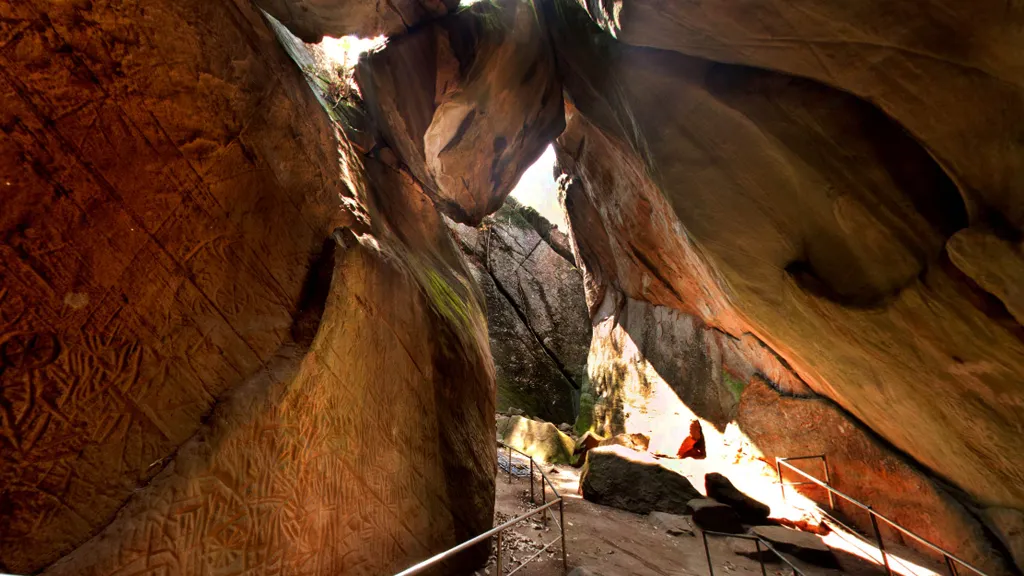
Perched roughly 1,200 meters up on Ambukutty Mala near Sulthan Bathery, Edakkal Caves house some of India's only confirmed Stone Age rock carvings, dating back as far as 6000 BC. The site requires a moderately challenging trek via narrow iron steps to reach the two-level rock shelter, but rewards visitors with both extraordinary ancient art and sweeping views over Wayanad's tea plantations and mountain peaks from the top. Despite the name, the site isn't technically a cave but rather a natural rock shelter formed when a massive boulder became wedged in a fissure, and the engravings found across its two chambers include human figures, animals, wheels, carts, and symbols that scholars continue to study and debate the meaning of.
Wayanad Wildlife Sanctuary
Split into the Muthanga and Tholpetty ranges, this sanctuary forms part of the Nilgiri Biosphere Reserve and connects ecologically to Karnataka's Bandipur and Nagarhole National Parks, together forming one of South India's most significant tiger and elephant conservation corridors. Jeep safaris offer the chance to spot elephants, deer, and a wide range of birdlife, with tiger and leopard sightings possible but far from guaranteed. Muthanga, in the sanctuary's southern section, and Tholpetty, in the north near Thirunelli, each offer a somewhat different terrain and wildlife-viewing experience, so travelers with time for both may want to sample each range separately.
Chembra Peak
At 2,100 meters, Chembra Peak is Wayanad's highest point and one of its most popular trekking destinations, known for its distinctive heart-shaped lake near the summit and sweeping views over the surrounding valleys and tea estates. Note that trekking access to the peak has been subject to periodic conservation-related restrictions in recent years, so it's worth confirming current permit and access rules before planning a summit attempt. The trek itself typically starts from the town of Meppady, roughly eight kilometers south of Kalpetta, and offers a moderately challenging climb suitable for reasonably fit hikers rather than complete beginners.
Banasura Sagar Dam
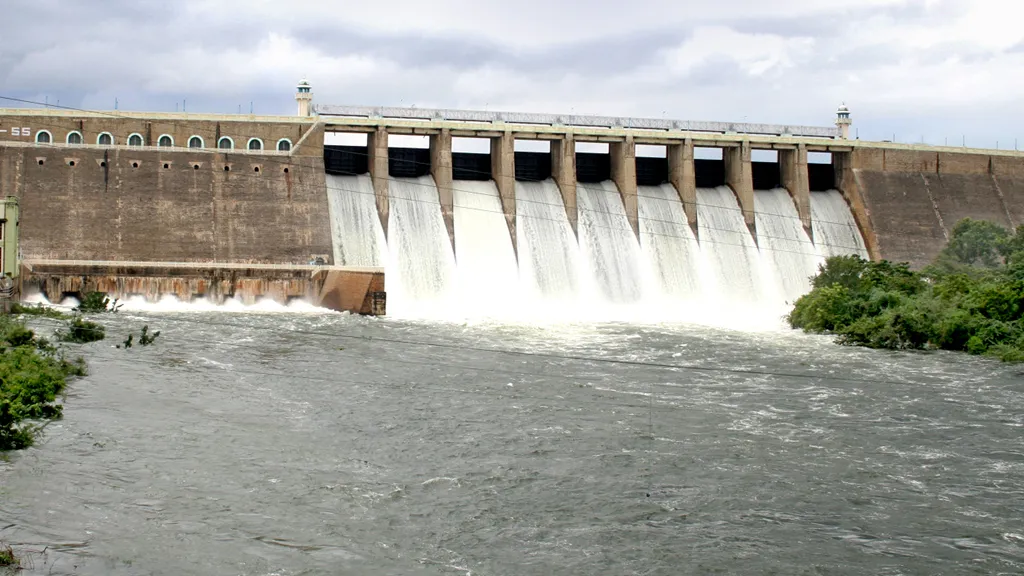
India's largest earthen dam, Banasura Sagar sits at the foothills of Banasura Hill, the third-highest peak in the Western Ghats, and offers boating, trekking, and scenic reservoir views framed by the surrounding forested hills. The dam takes its name from Banasura, son of the legendary King Mahabali, who is said to have undertaken severe penance atop the surrounding hills, adding a layer of mythological significance to what is otherwise a striking feat of modern engineering.
Soochipara and Meenmutty Waterfalls
Also known as Sentinel Rock Waterfalls, Soochipara cascades down in three tiers through dense forest and offers a natural pool for a refreshing dip. Meenmutty, reached via a roughly 1.5-kilometer walk from its entrance, drops more than 800 feet through multiple tiers and ranks among Wayanad's most dramatic waterfalls. Both sites are at their most spectacular during and immediately after the monsoon, though swimming areas can become significantly more hazardous during periods of heavy rainfall, so it's worth checking current conditions before planning a swim.
Kuruva Island
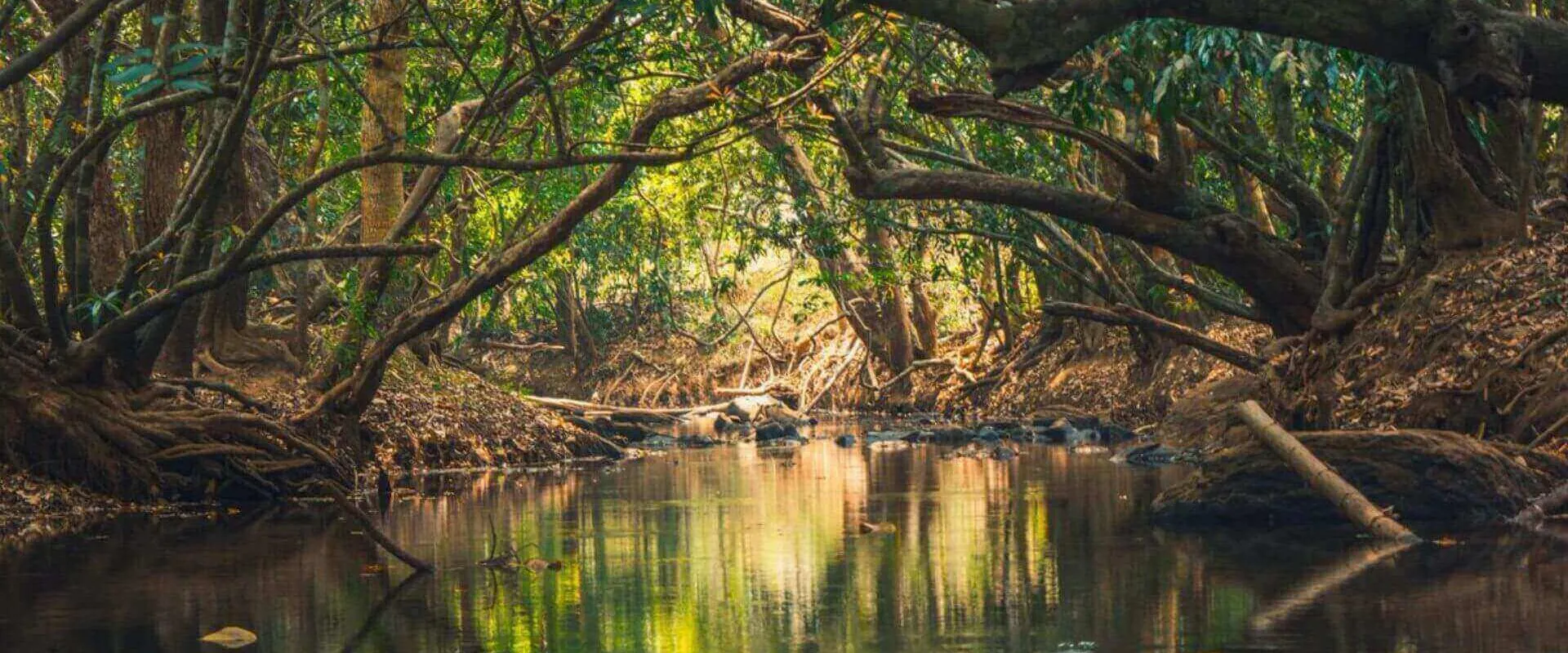
A roughly 950-acre river-island ecosystem on the Kabini River, Kuruva Island is known for its dense evergreen forest, diverse birdlife, and traditional bamboo-raft boat rides, offering one of Wayanad's most tranquil, nature-immersive experiences. The island's protected status means access is carefully managed, and visitors typically explore via guided walkways and raft crossings rather than open independent wandering, helping preserve its unusually pristine riverine ecosystem.
Pookode Lake
A natural freshwater lake surrounded by wooded hills, Pookode offers boating and a peaceful walking path, and is often paired with a visit to nearby attractions given its central location within the district, making it one of the easiest stops to slot into almost any Wayanad itinerary regardless of which other sights are on the day's agenda.
Wayanad's Unique Ecology
Beyond its individual attractions, Wayanad sits within a globally significant ecological zone, and understanding its place within this broader landscape adds real depth to a visit.
The Nilgiri Biosphere Reserve
Wayanad forms an integral part of the Nilgiri Biosphere Reserve, a UNESCO-recognized conservation zone spanning parts of Kerala, Tamil Nadu, and Karnataka. This designation reflects the exceptional biodiversity found across the reserve's forests, grasslands, and shola ecosystems, and Wayanad's own wildlife sanctuary functions as a critical link within this much larger protected landscape, one of the most ecologically significant conservation areas anywhere in the Indian subcontinent.
A Critical Wildlife Corridor
Wayanad Wildlife Sanctuary connects directly to Karnataka's Bandipur and Nagarhole National Parks, together forming one of India's most important tiger and elephant conservation corridors. This connectivity allows wildlife populations to move across state boundaries, supporting genetic diversity and larger, more resilient populations than any single protected area could sustain on its own, and it's a major reason conservationists consider this tri-state forest complex one of the most significant tiger landscapes remaining anywhere in India.
Coffee, Spice, and Forest Coexistence
Unlike Munnar's tea-dominated landscape, Wayanad's agricultural economy centers more heavily on coffee, pepper, and cardamom, often grown in shaded plantations that maintain a meaningful degree of forest canopy cover. This shade-grown cultivation model means Wayanad's plantation areas support noticeably more biodiversity than more intensively managed tea estates elsewhere in Kerala, blurring the line between agricultural and wild landscape in a way that's distinctive even within South India's broader hill-country tourism circuit. Many local farms now welcome visitors for guided walks and tastings, offering a hands-on way to understand this shade-grown farming model up close.
Hidden Gems Around Wayanad
Phantom Rock
A striking natural rock formation resembling a human skull when viewed from certain angles, Phantom Rock near Ambalavayal offers a quirky, less-crowded photo stop just a short distance from Edakkal Caves, and pairs easily with a visit to the caves and heritage museum in the same half-day outing.
Ambalavayal Heritage Museum
Home to an extensive collection of artifacts recovered from Wayanad's Neolithic sites, including tools and earthenware from the ancient burial sites known as Muniyaras, this museum offers valuable context for understanding the district's prehistoric significance beyond what's visible at Edakkal Caves itself. It's considered one of Kerala's most significant archaeological museums and is well worth an hour or two for anyone with a serious interest in the region's deep history.
Lakkidi Viewpoint
Often described as the gateway to Wayanad, Lakkidi offers sweeping forested-hill views and a noticeably cooler microclimate, making it a popular first stop for travelers arriving from the Kozhikode side of the ghat road, and a good place to pause and adjust to the district's cooler, higher-altitude climate before continuing further inland.
Karapuzha Dam
A quieter alternative to Banasura Sagar, Karapuzha Dam offers scenic reservoir views and open park spaces without the larger crowds that gather at Wayanad's more famous attractions, making it a good choice for travelers seeking a relaxed picnic spot away from the district's busier tourist trail.
Things to Do in and Around Wayanad
Wayanad's combination of archaeology, wildlife, and natural landscape supports a wide range of activities beyond simple sightseeing, making it easy to fill several days without repeating the same kind of outing twice.
- Trek to Edakkal Caves to see prehistoric rock engravings up close, one of the most rewarding archaeological experiences available anywhere in South India.
- Take a jeep safari through Muthanga or Tholpetty ranges of Wayanad Wildlife Sanctuary.
- Trek toward Chembra Peak, subject to current access permissions.
- Go boating at Banasura Sagar Dam or Pookode Lake.
- Take a bamboo-raft ride around Kuruva Island's forested waterways.
- Visit a working spice or coffee plantation to learn about Wayanad's agricultural traditions.
- Explore the Ambalavayal Heritage Museum for deeper archaeological context.
- Photograph Soochipara or Meenmutty Waterfalls, especially dramatic during and just after monsoon season.
Local Food to Try
Wayanad's cooler highland climate and tribal heritage together shape a distinctive food culture, blending mainstream Malabar cuisine with regional specialties found nowhere else in Kerala.
Wayanad Specialties
- Bamboo rice — a distinctive regional specialty made from the seeds of flowering bamboo, often prepared as a payasam or savory dish.
- Malabar biryani — the wider Malabar region's richly spiced biryani tradition is well represented throughout Wayanad's restaurants.
- Jackfruit-based dishes — Wayanad's tropical highland climate supports abundant jackfruit cultivation, used in everything from curries to traditional snacks.
- Kerala Sadya — the traditional multi-course vegetarian meal served on a banana leaf, widely available across the district.
Tribal and Plantation-Influenced Cuisine
Wayanad's tribal communities maintain distinct culinary traditions built around forest produce, wild greens, and traditional preparation methods, occasionally available through community-run eateries or cultural tourism initiatives. The district's extensive coffee and spice plantations also mean fresh, locally sourced coffee, pepper, and cardamom are widely available for tasting and purchase, and several estates now offer guided tastings that walk visitors through the full journey from bean or pod to finished product.
Tips for Travelers
Wayanad's dining scene caters well to both vegetarian and non-vegetarian travelers, with a strong Malabar culinary influence throughout the district's restaurants and homestays.
Where to Stay: Hotels Near Wayanad
Wayanad's tourism infrastructure has grown considerably in recent years, and the district now offers accommodation options ranging from simple town lodges to some of Kerala's most distinctive plantation and treehouse stays.
Kalpetta and Sulthan Bathery
These two towns serve as Wayanad's main commercial hubs, offering a wide range of budget, mid-range, and business hotels within convenient reach of the district's major attractions.
Plantation Stays and Eco-Resorts
Wayanad is particularly well known for its plantation-stay resorts, treehouses, and eco-lodges set amid coffee, tea, and spice estates, offering a more immersive nature experience than staying in the district's main towns. Several of these properties emphasize sustainable, low-impact construction and operations, reflecting the district's broader identity as one of Kerala's most environmentally conscious tourism destinations.
Booking Considerations
Wayanad's peak season, driven substantially by weekend travelers from Bangalore and Kerala's own cities, runs roughly from October through May. Booking ahead is advisable during this period, particularly around major holidays and weekends.
Budget Guide
Wayanad accommodates a wide range of travel budgets, from simple backpacker lodges in Kalpetta to some of Kerala's most exclusive eco-resorts and treehouse stays.
Entry Fees and Activities
Most of Wayanad's major attractions charge modest entry fees, with wildlife safaris and boating activities carrying their own separate, generally inexpensive charges, while several viewpoints and natural sites remain free to visit. Plantation tours and tribal cultural experiences typically involve their own separate fees, usually modest, that go directly toward supporting the communities and estates hosting them.
Approximate Daily Budgets (India-Based Travel)
- Budget traveler: Local buses, budget lodging in Kalpetta or Sulthan Bathery, and simple local meals — an affordable way to experience Wayanad's main sights.
- Mid-range traveler: A private taxi for sightseeing, a comfortable mid-range hotel or homestay, and a mix of local and restaurant dining.
- Comfort/luxury traveler: A private car with driver for the duration of the stay, a plantation resort or eco-lodge, and guided wildlife safaris or trekking excursions.
For International Travelers
Once in Kerala, day-to-day costs in Wayanad remain inexpensive by US standards, with international airfare and any high-end resort stays making up the larger share of an overall trip budget.
Sample 2-Day Itinerary
A simple two-day structure covers Wayanad's most essential sights across archaeology, wildlife, and natural scenery, though travelers with more time can easily extend the trip to include plantation visits or a cross-border extension into Coorg.
Day 1: Edakkal Caves and Sulthan Bathery Area
- Morning: Trek to Edakkal Caves to see prehistoric rock carvings and enjoy panoramic views from Ambukutty Mala.
- Midday: Visit the Ambalavayal Heritage Museum for further archaeological context.
- Afternoon: Stop at Phantom Rock, a short distance from Edakkal, before heading toward Sulthan Bathery.
- Evening: Explore the historic Jain temple in Sulthan Bathery before dinner.
Day 2: Wildlife and Waterfalls
- Early Morning: Take a jeep safari through Muthanga or Tholpetty range of Wayanad Wildlife Sanctuary.
- Midday: Lunch at a local restaurant featuring Malabar specialties.
- Afternoon: Visit Soochipara or Meenmutty Waterfalls, depending on your route and time available.
- Evening: Wind down with a boating session at Pookode Lake or Banasura Sagar Dam.
Nearby Places to Visit
Wayanad's border location puts a wide range of Kerala and Karnataka's best-known attractions within reasonable reach, making it a natural hub for a broader multi-state hill-country trip.
- Thirunelli Temple: A historic Vishnu temple set deep in the Brahmagiri forest, known for its ancestral rites and dramatic mountain setting.
- Pakshipathalam Bird Sanctuary: A remote trekking destination near Thirunelli, known for its rich birdlife.
- Coorg (Kodagu), Karnataka: A scenic coffee-growing district just across the border, commonly combined with a Wayanad trip.
- Mysore, Karnataka: A historic city with royal palaces and heritage sites, reachable within a few hours from Wayanad.
- Kozhikode (Calicut): Kerala's main gateway city for the region, offering historic sites, beaches, and easy onward international connections.
- Kannur: A coastal district known for Theyyam ritual art and colonial-era forts, accessible from Wayanad's northern areas.
Building a Cross-Border Hill Country Itinerary
Wayanad's position bordering both Karnataka and Tamil Nadu makes it a natural anchor for a broader South Indian hill-country trip, easily combined with Coorg's coffee estates, Mysore's royal heritage, or a continuation south toward Kerala's other major hill stations like Munnar. This cross-border flexibility is one of Wayanad's most practical advantages as a travel base, since it allows travelers to experience two or even three distinct regional cultures — Malayali, Kannadiga, and Tamil — within a single, relatively compact multi-day trip.
Travel Tips
Wayanad's forested, wildlife-rich setting calls for a bit more preparation than Kerala's coastal or backwater destinations, particularly around safety, permits, and seasonal road conditions.
- Wildlife caution: Wayanad's forests are home to wild elephants and other large mammals; avoid trekking alone in forested areas, and always travel with a local guide or driver familiar with current conditions.
- Book safaris in advance: Wayanad Wildlife Sanctuary limits daily visitor numbers; booking ahead, particularly during peak season, helps avoid disappointment.
- Check trekking permissions: Access to Chembra Peak and other trekking routes can be subject to periodic conservation-related restrictions; confirm current rules before planning a trek.
- Pack for cooler weather: Wayanad's elevation keeps temperatures noticeably cooler than coastal Kerala, especially in the early morning and evening; pack layers regardless of season.
- Monsoon planning: If visiting during the monsoon, stay informed about road conditions, since heavy rainfall can occasionally trigger landslides on some mountain routes.
- Respect tribal communities: If visiting tribal settlements or cultural sites, do so respectfully and, where possible, through organized community tourism initiatives rather than independently.
- Connectivity: Mobile network coverage can be inconsistent in more remote forested areas; plan accordingly if relying on navigation apps.
- Language: Malayalam is the primary local language, with several tribal dialects also spoken; Hindi, Kannada, and English are generally understood in hotels and tourist-facing businesses given Wayanad's border location.
Frequently Asked Questions
The following questions cover the practical details travelers most often want clarified before planning a Wayanad trip.
1. What is Wayanad famous for?
Wayanad is famous for its prehistoric Edakkal Cave carvings, its wildlife sanctuary connected to Karnataka's tiger reserves, Chembra Peak's heart-shaped lake, India's largest earthen dam at Banasura Sagar, and its rich, still-living tribal heritage, along with its shade-grown coffee and spice plantations.
2. How far is Wayanad from Kozhikode?
Wayanad is roughly 65-100 km from Kozhikode depending on the specific destination within the district, typically a drive of 1.5 to 2.5 hours through scenic ghat roads that climb steadily into the Western Ghats.
3. What is the best time to visit Wayanad?
October through February offers the most comfortable weather and the best conditions for wildlife safaris and trekking, while the June-September monsoon period brings dramatic waterfalls but occasional road disruptions and reduced safari access within the sanctuary.
4. Is it possible to see wild elephants or tigers in Wayanad?
Elephant sightings are relatively common within Wayanad Wildlife Sanctuary's Muthanga and Tholpetty ranges, given the district's connection to the broader Nilgiri tiger and elephant conservation corridor, though tiger sightings are rarer and never guaranteed. Guided jeep safaris offer the safest and most reliable way to encounter wildlife, and early morning sessions tend to offer the best chances of a meaningful sighting.
5. Is Chembra Peak open for trekking?
Access to Chembra Peak has been subject to periodic conservation-related restrictions in recent years; it's best to confirm current permit requirements and access rules with local authorities or your hotel before planning a summit attempt, since policies can change with relatively little advance notice depending on seasonal and ecological factors.
6. Do I need to book Wayanad Wildlife Sanctuary safaris in advance?
Yes, booking ahead is recommended, particularly during peak season, since the sanctuary limits daily visitor numbers and safari sessions run on a fixed morning and afternoon schedule, and walk-in slots can sell out quickly on weekends and holidays.
7. How many days should I spend in Wayanad?
Two to three days is generally enough to cover Wayanad's main attractions, including Edakkal Caves, a wildlife safari, and one or two waterfalls or lakes; additional days allow for deeper exploration of plantations, tribal cultural sites, or a Chembra Peak trek if access permits, along with a possible day trip across the border into Coorg or Mysore.
8. Is Wayanad suitable for families with children?
Yes — attractions like Pookode Lake boating, Kuruva Island's gentle bamboo-raft rides, and wildlife safaris are generally well suited to families, though more strenuous treks are better suited to older children and adults, and most resorts in the district cater well to families with dedicated activity programs.
9. How old are the Edakkal Cave carvings?
The carvings at Edakkal Caves date back as far as 6000 BC, with some estimates placing the oldest engravings at up to 8,000 years old, making them among the only confirmed Stone Age rock art sites in India and one of the earliest known centers of human artistic expression anywhere in South Asia.
10. Can Wayanad be combined with a trip to Coorg or Mysore?
Yes — Wayanad's location bordering Karnataka makes it easy to combine with Coorg's coffee estates or Mysore's royal heritage sites, both reachable within a few hours by road, allowing for a rich multi-state itinerary within a relatively short overall trip.
11. Is Wayanad a good honeymoon destination?
Yes — Wayanad's plantation resorts, treehouses, and private nature stays make it a popular honeymoon and romantic getaway destination within Kerala, often paired with the state's backwaters for a fuller contrast of landscapes, and its quieter, less commercialized atmosphere compared to Munnar appeals to couples seeking more privacy.
12. What should I pack for a Wayanad trip?
Warm layers for cool mornings and evenings, comfortable trekking shoes, insect repellent for forested areas, and rain gear if traveling during the monsoon season are all worth including regardless of the time of year, along with a good camera or binoculars for wildlife safaris and birdwatching.
13. Is Wayanad safe for solo travelers?
Wayanad is generally considered safe for solo and independent travel by Kerala standards, though standard precautions apply, particularly around wildlife areas and forested trekking routes, where traveling with a local guide is strongly advised, and it's wise to inform your accommodation of your plans before any independent hike.
Conclusion
Wayanad offers a side of Kerala defined as much by deep time and wilderness as by scenic beauty — a plateau where 6,000-year-old rock art, wild elephant corridors, and one of India's most significant tribal cultures coexist alongside spice plantations, waterfalls, and India's largest earthen dam. Whether your interest lies in tracing humanity's earliest artistic expressions at Edakkal Caves, tracking wildlife through the Nilgiri Biosphere Reserve, or simply enjoying the cool, misty calm of Kerala's only plateau, Wayanad rewards travelers willing to venture toward the state's northern hill country. Pair a visit with Kozhikode's coastal heritage or a cross-border extension into Coorg or Mysore for a well-rounded exploration of one of South India's most historically and ecologically rich corners.
Few destinations pack quite so many distinct layers of interest into a single district — prehistoric archaeology sitting a short drive from active tiger habitat, colonial resistance history unfolding in the same forests where tribal communities have lived for millennia, and a climate cool enough to make even a midday hike genuinely comfortable. Travelers who set aside enough time to move slowly through Wayanad, rather than rushing between photo stops, tend to come away with the deepest appreciation for just how much this quiet plateau has to offer.
Photo Gallery
What you'll experience
- 1
Trek to Chembra Peak
- 2
Explore Edakkal Caves
- 3
Visit Pookode Lake
- 4
Spot wildlife in Wayanad Sanctuary
Explore More
Nearby Destinations
Thirunelli Temple Wayanad
Kuruva Island
Edakkal Caves
Banasura Sagar Dam
These destinations are in close proximity to Wayanad and can be visited on the same trip.
Related Destinations
Sabarimala Temple
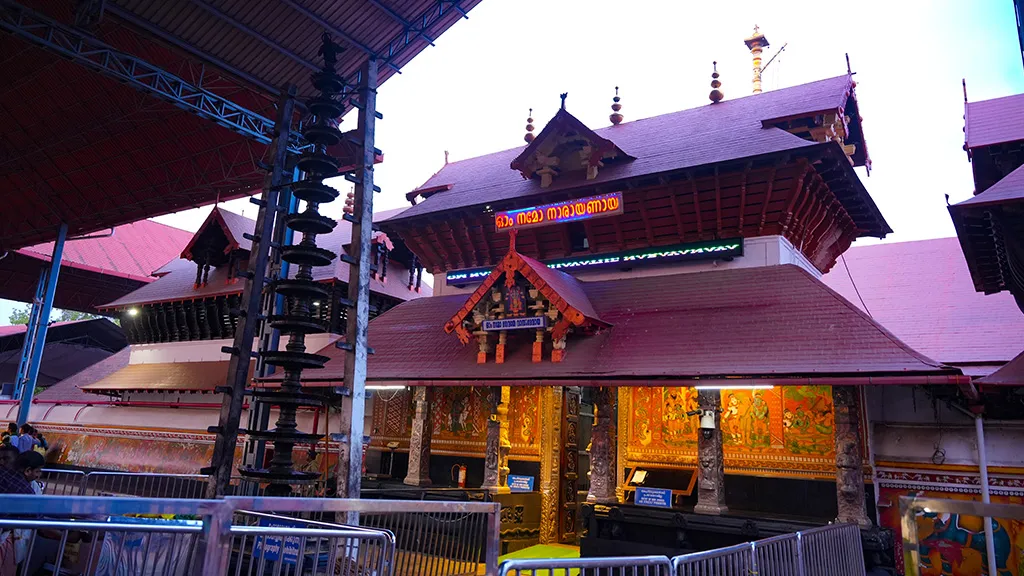
Guruvayur Temple
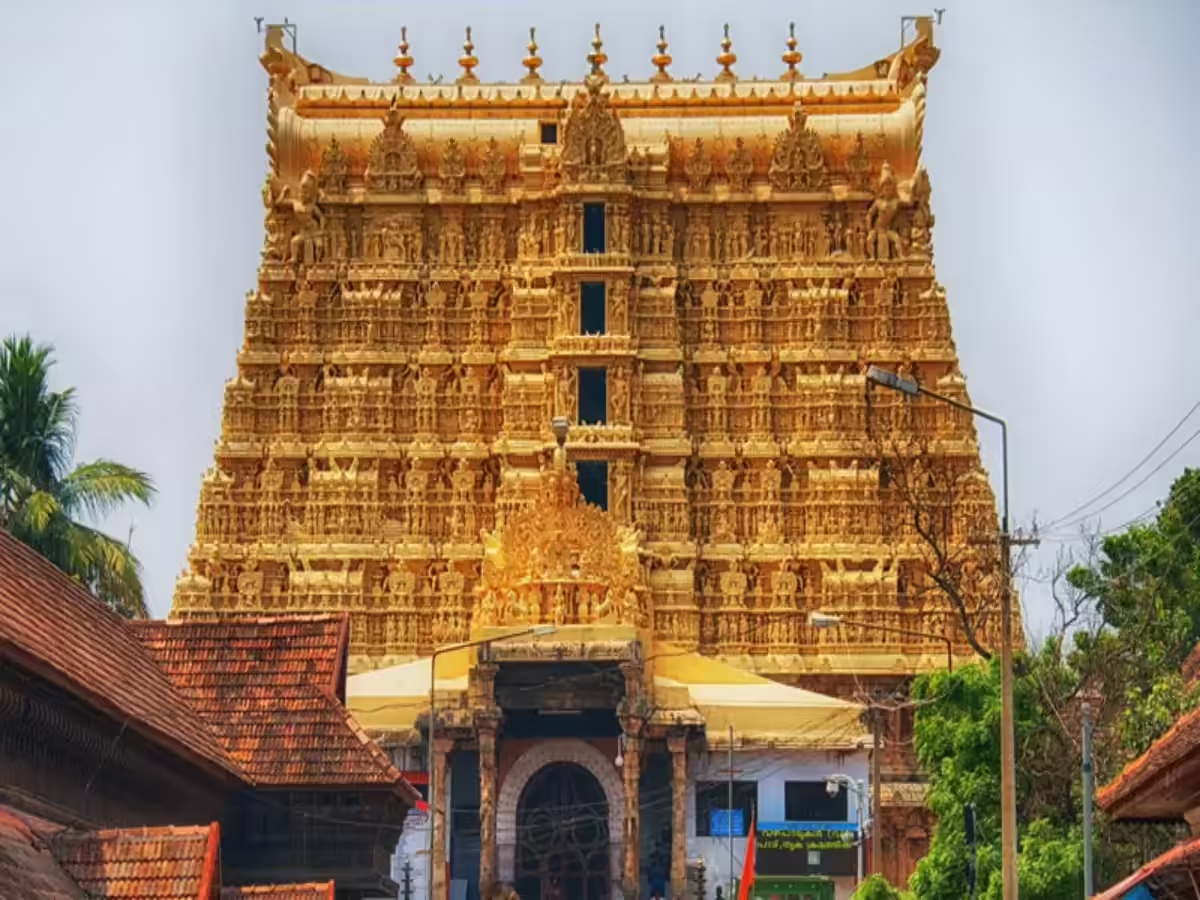
Padmanabhaswamy Temple
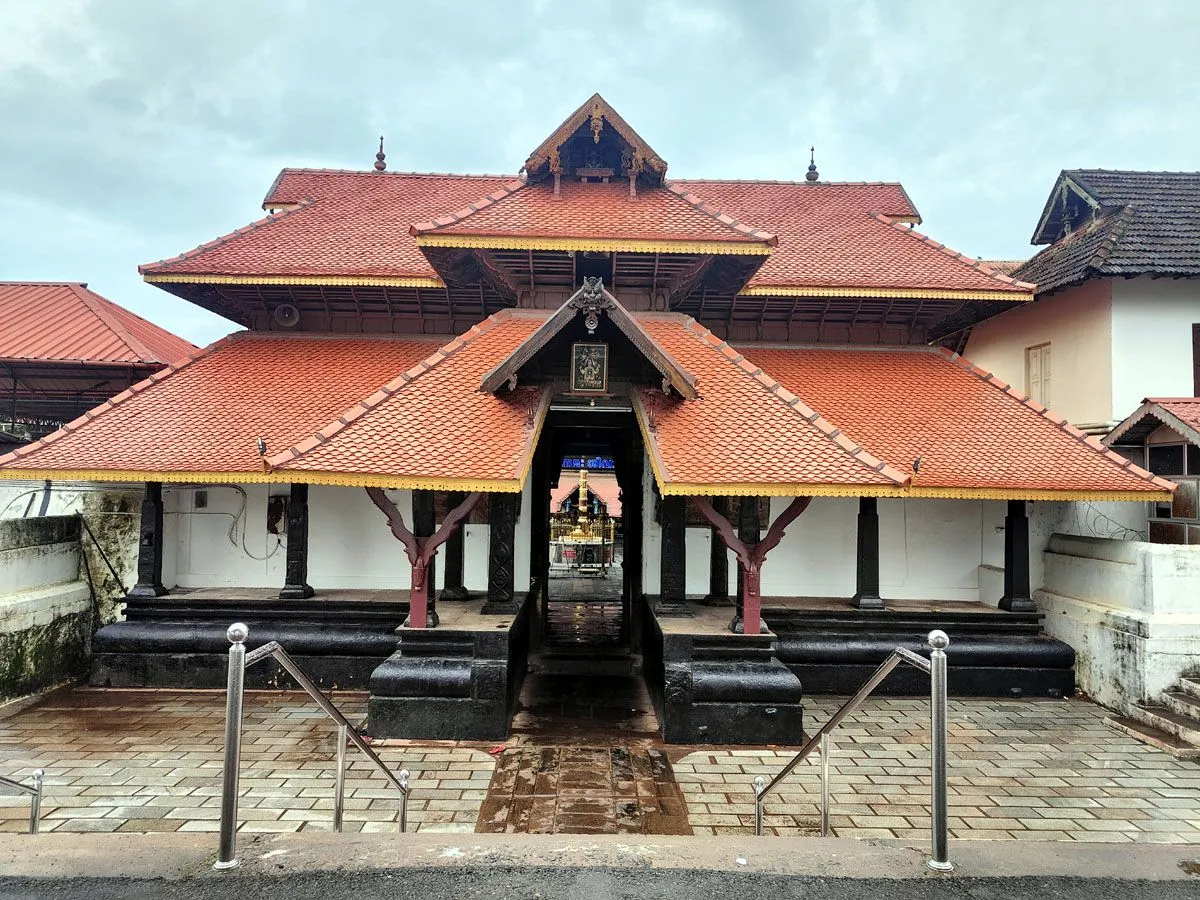
Ettumanoor Mahadeva Temple
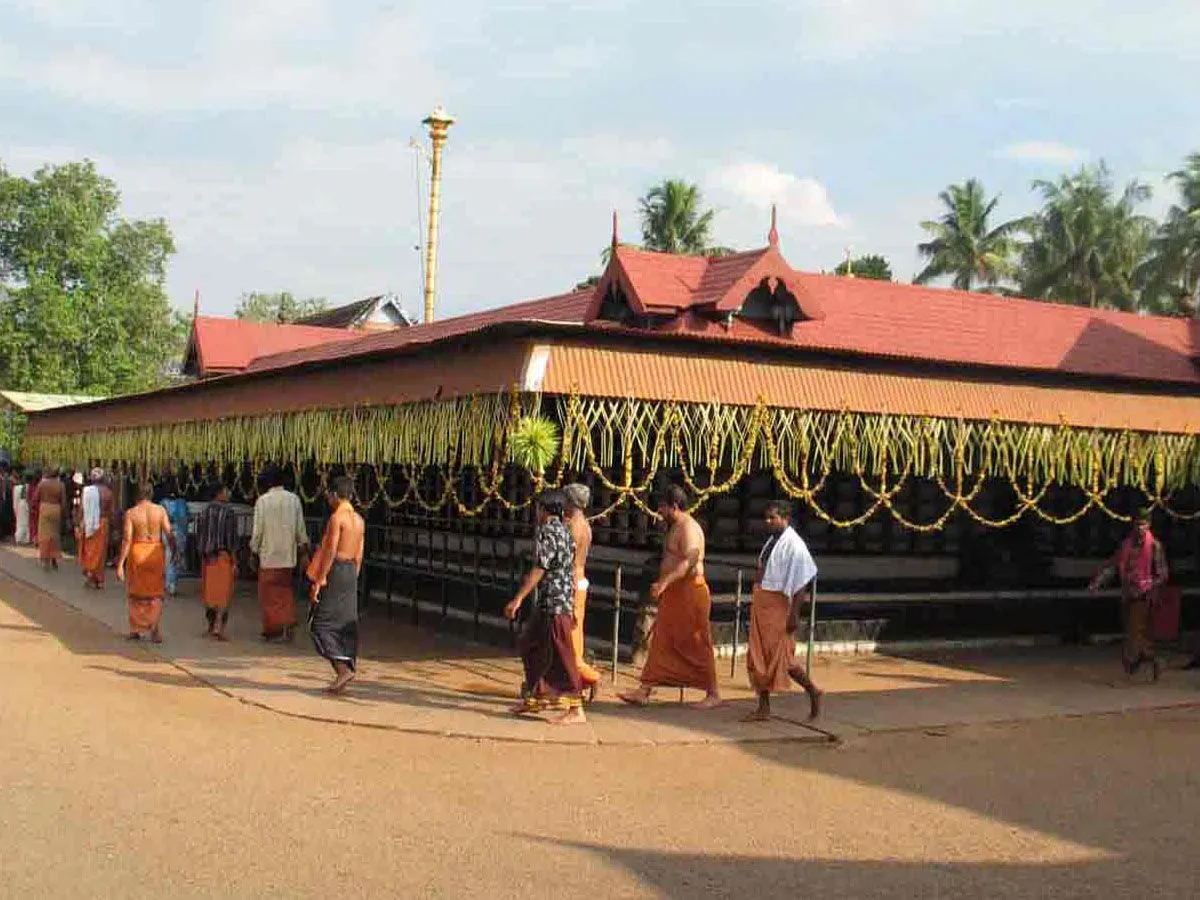
Chottanikkara Temple
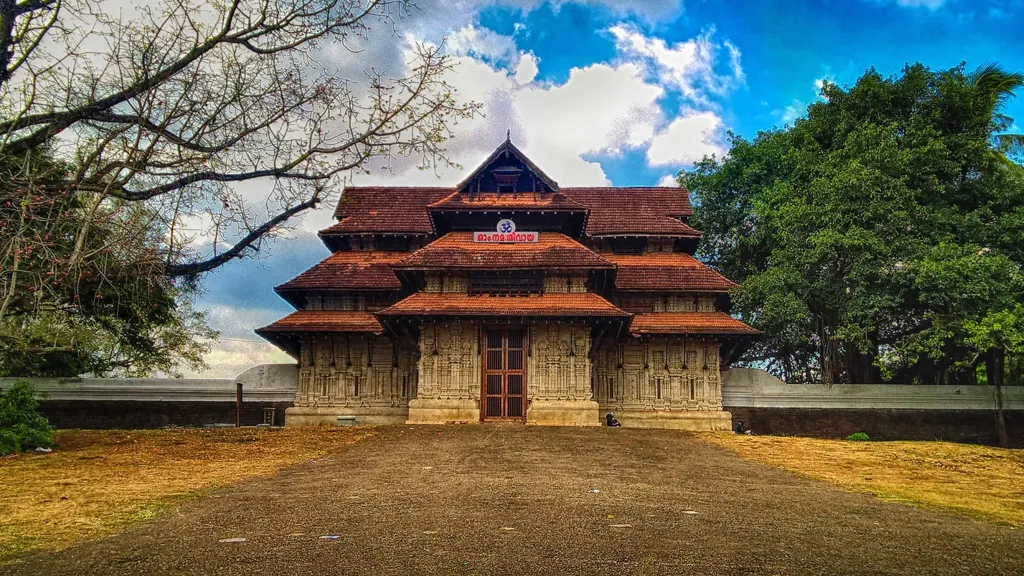
Vadakkunnathan Temple Thrissur
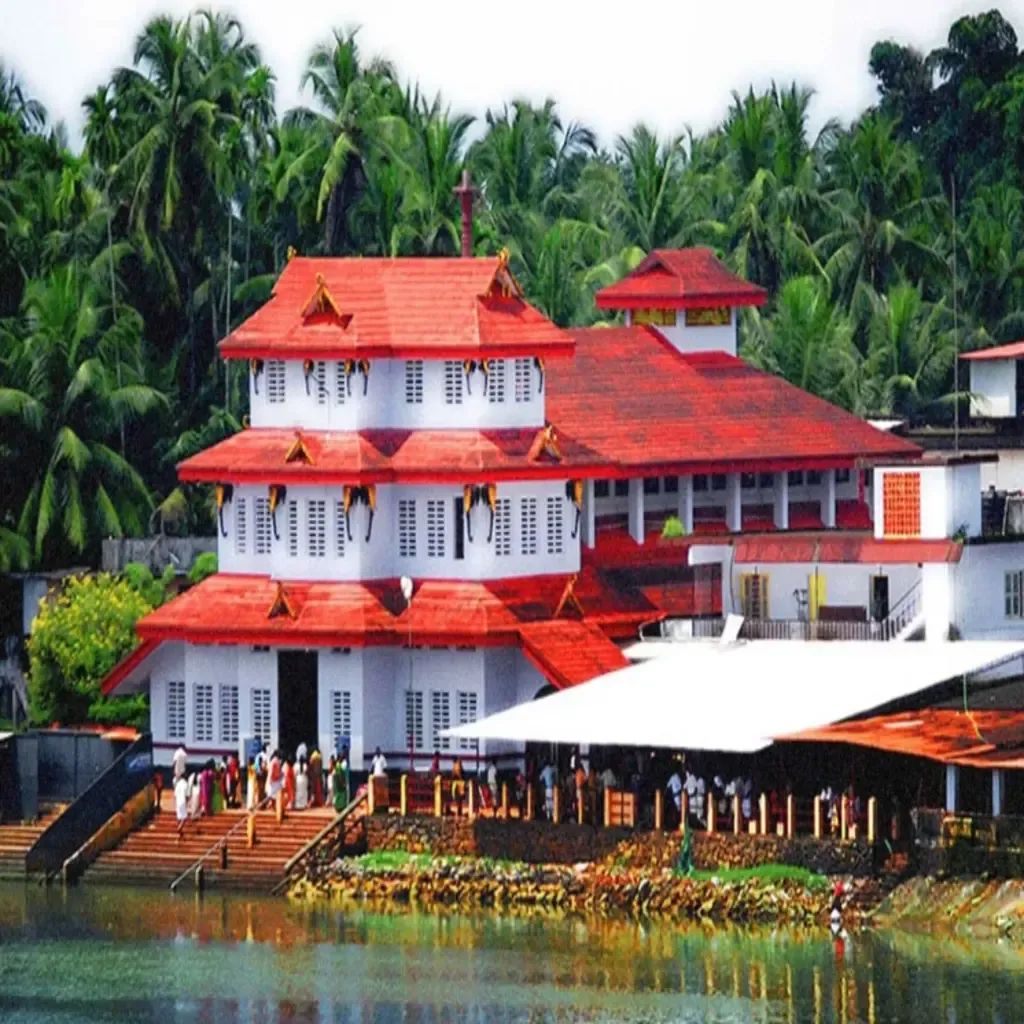
Parassinikadavu Muthappan Temple
Thirunelli Temple Wayanad
Visit Information
Opening Hours
Entry Fee
Best Time to Visit
October to May
Location
Wayanad District, Kerala, India
Contact
For inquiries: 04936-202134
Share this destination:
 Translate