
Wayanad Wildlife Sanctuary
About Wayanad Wildlife Sanctuary
Introduction: The Wild Kingdom of Wayanad
Stretching across 344.44 square kilometers in the serene high plateaus of northern Kerala, Wayanad Wildlife Sanctuary stands as the second largest wildlife sanctuary in God's Own Country. Established in 1973, this ecologically vital reserve forms an integral part of the Nilgiri Biosphere Reserve—UNESCO's first designated biosphere reserve in India. Bordered by the contiguous protected areas of Nagarhole National Park and Bandipur National Park in Karnataka to the north and east, and Mudumalai National Park in Tamil Nadu to the southeast, Wayanad Wildlife Sanctuary acts as a crucial trans-boundary corridor for wild Asian elephants, Bengal tigers, Indian gaurs, and leopards.
Divided into four administrative forest ranges—Muthanga, Tholpetty, Sulthan Bathery, and Kurichiat—the sanctuary is predominantly visited via its primary eco-tourism safari zones at Muthanga and Tholpetty. Surrounded by damp deciduous forests, semi-evergreen groves, and sprawling teak plantations interspersed with bamboo brakes, Wayanad offers domestic travelers from across India, international tourists from the US, and nature enthusiasts an exceptional opportunity to experience wild animal interactions in their natural habitat. Managed by the Kerala Forest and Wildlife Department, Wayanad Wildlife Sanctuary prioritizes sustainable eco-tourism, allowing visitors to explore deep wilderness via guided Jeep safaris and peaceful nature trails.
History and Heritage: The Ancient Gateway of the Nilgiris
The history of the Wayanad region is deeply rooted in both prehistoric heritage and freedom movements. The name 'Wayanad' is derived from 'Vayal Naad', meaning the land of paddy fields. Archaeological findings in nearby caves indicate that these dense mountain forests have been inhabited by humans since the New Stone Age. Indigenous tribal communities—including the Paniyas, Kurumas, Adiyans, Kattunayakans, and Ooralis—have lived harmoniously alongside the forest ecosystem for millennia, possessing deep traditional knowledge of wildlife tracking, medicinal herbs, and forest conservation.
During the 18th century, these dense forest passes served as strategic military routes for Hyder Ali and Tipu Sultan of Mysore. Later, during British colonial rule, the legendary king Pazhassi Raja utilized these rugged forest terrains to wage guerilla warfare against British forces in the historic Cotiote War. Recognizing its rich forest timber and abundant wildlife, the sanctuary was formally constituted in 1973 under the Kerala Wild Life Protection Act, bringing the Muthanga and Tholpetty ranges under strict protection. Today, the sanctuary serves as a sanctuary for endangered fauna while actively involving local tribal communities as eco-guides and forest wardens.
Key Ecological Highlights
- Elephant Sanctuary par Excellence: Wayanad holds one of the highest densities of wild Asian Elephants (Elephas maximus) in South India, serving as a vital sanctuary during seasonal migrations.
- Project Elephant & Project Tiger Haven: Forms a core contiguous tiger landscape with Bandipur and Nagarhole, supporting a healthy population of Bengal Tigers and leopards.
- Nilgiri Biosphere Linkage: Connects the dry deciduous forests of Karnataka with the moist evergreen forests of the Western Ghats, supporting rich botanical diversity.
How to Reach Wayanad Wildlife Sanctuary
Access to Wayanad Wildlife Sanctuary depends on which safari zone you plan to visit: Muthanga (located near Sulthan Bathery on the Kozhikode-Mysuru Highway) or Tholpetty (located in northern Wayanad near Mananthavady).
By Air
The nearest airport is Calicut International Airport (CCJ) in Karipur, Kozhikode, located approximately 110–125 km (3 to 3.5 hours drive) from the sanctuary base towns of Sulthan Bathery and Mananthavady. Domestic and international visitors can hire pre-paid taxis or rental cars from Calicut Airport to travel up the scenic Thamarassery mountain pass (Ghat road) into Wayanad.
By Train
Major railway stations providing access include:
- Kozhikode Railway Station (CLT): Located about 100–110 km from the sanctuary, connecting to all major South Indian metros.
- Mysuru Junction (MYS): Located approximately 110 km north of the Muthanga entry gate in Karnataka, offering high-speed rail links to Bengaluru and Chennai.
By Road
Wayanad enjoys excellent road connectivity via National Highway 766 (NH 766), which connects Kozhikode to Mysuru and Bengaluru. Frequent state transport buses (KSRTC and KSRTC-Karnataka) run daily from Kozhikode, Mysuru, Bengaluru, and Kochi directly through Sulthan Bathery and Mananthavady.
Best Time to Visit
Seasonal shifts influence safari road conditions, forest foliage density, and wildlife sightings.
Peak Season: Winter (October to February)
The post-monsoon and winter months offer crisp mountain air, cool temperatures ranging from 15°C to 28°C (59°F–82°F), and pleasant humidity levels. The forest canopy is green, and early morning fog creates stunning landscape photography opportunities. Advance safari bookings are strongly advised during these peak months.
Summer Season: Prime Wildlife Sightings (March to May)
Daytime temperatures range between 20°C and 34°C. As interior water holes dry up, large herds of wild elephants, gaurs, deer, and birds gather around permanent streams and water bodies near safari tracks, making summer the prime season for wildlife sightings.
Monsoon Season (June to September)
Wayanad receives heavy rainfall from the South-West monsoon. The rain turns the forest into a lush green paradise and fills streams. While monsoon is ideal for nature lovers and wellness retreats, heavy downpours can lead to temporary safari suspensions due to slippery forest tracks.
Top Attractions in and Around Wayanad Wildlife Sanctuary
1. Muthanga Wildlife Zone
Situated in the eastern corner of the sanctuary near the Karnataka border, Muthanga is famous for its open forest jeep safaris. Wildlife sightings frequently include herds of wild elephants, spotted deer, Indian gaurs, peacock flocks, and occasionally leopards or tigers.
2. Tholpetty Wildlife Zone
Located in the northern boundary near Mananthavady, Tholpetty features dense forest terrain with a central lake waterhole where wild animals regularly gather to drink. It is particularly renowned for birdwatching and elephant sightings.
3. Edakkal Caves
Located roughly 25 km from Sulthan Bathery, these prehistoric rock shelters feature ancient petroglyphs and stone carvings dating back to 6,000 BC, offering sweeping views of the surrounding Wayanad hills.
4. Kuruva Island (Kuruvadweep)
A 950-acre protected river delta on the Kabini River consisting of uninhabited evergreen islets, accessible by bamboo rafts and wooden walkways, ideal for peaceful nature walks and birding.
Things to Do at Wayanad Wildlife Sanctuary
- Official Forest Open Jeep Safari: Embark on a 2-hour early morning (6:00 AM – 10:00 AM) or late afternoon (3:00 PM – 5:00 PM) open-top 4x4 Jeep safari operated by the Kerala Forest Department at Muthanga or Tholpetty.
- Wildlife & Landscape Photography: Photograph wild elephants, gaurs, Malabar giant squirrels, crested serpent eagles, and peacocks set against misty forest backgrounds.
- Visit Chembra Peak & Heart Lake: Trek to the famous heart-shaped lake on the slopes of Chembra Peak (located in southern Wayanad).
- Explore Bamboo Forests: Take guided walks along designated eco-tourism trails near Sulthan Bathery to observe native bamboo groves and medicinal flora.
Local Food and Culinary Delights
The culinary offerings around Wayanad combine authentic Kerala backwoods flavors with high-altitude spices and tribal cooking traditions.
Must-Try Specialties
- Wayanad Malabar Chicken Biryani: Aromatic short-grain Kaima/Jeerakasala rice cooked with tender chicken, ghee, and whole local spices.
- Bamboo Rice Payasam: A sweet dessert pudding prepared from rare wild bamboo seeds, coconut milk, and jaggery.
- Kattu Panni Roast & Duck Curry: Spicy meat curries seasoned with crushed black pepper, fennel, mustard seeds, and curry leaves harvested from mountain farms.
- Puttu and Kadala Curry with Steamed Bananas: Traditional steamed rice flour cylinders paired with coconut chickpea curry and local sweet bananas.
Where to Stay: Accommodation Options
Wayanad offers diverse accommodations ranging from eco-friendly jungle resorts near the sanctuary boundaries to budget homestays in Sulthan Bathery and Mananthavady.
Luxury Eco-Resorts & Treehouses ($120 – $350 USD / ₹10,000 – ₹28,000 INR per night)
- Vythiri Resort: A famous eco-friendly jungle resort offering luxury treehouses set inside a tropical rainforest canopy.
- Pepper Trail: A restored 140-acre colonial spice plantation resort offering luxury treehouses and heritage bungalows.
- The Woods Resorts Wayanad: Located near Sulthan Bathery, featuring comfortable cottages surrounded by teak and coffee plantations.
Mid-Range Hotels & Boutique Stays ($35 – $100 USD / ₹2,800 – ₹8,000 INR per night)
- Jungle Bay Resorts: Comfortable family resort near the sanctuary zone with swimming pools, spa facilities, and guided eco-tours.
- Pepper Grove (KTDC): A well-maintained government hotel located conveniently in Sulthan Bathery town.
Budget Homestays & Guesthouses ($15 – $35 USD / ₹1,200 – ₹2,800 INR per night)
- Numerous family-run homestays around Sulthan Bathery and Mananthavady offer clean rooms, authentic home-cooked Kerala breakfasts, and local tour assistance.
Budget Travel Guide for Wayanad
- Book Official Safaris Early: Purchase jeep safari tickets directly at the Forest Department counters at Muthanga or Tholpetty at official fixed rates.
- Use KSRTC Public Buses: Take public KSRTC buses from Kozhikode or Mysuru to Sulthan Bathery for under ₹150 ($1.80 USD) total.
- Share Safari Jeeps: Jeep costs at the entry counter can be shared among up to 6 passengers, drastically reducing individual costs.
Sample 2-Day Itinerary
Day 1: Muthanga Morning Safari, Edakkal Caves, and Spice Farms
- 06:00 AM: Arrive early at the Muthanga Wildlife Counter; board your official 4x4 Jeep safari to spot wild elephants, gaurs, and deer.
- 09:00 AM: Enjoy a hearty Kerala breakfast of hot Puttu and Kadala curry at a local restaurant in Sulthan Bathery.
- 10:30 AM: Drive to Edakkal Caves; hike up the scenic trail to view 8,000-year-old rock engravings.
- 01:30 PM: Lunch featuring authentic Malabar chicken biryani or a Kerala vegetable thali.
- 03:30 PM: Visit a local coffee and spice plantation to learn about pepper, cardamom, and coffee processing.
- 07:00 PM: Dinner and overnight stay at your resort or homestay.
Day 2: Tholpetty Safari, Kuruva Island, and Departure
- 06:30 AM: Travel to the Tholpetty Wildlife range in northern Wayanad for an early morning safari around the central waterhole.
- 09:30 AM: Breakfast followed by a drive to Kuruva Island on the Kabini River.
- 11:00 AM: Enjoy bamboo rafting and guided nature walks across the lush river islets.
- 02:00 PM: Return for lunch and proceed toward Kozhikode Airport/Railway Station or Mysuru for onward travel.
Essential Rules and Visitor Tips
- Strict Ban on Single-Use Plastics: Wayanad Wildlife Sanctuary is a protected zero-plastic zone. Do not throw plastic bottles or wrappers on safari tracks.
- Strict Speed Limits & Night Traffic Ban: Driving through the forest highways (NH 766) is strictly prohibited between 9:00 PM and 6:00 AM to protect nocturnal wildlife.
- Maintain Silence on Safaris: Avoid shouting or making sudden noises inside safari vehicles to prevent scaring wild animals.
- Do Not Disembark Safaris: Stepping out of safari vehicles inside the forest core is strictly prohibited and subject to severe legal penalties under the Wildlife Protection Act.
Frequently Asked Questions (FAQs)
1. Where is Wayanad Wildlife Sanctuary located?
It is located in the Wayanad district of northern Kerala, South India, bordering Karnataka and Tamil Nadu within the Nilgiri Biosphere Reserve.
2. What are the main safari zones in Wayanad Wildlife Sanctuary?
The two main eco-tourism safari zones open to the public are Muthanga (near Sulthan Bathery) and Tholpetty (near Mananthavady).
3. What is the nearest airport to Wayanad?
Calicut International Airport (CCJ) in Kozhikode is the closest airport, located approximately 110–125 km away.
4. What are the safari timings at Wayanad Wildlife Sanctuary?
Safaris operate in two shifts daily: Morning shift from 6:00 AM to 10:00 AM and Afternoon shift from 3:00 PM to 5:00 PM.
5. Can I see wild elephants in Wayanad?
Yes, Wayanad Wildlife Sanctuary has one of the highest wild elephant densities in South India, and sightings are extremely common during jeep safaris.
6. Is night driving permitted through the sanctuary?
No, there is a strict night traffic ban on National Highway 766 passing through the sanctuary between 9:00 PM and 6:00 AM.
7. How can I book safari tickets?
Safari tickets can be purchased directly at the Forest Department booking counters at Muthanga or Tholpetty on a first-come, first-served basis or via official Kerala Forest online portals.
8. What wildlife can I expect to spot during a safari?
Visitors frequently spot wild Asian elephants, Indian gaurs, spotted deer, sambar deer, peacock flocks, wild boars, Malabar giant squirrels, and diverse bird species. Tiger and leopard sightings occur occasionally.
9. Is Wayanad Wildlife Sanctuary open all year?
The sanctuary is generally open year-round, though specific ranges may occasionally close briefly during peak summer for forest fire protection or heavy monsoon maintenance.
10. What clothes should I wear for a forest safari?
Wear light, comfortable cotton clothing in natural muted tones (khaki, olive green, brown) along with sturdy walking shoes.
Conclusion
Wayanad Wildlife Sanctuary stands as a magnificent haven for wildlife conservation, where misty green mountain passes meet ancient bamboo groves and thriving animal habitats. From the adrenaline of spotting a wild elephant herd on a morning safari to exploring prehistoric caves and spice plantations, visiting Wayanad offers an unforgettable retreat into the natural soul of Kerala. Respect the sanctuary rules, travel responsibly, and experience the wild majesty of Wayanad!
Photo Gallery
What you'll experience
- 1
Jeep safaris through dense forests
- 2
Birdwatching and photography
- 3
Spot elephants and gaurs in the wild
- 4
Explore the lush green rainforest trails
Explore More
Nearby Destinations
Thirunelli Temple Wayanad
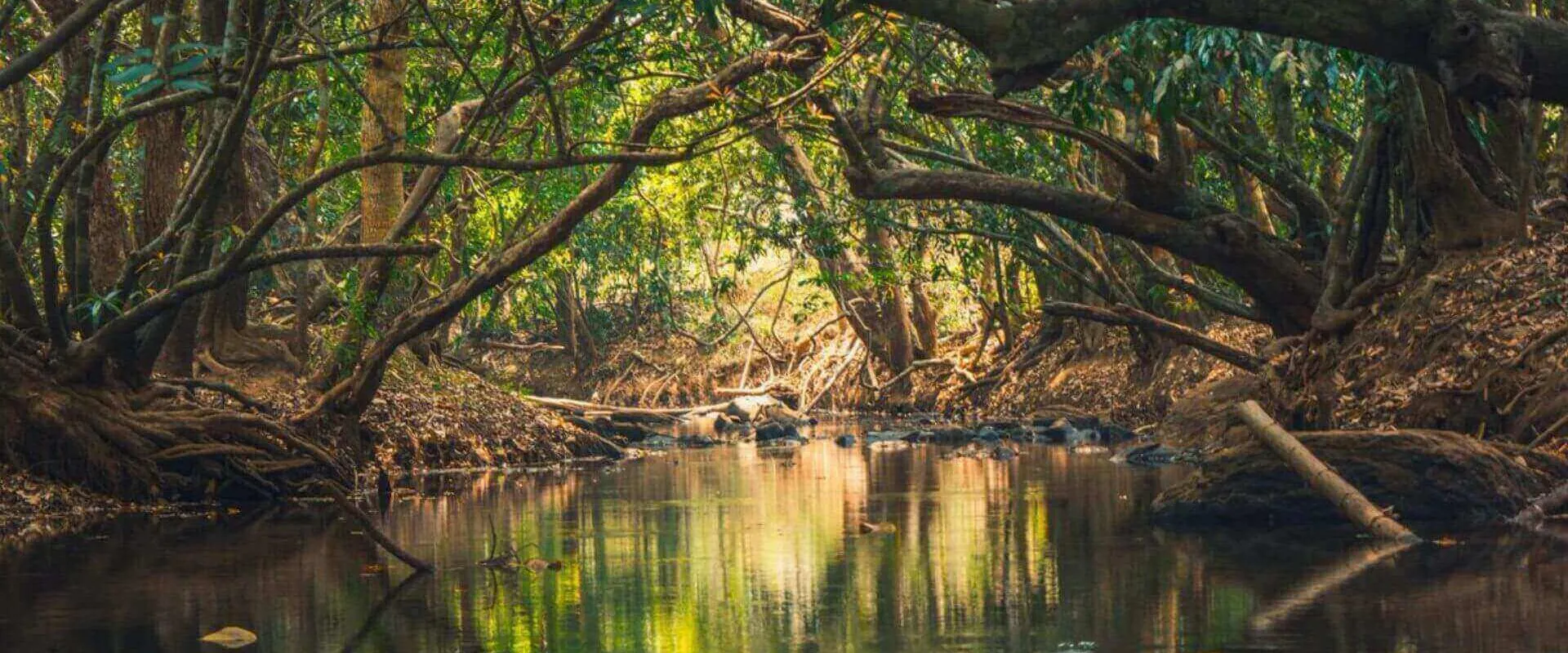
Kuruva Island
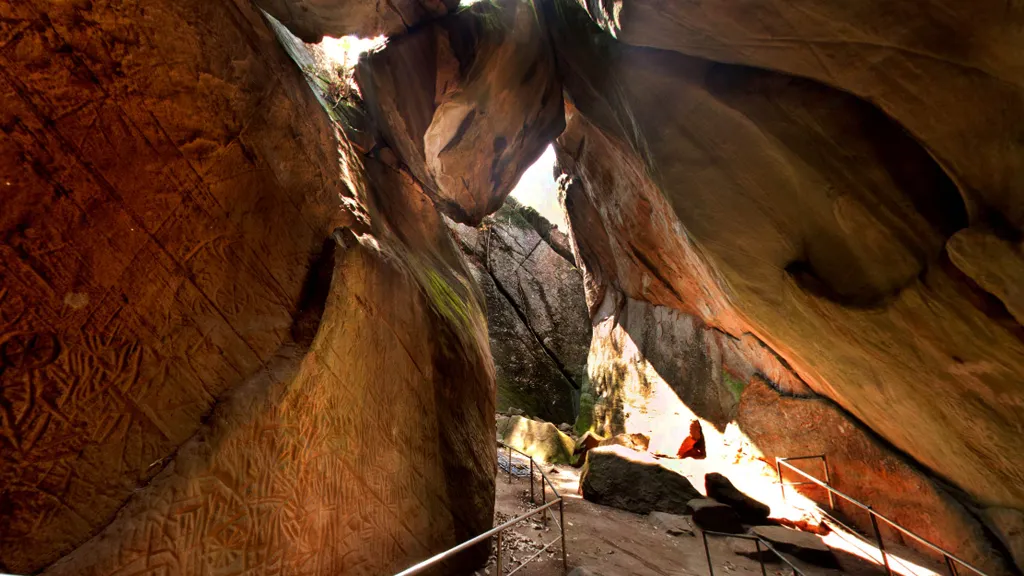
Edakkal Caves
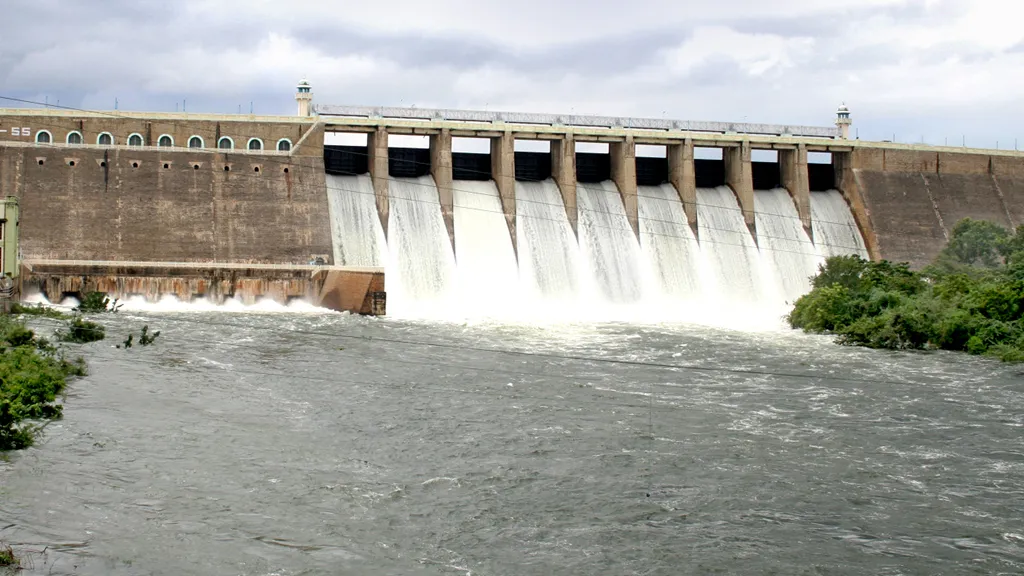
Banasura Sagar Dam
These destinations are in close proximity to Wayanad Wildlife Sanctuary and can be visited on the same trip.
Related Destinations
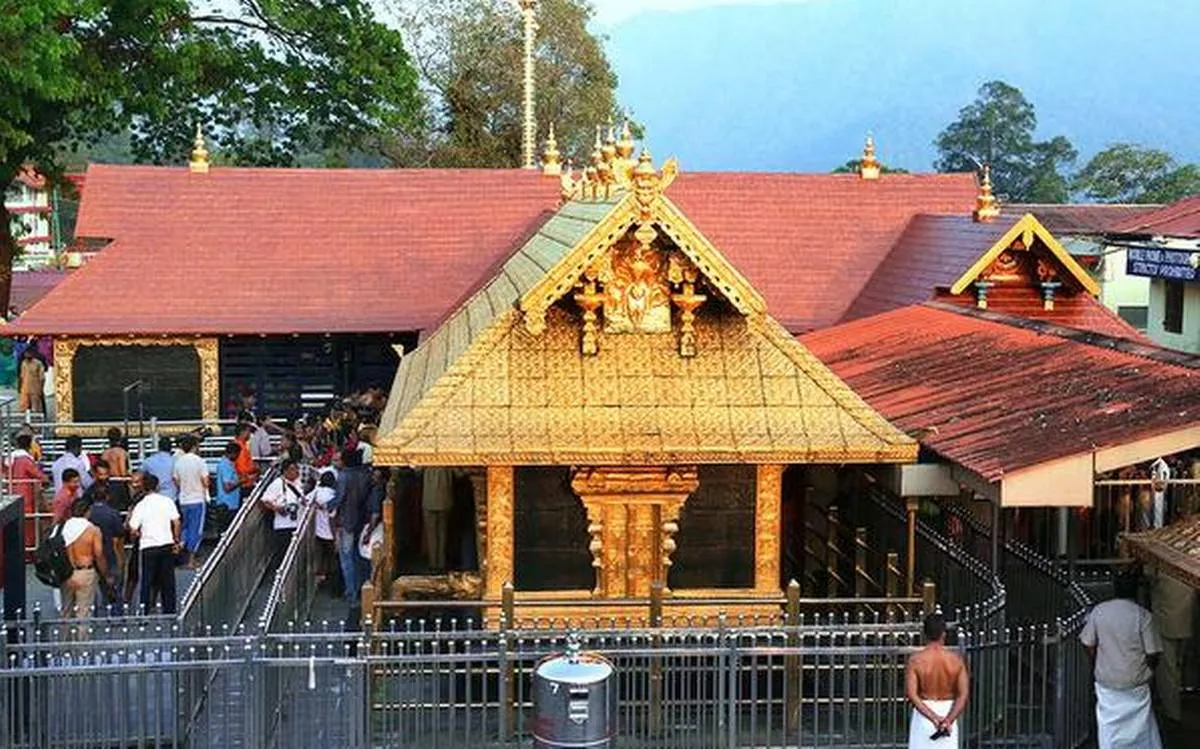
Sabarimala Temple
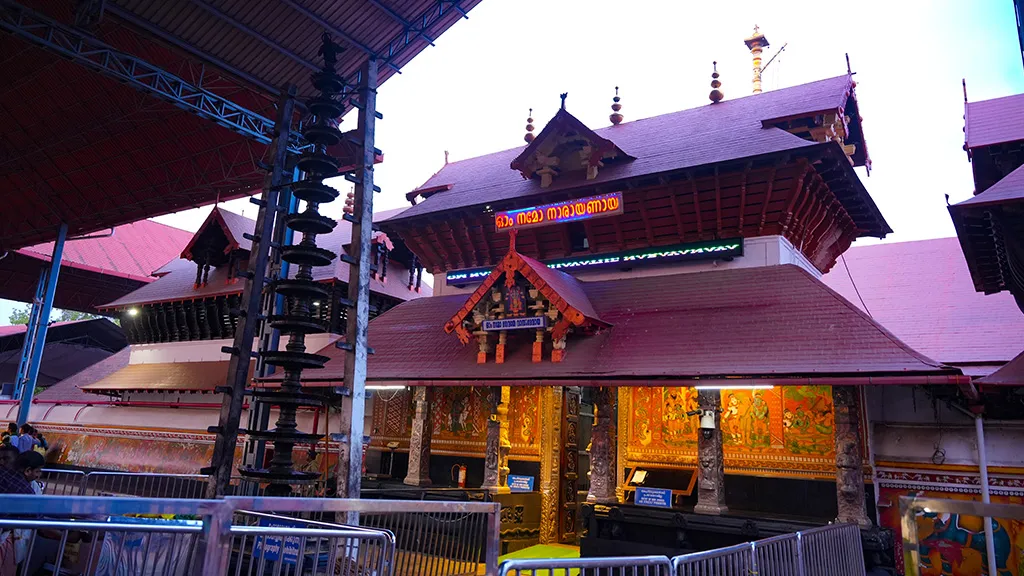
Guruvayur Temple
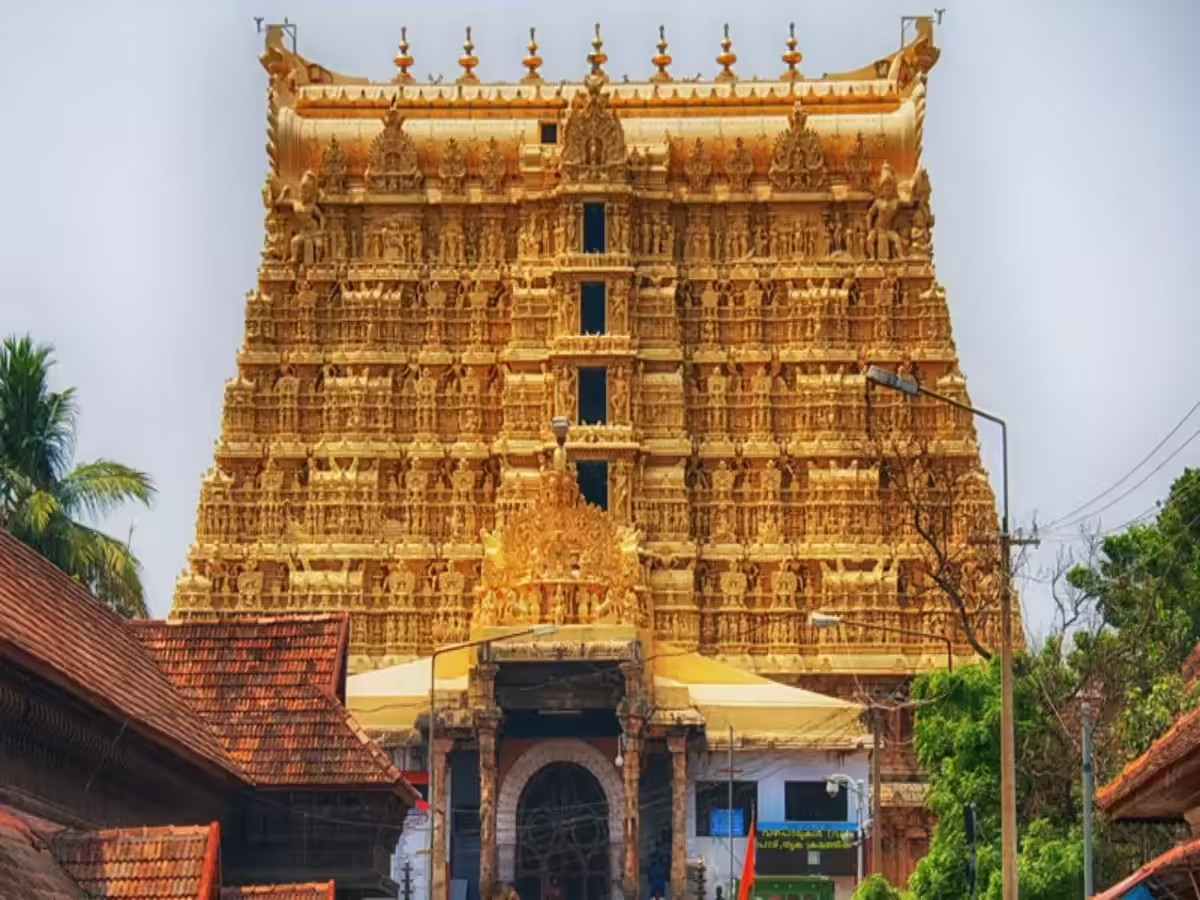
Padmanabhaswamy Temple
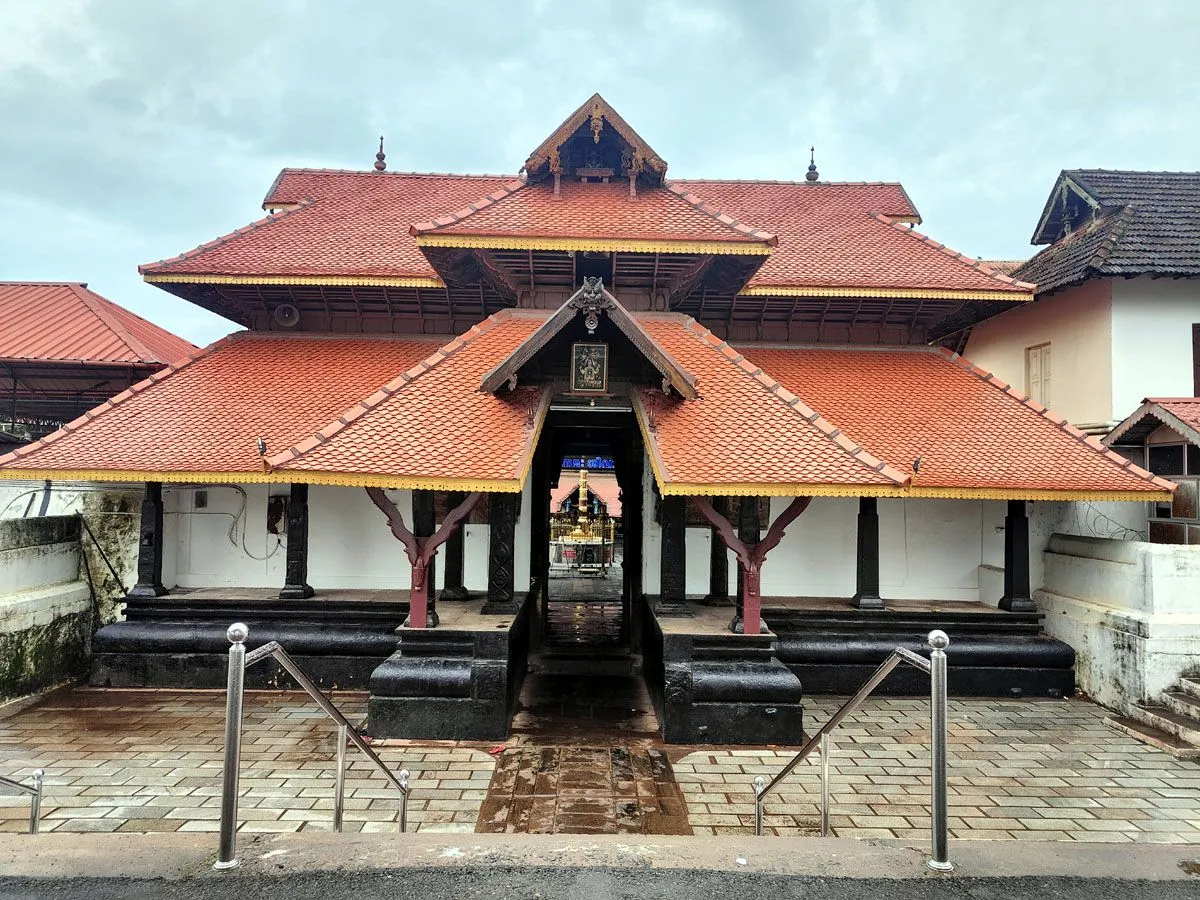
Ettumanoor Mahadeva Temple
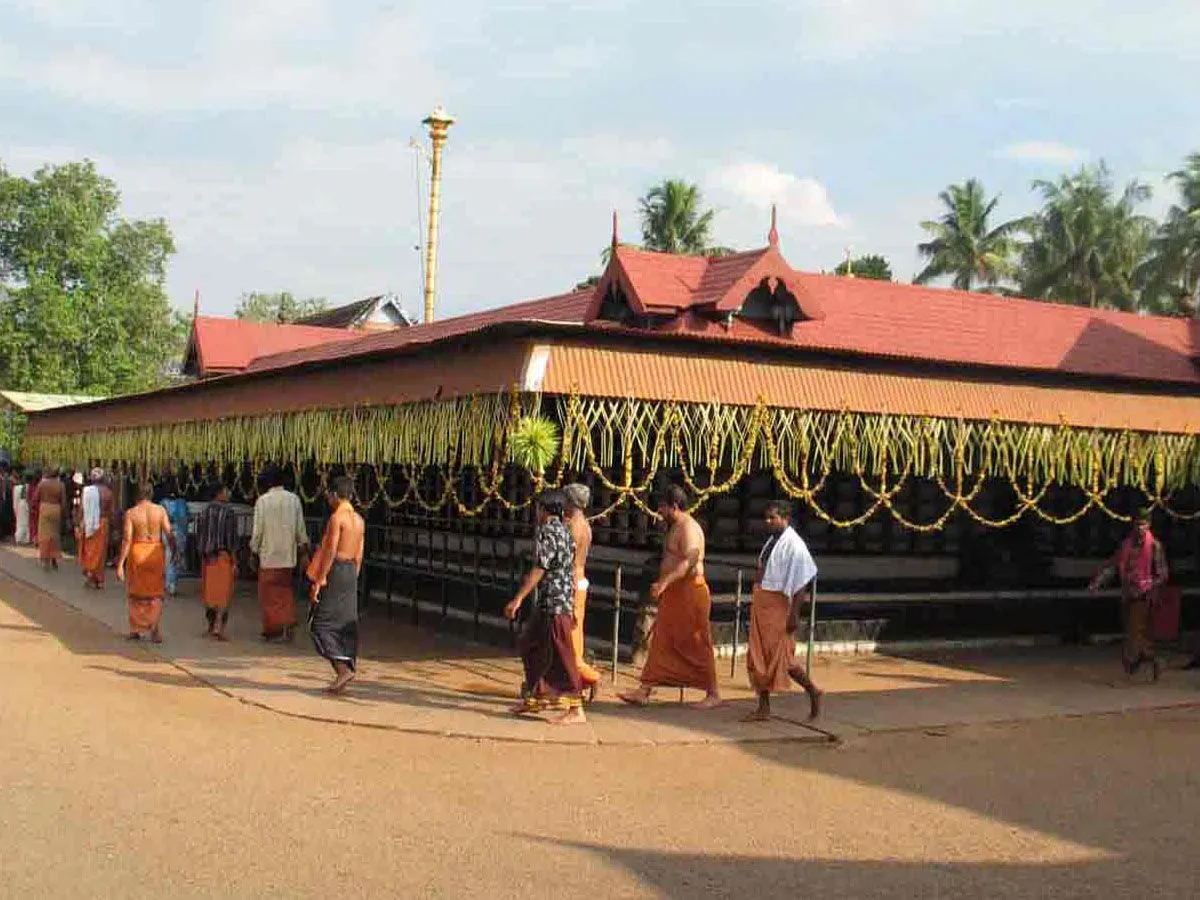
Chottanikkara Temple
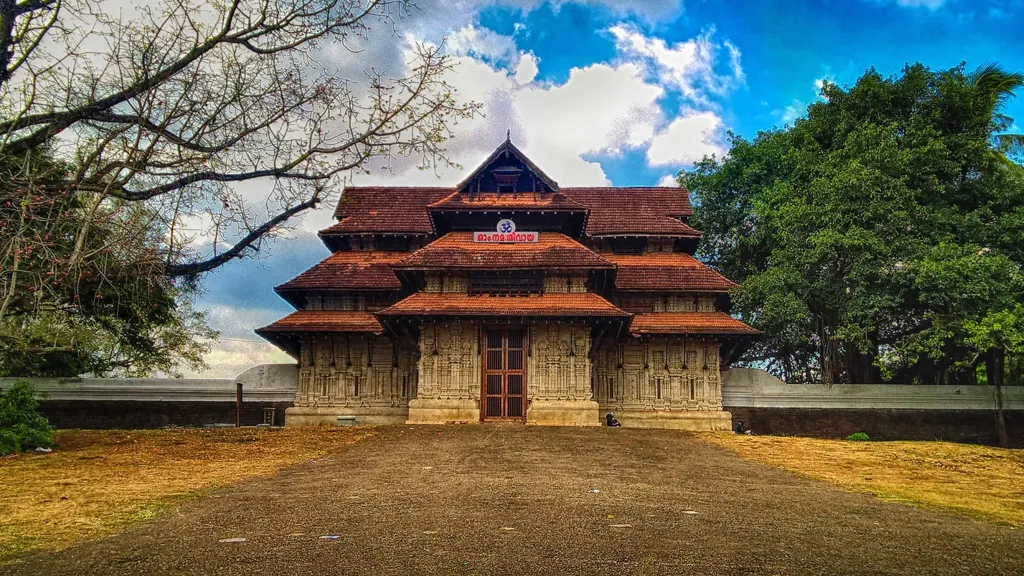
Vadakkunnathan Temple Thrissur
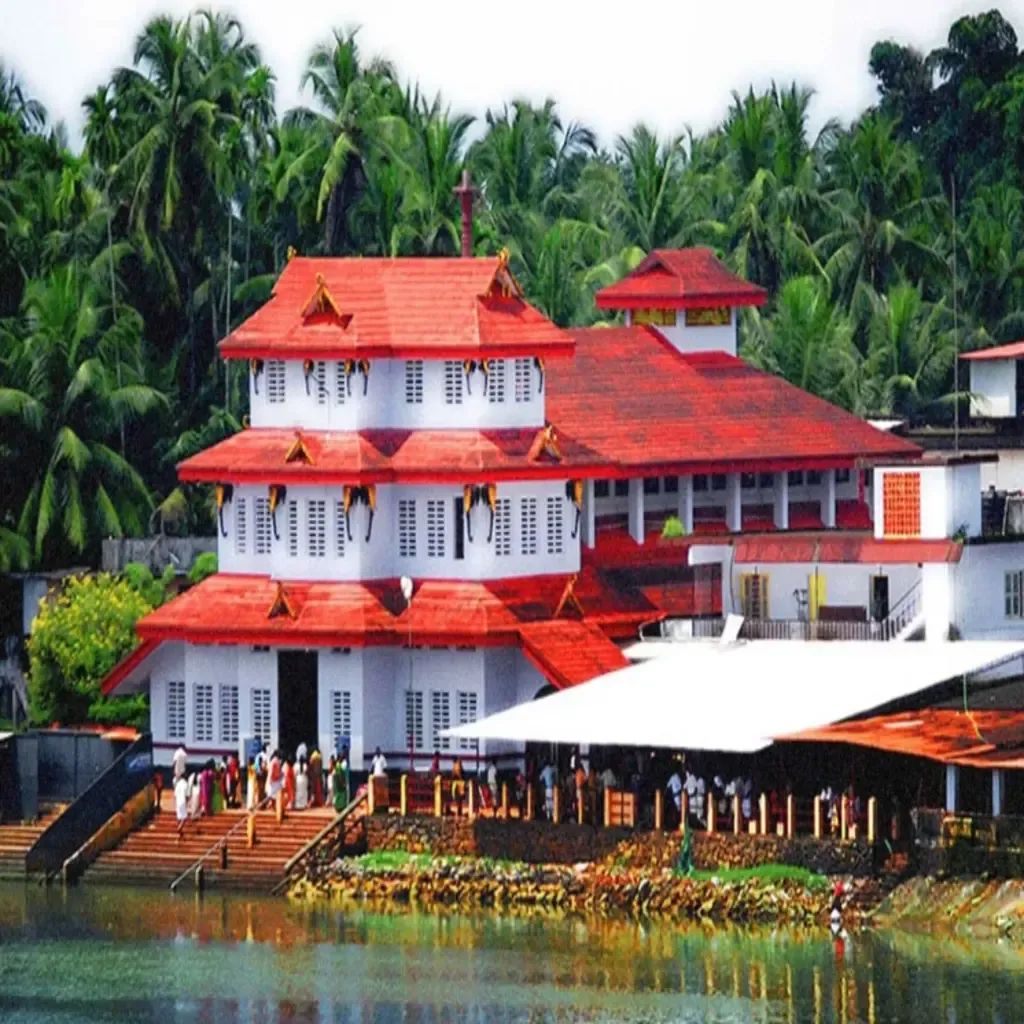
Parassinikadavu Muthappan Temple
Thirunelli Temple Wayanad
Visit Information
Opening Hours
Entry Fee
Best Time to Visit
October to May
Location
Wayanad District, Kerala, India
Contact
For inquiries: 04936-220454
Share this destination:
 Translate