
Chinnar Wildlife Sanctuary
About Chinnar Wildlife Sanctuary
Introduction: The Rain-Shadow Wilderness of Chinnar
Located in the eastern rain-shadow region of the Southern Western Ghats in Idukki district, Kerala, Chinnar Wildlife Sanctuary stands out as one of the most ecologically unique protected areas in South India. Spanning an area of 90.44 square kilometers along the Tamil Nadu border near Marayoor, Chinnar contrasts sharply with Kerala's typical lush rainforests. The sanctuary features dry thorny scrub forests, xerophytic vegetation, deciduous woodlands, and dense riparian forests along the perennial Chinnar and Pambar rivers.
Renowned worldwide for harboring the endangered Grizzled Giant Squirrel (Ratufa macroura), Chinnar is a biological treasure trove containing over 1,000 species of flowering plants, 225 recorded bird species, and rare reptiles like the Star Tortoise. For international travelers from the US, domestic eco-tourists, botanists, and wildlife enthusiasts, Chinnar Wildlife Sanctuary offers an offbeat, dry-zone safari and trekking experience unlike anywhere else in God's Own Country.
History and Heritage: Megaliths and Ancient Tribal Trails
The history of the Chinnar region extends far beyond modern wildlife conservation. The sanctuary and surrounding Marayoor valley contain extensive prehistoric archaeological sites, including ancient dolmens (Muniuyaras), rock cists, and cave paintings dating back to the Megalithic and Neolithic eras. These prehistoric stone structures indicate that human civilizations inhabited these river valleys thousands of years ago.
Declared a protected wildlife sanctuary in August 1984, Chinnar plays a vital role as a continuous trans-boundary ecological corridor connecting the Eravikulam National Park to the southwest, the Anamalai Tiger Reserve to the north, and the Kodaikanal Wildlife Sanctuary to the east. The sanctuary actively integrates local indigenous Hill Pulaya and Muthuva tribal communities into its participatory eco-tourism programs as expert guides, guards, and handicraft artisans.
Key Ecological Highlights
- Grizzled Giant Squirrel Habitat: One of the few remaining viable habitats in India protecting the endangered Grizzled Giant Squirrel.
- Albino Gaur Sanctuary: Home to India's only reported population of wild white (albino) gaurs.
- Star Tortoise Refuge: Shelters the rare Indian Star Tortoise within its dry scrub and rocky riverine terrain.
How to Reach Chinnar Wildlife Sanctuary
Chinnar Wildlife Sanctuary is situated along the Munnar–Udumalpet State Highway (SH 17), approximately 60 km from Munnar town and 65 km from Udumalpet in Tamil Nadu.
By Air
Nearby airports serving the sanctuary include:
- Cochin International Airport (COK): Located in Kerala, roughly 150 km (4.5 hours drive) via Munnar.
- Coimbatore International Airport (CJB): Located in Tamil Nadu, approximately 115 km (3 hours drive) via Udumalpet.
By Train
Closest railway hubs include:
- Udumalaipettai Railway Station (UDT): Located about 65 km away in Tamil Nadu.
- Aluva Railway Station (AWY) / Ernakulam (ERS): Located around 150 km away in Kerala.
- Pollachi Junction (POY): Situated roughly 85 km away.
By Road
State Highway 17 passes directly through the heart of Chinnar Wildlife Sanctuary. Frequent state transport buses (Kerala KSRTC and Tamil Nadu SETC) running between Munnar and Udumalpet stop at the Karimutti Eco-Tourism Center and the Chinnar Checkpost.
Best Time to Visit
Due to its rain-shadow location, Chinnar receives significantly less rainfall than the rest of Kerala, making it a year-round destination with unique seasonal traits.
Peak Season: Winter & Dry Months (December to April)
The dry winter and early summer months offer pleasant temperatures ranging from 18°C to 30°C. Clear skies and reduced foliage make wildlife tracking along riverbeds and dry scrub trails exceptionally rewarding. Grizzled Giant Squirrels and birds are frequently active near the Pambar River canopy.
Monsoon Months (October to November - North-East Monsoon)
Unlike western Kerala, Chinnar receives its primary rainfall during the North-East monsoon in October and November. The scrub forest revives into a fresh green landscape, and river streams swell, creating scenic waterfall views at Thoovanam.
Top Attractions in and Around Chinnar
1. Thoovanam Waterfalls Trek
A major attraction inside the sanctuary is the 3-km guided forest trek starting from Karimutti to the magnificent Thoovanam Waterfalls, where the Pambar River cascades over massive granite cliffs inside deep forest terrain.
2. Karimutti Eco-Tourism Center & Watchtower
The main information hub for visitors features an interpretation center, medicinal plant garden, treehouse accommodations, and a tall watchtower offering views over the dry scrub landscape and riverine forest belt.
3. Marayoor Sandalwood Forests & Megalithic Dolmens
Located just 18 km from Chinnar, Marayoor is famous for its naturally growing fragrant sandalwood forests and prehistoric stone dolmens (Muniyaras) scattered across granite hilltops.
4. Cultural Tribal Heritage Sites
Visitors can take guided walks to indigenous tribal settlements like Champakkad to learn about traditional tribal crafts, medicinal herb gathering, and sustainable forest living.
Things to Do at Chinnar
- Guided Nature Trekking: Choose from official Forest Department trails including the Cultural Trail to tribal hamlets, the Pambar River Walk, or the Thoovanam Waterfall Trek.
- Grizzled Giant Squirrel Tracking: Walk along the riverine forest canopy with an expert tribal naturalist to spot the large, colorful Grizzled Giant Squirrels leaping between trees.
- Treehouse Eco-Stays: Experience an overnight stay in elevated forest treehouses or log houses managed by the Forest Department at Karimutti, Chinnar, or Log House Veenjo.
- Night Safari (On State Highway Corridor): Observe nocturnal wildlife such as slender loris, civets, spotted deer, and owls along designated highway corridors with official guides.
Local Food and Culinary Delights
Dining near Chinnar features authentic local Keralite and Tamil border flavors, along with traditional organic produce from Marayoor.
Must-Try Specialties
- Marayoor Jaggery & Sweet Delicacies: Taste pure, chemical-free sugarcane jaggery handmade in traditional open-air copper vats in nearby Marayoor villages.
- Kerala Rice Thali with River Fish: Freshly cooked rice served with coconut vegetable side dishes, lentils, and spiced local curry.
- Ragi Puttu & Country Chicken Curry: Wholesome millet-based steamed cakes served alongside spicy country chicken or chickpea gravy.
Where to Stay: Accommodation Options
To preserve the fragile ecosystem, accommodations inside Chinnar are strictly limited to government eco-lodges, while private hotels are situated nearby in Marayoor or Munnar.
Official Forest Eco-Lodges & Treehouses ($30 – $90 USD / ₹2,500 – ₹7,500 INR per night)
- Karimutti & Chinnar Treehouses: Rustic, eco-friendly wooden treehouses set inside the forest canopy, offering direct views of the river or forest trails.
- Log Houses (Veenjo & Pambar): Secluded wooden cabins located inside sanctuary zones, inclusive of night security and guided morning treks.
Hotels & Resorts in Marayoor (18 km away) ($25 – $80 USD / ₹2,000 – ₹6,500 INR per night)
- Comfortable private hotels, nature resorts, and family homestays are located in Marayoor town, offering modern amenities and easy access to Chinnar.
Budget Travel Guide for Chinnar
- Take Public State Buses: Board state buses running along the Munnar-Udumalpet route to reach the Karimutti Eco-Center for under ₹50 ($0.60 USD).
- Affordable Forest Guided Treks: Book official guided treks at the Karimutti ticket counter; guide charges are fixed and very economical when shared in small groups.
- Stay in Marayoor Homestays: Budget travelers can find clean, low-cost homestays in Marayoor town while exploring Chinnar as a day excursion.
Sample 2-Day Itinerary
Day 1: Arrival, Karimutti Watchtower, and Pambar River Walk
- 10:00 AM: Arrive at Karimutti Eco-Tourism Center; check into your reserved Forest Treehouse or Marayoor hotel.
- 11:30 AM: Visit the interpretation center and climb the watchtower for panoramic views of the scrub forest.
- 01:00 PM: Enjoy a simple, traditional South Indian lunch at a local eatery in Marayoor.
- 03:00 PM: Embark on a guided morning or late-afternoon river walk along the Pambar River to spot Grizzled Giant Squirrels and star tortoises.
- 06:30 PM: Return to base; enjoy a quiet evening surrounded by forest night sounds.
Day 2: Thoovanam Waterfall Trek & Sandalwood Forest Tour
- 07:00 AM: Begin the 3-km guided trek through deep forest trails to the roaring Thoovanam Waterfalls.
- 10:30 AM: Return from the trek; enjoy breakfast with hot filter coffee.
- 12:00 PM: Visit the Marayoor Sandalwood Reserve and explore the ancient Megalithic Dolmens (Muniyaras).
- 02:30 PM: Sample fresh Marayoor jaggery at a village processing unit before departing toward Munnar or Udumalpet.
Essential Rules and Visitor Tips
- Strict Zero-Plastic Zone: Plastic bottles and disposable packaging are strictly banned on forest trekking trails.
- Wear Breathable Cotton Clothing: Chinnar is warmer and drier than Munnar; wear light, muted earth-toned clothing (khaki, olive green).
- Stay on Designated Trails: Always remain with your assigned official tribal guide during forest walks.
- Beware of Highway Wildlife Crossing: Drive cautiously along State Highway 17 as animals frequently cross the road corridor.
Frequently Asked Questions (FAQs)
1. Where is Chinnar Wildlife Sanctuary located?
It is located in the Idukki district of Kerala, South India, along the Munnar-Udumalpet highway near Marayoor.
2. What makes Chinnar Wildlife Sanctuary unique?
It is unique for its dry thorny scrub forest ecosystem, being a habitat for the Grizzled Giant Squirrel, and housing India's only albino gaur population.
3. What is the nearest airport to Chinnar?
Coimbatore International Airport (CJB) in Tamil Nadu is closest at ~115 km, while Cochin International Airport (COK) in Kerala is ~150 km away.
4. How do I visit Thoovanam Waterfalls?
Thoovanam Waterfalls can be reached via an official 3-km guided forest trek starting from the Karimutti Eco-Tourism Center.
5. Are treehouse stays available inside Chinnar?
Yes, official eco-friendly treehouses and log cabins can be booked through the Kerala Forest Department eco-tourism office.
6. How far is Chinnar from Munnar?
Chinnar is approximately 60 km (about 2 hours drive) from Munnar town.
7. What wildlife can I spot in Chinnar?
Visitors frequently spot Grizzled Giant Squirrels, spotted deer, hanuman langurs, Indian star tortoises, gaurs, elephants, and diverse bird species.
8. Is Chinnar open during monsoon months?
Yes, Chinnar remains open year-round as it lies in a rain-shadow region and receives moderate rainfall primarily in October-November.
9. Are guide services mandatory for trekking?
Yes, all forest treks inside Chinnar must be accompanied by accredited Forest Department eco-guides.
10. Can I see prehistoric dolmens near Chinnar?
Yes, ancient Megalithic dolmens (Muniyaras) and cave paintings are located nearby in the Marayoor valley area.
Conclusion
Chinnar Wildlife Sanctuary stands as a fascinating rain-shadow sanctuary where dry scrub woodlands, ancient river valleys, and prehistoric heritage converge. From spotting rare Grizzled Giant Squirrels in the river canopy to trekking to the roaring Thoovanam Waterfalls and exploring ancient dolmens, Chinnar offers an unforgettable offbeat adventure in South India. Respect the sanctuary rules, travel responsibly, and experience the unique dry-zone wilderness of Kerala!
Photo Gallery
What you'll experience
- 1
Spot grizzled giant squirrels and deer
- 2
Walk along the Thoovanam waterfalls trail
- 3
Birdwatching and nature photography
- 4
Camp near tribal settlements
Explore More
Nearby Destinations
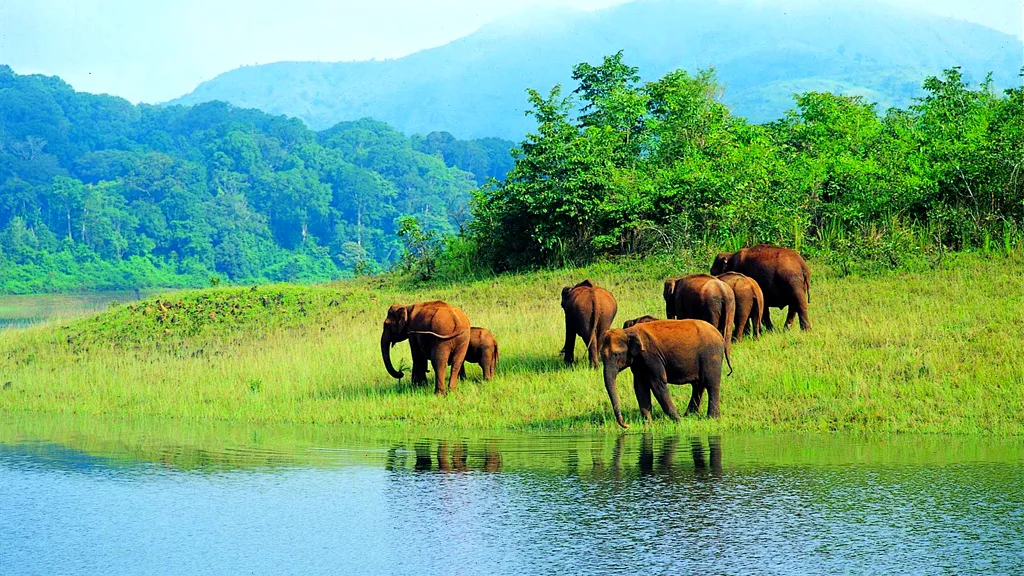
Periyar Wildlife Sanctuary
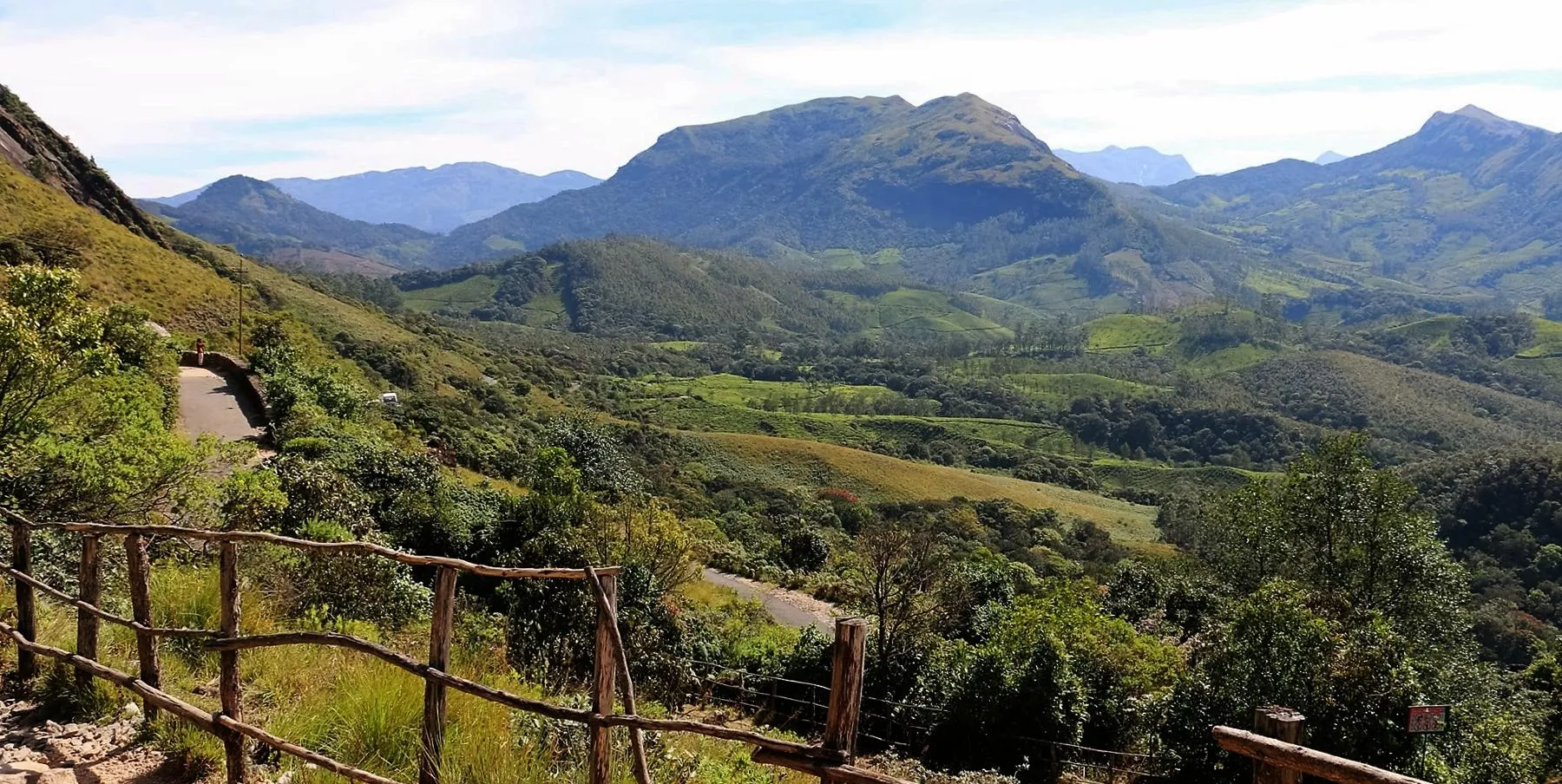
Eravikulam National Park
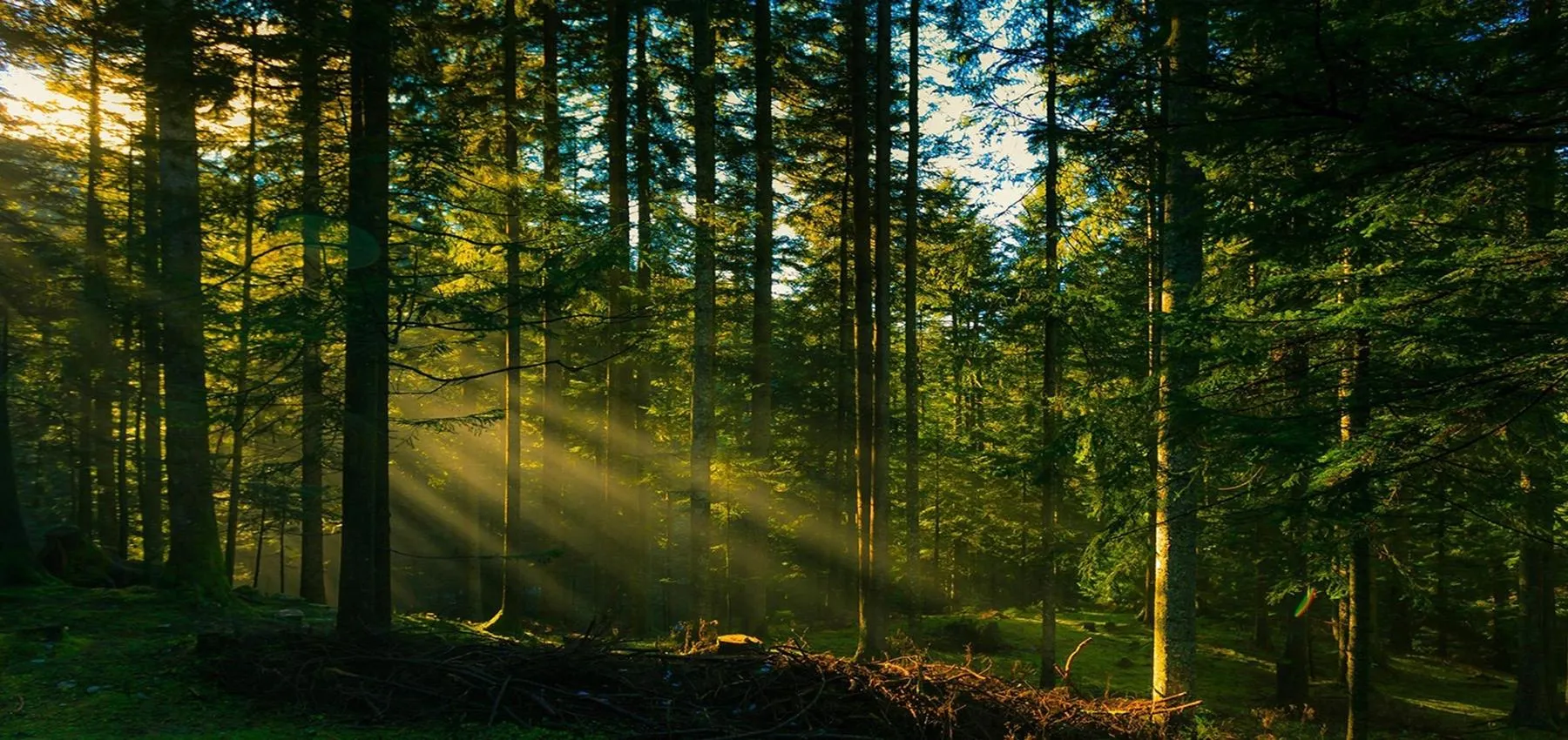
Vagamon Pine Forest
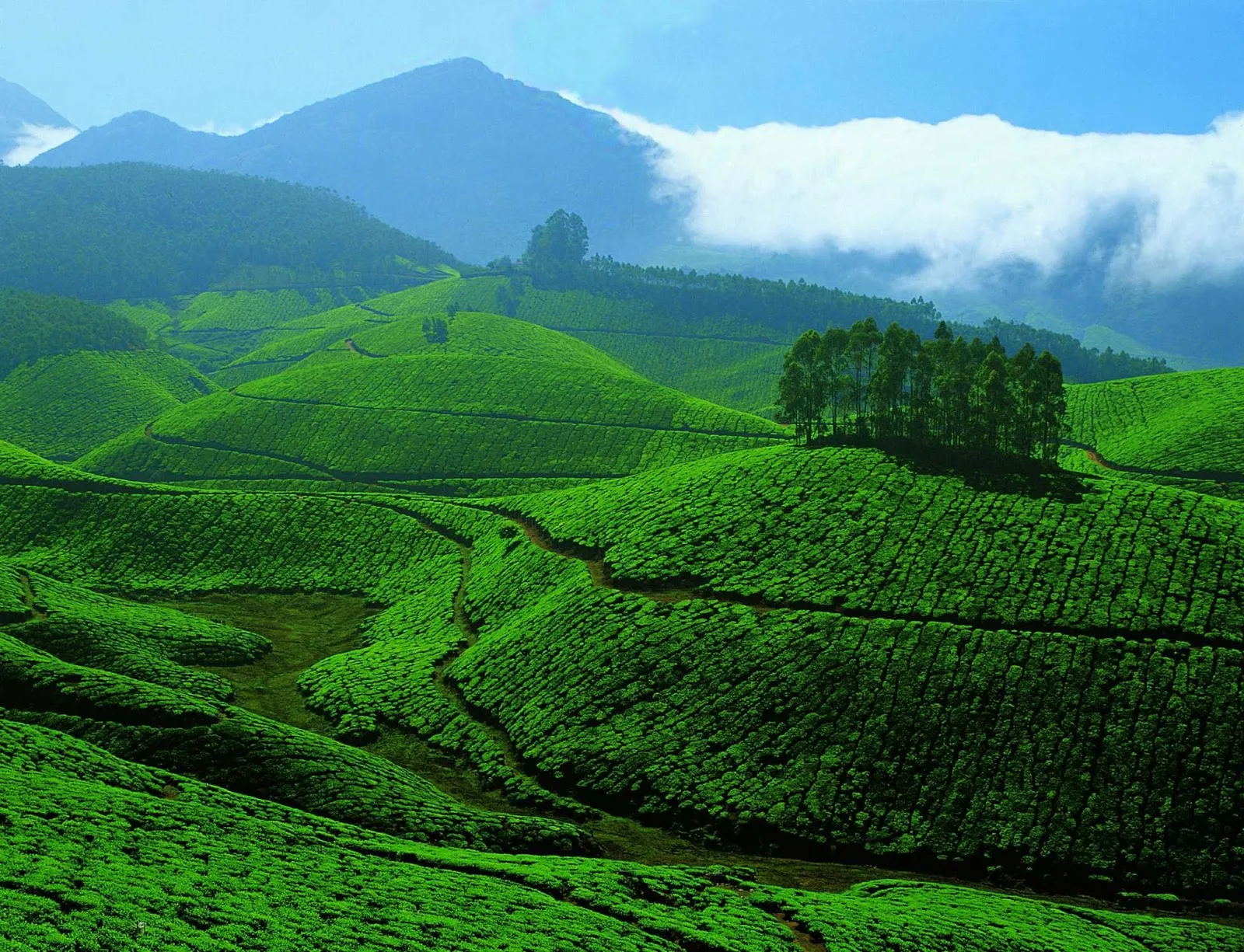
Munnar
These destinations are in close proximity to Chinnar Wildlife Sanctuary and can be visited on the same trip.
Related Destinations
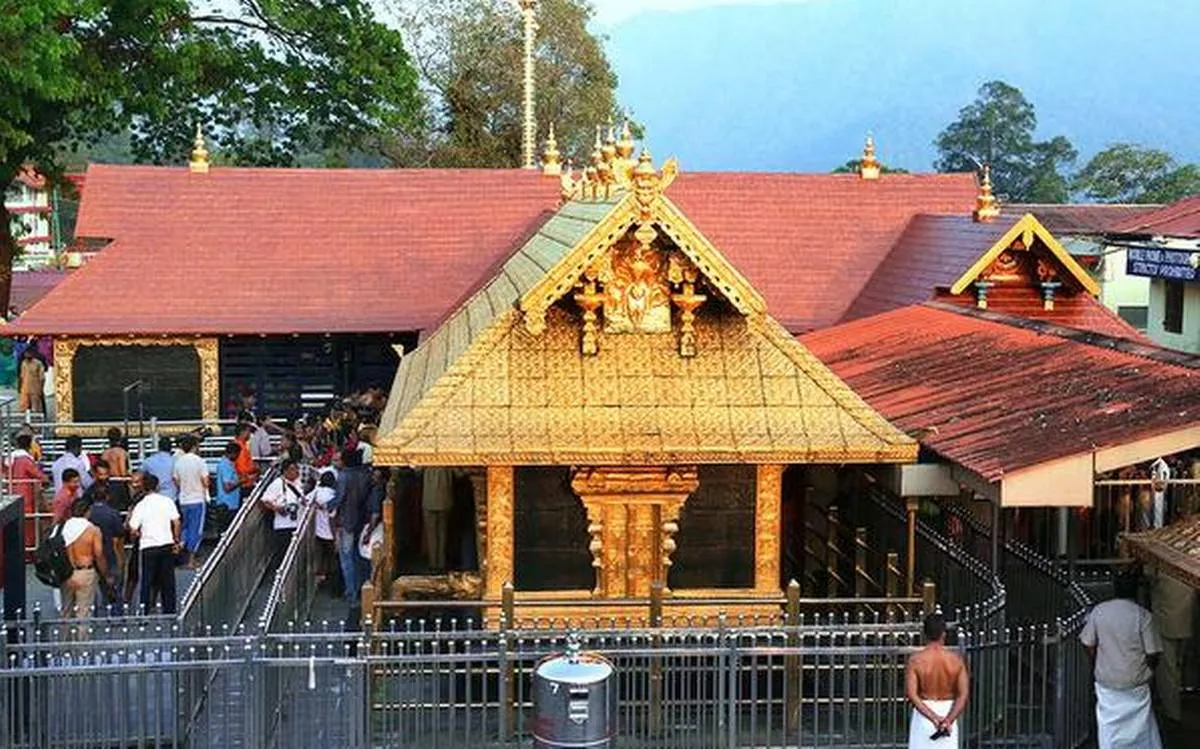
Sabarimala Temple
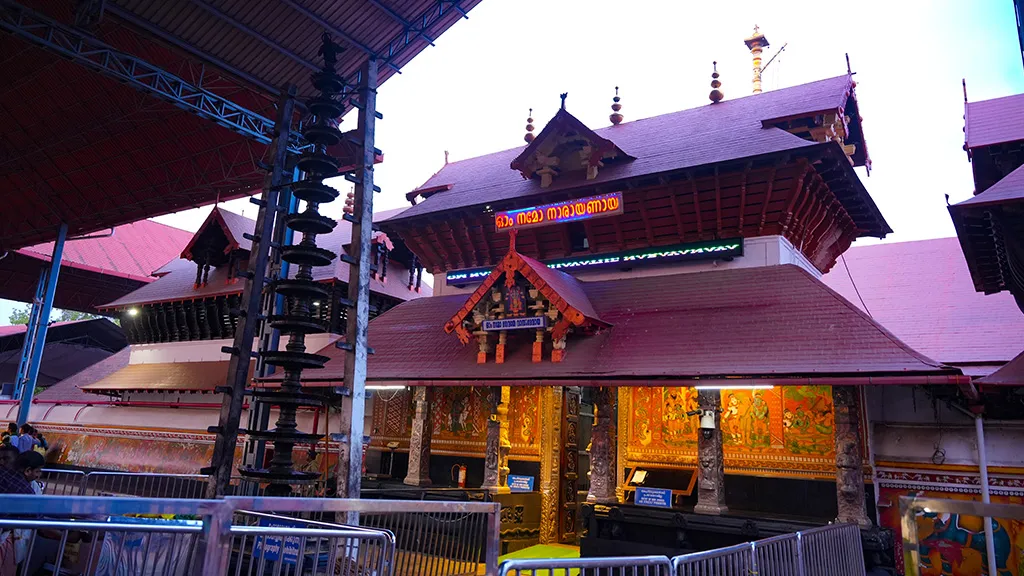
Guruvayur Temple
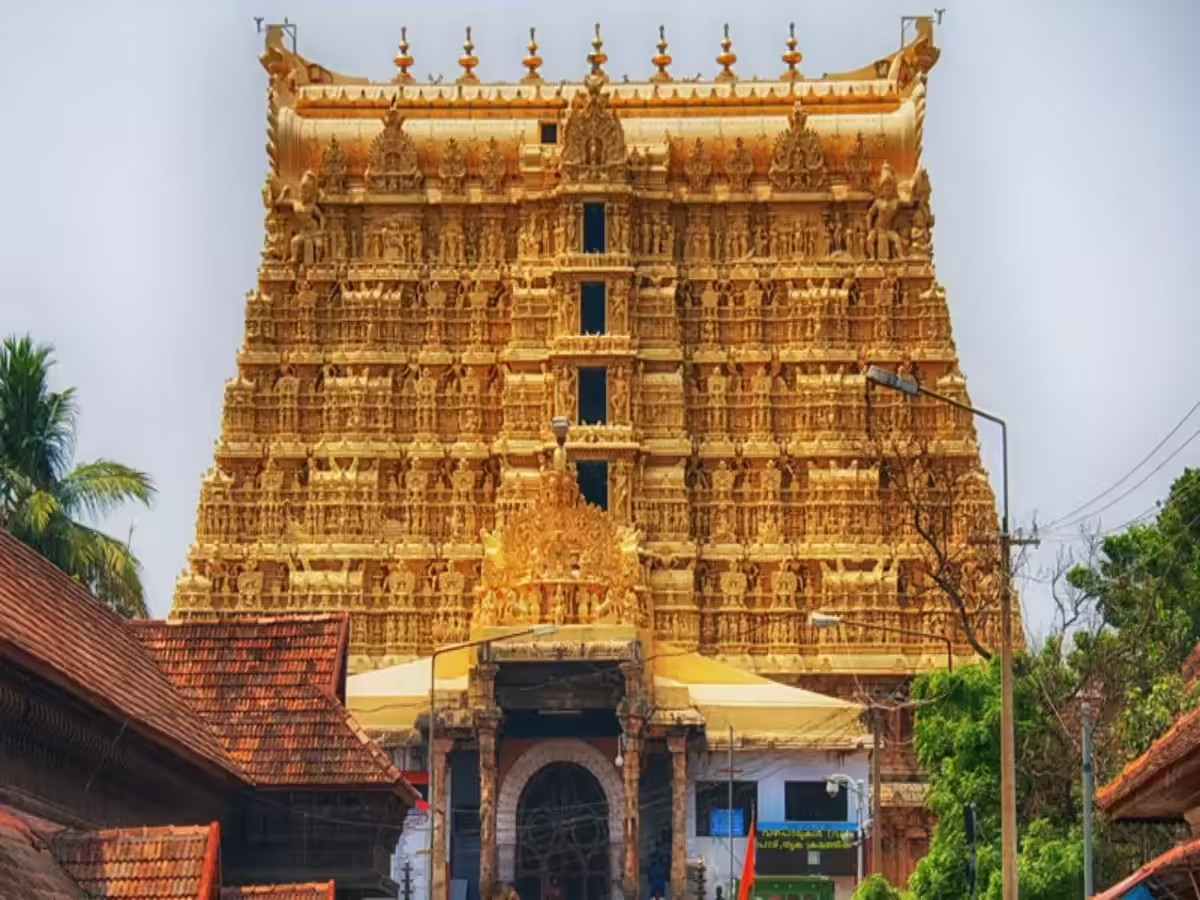
Padmanabhaswamy Temple
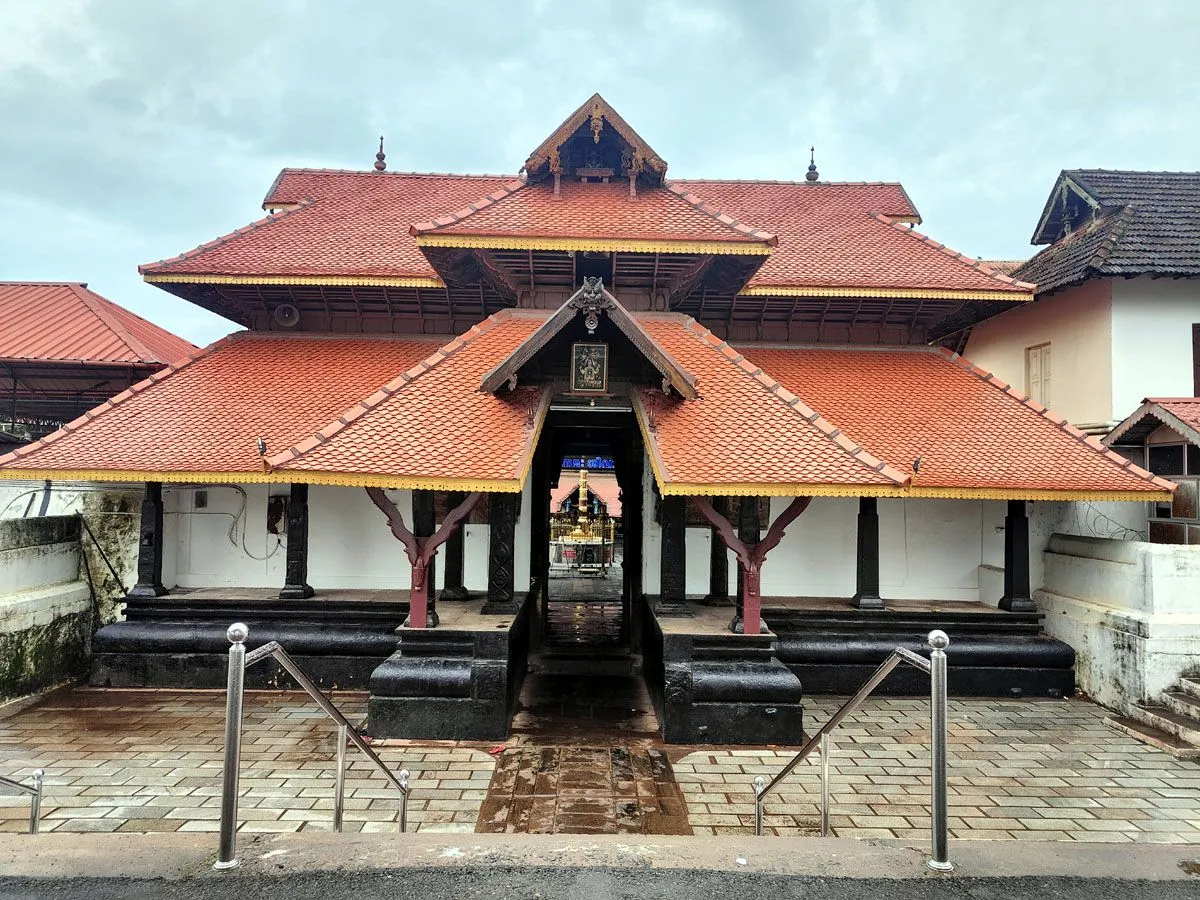
Ettumanoor Mahadeva Temple
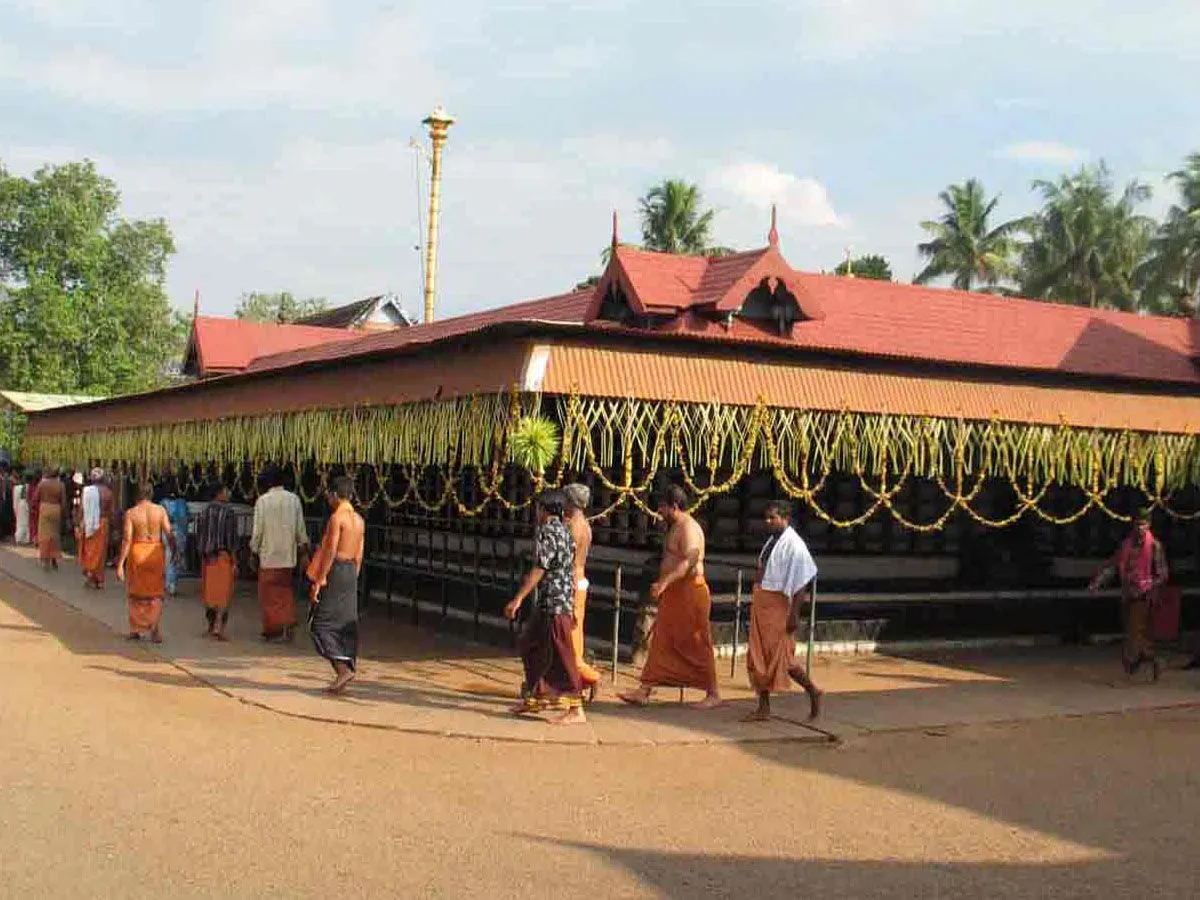
Chottanikkara Temple
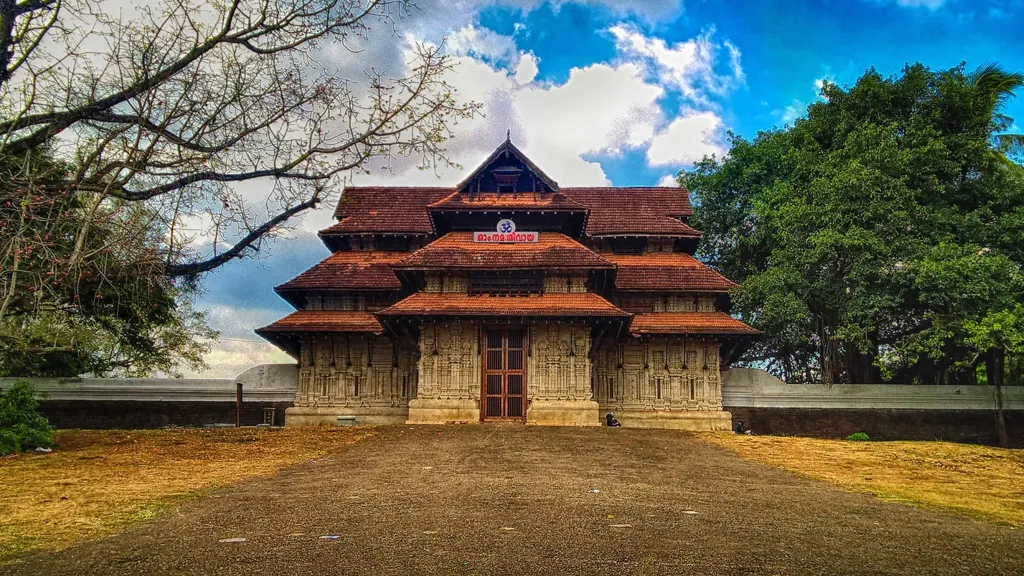
Vadakkunnathan Temple Thrissur

Parassinikadavu Muthappan Temple
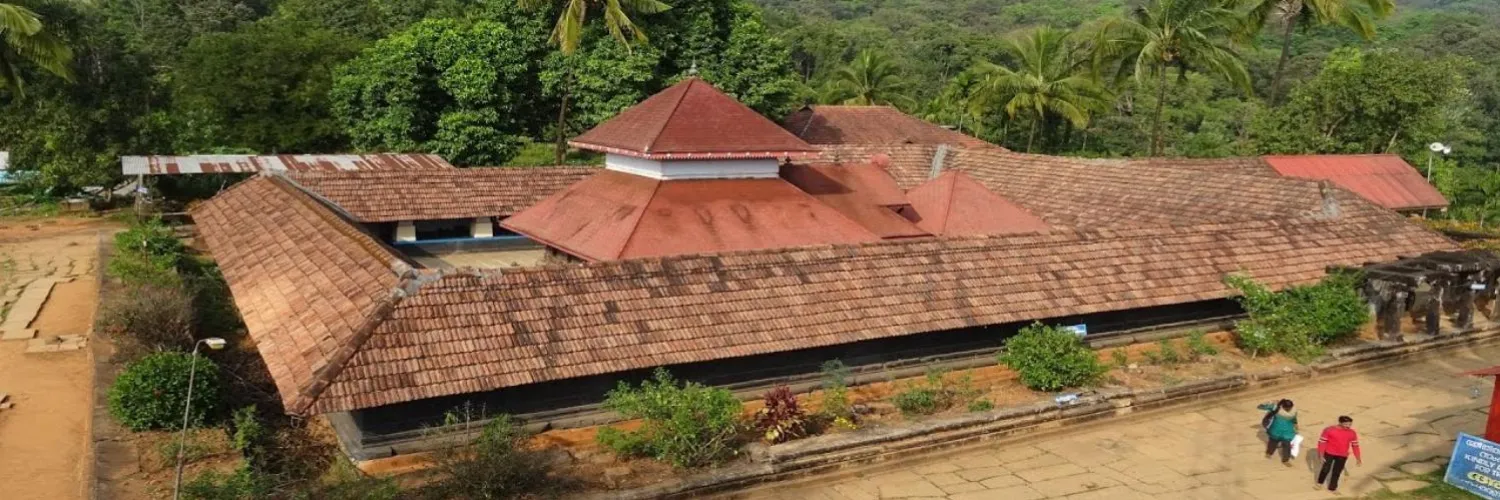
Thirunelli Temple Wayanad
Visit Information
Opening Hours
Entry Fee
Best Time to Visit
December to April
Location
Idukki District, Kerala, India
Contact
For inquiries: 04865-240233
Share this destination:
 Translate