
Eravikulam National Park
About Eravikulam National Park
Introduction: The High-Altitude Haven of Eravikulam
Perched high in the mist-shrouded Kannan Devan Hills of the Southern Western Ghats in Idukki district, Kerala, Eravikulam National Park is a magnificent 97-square-kilometer wildlife sanctuary celebrated worldwide for its rolling montane grasslands, deep shola forests, and rare biodiversity. Declared a National Park in 1978 to protect the endangered Nilgiri Tahr (an endemic mountain goat species), Eravikulam is also home to Anamudi (2,695 meters / 8,842 feet), the highest peak in India south of the Himalayas. For domestic travelers across India, international tourists from the US, nature enthusiasts, and photographers, Eravikulam offers a cool, crisp alpine climate paired with sweeping views of undulating tea estates and mountain peaks.
Every 12 years, Eravikulam transforms into a global ecological phenomenon when the slopes of the park blossom in vibrant shades of blue and purple due to the blooming of the legendary Neelakurinji (Strobilanthes kunthiana) flower. Managed by the Kerala Forest and Wildlife Department, the park provides a highly structured eco-tourism experience centered around its Rajamalai visitor zone, ensuring that its fragile high-altitude grassland ecosystem remains protected while allowing travelers to experience the magic of God's Own Country from its loftiest heights.
History and Heritage: From Tea Hunting Grounds to Conservation Sanctuary
Prior to its establishment as a protected sanctuary, the high plateaus of Eravikulam were managed as private game preserves by the British tea planting community under the Kannan Devan Hill Produce Company in the late 19th and early 20th centuries. The planters valued the region for its dramatic climate, trout-filled streams, and abundant game, establishing hunting regulations that inadvertently protected the Nilgiri Tahr population from total extirpation.
Recognizing the ecological vulnerability of the Nilgiri Tahr—whose global population had plummeted drastically—the Government of Kerala declared the area as the Rajamalai Wildlife Sanctuary in 1975, upgrading it to Eravikulam National Park in 1978. In 2012, Eravikulam was included in the UNESCO World Heritage Site list as part of the Western Ghats cluster. Today, the park stands as a crown jewel of wildlife conservation in South India, having successfully nurtured the Nilgiri Tahr population back to a stable count of over 700 individuals inside the park boundaries.
Key Ecological Highlights
- The Sanctuary of the Nilgiri Tahr: Holds the world's largest surviving population of the endangered Nilgiri Tahr (Nilgiritragus hylocrius), known for their friendly demeanor and stocky mountain-climbing agility.
- The Neelakurinji Phenomenon: The park slopes become blanketed in blue blossoms once every 12 years (last bloomed in 2018), attracting millions of botanical enthusiasts from around the globe.
- Shola-Grassland Ecosystem: Features unique high-altitude tropical montane forests ('Sholas') sheltered in deep valleys between expansive rolling rolling crest grasslands.
How to Reach Eravikulam National Park
Eravikulam National Park is situated approximately 15 km from the popular hill station town of Munnar in Kerala. All visitor trips originate from the Rajamalai gate.
By Air
The nearest airport is Cochin International Airport (COK), situated approximately 120 km (3.5 to 4 hours drive) from Munnar. Domestic and international visitors can easily hire pre-paid taxis, rental cars, or luxury private coaches from Cochin Airport to reach Munnar via the scenic NH 85 highway.
By Train
Major railway hubs serving the region include:
- Aluva Railway Station (AWY): Located about 115 km from Munnar, offering frequent connectivity across South India.
- Ernakulam Junction (ERS) / Town (ERN): Located around 125 km away, connecting to major Indian metros like Delhi, Mumbai, Bengaluru, and Chennai.
- Udumalaipettai Railway Station (UDT): Located approximately 85 km away on the Tamil Nadu side along the Palani-Pollachi route.
By Road
Munnar is well-connected by road to major South Indian cities. Regular Kerala KSRTC and Tamil Nadu SETC buses connect Munnar with Kochi, Madurai, Coimbatore, and Bengaluru. From Munnar town, local taxis, auto-rickshaws, and buses frequently run the 15-km scenic stretch along the Mattupetty/Rajamalai road to the Eravikulam Information Centre.
Best Time to Visit
Because Eravikulam is a high-altitude sanctuary, timing your visit according to seasonal closures and weather is essential.
Peak Season: September to January
Post-monsoon and winter months offer crisp mountain air, clear blue skies, and comfortable daytime temperatures ranging between 10°C and 20°C (50°F–68°F). The tea gardens are lush green, and the Nilgiri Tahr frequently graze close to the walking trails at Rajamalai.
Annual Calving Closure (February to March/April)
Crucial Notice: Eravikulam National Park is strictly closed to all visitors for approximately 60 days every year during February and March (sometimes extending into early April). This closure protects female Nilgiri Tahrs and their newborn kids during the crucial calving season.
Monsoon Season (June to August)
The park receives heavy monsoon rainfall exceeding 4,000 mm annually. While misty clouds, gushing waterfalls, and misty landscapes create romantic scenery, heavy downpours can lead to temporary safari suspensions and slippery walking paths.
Top Attractions Inside Eravikulam
1. Rajamalai Tourism Zone & Tahr Walkway
Rajamalai is the designated visitor area inside the national park. Passengers board official Forest Department eco-buses from the entry gate up to the high ridge. From there, a paved 1.3-km walking trail winds uphill, allowing visitors to walk alongside friendly Nilgiri Tahrs while gazing across panoramic mountain vistas.
2. Anamudi Peak View
Rising majestically inside the southern part of the park, Anamudi stands as the highest point in Peninsular India. While trekking to the summit of Anamudi is restricted to protect the fragile environment, visitors enjoy breathtaking views of this towering mountain peak from the Rajamalai walking paths.
3. Lakkom Waterfalls
Situated on the boundary of the park along the Munnar-Udumalpet road, Lakkom Waterfalls cascades down rocky slopes surrounded by dense shola trees. The site features a scenic eco-tourism boardwalk and a natural splash pool.
4. Story of the Park Interpretation Center
Located near the Rajamalai bus terminal, this eco-interpretation museum showcases interactive exhibits detailing the park's wildlife, high-altitude plant species, orchid varieties, and the history of the Neelakurinji flower.
Things to Do in and Around Eravikulam
- Nilgiri Tahr Spotting: Experience close-up encounters with wild mountain goats along the paved Rajamalai walking trail while learning about their biology from expert forest guides.
- High-Altitude Birdwatching: Spot rare endemic species such as the Nilgiri Pipit, Black-and-orange Flycatcher, Nilgiri Laughingthrush, and Kerala Laughingthrush.
- Tea Estate Photography: Capture magnificent photos of sprawling Kannan Devan tea plantations framing the borders of the national park.
- Visit Kurinjimala Sanctuary: Explore neighboring conservation zones dedicated to protecting the habitats of rare mountain flora.
Local Food and Culinary Delights
Dining near Eravikulam and nearby Munnar town blends authentic Keralite flavors with high-altitude comfort foods.
Must-Try Dishes
- Kerala Puttu and Kadala Curry: Steamed rice flour cylinders layered with grated coconut served alongside spicy chickpea gravy.
- Hot South Indian Filter Coffee & Local Teas: Enjoy fresh, single-origin black tea or cardamom-infused tea brewed directly from surrounding Munnar tea estates.
- Kallu Appam with Chicken/Vegetable Stew: Soft rice pancakes paired with rich coconut milk stew.
- Fresh River Trout & Snacks: Savor freshly cooked local snacks served at eco-cafes near Lakkom Waterfalls.
Where to Stay: Accommodation Options
To preserve the core habitat, private hotels are strictly prohibited inside Eravikulam National Park. Visitors stay in Munnar town or surrounding tea estates.
Luxury Resorts & Heritage Bungalows ($150 – $400 USD / ₹12,000 – ₹32,000 INR per night)
- Windermere Estate: A charming boutique heritage retreat set on a working tea and cardamom plantation near Munnar.
- Fragrant Nature Munnar: Luxury 5-star hill resort offering cozy fireplaces, panoramic mountain views, and luxury wellness spas.
- Blanket Hotel & Spa: Eco-friendly luxury hotel overlooking Attukad Waterfalls with modern amenities.
Mid-Range Hotels & Tea Eco-Stays ($40 – $120 USD / ₹3,000 – ₹9,000 INR per night)
- Tea County Munnar (KTDC): A premium government-owned property located centrally in Munnar with easy access to Eravikulam.
- Munnar Tea Hills Resort: Comfortable family cottages surrounded by rolling green hills.
Budget Homestays & Guesthouses ($15 – $35 USD / ₹1,200 – ₹2,800 INR per night)
- Local family-run homestays scattered along the Rajamalai road offer clean accommodations, home-cooked food, and local travel advice.
Budget Travel Guide for Eravikulam
- Book Tickets Online: Purchase official park entry tickets online in advance via the Kerala Forest Department portal (eravikulamnationalpark.in) to avoid long ticket lines at the gate.
- Use KSRTC Local Buses: Take local public buses from Munnar town stand to Rajamalai Junction for under ₹30 ($0.35 USD) instead of hiring private taxis.
- Combined Entry Packages: The official ticket covers both the entry permit and the mandatory Forest Department eco-bus ride up to Rajamalai.
Sample 2-Day Itinerary
Day 1: Eravikulam Safari, Tahr Walk, and Tea Culture
- 08:00 AM: Arrive early at the Eravikulam Entry Gate; board the official Forest Department eco-bus up to Rajamalai.
- 09:00 AM: Walk the 1.3-km Rajamalai trail, photograph Nilgiri Tahrs, and enjoy views of Anamudi Peak.
- 11:30 AM: Visit the Story of the Park Interpretation Museum before taking the return bus to the base gate.
- 01:00 PM: Enjoy a traditional Kerala lunch at a local restaurant along the Rajamalai road.
- 02:30 PM: Tour the KDHP Tea Museum in Munnar to learn about British plantation history and tea processing.
- 05:30 PM: Stroll through Munnar local spice markets; sample fresh homemade chocolates and spices.
Day 2: Waterfalls, Lakes, and Mountain Overlooks
- 08:30 AM: Drive toward Lakkom Waterfalls; enjoy a peaceful morning walk along the eco-boardwalk.
- 11:00 AM: Visit Mattupetty Dam and Kundala Lake; enjoy scenic boat rides across mountain waters.
- 02:00 PM: Head to Top Station for panoramic views extending across the Western Ghats into Tamil Nadu.
- 05:00 PM: Return to Munnar for evening tea and relaxation at your resort.
Essential Rules and Visitor Tips
- Strict Ban on Single-Use Plastic: Eravikulam is a zero-plastic zone. Do not carry plastic bags, wrappers, or disposable water bottles onto the trail.
- Do Not Touch or Feed Nilgiri Tahrs: While the Tahrs are accustomed to humans, feeding or touching them is strictly prohibited and fineable under the Wildlife Protection Act.
- Wear Comfortable Walking Shoes: The Rajamalai walk involves a steady uphill incline; wear comfortable walking or hiking shoes.
- Carry Warm Clothing: Temperatures at Rajamalai can drop rapidly, especially during morning hours and winter months. Carry light jackets or sweaters.
Frequently Asked Questions (FAQs)
1. Where is Eravikulam National Park located?
It is located near Munnar in the Idukki district of Kerala, South India, along the high slopes of the Western Ghats.
2. Why is Eravikulam National Park famous?
It is world-famous for protecting the endangered Nilgiri Tahr mountain goat, housing Anamudi Peak, and hosting the 12-year blooming spectacle of the Neelakurinji flower.
3. Is Eravikulam National Park open all year round?
No. The park is closed annually for approximately 60 days during February and March (calving season of the Nilgiri Tahr). It remains open during other months.
4. How do I travel inside Eravikulam National Park?
Visitors park private vehicles at the entry gate and board mandatory non-polluting Forest Department buses that carry passengers up to the Rajamalai tourism zone.
5. Can I trek to the summit of Anamudi Peak?
No. Summit trekking on Anamudi Peak is strictly prohibited for public visitors to protect its fragile alpine ecology.
6. How can I book entry tickets for Eravikulam?
Tickets can be booked online through the official Kerala Forest Department portal (eravikulamnationalpark.in) or purchased at the entry gate counter.
7. What is the nearest airport to Eravikulam National Park?
Cochin International Airport (COK) is the closest airport, situated approximately 120 km (3.5 to 4 hours drive) away.
8. Are cameras allowed inside the park?
Yes, still cameras and video cameras are permitted upon payment of nominal camera fees at the ticket counter.
9. What temperature should I expect at Rajamalai?
Daytime temperatures range between 10°C and 20°C (50°F–68°F), while winter mornings can drop below 5°C (41°F).
10. When will the next Neelakurinji bloom occur at Eravikulam?
The Neelakurinji flower blooms once every 12 years; following the 2018 bloom, the next grand blooming cycle is expected around 2030.
Conclusion
Eravikulam National Park stands as a breathtaking testament to high-altitude wilderness conservation in South India. From walking alongside wild Nilgiri Tahrs on mist-clad ridges to gazing up at Anamudi Peak across vast green tea valleys, visiting Eravikulam offers a refreshing, unforgettable escape into the clouds. Plan your trip early, respect the fragile ecosystem, and experience the majestic heights of Kerala's mountain sanctuary.
Photo Gallery
What you'll experience
- 1
Trek to the Anamudi Peak viewpoint
- 2
Spot Nilgiri Tahr among misty slopes
- 3
Witness the rare Neelakurinji bloom (once in 12 years)
- 4
Enjoy panoramic views of rolling tea estates
Explore More
Nearby Destinations
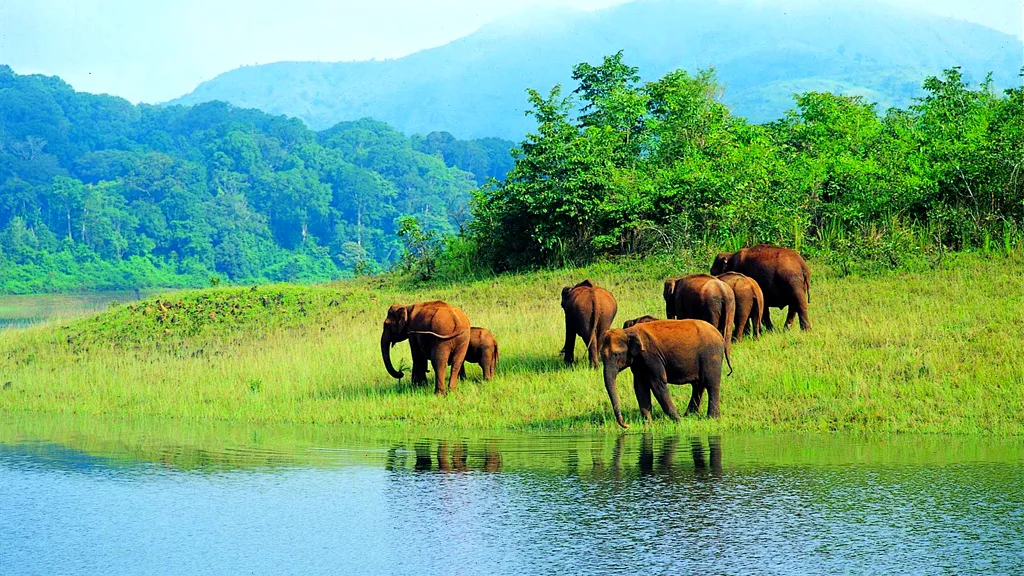
Periyar Wildlife Sanctuary
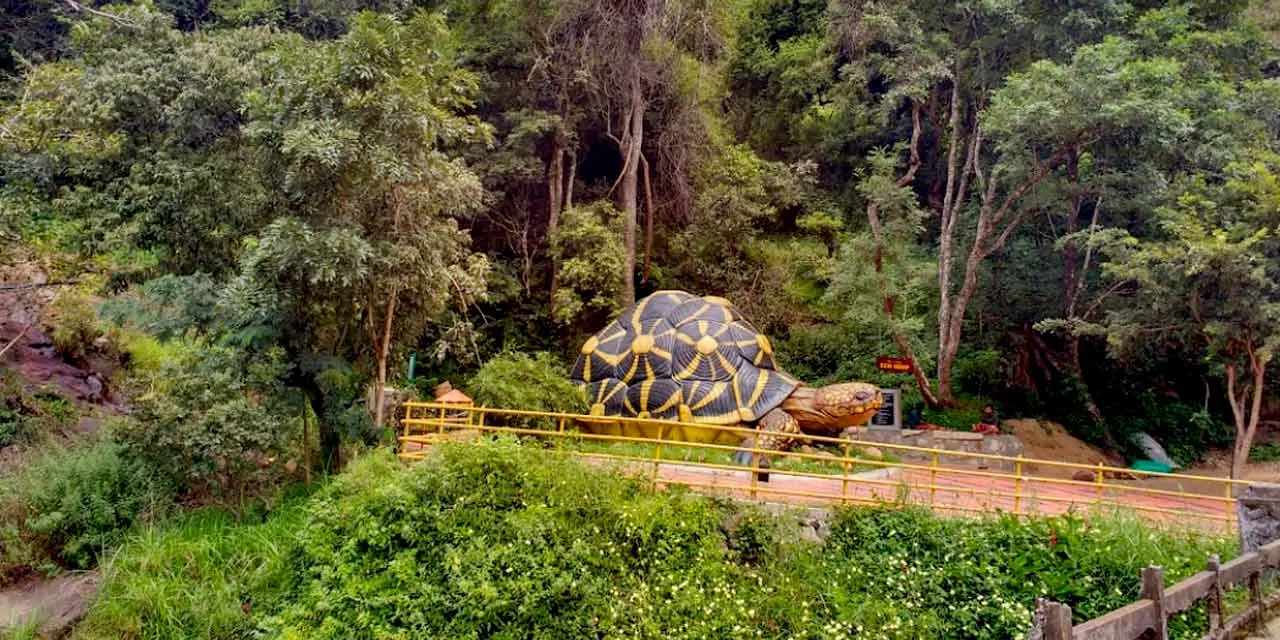
Chinnar Wildlife Sanctuary
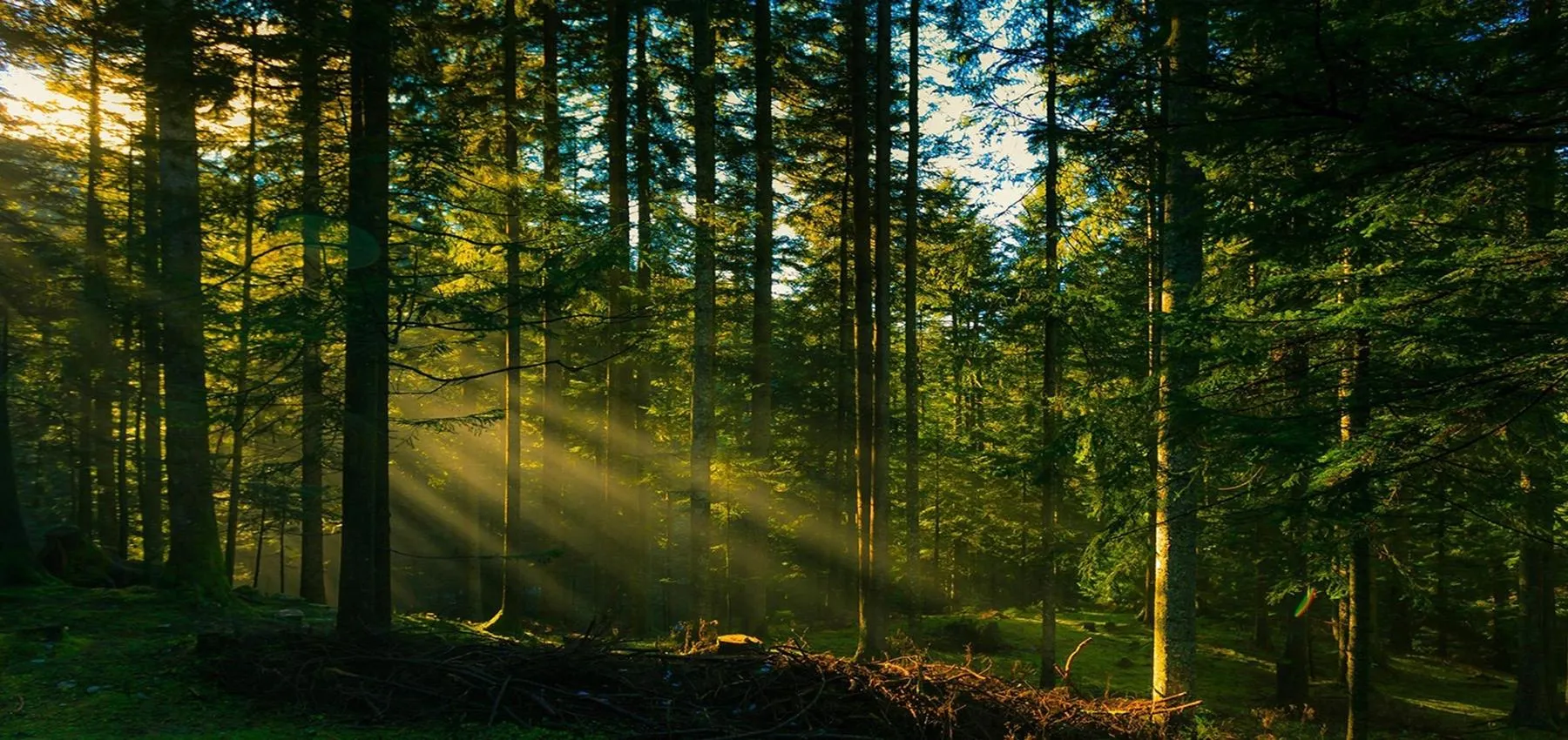
Vagamon Pine Forest
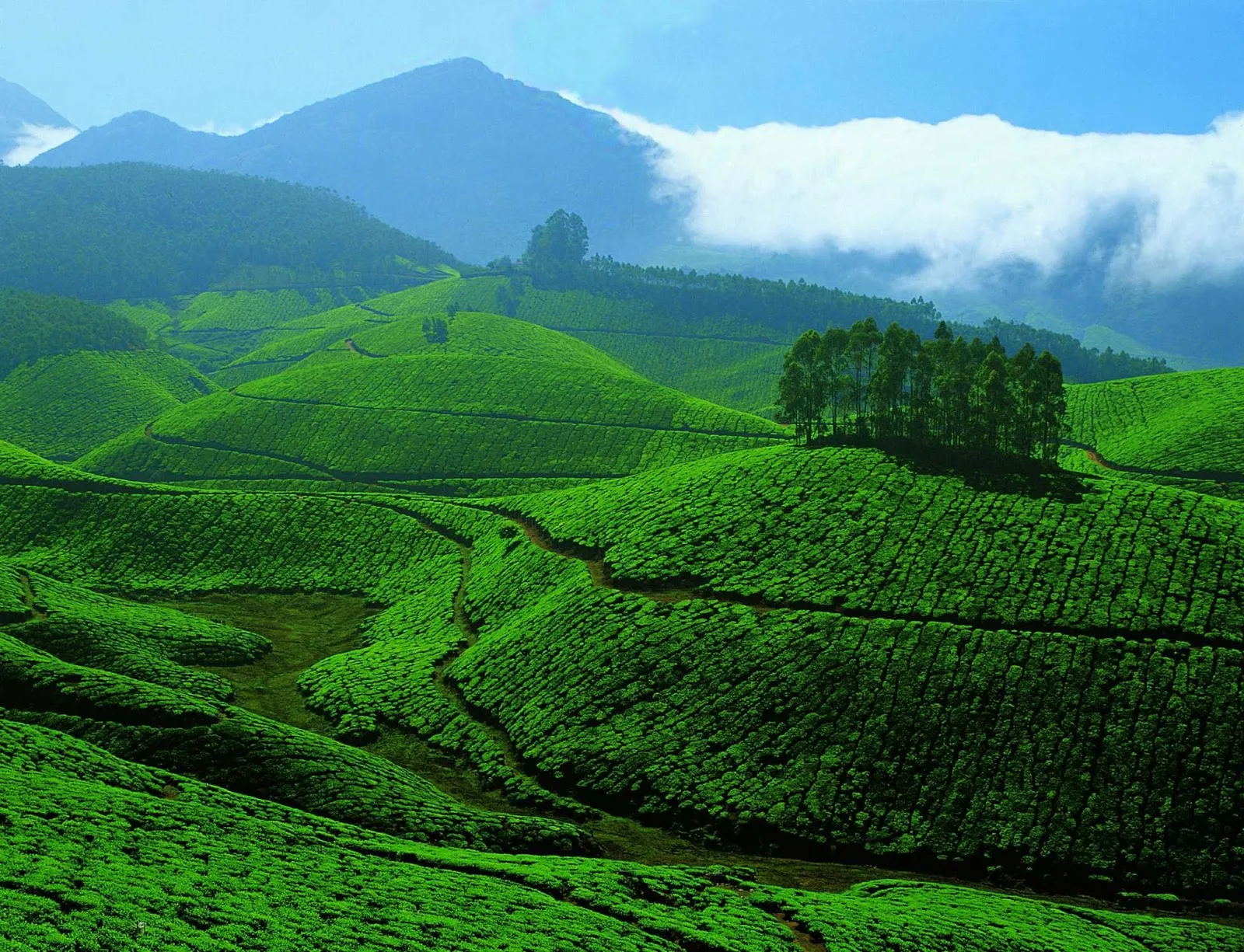
Munnar
These destinations are in close proximity to Eravikulam National Park and can be visited on the same trip.
Related Destinations
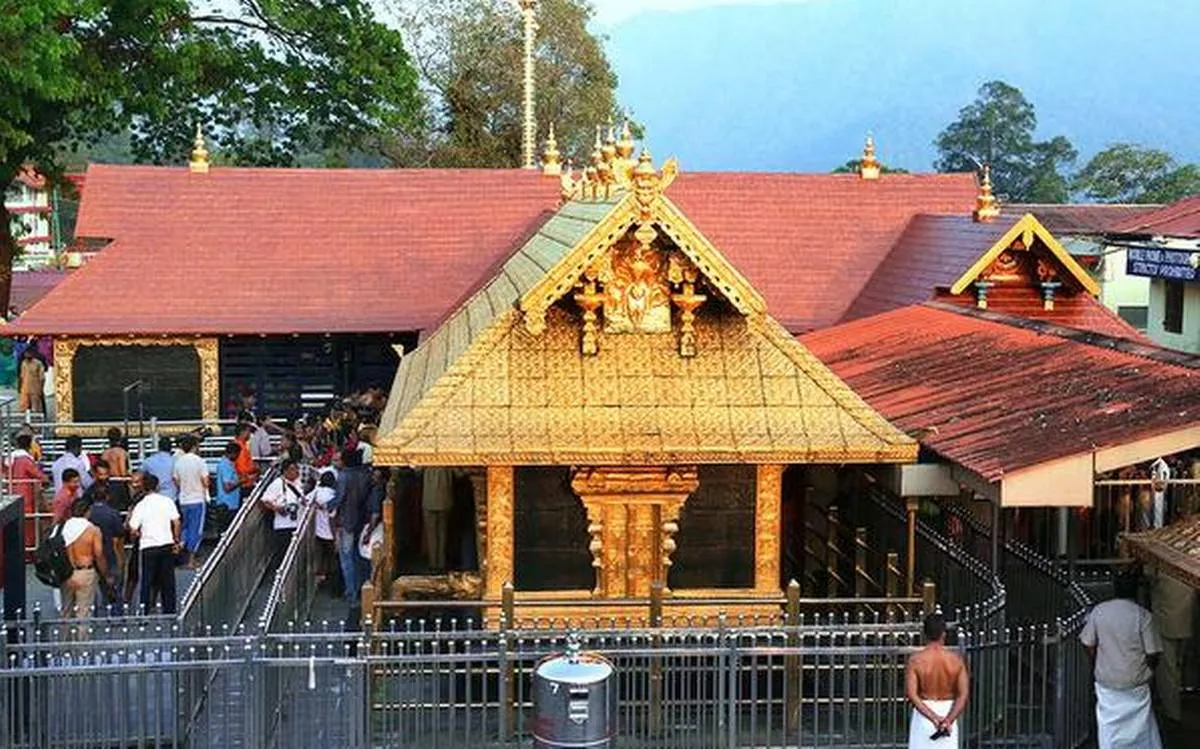
Sabarimala Temple
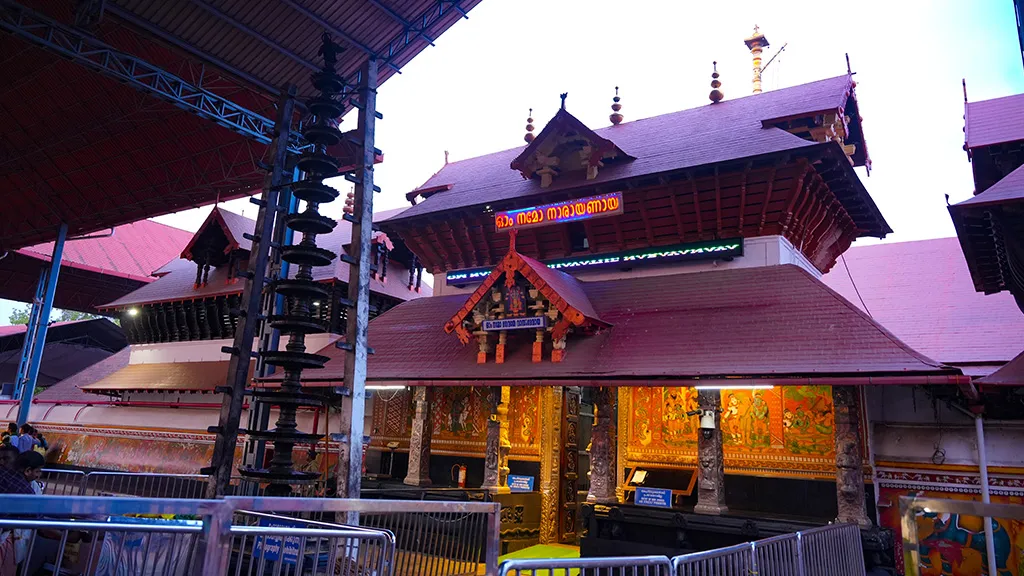
Guruvayur Temple
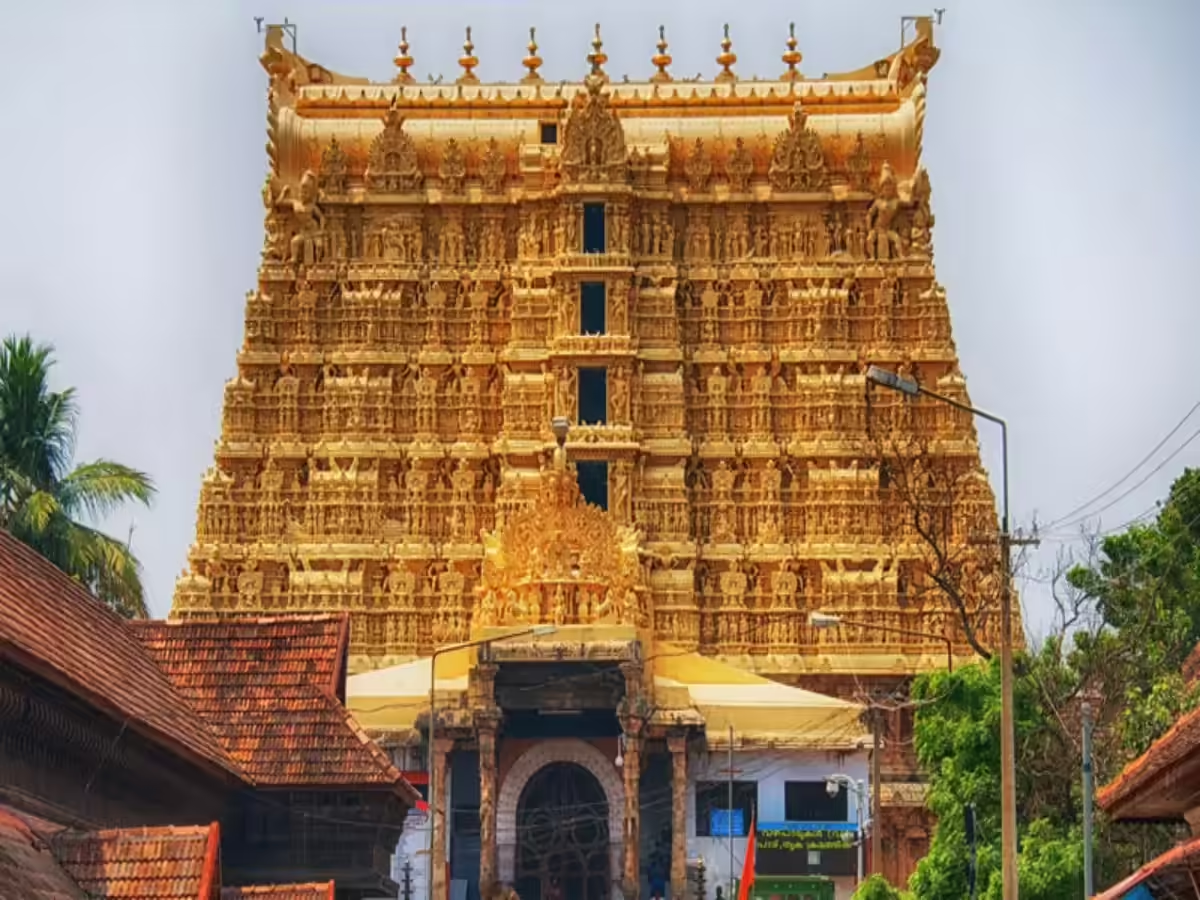
Padmanabhaswamy Temple
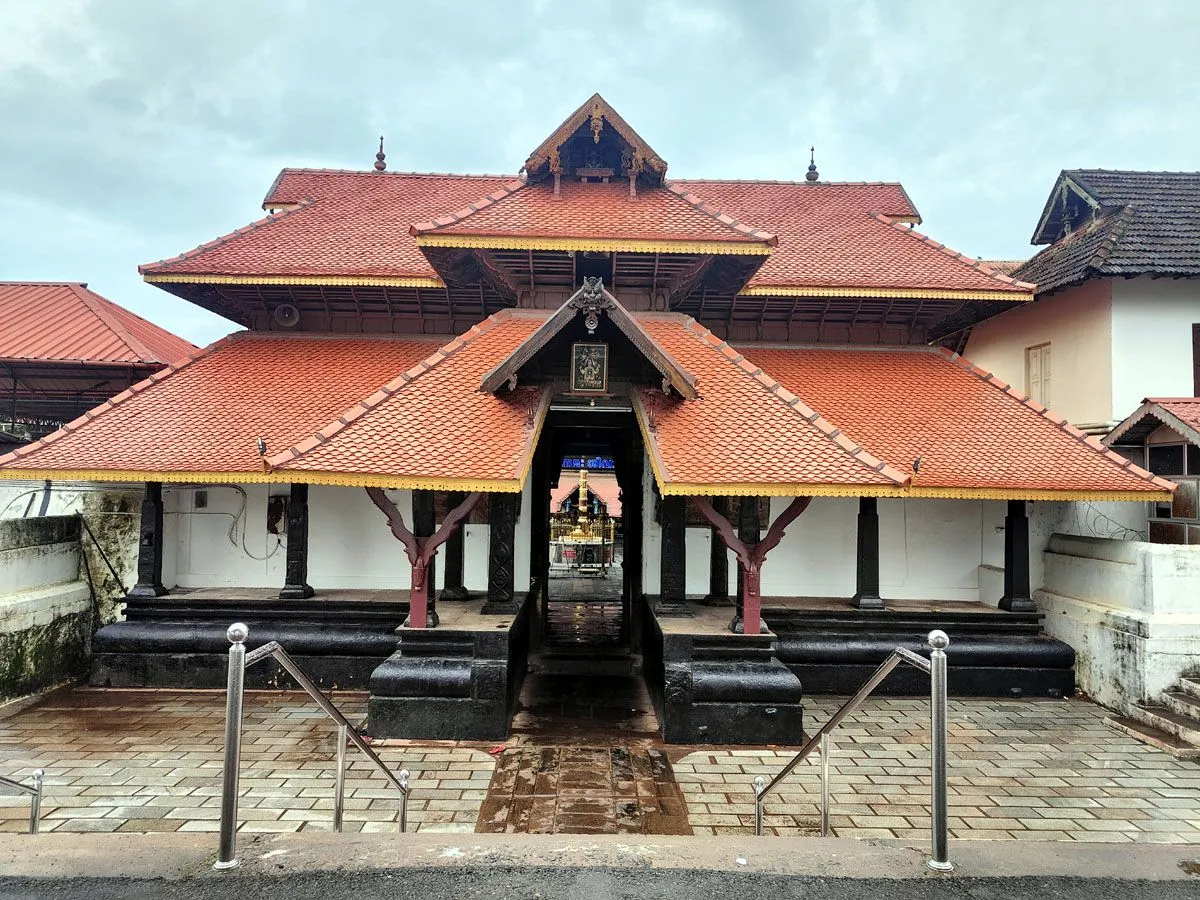
Ettumanoor Mahadeva Temple
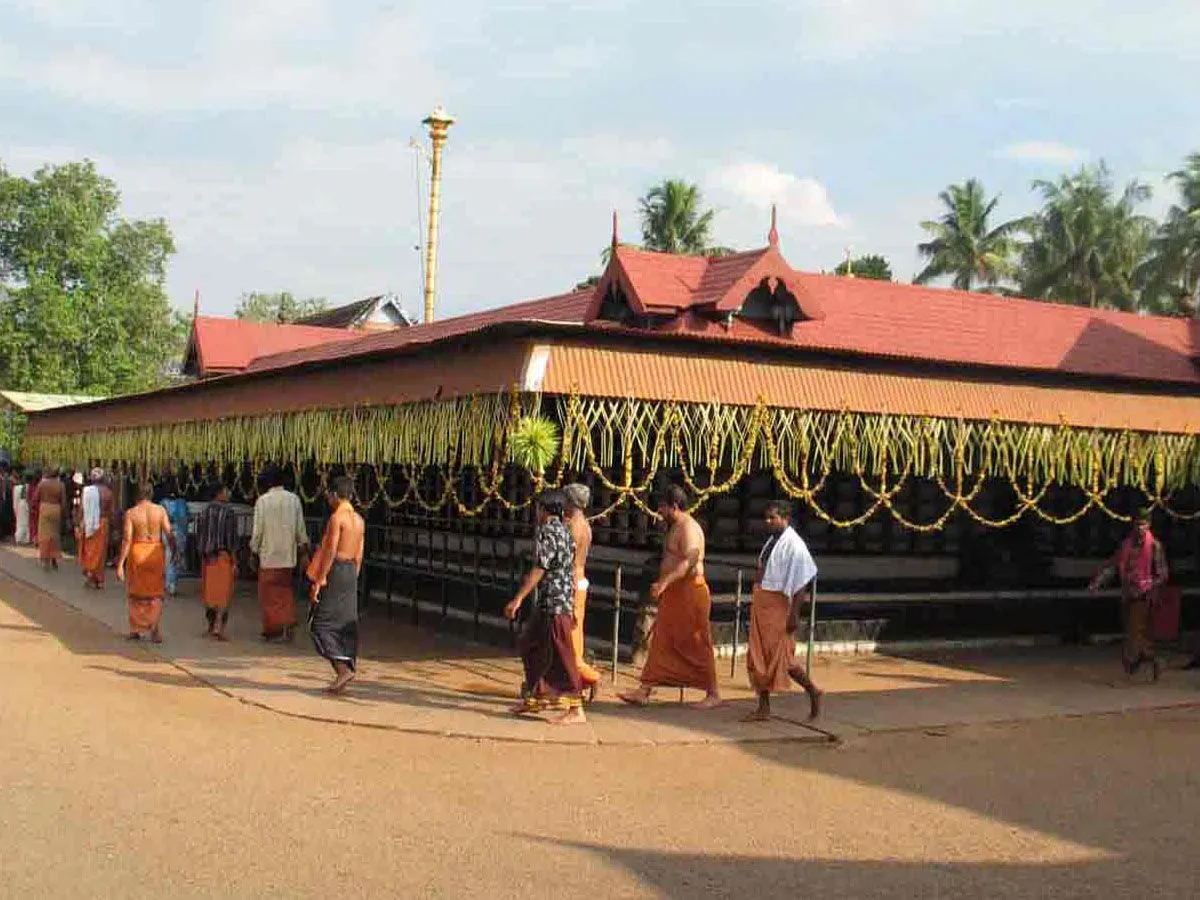
Chottanikkara Temple
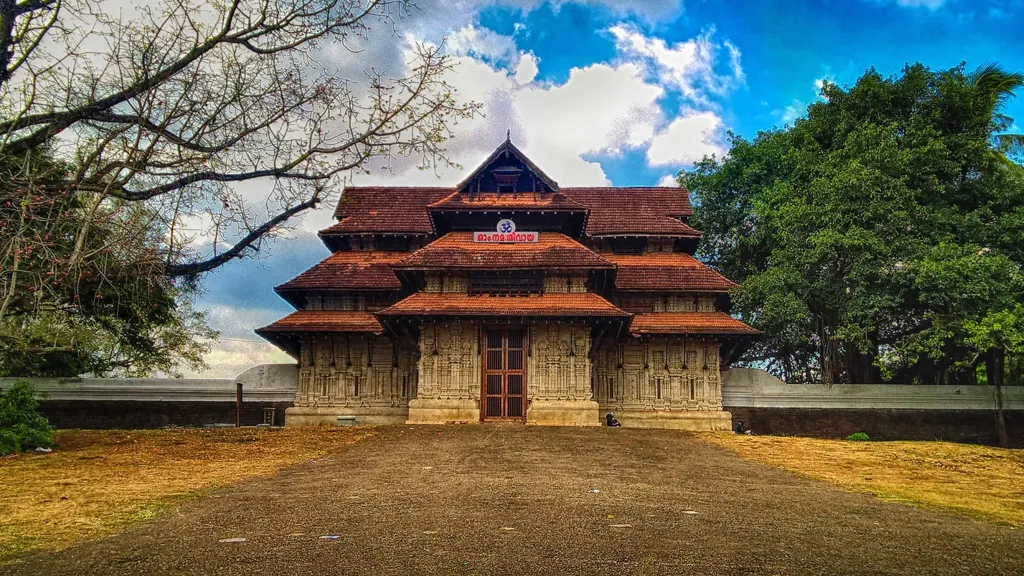
Vadakkunnathan Temple Thrissur
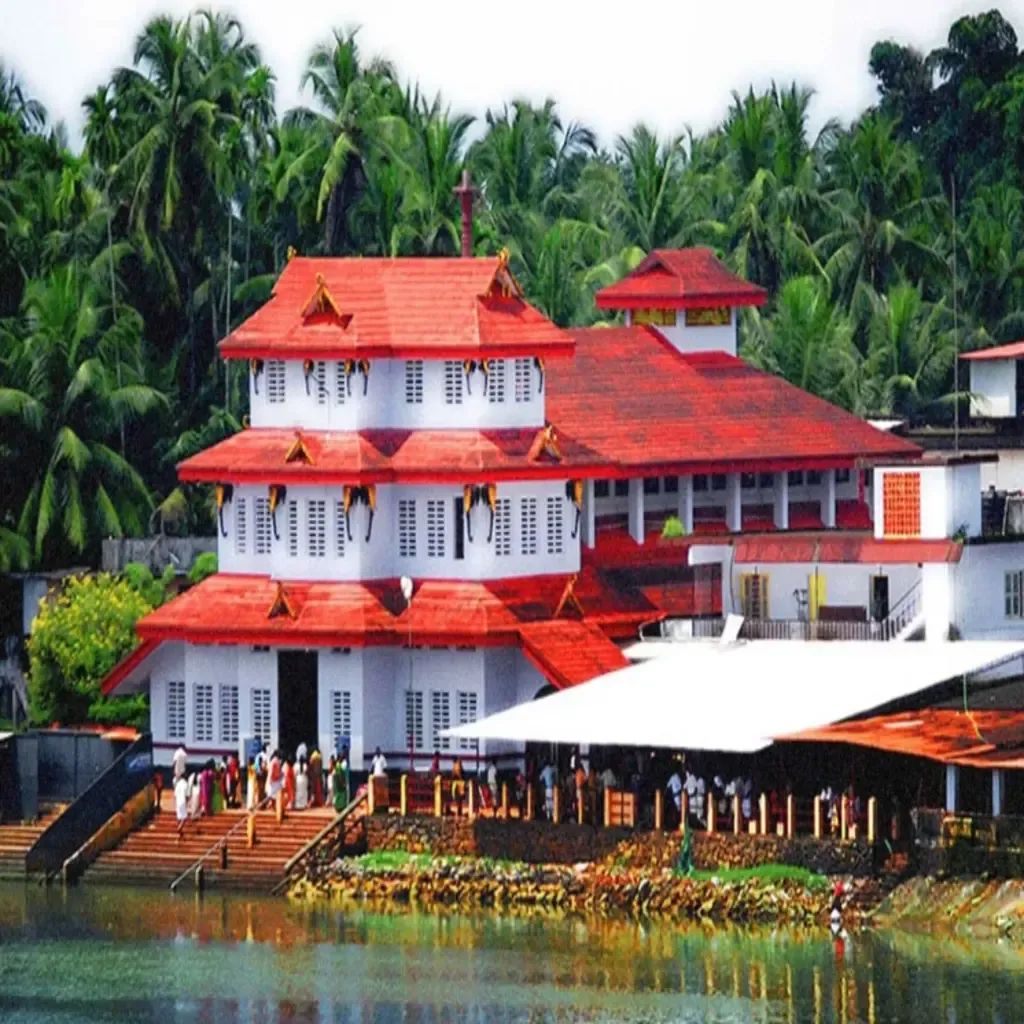
Parassinikadavu Muthappan Temple
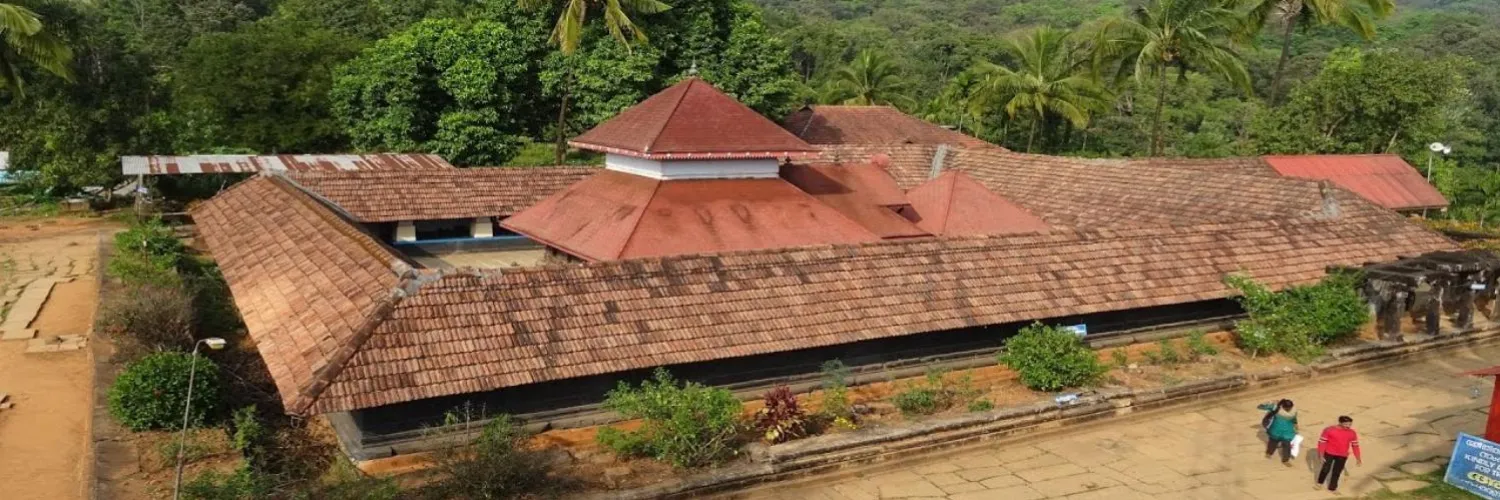
Thirunelli Temple Wayanad
Visit Information
Opening Hours
Entry Fee
Best Time to Visit
September to February
Location
Idukki District, Kerala, India
Contact
For inquiries: 04865-231587
Share this destination:
 Translate