
Munnar
About Munnar
Introduction to Munnar
Perched at roughly 1,600 meters above sea level in the Western Ghats, Munnar is Kerala's most iconic hill station — a sweeping landscape of rolling tea plantations, misty peaks, and cool mountain air that feels worlds away from the state's coastal backwaters and temple towns. Once a British colonial retreat and the summer resort of choice for the erstwhile Madras Presidency's rulers, Munnar today draws travelers from across India and around the world for its endless emerald-green tea gardens, South India's highest peak, and a climate so consistently cool that it stands in sharp contrast to the tropical heat of the rest of Kerala.
For US and international travelers building a Kerala itinerary around backwaters and beaches, Munnar offers a genuinely different chapter: crisp mountain mornings, working tea estates you can walk right through, and wildlife found nowhere else on Earth, including the endangered Nilgiri Tahr and the rare Neelakurinji flower that blankets the hills in blue just once every twelve years. Combined with its relatively easy access from Kochi and a well-developed range of hotels and resorts, Munnar has become one of South India's most popular hill-station getaways, equally suited to honeymooners, families, trekkers, and anyone simply looking to trade Kerala's heat for cooler air and greener views.
This guide covers Munnar's history and tea heritage, how to reach it from Kochi, the best time to visit, its key attractions, food, hotels, a realistic itinerary, nearby places, practical travel tips, and answers to the questions travelers ask most often before visiting.
Why Munnar Stands Apart from the Rest of Kerala
Most first-time Kerala visitors arrive expecting backwaters, beaches, and coconut palms, and Munnar can come as a genuine surprise — rolling hills that would look at home in parts of the Scottish Highlands or the tea country of Sri Lanka, wrapped in a distinctly Kerala character all their own. For NRI travelers who grew up hearing family stories about visiting Munnar as children, or for anyone simply looking to experience the full range of what Kerala's geography has to offer, the hill station provides a compelling counterpoint to the state's more commonly photographed coastal scenery, and increasingly ranks among the most requested additions to a first-time Kerala itinerary.
History of Munnar
Munnar's modern identity is inseparable from tea, but its history as a destination of interest to outsiders begins slightly earlier, with a mix of colonial-era exploration, tribal guidance, and eventually one of India's most significant tea-growing enterprises. Understanding this layered history — indigenous knowledge, colonial ambition, and later corporate and employee ownership — helps explain why the landscape looks the way it does today.
Early British Encounters
The hills that would become Munnar first drew British attention in 1790, when Arthur Wellesley, later the Duke of Wellington, passed through the region during a campaign against Tipu Sultan. It would be nearly three decades before the area was formally surveyed, when Lieutenants Benjamin Swain Ward and Peter Eyre Connor of the Madras Army conducted a trigonometric survey of the hills in 1817, producing the first official British record of the region. These early expeditions had little to do with tea or plantation agriculture at the time, but they laid the groundwork for the more sustained British interest that would follow decades later.
The Naming of Kannan Devan
The hill range surrounding Munnar takes its name, Kannan Devan, from two local Mudhuvan tribesmen, Kannan and Devan, who guided the earliest British visitors through the unfamiliar terrain. Their names live on today in the Kannan Devan Hills Plantations Company, which still manages much of the region's tea production, ensuring that the area's indigenous history remains embedded in its most visible modern industry. This naming convention is a detail many visitors overlook, but it offers a rare example of indigenous local knowledge being formally credited within a colonial-era enterprise, even as the broader plantation economy that followed brought profound change to the tribal communities who first called these hills home.
The Birth of the Tea Industry
In 1877, the Poonjar royal family leased roughly 136,600 acres of the Kannan Devan hills to John Daniel Munro, who went on to found the North Travancore Land Planting & Agricultural Society in 1879. Early planters experimented with coffee, cardamom, and cinchona before settling on tea as the region's ideal crop. Although A.W. Turnor is often credited as an early cultivator, it was A.H. Sharp who planted the first substantial tea crop in 1880, on around 50 acres of land at the Parvathy estate — land that remains part of the Seven Mallay Estate today. This early period of agricultural experimentation is a reminder that tea's dominance in Munnar was not inevitable, but rather the result of years of trial and error across multiple competing cash crops.
Consolidation Under Colonial and Corporate Ownership
In 1895, Finlay Muir & Company acquired 33 independent estates in the region, and the Kannan Devan Hills Produce Company was formally established in 1897, marking the beginning of large-scale, organized tea cultivation in Munnar. The plantations suffered a major setback in 1924, when a catastrophic monsoon triggered landslides and flooding that caused significant loss of property and life; extensive replanting followed over the subsequent months as the estates gradually recovered. This period of consolidation under organized corporate ownership set the template for the plantation-scale tea economy that continues to define Munnar's landscape and livelihoods today.
From Tata to Employee Ownership
India's tea industry in Munnar entered a new era in 1964, when the Tata Group entered a collaboration with Finlay to form the Tata-Finlay Group, followed by the establishment of Tata Tea Ltd. in 1983. In a particularly notable development for the region, the Kannan Devan Hills Produce Company Pvt. Ltd. was formed in 2005, when Tata Tea transferred ownership of its plantations to this new entity — making it India's first employee-owned tea company and giving Munnar's plantation workers a direct stake in the very estates their families had long worked. This shift toward employee ownership remains a point of considerable local pride and is often cited as a distinctive model within India's broader plantation economy.
How to Reach Munnar
Munnar's hill-station location means it requires a somewhat longer overland journey than Kerala's coastal destinations, but the drive itself, winding through spice plantations and forested hills, is widely considered one of the highlights of any Munnar trip, and most travelers find the journey itself sets the tone for the cooler, slower pace of the destination ahead.
By Air
- Cochin International Airport (COK) is the nearest major airport, roughly 130-135 km away, with strong international connectivity, including routes relevant to US-based travelers via Gulf and European hubs.
- From the airport, pre-paid taxis and app-based cabs make the roughly 3.5 to 4-hour drive up into the hills.
- Coimbatore International Airport in Tamil Nadu is a secondary option, roughly 165-175 km away, useful for travelers approaching from the Tamil Nadu side.
By Train
- Aluva Railway Station, near Kochi, is generally considered the most convenient rail option, roughly 110-120 km from Munnar.
- Ernakulam Junction in Kochi offers broader connectivity to major Indian cities and is a common starting point for travelers combining rail and road travel to reach Munnar.
- From either station, taxis and buses complete the onward mountain journey.
By Road
- Munnar is well connected by road from Kochi (roughly 130 km) and Kottayam (roughly 148 km), with the route climbing steadily through spice estates and forested hill terrain.
- KSRTC and private buses run regularly from Kochi, Ernakulam, and other major Kerala towns.
- Self-drive or hired taxis are popular given the scenic nature of the drive, though the winding hill roads require an experienced driver, particularly for travelers unfamiliar with mountain driving.
For NRI and US-Based Travelers
The most efficient route for travelers coming from the US is typically to fly into Cochin International Airport, spend a night in Kochi to recover from the journey, and then make the scenic drive up to Munnar the following day, arriving with enough daylight left to settle in and enjoy the cooler mountain air before starting sightseeing.
Best Time to Visit Munnar
Ideal Months: September to May
Munnar's high elevation gives it a noticeably cooler climate than the rest of Kerala year-round, and the period from September through May generally offers the most comfortable conditions for sightseeing, with clear skies and pleasant daytime temperatures ideal for exploring tea gardens, viewpoints, and the surrounding national parks. This extended window, considerably longer than the tighter travel seasons found in many other parts of Kerala, is one of the reasons Munnar draws visitors so consistently throughout much of the year.
Peak Winter Season (December–February)
December through February brings the coolest temperatures of the year, sometimes dropping close to freezing at night in higher elevations, along with the clearest mountain views. This period coincides with Munnar's peak tourist season, particularly around Christmas and New Year, so advance booking for accommodation is strongly recommended.
Monsoon Season (June–August)
The monsoon transforms Munnar into an even more intensely green landscape, with waterfalls at their fullest, though heavy rain can limit outdoor activities and make some roads and trekking routes less accessible. Travelers who don't mind rain and want to see the hills at their lushest, with fewer crowds, may still find this an appealing time to visit.
The Neelakurinji Bloom
One of Munnar's most extraordinary natural events is the blooming of the Neelakurinji flower, which covers the hillsides of Eravikulam National Park in a striking blue-purple carpet, but only once every twelve years. The flower last bloomed in 2018, meaning the next bloom is expected around 2030 — a detail worth knowing for travelers hoping to plan a visit specifically around this rare natural spectacle. Even outside bloom years, Eravikulam's hillsides remain worth visiting for their wildlife and general scenery, but travelers with strong botanical interests may want to mark 2030 as a bucket-list date well in advance.
Top Attractions
Munnar's appeal lies in a cluster of natural and cultivated landscapes spread across the surrounding hills, most reachable as half-day excursions from the town itself, and together they capture the full range of what makes this hill station so distinctive within Kerala.
Eravikulam National Park
Home to South India's highest peak, Anamudi, standing at 2,695 meters, Eravikulam National Park is also the best place to spot the endangered Nilgiri Tahr, a mountain goat found only in this part of the Western Ghats. Private vehicles are not permitted inside the park; visitors instead take a shared bus to the walking trail area at Rajamala, where guided walking routes reveal sweeping views, streams, and, in bloom years, the celebrated Neelakurinji flowers. The park is generally considered Munnar's single most essential stop, and most travelers plan their itinerary around it before adding other sights.
Kannan Devan Hills Plantation (KDHP) Tea Museum
India's first dedicated tea museum, established by Tata Tea in 2005 at the Nallathanni Estate, offers an in-depth look at the region's tea-growing history, cultivation techniques, and processing methods, including a short documentary on the transformation of the Kannan Devan hills from forest to plantation. The museum's colonial-style architecture, with sloping roofs and wide verandas, adds to the immersive sense of stepping back into Munnar's plantation-era past, and the on-site displays of processing equipment give visitors a genuinely hands-on understanding of how raw tea leaves become the finished product sold in shops around town.
Mattupetty Dam and Lake
A popular boating spot surrounded by tea-covered hills, Mattupetty Dam offers scenic lake views and, nearby, an Indo-Swiss dairy farm that reflects an interesting mid-20th-century development project in the region. The dam's reservoir also plays a practical role in the area's hydroelectric power generation, adding an industrial dimension to what is otherwise one of Munnar's most purely scenic stops.
Top Station
Sitting near the Tamil Nadu border at an elevation of around 1,700 meters, Top Station offers some of the most expansive panoramic views in the entire Munnar region, looking out over the Western Ghats toward the plains of Tamil Nadu. The name itself dates back to the colonial era, when the site served as a transfer point for tea being transported down toward the plains via an aerial ropeway system that has since been decommissioned.
Kundala Lake
Surrounded by tea plantations and known for its distinctive pedal-boat-shaped boats, Kundala Lake is a popular family-friendly stop combining scenic beauty with a relaxed boating outing. The lake sits at a higher elevation than Munnar town itself, meaning temperatures here can feel noticeably crisper, particularly in the early morning hours before the day's tourist crowds arrive.
Echo Point and Attukad Waterfalls
Echo Point, set beside a scenic lake, is popular for its namesake echo effect against the surrounding hills, while Attukad Waterfalls, just a couple of kilometers from Munnar town, offers an easily accessible scenic escape for a shorter outing.
Munnar's Unique Ecology
Beyond its plantations, the Munnar region sits within one of the world's biodiversity hotspots, and understanding a little about its ecology adds depth to a visit beyond the more commercial tea-tourism sites.
The Western Ghats Biodiversity Hotspot
Munnar lies within the Western Ghats, a mountain range recognized as one of the world's eight hottest biodiversity hotspots, home to thousands of plant and animal species found nowhere else on the planet. The shola forests and grassland ecosystems surrounding Munnar's tea estates support this unusually rich biodiversity, even as commercial plantation agriculture has reshaped much of the visible landscape. This dual identity, part working agricultural landscape and part globally significant conservation zone, is part of what makes Munnar such an unusual and layered destination compared to more purely scenic hill stations elsewhere in India.
The Nilgiri Tahr
Eravikulam National Park was specifically established to protect the endangered Nilgiri Tahr, a mountain goat species found only in the higher elevations of the Western Ghats. The park remains the single best place in the world to reliably observe this species in its natural habitat, making it a significant draw for wildlife photographers and conservation-minded travelers alike, and the tahr's relative comfort around visitors along the designated walking trail makes for unusually close, non-intrusive sightings compared to most wildlife viewing experiences in India.
Rare Flora
Beyond the Neelakurinji, Eravikulam and the surrounding hills support more than 40 varieties of flowering plants across their seasonal blooms, along with orchids, wild balsams, and a range of butterfly species that together make the region a rewarding destination for naturalists even outside the rare twelve-year Neelakurinji cycle. Serious botany enthusiasts often find that a slower, guided walk through these areas reveals far more diversity than a quick drive-by visit to the park's main viewpoints would suggest.
Hidden Gems Around Munnar
Beyond the well-known attractions covered by nearly every Munnar itinerary, a handful of quieter spots reward travelers willing to venture slightly further from the main tourist circuit.
Marayoor's Sandalwood Forests and Dolmens
A less-visited detour from central Munnar, Marayoor is home to Kerala's only natural sandalwood forest, along with ancient dolmens and prehistoric rock art, offering a striking contrast to the tea-dominated landscape most visitors associate with the region. The area's dry, distinct microclimate, shaped by its position in the rain shadow of the Western Ghats, also makes it noticeably different in character from Munnar's misty, cloud-covered hills just a short drive away.
Pothamedu Viewpoint
A quieter viewpoint just outside Munnar town, Pothamedu offers sweeping views over the confluence of coffee, tea, and cardamom plantations, giving visitors a sense of the region's full agricultural diversity beyond tea alone, and its relatively modest visitor numbers compared to Munnar's more famous stops make it a good choice for a quieter, less crowded photo stop.
Chithirapuram's Colonial Bungalows
This small settlement near Munnar preserves a cluster of old colonial-era planter bungalows and a historic church, offering a quieter, more atmospheric glimpse into the British plantation era than the busier tourist sites closer to town, and a short walk through the settlement gives a genuine sense of how the region's early European planters actually lived, well away from the more commercialized parts of modern Munnar.
Things to Do in and Around Munnar
Beyond sightseeing at individual attractions, Munnar offers a range of activities suited to its cool climate and plantation landscape, making it easy to fill several days without repeating the same kind of outing twice.
- Walk through working tea estates and learn the tea-making process at the KDHP Tea Museum.
- Take the guided walking trail at Eravikulam National Park to spot the Nilgiri Tahr and, in bloom years, the Neelakurinji flowers.
- Go boating on Mattupetty Dam or Kundala Lake.
- Trek toward Anamudi peak or other surrounding trails, ideally with a local guide.
- Visit a working spice plantation to see cardamom, pepper, and other spices grown alongside tea.
- Sample fresh, locally made chocolates and spices at shops around Munnar town.
- Take a scenic drive to Top Station for panoramic Western Ghats views.
- Explore Marayoor's sandalwood forests and ancient dolmens for a change of pace from the main tourist circuit.
Local Food to Try
Munnar's cooler climate shapes its food culture in noticeable ways, with heartier, warming dishes and a strong emphasis on the fresh tea and spices grown right in the surrounding hills.
Hill-Country Kerala Cuisine
- Fresh Munnar tea — sampling tea sourced directly from the surrounding estates is a must, with many shops and cafes offering tastings alongside their retail offerings.
- Appam and stew — a Kerala breakfast classic, widely available and especially comforting in Munnar's cooler climate.
- Kappa and meat curry — steamed tapioca paired with a spiced curry, a hearty hill-country staple.
- Locally grown spices — Munnar's status as one of Kerala's cardamom-growing centers means fresh, high-quality spices are widely available for cooking or as souvenirs.
Homemade Chocolates
Munnar has developed something of a reputation for artisanal, locally made chocolate, sold in small shops throughout the town — a distinctly modern addition to the region's culinary identity alongside its more traditional tea and spice offerings. Many shops offer free tastings, and chocolate infused with local spices like cardamom or pepper has become a particularly popular souvenir among visitors looking to bring a taste of Munnar home.
Tips for Travelers
Munnar's dining scene caters well to both vegetarian and non-vegetarian travelers, with a good mix of Kerala-style restaurants, multi-cuisine options catering to domestic and international tourists, and simple local eateries serving hearty, warming food suited to the cooler climate.
Where to Stay: Hotels Near Munnar
Munnar's status as one of Kerala's most popular hill-station destinations means the town and surrounding hills offer one of the widest ranges of accommodation styles found anywhere in the state.
Budget and Mid-Range Options
Munnar town and its surrounding areas offer a wide range of budget lodges and mid-range hotels, many with views over the surrounding hills, catering to the large volume of domestic tourists who visit throughout the year.
Plantation and Resort Stays
For a more immersive experience, Munnar is known for its plantation-stay resorts and colonial-style bungalows set amid working tea and spice estates, offering a scenic, quieter alternative to staying in the town center itself. Many of these properties incorporate restored planter-era buildings, giving guests a genuine sense of the region's colonial plantation history alongside modern hospitality standards.
Booking Considerations
Munnar's peak season, running roughly from September through May and especially intense around Christmas, New Year, and major Indian holidays, sees hotel prices rise and availability tighten considerably. Booking well in advance, particularly for the December-January period, is strongly advisable.
Budget Guide
Munnar can comfortably accommodate almost any travel budget, from simple backpacker lodges to some of Kerala's most exclusive plantation resorts.
Entry Fees and Activities
Most of Munnar's major attractions charge modest entry fees — Eravikulam National Park and the KDHP Tea Museum both have ticketed entry, generally inexpensive by international standards, while scenic viewpoints and many outdoor spots remain free to visit. Boating at Kundala Lake and Mattupetty Dam typically involves a separate, modest per-person charge, and guided treks or plantation tours carry their own additional costs depending on the operator and length of the activity.
Approximate Daily Budgets (India-Based Travel)
- Budget traveler: Local buses, budget lodging, and simple local meals — an affordable way to experience Munnar's main sights without sacrificing access to the town's best-known attractions.
- Mid-range traveler: A private taxi for sightseeing, a comfortable mid-range hotel, and a mix of local and restaurant dining.
- Comfort/luxury traveler: A private car with driver for the duration of the stay, a plantation resort or upscale hotel, and guided trekking or wildlife excursions.
For International Travelers
Once in Kerala, day-to-day costs in Munnar — transport, entry fees, and meals — remain inexpensive by US standards, with international airfare and any high-end resort stays making up the larger share of an overall trip budget, and even splurging on a plantation resort stay tends to remain considerably more affordable than comparable hill-country accommodation in many other parts of the world.
Sample 2-Day Itinerary
A simple two-day structure covers Munnar's essential sights at a comfortable pace, though travelers with more time can easily extend the trip to include Marayoor or a wildlife excursion further afield.
Day 1: Munnar Town and Eravikulam National Park
- Morning: Visit Eravikulam National Park for the guided walking trail and a chance to spot the Nilgiri Tahr.
- Midday: Lunch in Munnar town, sampling local Kerala hill-country dishes.
- Afternoon: Visit the KDHP Tea Museum to learn about the region's tea history and processing methods.
- Evening: Stroll through Munnar town, browsing spice and chocolate shops before dinner.
Day 2: Mattupetty, Top Station, and Kundala Lake
- Morning: Visit Mattupetty Dam for boating and scenic views, followed by the nearby Indo-Swiss dairy farm.
- Midday: Continue to Top Station for panoramic Western Ghats views, weather permitting.
- Afternoon: Stop at Kundala Lake for a relaxed boating outing amid the surrounding tea estates.
- Evening: Return to Munnar town for a final dinner before departing the following day.
Nearby Places to Visit
Munnar's position within the Western Ghats puts several other significant hill-country and wildlife destinations within reasonable driving distance, making it easy to extend a trip beyond the town itself.
- Marayoor: Home to Kerala's only natural sandalwood forest and ancient dolmens, a scenic detour from Munnar's main tourist circuit.
- Chinnakanal and Power House Waterfalls: A scenic waterfall area en route between Munnar and the plains, popular for a short nature stop.
- Anayirankal Dam: A quieter reservoir surrounded by tea and cardamom estates, offering a peaceful alternative to Munnar's busier lakes.
- Chinnar Wildlife Sanctuary: A drier, distinct ecosystem compared to Munnar's misty hills, known for its own unique flora and fauna, located toward the Tamil Nadu border.
- Thekkady and Periyar Wildlife Sanctuary: A well-known wildlife destination a few hours from Munnar, often combined into a broader Western Ghats itinerary.
- Kochi: Kerala's main gateway city, roughly 130 km away, offering historic Fort Kochi, Mattancherry, and easy onward international connections.
Building a Western Ghats Itinerary
Munnar works naturally as part of a broader Western Ghats hill-country circuit, often combined with Thekkady's wildlife sanctuary further south or extended toward Tamil Nadu's Coimbatore and Ooty region for travelers with additional time. Many visitors treat Munnar as a cooling, scenic counterpoint to a Kerala itinerary otherwise focused on backwaters and coastal cities, and the contrast between the two landscapes — misty tea-covered hills versus palm-fringed waterways — is often cited as one of the most memorable aspects of a longer Kerala trip.
Travel Tips
Munnar's hill-country setting calls for a bit more preparation than Kerala's coastal destinations, particularly around weather, road conditions, and altitude.
- Pack for cool weather: Munnar's elevation means noticeably cooler temperatures than coastal Kerala, especially at night and in the early morning; pack warm layers even during the warmer months.
- Book attractions in advance: Eravikulam National Park and other popular sites can have limited daily visitor capacity; booking tickets or arriving early is advisable, especially during peak season.
- Hire a local driver for hill roads: Munnar's winding mountain roads are best navigated by an experienced local driver, particularly for travelers unfamiliar with hill driving conditions.
- Connectivity: Mobile network coverage can be inconsistent in more remote parts of the surrounding hills and inside national park areas; plan accordingly if relying on navigation apps.
- Altitude and activity level: While Munnar's elevation isn't extreme, travelers planning treks toward Anamudi or other peaks should pace themselves, stay hydrated, and check current trail conditions before setting out, particularly during or shortly after the monsoon season.
- Respect plantation property: Many of Munnar's most scenic tea gardens are working estates and private property; stick to designated visitor areas and marked trails.
- Language: Malayalam and Tamil are both commonly spoken given Munnar's proximity to the Tamil Nadu border, and Hindi and English are generally understood in hotels and tourist-facing businesses.
Frequently Asked Questions
1. What is Munnar famous for?
Munnar is famous for its sprawling tea plantations, cool hill-station climate, Eravikulam National Park and its endangered Nilgiri Tahr population, South India's highest peak Anamudi, and the rare Neelakurinji flower that blooms once every twelve years.
2. How far is Munnar from Kochi?
Munnar is roughly 130-135 km from Kochi and Cochin International Airport, typically a drive of about 3.5 to 4 hours through scenic hill and spice-plantation terrain, with the road climbing steadily as it approaches the higher elevations of the Western Ghats.
3. What is the best time to visit Munnar?
September through May generally offers the most comfortable weather for sightseeing, with December through February bringing the coolest temperatures and clearest views, though also the largest crowds and highest hotel prices of the year.
4. When will the Neelakurinji flowers bloom next?
The Neelakurinji last bloomed in 2018 and blooms only once every twelve years, meaning the next bloom is expected around 2030, making it a genuinely rare, once-in-a-lifetime sight for most travelers who happen to catch it.
5. Is Munnar suitable for families with children?
Yes — attractions like Kundala Lake boating, the KDHP Tea Museum, and gentler viewpoints such as Mattupetty Dam are well suited to families with children of most ages, though more strenuous treks toward Anamudi are better suited to older children and adults comfortable with longer hikes.
6. Do I need to book Eravikulam National Park tickets in advance?
While walk-in tickets are often available, booking in advance is recommended, particularly during peak season, since the park limits daily visitor numbers and private vehicles are not permitted inside, meaning long queues can form at the entrance during the busiest weeks of the year.
7. How many days should I spend in Munnar?
Two to three days is generally enough to cover Munnar's main attractions at a comfortable pace, including Eravikulam National Park, the Tea Museum, and the surrounding lakes and viewpoints; additional days allow for treks, spa and wellness time at a resort, or a visit to more remote spots like Marayoor.
8. Is Munnar cold, and what should I pack?
Munnar's elevation makes it noticeably cooler than the rest of Kerala year-round, with temperatures sometimes dropping close to freezing at night during peak winter months; packing warm layers, particularly for early mornings and evenings, is recommended regardless of season, along with comfortable walking shoes for the region's many outdoor viewpoints.
9. Can Munnar be combined with a wildlife sanctuary visit?
Yes — Thekkady and the Periyar Wildlife Sanctuary are a few hours from Munnar and commonly combined into a broader Western Ghats itinerary, along with the drier Chinnar Wildlife Sanctuary closer to the Tamil Nadu border, giving travelers a chance to experience two distinct ecosystems within a single extended trip.
10. Is Munnar a good honeymoon destination?
Yes — Munnar's scenic tea gardens, cool climate, and range of resort and plantation-stay options make it one of Kerala's most popular honeymoon destinations, often paired with the state's backwaters for a full contrast of hill and coastal scenery.
11. Can I visit tea plantations and see how tea is processed?
Yes — the KDHP Tea Museum offers a detailed look at tea processing, from plucking through oxidation and packaging, and many working estates around Munnar are visible and partly walkable from public roads, giving visitors a real sense of the cultivation process even outside formal tours, though visitors should stick to designated paths since most estates remain active private working farms.
12. Is it possible to see wild elephants in Munnar?
Elephants are present in the wider forest areas surrounding Munnar, particularly toward Chinnar Wildlife Sanctuary and other forested corridors, though sightings are not guaranteed and should never be sought out independently; guided wildlife excursions offer the safest and most reliable way to spot them.
13. What is the elevation of Munnar, and does altitude affect visitors?
Munnar sits at roughly 1,600 meters above sea level, with some surrounding viewpoints and trekking routes reaching higher still. Most visitors experience no altitude-related effects, though those planning strenuous treks toward Anamudi should pace themselves and stay well hydrated.
Conclusion
Munnar offers a side of Kerala that stands in complete contrast to the state's coastal backwaters and temple towns — cool mountain air, endless tea gardens, and a landscape shaped as much by nineteenth-century colonial enterprise as by the Western Ghats' own extraordinary biodiversity. Whether your interest lies in tracing the region's tea heritage at the KDHP Museum, spotting the endangered Nilgiri Tahr in Eravikulam National Park, or simply enjoying the rare sensation of cool mountain evenings in a state better known for its heat and humidity, Munnar rewards travelers willing to make the climb into Kerala's high hill country. Pair a visit with Kochi's colonial heritage or Thekkady's wildlife sanctuary for a well-rounded Western Ghats itinerary that captures Kerala's remarkable range, from sea level to nearly 2,700 meters.
Few destinations in South India pack such a dramatic shift in scenery, climate, and pace into a single half-day drive. Travelers who arrive expecting only backwaters and beaches often find that Munnar's cool hills, working tea estates, and rare mountain wildlife end up among the most memorable days of their entire Kerala trip — a reminder that God's Own Country earns its name as much in its highlands as it does along its famous coastline.
Photo Gallery
What you'll experience
- 1
Walk through lush tea plantations
- 2
Visit Eravikulam National Park
- 3
Enjoy boating at Mattupetty Dam
- 4
Watch sunrise from Top Station
Explore More
Nearby Destinations
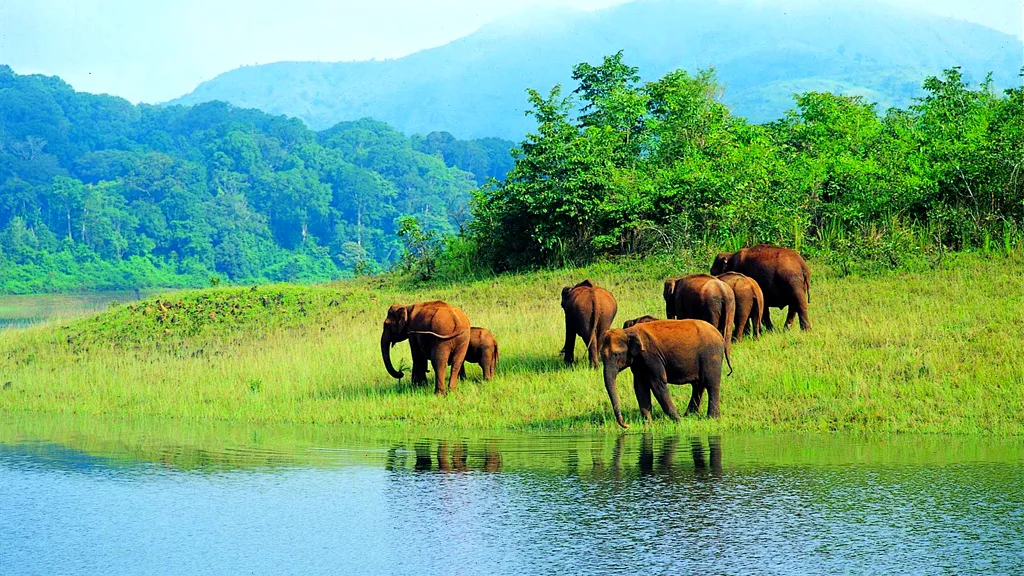
Periyar Wildlife Sanctuary
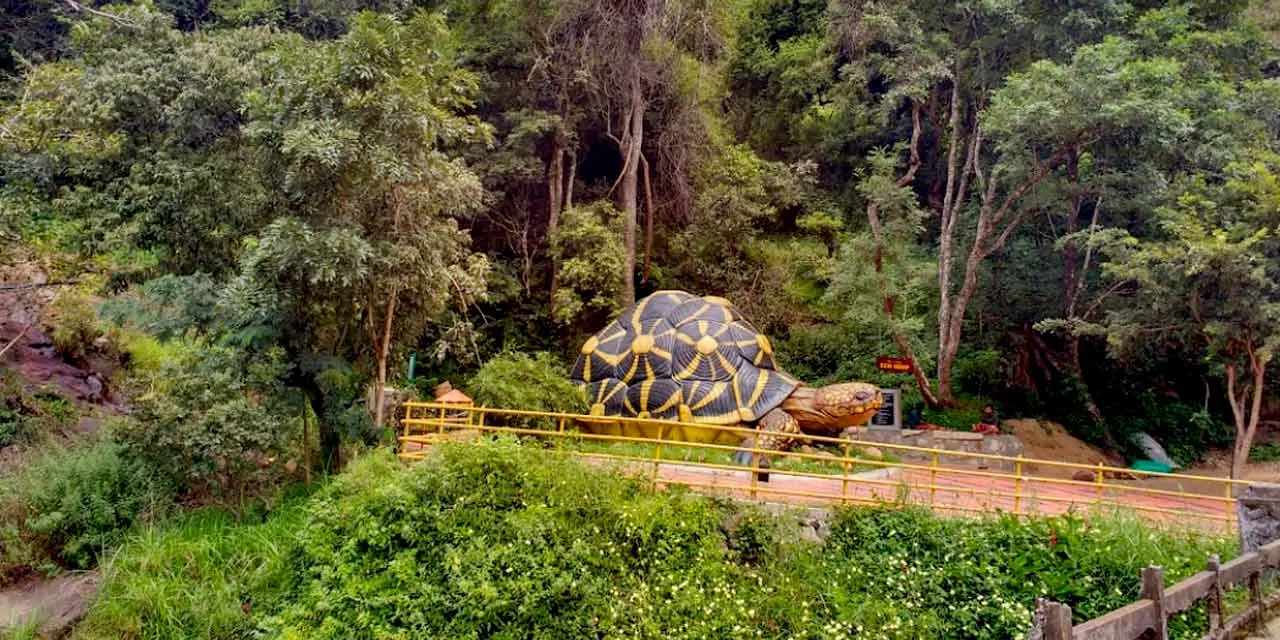
Chinnar Wildlife Sanctuary
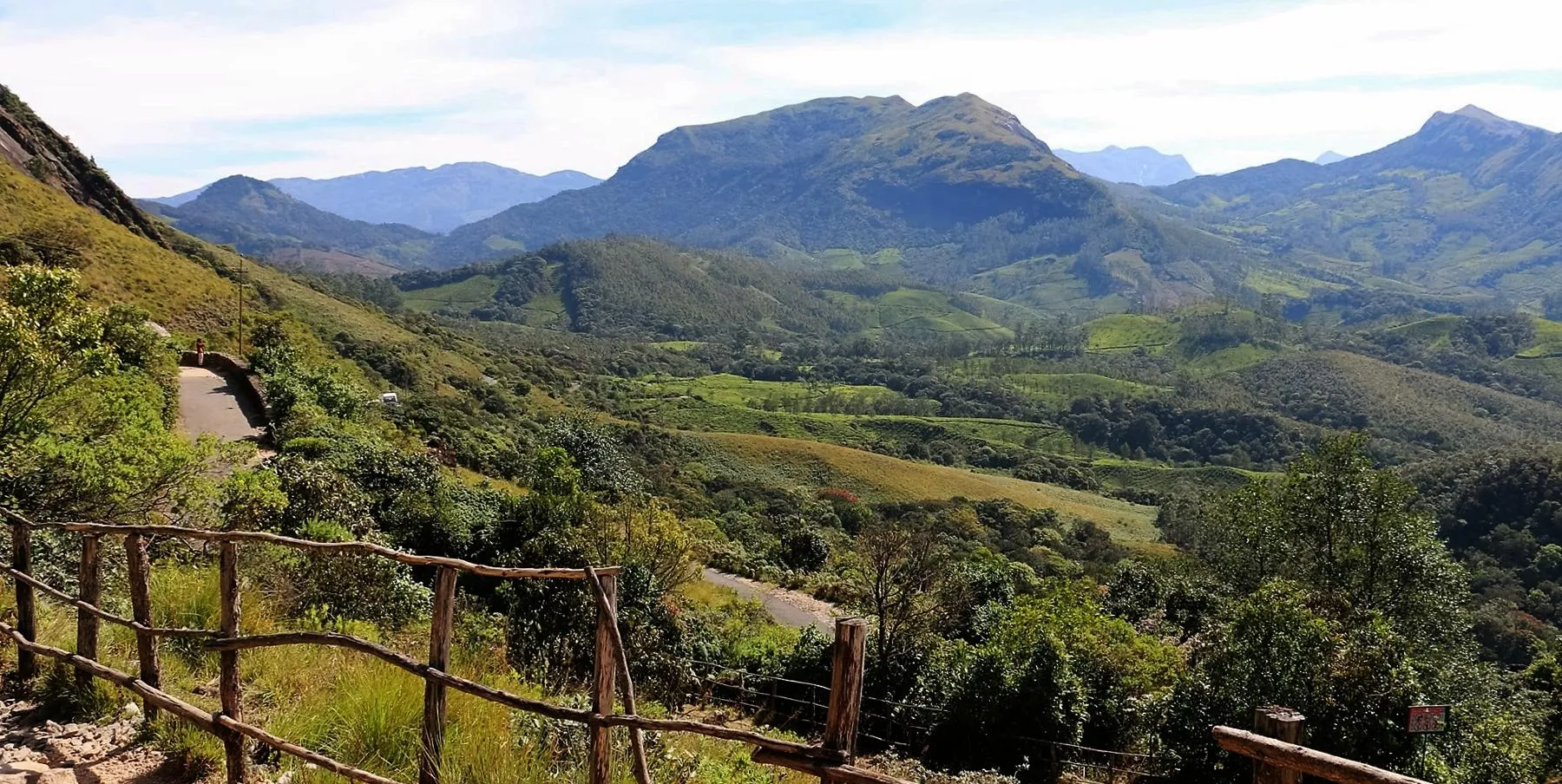
Eravikulam National Park
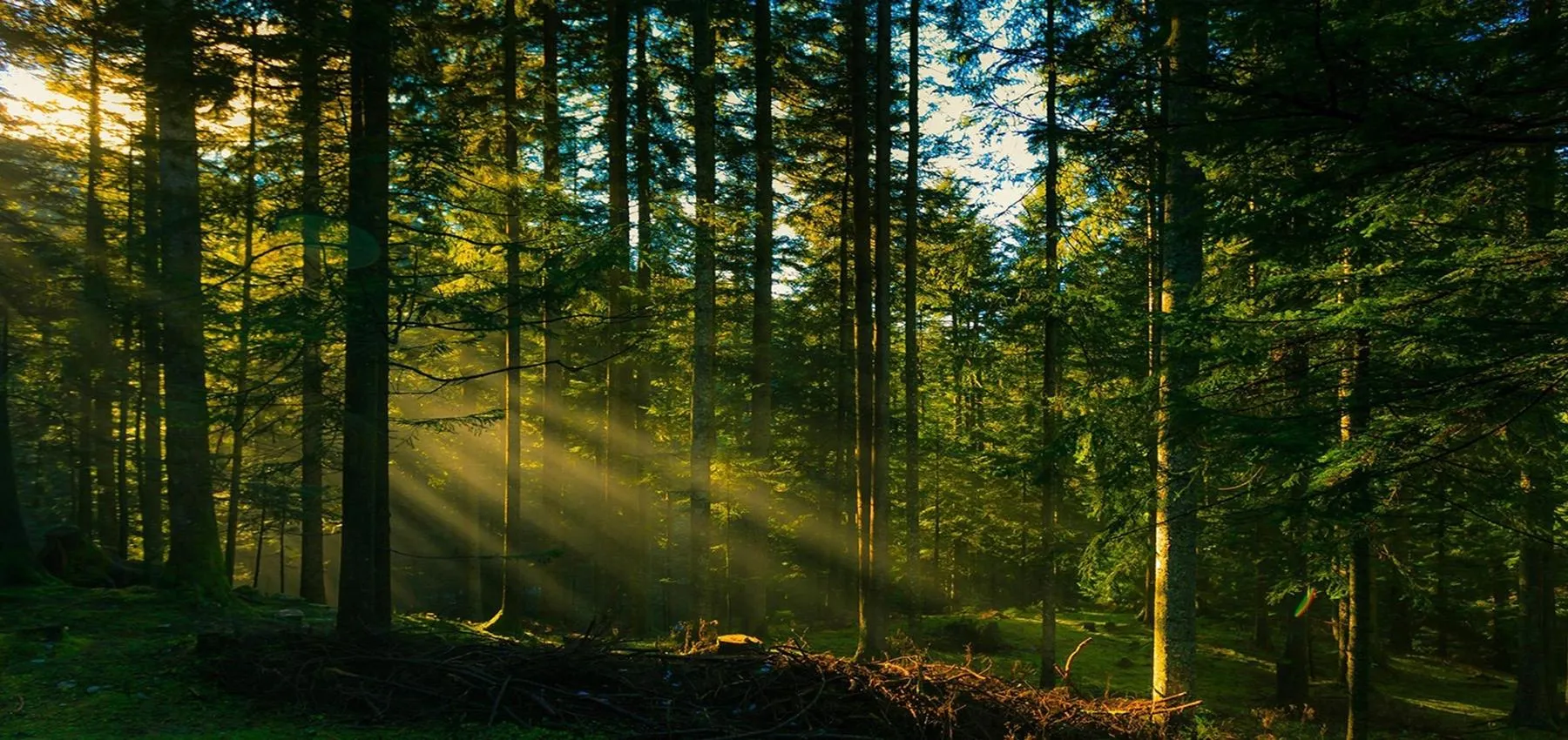
Vagamon Pine Forest
These destinations are in close proximity to Munnar and can be visited on the same trip.
Related Destinations
Sabarimala Temple
Guruvayur Temple
Padmanabhaswamy Temple
Ettumanoor Mahadeva Temple
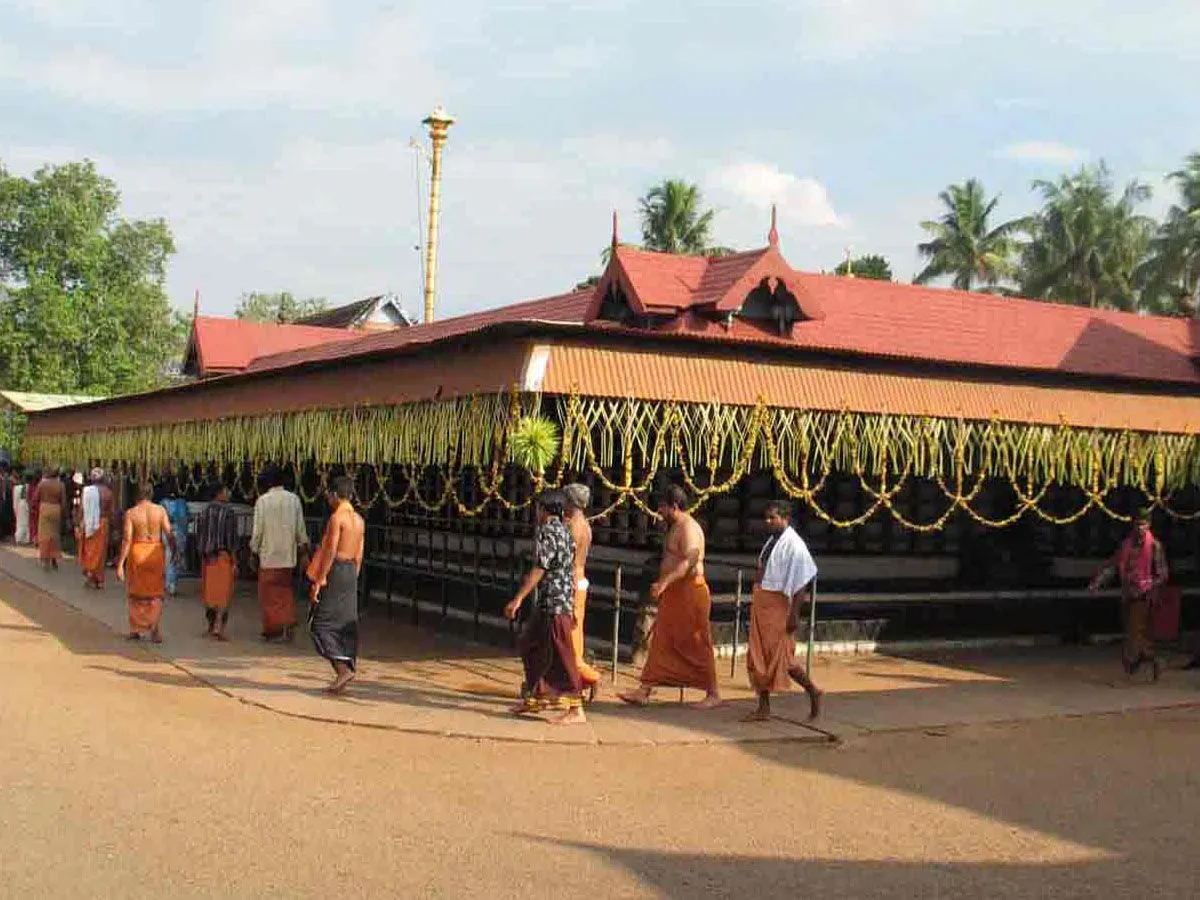
Chottanikkara Temple
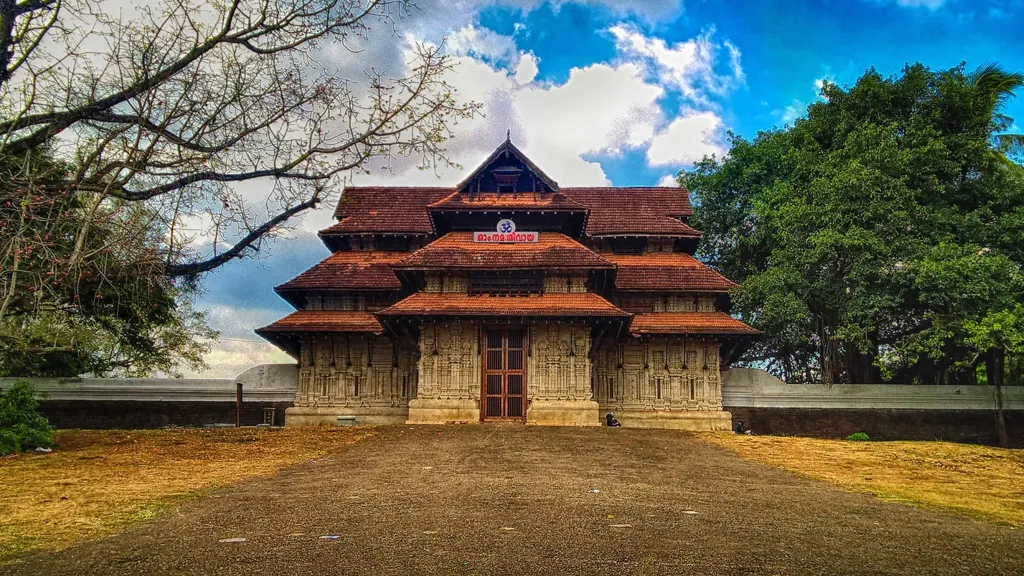
Vadakkunnathan Temple Thrissur
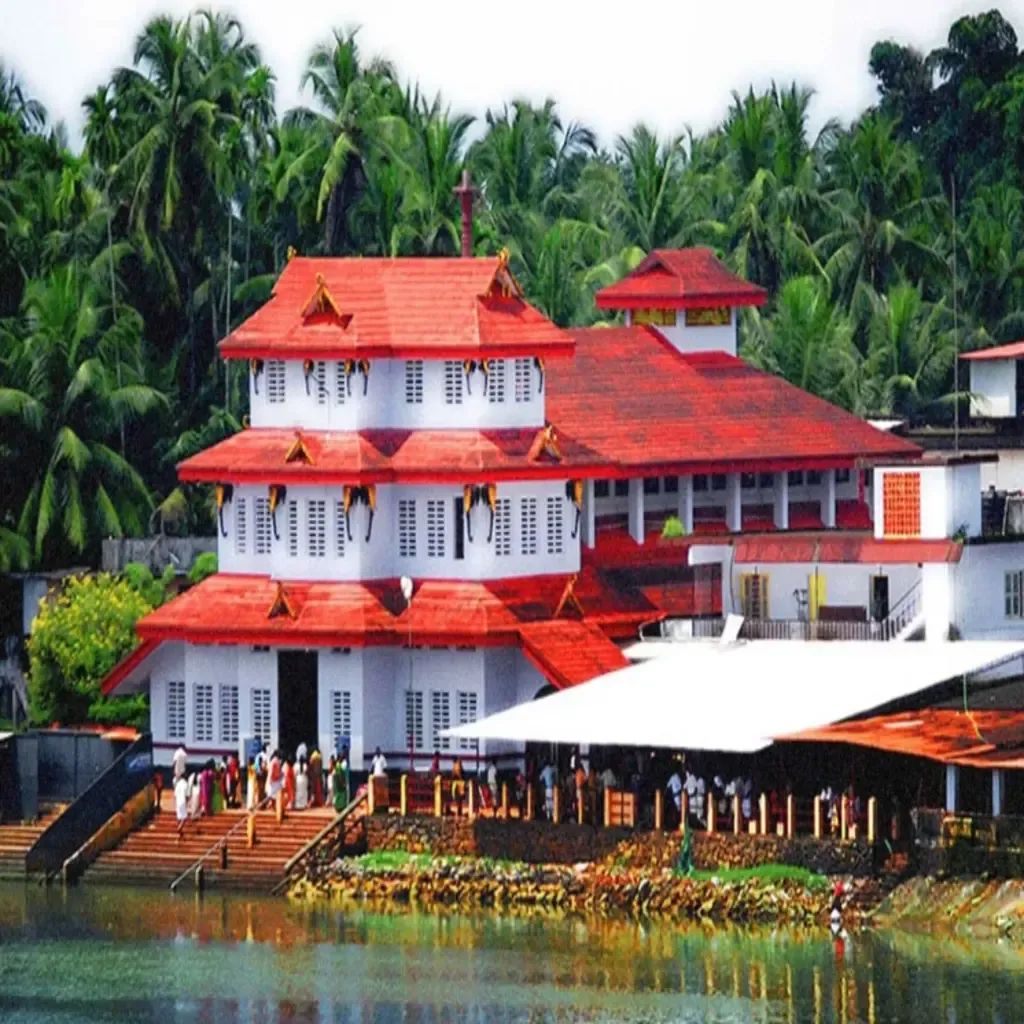
Parassinikadavu Muthappan Temple
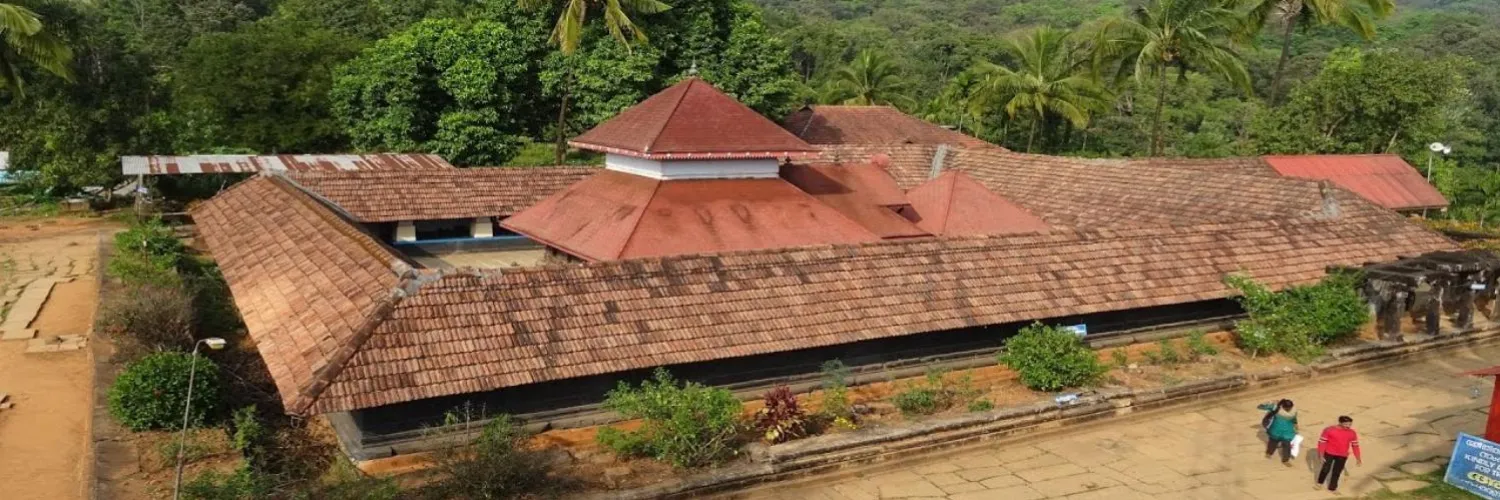
Thirunelli Temple Wayanad
Visit Information
Opening Hours
Entry Fee
Best Time to Visit
September to May
Location
Idukki District, Kerala, India
Contact
For inquiries: 04865-230142
Share this destination:
 Translate