
Vagamon
About Vagamon
Introduction to Vagamon
Straddling the border of Kerala's Idukki and Kottayam districts at roughly 1,100 meters above sea level, Vagamon is one of the state's most understated hill stations — a landscape of rolling green meadows, whispering pine forests, and mist-wrapped valleys that has earned it comparisons to Scotland and Switzerland. Unlike Munnar's tea-plantation fame or Wayanad's wildlife credentials, Vagamon has built its reputation quietly, drawing praise from travelers precisely because it has remained relatively untouched by heavy commercialization, even earning a place on National Geographic Traveler's list of the 50 most attractive destinations in India. That kind of international recognition, arriving without the accompanying wave of mass tourism seen elsewhere, is part of what makes Vagamon feel like a genuine discovery rather than a well-worn stop on Kerala's hill-country circuit.
What sets Vagamon apart isn't a single headline attraction but a rare combination of open meadowland, cool pine-forested slopes, and a genuinely unusual multi-faith spiritual landscape, with Christian, Hindu, and Muslim pilgrimage sites — Kurisumala, Murugan Hill, and Thangal Para — sitting within a short distance of one another on the same hillside. Add in some of Kerala's best paragliding conditions and a noticeably slower, quieter pace than Munnar's more crowded tourist circuit, and Vagamon becomes an appealing choice for travelers who want cool hill-country air without the crowds.
This guide covers Vagamon's history, how to reach it from Kottayam and Kochi, the best time to visit, its key attractions, food, hotels, a realistic itinerary, nearby places, practical travel tips, and answers to the questions travelers ask most often before visiting.
A Hill Station That Resists the Tourist Checklist
Travelers who have already visited Munnar often describe Vagamon as what they wish Munnar still felt like — fewer buses, fewer souvenir stalls, and long stretches of open meadow where it's genuinely possible to walk for twenty minutes without encountering another visitor. This isn't to say Vagamon lacks infrastructure; resorts, guided paragliding operators, and a growing hospitality scene have all developed steadily in recent years. But the destination has so far managed to grow without losing the quiet, unhurried character that made travelers fall in love with it in the first place, and that balance is central to why it continues to attract a loyal following among Kerala's more experienced domestic travelers.
History of Vagamon
Vagamon's history follows a pattern familiar to several of Kerala's hill stations, moving from early indigenous settlement through colonial-era agricultural development and, more distinctively, into an unusual role as a shared spiritual landscape for multiple faiths. Few Kerala destinations offer such a clear, physically walkable illustration of religious coexistence, and understanding this layered history adds real depth to a visit.
Early Tribal Settlement
Long before Vagamon appeared on any colonial map, local tribal communities lived across its forests, rivers, and hills, forming the earliest settlements in this highland area and developing a way of life closely tied to the landscape's natural rhythms. This tribal presence, though less documented than in districts like Wayanad, forms the deepest layer of Vagamon's human history, predating both the colonial tea economy and the later multi-faith pilgrimage traditions that now define much of the destination's identity.
British Discovery and the Tea Economy
Vagamon's modern development traces back to around 1926, when British planters recognized the potential of its cool, misty slopes for tea cultivation — the same instinct that shaped Munnar and Wayanad's plantation economies elsewhere in Kerala. The resulting tea estates became the backbone of Vagamon's economy through the colonial era and remain a defining feature of the landscape today, with several estates now open to visitors for guided walks explaining the tea-making process. Compared to Munnar, however, Vagamon's plantation footprint remains considerably smaller, leaving far more of the surrounding land as open meadow and forest rather than continuous cultivated tea rows.
A Shared Spiritual Landscape
Over time, Vagamon developed into something increasingly rare in India: a hill station where sacred sites of three different religious traditions coexist within walking distance of one another. Thangal Para holds significance for the Muslim community, Murugan Hill for Hindu devotees, and Kurisumala for Christians, and this layered, multi-faith spiritual geography has become as central to Vagamon's identity as its natural scenery, drawing pilgrims from different backgrounds to the same hillside for centuries. Local residents often point to this coexistence with genuine pride, describing it as reflective of a broader tradition of religious tolerance found throughout central Travancore.
The Founding of Kurisumala Ashram
The most internationally known chapter of Vagamon's spiritual history began on March 21, 1958, when Fr. Francis Acharya, a Belgian-born Cistercian (Trappist) monk, formally established Kurisumala Ashram at the invitation of Zacharias Mar Athanasios, then Bishop of the Syro-Malankara Diocese of Tiruvalla. He was joined by Fr. Bede Griffiths, an English Benedictine monk who would go on to become one of the most significant figures in the broader Christian-Hindu dialogue movement in India. Together, they built a monastery that deliberately blended Cistercian monastic discipline with the aesthetic and spiritual vocabulary of an Indian ashram — West Syrian liturgy, simple dress, vegetarian community life, and contemplative silence, all housed within a working dairy farm that continues to produce the well-known Kurisumala Milk today. Fr. Francis Acharya had arrived in India in 1955 after training at the Cistercian monastery of Scourmont in Belgium, spending time studying at various Indian ashrams before settling on Vagamon's hillside as the site for his new community, which he deliberately kept small, capping membership at around twenty monks to preserve its contemplative character.
Eco-Tourism and Modern Development
In recent decades, Kerala Tourism has increasingly promoted Vagamon's natural beauty and pleasant climate, supported by improved road access and new resorts, while efforts to preserve its meadows and pine forests have positioned the region as a model for sustainable hill-country tourism. Kolahalamedu, Vagamon's highest point, has been formally declared a protected area, reflecting this growing emphasis on conservation alongside tourism growth, and local stakeholders have generally sought to balance visitor numbers with the preservation of the open meadowland that remains the destination's defining feature.
How to Reach Vagamon
Vagamon's position on the Idukki-Kottayam border makes it most commonly accessed via Kottayam, though several route options exist depending on where travelers are starting their journey, and the drive up into the hills is frequently described by visitors as one of the most scenic approaches to any Kerala hill station.
By Air
- Cochin International Airport (COK) is the nearest major airport, with the drive to Vagamon typically taking around 3 to 3.5 hours through scenic hill terrain.
- Pre-paid taxis and app-based cabs connect the airport to Vagamon, though hiring a driver familiar with the winding hill roads is generally advisable.
By Train
- Kottayam Railway Station is the nearest major rail hub, roughly 65 km from Vagamon, with strong connections to Chennai, Bengaluru, Mumbai, Delhi, and most other Kerala cities, making it the most practical rail gateway for most travelers.
- From Kottayam, taxis and local buses complete the onward mountain journey, typically taking around two hours depending on traffic and road conditions.
By Road
- Vagamon is well connected by road from Kottayam (roughly 65 km) and Kumily/Thekkady, with the route winding through rock-cut roads lined with pine forest as it climbs into the hills.
- KSRTC and private buses run from Kottayam and other nearby towns, making public transport a viable option for budget travelers.
- Self-drive or hired taxis are popular given the scenic nature of the drive, considered by many visitors to be part of the Vagamon experience in itself.
For NRI and US-Based Travelers
The most efficient approach for travelers coming from the US is typically to fly into Cochin International Airport, spend a night in Kochi or Kottayam, and then make the scenic drive up to Vagamon, often as part of a broader itinerary that also includes Munnar or Thekkady given Vagamon's central position within Kerala's hill-country region. Because Vagamon receives comparatively fewer international visitors than Munnar, first-time travelers may find it helpful to arrange a driver in advance through their hotel rather than relying on ad-hoc local transport upon arrival.
Best Time to Visit Vagamon
Ideal Months: October to March
October through March offers the coolest, most pleasant weather for exploring Vagamon's meadows and pine forests, with daytime temperatures generally ranging between 10 and 23 degrees Celsius. This period also coincides with the best conditions for paragliding, since the drier air and reliable wind patterns of the winter months make for safer, more consistent flying, and the district's pine forests and open meadows tend to look their most vivid under clear winter skies.
Monsoon Season (June–September)
The monsoon transforms Vagamon into an even more intensely green landscape, with its waterfalls at their fullest and the meadows taking on a particularly vivid color. However, heavy rain can limit outdoor activities, including paragliding, and make some trekking routes more challenging, so travelers visiting during this period should build flexibility into their plans and confirm current conditions with local operators before committing to any specific outdoor activity.
Good Friday at Kurisumala
For travelers interested in Vagamon's spiritual dimension, Good Friday stands out as the single most significant day at Kurisumala Ashram, when hundreds of devotees climb the hill carrying wooden crosses as part of an annual pilgrimage tradition, offering a uniquely powerful atmosphere for those who wish to witness it, though the increased foot traffic also means the ashram's normally quiet, contemplative character shifts noticeably for the duration of the observance.
Summer Months (April–May)
Even during Kerala's hotter months, Vagamon's elevation keeps conditions noticeably milder than the coastal lowlands, with cooling breezes that many visitors find more pleasant here than almost anywhere else in the state during this season, making it a viable option even for travelers whose trip dates fall outside the ideal winter window.
Top Attractions
Vagamon's appeal centers on its open meadowland, forested peaks, and layered spiritual sites, offering a distinctly different hill-station experience from Kerala's more plantation-focused destinations, and rewarding visitors who take time to explore beyond the most obvious photo spots.
Vagamon Meadows
The rolling green meadows that give Vagamon its Scotland of Asia nickname are the destination's signature landscape — open, undulating hillsides perfect for walking, picnicking, and photography, especially striking in the soft light of early morning or late afternoon. Unlike the more manicured tea-estate rows found in Munnar, these meadows retain a wilder, more open character, giving visitors the rare sensation of genuinely open sky in a state otherwise dominated by dense palm and forest cover.
Pine Forest
A cultivated pine forest near the meadows offers a cool, fragrant contrast to the open grassland, with straight rows of tall pines creating one of Vagamon's most photographed and Instagram-famous settings.
Kurisumala Ashram
This Trappist monastery, blending Christian monastic discipline with Indian ashram traditions, remains one of Vagamon's most distinctive attractions, whether visited for its spiritual significance, its dairy farm, or simply the panoramic views from the hilltop climb. Visitors are welcome to observe the monks' disciplined daily rhythm and, where appropriate, join prayers, though the ashram asks for quiet, respectful behavior throughout. The climb itself, while not physically demanding, offers a genuine sense of pilgrimage, winding past tea gardens and quiet forest before opening onto the panoramic hilltop views that have made the ashram a destination in its own right, well beyond its immediate religious community.
Suicide Point (Moonpara)
Despite its unsettling name, referring to the sheer drop of the ravine rather than anything more troubling, Moonpara is considered one of Kerala's best trekking destinations, offering a dramatic V-shaped valley view and some of the region's most striking panoramic scenery. The site's name has drawn some local discussion around renaming it something less alarming for visitors unfamiliar with the local naming convention, though Moonpara remains the more commonly used and recognized term among residents.
Vagamon Lake
A tranquil lake surrounded by verdant hills and meadows, Vagamon Lake offers boating and fishing opportunities and makes for a peaceful, relaxed stop on any Vagamon itinerary, particularly appealing for travelers looking to slow down after a more active morning of trekking or paragliding.
Vagamon Falls (Palaruvi Falls)
Cascading down from a height of around 30 feet, this waterfall surrounded by lush greenery offers a scenic picnic and relaxation spot, particularly full and dramatic during and shortly after the monsoon season, when the surrounding vegetation is also at its most vivid green.
Kolahalamedu
Vagamon's highest point, Kolahalamedu is covered in towering, needle-branched pine trees and has been formally declared a protected area given its ecological significance, offering some of the most expansive views available anywhere in the region, and on especially clear days, visibility can extend across a remarkable stretch of the surrounding Western Ghats.
Vagamon for Adventure Travelers
Beyond its meadows and spiritual sites, Vagamon has developed a strong reputation among Kerala's adventure-sports community, and understanding what makes the destination distinctive here adds another layer to a visit.
Why Vagamon Works for Paragliding
Vagamon's combination of open, gently sloping meadowland and reliable thermal wind patterns makes it one of the most naturally suited paragliding locations in South India. Unlike coastal paragliding sites that depend on sea breezes, Vagamon's hill-country winds tend to be more consistent across a longer season, and the launch and landing zones sit close enough together that even first-time tandem flyers can experience a full, satisfying flight without extensive logistics. Several state-recognized paragliding events and competitions have been held in Vagamon over the years, further cementing its reputation among Kerala's adventure-sports community as a serious, credible flying destination rather than a novelty attraction.
Trekking and Rock Climbing
Beyond paragliding, Vagamon's varied terrain — open meadow, dense pine forest, and rugged rocky outcrops around Suicide Point — supports a genuine range of trekking difficulty levels, from gentle valley walks suitable for casual visitors to more demanding rock-climbing routes for experienced adventurers. Several local operators offer guided packages combining multiple activities across a single day or weekend, and many trails wind past working tea estates, giving trekkers a working sense of the region's agricultural landscape alongside its natural scenery.
A Growing Adventure Tourism Hub
In recent years, Vagamon has increasingly positioned itself as a broader adventure-sports destination, with mountain biking and camping joining paragliding and trekking as popular activities. This growth has been deliberately balanced against the region's parallel push toward sustainable, eco-conscious tourism, meaning operators increasingly emphasize responsible practices alongside the thrill-seeking side of a Vagamon visit, from limiting group sizes on sensitive trails to encouraging visitors to pack out any waste generated during longer treks and camping trips.
Hidden Gems Around Vagamon
Beyond the well-photographed meadows and pine forest, a handful of quieter spots reward travelers willing to venture slightly further off the main path.
Barren Hills
Changing character dramatically across Kerala's four seasons, Barren Hills offers vast stretches of open meadow that shift in color and texture throughout the year, rewarding repeat visitors who see the landscape at different times, from lush post-monsoon green to a drier, more golden tone during the hotter months.
Thangal Para and Murugan Hill
These two lesser-visited spiritual sites, sacred to the Muslim and Hindu communities respectively, round out Vagamon's unusual multi-faith religious landscape and offer quieter alternatives to the more internationally known Kurisumala for travelers interested in the region's full spiritual diversity. Visiting all three sites in sequence, rather than just the most famous one, offers a far more complete picture of how Vagamon's different faith communities have coexisted across generations.
The Indo-Swiss Livestock Project
Home to a breeding center operated by the Kerala Livestock Board, this dairy development project reflects an interesting mid-20th-century chapter of Vagamon's agricultural history, distinct from its more famous tea plantations, and offers a low-key stop for visitors curious about the region's lesser-known development projects.
Eco Point and Mooppanpara
Two quieter viewpoints within the broader Vagamon area, offering scenic panoramas without the crowds that gather at the destination's more famous meadow and pine-forest photo spots, and both worth seeking out for travelers who prefer a slower, more solitary way of taking in the region's views.
Things to Do in and Around Vagamon
Vagamon's combination of open terrain, forested slopes, and reliable winds has made it one of Kerala's premier destinations for outdoor adventure activities, alongside its more contemplative attractions, giving visitors a genuine mix of adrenaline and stillness within a single trip that few other Kerala hill stations can match so easily.
- Go paragliding over Vagamon's meadows and pine forests, best experienced during the cooler winter months.
- Trek to Suicide Point (Moonpara) for one of Kerala's most dramatic ravine views.
- Walk through the Pine Forest and open meadowland for photography and quiet reflection.
- Visit Kurisumala Ashram, observing the monks' disciplined daily rhythm respectfully.
- Go boating on Vagamon Lake.
- Take a guided tour of a working tea estate to learn about the region's plantation history.
- Explore the multi-faith spiritual sites of Thangal Para and Murugan Hill alongside Kurisumala.
- Try rock climbing or mountaineering on Vagamon's rugged terrain, ideally with a local guide.
- Take a day trip to nearby Idukki Dam or Peermade for a broader hill-country sampling beyond Vagamon itself.
Local Food to Try
Vagamon's cooler climate and quieter tourism scene shape a simpler, more locally grounded food culture than found at Kerala's larger hill stations, with an emphasis on comfort food suited to its chillier evenings.
Hill-Country Kerala Cuisine
- Fresh local tea — sampling tea sourced from Vagamon's own estates is a natural complement to a walk through the plantations.
- Appam and stew — a Kerala breakfast classic, especially comforting in Vagamon's cooler climate.
- Kerala-style meals — traditional vegetarian and non-vegetarian thalis are widely available at local restaurants throughout the town.
- Kurisumala Milk and dairy products — produced by the ashram's own working dairy farm, offering a distinctive taste of the region's monastic agricultural tradition.
Tips for Travelers
Vagamon's dining scene is comparatively simple compared to larger hill stations like Munnar, with a good mix of local Kerala-style restaurants and resort dining; travelers seeking more variety should plan meals around their accommodation, since options in the immediate town center remain relatively modest. Many resorts offer their own in-house dining featuring both local Kerala specialties and more familiar multi-cuisine options for international guests.
Where to Stay: Hotels Near Vagamon
Vagamon's accommodation scene has expanded considerably in recent years, though it remains noticeably smaller and less varied than Munnar's, in keeping with the destination's quieter overall character.
Budget and Mid-Range Options
Vagamon offers a growing range of budget lodges and mid-range hotels, many taking advantage of the area's meadow and hill views, catering to both domestic and increasingly international visitors.
Resort and Plantation Stays
For a more immersive experience, Vagamon has a number of resorts set amid tea estates and pine-forested hillsides, offering a quieter, more scenic alternative to staying in the town center itself, with several properties specifically designed to maximize meadow and valley views from private balconies or common areas.
Booking Considerations
Vagamon's popularity has grown steadily in recent years, particularly among weekend travelers from Kochi and Kottayam, so booking ahead is advisable during peak season and around major holidays, even though the destination remains noticeably less crowded than Munnar overall. Good Friday, given the significance of Kurisumala's pilgrimage tradition, also sees a noticeable increase in visitor traffic worth planning around.
Budget Guide
Vagamon remains one of Kerala's more affordable hill-station destinations, with fewer premium-priced attractions than Munnar and generally lower accommodation costs across most categories.
Entry Fees and Activities
Most of Vagamon's natural attractions, including the meadows, pine forest, and viewpoints, are free or carry only nominal entry fees. Paragliding sessions carry their own separate cost, typically charged per flight, and boating at Vagamon Lake involves a modest per-person fee, while guided treks or multi-activity adventure packages are generally priced by the operator based on duration and group size.
Approximate Daily Budgets (India-Based Travel)
- Budget traveler: Local buses, budget lodging, and simple local meals — an affordable way to experience Vagamon's main sights without needing to spend heavily on paid activities.
- Mid-range traveler: A private taxi for sightseeing, a comfortable mid-range hotel, and a mix of local and restaurant dining.
- Comfort/luxury traveler: A private car with driver for the duration of the stay, a resort or plantation-stay property, and paid activities such as paragliding or guided treks.
For International Travelers
Once in Kerala, day-to-day costs in Vagamon remain inexpensive by US standards, with international airfare and any resort-level accommodation making up the larger share of an overall trip budget, and even a full day of paid activities like paragliding and guided trekking tends to remain modest compared to similar adventure experiences elsewhere in the world.
Sample 2-Day Itinerary
A simple two-day structure balances Vagamon's natural scenery, spiritual sites, and adventure activities without feeling rushed.
Day 1: Meadows, Pine Forest, and Kurisumala
- Morning: Walk through Vagamon's open meadows and the nearby Pine Forest for photography and a relaxed introduction to the landscape, ideally arriving early to catch the softer morning light and quieter atmosphere.
- Midday: Lunch at a local restaurant, sampling Kerala hill-country dishes.
- Afternoon: Visit Kurisumala Ashram, climbing the hill respectfully and taking in the panoramic views.
- Evening: Relax at your resort or hotel, enjoying Vagamon's cool evening air.
Day 2: Adventure and Lake Views
The second day shifts toward Vagamon's adventure-sports side, pairing a morning of activity with a more relaxed afternoon around the lake.
- Morning: Go paragliding, weather permitting, or trek to Suicide Point (Moonpara) for dramatic ravine views.
- Midday: Lunch near Vagamon Lake.
- Afternoon: Go boating on the lake, followed by a visit to Vagamon Falls if time allows.
- Evening: Depart for Kottayam or continue onward to Thekkady or Munnar as part of a broader hill-country itinerary.
Nearby Places to Visit
Vagamon's central position within Kerala's hill country puts several of the state's best-known highland destinations within a manageable driving distance, making it easy to extend a trip in multiple directions and build a fuller picture of the region's diverse landscapes.
- Thekkady and Periyar Wildlife Sanctuary: A well-known wildlife destination a few hours from Vagamon, easily combined into a broader Western Ghats itinerary, offering boat safaris and spice plantation tours as a contrast to Vagamon's meadows.
- Idukki Dam: One of the highest arch dams in India, built across the Periyar River, offering scenic reservoir views and a worthwhile half-day detour.
- Munnar: Kerala's most famous hill station, reachable within a few hours and often paired with a Vagamon visit for travelers exploring the state's broader hill country, offering a useful contrast between Munnar's manicured tea estates and Vagamon's wilder open meadows.
- Kottayam: Vagamon's nearest major town, offering historic churches, CMS College, and easier onward travel connections.
- Erattupetta: A nearby town serving as a common gateway route to Kurisumala Ashram.
- Peermade (Peermedu): A neighboring hill town with its own tea and cardamom plantation heritage.
Building a Kerala Hill Country Itinerary
Vagamon's central position within Kerala's hill country makes it a natural stop between Kottayam and Thekkady or Munnar, allowing travelers to combine several of the state's best-known highland destinations within a single, well-paced multi-day trip. Because Vagamon requires less time to see thoroughly than either Munnar or Thekkady, it works particularly well as a one- or two-night stop within a longer loop rather than as a sole hill-country destination.
Travel Tips
A little preparation makes a Vagamon trip considerably smoother, particularly around weather, road conditions, and etiquette at its spiritual sites.
- Pack for cool weather: Vagamon's elevation keeps temperatures noticeably cooler than coastal Kerala, especially at night and in the early morning; pack warm layers even during the warmer months.
- Respect Kurisumala's atmosphere: Visitors to the ashram should dress modestly, covering shoulders and knees, and keep noise levels low out of respect for the monks' contemplative life.
- Book paragliding in advance: Popular time slots, particularly on weekends during peak season, can fill up quickly; booking ahead through a local operator is advisable, and it's worth confirming weight and health restrictions before your flight date.
- Hire a local driver for hill roads: Vagamon's winding, rock-cut mountain roads are best navigated by an experienced local driver, particularly for travelers unfamiliar with hill driving conditions, and self-drive is generally not recommended for those without prior experience on similar terrain.
- Wear sturdy footwear: Trekking routes like Suicide Point and the climb to Kurisumala involve uneven terrain; comfortable, supportive shoes make a meaningful difference.
- Connectivity: Mobile network coverage can be inconsistent in more remote parts of the surrounding hills; plan accordingly if relying on navigation apps.
- Carry water: Given the extended walks and treks involved in exploring Vagamon's meadows and viewpoints, carrying sufficient water is important even in the cooler months, particularly for longer outings like the climb to Kurisumala or the trek to Suicide Point.
- Language: Malayalam is the primary local language, though Hindi and English are generally understood by hotel staff and drivers in tourist-facing businesses.
Frequently Asked Questions
The following questions cover the practical details travelers most often want clarified before planning a Vagamon trip.
1. What is Vagamon famous for?
Vagamon is famous for its rolling green meadows, pine forests, and cool climate, often compared to Scotland or Switzerland, along with its unique multi-faith spiritual landscape featuring Kurisumala, Murugan Hill, and Thangal Para, and its reputation as one of Kerala's best paragliding destinations.
2. How far is Vagamon from Kottayam and Kochi?
Vagamon is roughly 65 km from Kottayam, typically a drive of about 2 hours, and roughly 3 to 3.5 hours from Kochi and Cochin International Airport, with the final stretch winding through scenic rock-cut roads lined with pine forest.
3. What is the best time to visit Vagamon?
October through March offers the coolest, most pleasant weather for sightseeing and paragliding, while the June-September monsoon brings lush greenery and full waterfalls but can limit some outdoor activities, particularly flying and certain trekking routes.
4. Is Vagamon good for paragliding?
Yes — Vagamon is considered one of Kerala's premier paragliding destinations, thanks to its open meadowland and reliable winds, with the winter months generally offering the most consistent and safest flying conditions and several licensed operators running tandem flights for first-timers.
5. What is Kurisumala Ashram, and can visitors go there?
Kurisumala Ashram is a Trappist monastery founded in 1958 by Fr. Francis Acharya and Fr. Bede Griffiths that blends Christian monastic tradition with Indian ashram spirituality. Visitors are generally welcome to explore the grounds and observe the monks' daily rhythm respectfully, dressing modestly and keeping noise to a minimum, and the site holds particular significance for pilgrims during Good Friday.
6. Is there an entry fee for Vagamon's attractions?
Most of Vagamon's natural attractions, including the meadows and pine forest, are free or carry only nominal fees, while paid activities like paragliding and boating carry their own separate costs, generally payable directly to the operator running the activity.
7. How many days should I spend in Vagamon?
One to two days is generally enough to cover Vagamon's main attractions, including the meadows, pine forest, Kurisumala Ashram, and a paragliding session or trek; additional time allows for a more relaxed pace or a combination with nearby Thekkady or Munnar.
8. Is Vagamon suitable for families with children?
Yes — the open meadows, Vagamon Lake boating, and gentle walking paths are well suited to families, though paragliding and more strenuous treks like Suicide Point are better suited to older children and adults comfortable with heights and longer walks.
9. Why is Vagamon called the Scotland of Asia?
The nickname reflects Vagamon's rolling green meadows, cool misty climate, and rugged hillside scenery, which many visitors find reminiscent of the Scottish Highlands, distinguishing it visually from Kerala's more tropical, palm-lined coastal landscapes and giving it a distinct identity even among the state's other hill stations.
10. Can Vagamon be combined with a trip to Munnar or Thekkady?
Yes — Vagamon's central position within Kerala's hill country makes it easy to combine with either destination, and many travelers build a multi-day itinerary linking Vagamon, Thekkady, and Munnar into a single Western Ghats hill-country trip, taking advantage of the relatively short driving distances between all three.
11. Is Vagamon crowded compared to Munnar?
No — Vagamon remains noticeably less commercialized and less crowded than Munnar, which is part of its appeal for travelers seeking a quieter, more understated hill-station experience within Kerala, even as its own popularity has grown steadily in recent years.
12. Is Vagamon a good honeymoon or romantic getaway destination?
Yes — Vagamon's quiet meadows, misty viewpoints, and boutique resort stays make it an appealing choice for couples seeking a more private, less crowded alternative to Munnar, with sunrise and sunset views at spots like Eleveezhapoonchira often cited as particularly memorable, and its smaller scale makes it easy to explore at a relaxed, unhurried pace together.
13. Is Vagamon suitable for a solo trip?
Yes — Vagamon is generally considered safe and welcoming for solo travelers, and its quieter pace makes it a popular choice for those seeking a reflective, low-key getaway rather than a busy, activity-packed itinerary, though standard precautions apply when trekking alone in more remote areas, and letting your accommodation know your plans is always a sensible precaution.
Conclusion
Vagamon offers a quieter, more understated alternative to Kerala's better-known hill stations — a landscape of open meadows, pine forests, and a genuinely unusual shared spiritual geography that few destinations in India can match. Whether your interest lies in paragliding over rolling green hills, exploring the contemplative world of Kurisumala Ashram, or simply enjoying cool mountain air away from the crowds of Munnar, Vagamon rewards travelers willing to seek out one of Kerala's still-uncommercialized corners. Pair a visit with Kottayam's heritage sites or a broader Western Ghats itinerary extending toward Thekkady or Munnar for a well-rounded exploration of Kerala's diverse hill country.
What ultimately distinguishes Vagamon isn't any single landmark but the sense of unhurried space it still offers — meadows without fences, viewpoints without ticket queues, and a monastery hillside where the loudest sound is often nothing more than wind moving through pine branches. For travelers tired of checking attractions off a list, Vagamon offers something increasingly rare: a hill station that still feels like a discovery rather than a destination.
Photo Gallery
What you'll experience
- 1
Paragliding over green valleys
- 2
Walk through pine forests
- 3
Relax by Vagamon Lake
- 4
Trek to Thangalpara and Murugan Mala
Explore More
Nearby Destinations
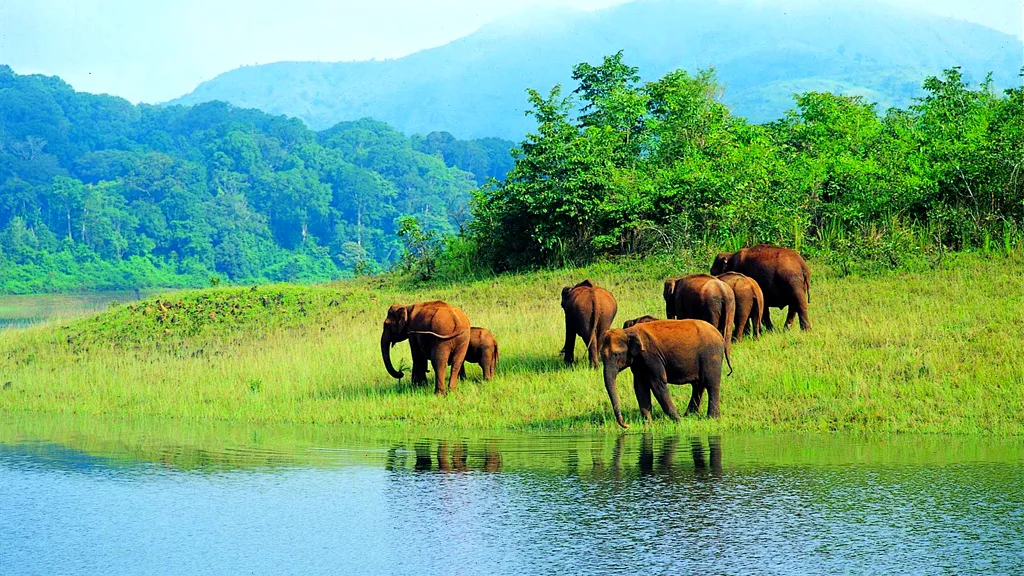
Periyar Wildlife Sanctuary
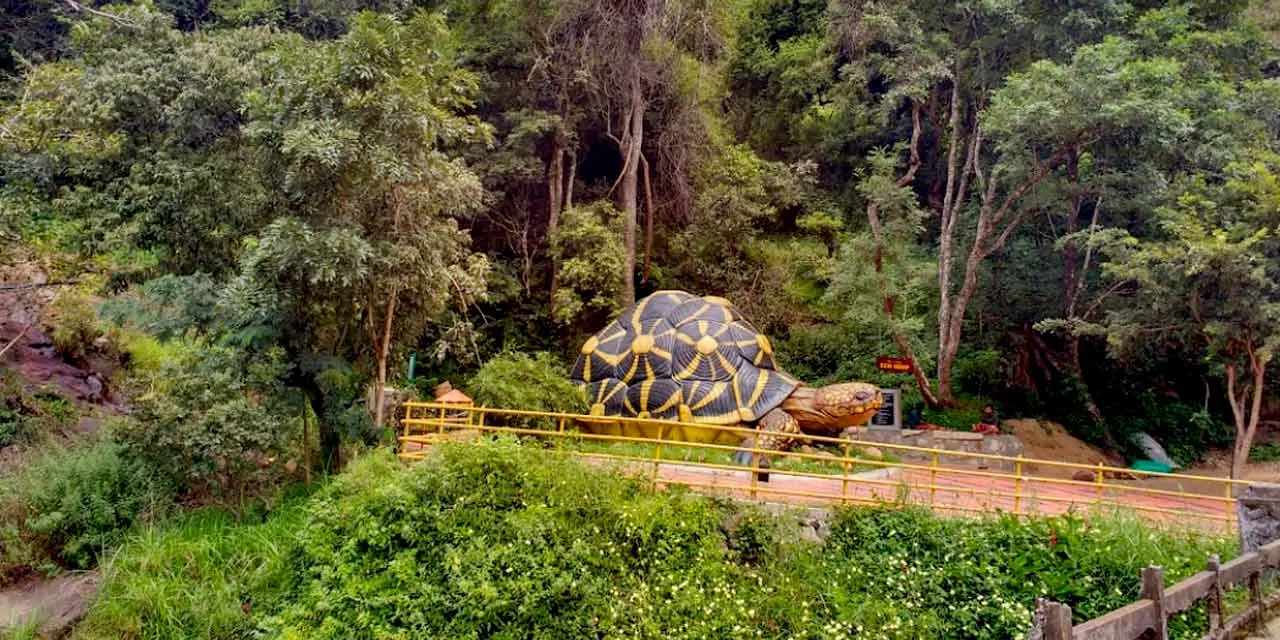
Chinnar Wildlife Sanctuary
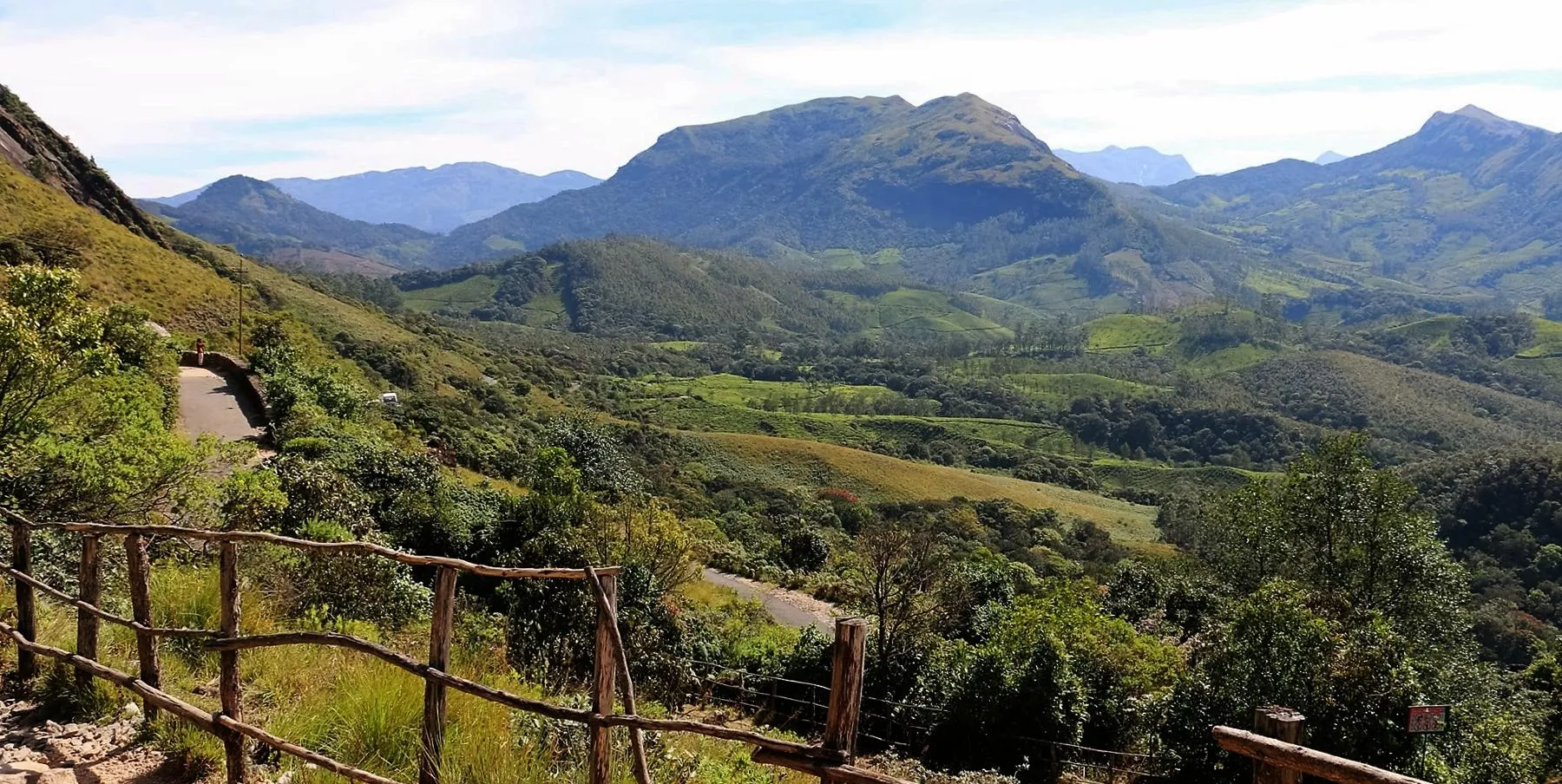
Eravikulam National Park
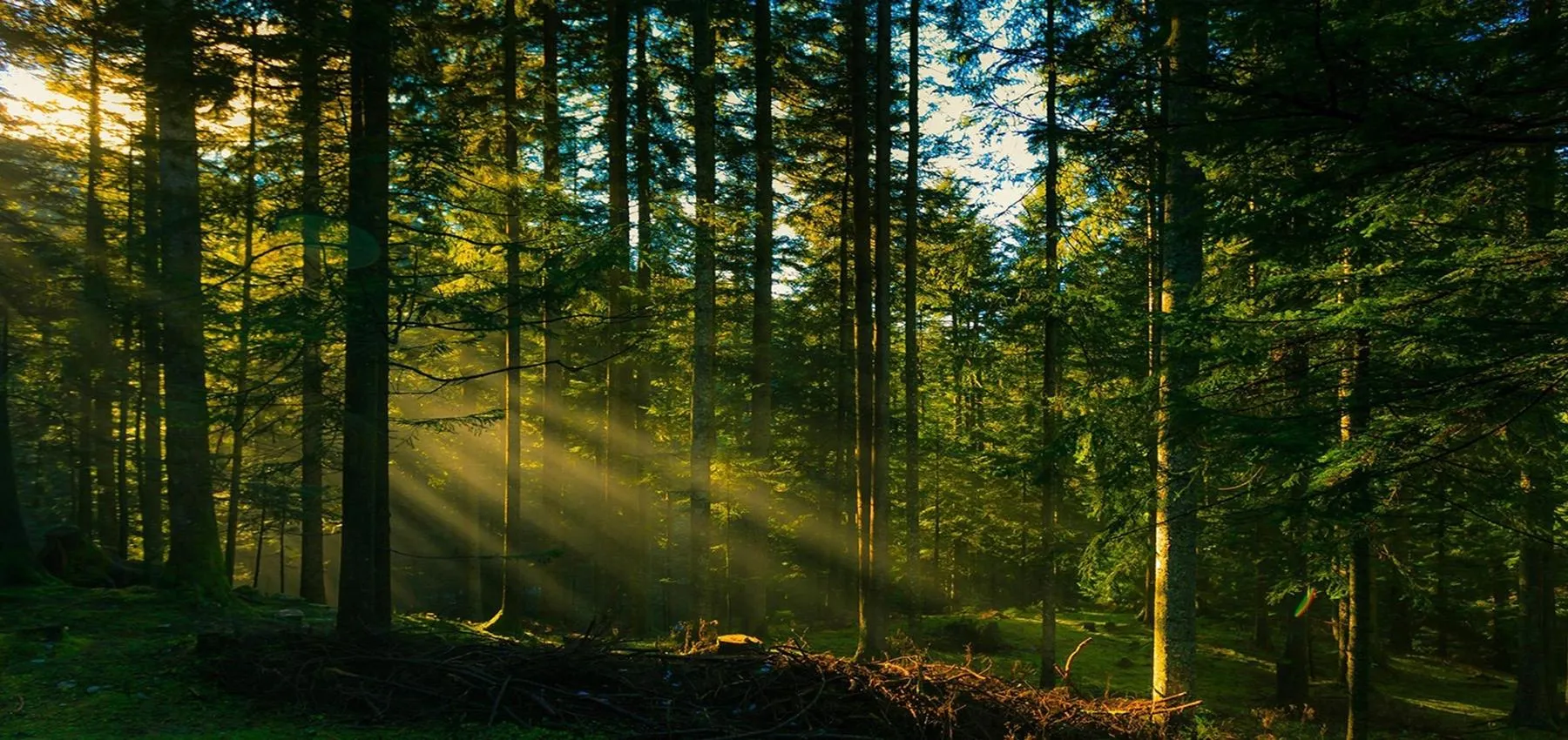
Vagamon Pine Forest
These destinations are in close proximity to Vagamon and can be visited on the same trip.
Related Destinations
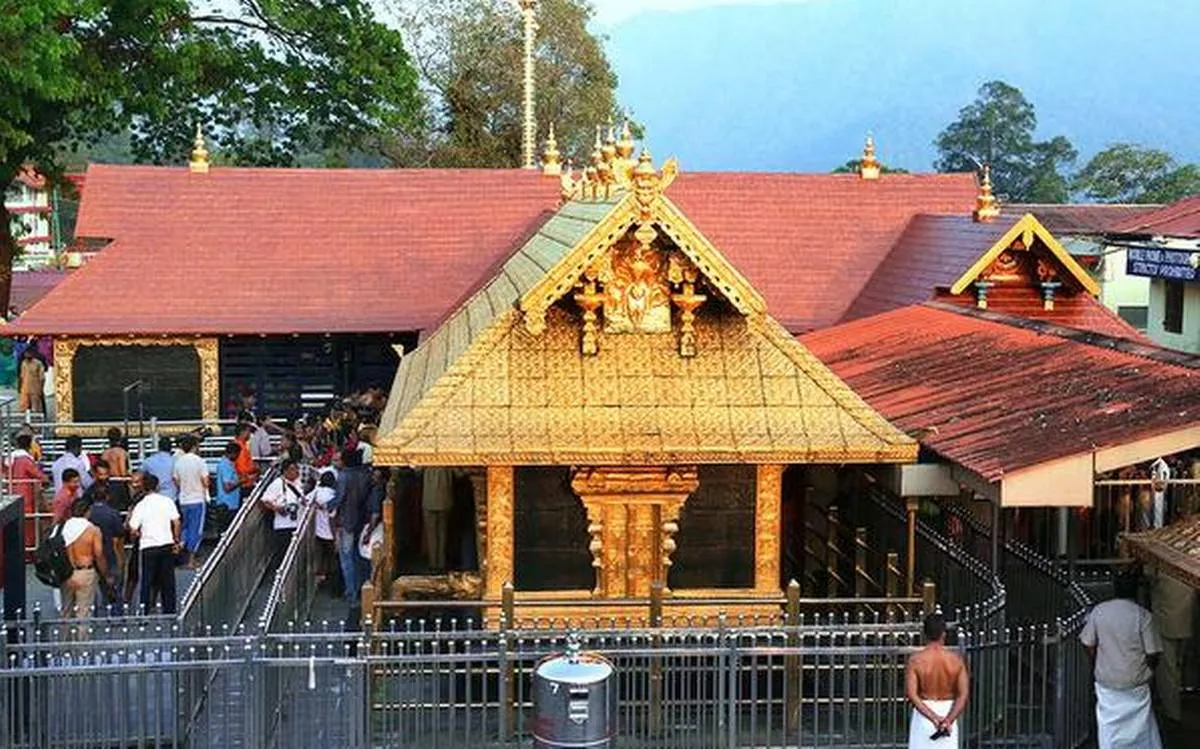
Sabarimala Temple
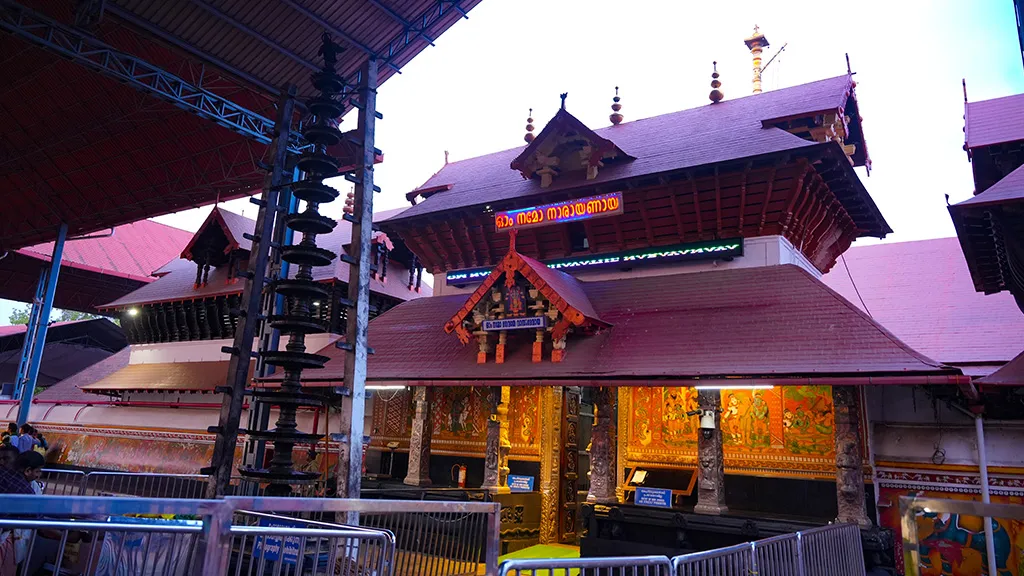
Guruvayur Temple
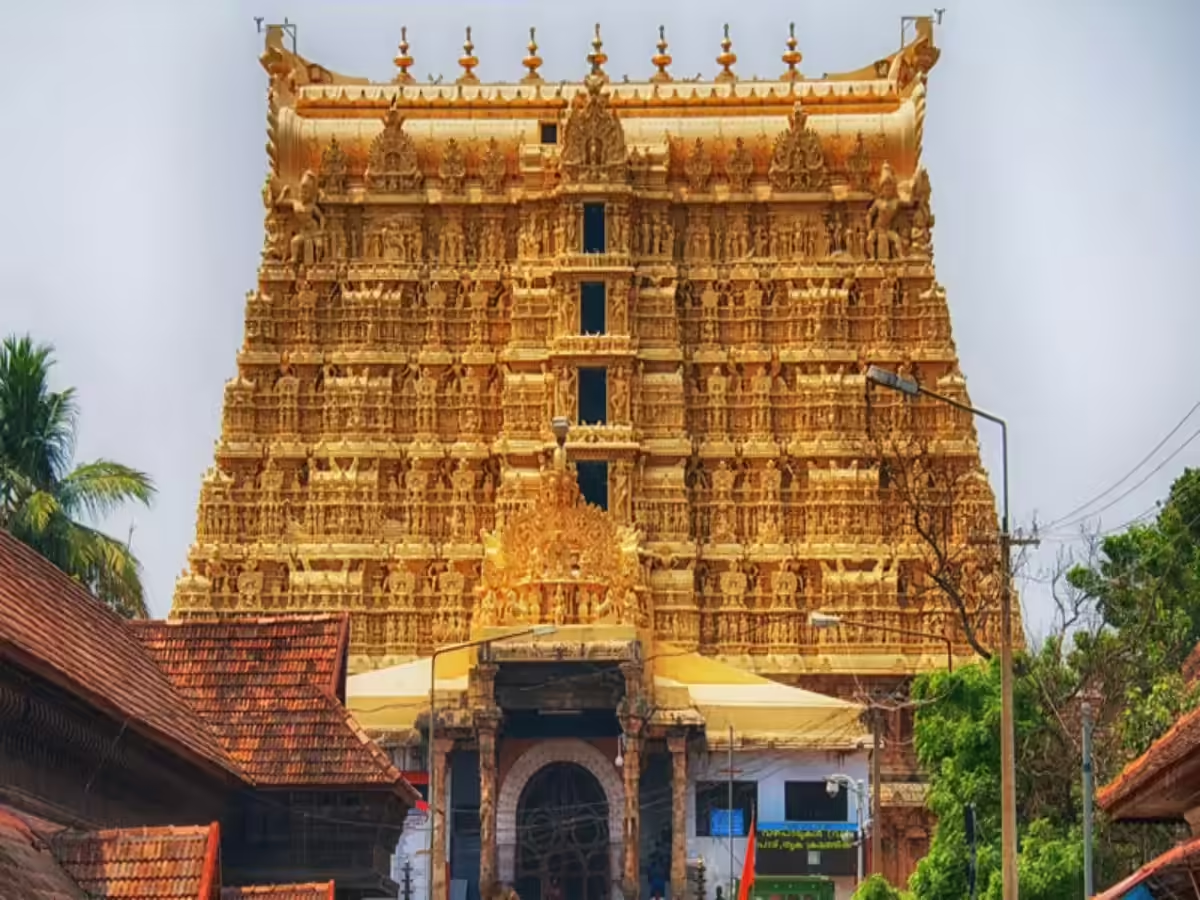
Padmanabhaswamy Temple
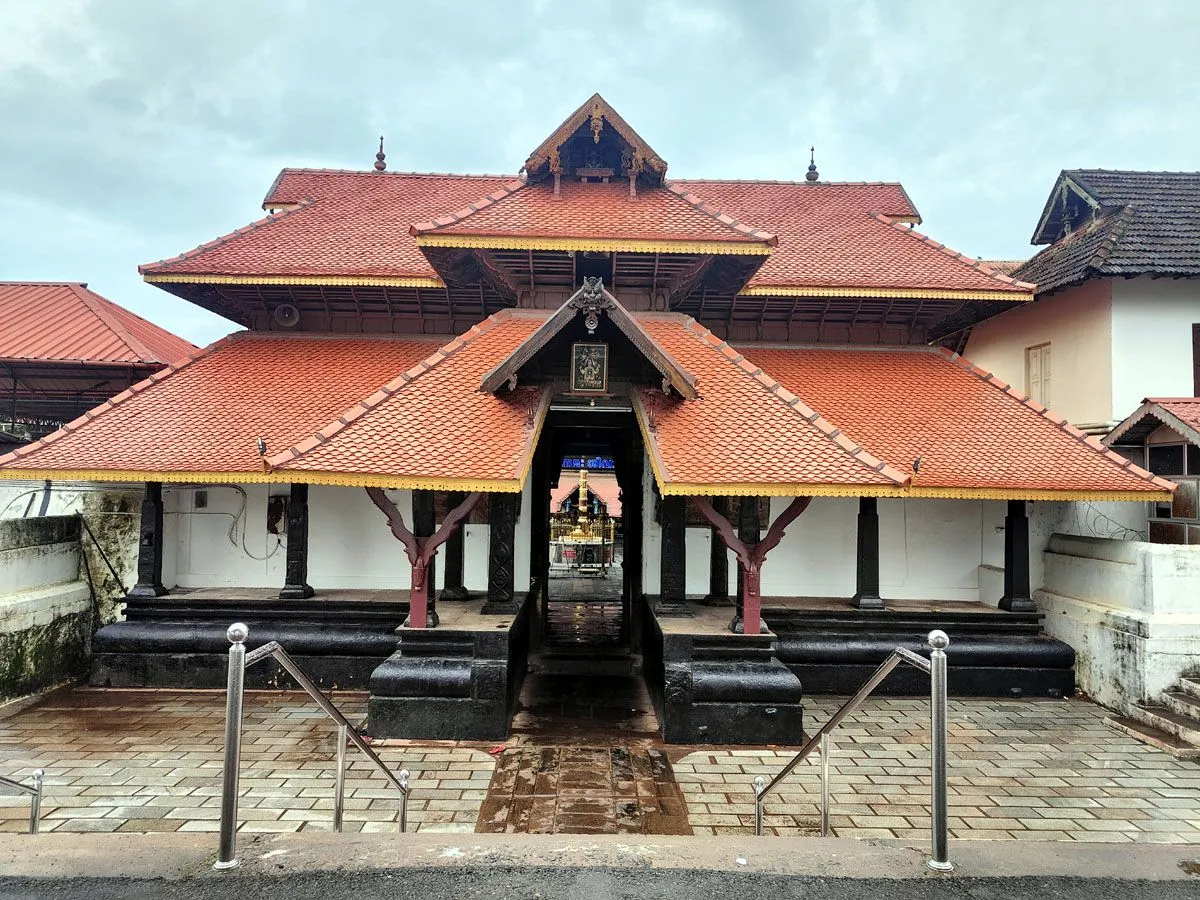
Ettumanoor Mahadeva Temple
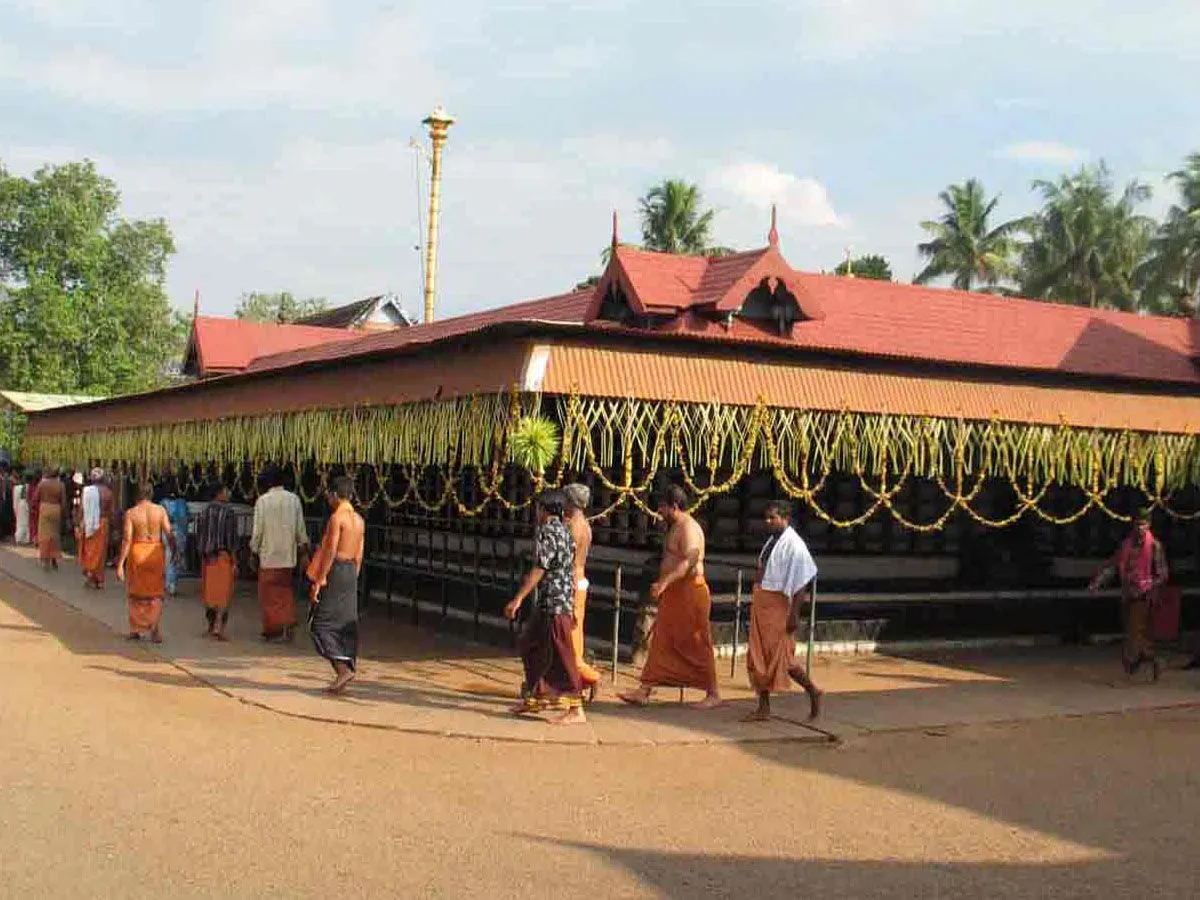
Chottanikkara Temple
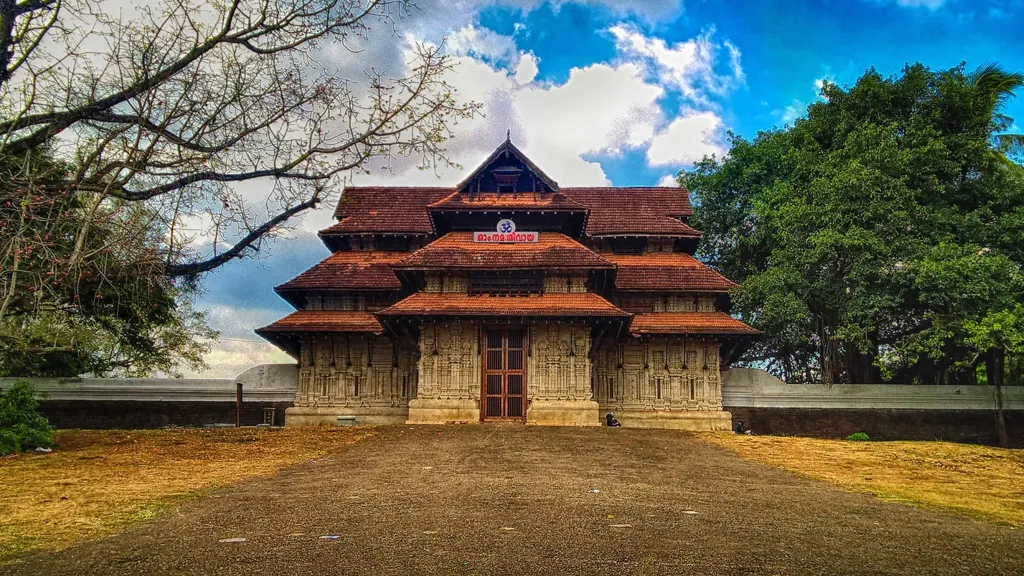
Vadakkunnathan Temple Thrissur
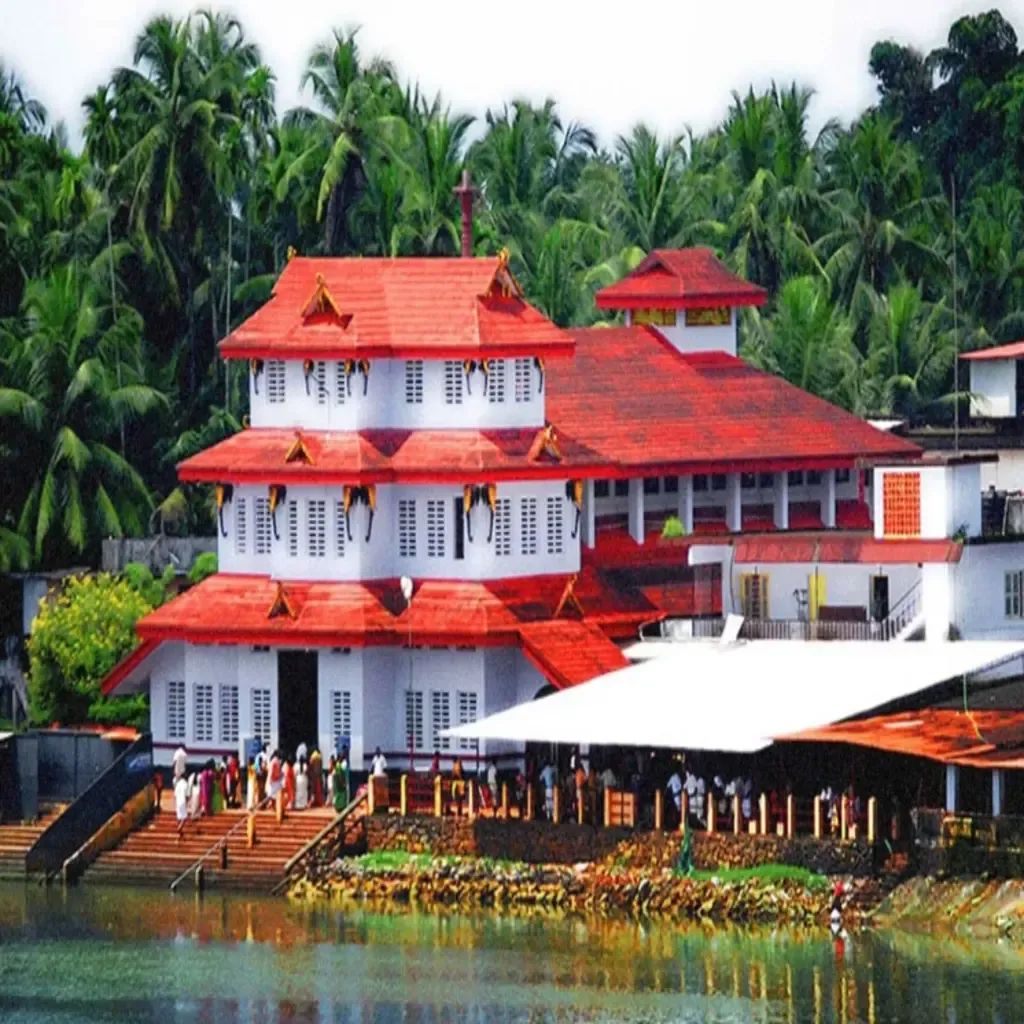
Parassinikadavu Muthappan Temple
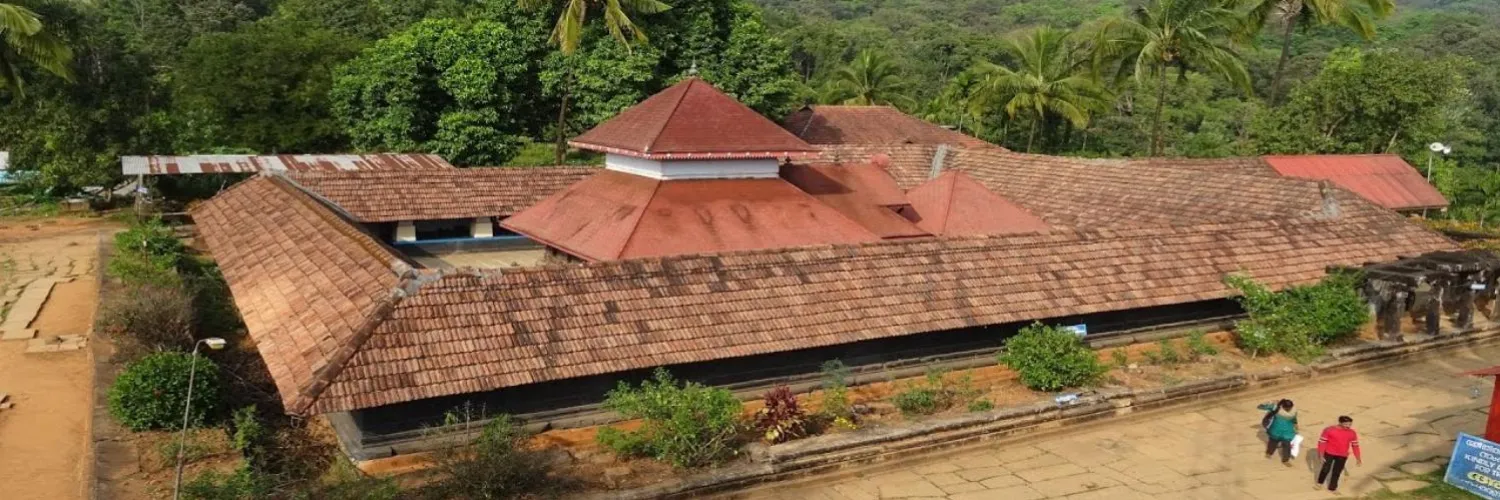
Thirunelli Temple Wayanad
Visit Information
Opening Hours
Entry Fee
Best Time to Visit
September to March
Location
Idukki District, Kerala, India
Contact
For inquiries: 04869-248420
Share this destination:
 Translate